Part 2
Instrument Makers in USA
Schilke Music Products, Inc. Chicago
By Stephan Suter
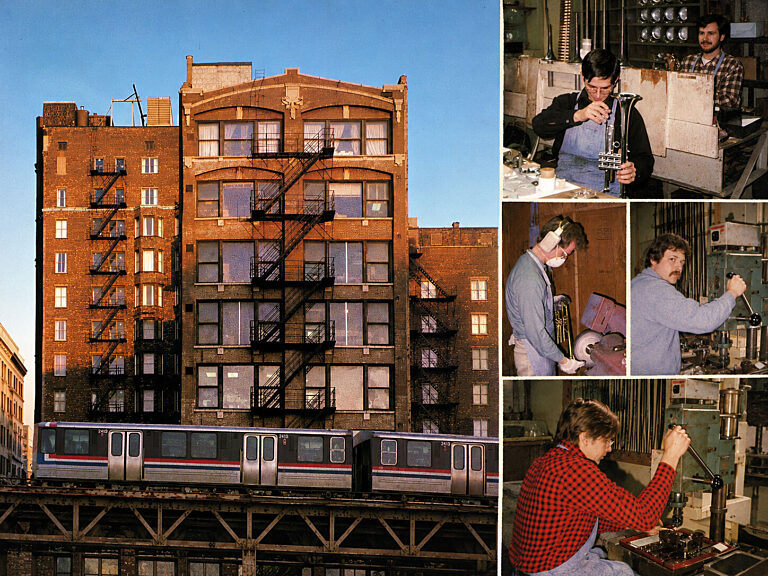
In a Chicago workshop, traditional handwork meets new bell-making methods, while Renold Schilke’s uncompromising standards shape an unusual company culture.
International Magazine for Brass Players
September 25, 2026
Articles, interviews, research and historical documents
Part 2
Schilke Music Products, Inc. Chicago
By Stephan Suter
In a Chicago workshop, traditional handwork meets new bell-making methods, while Renold Schilke’s uncompromising standards shape an unusual company culture.
Part 2
The classical Armstrong period (1927-1945)
By Michel Laplace
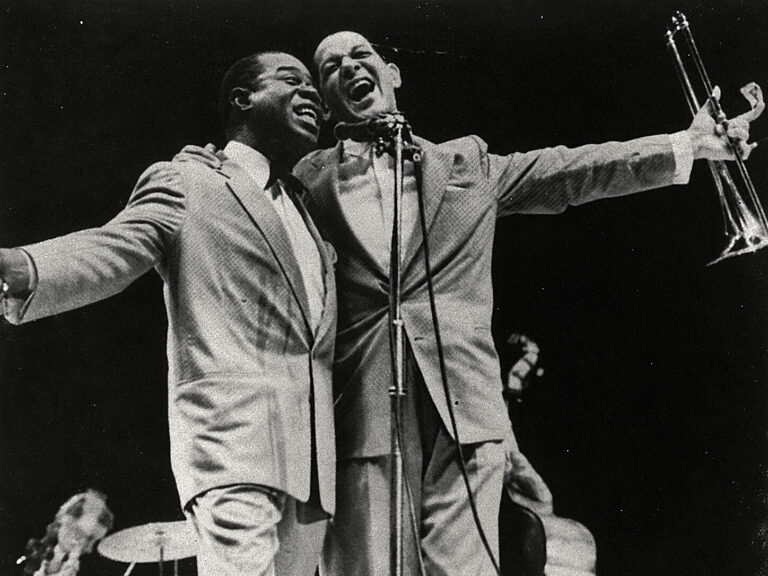
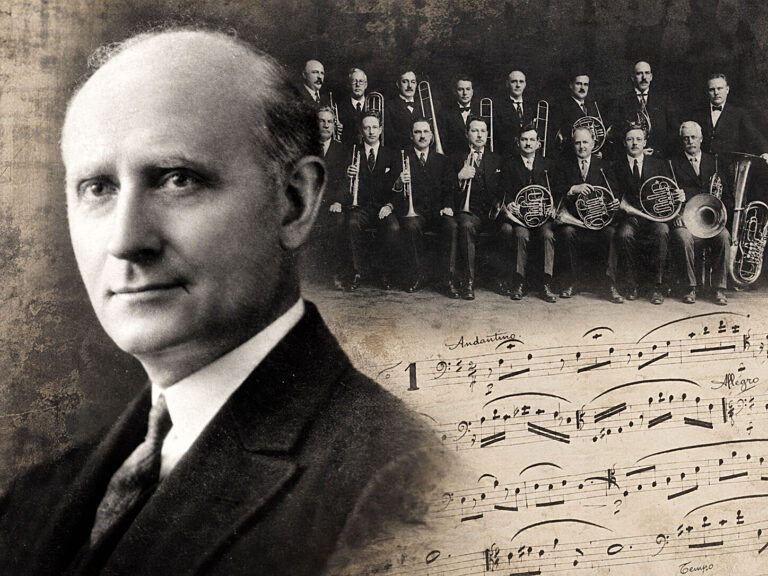
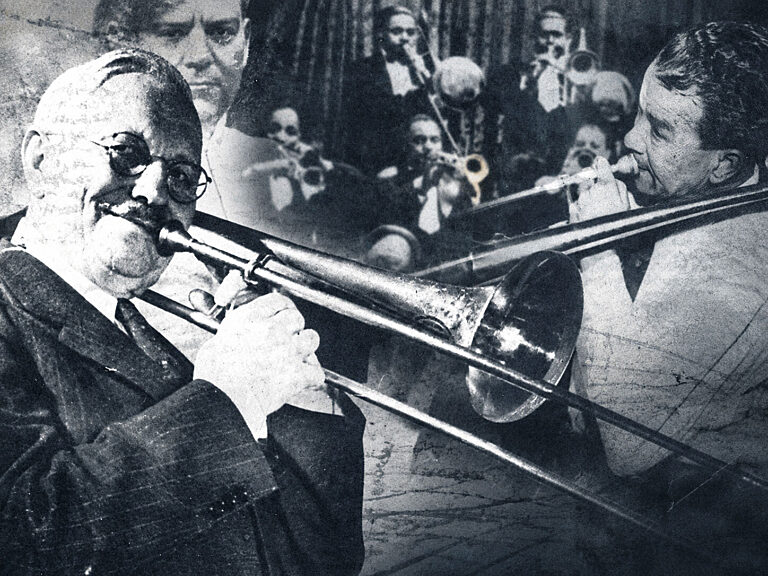
Jazz trombone changed rapidly between 1927 and 1945, as Armstrong’s influence, big-band playing and new techniques transformed both its language and sound.
A virtuoso's career
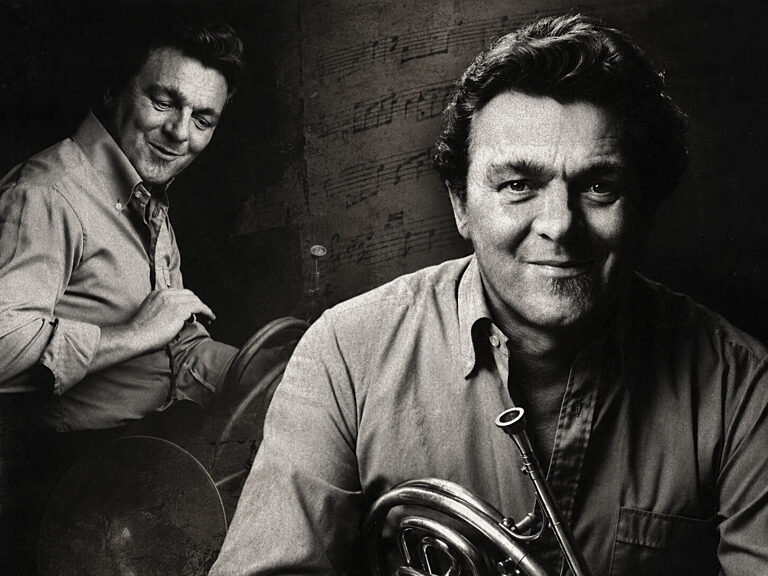
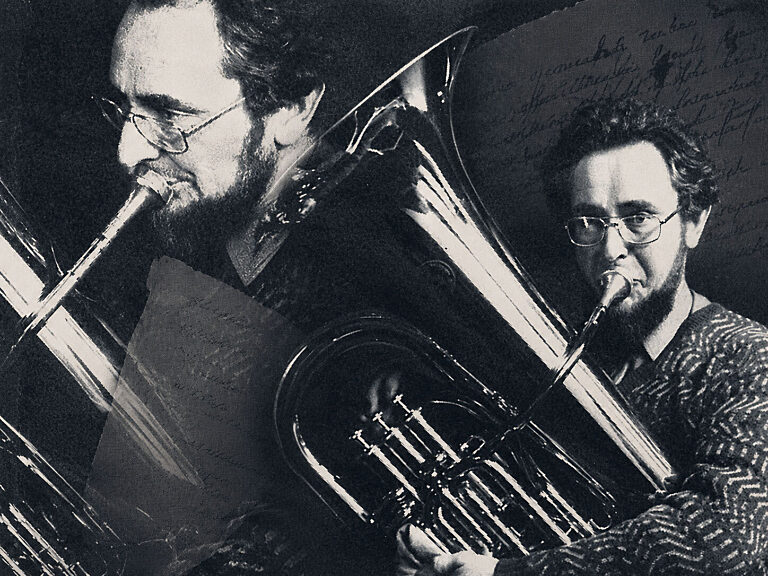
A career built on sound, memory and the natural horn shows how Hermann Baumann helped redefine what a horn soloist could be on the international stage.
By Jean-Pierre Mathez
A social portrait of the British brass player
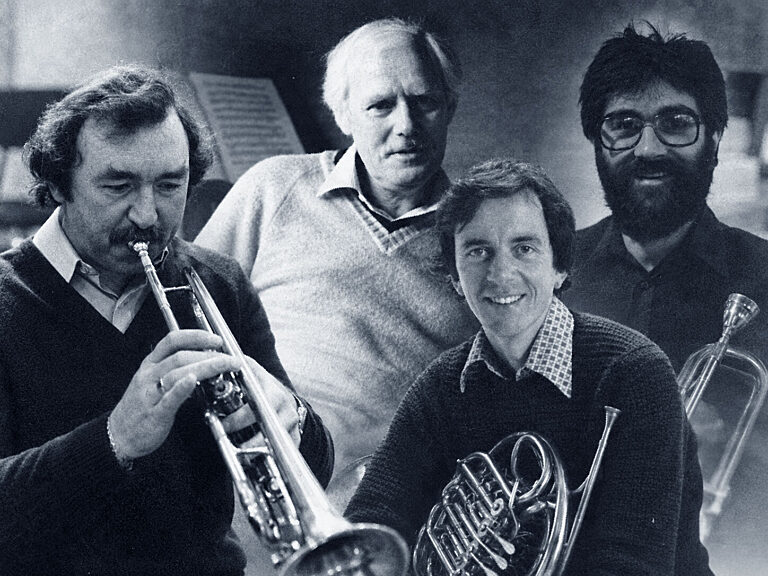
Four British brass players confront a profession transformed by orchestras, freelance work, social prejudice and the shrinking certainties of musical life.
By Thomas Aitken
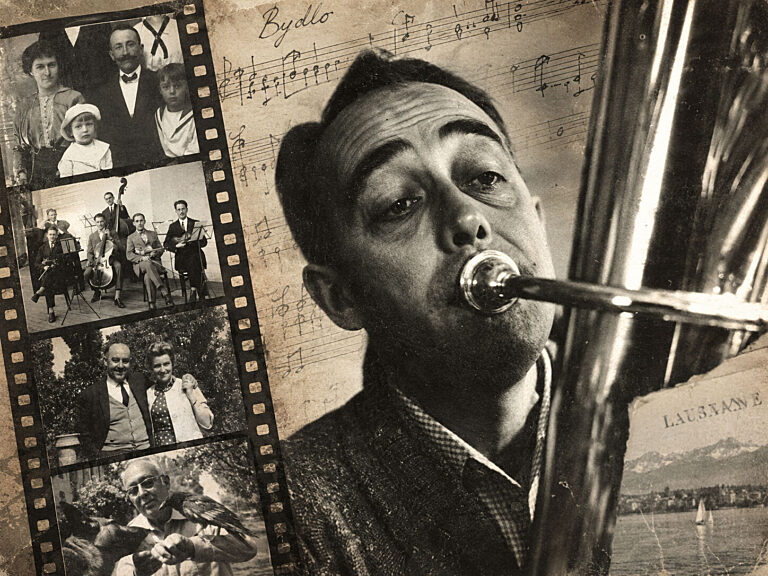
A teenage double bassist in 1920s Lausanne turns family resistance, scout orchestras and hard-earned engagements into the beginnings of a professional life.
By Edouard Gros
In their own words
No. 31 · 1980
Read the articleFull access
Unlimited access to every article, historical PDF downloads, and new material every week — from CHF 5 per month.
Subscribe
Many years ago, William Vacchiano of the New York Philharmonic purchased a Bach D trumpet which played horribly sharp in pitch. When he complained to Vincent Bach, the latter, in his own inimitable style, responded by saying Vacchiano didn’t know how to play the instrument properly! So Vacchiano put the instrument in a closet and never played it. Twenty years later he discovered the instrument had been improperly fitted with an E♭ trumpet leadpipe!
— Thomas Stevens
No. 43 1983
Read the article
Of all the instruments, the french horn looked and sounded the most beautiful, and it looked like it would be easy. But I was wrong, it wasn’t easy. By the time I found that out, it was too late...
— Peter Gordon
No. 50 1985
Read the article
Trumpet
Talent, will and glory
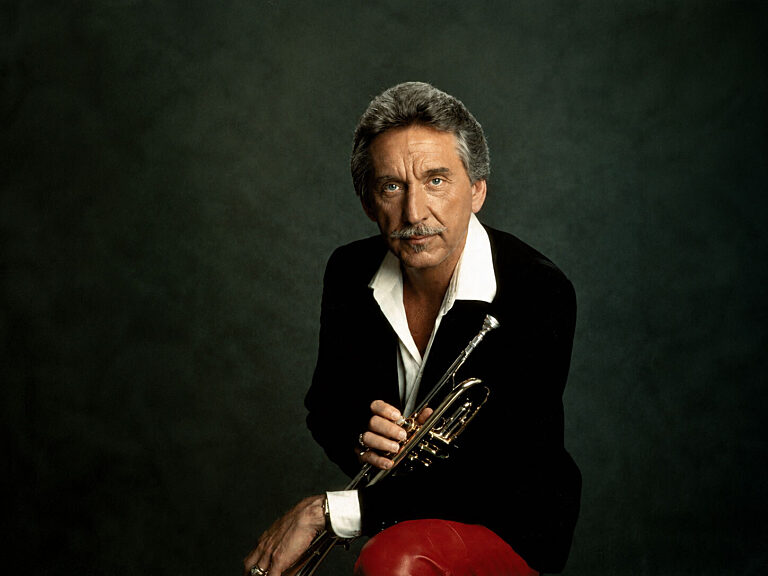
Trumpet virtuoso and nightly television star, Doc Severinsen combined immense popularity with concerts, big bands and iron discipline.
By Jean-Pierre Mathez
Horn
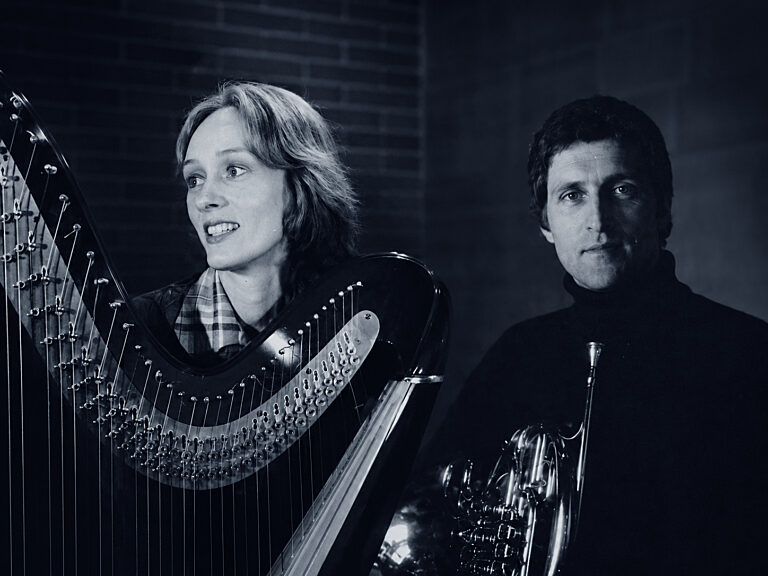
Virtuoso showpieces once filled concert halls, yet today the rare pairing of horn and harp preserves a forgotten musical world shaped by performers themselves.
By Ch. Bernsdorff-Engelbrecht
Trombone
A Trombone Artist
Behind decades of orchestral excellence, one trombonist shaped a school of playing whose influence reached far beyond Leningrad and the concert hall.
By Anatoly Barantsev
Euphonium
The euphonium revealed: Barrie Perrins explores its history, technique, and expressive power—making a compelling case for its place as one of brass’s most versatile solo voices.
By Barrie Perrins
Tuba
Why does the tuba sound different across Europe? Robert Tucci explores national styles, instruments and orchestral traditions.
By Robert Tucci
Horn
A week in Trossingen brought leading horn players, Mozart debates, natural-horn controversies and lasting friendships at a landmark European gathering.
By Jeffrey Agrell
Historic moments captured in the Journal pages of Brass Bulletin.
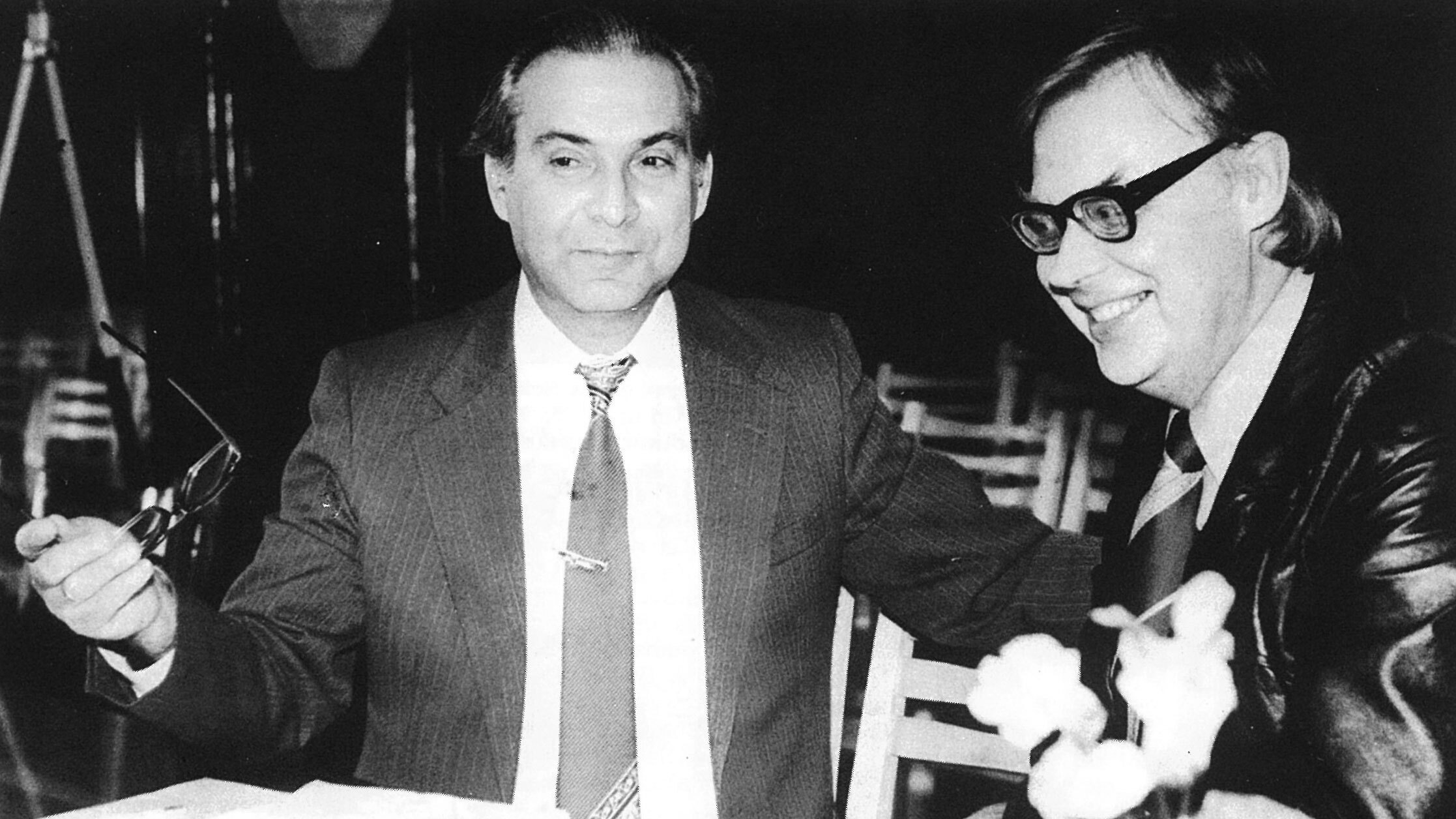
Timofey Dokshitzer and composer Eino Tamberg
Brass Bulletin No. 37 1982
Browse this issueNo. 47 · 1984
As brass instruments grew larger and louder, John Fletcher saw something being lost: the individual voice, clarity and character that make a player heard.
By Thomas Aitken
No. 46 · 1984
In Mozart’s sacred music, the trombone moved beyond choral reinforcement to striking solo roles that preserve the sound and practice of eighteenth-century Salzburg.
By Benny Sluchin
No. 47 · 1984
A ghostly Arban returns in 1984 to find virtuosity thriving, instruments transformed and a brass world whose progress leaves its greatest pedagogue strangely displaced.
By Jean-Pierre Mathez
No. 46 · 1984
A tuba becomes a laboratory for circular breathing, reeds, strange mutes and music theatre as Melvyn Poore pushes beyond the orchestral role assigned to it.
By Thomas Aitken
No. 45 · 1984
Berlioz turned a changing brass section into a dramatic force, using horns, trombones, cornets and saxhorns to shape colour, distance, ceremony and fear.
By Benjamin Perl
No. 50 · 1985
A young Michel Becquet challenges orchestral habits, champions the trombone as a solo voice and reflects on competitions, repertoire, teaching and sound.
By Benny Sluchin
Browse by instrument
No. 51
The classical Armstrong period (1927-1945)
Michel Laplace No. 51 · 1985
No. 50
Trombonist of the Boston symphony Orchestra
David Fetter No. 50 · 1985
No. 50
Michel Laplace No. 50 · 1985