Brass Techniques Series • Part 3
The Ear
By Jean-Pierre Mathez
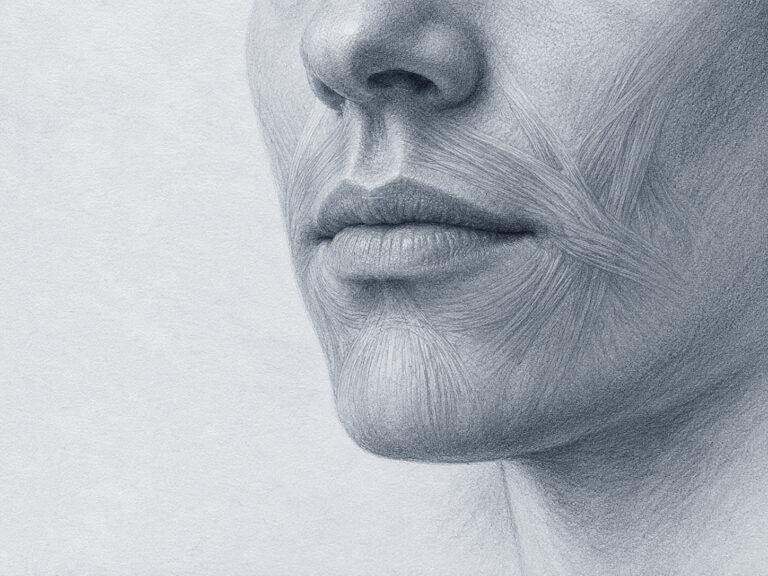
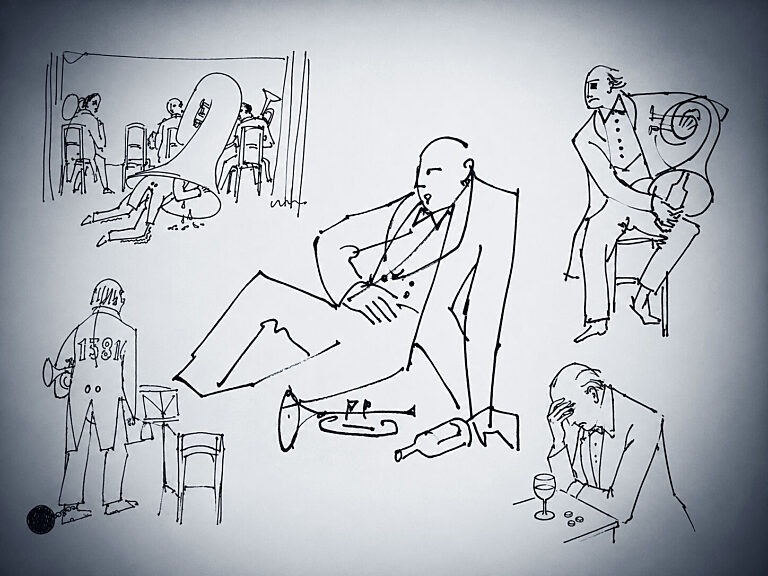
The musician’s ear does more than judge pitch: it shapes tone, balance and expression, while the smallest differences in perception can transform performance.
International Magazine for Brass Players
October 17, 2026
Articles, interviews, research and historical documents
Brass Techniques Series • Part 3
By Jean-Pierre Mathez
The musician’s ear does more than judge pitch: it shapes tone, balance and expression, while the smallest differences in perception can transform performance.
Once again trumpet, after six years
By Edward H. Tarr
At the 1986 Munich competition, technical brilliance was no longer enough: changing standards of musical expression were reshaping the expectations placed on young trumpeters.
Part 1
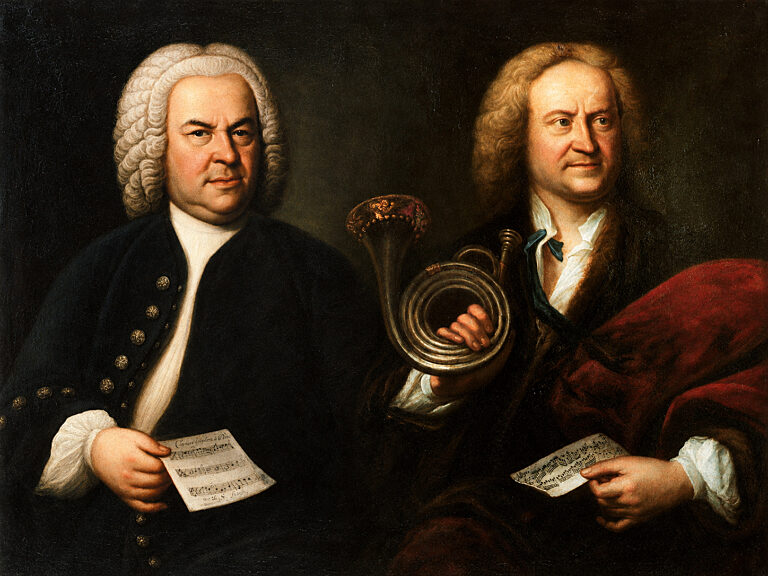
Edward H. Tarr examines the Baroque trumpet and clarifies the origins and meaning of the so-called “Bach trumpet.”
By Edward H. Tarr
Part 1
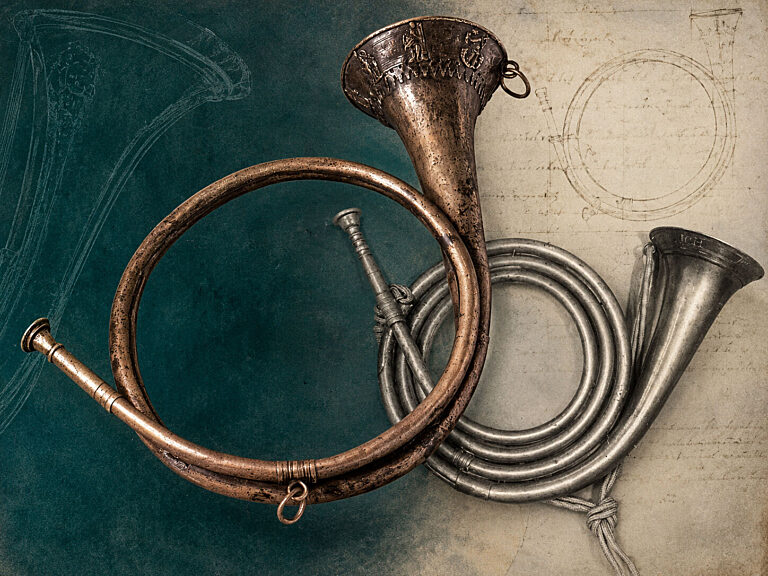
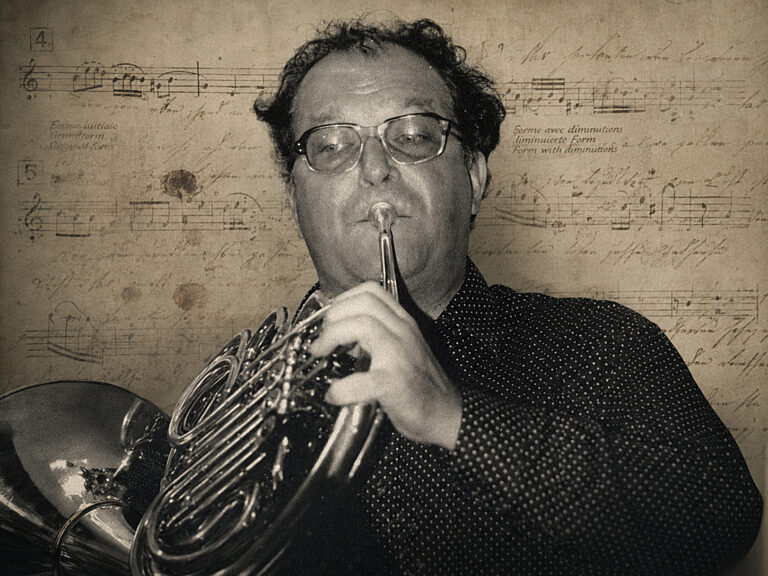
Performance once depended as much on informed invention as on written notes, and early horn concertos still carry that forgotten freedom in plain sight.
By Peter Damm
Part 1
The trombone in the chamber ensemble at the beginning of modern music (1913-1934)
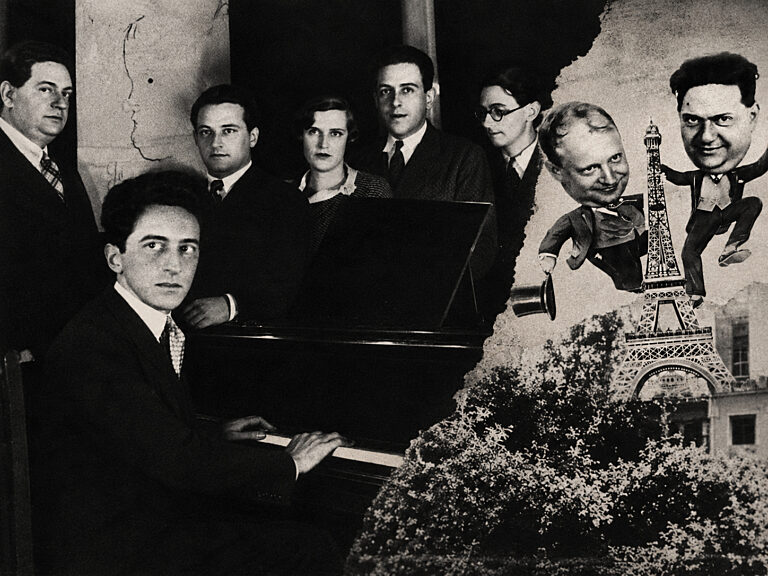
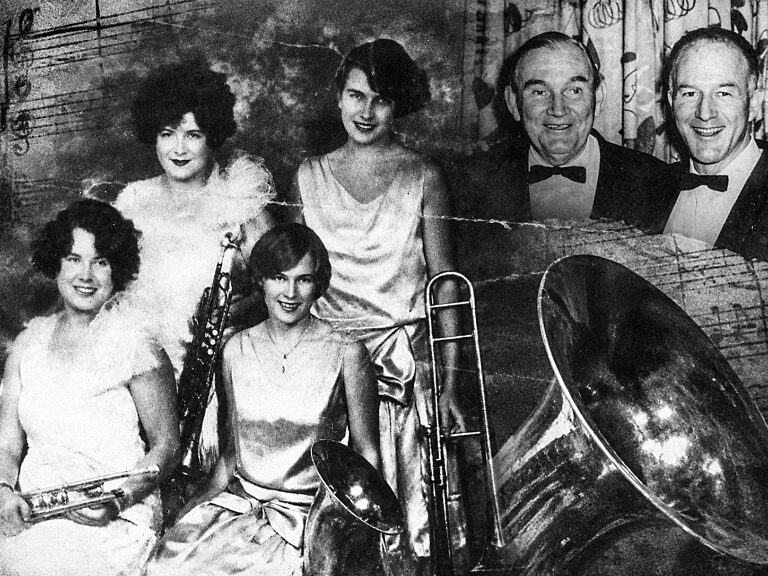
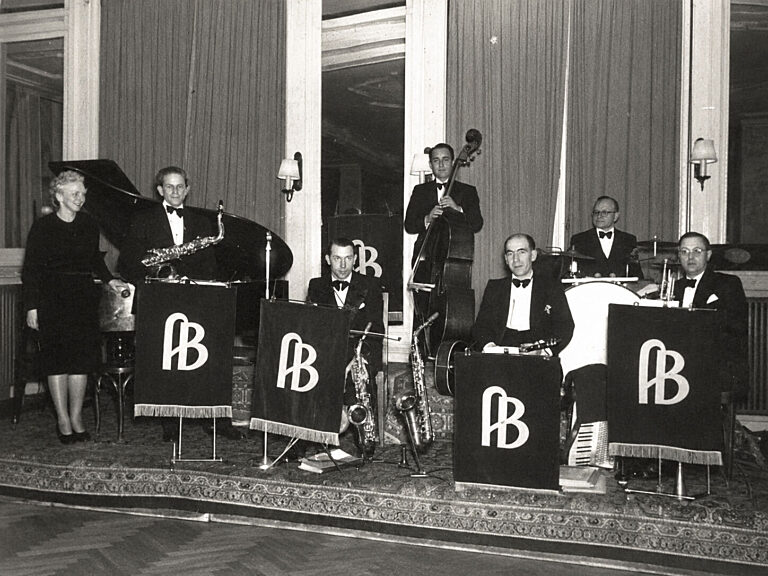
Between 1913 and 1934, the trombone gained an unexpected place in chamber music as Satie, Milhaud and Stravinsky challenged orchestral traditions with jazz and new sounds.
By Michael Struck-Schloen
Is Big Always Beautiful?
As brass instruments grew larger and louder, John Fletcher saw something being lost: the individual voice, clarity and character that make a player heard.
By Thomas Aitken
Part 1
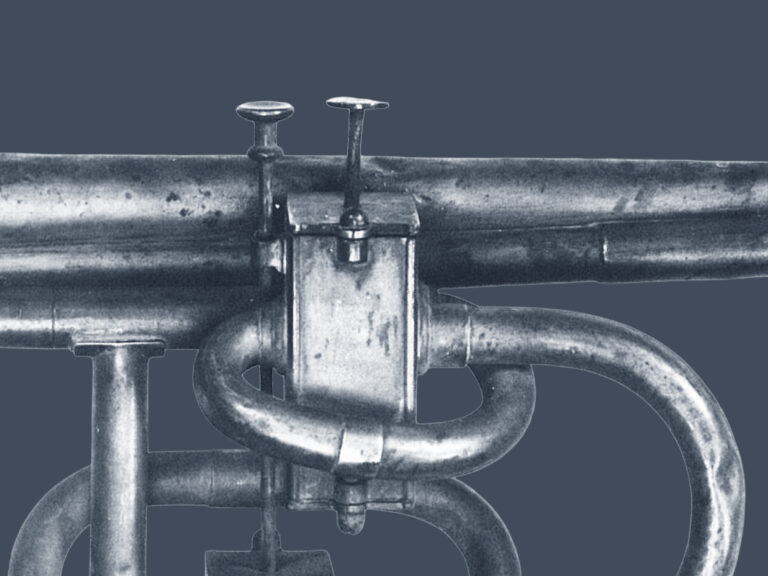
At the origin of modern brass: Herbert Heyde uncovers the true story of valve invention—revealing rivalries, experiments, and the breakthrough that transformed musical history.
By Herbert Heyde
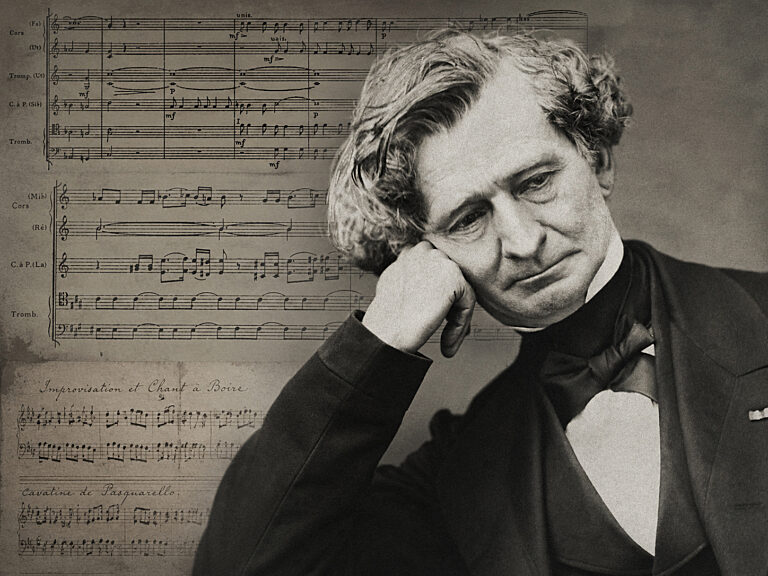
Berlioz turned a changing brass section into a dramatic force, using horns, trombones, cornets and saxhorns to shape colour, distance, ceremony and fear.
By Benjamin Perl
Part 1
Interview
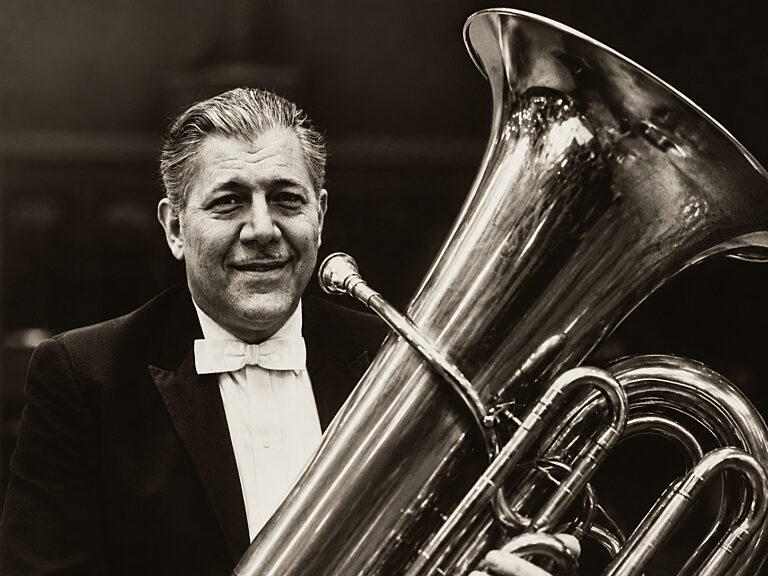
Two tuba giants meet in 1979 Chicago, where Arnold Jacobs turns technique, sound, orchestral life and pedagogy into a lasting musical ethic.
By Roger Bobo
Interview
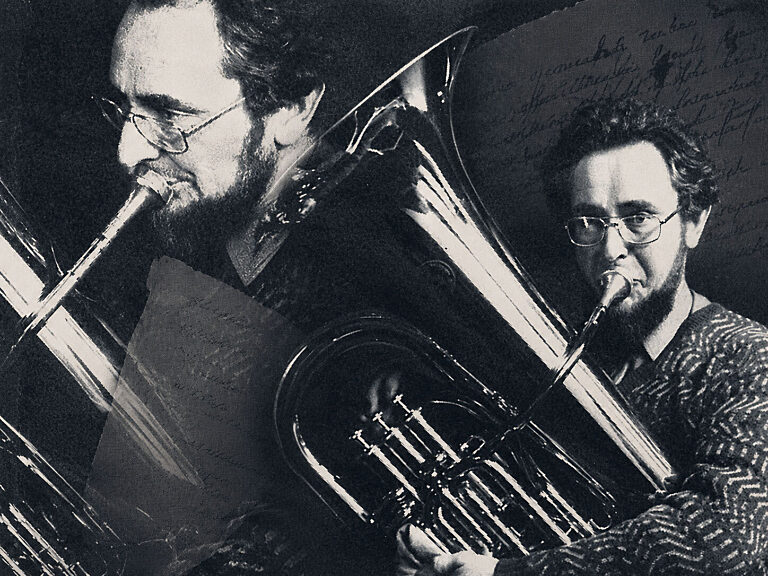
From brass bands to chamber ensembles, John Fletcher reflects on the rapid rise of young British tubists and the changing role of the instrument.
By Jean-Pierre Mathez
From Reykjavik to the Hollywood Bowl, rising concert hall scale and amplified culture reshape orchestral sound, leaving acoustic limits exposed.
By Roger Bobo
Part 1
Beyond technique: Jeffrey Agrell explores how Zen challenges Western thinking—revealing a new path to awareness, focus, and deeper musical experience in horn playing.
By Jeffrey Agrell
Behind a debate once confined to musicians lies a wider shift in how performance anxiety, medication and professional responsibility began to be separated instead of confused.
By Christian Baechler
Brass Techniques Series • Part 1
Instrumental mastery begins beyond the instrument itself, where motivation, concentration and self-awareness shape the musician’s progress and artistic development.
By Jean-Pierre Mathez
Part 1
Biography
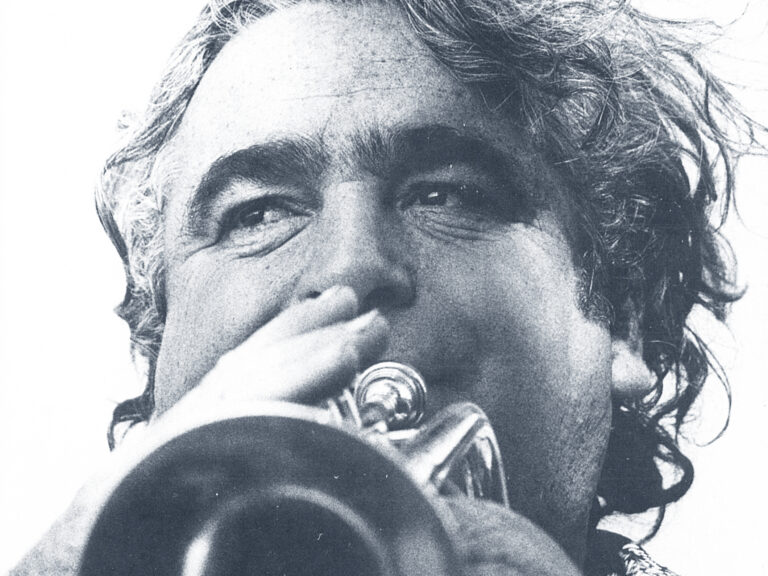
From the mine to the Conservatoire: Maurice André recalls his early years—revealing the chance, discipline, and destiny behind one of the greatest trumpet careers.
By Jean-Pierre Mathez
Interview
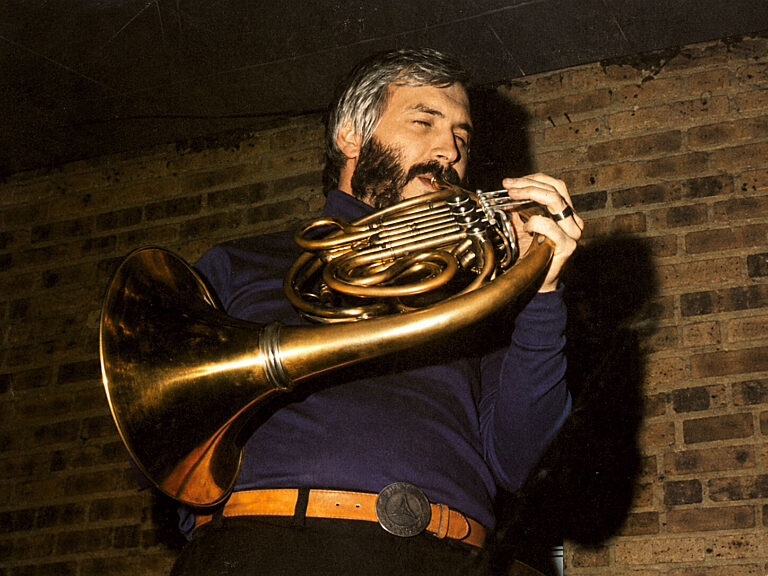
Between the London Symphony Orchestra, international solo tours and Mozart or Strauss concertos, Barry Tuckwell reflects on sound, risk and musical instinct.
By Jean-Pierre Mathez
Interview
A young Michel Becquet challenges orchestral habits, champions the trombone as a solo voice and reflects on competitions, repertoire, teaching and sound.
By Benny Sluchin
Browse by instrument
International Brass Competitions
Jean-Pierre Mathez, Roland Schnorhk No. 55 · 1986
No. 55
Part 1
The trombone in the chamber ensemble at the beginning of modern music (1913-1934)
Michael Struck-Schloen No. 55 · 1986
No. 52
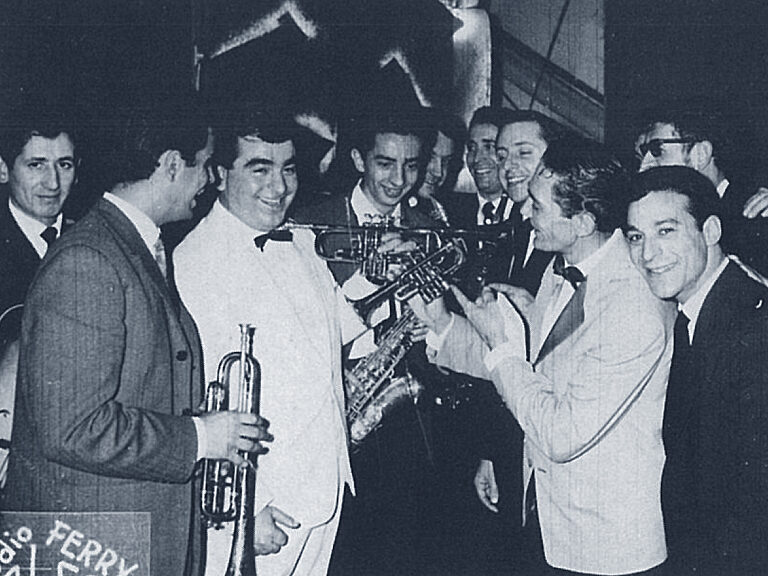
Raymond Fonseque No. 52 · 1985