Discoveries for brass players, once a month. Join our free newsletter →

Trombone

All articles related to Trombone
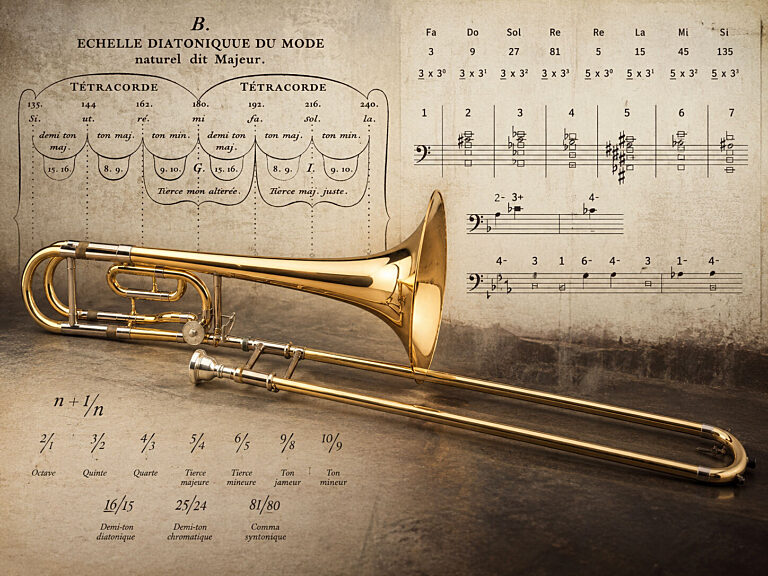
Good intonation on the trombone
No. 52 • 1985 Digitized

Good intonation on the trombone

The trombone’s fixed positions meet the compromises of natural harmonics, as Raymond Fonsèque proposes a different logic for pitch across major and minor keys.

By Raymond Fonseque
Technique Acoustics Intonation
From musical wallpaper to the twelve-note row
No. 55 • 1986 Digitized

Part 1

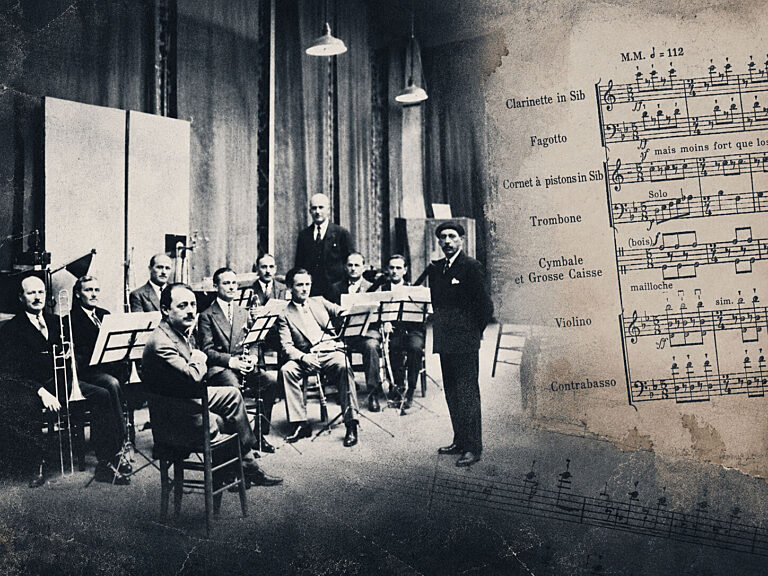
From musical wallpaper to the twelve-note row

The trombone in the chamber ensemble at the beginning of modern music (1913-1934)

Between 1913 and 1934, the trombone gained an unexpected place in chamber music as Satie, Milhaud and Stravinsky challenged orchestral traditions with jazz and new sounds.

By Michael Struck-Schloen
Repertoire History Contemporary Music Jazz
The trombone: changing times, changing slide positions
No. 36 • 1981 Digitized

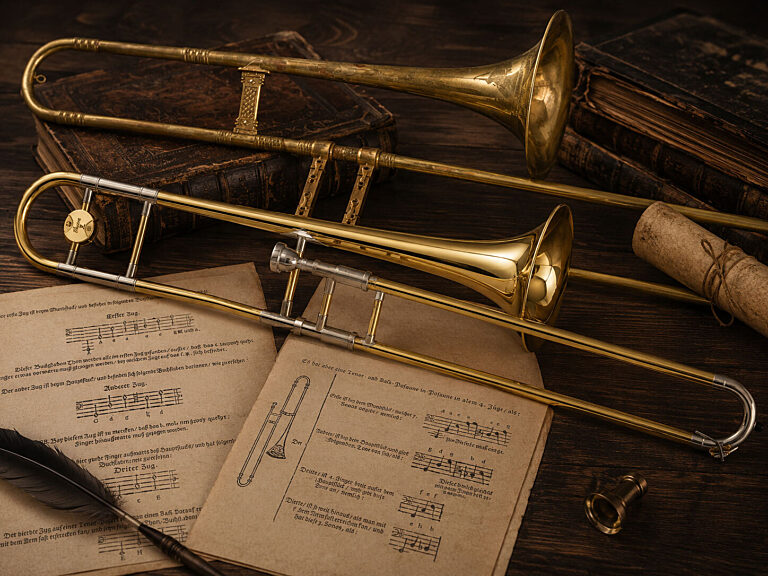
The trombone: changing times, changing slide positions

From Virgiliano to Praetorius and Eisel, early sources reshape long-held assumptions about trombone tuning, slide positions and historical playing practice.

By Howard Weiner
History Technique Historical instruments Intonation Instrument making
From musical wallpaper to the twelve-note row
No. 56 • 1986 Digitized

Part 2

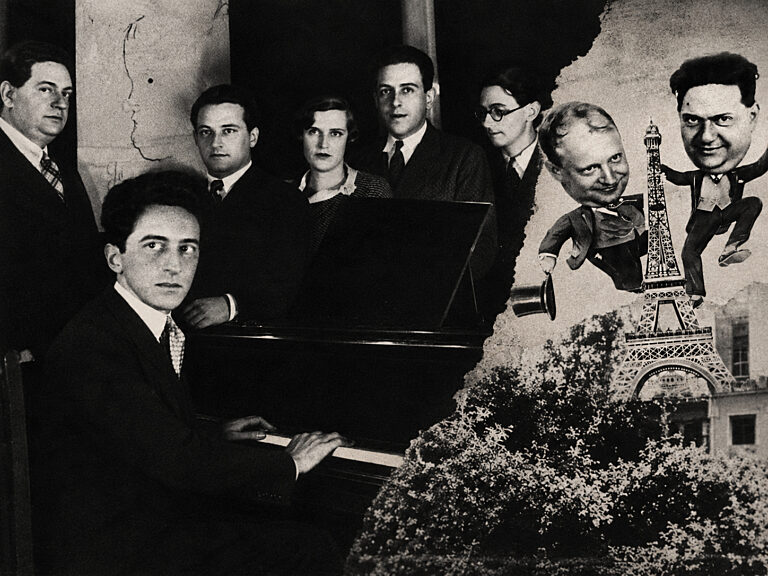
From musical wallpaper to the twelve-note row

The trombone in the chamber ensemble at the beginning of modern music (1913-1934)

In interwar chamber music, Hindemith, Janáček, Berg and Webern give the trombone new roles, expanding its expressive range beyond its traditional bass function.

By Michael Struck-Schloen
Repertoire History Contemporary Music
Michel Becquet Free
No. 50 • 1985 Digitized

Michel Becquet

Interview

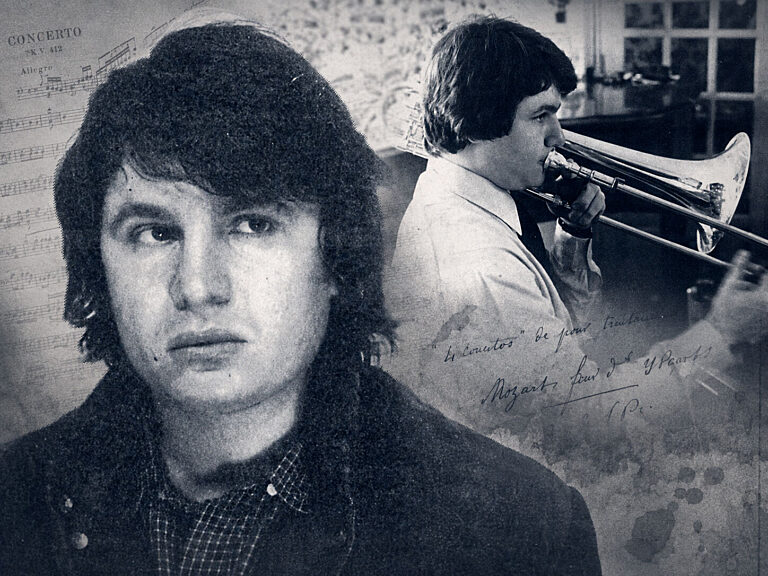
A young Michel Becquet challenges orchestral habits, champions the trombone as a solo voice and reflects on competitions, repertoire, teaching and sound.

By Benny Sluchin

Encounters Repertoire Solo playing
No. 62 • 1988 Awaiting digitization

Part 2

The Alto Trombone

By Benny Sluchin
History Equipment
The Alto Trombone
No. 61 • 1988 Digitized

Part 1

The Alto Trombone

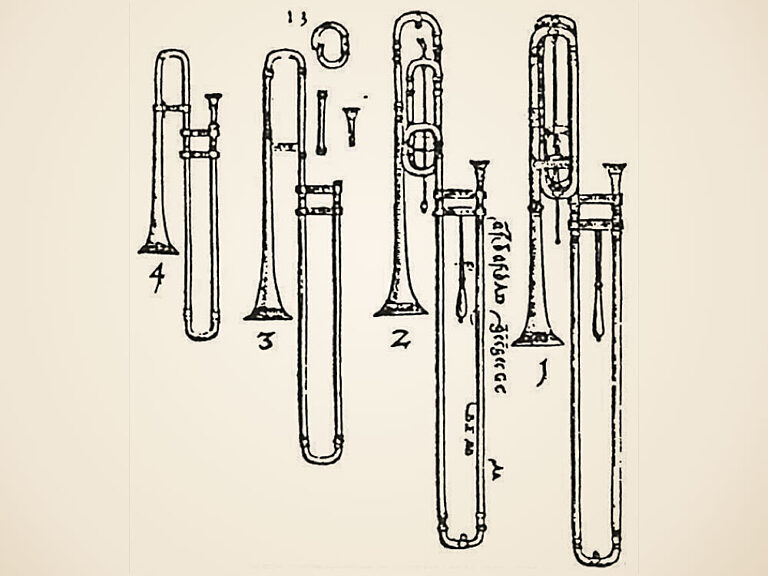
Once a fixture of the orchestral trombone section, the alto fell out of use before returning to the orchestra, with the E-flat instrument the most widely used of several types.

By Benny Sluchin
History Equipment Historical instruments Orchestral playing
The Trombonists Conrad and Johannes Bauer Free
No. 60 • 1987 Digitized

Special GDR

The Trombonists Conrad and Johannes Bauer

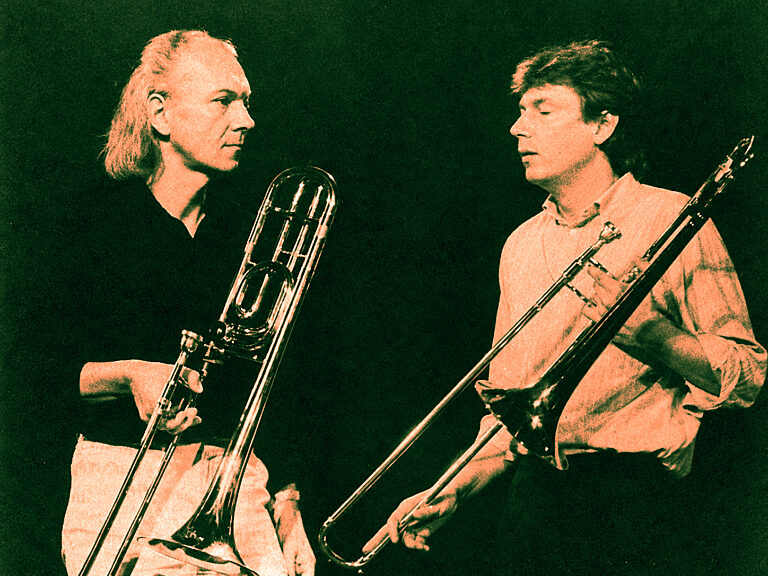
Conrad and Johannes Bauer took different paths to improvised trombone music, developing distinct approaches before joining forces in the Doppelmoppel quartet.

By Bert Noglik

Encounters Improvisation Jazz
Free
No. 55 • 1986 Digitized

Markneukirchen 1986

International Brass Competitions

In 1986, young brass players from East and West met in Markneukirchen, where exceptional talent, demanding juries and musical traditions crossed political borders.

By Jean-Pierre Mathez, Roland Schnorhk
Competition Report
Branimir Slokar
No. 59 • 1987 Digitized

Branimir Slokar

Portrait

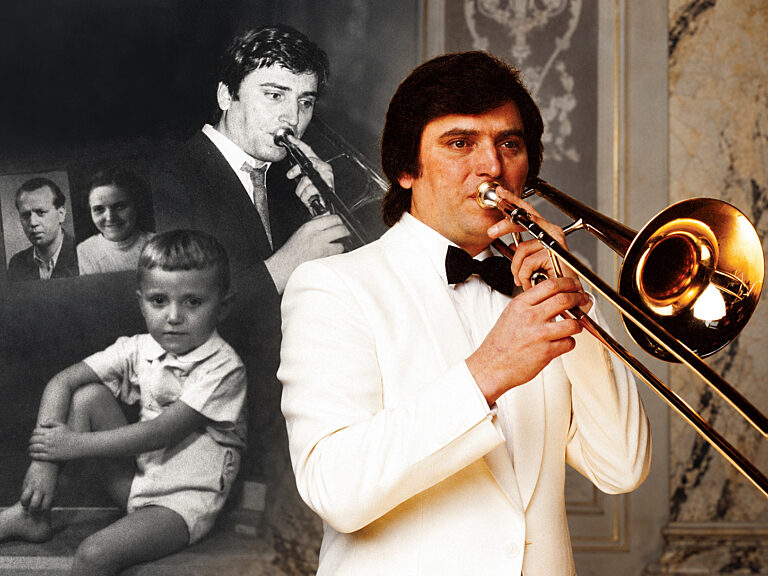
Branimir Slokar’s career took shape through studies in Ljubljana and Paris, orchestral posts and teaching, leading to an international solo career and trombone quartet.

By Jean-Pierre Mathez
Encounters
Trombone and Organ — a Dialog
No. 56 • 1986 Digitized

Part 1

Trombone and Organ — a Dialog

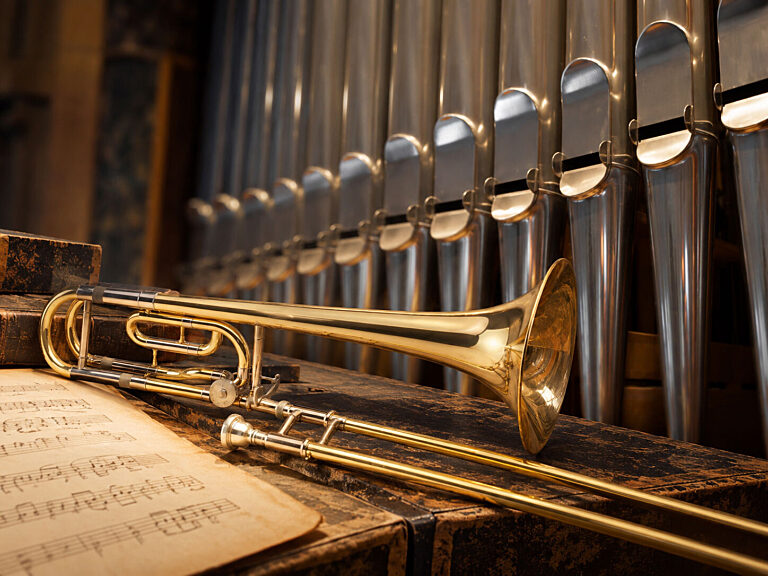
Since the 1970s, the trombone and organ have inspired a new repertoire in which medieval traditions, sacred music and modern composition meet in unexpected ways.

By Klaus Winkler

Repertoire Contemporary Music
No. 57 • 1987 Awaiting digitization

Part 2

Trombone and Organ — a Dialog

By Klaus Winkler
Repertoire Contemporary Music
Anton Hansen (1877-1947)
No. 28 • 1979 Digitized

Part 2

Anton Hansen (1877-1947)

Father of trombone playing in Scandinavia

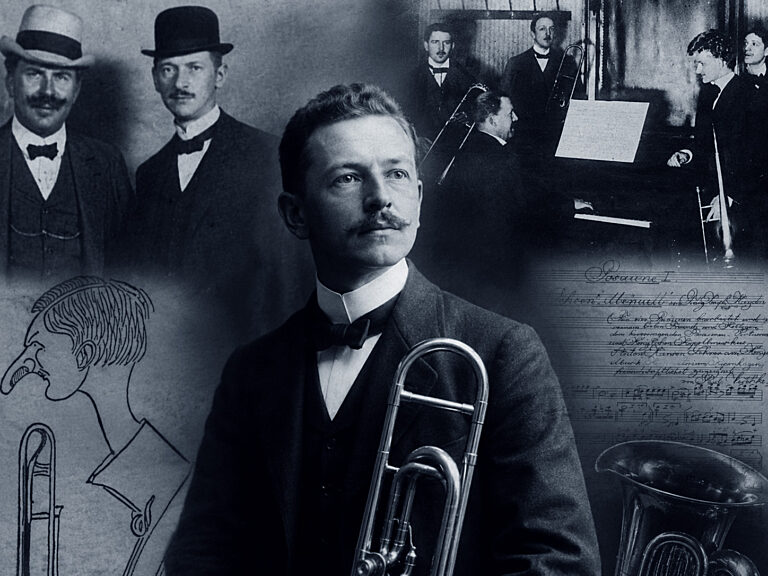
Berlin, Leipzig and Copenhagen diary pages show Hansen testing slide-trombone ideals against Weschke, orchestral practice and Carl Nielsen.

By Per Gade
History
Benny Sluchin Free
No. 30 • 1980 Digitized

Benny Sluchin

Portrait in brief

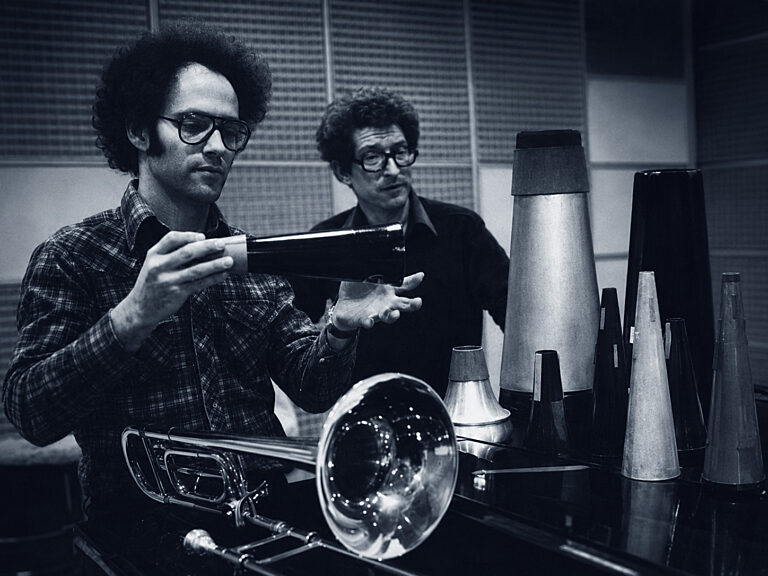
Between Paris, Cologne and Tel Aviv, Benny Sluchin brings mathematics, acoustics and contemporary performance into the brass world.

By Jean-Pierre Mathez

Encounters Professional life Contemporary Music Solo playing Orchestral playing
No. 89 • 1995 Awaiting digitization

Part 3

Thomas Gschladt

An Historical Perspective of an 18th Century Trombonist

By J. Richard Raum

History
No. 68 • 1989 Awaiting digitization

David Taylor

or a high class bass trombone

By Jean-Pierre Mathez
Encounters
The double-slide trombone Free
No. 30 • 1980 Digitized

The double-slide trombone

museum-piece with a future?

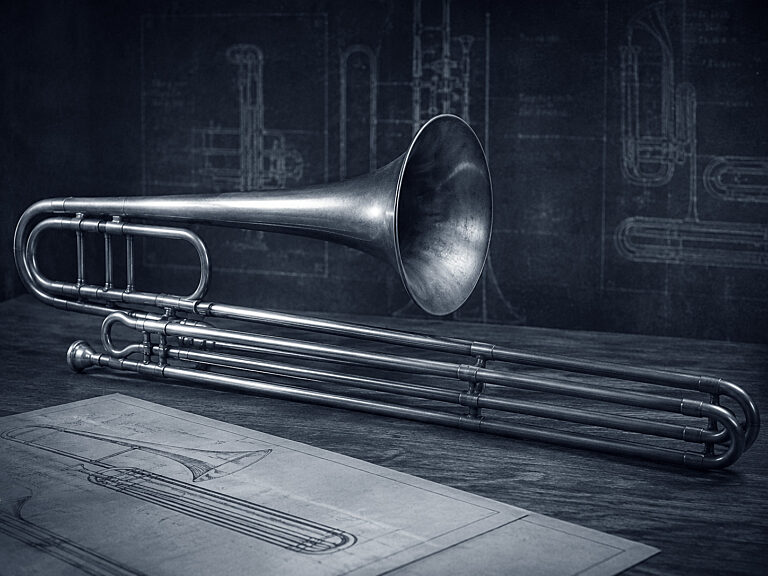
As virtuosity reshaped 20th-century brass playing, Boris G. Manzora argued that the forgotten double-slide trombone could redefine technique and range.

By Boris G. Manzora

Equipment Instrument Makers Historical instruments Instrument making Valves
No. 67 • 1989 Awaiting digitization

Toulon 1989

International Competition - Trombone

By Jean-Pierre Mathez

Report Competition
An interview with Jean Douay Free
No. 10 • 1975 Digitized

An interview with Jean Douay

What does it take to stay at the top of a major orchestra? Jean Douay shares insights on discipline, pressure and the realities behind the trombone section.

By Jean-Pierre Mathez

Encounters
No. 78 • 1992 Awaiting digitization

Part 2

The 18th Century Trombone

Rumors of its Death were Premature

By J. Richard Raum

History
No. 93 • 1996 Awaiting digitization

Being a Concert Trombone

By Ronald Barron

Professional life Solo playing
No. 92 • 1995 Awaiting digitization

New Thein Bass Trombone Innovations

By Ben van Dijk

Equipment
No. 73 • 1991 Awaiting digitization

Part 2

The Alto Trombone

In the 18th Century Sacred Chamber Music from the Abbeys of Göttweig and Melk, Austria

By J. Richard Raum

History Repertoire
No. 75 • 1991 Awaiting digitization

The Alto Trombone in the 20th Century Orchestra

By Benny Sluchin

History Repertoire
Loading…

Questions & Answers

How the Digital Edition works

What does the Digital Edition include?

The Digital Edition brings together the articles already digitized as searchable online texts—not simply as scans or PDF files—along with their original illustrations, notes, authorship, issue information, and available translations. Related-article suggestions currently include only this digitized material.

Are the digital articles identical to the originals?

We preserve the original text, language, illustrations, captions, footnotes, and editorial context as faithfully as possible. The presentation is adapted for comfortable online reading, and obvious transcription or scanning errors may be corrected. The substance and character of the published article remain unchanged.

Which languages are available?

Brass Bulletin was published in English, French, and German throughout its history. Italian and Spanish translations were added from issue No. 60 onward.

On the Italian and Spanish sites, articles from issues 1–59 are therefore shown in English by default.

How often are new articles added?

New articles are added almost daily, with approximately one complete issue digitized each week. The pace may vary depending on the preparation, image work, and editorial checking required.

Why aren’t all articles available digitally?

The complete Brass Bulletin collection contains 1,246 articles published between 1971 and 2003. The full index is already available online, allowing readers to discover every article in the collection, including those whose complete text has not yet been digitized.

Digitization began in February 2026. Each article is carefully prepared for online reading, checked, and connected to its issue, authors, subjects, and illustrations. At the current pace of digitization, the complete collection is expected to be available online by February 2028.

Why do some references mention articles that are not available yet?

References in the original articles are preserved even when the material they point to has not yet been digitized. This keeps the historical and editorial record intact. As more issues are added to the Digital Edition, an increasing number of these references will lead to articles that can be read online.

Can I suggest an article or report a transcription error?

Yes. If there is an article you would particularly like to see digitized, or if you notice a possible transcription error or missing detail, please contact us. Reader feedback helps us improve the Digital Edition and prioritize useful connections within the archive.

How can I support Brass Bulletin?

Your support helps fund the preparation, verification, and online publication of the complete collection.

Subscribe to the Digital Edition

Prefer to support us without subscribing?

Make a donation

How is the digitization progressing?

We’re gradually making the Brass Bulletin available online, article by article. You can read newly digitized articles as soon as they’re ready, even before an entire issue is complete.

Visit our Digitization Roadmap to browse recent additions and see estimated availability for upcoming issues. These estimates follow our recent pace and may change.

Search Brass Bulletin.