Complete articles index
Browse Brass Bulletin articles published since 1971. Search by topic, subject, instrument, author, series or issue, with new material added as the digital edition grows.
 Member
Part 2
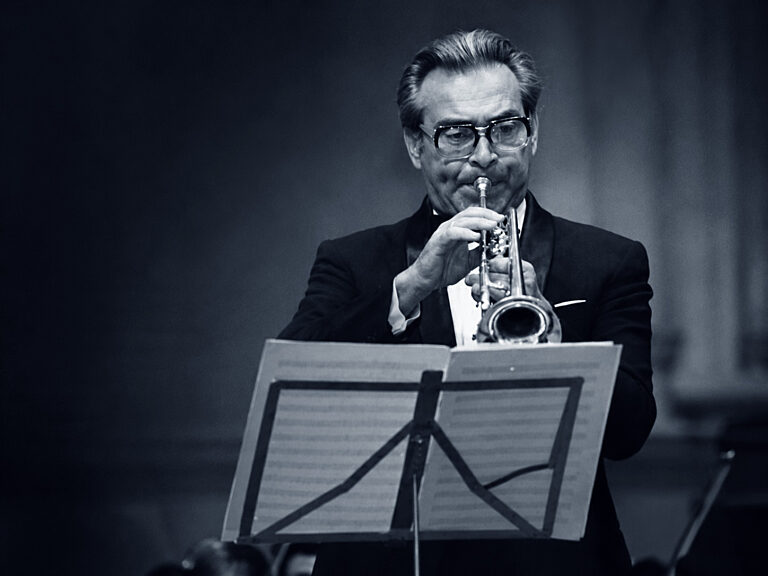
Articulation or bowing on the trumpet
Trumpet articulation becomes a full performing language, from détaché and staccato to legato, glissando, dynamics and score interpretation.
By Timofey Dokschidser
 Free
Part 1
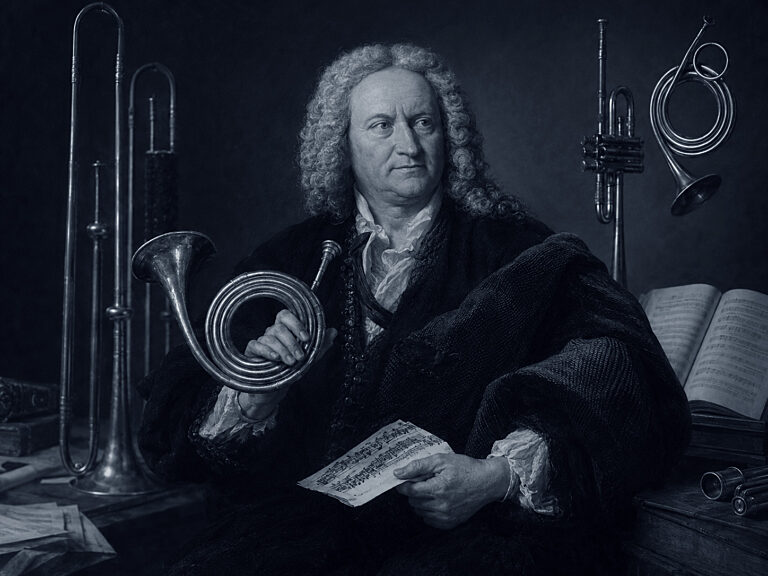
The Baroque trumpet, the high trumpet and the so-called Bach trumpet
Edward H. Tarr examines the Baroque trumpet and clarifies the origins and meaning of the so-called “Bach trumpet.”
By Edward H. Tarr
 Member
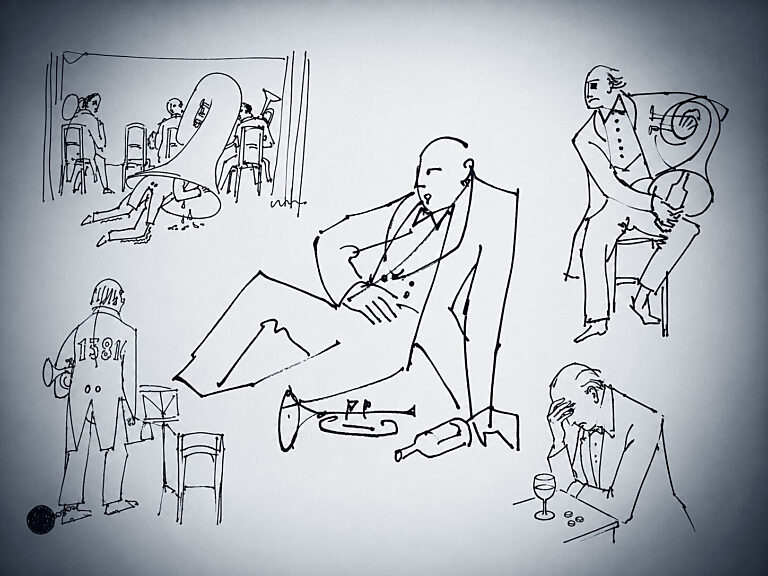
Nerves, Pills and Doping
Behind a debate once confined to musicians lies a wider shift in how performance anxiety, medication and professional responsibility began to be separated instead of confused.
By Christian Baechler
 Free
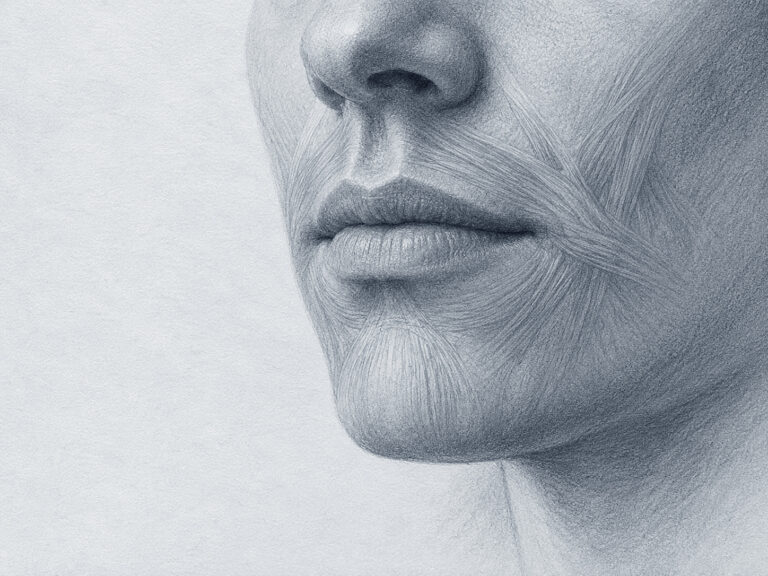
Breathing and the physiological mask
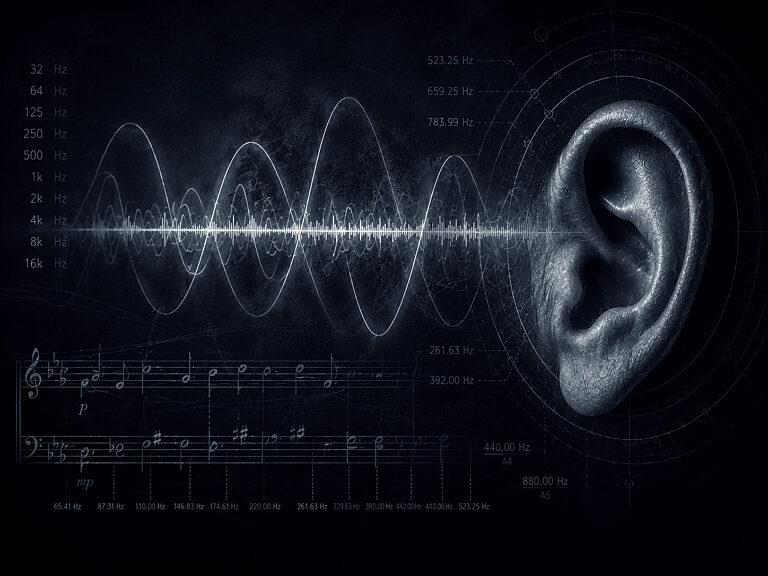
Air is not everything: Michel Ricquier challenges the “air column” myth, revealing how breathing and the “physiological mask” together unlock control, power, and ease.
By Michel Ricquier
 Member
Part 1
A study of musical intonation
Resultant tones, harmonic series ratios and chord spacing challenge equal temperament, linking acoustics and practical ensemble intonation.
By Christopher Leuba
Member
Part 3
A study of musical intonation
From wind quintets to brass sections, balance, overtones and perception shape intonation in ways that often diverge from measurable frequency.
By Christopher Leuba
 Member
Hermann Baumann
A virtuoso's career
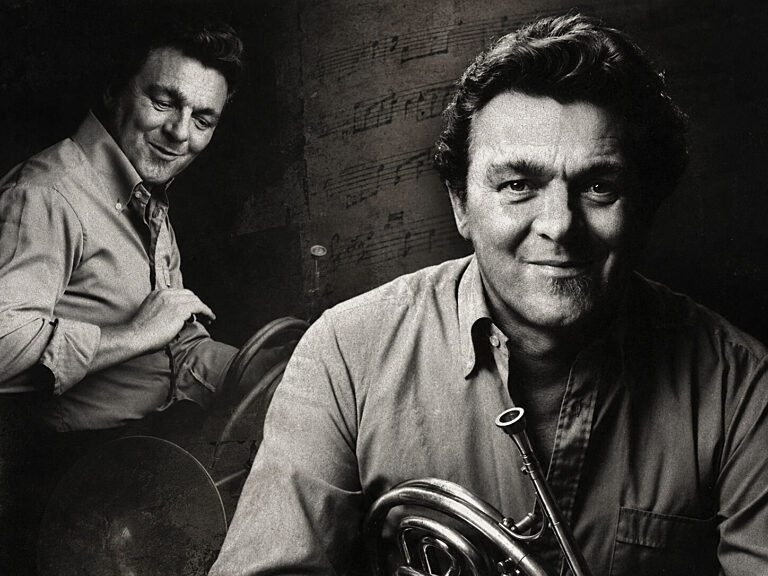
A career built on sound, memory and the natural horn shows how Hermann Baumann helped redefine what a horn soloist could be on the international stage.
By Jean-Pierre Mathez
 Member
Jazz and the Horn Series • Part 8
Dale Clevenger
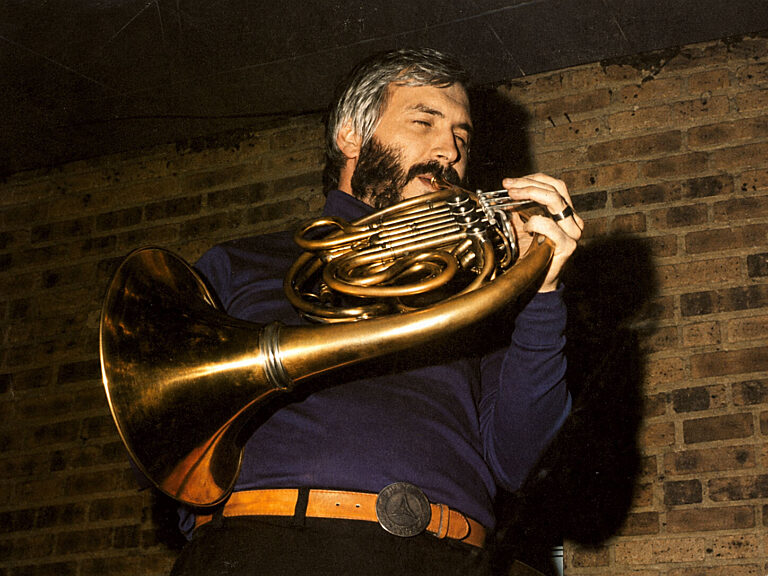
Principal horn of the Chicago Symphony Orchestra, Dale Clevenger spent his Tuesday evenings playing jazz, discovering a freedom that classical training alone could not provide.
By Jeffrey Agrell
 Member
Barry Tuckwell
Interview
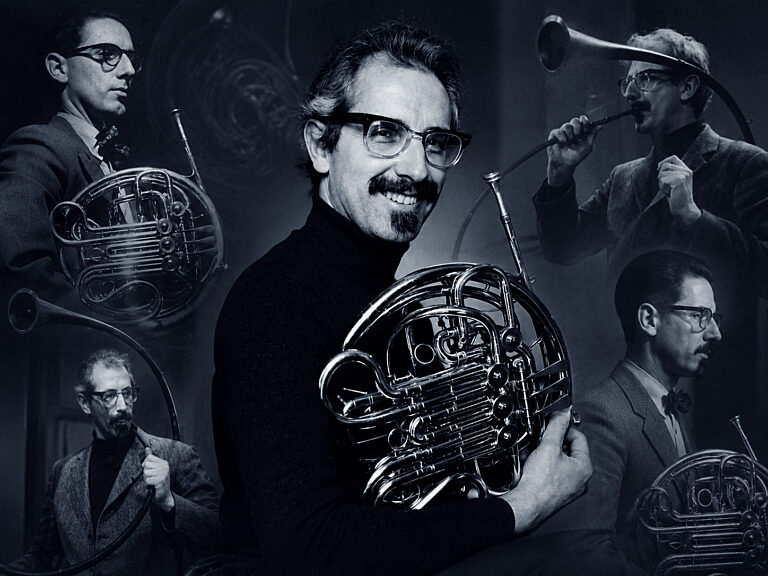
Between the London Symphony Orchestra, international solo tours and Mozart or Strauss concertos, Barry Tuckwell reflects on sound, risk and musical instinct.
By Jean-Pierre Mathez
 Member
Part 1
Articulation or bowing on the trumpet
Trumpet articulation becomes a precise study of attack, sustain, release and legato, linking tongue, breath, lips and sound in Dokshitser’s method.
By Timofey Dokschidser
 Free
Part 1
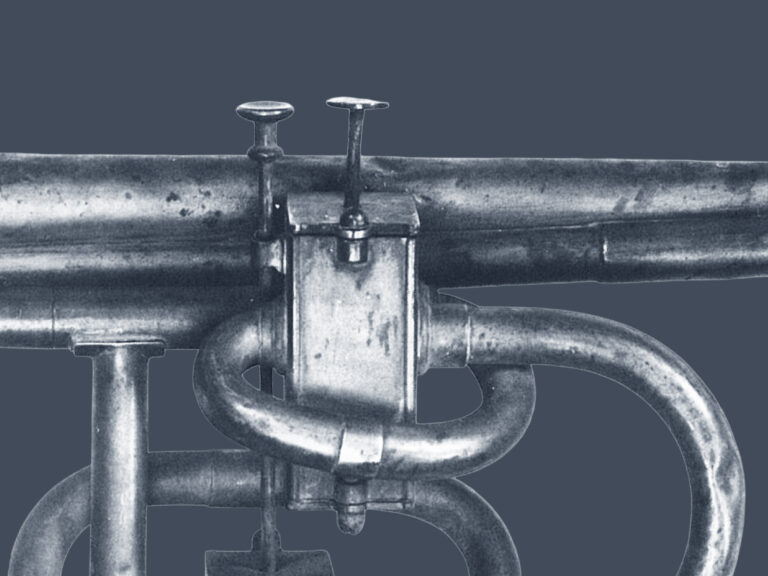
On the early history of valves and valve instruments in Germany (1814-1833)
At the origin of modern brass: Herbert Heyde uncovers the true story of valve invention—revealing rivalries, experiments, and the breakthrough that transformed musical history.
By Herbert Heyde
 Member
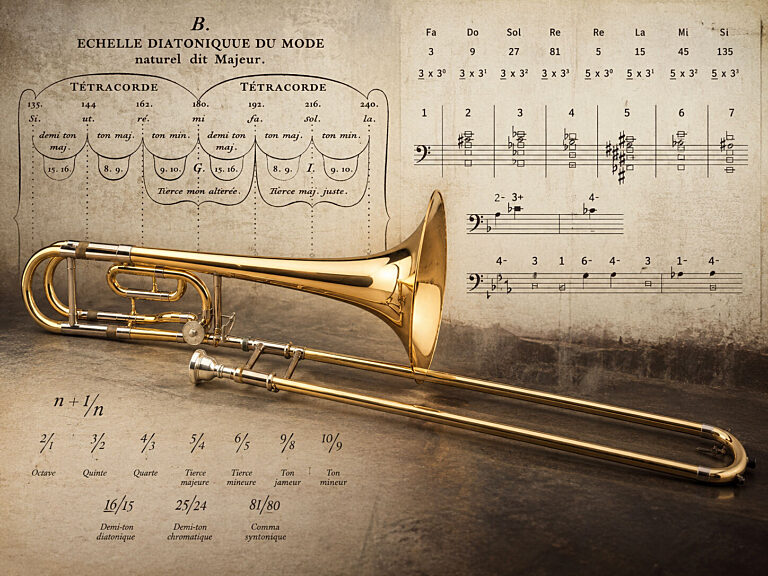
Good intonation on the trombone
The trombone’s fixed positions meet the compromises of natural harmonics, as Raymond Fonsèque proposes a different logic for pitch across major and minor keys.
By Raymond Fonseque
 Free
Part 1
Zen and the Art of Horn playing
Beyond technique: Jeffrey Agrell explores how Zen challenges Western thinking—revealing a new path to awareness, focus, and deeper musical experience in horn playing.
By Jeffrey Agrell
 Member
Part 1
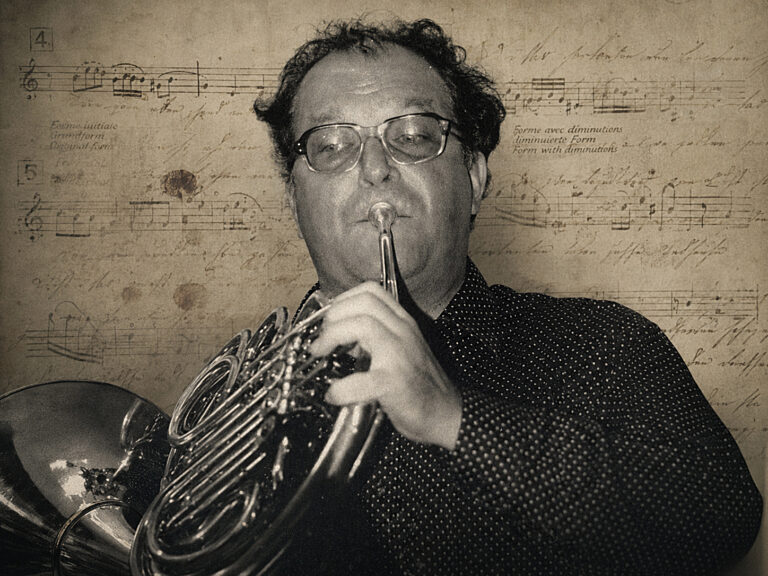
Ornaments in 18th-century Horn Concertos?
Performance once depended as much on informed invention as on written notes, and early horn concertos still carry that forgotten freedom in plain sight.
By Peter Damm
 Member
Part 1
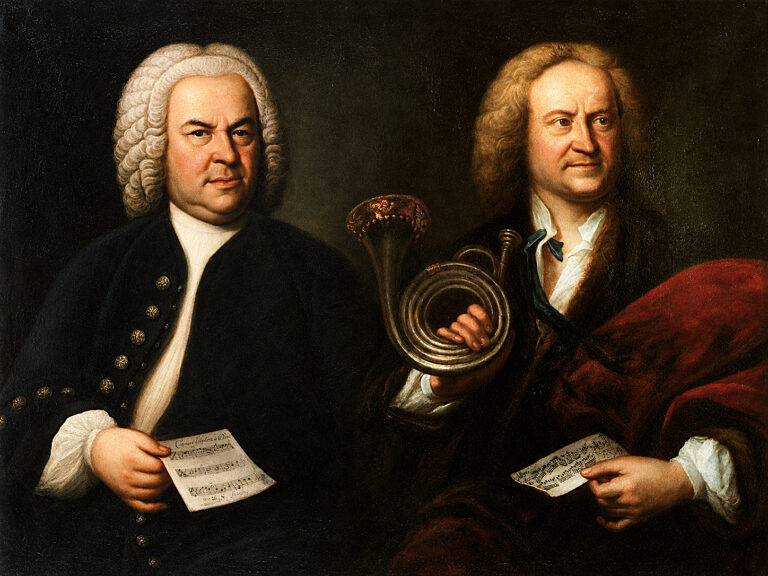
Did Bach write the "corne da caccia" part in the B minor Mass for Gottfried Reiche?
The Quoniam, only movement with horn in Bach’s B minor Mass, lies at the heart of a historical debate over whether its part was written for trumpeter Gottfried Reiche.
By Peter Damm
 Free
Michel Becquet
Interview
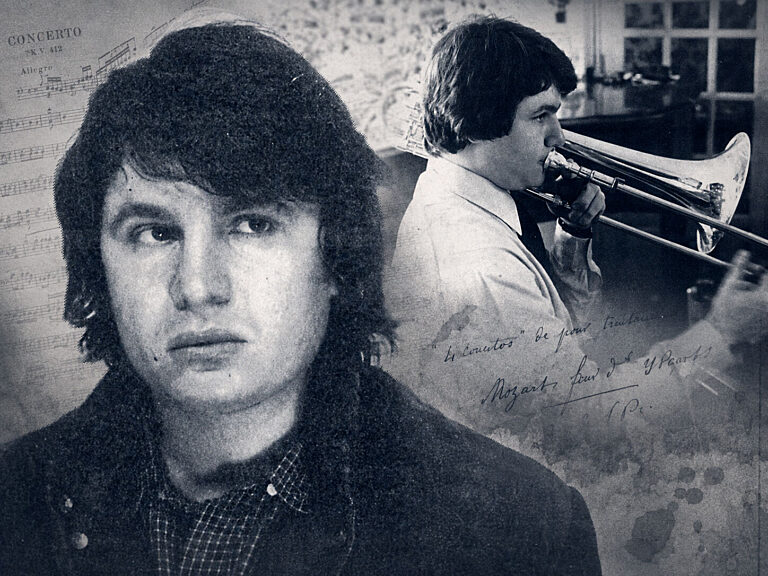
A young Michel Becquet challenges orchestral habits, champions the trombone as a solo voice and reflects on competitions, repertoire, teaching and sound.
By Benny Sluchin
Part 2
Did Bach write the "corne da caccia" part in the B minor Mass for Gottfried Reiche?
By Peter Damm
 Member
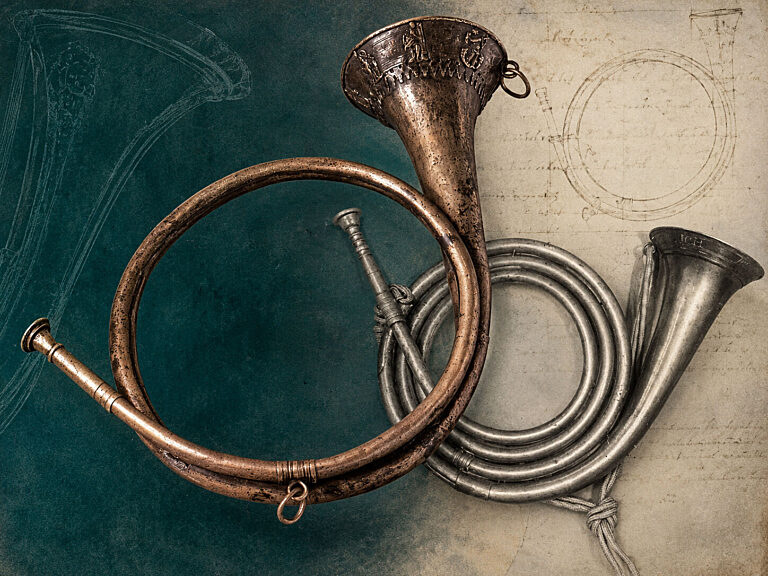
Horns and Huntmen's trumpets
In the 17th and 18th centuries, bore profiles, mouthpieces and musical functions blurred the boundaries between hunting horns, trumpets and emerging orchestral instruments.
By Herbert Heyde
 Member
Part 2
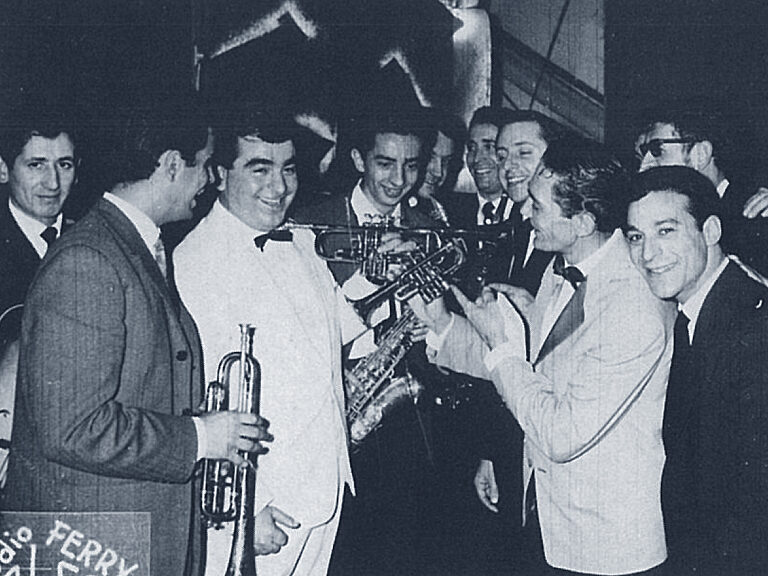
Maurice André
Biography
From circus gigs to Bach with Karajan: Maurice André reveals how relentless work, discipline, and daily technical refinement shaped one of the greatest trumpet careers.
By Jean-Pierre Mathez
Part 3
Did Bach write the "corne da caccia" part in the B minor Mass for Gottfried Reiche?
By Peter Damm
 Free
Part 1
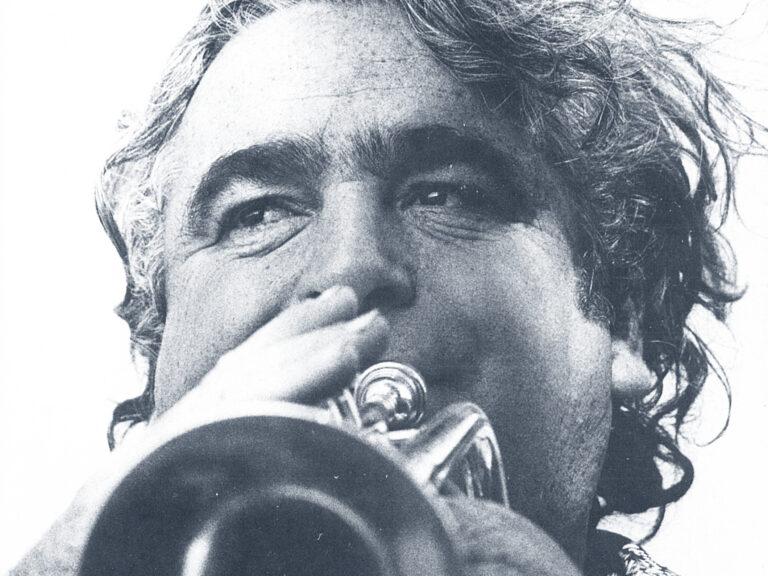
Maurice André
Biography
From the mine to the Conservatoire: Maurice André recalls his early years—revealing the chance, discipline, and destiny behind one of the greatest trumpet careers.
By Jean-Pierre Mathez
 Member
Part 2
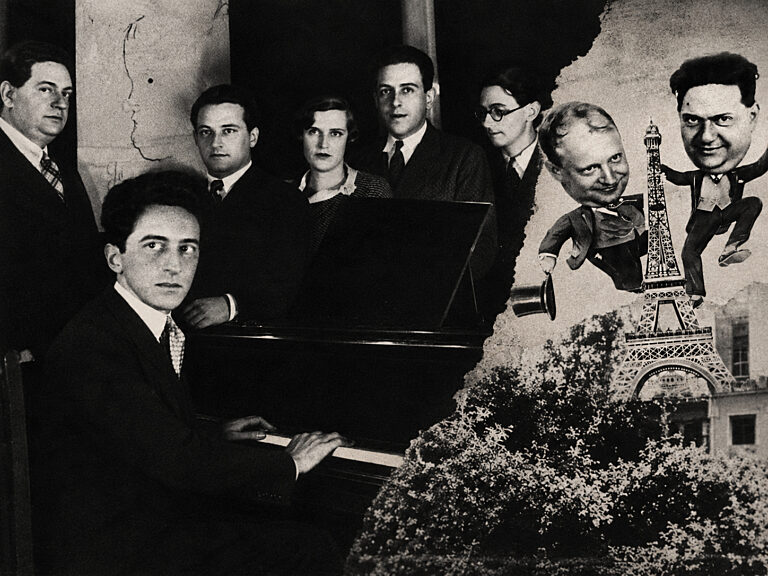
From musical wallpaper to the twelve-note row
The trombone in the chamber ensemble at the beginning of modern music (1913-1934)
In interwar chamber music, Hindemith, Janáček, Berg and Webern give the trombone new roles, expanding its expressive range beyond its traditional bass function.
By Michael Struck-Schloen
 Free
Brass Techniques Series • Part 1
The Brain
Instrumental mastery begins beyond the instrument itself, where motivation, concentration and self-awareness shape the musician’s progress and artistic development.
By Jean-Pierre Mathez
 Free
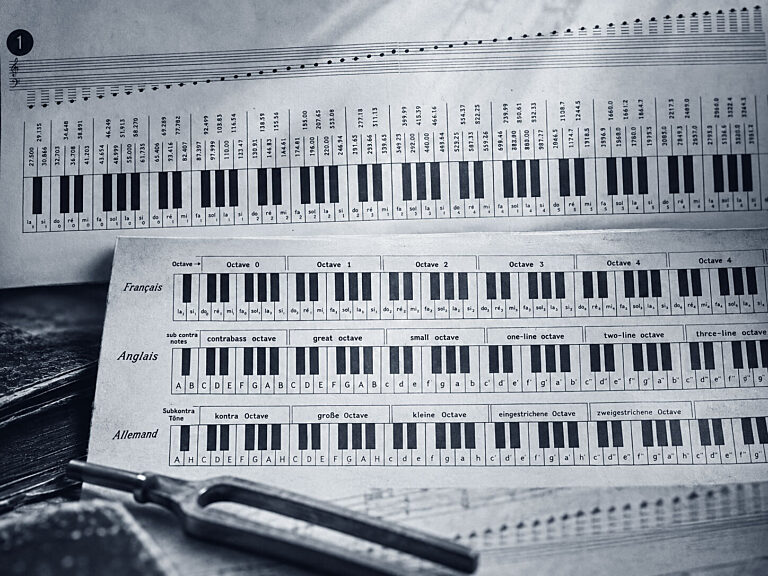
Frequency and Pitch
A = 440 became the international standard only in 1939, after centuries of competing pitches that shaped orchestral practice, instrument making and musical notation.
By Benny Sluchin