4 min. read
Wynton Marsalis
Interview
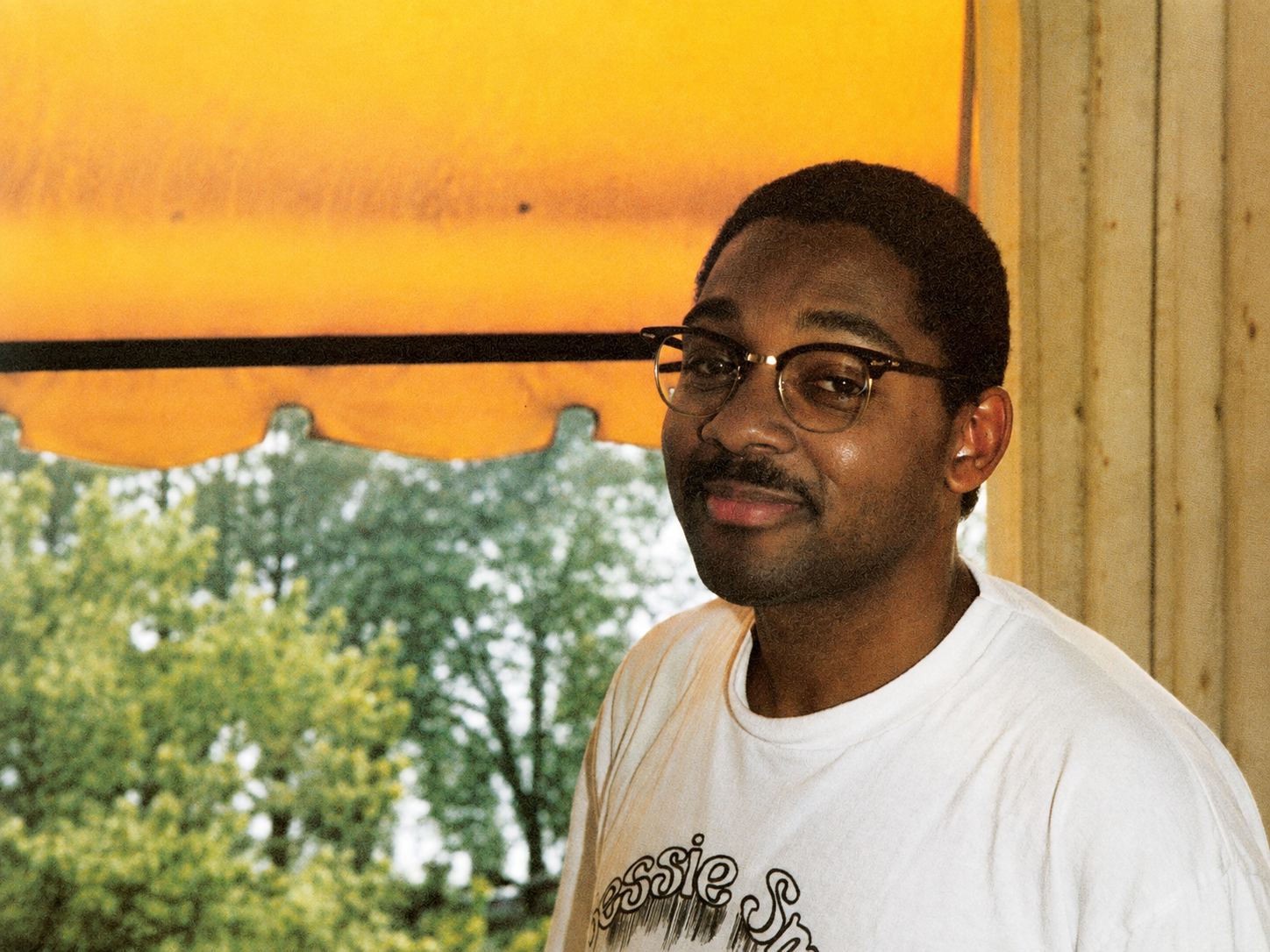
Wynton Marsalis
BRASS BULLETIN met this exceptional man with the shining talent when he visited the Montreux Jazz Festival. His trumpet is the means of expression for a particularly lucid mind.
Scene: the Palace Hotel, Monday 13th July 1987, 5 p.m. The reception desk is packed with players from the big band assembled by Jon Faddis for the 70th birthday of Dizzy Gillespie, who has just arrived. Dizzy, tired but regal, criss-crosses the reception area while a radiant Jon Faddis fusses over the grandfather of bop. A congenial setting... At our request the operator calls room 314 where Wynton Marsalis has just moved in a few minutes ago. He’s a hard man to get hold of...
Wynton Marsalis: I don’t give interviews. You can’t trust the press any more. They twist everything, simplify it and change it to boost their sales by creating controversies between musicians. I’m through with that!... Huh? BRASS BULLETIN?... Hey, that’s different! Come on up!
A boy of about twelve opened the door, the youngest of Ellis Marsalis’s five sons. A serious face. On the bed a pair of drumsticks and a practice pad. Travelling with your big brother is already a way of initiating yourself into music and rhythm — anywhere, in any circumstances. We were made welcome, took a seat on a little terrace and got talking.
BRASS BULLETIN: What do you do with your exceptional talents?
W.M.: I try to go one step at a time, slowly and carefully!
(The tone is set. Relaxed, but concentrated. Wynton’s eyes search those of the interviewer, sizing him up. We won’t waste our time on small talk.)
My biggest problem right now is digging down and finding the real basics of jazz, working on them and internalizing them. My generation has lost that vital contact with jazz in favor of superficial and demagogic kinds of music which are fine for creating surface impulses. It’s like in the Middle Ages, the Dark Ages, when learning only survived in monasteries. I’m trying — kind of like the Renaissance humanists — to rediscover the basics of a correct education, to be able to get back to the full essence of that music, which is almost mutilated and forgotten today.
B.B.: Does that mean there are gaps in education?
W.M.: There sure are serious gaps in education. Clifford Brown and Miles Davis may have studied in big-name schools and gotten what they needed from them, but it’s in their lives that they found the substance to transcend that. You need both sources! Without the sound musical knowledge he acquired, Beethoven would never have been anything more than an interesting person, no way a composer of genius. This is a critical subject.
Brass Bulletin 59, III / 1987 pages 64–68
All content is protected by copyright © Brass Bulletin 1987–2026