Explore institutional access →

Encounters

248 articles
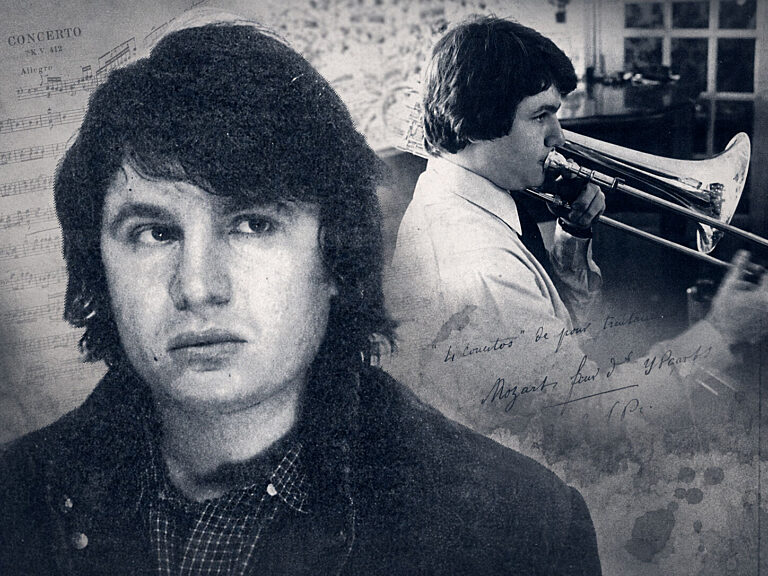
Michel Becquet Free
No. 50 • 1985 Digitized

Michel Becquet

Interview

A young Michel Becquet challenges orchestral habits, champions the trombone as a solo voice and reflects on competitions, repertoire, teaching and sound.

By Benny Sluchin
Encounters Repertoire Solo playing
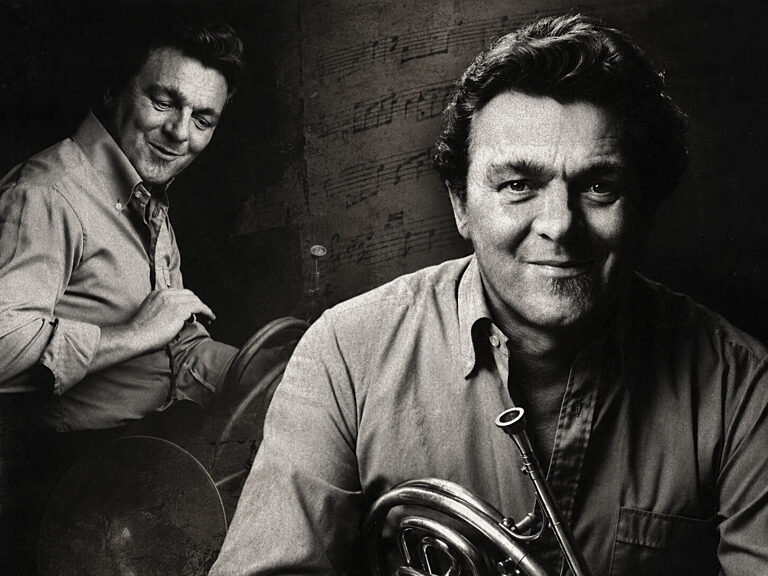
Hermann Baumann Member
No. 51 • 1985 Digitized

Hermann Baumann

A virtuoso's career

A career built on sound, memory and the natural horn shows how Hermann Baumann helped redefine what a horn soloist could be on the international stage.

By Jean-Pierre Mathez
Encounters Professional life Solo playing Historical instruments
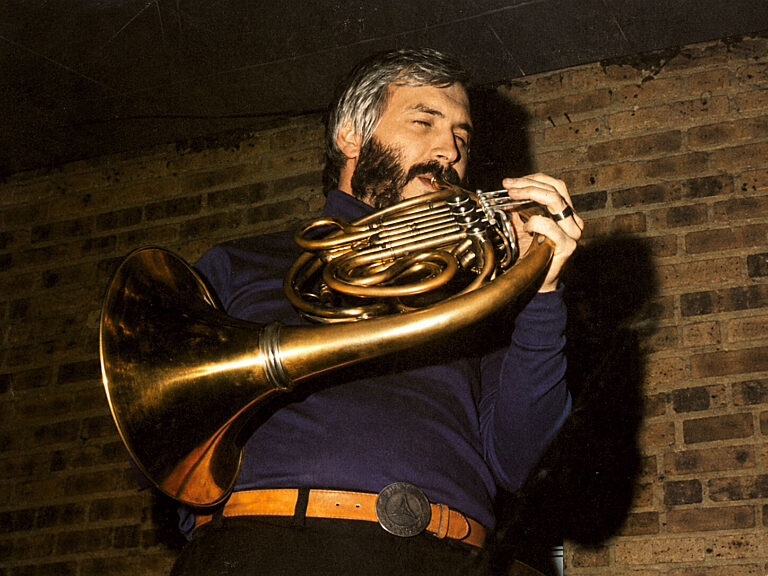
Dale Clevenger Member
No. 54 • 1986 Digitized

Jazz and the Horn Series • Part 8

Dale Clevenger

Principal horn of the Chicago Symphony Orchestra, Dale Clevenger spent his Tuesday evenings playing jazz, discovering a freedom that classical training alone could not provide.

By Jeffrey Agrell
Encounters Jazz Improvisation
Maurice André Free
No. 24 • 1978 Digitized

Part 1

Maurice André

Biography

From the mine to the Conservatoire: Maurice André recalls his early years—revealing the chance, discipline, and destiny behind one of the greatest trumpet careers.

By Jean-Pierre Mathez
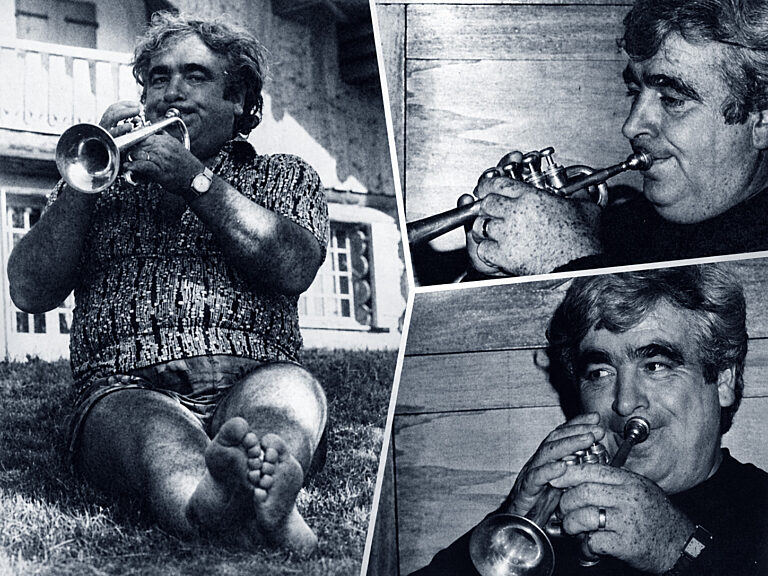
Encounters French school
Maurice André Member
No. 26 • 1979 Digitized

Part 3

Maurice André

Biography

Maurice André reflects on maturity—balancing performance, recordings and teaching, refining his approach to instruments and audience, and preparing for the limits of a virtuoso career.

By Jean-Pierre Mathez
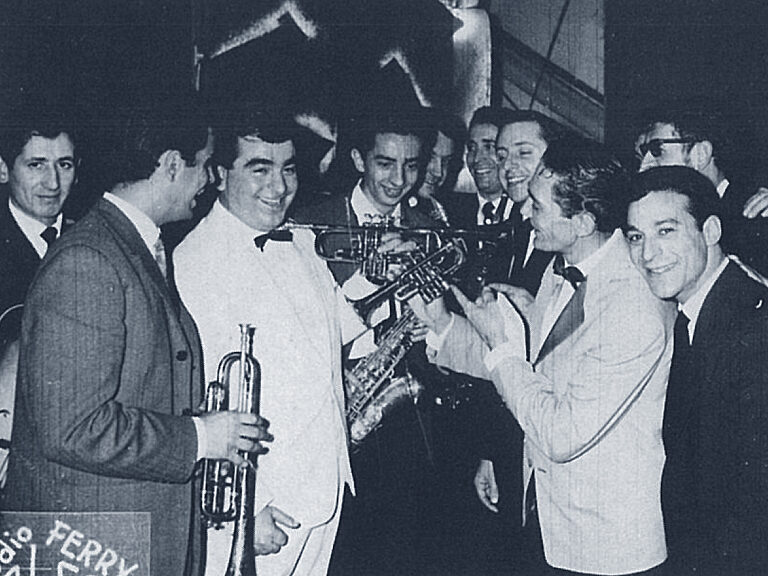
Encounters Solo playing Mental approach Interpretation
Maurice André Member
No. 25 • 1979 Digitized

Part 2

Maurice André

Biography

From circus gigs to Bach with Karajan: Maurice André reveals how relentless work, discipline, and daily technical refinement shaped one of the greatest trumpet careers.

By Jean-Pierre Mathez
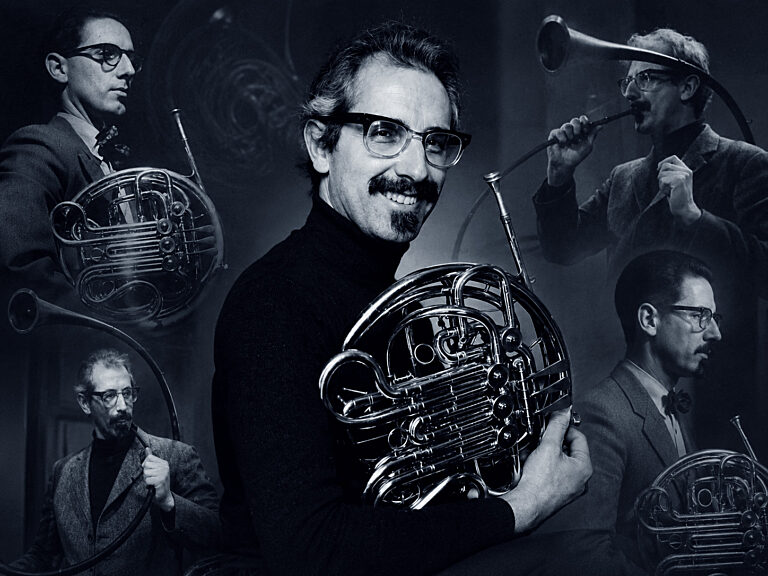
Encounters French school Solo playing
Barry Tuckwell Member
No. 27 • 1979 Digitized

Barry Tuckwell

Interview

Between the London Symphony Orchestra, international solo tours and Mozart or Strauss concertos, Barry Tuckwell reflects on sound, risk and musical instinct.

By Jean-Pierre Mathez
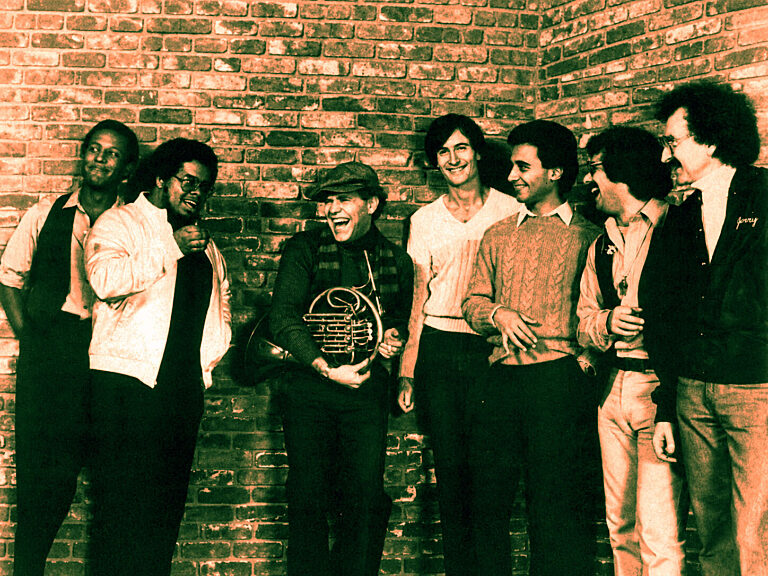
Encounters Professional life Solo playing Interpretation Orchestral playing
Peter Gordon Member
No. 50 • 1985 Digitized

Jazz and the Horn Series • Part 6

Peter Gordon

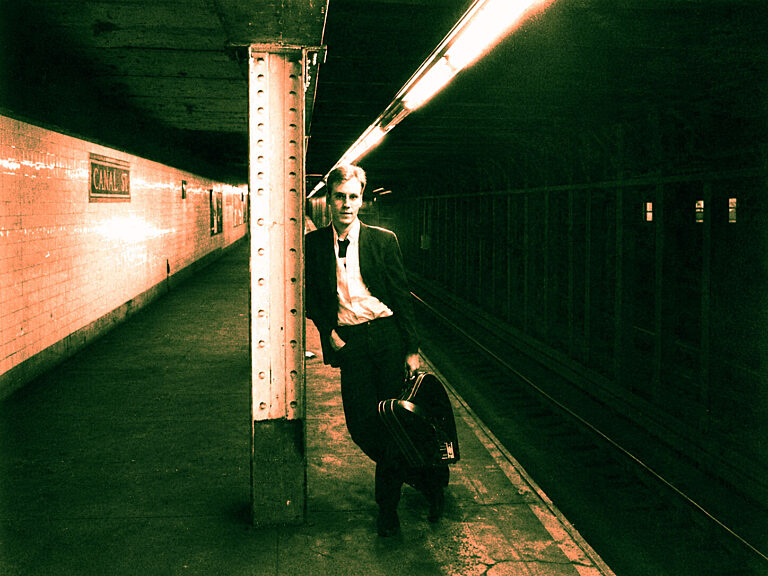
Classically trained but drawn elsewhere, Peter Gordon made the horn at home in jazz, studios and popular music without abandoning its orchestral foundations.

By Jeffrey Agrell
Encounters Jazz Improvisation
Tom Varner Free
No. 47 • 1984 Digitized

Jazz and the Horn Series • Part 5

Tom Varner

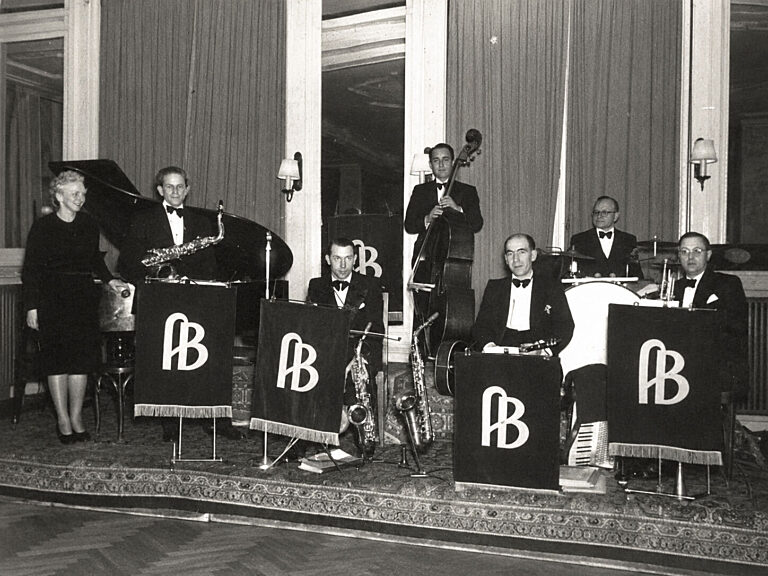
Choosing jazz over the orchestral path, Tom Varner confronts the horn’s stiffness, projection and unlikely place as a front-line improvising voice.

By Jeffrey Agrell
Encounters Jazz Improvisation
How and why I became a musician Member
No. 55 • 1986 Digitized

Part 6

How and why I became a musician

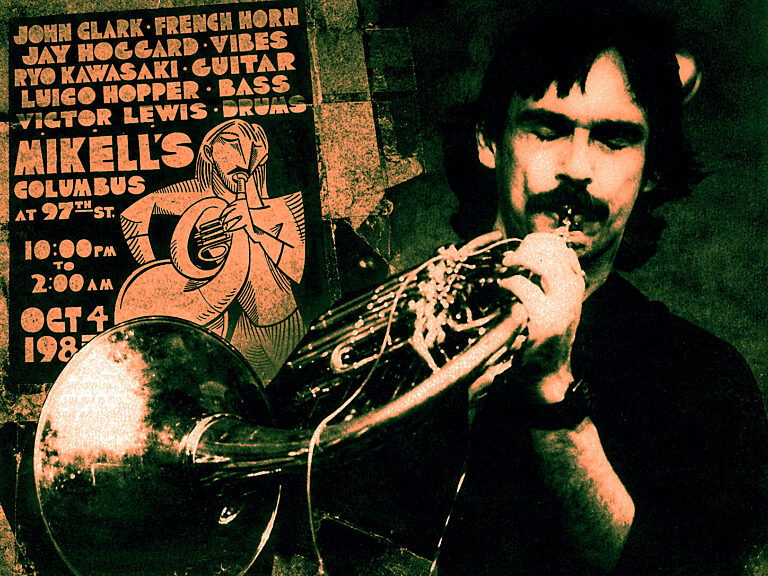
In wartime Switzerland, an unexpected encounter in Basel gives Edouard Gros his first F tuba, opening a new musical path amid military service and orchestral rivalries.

By Edouard Gros
Encounters History
John Clark Member
No. 52 • 1985 Digitized

Jazz and the Horn Series • Part 7

John Clark

John Clark made the horn a jazz voice on its own terms, balancing improvisation, studio realities and an instrument still fighting to escape classical expectations.

By Jeffrey Agrell

Encounters Technique Jazz Improvisation
No. 105 • 1999 Awaiting digitization

Jazz and the Horn Series • Part 10

Claudio Pontiggia

By Jeremy Mathez

Report Encounters
No. 68 • 1989 Awaiting digitization

Jazz and the Horn Series • Part 9

Richard Todd

By Jeffrey Agrell
Report Encounters
Thomas Bacon Member
No. 45 • 1984 Digitized

Jazz and the Horn Series • Part 4

Thomas Bacon

Classical discipline meets jazz-rock freedom as Thomas Bacon confronts improvisation, stylistic crossover and the physical demands placed on the horn.

By Jeffrey Agrell
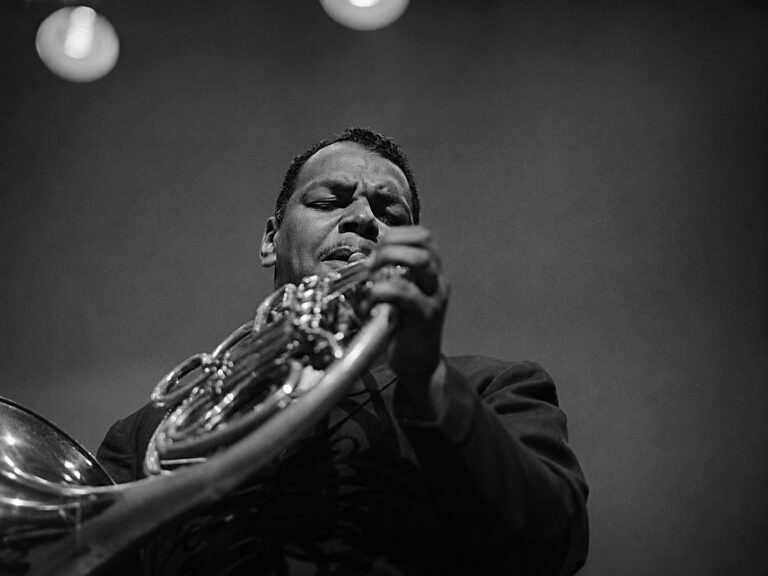
Encounters Improvisation Jazz
Julius Watkins Member
No. 41 • 1983 Digitized

Jazz and the Horn Series • Part 2

Julius Watkins

A pioneering career, landmark recordings and collaborations with jazz legends gave the French horn a place it had never occupied before.

By Jeffrey Agrell

Encounters Professional life Jazz Improvisation Freelance
Free
No. 21 • 1978 Digitized

Emory Brace Remington

A Profile

“The trombone must sing.” Ralph Sauer profiles Emory Remington—legendary teacher whose vocal approach shaped generations and redefined brass pedagogy.

By Ralf Sauer

Teaching Encounters Sound American school Articulation
No. 106 • 1999 Awaiting digitization

Jouko Harjanne, talent from the North

By Jeremy Mathez
Encounters
Paolo Longinotti (1913-1963) Member
No. 47 • 1984 Digitized

Paolo Longinotti (1913-1963)

His career

A virtuoso of Ansermet’s orchestra, piccolo-trumpet pioneer and mentor to Maurice André, Longinotti’s brilliance was matched by a devastating final chapter.

By Jean-Pierre Mathez

Encounters History
No. 85 • 1994 Awaiting digitization

Thomas Müller

Horns, Schnapps, and Cars

By Jean-Pierre Mathez

Encounters
No. 97 • 1997 Awaiting digitization

Eran Levi: top talent on the euphonium

By Jean-Pierre Mathez

Encounters
No. 110 • 2000 Awaiting digitization

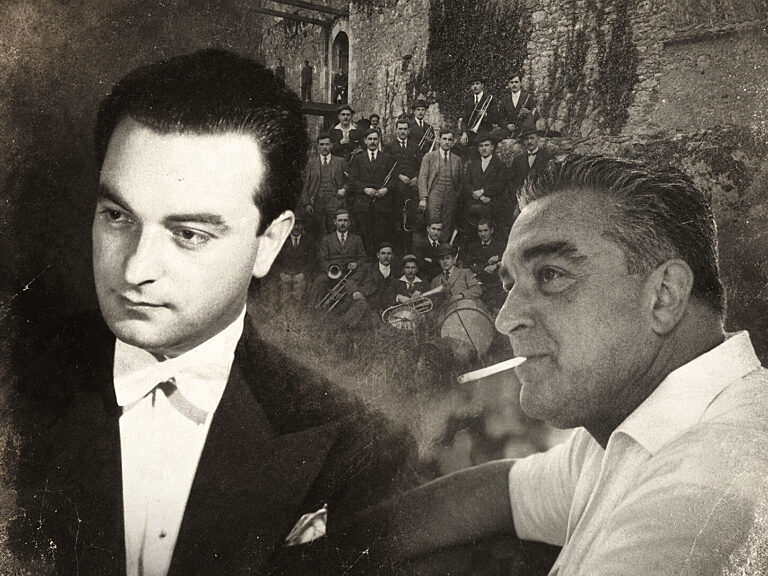
Maurice Jarre

Head in the stars

By Jean-Pierre Mathez

Encounters
No. 96 • 1996 Awaiting digitization

Stanley Friedman sound from the pen...

By Jean-Pierre Mathez

Encounters Repertoire
Meeting with Ib Lansky-Otto Free
No. 11 • 1975 Digitized

Meeting with Ib Lansky-Otto

“You cannot explain music — you have to play it.” A rare and elusive encounter with horn player Ib Lansky-Otto.

By Jean-Pierre Mathez

Encounters
No. 76 • 1991 Awaiting digitization

Bob Brookmeyer

What note do you want to play ?

By Willem Ouwerkerk

Encounters
Loading…

Questions & Answers

How the Digital Edition works

What does the Digital Edition include?

The Digital Edition brings together the articles already digitized as searchable online texts—not simply as scans or PDF files—along with their original illustrations, notes, authorship, issue information, and available translations. Related-article suggestions currently include only this digitized material.

Are the digital articles identical to the originals?

We preserve the original text, language, illustrations, captions, footnotes, and editorial context as faithfully as possible. The presentation is adapted for comfortable online reading, and obvious transcription or scanning errors may be corrected. The substance and character of the published article remain unchanged.

Which languages are available?

Brass Bulletin was published in English, French, and German throughout its history. Italian and Spanish translations were added from issue No. 60 onward.

On the Italian and Spanish sites, articles from issues 1–59 are therefore shown in English by default.

How often are new articles added?

New articles are added almost daily, with approximately one complete issue digitized each week. The pace may vary depending on the preparation, image work, and editorial checking required.

Why aren’t all articles available digitally?

The complete Brass Bulletin collection contains 1,246 articles published between 1971 and 2003. The full index is already available online, allowing readers to discover every article in the collection, including those whose complete text has not yet been digitized.

Digitization began in February 2026. Each article is carefully prepared for online reading, checked, and connected to its issue, authors, subjects, and illustrations. At the current pace of digitization, the complete collection is expected to be available online by February 2028.

Why do some references mention articles that are not available yet?

References in the original articles are preserved even when the material they point to has not yet been digitized. This keeps the historical and editorial record intact. As more issues are added to the Digital Edition, an increasing number of these references will lead to articles that can be read online.

Can I suggest an article or report a transcription error?

Yes. If there is an article you would particularly like to see digitized, or if you notice a possible transcription error or missing detail, please contact us. Reader feedback helps us improve the Digital Edition and prioritize useful connections within the archive.

How can I support Brass Bulletin?

Your support helps fund the preparation, verification, and online publication of the complete collection.

Subscribe to the Digital Edition

Prefer to support us without subscribing?

Make a donation

How is the digitization progressing?

We’re gradually making the Brass Bulletin available online, article by article. You can read newly digitized articles as soon as they’re ready, even before an entire issue is complete.

Visit our Digitization Roadmap to browse recent additions and see estimated availability for upcoming issues. These estimates follow our recent pace and may change.

Search Brass Bulletin.