

Illustration 2
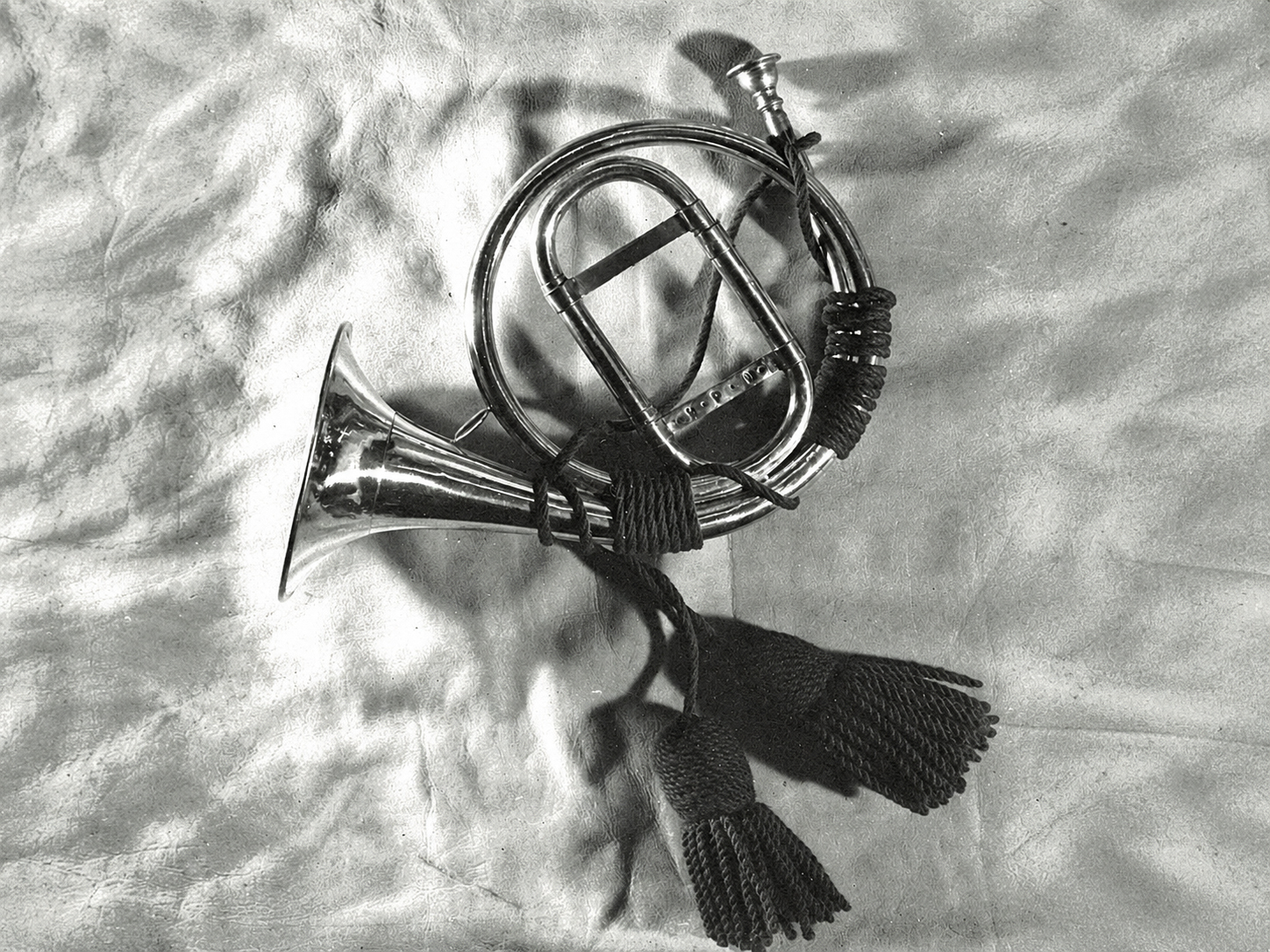
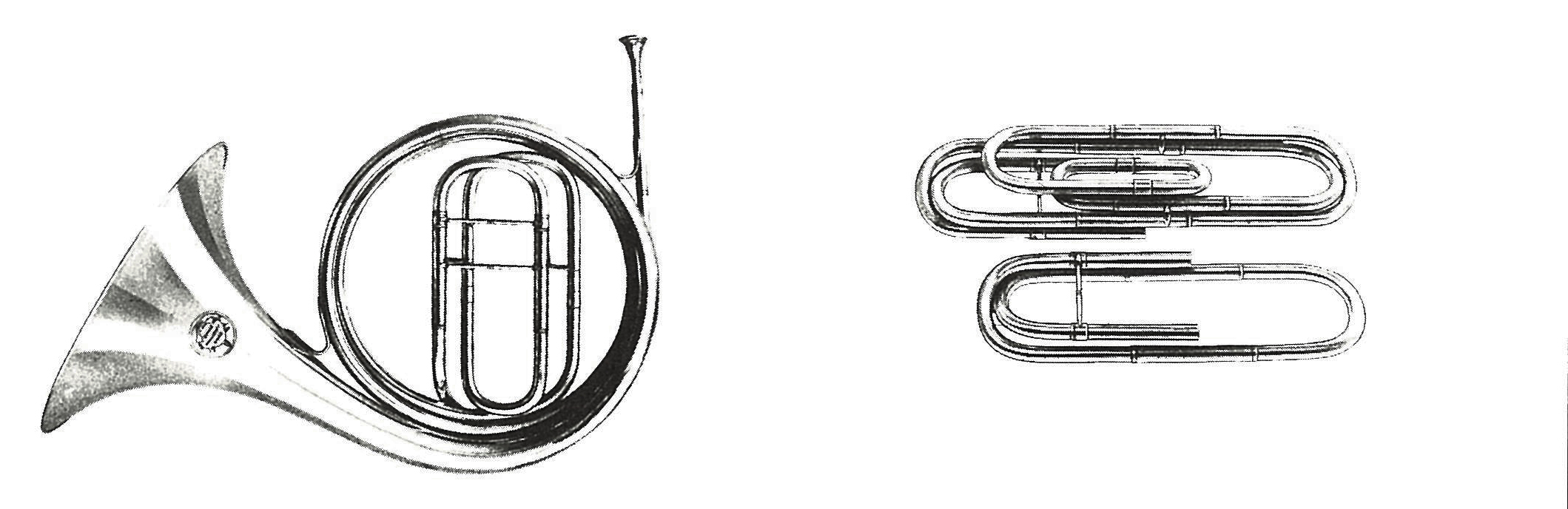
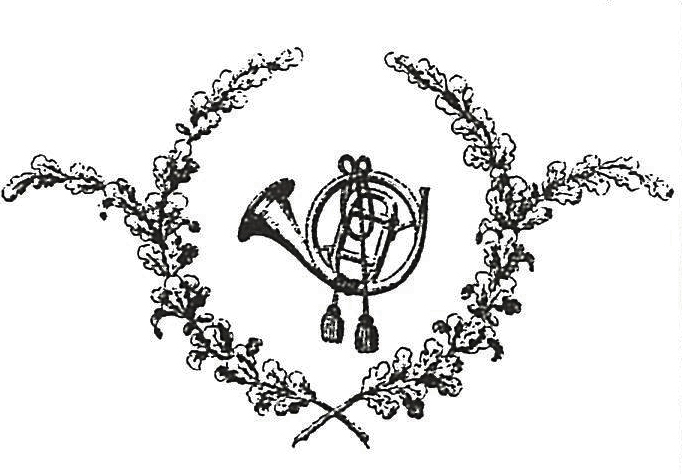
This volume was published by André in Offenbach am Main in the first half of the 19th century; unfortunately only this title page has survived. The steel engraving shows a posthorn made like the invention horns of the first half of the 19th century. This early posthorn motif was used for the cover illustration of the “1971 Posthorn Calendar”, which Uwe Bartels from Buchholz-Dibbersen, a horn player and collector of instruments (especially horns), happened to obtain. Scarcely four weeks later, in a second-hand shop in Salzburg, Mr. Bartels found a little horn with a striking resemblance to the historical motif. After a story like this a true disciple of parapsychology would never believe in coincidences ever again! As the old instrument immediately won the collector’s heart, and as he knew of no similar existing model, the purchase took place despite an asking price which at first seemed unrealistically high.
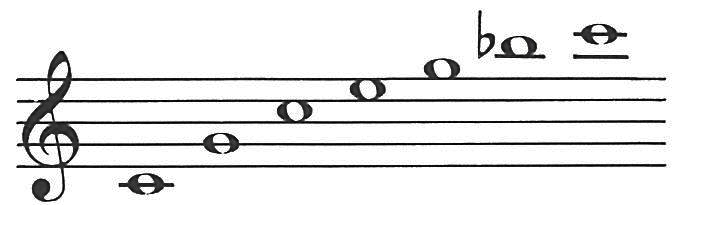
The notes are playable as natural harmonics
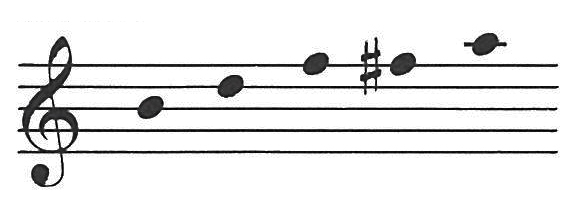
but these require the use of stopping.
According to the bore this instrument is more like a trumpet. The mouthpipe diameter corresponds to that of an old cornet. The original mouthpiece has not been preserved. In the 18th century cup mouthpieces predominated with posthorns as with trumpets; cornet-type mouthpieces became more common only after 1800. Before 1800 classical music required only that the posthorn should produce the natural harmonics. Around 1810 the desire for a greater range of notes led some composers to call for stopped notes on the posthorn. The bell is so small that the right hand cannot be placed inside it; instead the bell must be covered with the flat of the hand, as Uwe Bartels demonstrates in this photograph:
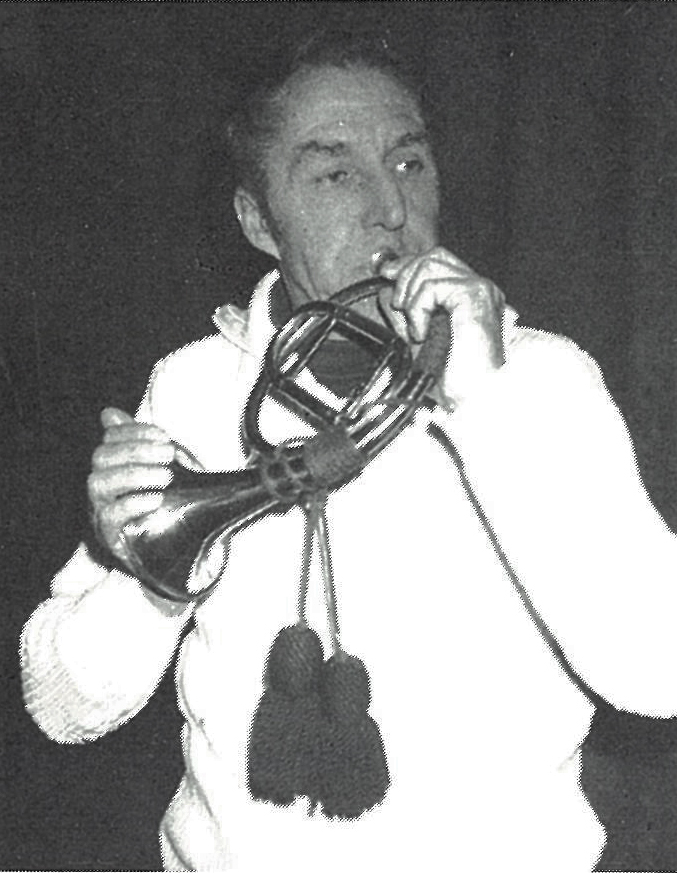
Uwe Bartels
In the Royal Court Library of the house of Thurn and Taxis in Regensburg there are handwritten parts for eight “Quartets for 4 horns [“Waldhorn”; in F] with posthorn solo/ composed and arranged by the Grimm brothers”, possibly dating from around 1810 (no. Rtt Grimm 1). The composers are probably not the brothers Jacob and Wilhelm Grimm, so famous for their fairy tales, but very probably horn players [though probably not so well known as Johann Palsa (1754-1792) and Carl Thürschmidt (1753-1797)] who wrote pieces for horns.²
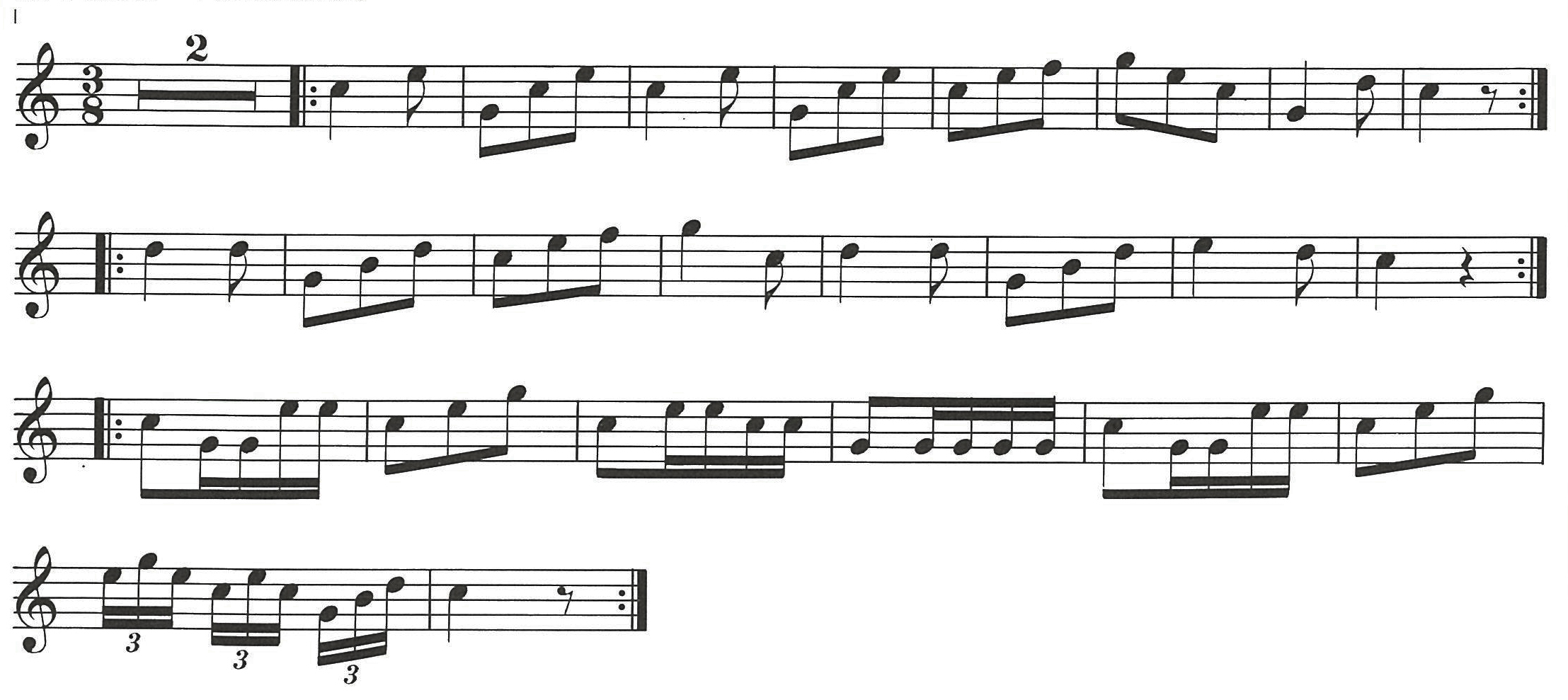
Nr. 4 Walzer, Posthorn in As
In nos. 4, 6 and 7 the 3rd player changes from horn to posthorn and in nos. 4 and 6 has to play stopped notes on the posthorn. It is to be assumed that the Grimm brothers played on tour with members of the Thurn and Taxis court orchestra and that they wrote the quartets for that purpose. The use of the posthorn would be a compliment to the Thurn and Taxis postal service of the time.
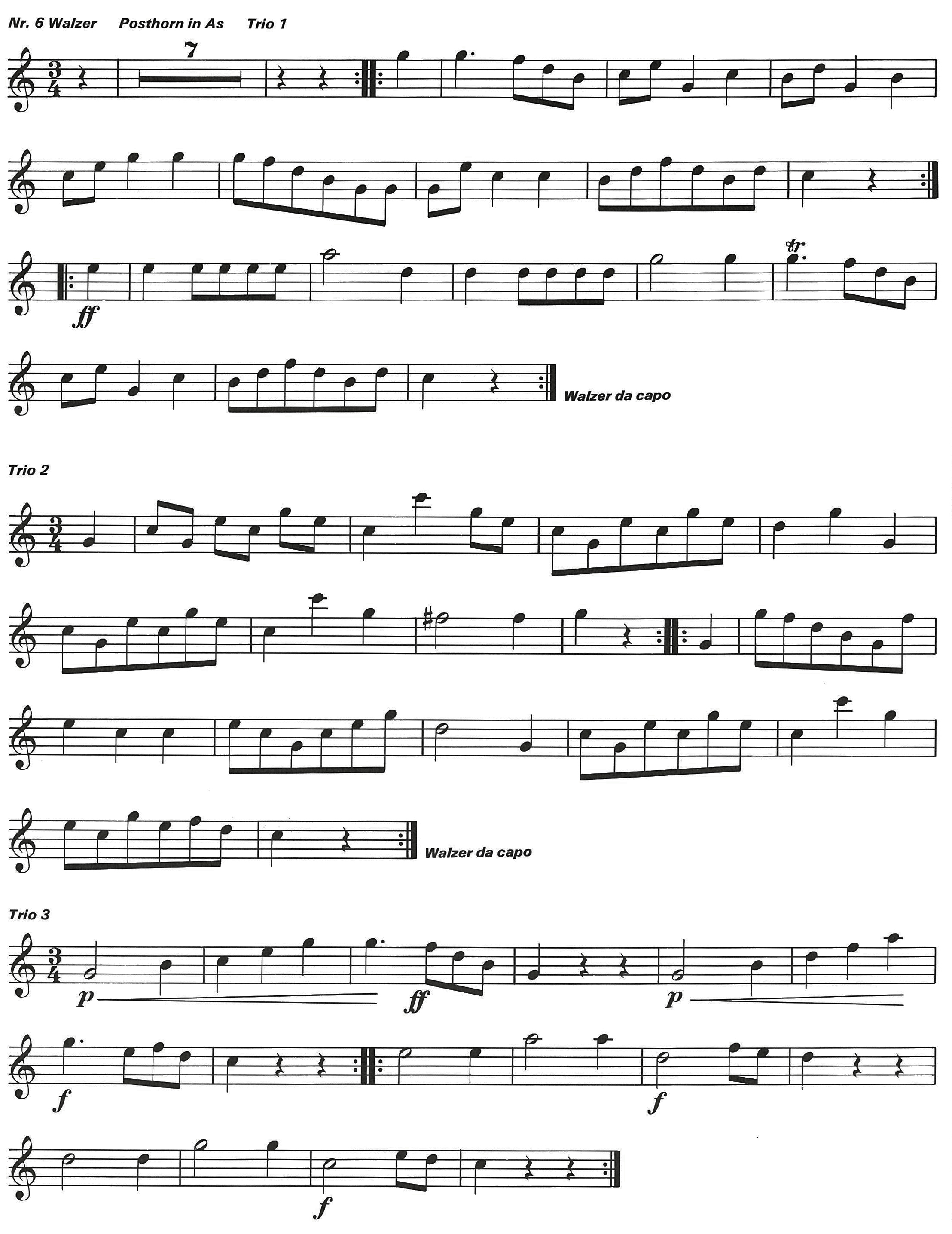
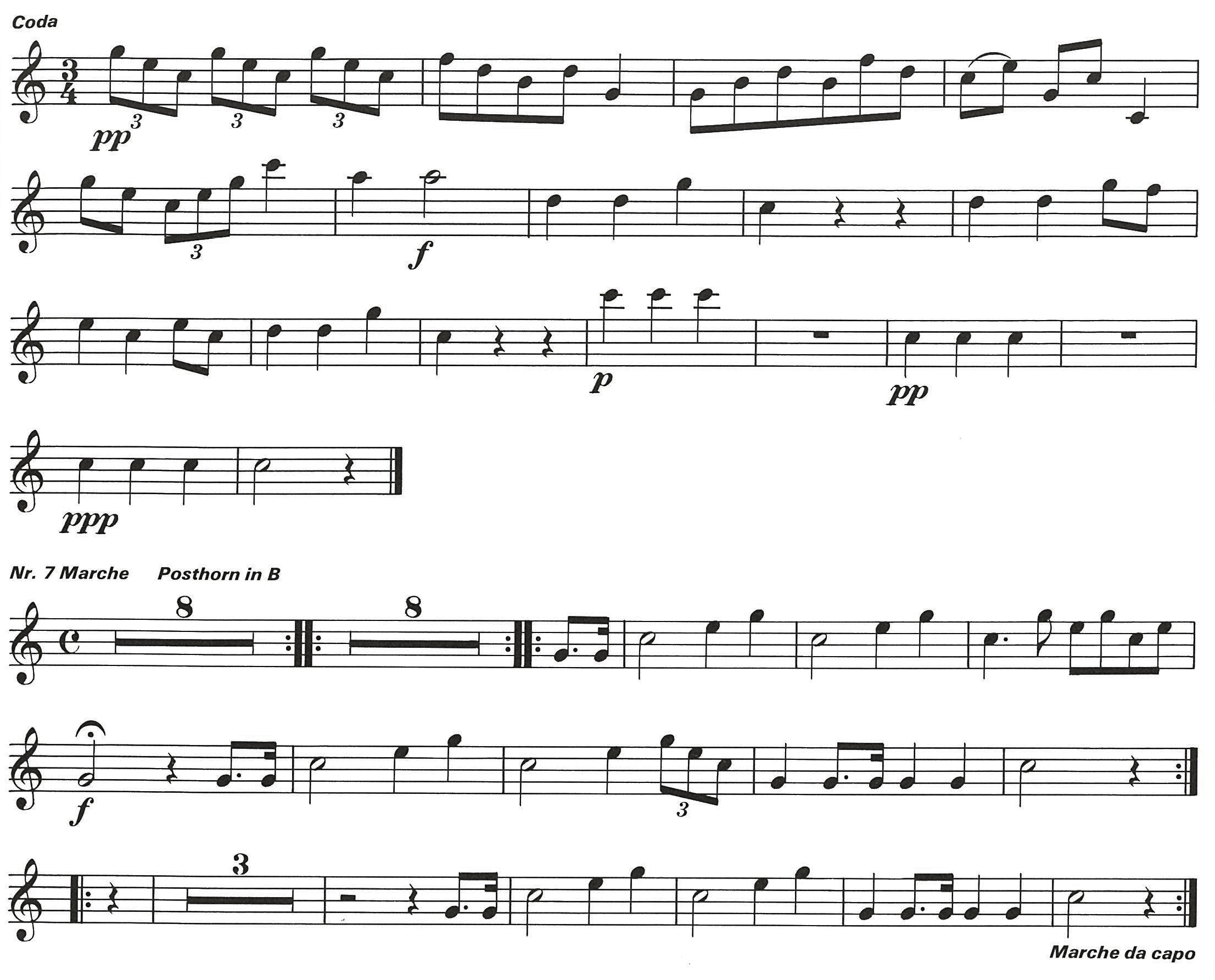
Kurt Janetzky is about to have the three quartets for posthorn and 3 horns published by Heinrichshofen.
Mr. Bartels’ practical experiments showed that the Grimm parts are quite playable and relatively problem-free on his posthorn with its invention slide. A tape recording, which he kindly placed at my disposal, demonstrates this. In experiments which Mr. Bartels made for the sake of comparison on wider-bored horns the stopped notes could not be played so easily in tune. We may therefore assume that the maker of Uwe Bartels’ instrument chose this trumpet-like bore deliberately so that this posthorn would function well as an invention posthorn.
A further example of the use of an invention posthorn may be found in the following work by Johann Nepomuk Hummel: no. 10 from “Twelve German Dances/ composed/ for the opening of the Apollo-Saal in Vienna/ during the carneval in 1808” op. 28. A piano arrangement with “posthorn” of this is preserved in the Österreichische Nationalbibliothek in Vienna (no. M.S. 36529).
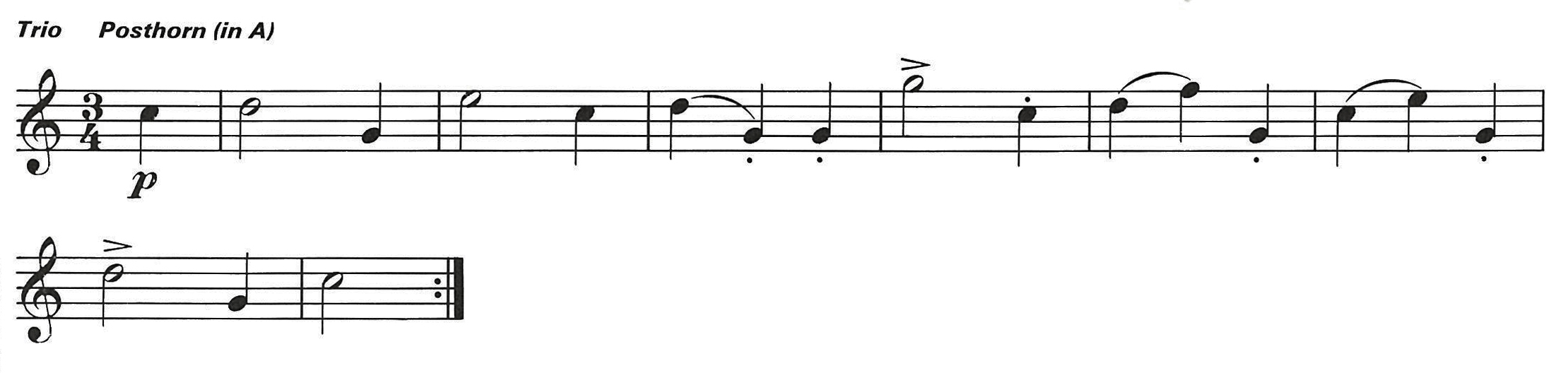
Starting in the 1820’s, to meet increasingly demanding musical requirements, posthorns with four or five keys were built, only to be replaced increasingly after 1850 by valve posthorns. In the course of the 19th century, however, the valve posthorn was replaced by the almost identical sounding cornet. The cornet developed from the posthorn shortly before 1830 when the Frenchman Halary built a posthorn with valves.