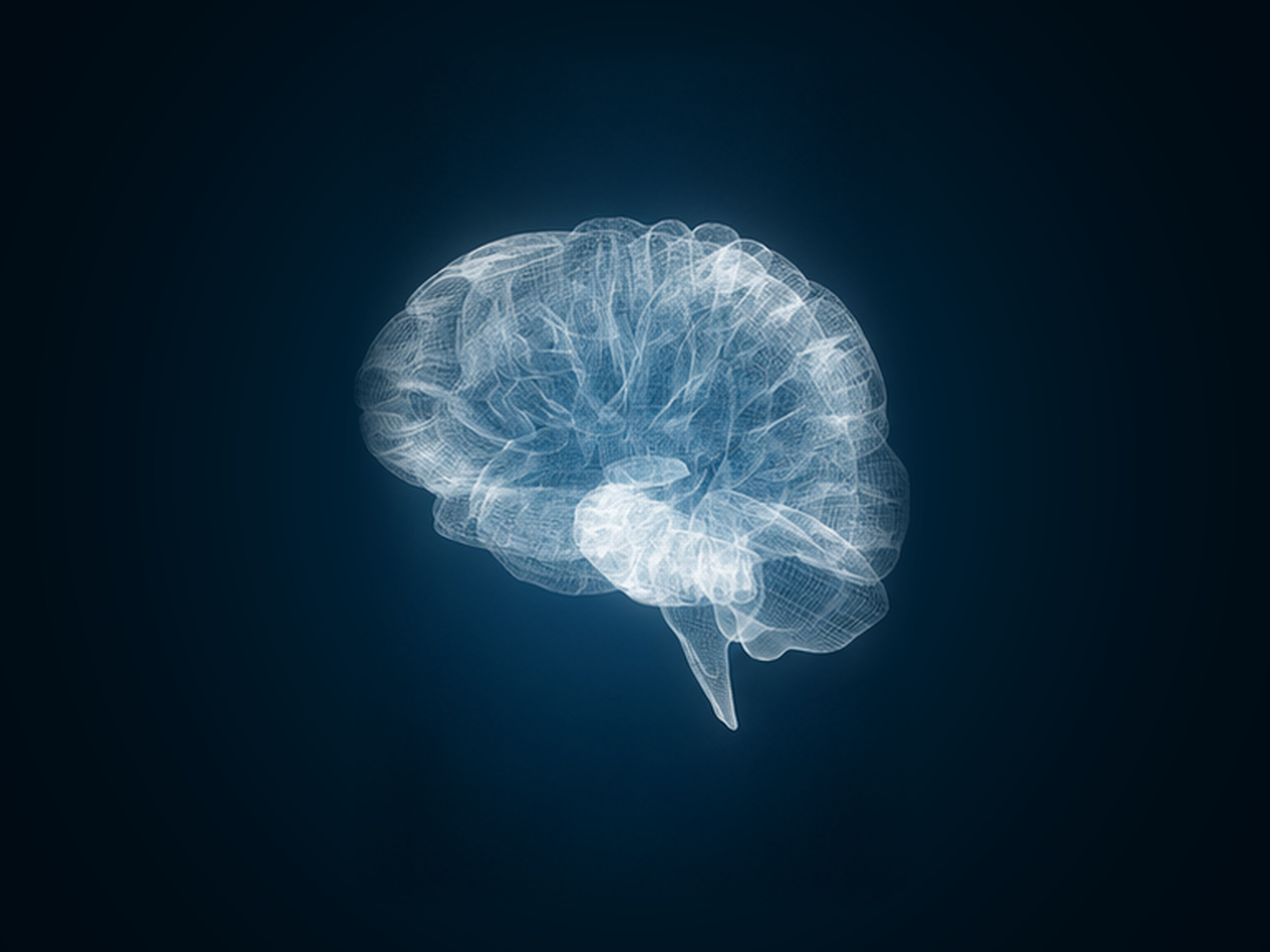
Our brain dictates all the movements of our body.
This statement may seem self-evident but it is by no means certain that people really think about it when they play an instrument.
It would be logical to start by practicing and studying at this level:
- Being convinced of the deep motivation which leads us to become musicians and into the contract which obliges us to refine our art continually if we want to remain musicians.
- Devising a way of organising study and analysis, which will give due weight to dream and reality (correctly superimposing the teachers' instructions on our motivations, for example).
- Acquiring ever greater control of concentration (to listen (to oneself), for example, check (oneself), compare (oneself), appreciate (oneself), judge what we or others are doing).
- Managing to create a calm, peaceful working atmosphere (self-control, patience).
- Remaining on the alert for new stimuli (having spare time and an open mind).
Our brain is a huge world into which we must write the special and fruitful formula of our musical activity (and of our life).
Our inner world can be thought of as an immense primeval forest whose extent we cannot see but which we must constantly explore, codify and memorise. Huge tracts of it remain (and will always remain) unknown, access blocked by ignorance, emotions, lack of energy or special psychological problems.
Discovering this world which forms and will continue to form, our personality requires us to organise an expedition combining curiosity and imagination, observation and reflection. This, in a sense, is the basic technique.
Draw up development plans. Imagine paths through the fabulous and tangled undergrowth of our thoughts.
We must also nurture curiosity, imagination, observation and reflection with elements of shared knowledge (the collective culture of our civilisations): listen, read, study others, those who are further removed, more advanced, elsewhere or different from ourselves.
Some sources:
- Seek solitude (inner dialogue between what you are and what you would like to be)
- Dream, plan, identify (yourself)
- Read (sophrology, yoga, psychology)
- Discuss, exchange, confront, compare
- Memorise and evaluate things experienced
- Always be alert, remain attentive to your environment.
Write to us! Pass on your experience to BRASS BULLETIN readers (our readers want to know more!). Tell us what literature or what teacher particularly helped you in the special field of self-mastery.
Some reference works:
Michel Ricquier: "Traité Méthodique de Pédagogie instrumentale" (Paris, Billaudot, 1982)
Michel Ricquier: "L'Utilisation de vos ressources intérieures" (Paris, Billaudot, 1984)
Michel Ricquier: BRASS BULLETIN No 29, "Relaxation and musical performance"
Michel Ricquier: BRASS BULLETIN No 30, "The use of the mind in instrumental performance"
Michel Ricquier BRASS BULLETIN No 33, "The Subconscious"
Robert Ischer: «Sophrology and music» see page 29 of this issue