
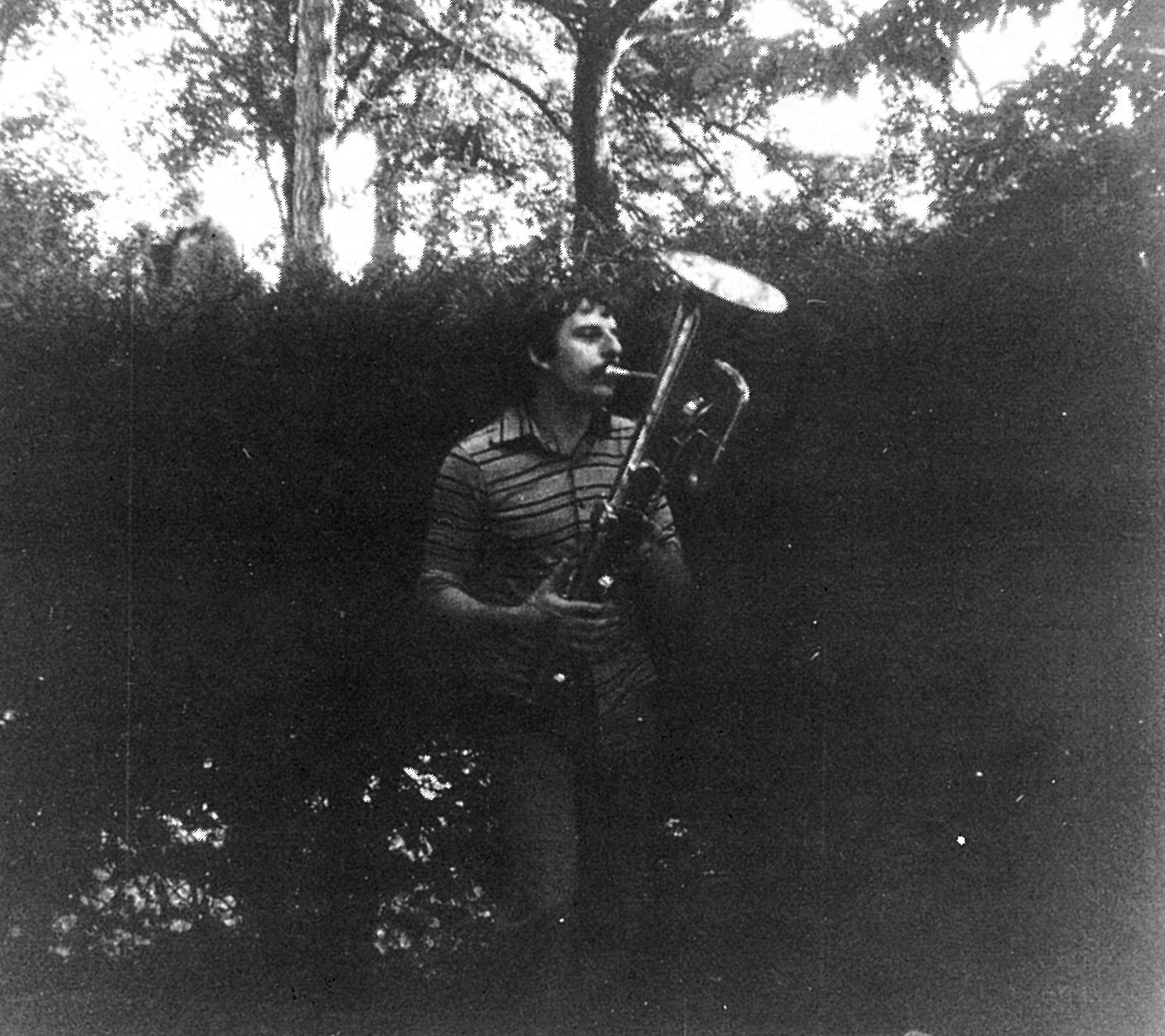
J.-P. Besançon on ophicleide
(Photo: Michel Laplace)
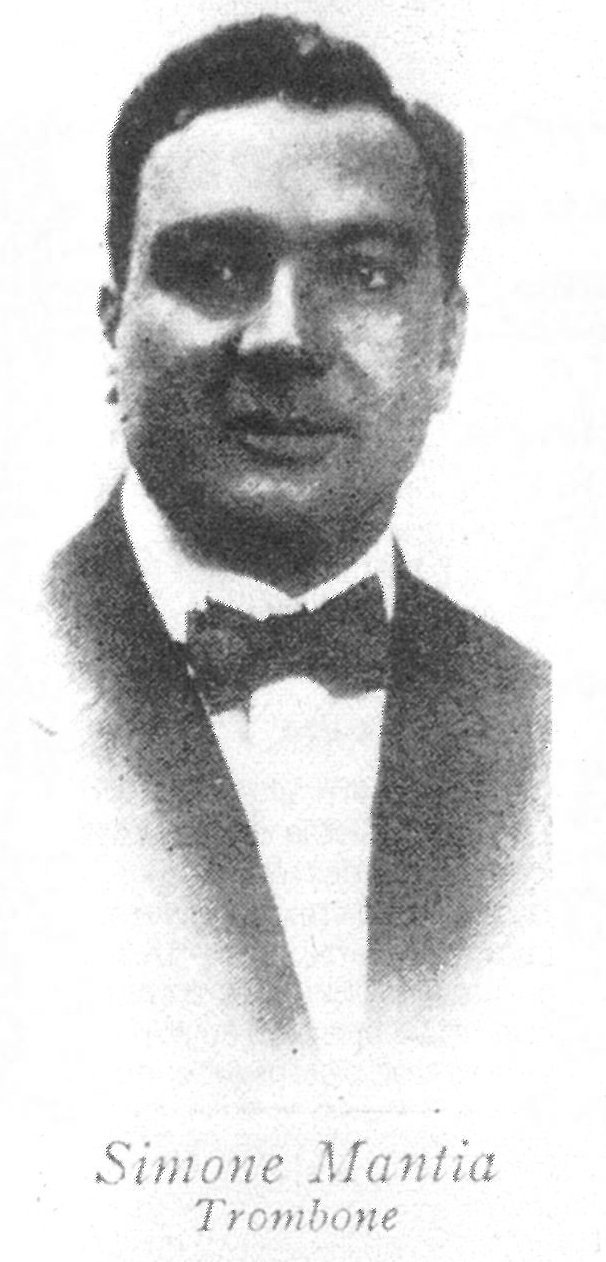
Material kindly supplied by the late Ward Hodges
Types of tuba
The first problem in writing a history of tubas is the multitude of instruments covered by generic terms such as “brass bass”, “wind bass” or even “tuba” when no detail is given. To be brief, I will distinguish them, as Don Butterfield did, from the highest to the lowest:
a) the three-valve “baritone” and the double-bell four or five-valve euphonium, in B♭, written in treble clef like a B♭ trumpet part but sounding an octave lower (sometimes written in bass clef like the trombone); on the double-bell euphonium the small bell gives a sound like the trombone (useful in solos) while the big bell gives a dark sound like the tuba.
b) the four-valve F tuba, sometimes called “tenor” (whence the confusion), sounds a perfect fourth lower than the baritone;
c) the bass tuba in C or B♭ with three or four valves sounds a fourth or a fifth lower than the F tuba;
d) the sousaphone, conceived by the bandleader John Philip Sousa and Ted Pounder in 1898 (Conn), was intended to be more manageable while marching.
Joseph Brousse (of the Paris Opera) wrote, “From 1845 to about 1874 the three or four-valve C tuba was scarcely used except in dance bands, where it played the same role as the ophicleide.”
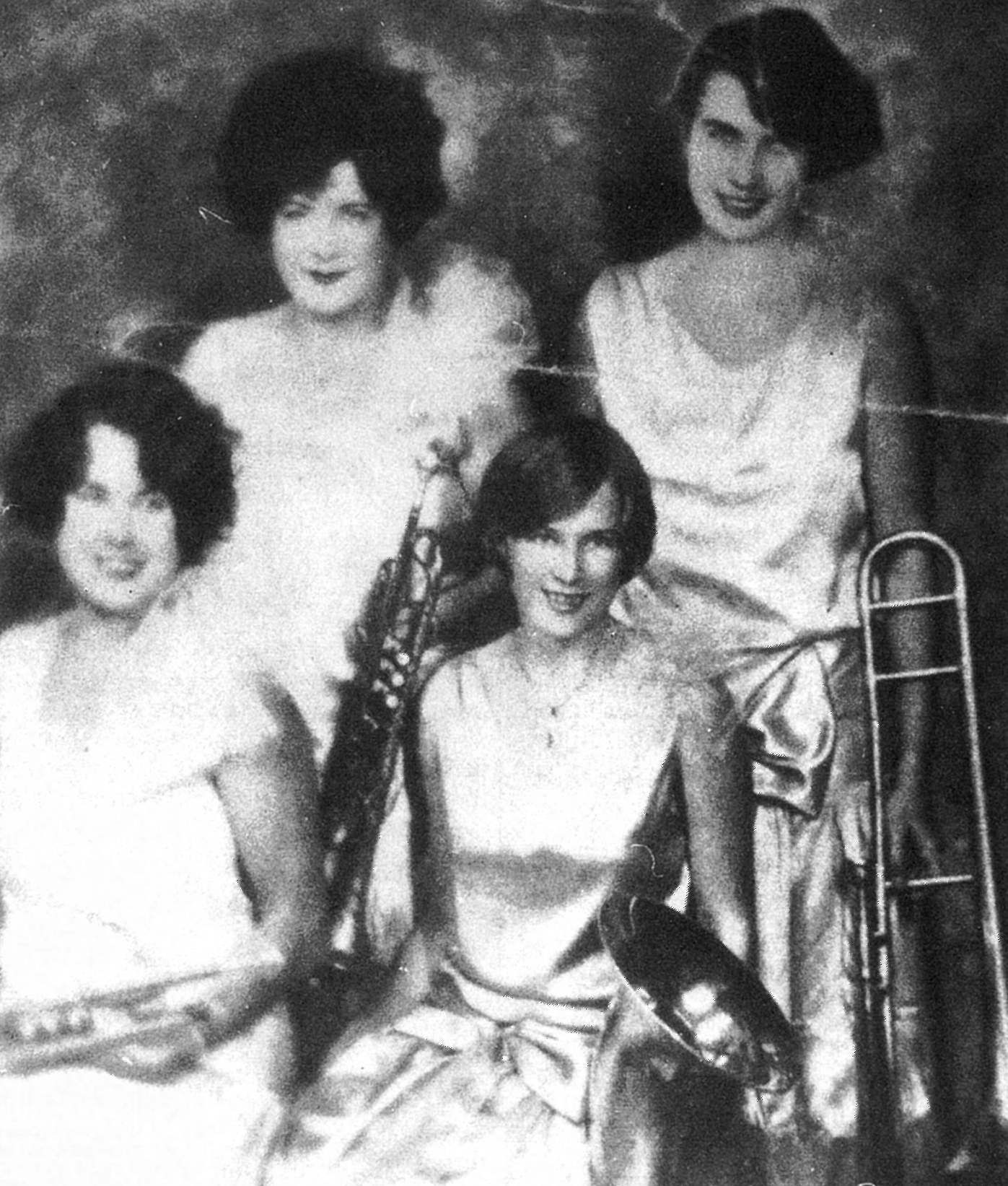
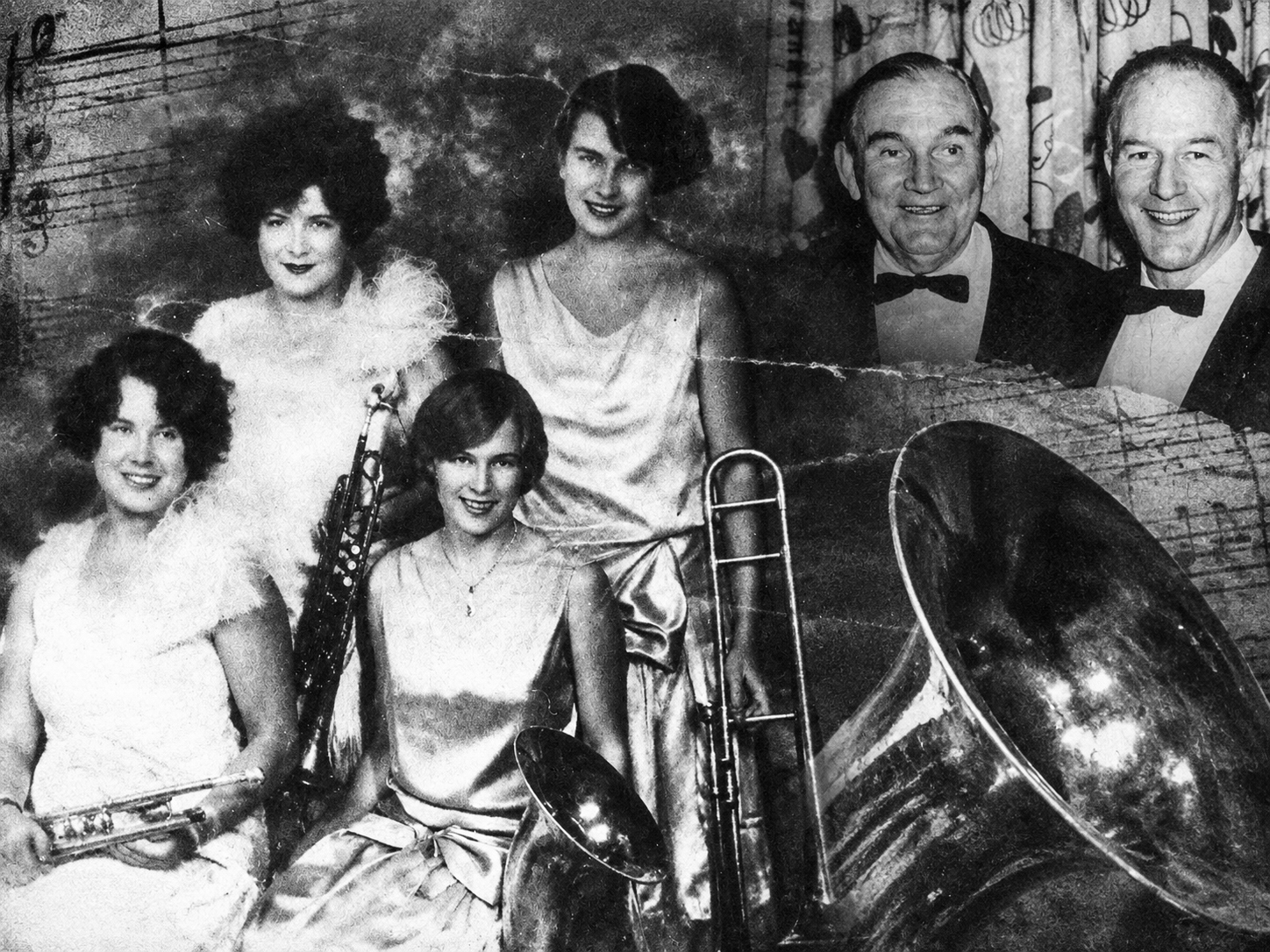
Edna White Quartet, 1926
➜ Claire Wheeler, Edna White, trumpets; Velma Howell, baritone; Betty Barry, trombone
(collection of Michel Laplace)
The early period - 1894-1940!
If you look at old photograph collections³, you can see a string bass in every small dance band from 1894 to 1924: Buddy Bolden, Kid Ory, Manuel Perez etc. King Oliver’s celebrated Creole Jazz Band in Chicago in 1922-1923 used a string bass and Nick La Rocca’s O.D.J.B. (1917-1919), a recording pioneer, did not use a bass. Contrary to what the revivalists tried to tell us in the forties, therefore, the tuba was not to be found in the first jazz bands. This is not true of the marching brass bands, of course, which used baritone and tuba (or sousaphone). The enigma may originate in the fact that these little wind bands sometimes played for dances. One of the soloists here was called Edward Boisseau (c. 1921), soloist in the Excelsior Brass Band. Wind bands apart, the tuba was late showing up in the jazz of 1920-1922, especially as the pioneers of the string bass (sometimes doubling on tuba) where real virtuosos (Pops Foster, Wellman Braud).
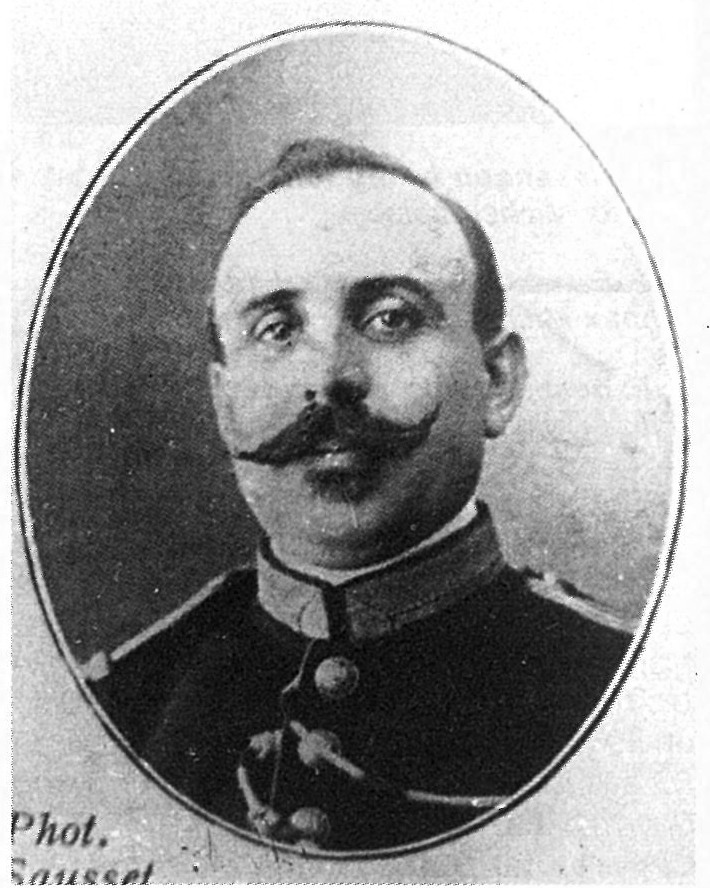
Jules Balay
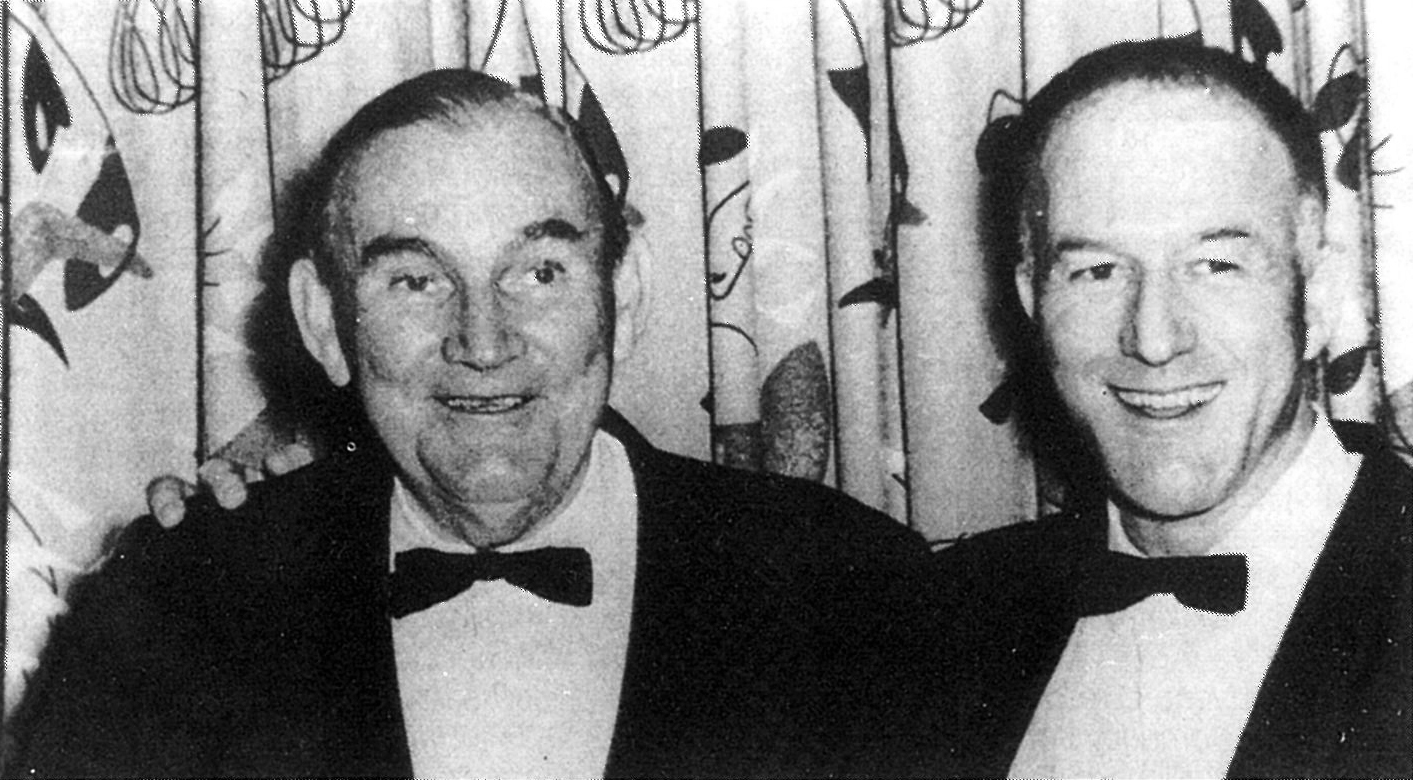
Bill Bell & Don Butterfield
The white dance bands liked using a sousaphone after 1920, with a decline from 1925 to 1935 as it gave way to the string bass. There is therefore no “classical period” for the tuba. A few names showed up between 1924 and 1929 (many trained in Major Smith’s wind band the Chicago Defender Boys). In the Chicago bands we could mention Bert Cobb, Lawson Buford (King Oliver bands), Quinn Wilson, Bill Benford (Jelly Roll Morton bands), Hayes Alvis (1907-1973; Jabbo Smith’s virtuoso band in 1929). In New York Fletcher Henderson’s pioneering band introduced us to Ralph Escudero (1898-1970) and June Cole (1903-1960) while in the studios, for Clarence Williams, Cyrus St. Clair (1890-1955) emerged as the great sousaphone specialist. Behind King Oliver’s delicate trumpet solo you can make out Clinton Walker’s bass line (Ex. 2).
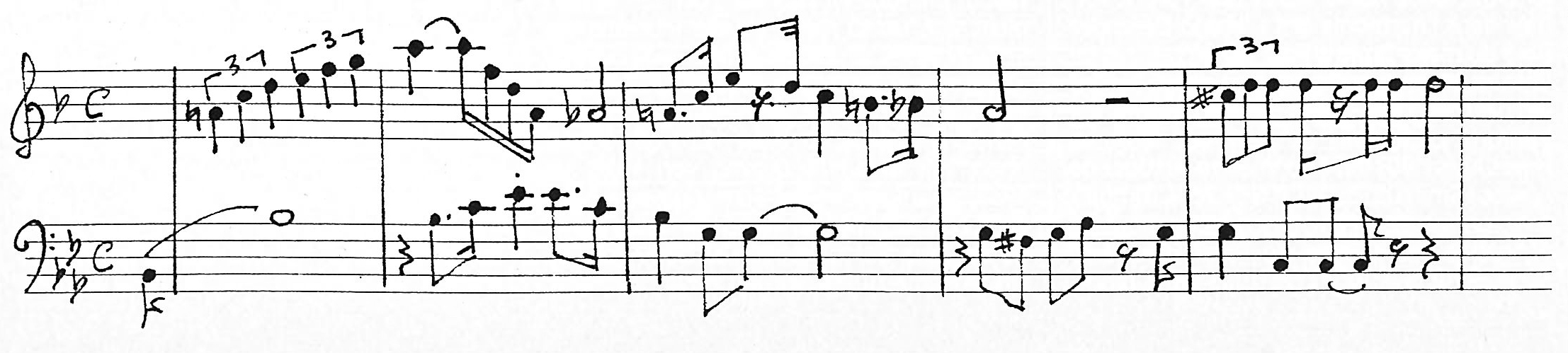
Ex. 2
“What you want me to do?”
Oliver/Walker
transcr. Fred Gérard (1982)
Short exposed passages and short breaks can be heard here and there: Bert Cobb in “Some Day, Sweetheart” with King Oliver (1926); Richard Fulbright (1901-1962) in “Who’s Blue”, still with Oliver (1931); and Milt Hinton in “Squeeze Me” with Punch Miller (1930). Yet the string bass still eclipsed the tuba. Moreover, the orchestration genius Duke Ellington called on only the greatest string bass experts — Wellman Braud, Jimmy Blanton and then Oscar Pettiford (outside his “non-mature” period of 1924-1926, when he used the services of the tuba player Bass Edwards).
The striking feature in France was the monopoly of dance band work held by the tuba players of the Garde Républicaine, such as Arthur Pavoni (Lud Gluskin band etc.). There is in fact a fine tuba school, partly the work of Jules Balay.
During the years 1920-1940, in fact, there were no tuba personalities in jazz of the stature of Louis Armstrong or Tommy Dorsey. The “Armstrong of the tuba” was not a jazzman: he was Bill Bell (1905-1971), who was discovered by Sousa after Mantia. Though not a jazz player he still greatly admired the gifts for improvisation and versatility of Joe Tarto (*1902). Note that Bell recorded some light music: “When Yuba plays the Rumba on the Tuba” and “The Jolly Farmer Goes to Town” (Decca). Bell confounded the “technical limitations” prejudices which had beset the instrument and thereby influenced a whole generation of tuba players primarily involved in jazz: Bill Barber, Don Butterfield, Jay McAllister.
(To be continued)