Explore institutional access →

Equipment

126 articles available online
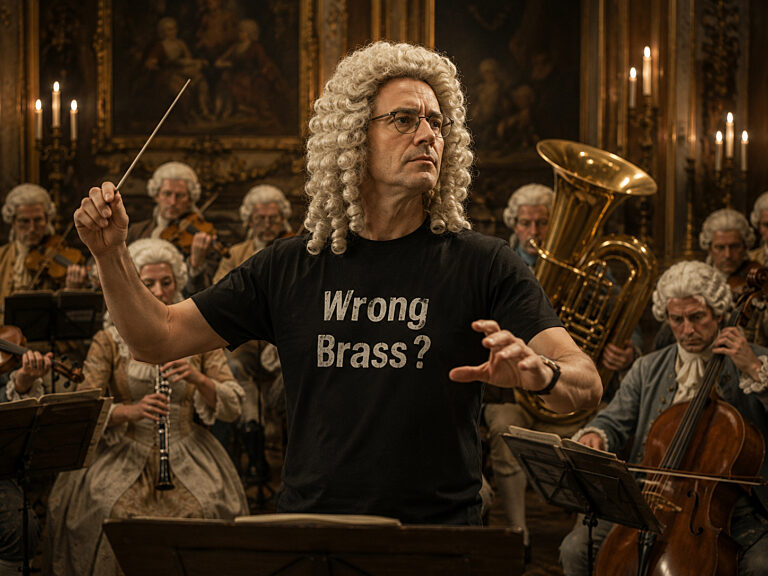
The Wrong Brass? Member
No. 41 • 1983 Digitized

The Wrong Brass?

Between blind fidelity and reckless modernisation, instrument substitutions force performers to decide when the score’s wording serves—or betrays—the music.

By Rudolf Lewy
Repertoire Equipment Historical instruments Orchestral playing Sound
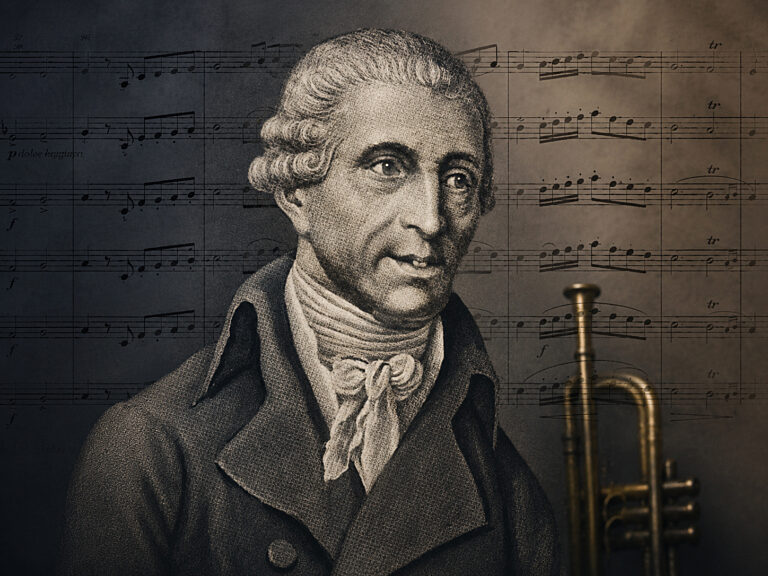
The Haydn Trumpet Concerto Member
No. 35 • 1981 Digitized

Part 1

The Haydn Trumpet Concerto

As editions, instruments and traditions diverge, Haydn’s trumpet concerto becomes a lens on notation, style and the shifting meaning of performance.

By Alfred Willener
History Repertoire Interpretation Keyed trumpet Ornaments
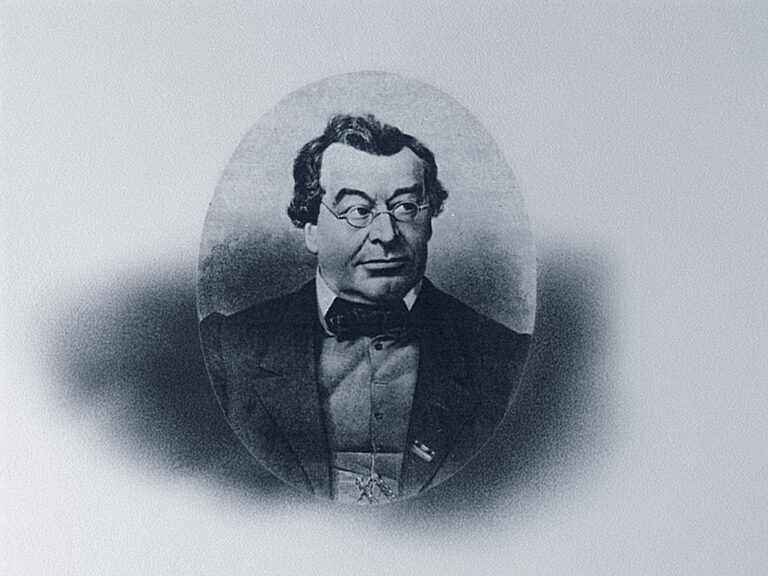
On the early history of valves and valve instruments in Germany (1814-1833) Member
No. 25 • 1979 Digitized

Part 2

On the early history of valves and valve instruments in Germany (1814-1833)

From invention to rivalry: the early history of rotary and piston valves reveals a battle of ideas, patents, and craftsmanship that transformed brass instruments forever.

By Herbert Heyde
History Equipment Valves Instrument making Historical instruments
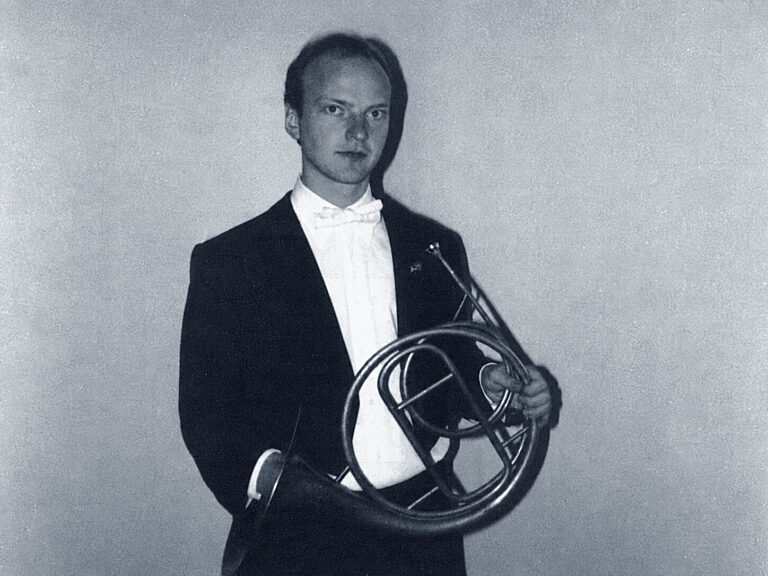
Interview with Thomas Müller Free
No. 47 • 1984 Digitized

Interview with Thomas Müller

The natural horn is not a retreat into the past: Thomas Müller argues that its demands on sound, technique and awareness can broaden a modern player’s craft.

By Jeffrey Agrell
Technique Historical instruments Natural horn
The contrabass trombone Member
No. 22 • 1978 Digitized

Part 1

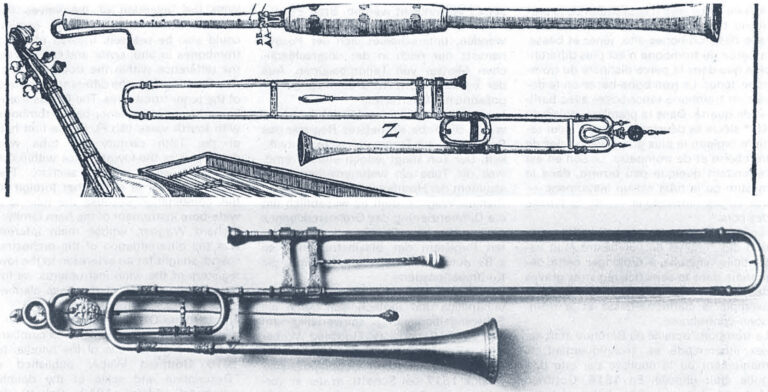
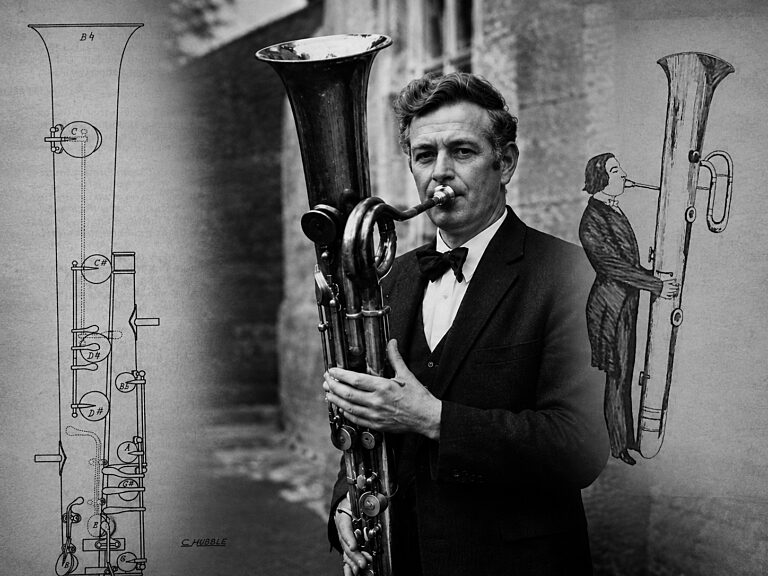
The contrabass trombone

Picture and sketches, taking particularly into account the construction principles (1973)

From Praetorius to Wagner: Heinrich Thein traces the evolution of the contrabass trombone—revealing how history, acoustics, and design shaped this powerful orchestral voice.

By Heinrich Thein
History Equipment Historical instruments Instrument making Valves
The untimely demise of the ophicleide Member
No. 43 • 1983 Digitized

The untimely demise of the ophicleide

Once central to French orchestras, the ophicleide lost its place to the tuba—a disappearance shaped as much by institutions and repertoire as by sound.

By Stephen J. Weston

Equipment History Historical instruments Instrument making Orchestral playing
The Haydn Trumpet Concerto Member
No. 36 • 1981 Digitized

Part 2

The Haydn Trumpet Concerto

André, Wobisch, Dokshitzer, Stringer and others reveal how tempo, phrasing, ornamentation and cadenzas reshape Haydn's trumpet concerto.

By Alfred Willener
History Repertoire Interpretation Articulation Ornaments Keyed trumpet
James Stamp, subtle teaching Member
No. 39 • 1982 Digitized

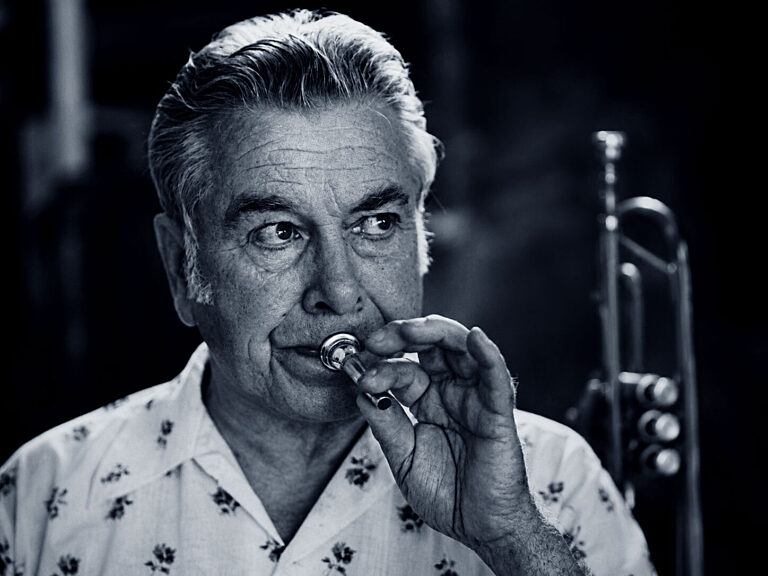
James Stamp, subtle teaching

Intonation, held notes and mouthpiece work shape James Stamp's subtle approach to trumpet playing, where listening and physical economy guide technique.

By Alfred Willener
Teaching Technique Intonation Mouthpiece Range
Early trumpet music in Schwerin Free
No. 23 • 1978 Digitized

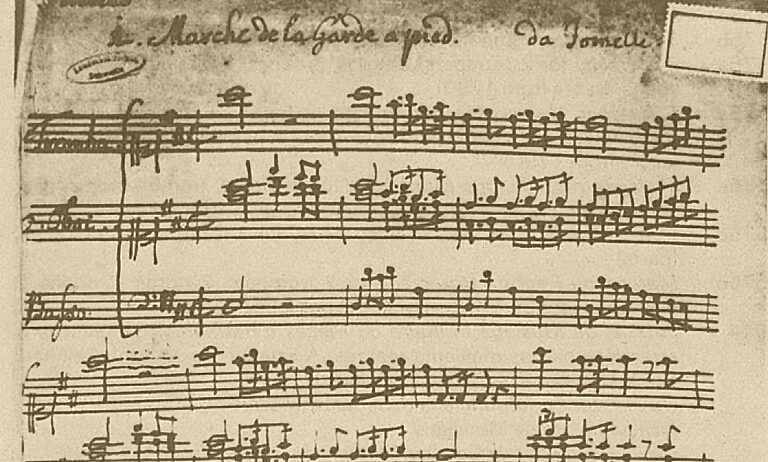
Early trumpet music in Schwerin

Hidden sources revealed: Stephen Glover uncovers early trumpet music in Schwerin—offering new insights into wind bands, performance practice, and the evolution of brass.

By Stephen L. Glover
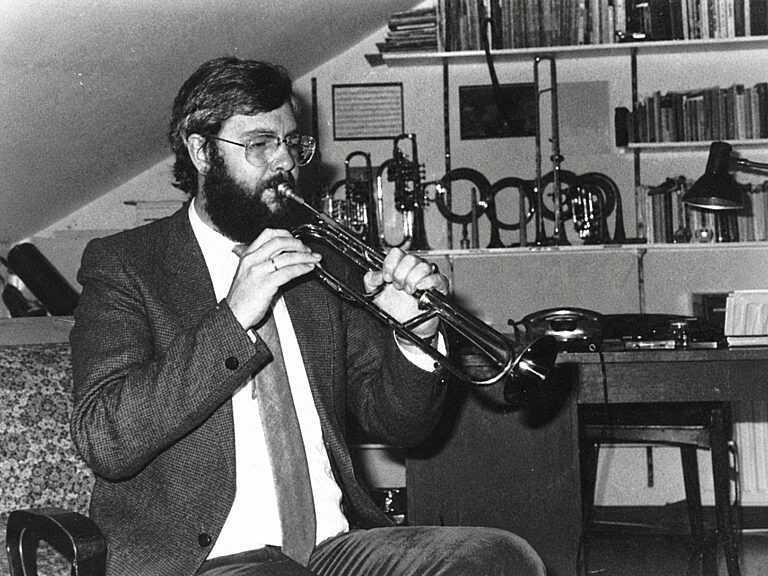
Repertoire History Historical instruments Valves Sociology
Natural trumpets, basic techniques Member
No. 51 • 1985 Digitized

Natural trumpets, basic techniques

Natural trumpet playing demands more than historical equipment: Friedemann Immer sets modern technique against Baroque sound, articulation, style and authenticity.

By Friedemann Immer
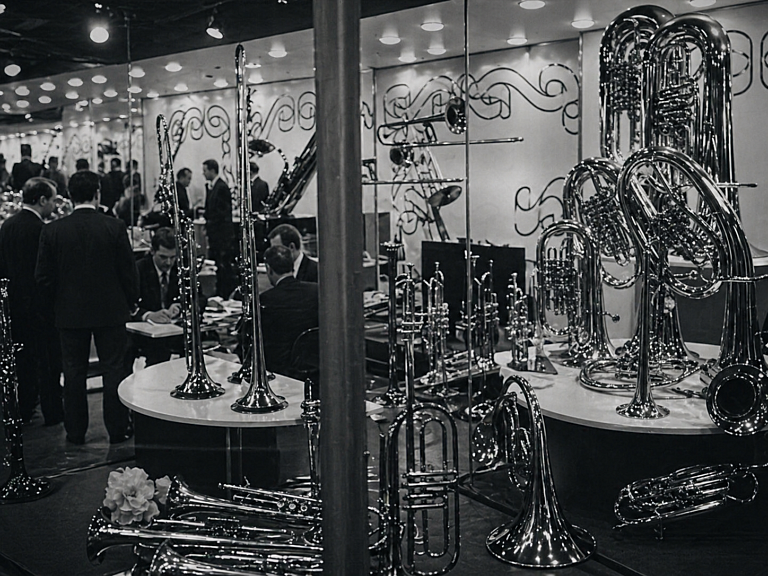
Technique Equipment Articulation Interpretation Historical instruments
Frankfurt Special 1979 Free
No. 26 • 1979 Digitized

Frankfurt Special 1979

Music Fair

Jean-Pierre Mathez surveys the Frankfurt Music Fair, tracing makers, markets and competition, and outlining a brass landscape shaped by adjustment rather than innovation.

By Jean-Pierre Mathez
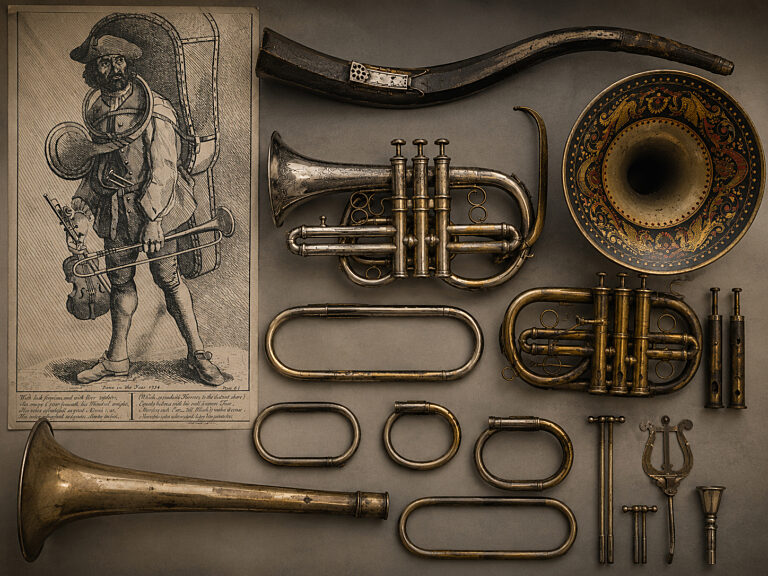
Event Report Instrument making
At the Sign of the Serpent Free
No. 43 • 1983 Digitized

At the Sign of the Serpent

All sorts of old, rare and unusual musical instruments bought and sold by Tony Bingham

Behind a Hampstead shopfront, Tony Bingham’s trade in ophicleides, natural horns and cornets kept rare instruments circulating between collectors and players.

By Thomas Aitken
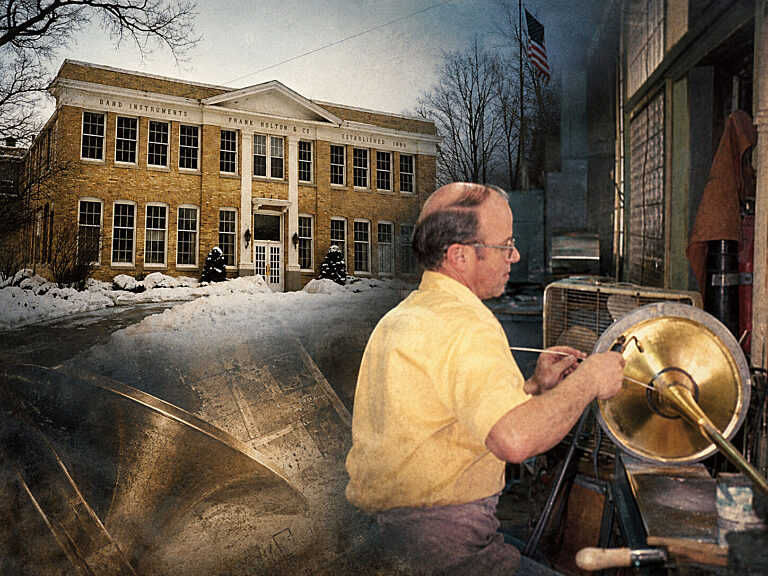
History Equipment Historical instruments
Instrument Makers in USA Free
No. 53 • 1986 Digitized

Part 6

Instrument Makers in USA

Holton (G. Leblanc Corporation)

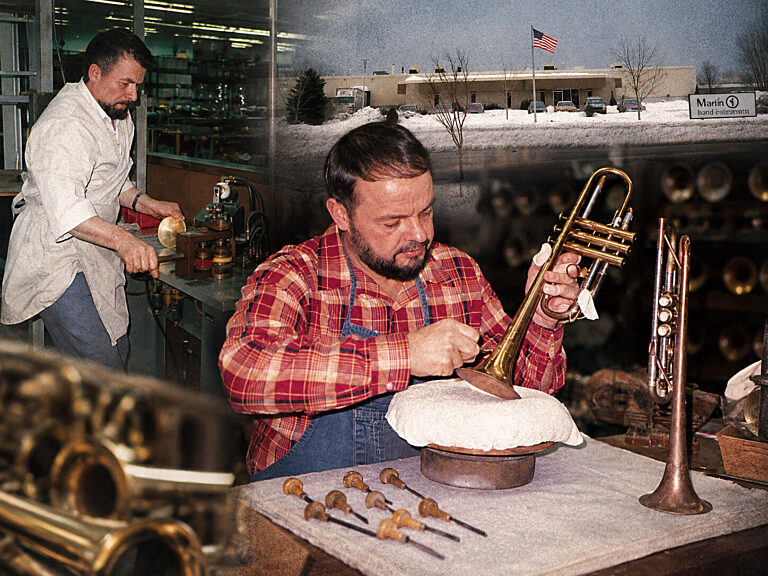
In Elkhorn, Wisconsin, traditional craftsmanship meets industrial production, while Holton confronts the delicate balance between innovation and musicians’ conservatism.

By Stephan Suter
Instrument Makers Instrument making
Renold Schilke at Frankfurt Free
No. 26 • 1979 Digitized

Renold Schilke at Frankfurt

Interview

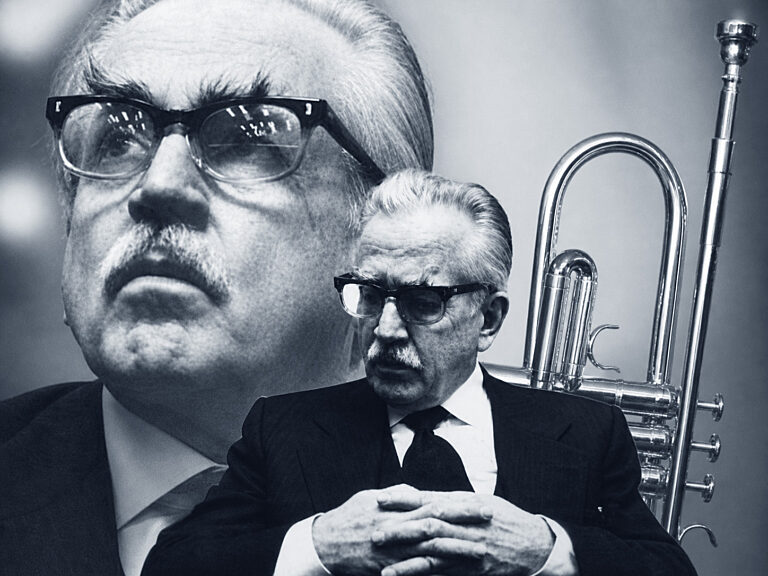
Jean-Pierre Mathez reports on Renold Schilke’s views at Frankfurt, addressing fair organisation, maker–musician collaboration, and shifting market dynamics shaped by demand and quality criteria.

By Jean-Pierre Mathez
Encounters Instrument Makers Instrument making
Dr. h.c. Bernoulli (1904-1980) Free
No. 33 • 1981 Digitized

Dr. h.c. Bernoulli (1904-1980)

Necrology of a great collector

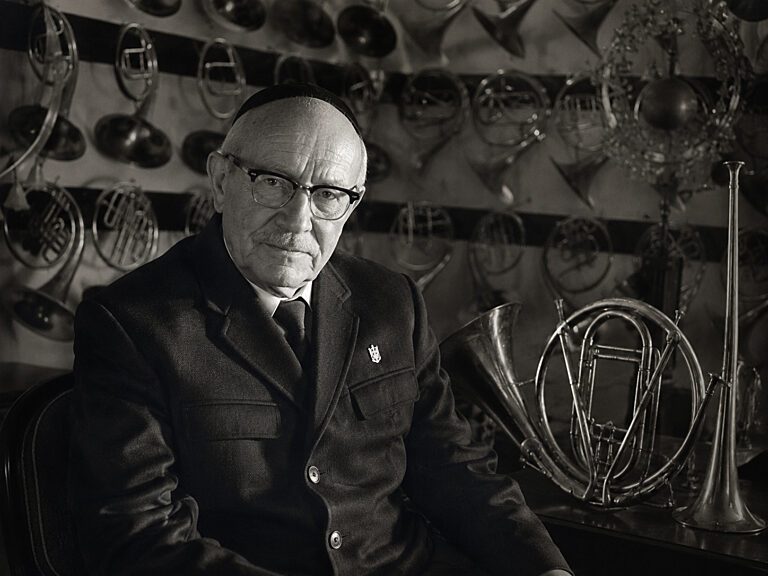
From a Swiss castle filled with 700 brass instruments to the Historical Museum Basel, a collector’s life reflects decades of dedication, scholarship and hospitality.

By Emilie Mende
Equipment Encounters Historical instruments Keyed trumpet
Friedemann Immer Free
No. 50 • 1985 Digitized

Friedemann Immer

A new Trumpet

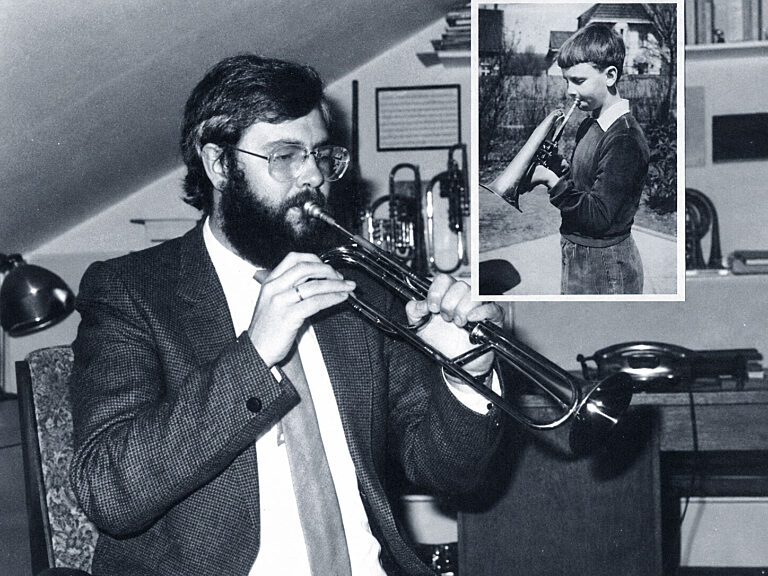
Baroque tradition and modern trumpet playing converge in Friedemann Immer’s unusual double career, shaped by Bach, natural trumpet and early music.

By Jean-Pierre Mathez
Encounters Historical instruments
Instrument Makers in USA Member
No. 53 • 1986 Digitized

Part 7

Instrument Makers in USA

Martin (G. Leblanc Corporation)

In 1970s Wisconsin, industrial efficiency transformed brass instrument production, yet traditional craftsmanship still had a place on the factory floor.

By Stephan Suter

Instrument Makers Instrument making
No. 56 • 1986 Awaiting digitization

Part 1

Did Bach write the "corne da caccia" part in the B minor Mass for Gottfried Reiche?

By Peter Damm

History Repertoire Historical instruments
No. 58 • 1987 Awaiting digitization

Part 3

Did Bach write the "corne da caccia" part in the B minor Mass for Gottfried Reiche?

By Peter Damm
History Repertoire Historical instruments
The Trumpets in the Hungarian National Museum in Budapest Free
No. 48 • 1984 Digitized

Special Hungary

The Trumpets in the Hungarian National Museum in Budapest

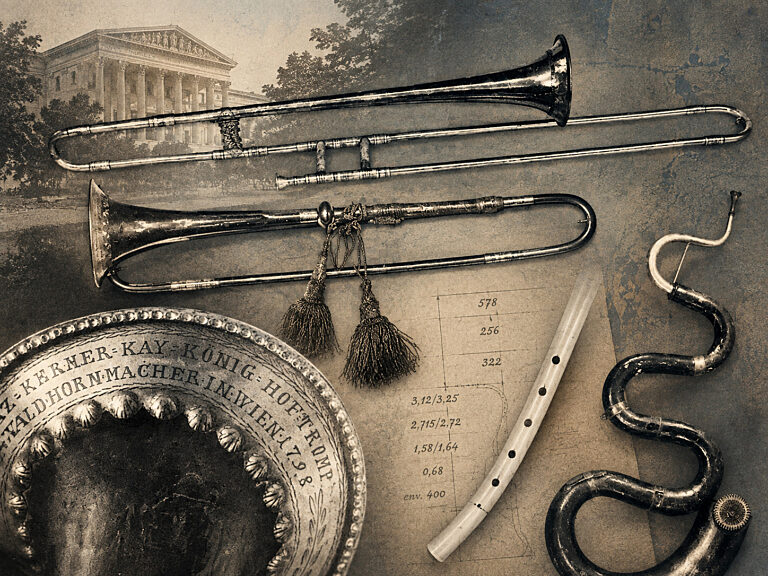
Four little-known trumpets in Budapest open a window onto Viennese makers, historical construction, pitch and the fragile survival of museum instruments.

By Leo Kappel

Equipment Research Historical instruments Instrument making
The inner acoustics of the horn Member
No. 3 • 1972 Digitized

The inner acoustics of the horn

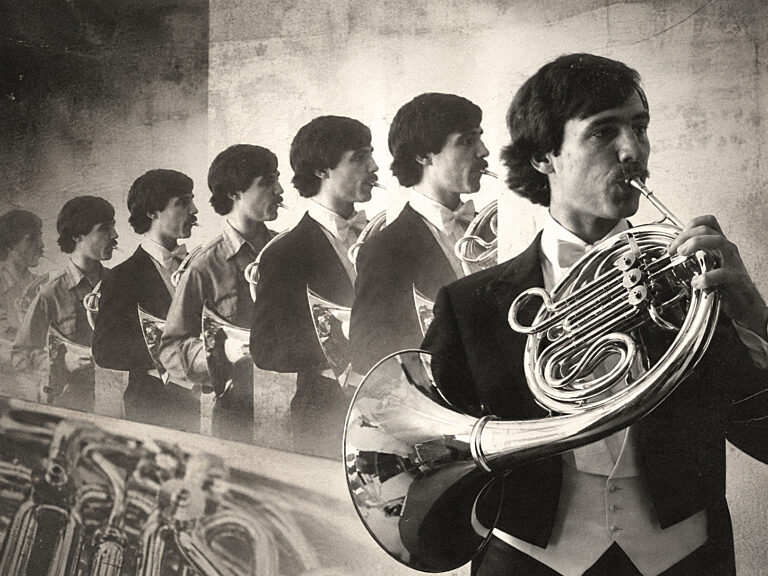
Study of the horn’s inner acoustics, explaining how its structure and air column influence tone production and intonation.

By Willi Aebi
Equipment Acoustics History Technique Sound Historical instruments Valves
The trumpet in the north German postal service of the 19th century Member
No. 47 • 1984 Digitized

The trumpet in the north German postal service of the 19th century

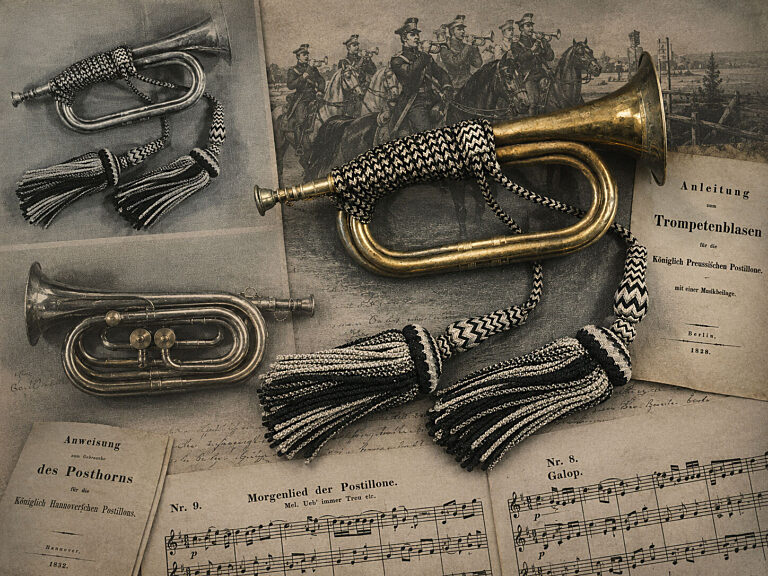
For forty years, northern German postilions exchanged the familiar post-horn for trumpets, turning postal signals into an unexpected echo of military practice.

By Albert Hiller
History Historical instruments Valves
Steve Lewis, Hornmaker Member
No. 49 • 1985 Digitized

Steve Lewis, Hornmaker

Old World Craftsmanship plus New World Technology

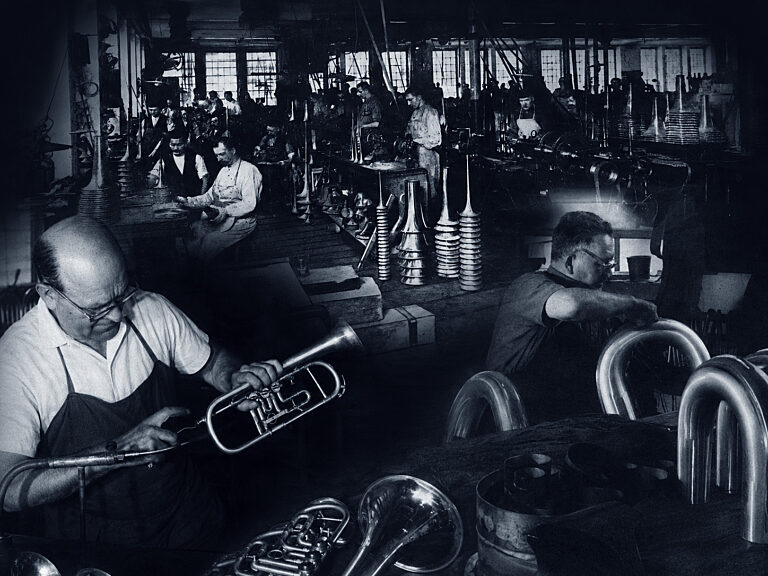
In 1980s Chicago, Steve Lewis joined Old World bench craft to modern precision, building horns one by one around the player, the metal and a distinctive sound.

By Jeffrey Agrell
Equipment Instrument Makers Instrument making Sound
Brass instruments from the musical town of Graslitz Member
No. 29 • 1980 Digitized

Brass instruments from the musical town of Graslitz

From 18th-century Graslitz to postwar Bavaria, brass makers rebuilt a vanished musical industry around Miraphone, preserving craft through exile and industrial change.

By Rudolf Limmer

History Instrument Makers Valves Instrument making
Loading…

Questions & Answers

How the Digital Edition works

What does the Digital Edition include?

The Digital Edition brings together the articles already digitized as searchable online texts—not simply as scans or PDF files—along with their original illustrations, notes, authorship, issue information, and available translations. Related-article suggestions currently include only this digitized material.

Are the digital articles identical to the originals?

We preserve the original text, language, illustrations, captions, footnotes, and editorial context as faithfully as possible. The presentation is adapted for comfortable online reading, and obvious transcription or scanning errors may be corrected. The substance and character of the published article remain unchanged.

Which languages are available?

Brass Bulletin was published in English, French, and German throughout its history. Italian and Spanish translations were added from issue No. 60 onward.

On the Italian and Spanish sites, articles from issues 1–59 are therefore shown in English by default.

How often are new articles added?

New articles are added almost daily, with approximately one complete issue digitized each week. The pace may vary depending on the preparation, image work, and editorial checking required.

Why aren’t all articles available digitally?

The complete Brass Bulletin collection contains 1,246 articles published between 1971 and 2003. The full index is already available online, allowing readers to discover every article in the collection, including those whose complete text has not yet been digitized.

Digitization began in February 2026. Each article is carefully prepared for online reading, checked, and connected to its issue, authors, subjects, and illustrations. At the current pace of digitization, the complete collection is expected to be available online by February 2028.

Why do some references mention articles that are not available yet?

References in the original articles are preserved even when the material they point to has not yet been digitized. This keeps the historical and editorial record intact. As more issues are added to the Digital Edition, an increasing number of these references will lead to articles that can be read online.

Can I suggest an article or report a transcription error?

Yes. If there is an article you would particularly like to see digitized, or if you notice a possible transcription error or missing detail, please contact us. Reader feedback helps us improve the Digital Edition and prioritize useful connections within the archive.

How can I support Brass Bulletin?

Your support helps fund the preparation, verification, and online publication of the complete collection.

Subscribe to the Digital Edition

Prefer to support us without subscribing?

Make a donation

How is the digitization progressing?

We’re gradually making the Brass Bulletin available online, article by article. You can read newly digitized articles as soon as they’re ready, even before an entire issue is complete.

Visit our Digitization Roadmap to browse recent additions and see estimated availability for upcoming issues. These estimates follow our recent pace and may change.

Search Brass Bulletin.