Explore institutional access →

Equipment

126 articles available online
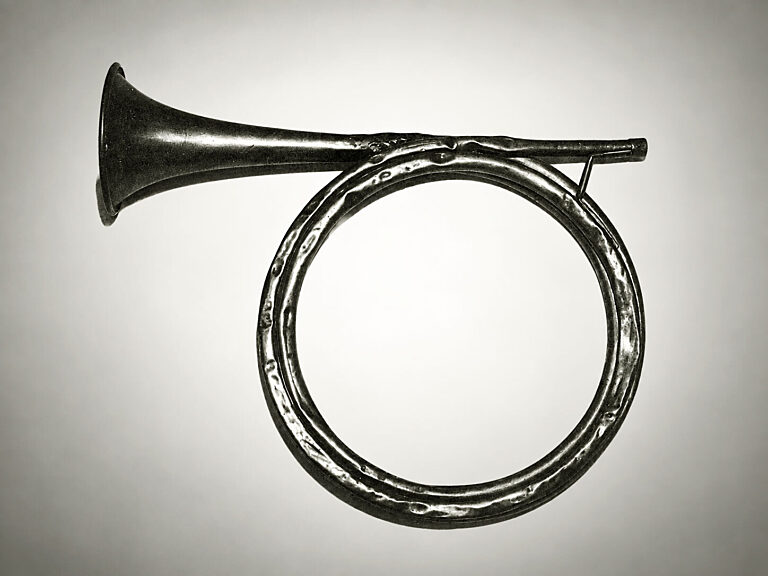
The Unusual Trumpet in the Nürnberg Transport Museum Free
No. 52 • 1985 Digitized

The Unusual Trumpet in the Nürnberg Transport Museum

A mysterious three-coil trumpet in Nuremberg defies familiar instrument types, with no maker, date or clear explanation of how it entered a postal collection.

By Albert Hiller
Equipment Historical instruments
The Trumpet in the Works of Jean-Philippe Rameau Free
No. 35 • 1981 Digitized

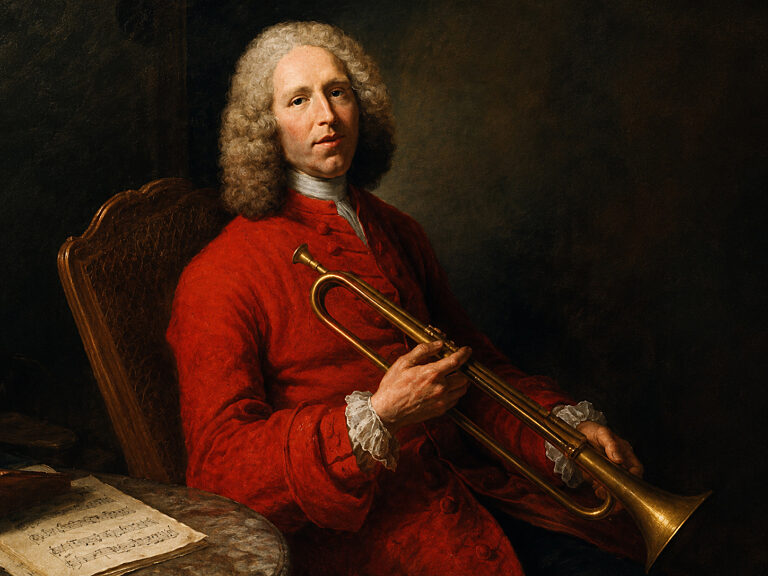
The Trumpet in the Works of Jean-Philippe Rameau

From court entertainments to operatic dances, Rameau’s trumpet writing reveals uncommon technical demands and a broader palette of Baroque brass practice.

By Albert Hiller

History Repertoire Historical instruments Interpretation
Member
No. 1 • 1971 Digitized

The Horn in France

Historical overview of the horn in France by Daniel Bourgue, covering instruments, makers, pedagogy and the evolution of tone and playing style.

By Daniel Bourgue

History Equipment Technique French school Sound Valves Historical instruments
No. 57 • 1987 Awaiting digitization

Part 2

Did Bach write the "corne da caccia" part in the B minor Mass for Gottfried Reiche?

By Peter Damm
History Repertoire Historical instruments
The history of the big York-Hirsbrunner Tuba Member
No. 40 • 1982 Digitized

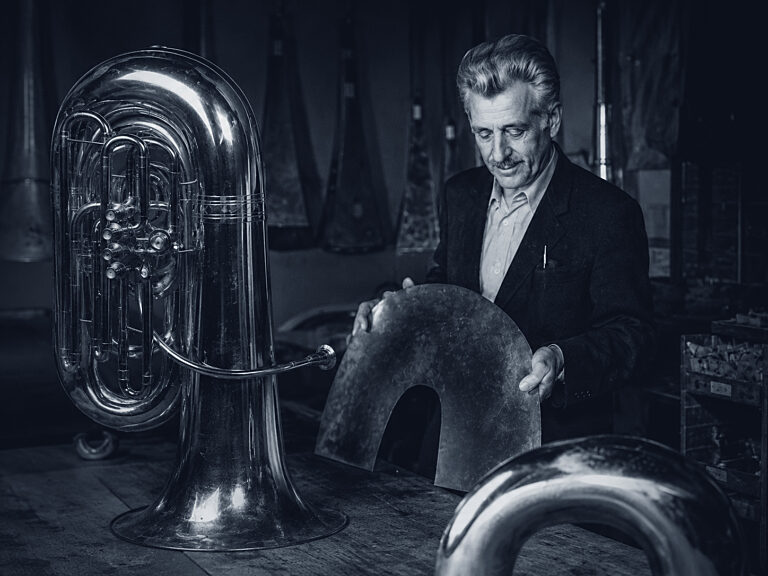
The history of the big York-Hirsbrunner Tuba

The instrument maker's point of view

A legendary orchestral tuba became the starting point for rethinking how craftsmanship, industrial methods and musical results rarely follow the same path.

By Peter Hirsbrunner
Instrument Makers Equipment Instrument making
Inventor's corner Free
No. 48 • 1984 Digitized

Inventor's corner

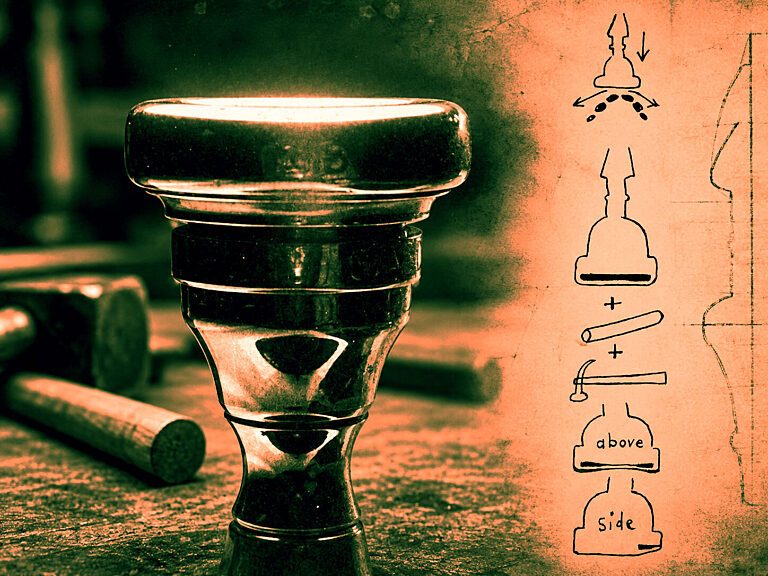
Shaping Your Own Mouthpiece

A tiny alteration to the mouthpiece rim challenges conventional design, seeking greater upper-lip endurance without sacrificing flexibility, attack or control.

By Ninck Blok
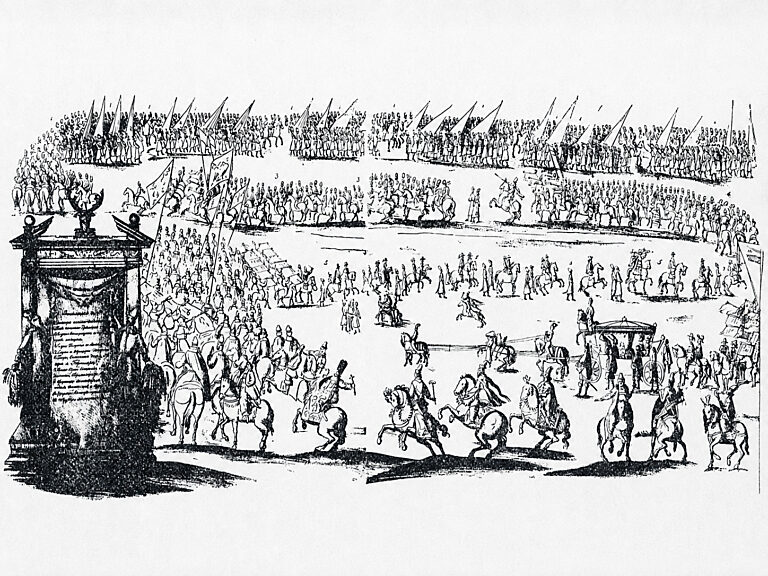
Equipment Technique Mouthpiece Lips Endurance
Russian music and musicians before 1700 Member
No. 7 • 1974 Digitized

Russian music and musicians before 1700

with special regard to Brass Music

Overview of Russian music and musicians before 1700, exploring early traditions, influences and the role of brass instruments.

By Walter Salmen

History Repertoire Russian school Historical instruments
My collection of historical brass instruments and drums Free
No. 5 • 1973 Digitized

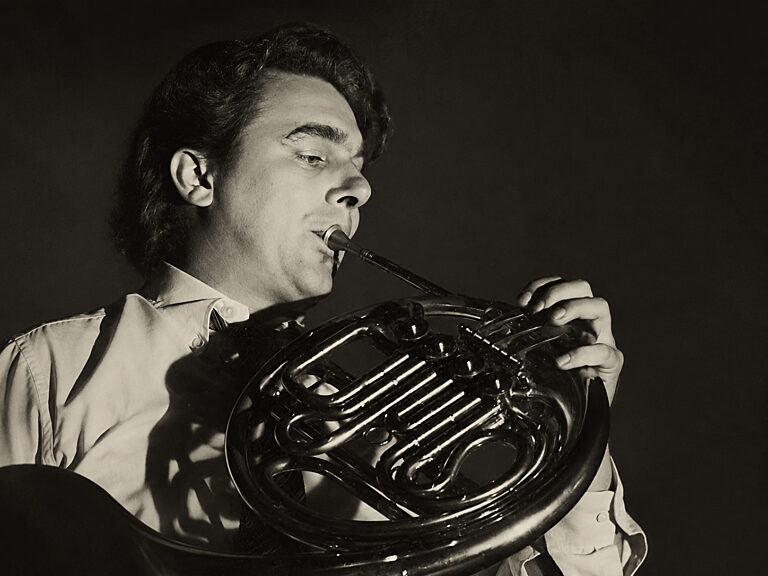
My collection of historical brass instruments and drums

Presentation of a private collection of historical brass instruments and drums, offering insights into their construction, variety and historical context.

By Wilhelm Bernoulli
History Equipment Historical instruments
Which Horn for which Music? Free
No. 3 • 1972 Digitized

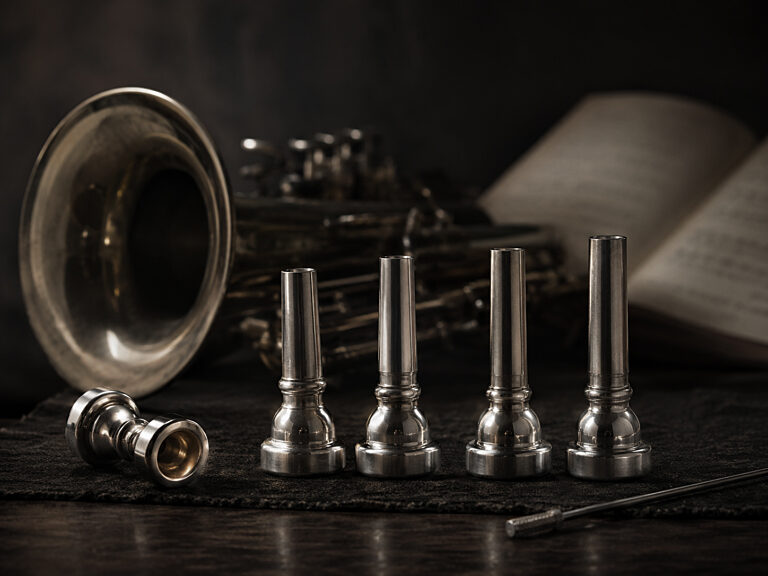
Which Horn for which Music?

Article discussing the choice of horn according to repertoire, comparing instruments, sound ideals and stylistic requirements.

By Hermann Baumann
Equipment Repertoire Historical instruments Sound Interpretation
The Trumpet in the USA Member
No. 33 • 1981 Digitized

Part 4

The Trumpet in the USA

Gadgets II

Mouthpiece backbores for piccolo and C trumpet are compared through practical performer testing, linking equipment choices to sound, volume and intonation.

By Thomas Stevens
Equipment Mouthpiece Sound Intonation
On the Crumhorn Member
No. 48 • 1984 Digitized

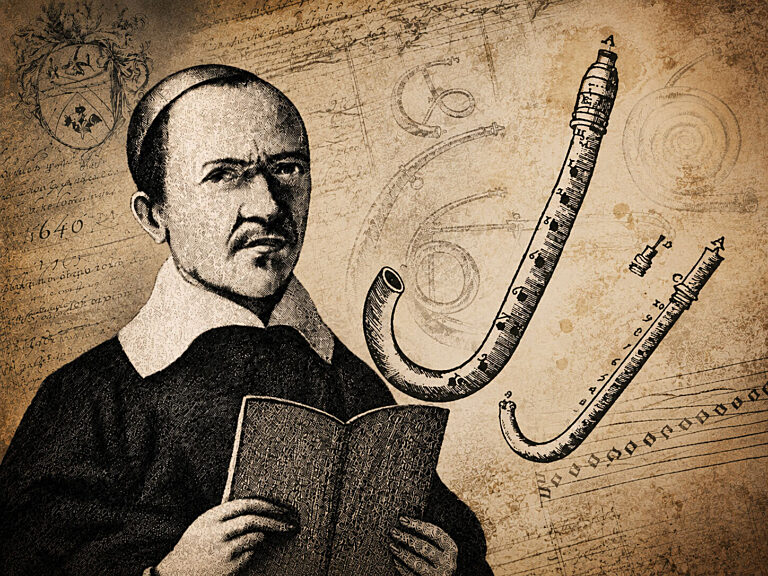
On the Crumhorn

From Pierre Trichet’s Traité des Instruments de Musique (c. 1640)

A seventeenth-century crumhorn leads from Roman lituus and alpine horns to reeds, finger holes and keys, exposing an unexpected family of curved instruments.

By Pierre Trichet
History Equipment Historical instruments
Five generations of mouthpiece specialists Member
No. 29 • 1980 Digitized

Five generations of mouthpiece specialists

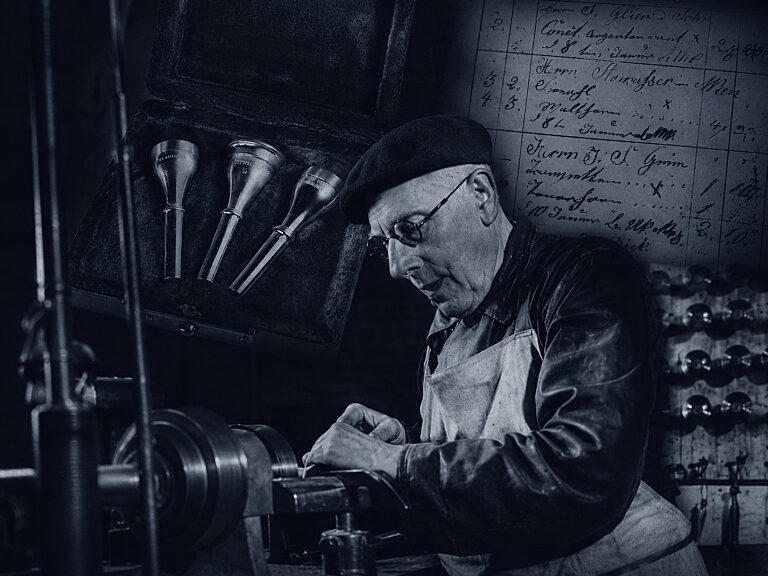
From Höchstädt to Markneukirchen and beyond, five generations of Schmidts shaped brass mouthpiece design through craft, anatomy and evolving orchestral demands.

By Werner Christoph Schmidt
History Instrument Makers Mouthpiece Instrument making
The Streitwieser Foundation Historic Trumpet Museum Free
No. 39 • 1982 Digitized

The Streitwieser Foundation Historic Trumpet Museum

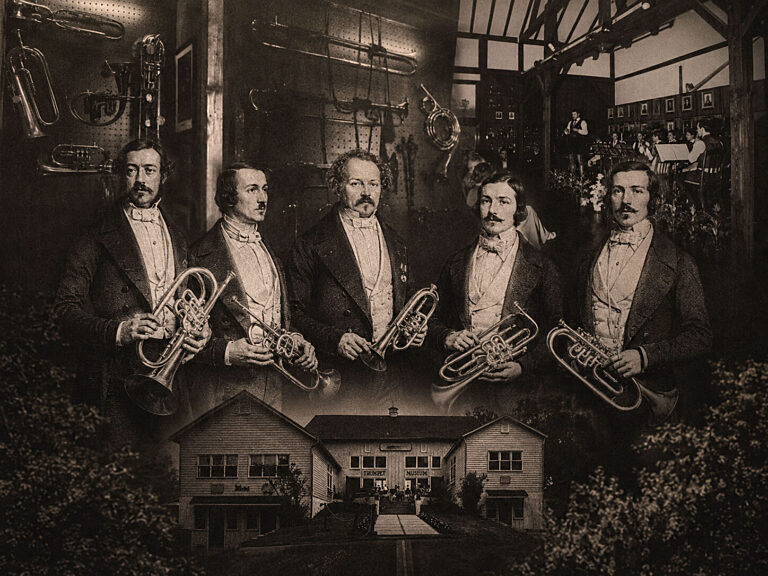
A private collection built through one musician's lifelong search became an unexpected center for brass history, where every instrument carries a story beyond its display.

By Sue Scott
History Equipment Historical instruments
Manufacturers' Opinions about Brass Instruments Free
No. 38 • 1982 Digitized

Manufacturers' Opinions about Brass Instruments

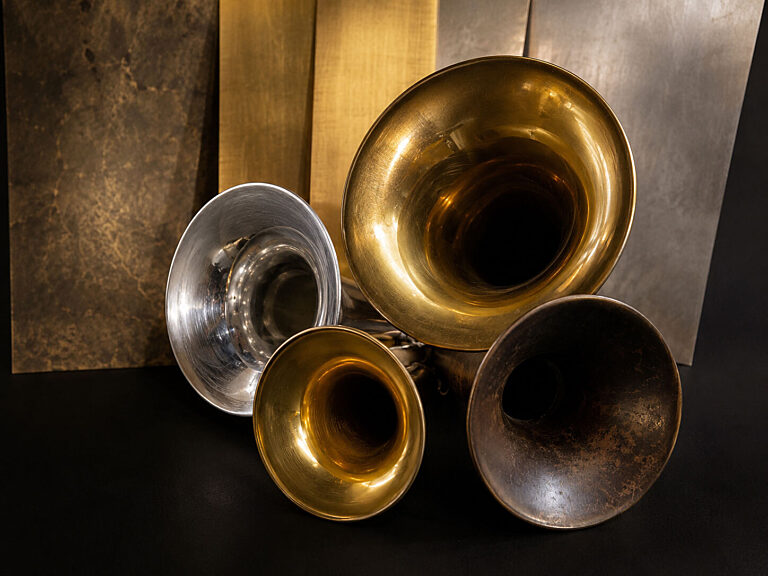
Between workshop lore and acoustic certainty, brass makers’ claims expose a restless debate over metal, finish, resonance, and playing quality.

By J. M. Bowsher, P. S. Watkinson
Equipment Acoustics Instrument making Sound Intonation
The Euphonium in America Member
No. 35 • 1981 Digitized

The Euphonium in America

A Short History

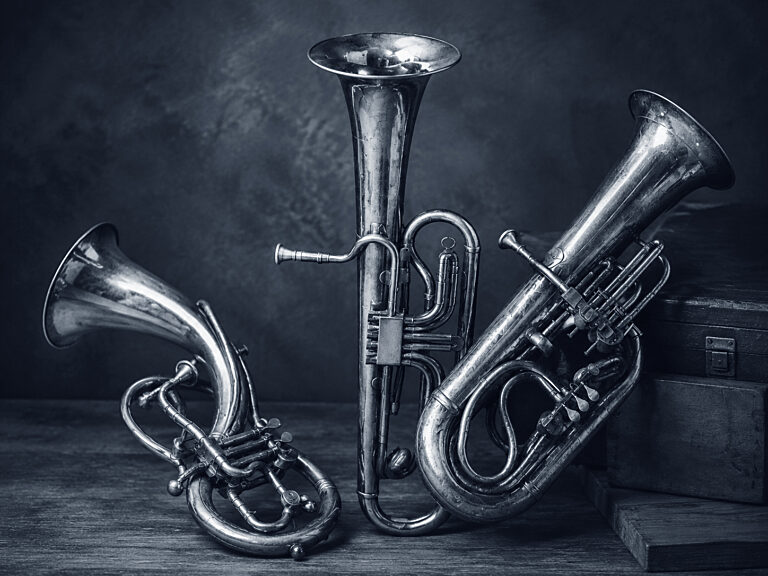
Euphonium terminology, bore sizes, and band instrumentation shifted across Europe and America, from Sax and Conn to Gilmore, Sousa, and Fennell.

By Robert Reifsnyder
History Equipment Historical instruments Instrument making Valves
The posthorn of the 19th-century Royal Post Office in the service of folk music Member
No. 50 • 1985 Digitized

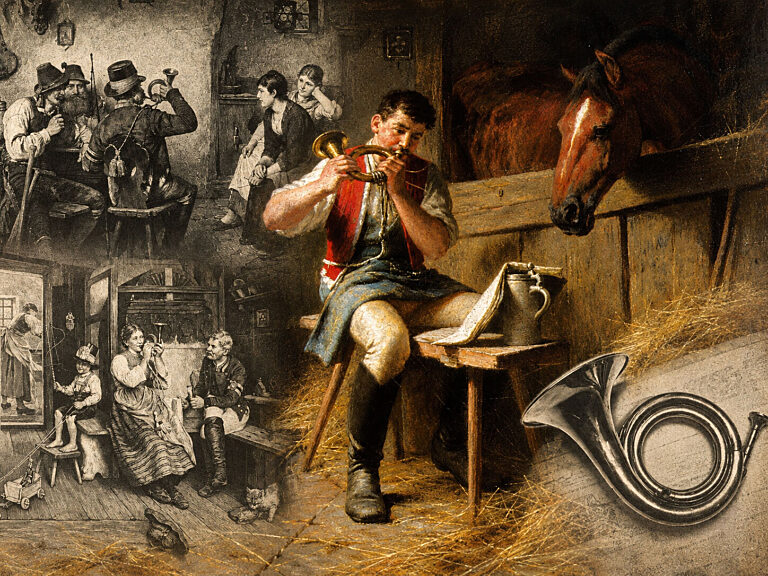
The posthorn of the 19th-century Royal Post Office in the service of folk music

Once a tool of postal signalling, the posthorn became part of Bavaria’s popular musical life, caught between official regulation, practical invention and folk tradition.

By Albert Hiller
History Equipment Historical instruments
The most beautiful instruments of the National and Military Museums Free
No. 48 • 1984 Digitized

Special Hungary

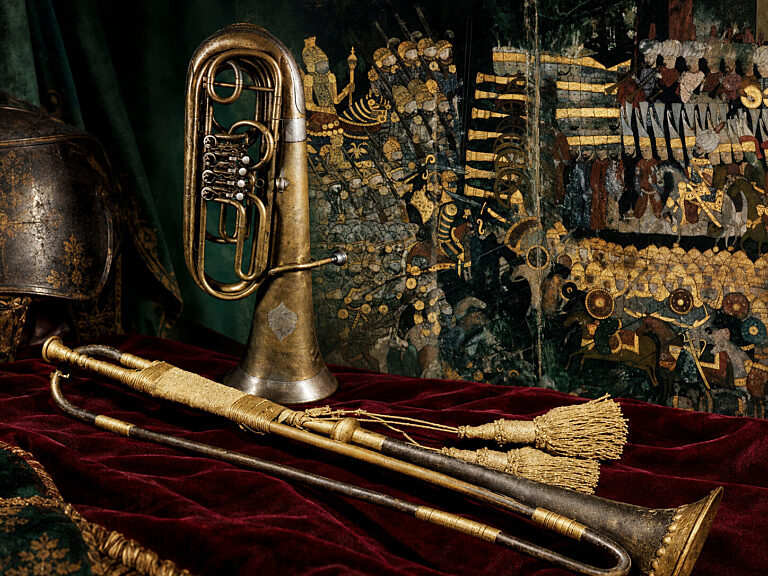
The most beautiful instruments of the National and Military Museums

Budapest’s museum collections bring together Roman and Baroque trumpets, ceremonial instruments and military imagery, preserving sounds and symbols across centuries.

By Jean-Pierre Mathez
History Equipment Historical instruments Illustrations
The Coiled Hunting Instrument by J. W. Haas Member
No. 54 • 1986 Digitized

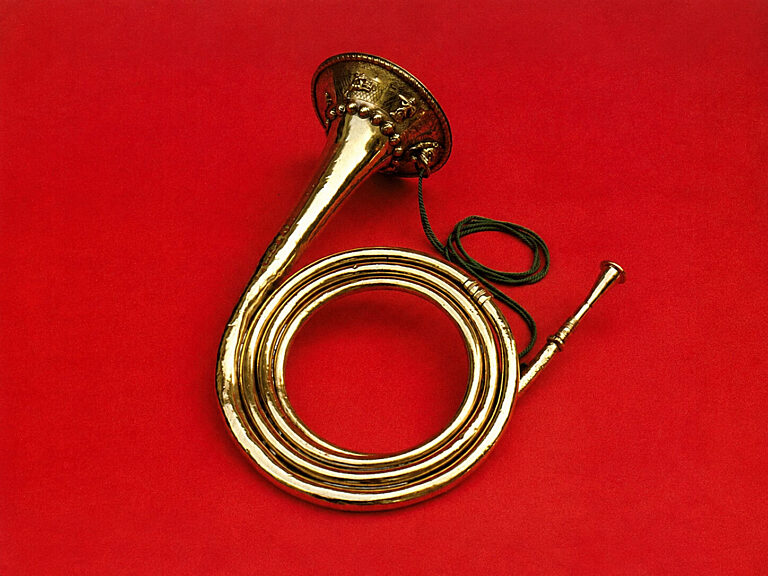
The Coiled Hunting Instrument by J. W. Haas

Bad Säckingen Trumpet Museum

A rare instrument made in 1688 blurs the boundary between horn and trumpet, while its maker’s mark raises an unresolved question about the Haas family.

By Edward H. Tarr
History Historical instruments
Unknown Treasures for Trumpet Ensembles Free
No. 38 • 1982 Digitized

Unknown Treasures for Trumpet Ensembles

Processional Music from 18th century Bavaria

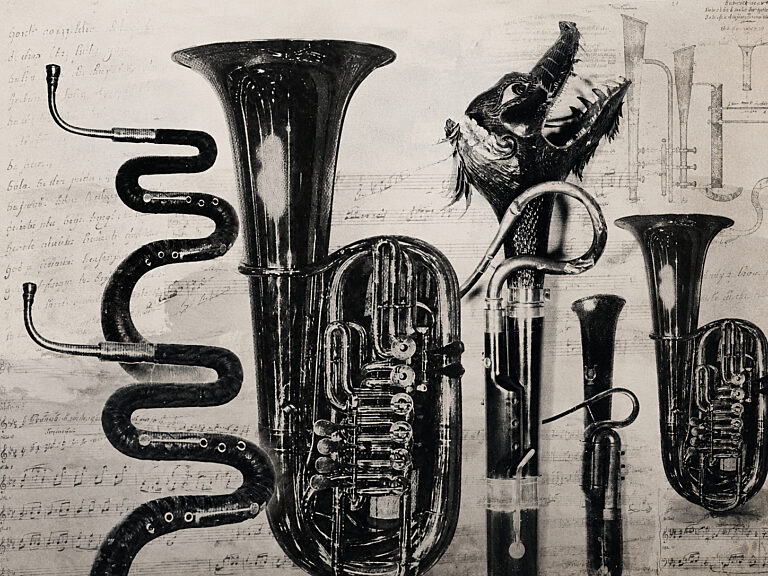
Forgotten Bavarian monastery archives preserve hundreds of ceremonial trumpet works, where local tradition and practical performance survived long after their cultural world disappeared.

By Albert Hiller
Repertoire History Brass Ensemble Historical instruments Range
The tuba, Benjamin of the brass family Member
No. 17 • 1977 Digitized

The tuba, Benjamin of the brass family

Where does the tuba come from? From serpent to ophicleide to saxhorns, this article traces a lesser-known path to the modern instrument.

By Emilie Mende

History Equipment Historical instruments Instrument making Valves
Instrument Makers in USA Free
No. 50 • 1985 Digitized

Part 1

Instrument Makers in USA

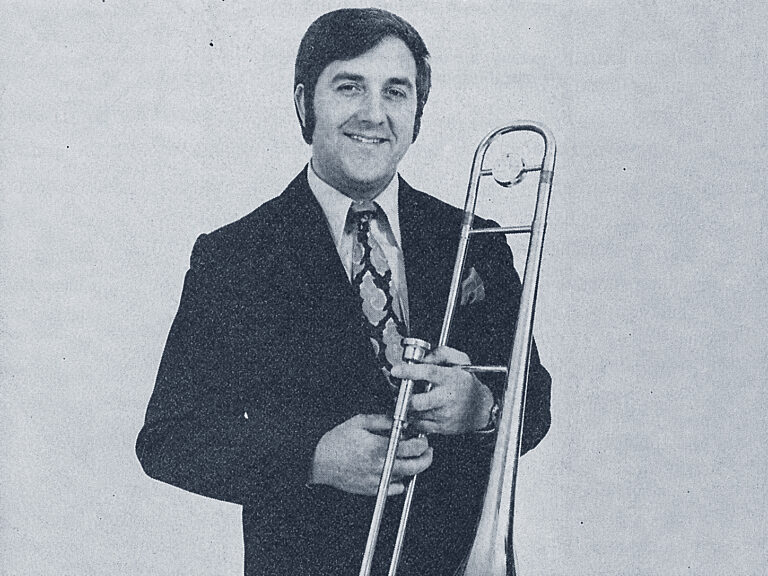
American brass making in the mid-1980s stood between workshop tradition and industrial change, with ten firms offering a striking cross-section of the trade.

By Stephan Suter
Instrument Makers Instrument making
The trombone in Belgium Free
No. 5 • 1973 Digitized

The trombone in Belgium

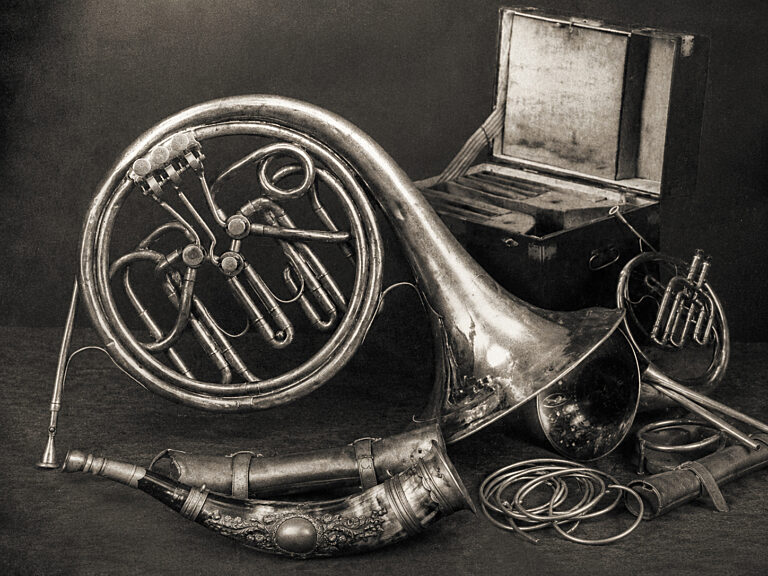
Published in memory of its author, this article reflects on the trombone tradition in Belgium and his lasting contribution.

By Albert Mertens
History Technique Equipment Historical instruments Valves Interpretation
Round the Horn Free
No. 44 • 1983 Digitized

Round the Horn

Hamburg 1982

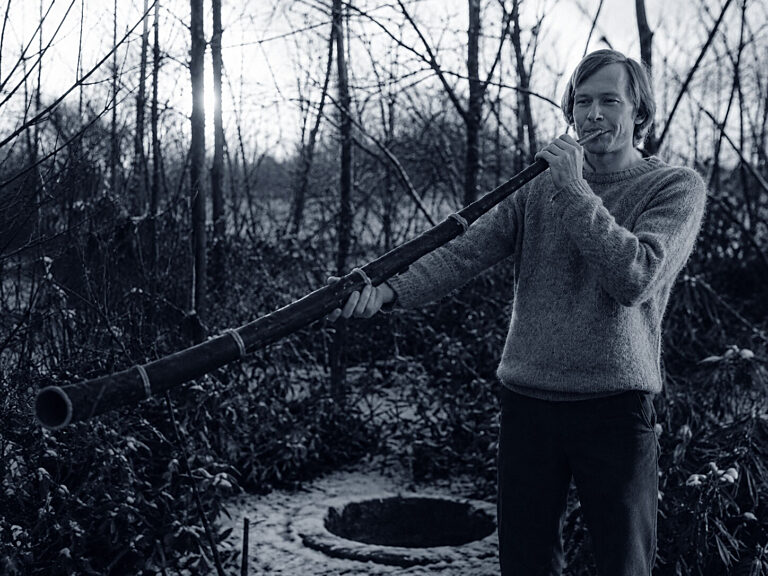
A 1982 Hamburg exhibition brought 150 horns out of collections and into players’ hands, collapsing centuries of hunting, signalling and concert traditions into one room.

By Michael Höltzel
History Event Historical instruments
The Midwinter Horn Free
No. 37 • 1982 Digitized

The Midwinter Horn

De Midwinterhoorn

A Christmas horn tradition from eastern Netherlands preserves ancient construction, ritual and performance, linking rural practice with Leopold Mozart's Sinfonia pastorella.

By Herman Jeurissen

History Society Historical instruments Instrument making Sociology
Loading…

Questions & Answers

How the Digital Edition works

What does the Digital Edition include?

The Digital Edition brings together the articles already digitized as searchable online texts—not simply as scans or PDF files—along with their original illustrations, notes, authorship, issue information, and available translations. Related-article suggestions currently include only this digitized material.

Are the digital articles identical to the originals?

We preserve the original text, language, illustrations, captions, footnotes, and editorial context as faithfully as possible. The presentation is adapted for comfortable online reading, and obvious transcription or scanning errors may be corrected. The substance and character of the published article remain unchanged.

Which languages are available?

Brass Bulletin was published in English, French, and German throughout its history. Italian and Spanish translations were added from issue No. 60 onward.

On the Italian and Spanish sites, articles from issues 1–59 are therefore shown in English by default.

How often are new articles added?

New articles are added almost daily, with approximately one complete issue digitized each week. The pace may vary depending on the preparation, image work, and editorial checking required.

Why aren’t all articles available digitally?

The complete Brass Bulletin collection contains 1,246 articles published between 1971 and 2003. The full index is already available online, allowing readers to discover every article in the collection, including those whose complete text has not yet been digitized.

Digitization began in February 2026. Each article is carefully prepared for online reading, checked, and connected to its issue, authors, subjects, and illustrations. At the current pace of digitization, the complete collection is expected to be available online by February 2028.

Why do some references mention articles that are not available yet?

References in the original articles are preserved even when the material they point to has not yet been digitized. This keeps the historical and editorial record intact. As more issues are added to the Digital Edition, an increasing number of these references will lead to articles that can be read online.

Can I suggest an article or report a transcription error?

Yes. If there is an article you would particularly like to see digitized, or if you notice a possible transcription error or missing detail, please contact us. Reader feedback helps us improve the Digital Edition and prioritize useful connections within the archive.

How can I support Brass Bulletin?

Your support helps fund the preparation, verification, and online publication of the complete collection.

Subscribe to the Digital Edition

Prefer to support us without subscribing?

Make a donation

How is the digitization progressing?

We’re gradually making the Brass Bulletin available online, article by article. You can read newly digitized articles as soon as they’re ready, even before an entire issue is complete.

Visit our Digitization Roadmap to browse recent additions and see estimated availability for upcoming issues. These estimates follow our recent pace and may change.

Search Brass Bulletin.