Brass Bulletin is now also available in Italian and Spanish.

1 min. read

Dr. h.c. Bernoulli (1904-1980)

Necrology of a great collector

Dr. h.c. Bernoulli (1904-1980)

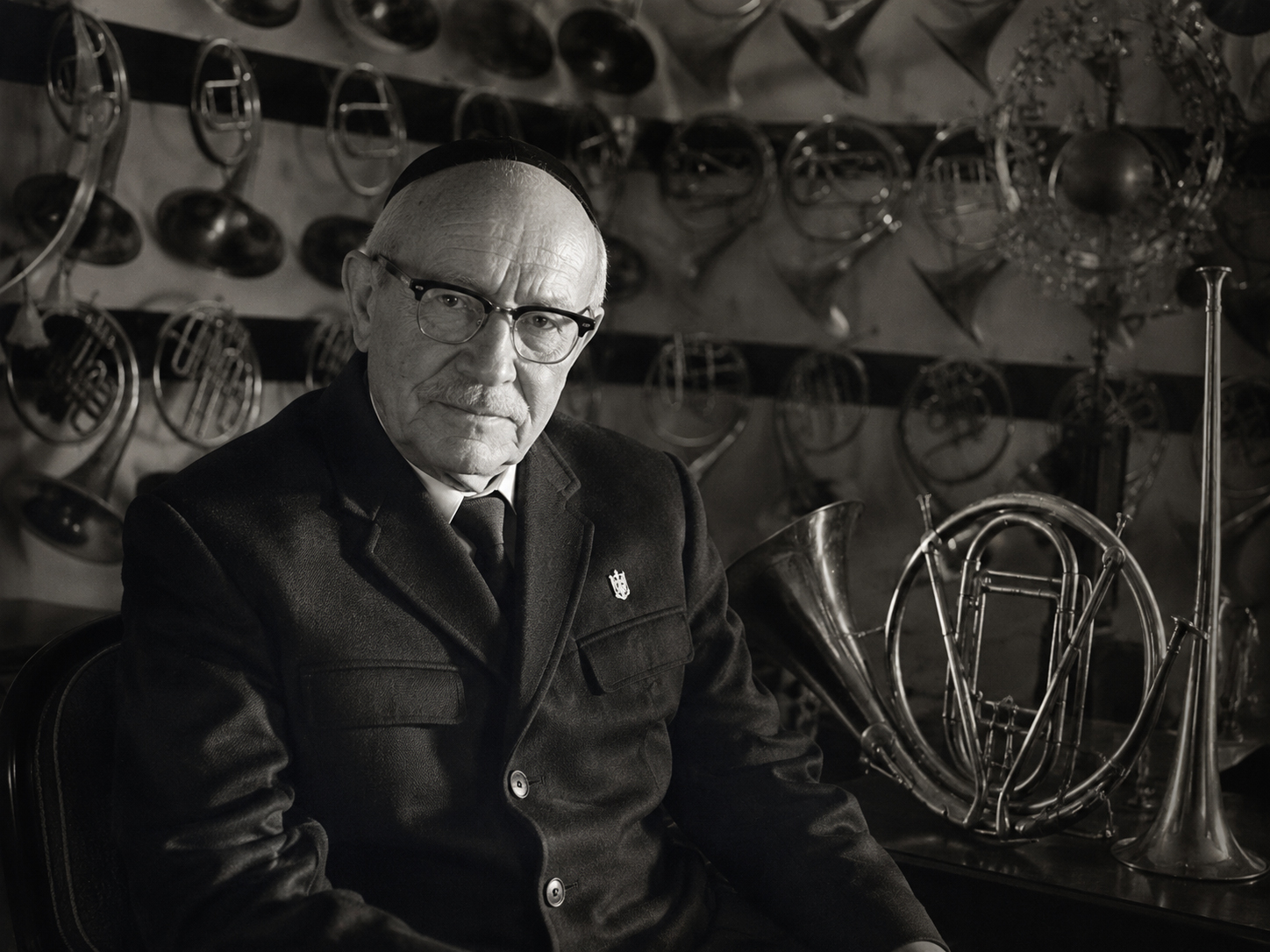
Many of us have known him and had the privilege to admire his unparalleled collection of more than 700 brass instruments ranging from the 15th c. to the present day, exhibited in his residence, the «Schloss» (castle) of Greifensee, Switzerland.

Visiting the tower-like castle was a wonderful experience for every brass lover. The instruments, decorating the walls of the rectangular building from top to bottom and arranged in systematic order, are a breathtaking spectacle. Their multiplicity conveys to the visitor the comprehensive knowledge of the great collector, the Rev. Dr. Bernoulli who passed away on November 25, 1980.

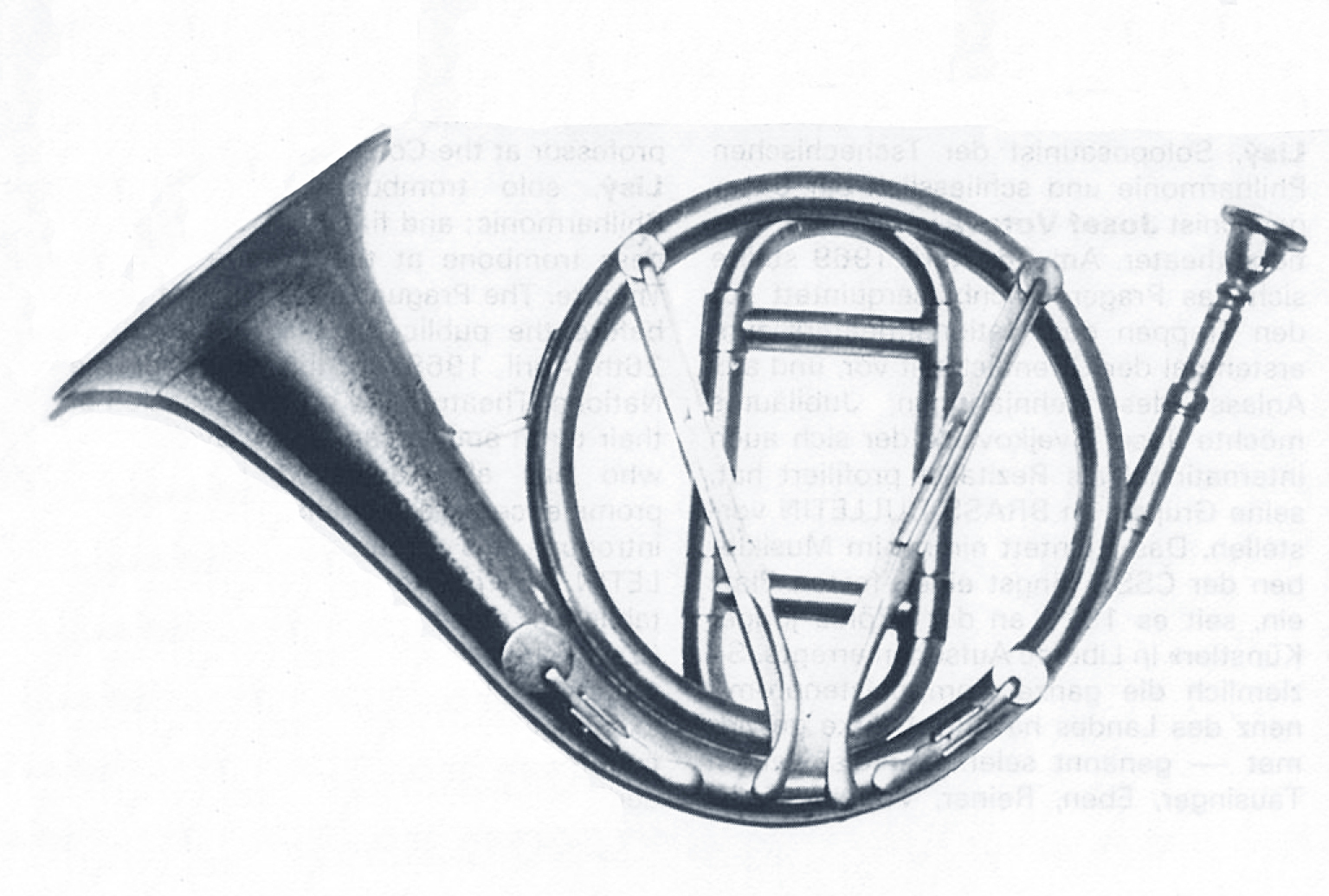
His earliest instrument is a Swiss war horn ("Harsthorn", Lucerne 1455), a very rare instrument of extreme beauty — but the first instrument he bought was a small keyed (anonymous) posthorn. At that time he was a student of theology in Berlin; it was the beginning of a lifelong hobby: collecting brass instruments (to which drums, kettle-drums, drum major's maces, bell-trees and uniforms were added later on).

Over the years the Rev. Dr. Bernoulli gathered great knowledge of even the smallest details of historical brass instruments and, moreover, was endowed with a phenomenal memory. It is to him, my great mentor and friend, that I owe most of my knowledge of brass instruments.

As a Protestant parson, the Rev. Dr. Bernoulli directed the international nursing Brotherhood of the Diaconate. As a humanist and true Christian, he did not only preach neighbourly love but also practised it. Moreover, he was blessed with a marvellous sense of humor which increased the admiration, joy and friendship of the many visitors that were received with warm hospitality by the Reverend and Mrs. Bernoulli.

We, who have known the Rev. Dr. Bernoulli, shall never forget him.

The deceased left his collection to the Historical Museum Basel.

Emilie Mende
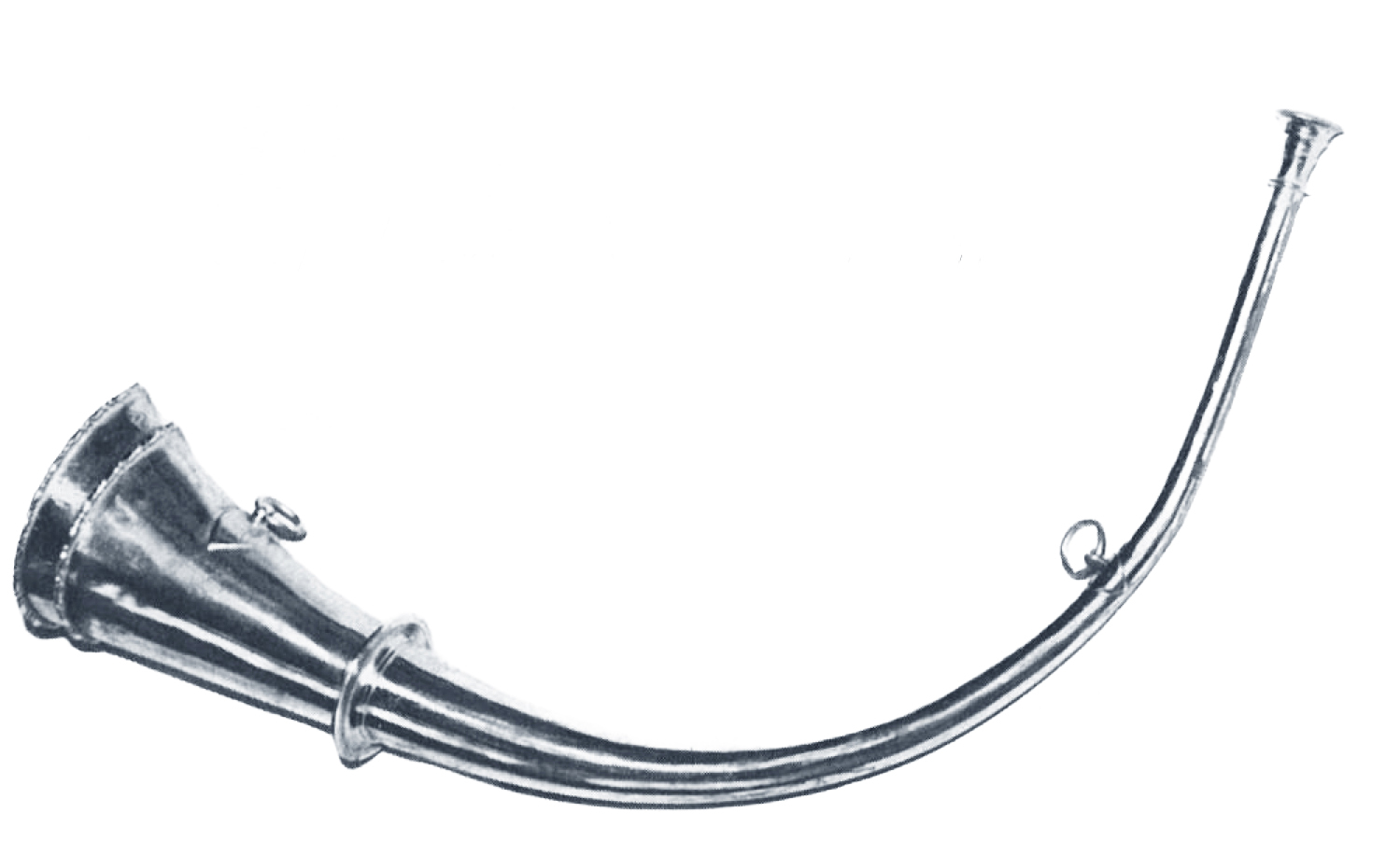
Earliest instrument: “Harsthorn” (Swiss war horn). Lucerne, 1455.
Earliest instrument: “Harsthorn” (Swiss war horn). Lucerne, 1455.

First instrument of the collection: Four-key posthorn. Anonymous maker, circa 1810.

First instrument of the collection: Four-key posthorn. Anonymous maker, circa 1810.

Brass Bulletin 33, I / 1981 pages 22–23

All content is protected by copyright © Brass Bulletin 1981–2026

Share this article

Facebook LinkedIn
Loading…

Questions & Answers

How the Digital Edition works

What does the Digital Edition include?

The Digital Edition brings together the articles already digitized as searchable online texts—not simply as scans or PDF files—along with their original illustrations, notes, authorship, issue information, and available translations. Related-article suggestions currently include only this digitized material.

Are the digital articles identical to the originals?

We preserve the original text, language, illustrations, captions, footnotes, and editorial context as faithfully as possible. The presentation is adapted for comfortable online reading, and obvious transcription or scanning errors may be corrected. The substance and character of the published article remain unchanged.

Which languages are available?

Brass Bulletin was published in English, French, and German throughout its history. Italian and Spanish translations were added from issue No. 60 onward.

On the Italian and Spanish sites, articles from issues 1–59 are therefore shown in English by default.

How often are new articles added?

New articles are added almost daily, with approximately one complete issue digitized each week. The pace may vary depending on the preparation, image work, and editorial checking required.

Why aren’t all articles available digitally?

The complete Brass Bulletin collection contains 1,246 articles published between 1971 and 2003. The full index is already available online, allowing readers to discover every article in the collection, including those whose complete text has not yet been digitized.

Digitization began in February 2026. Each article is carefully prepared for online reading, checked, and connected to its issue, authors, subjects, and illustrations. At the current pace of digitization, the complete collection is expected to be available online by February 2028.

Why do some references mention articles that are not available yet?

References in the original articles are preserved even when the material they point to has not yet been digitized. This keeps the historical and editorial record intact. As more issues are added to the Digital Edition, an increasing number of these references will lead to articles that can be read online.

Can I suggest an article or report a transcription error?

Yes. If there is an article you would particularly like to see digitized, or if you notice a possible transcription error or missing detail, please contact us. Reader feedback helps us improve the Digital Edition and prioritize useful connections within the archive.

How can I support Brass Bulletin?

Your support helps fund the preparation, verification, and online publication of the complete collection.

Subscribe to the Digital Edition

Prefer to support us without subscribing?

Make a donation

Search Brass Bulletin.