Explore institutional access →

Historical instruments

74 articles available online
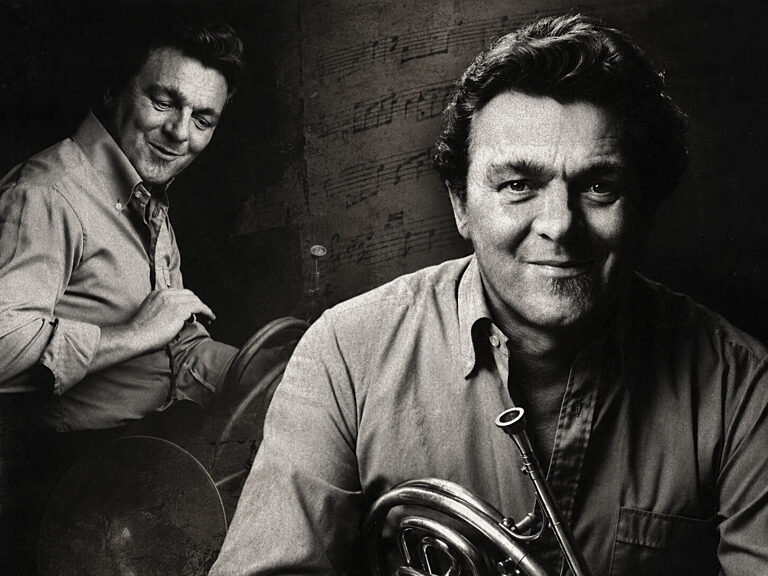
Hermann Baumann Member
No. 51 • 1985 Digitized

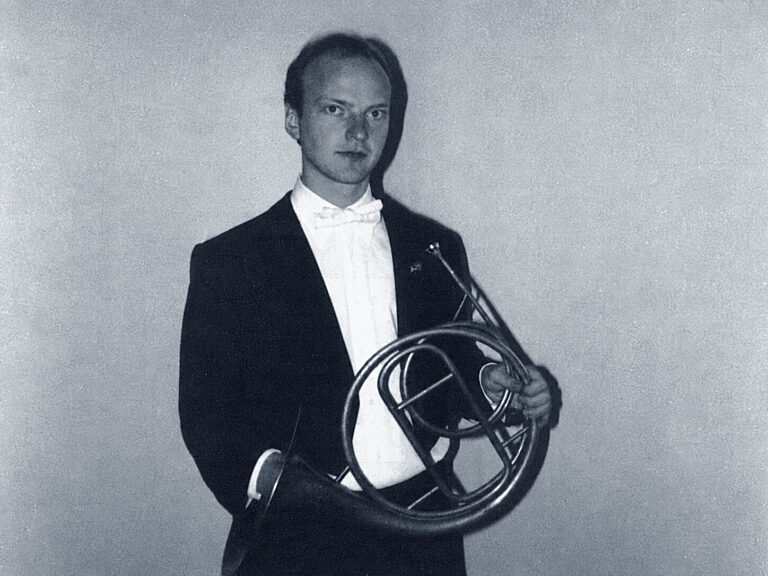
Hermann Baumann

A virtuoso's career

A career built on sound, memory and the natural horn shows how Hermann Baumann helped redefine what a horn soloist could be on the international stage.

By Jean-Pierre Mathez
Encounters Professional life Solo playing Historical instruments
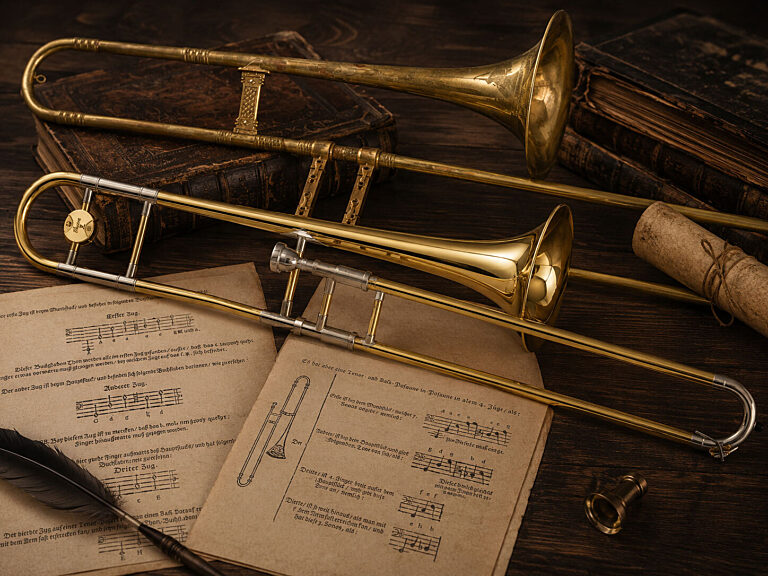
The trombone: changing times, changing slide positions Member
No. 36 • 1981 Digitized

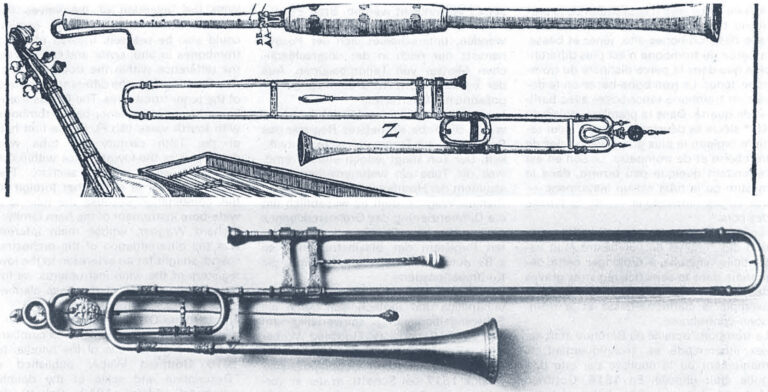
The trombone: changing times, changing slide positions

From Virgiliano to Praetorius and Eisel, early sources reshape long-held assumptions about trombone tuning, slide positions and historical playing practice.

By Howard Weiner
History Technique Historical instruments Intonation Instrument making
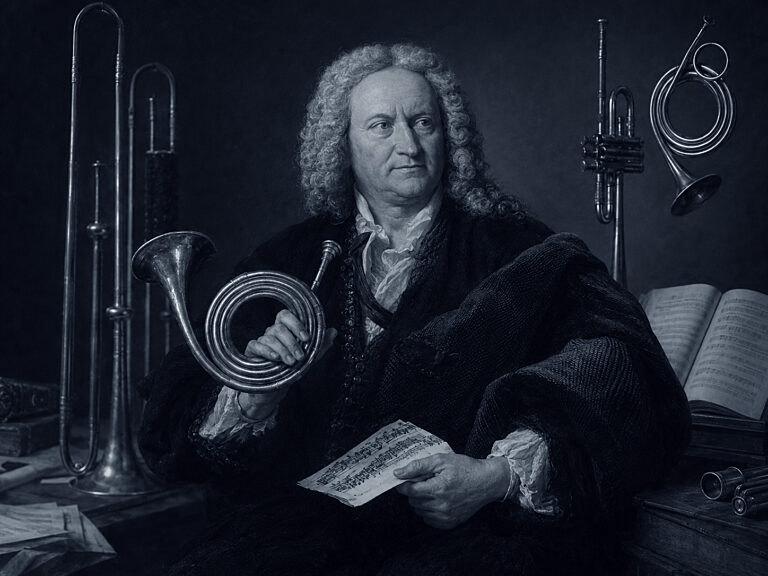
The Baroque trumpet, the high trumpet and the so-called Bach trumpet Free
No. 2 • 1972 Digitized

Part 1

The Baroque trumpet, the high trumpet and the so-called Bach trumpet

Edward H. Tarr examines the Baroque trumpet and clarifies the origins and meaning of the so-called “Bach trumpet.”

By Edward H. Tarr
History Equipment Repertoire Historical instruments Sound
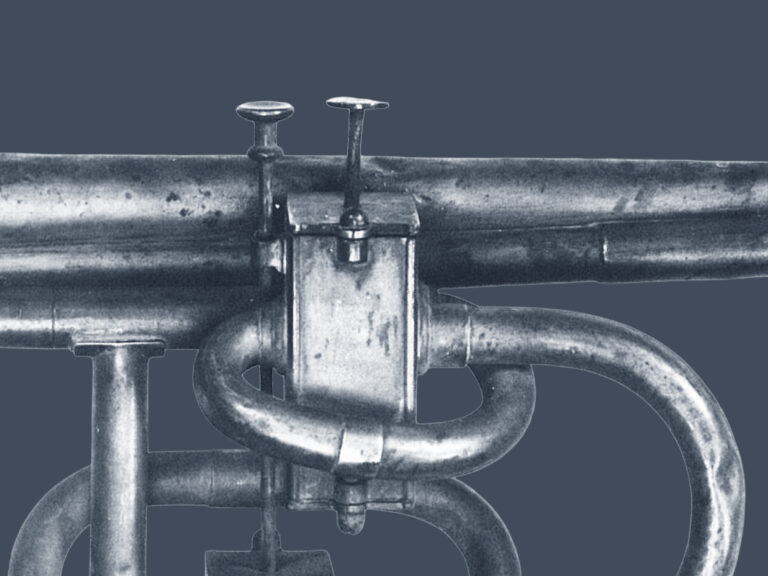
On the early history of valves and valve instruments in Germany (1814-1833) Free
No. 24 • 1978 Digitized

Part 1

On the early history of valves and valve instruments in Germany (1814-1833)

At the origin of modern brass: Herbert Heyde uncovers the true story of valve invention—revealing rivalries, experiments, and the breakthrough that transformed musical history.

By Herbert Heyde
History Equipment Valves Historical instruments Instrument making
The Art of the Musical Instrument Maker Free
No. 52 • 1985 Digitized

Part 1

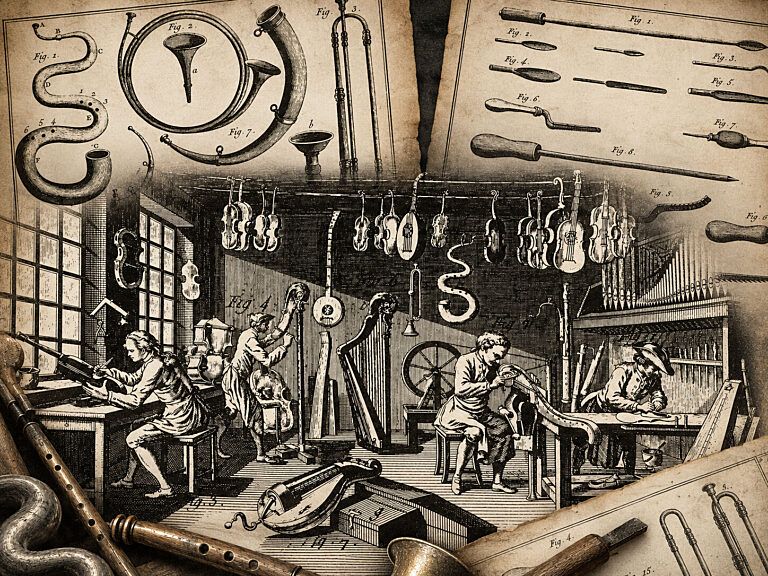
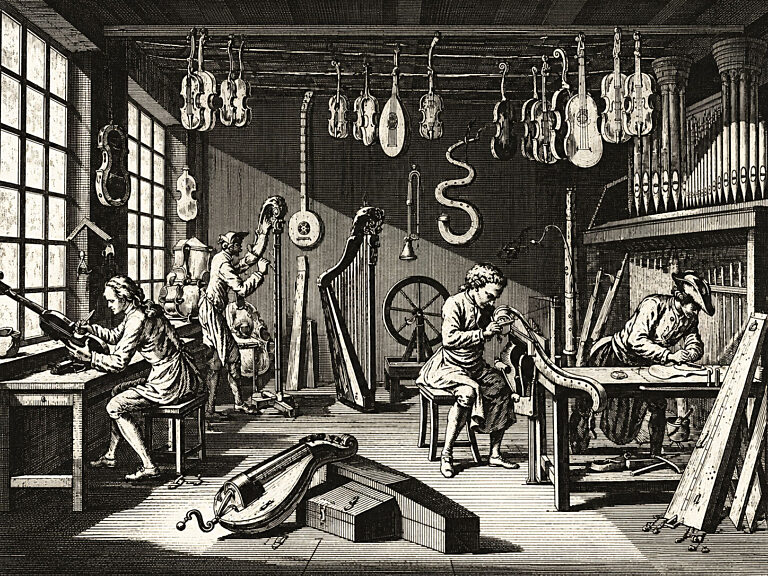
The Art of the Musical Instrument Maker

Encyclopédie méthodique — Paris 1795

A 1795 encyclopedia captures brass and wind instruments at a moment when their language, character and expressive roles were understood rather differently.

By Anonyme
History Instrument Makers Historical instruments
The Art of the Musical Instrument Maker Free
No. 55 • 1986 Digitized

Part 2

The Art of the Musical Instrument Maker

Encyclopédie méthodique, Paris 1795

In 1795, musical instruments were thought to need no further invention, yet their materials, construction and acoustic possibilities remained open to experimentation.

By Anonyme
History Instrument Makers Historical instruments
Brass in the Operas of Berlioz Member
No. 45 • 1984 Digitized

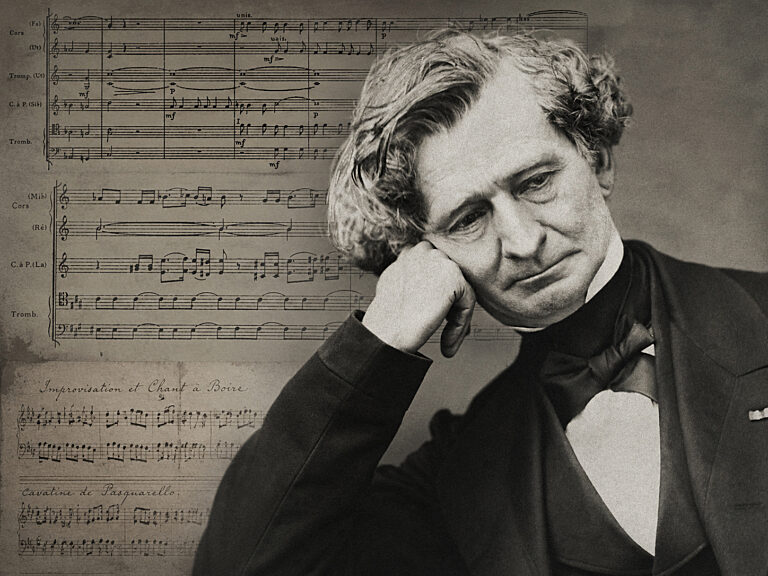
Brass in the Operas of Berlioz

Berlioz turned a changing brass section into a dramatic force, using horns, trombones, cornets and saxhorns to shape colour, distance, ceremony and fear.

By Benjamin Perl

History Repertoire Orchestral playing Sound Historical instruments
No. 56 • 1986 Awaiting digitization

Part 3

The Art of the Musical Instrument Maker

Encyclopédie méthodique, Paris 1795

By Anonyme
History Instrument Makers Historical instruments
On the Sackbut or Harmonic Trumpet Member
No. 45 • 1984 Digitized

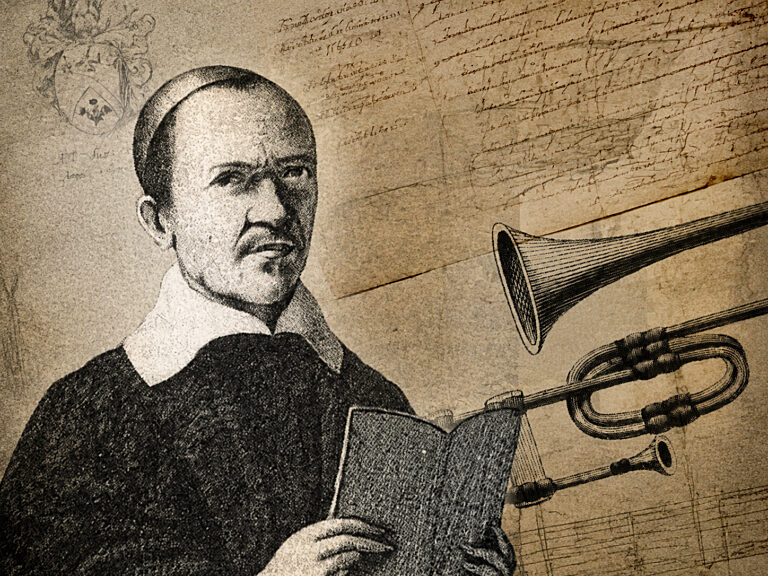
On the Sackbut or Harmonic Trumpet

From Pierre Trichet’s Traité des Instruments de Musique (c. 1640)

A seventeenth-century description of the sackbut captures its moving slide, chromatic freedom and bass role at a moment when the instrument was still being defined.

By Pierre Trichet
History Equipment Historical instruments
The Remarkable Story Behind the Cover Free
No. 38 • 1982 Digitized

The Remarkable Story Behind the Cover

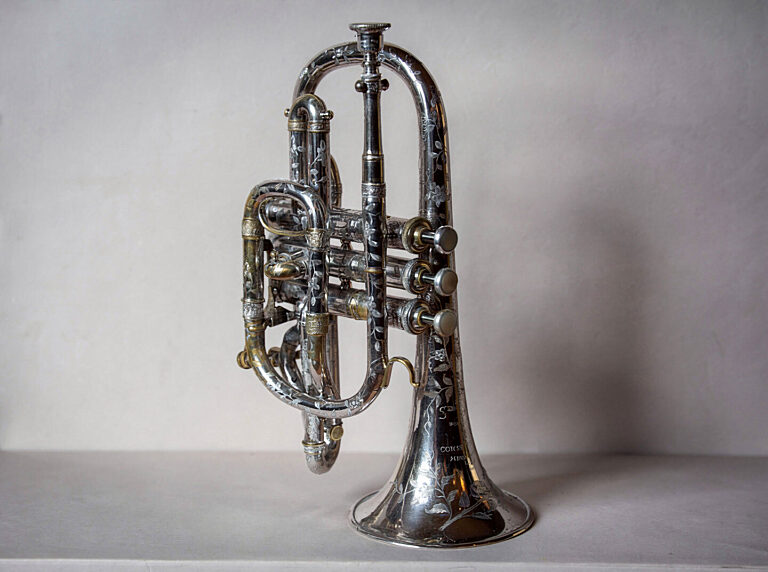
A war, a theft, and an unexpected recovery turned one nineteenth-century cornet into a witness to musical memory beyond its craftsmanship and sound.

By Jean-Michel Gauffriau
History Equipment Historical instruments
Music in an American Frontier Communal Society Member
No. 34 • 1981 Digitized

Part 1

Music in an American Frontier Communal Society

Aurora Colony

In a German communal settlement on the Oregon frontier, bands, choirs and original compositions shaped daily life as strongly as faith, work and education.

By Deborah M. Olsen

History Society Sociology Brass Ensemble Historical instruments
Cesare Bendinelli (1542-1617) Member
No. 17 • 1977 Digitized

Part 1

Cesare Bendinelli (1542-1617)

Biography

Cesare Bendinelli (1542–1617), imperial trumpeter and teacher, shaped a tradition and wrote the first trumpet method — a key document of Renaissance brass playing.

By Edward H. Tarr

History Historical instruments Sociology
Cesare Bendinelli (1542-1617) Member
No. 21 • 1978 Digitized

Part 2

Cesare Bendinelli (1542-1617)

The Trumpet Method

The first trumpet method rediscovered: Edward H. Tarr reveals how Bendinelli’s 1614 treatise reshapes our understanding of trumpet technique, signals, and ensemble art.

By Edward H. Tarr
History Historical instruments Articulation
J. G. Albrechtsberger (1736-1809) Member
No. 1 • 1971 Digitized

J. G. Albrechtsberger (1736-1809)

Concertino for chromatic trumpet

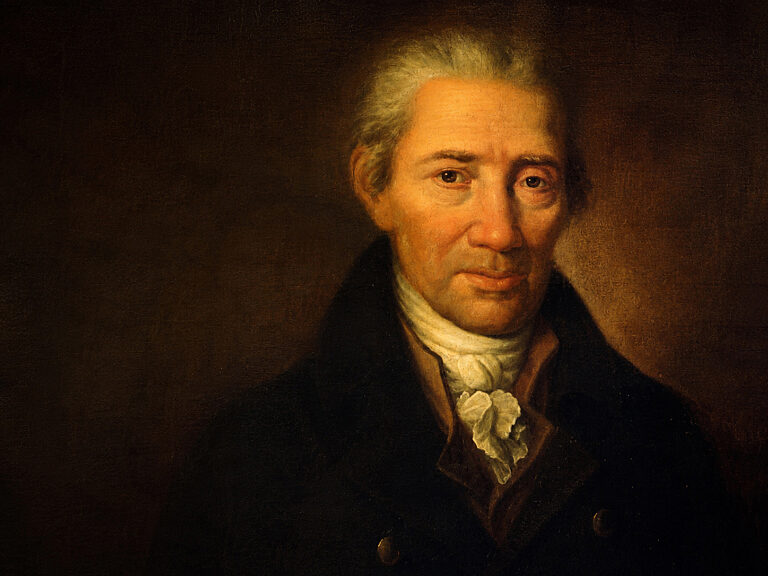
Study by Reine Dahlqvist arguing that Albrechtsberger’s 1771 Eb concertino was intended for Jew’s harp rather than keyed or slide trumpet.

By Reine Dahlqvist
History Repertoire Equipment Historical instruments Keyed trumpet
The Wrong Brass? Member
No. 41 • 1983 Digitized

The Wrong Brass?

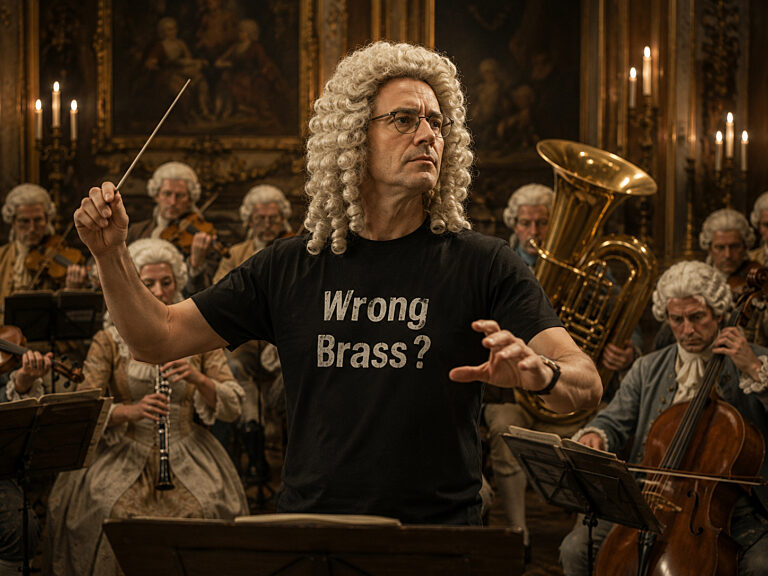
Between blind fidelity and reckless modernisation, instrument substitutions force performers to decide when the score’s wording serves—or betrays—the music.

By Rudolf Lewy
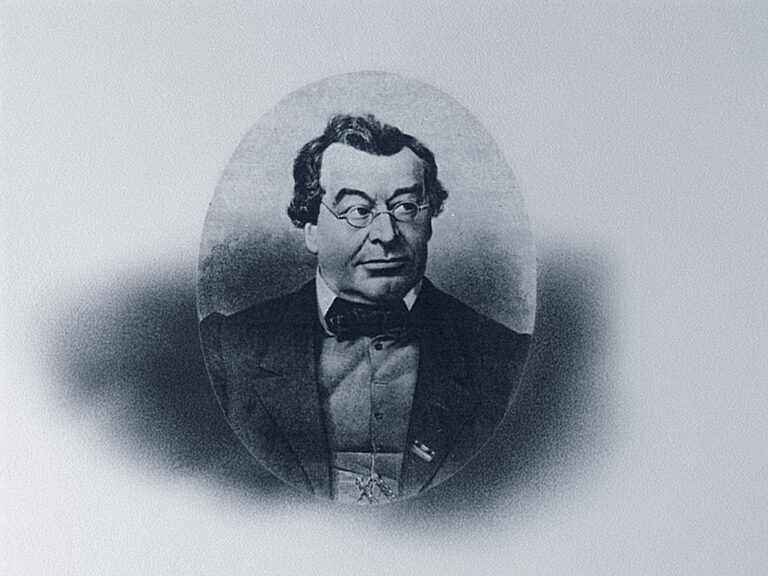
Repertoire Equipment Historical instruments Orchestral playing Sound
On the early history of valves and valve instruments in Germany (1814-1833) Member
No. 25 • 1979 Digitized

Part 2

On the early history of valves and valve instruments in Germany (1814-1833)

From invention to rivalry: the early history of rotary and piston valves reveals a battle of ideas, patents, and craftsmanship that transformed brass instruments forever.

By Herbert Heyde
History Equipment Valves Instrument making Historical instruments
Interview with Thomas Müller Free
No. 47 • 1984 Digitized

Interview with Thomas Müller

The natural horn is not a retreat into the past: Thomas Müller argues that its demands on sound, technique and awareness can broaden a modern player’s craft.

By Jeffrey Agrell
Technique Historical instruments Natural horn
The contrabass trombone Member
No. 22 • 1978 Digitized

Part 1

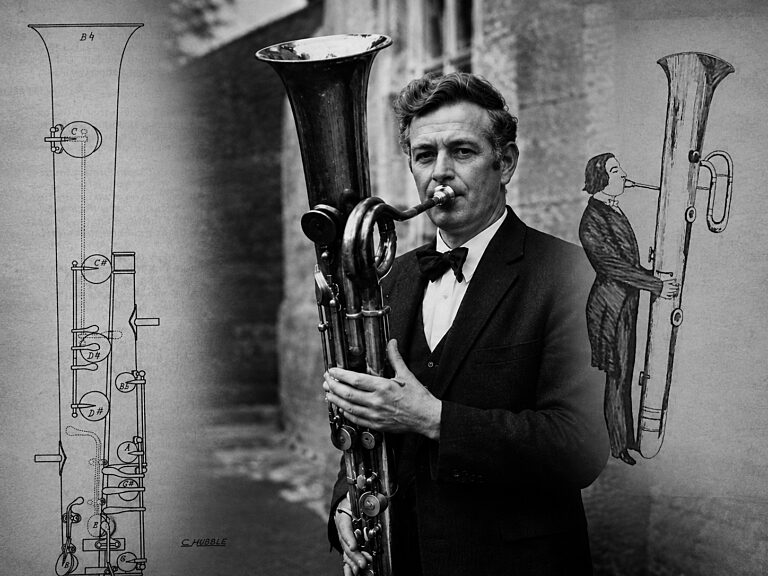
The contrabass trombone

Picture and sketches, taking particularly into account the construction principles (1973)

From Praetorius to Wagner: Heinrich Thein traces the evolution of the contrabass trombone—revealing how history, acoustics, and design shaped this powerful orchestral voice.

By Heinrich Thein
History Equipment Historical instruments Instrument making Valves
The untimely demise of the ophicleide Member
No. 43 • 1983 Digitized

The untimely demise of the ophicleide

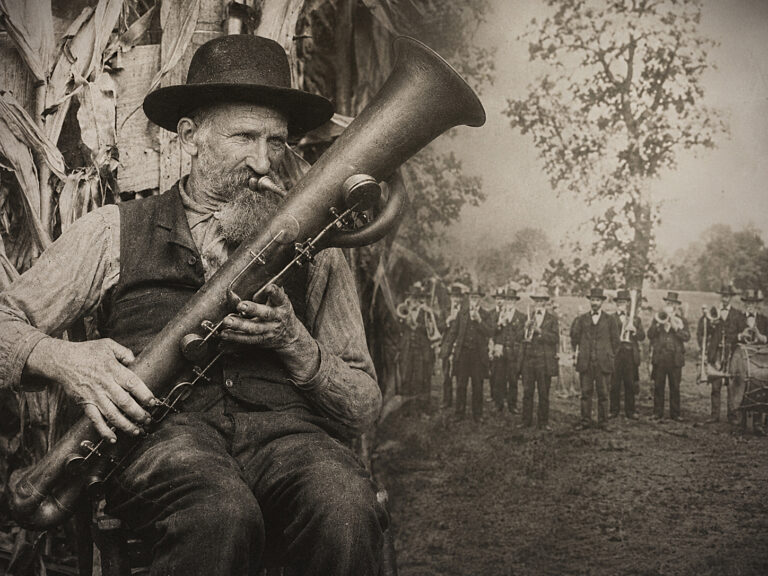
Once central to French orchestras, the ophicleide lost its place to the tuba—a disappearance shaped as much by institutions and repertoire as by sound.

By Stephen J. Weston
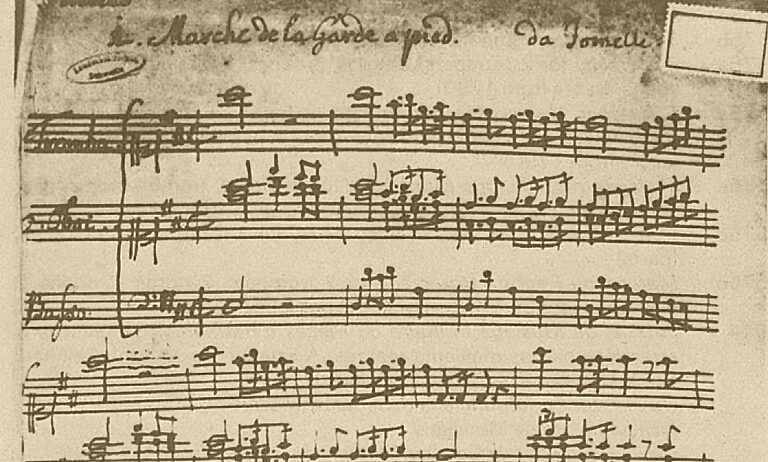
Equipment History Historical instruments Instrument making Orchestral playing
Early trumpet music in Schwerin Free
No. 23 • 1978 Digitized

Early trumpet music in Schwerin

Hidden sources revealed: Stephen Glover uncovers early trumpet music in Schwerin—offering new insights into wind bands, performance practice, and the evolution of brass.

By Stephen L. Glover
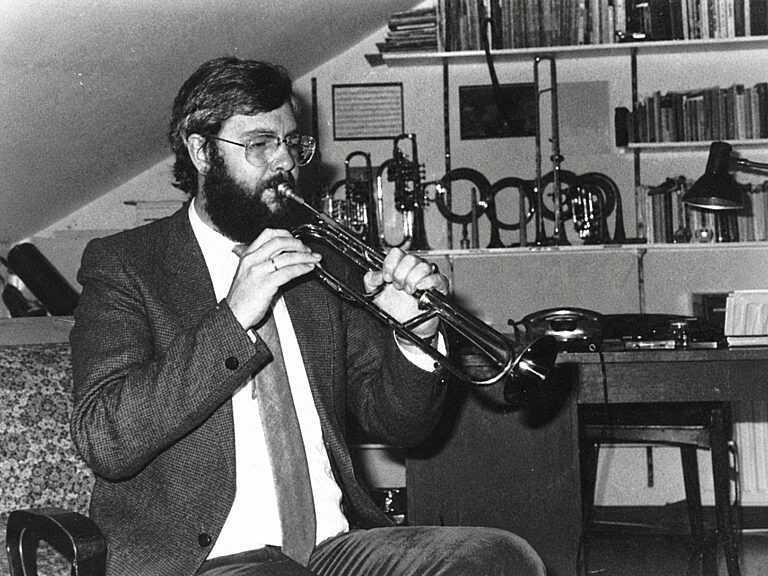
Repertoire History Historical instruments Valves Sociology
Natural trumpets, basic techniques Member
No. 51 • 1985 Digitized

Natural trumpets, basic techniques

Natural trumpet playing demands more than historical equipment: Friedemann Immer sets modern technique against Baroque sound, articulation, style and authenticity.

By Friedemann Immer
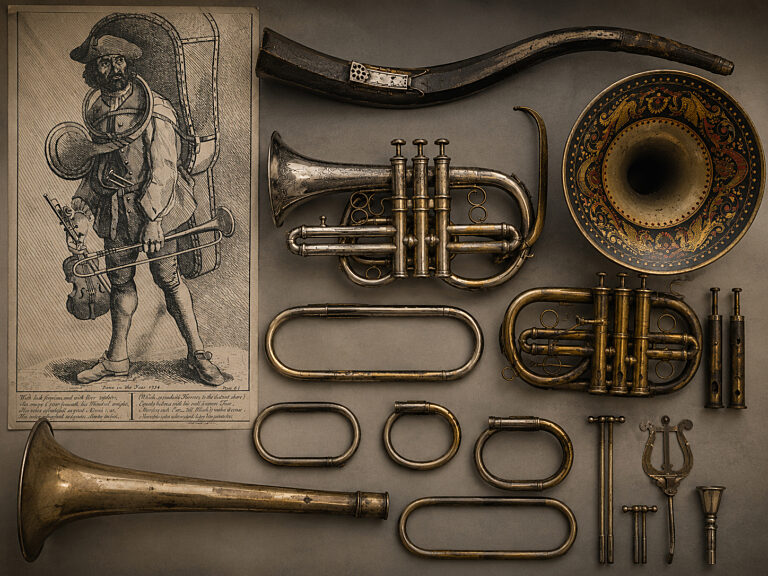
Technique Equipment Articulation Interpretation Historical instruments
At the Sign of the Serpent Free
No. 43 • 1983 Digitized

At the Sign of the Serpent

All sorts of old, rare and unusual musical instruments bought and sold by Tony Bingham

Behind a Hampstead shopfront, Tony Bingham’s trade in ophicleides, natural horns and cornets kept rare instruments circulating between collectors and players.

By Thomas Aitken
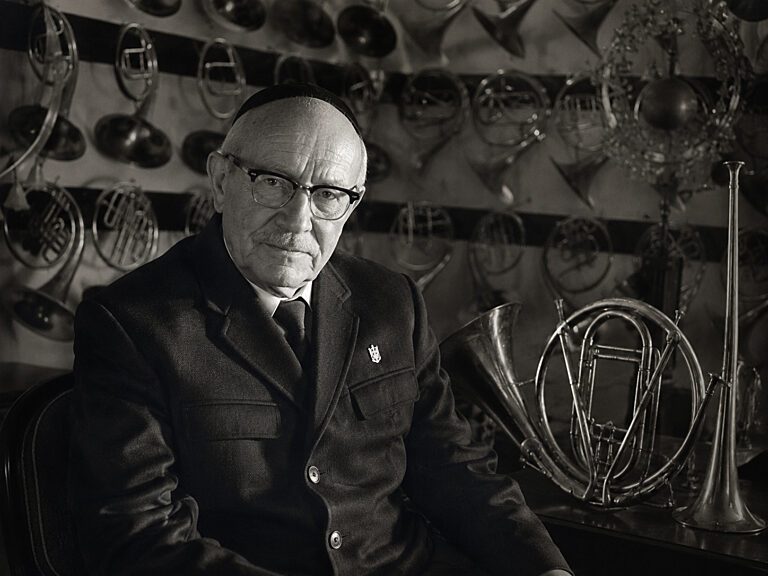
History Equipment Historical instruments
Dr. h.c. Bernoulli (1904-1980) Free
No. 33 • 1981 Digitized

Dr. h.c. Bernoulli (1904-1980)

Necrology of a great collector

From a Swiss castle filled with 700 brass instruments to the Historical Museum Basel, a collector’s life reflects decades of dedication, scholarship and hospitality.

By Emilie Mende
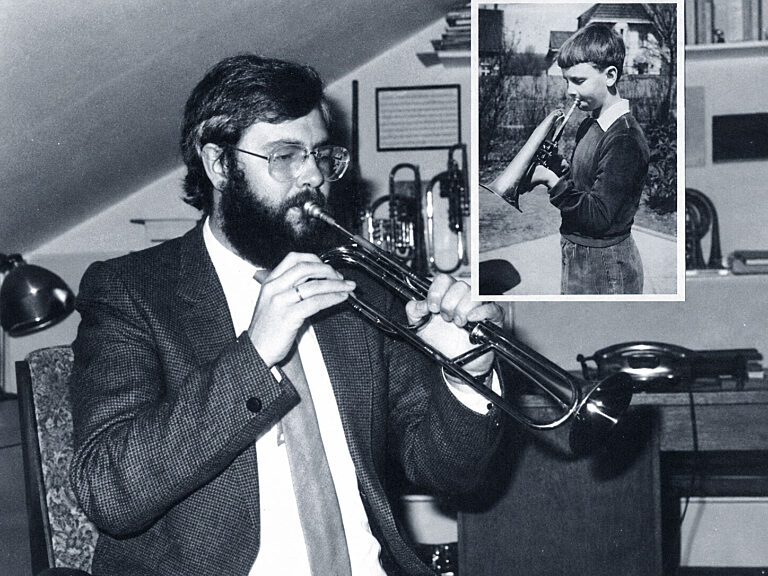
Equipment Encounters Historical instruments Keyed trumpet
Friedemann Immer Free
No. 50 • 1985 Digitized

Friedemann Immer

A new Trumpet

Baroque tradition and modern trumpet playing converge in Friedemann Immer’s unusual double career, shaped by Bach, natural trumpet and early music.

By Jean-Pierre Mathez

Encounters Historical instruments
Loading…

Questions & Answers

How the Digital Edition works

What does the Digital Edition include?

The Digital Edition brings together the articles already digitized as searchable online texts—not simply as scans or PDF files—along with their original illustrations, notes, authorship, issue information, and available translations. Related-article suggestions currently include only this digitized material.

Are the digital articles identical to the originals?

We preserve the original text, language, illustrations, captions, footnotes, and editorial context as faithfully as possible. The presentation is adapted for comfortable online reading, and obvious transcription or scanning errors may be corrected. The substance and character of the published article remain unchanged.

Which languages are available?

Brass Bulletin was published in English, French, and German throughout its history. Italian and Spanish translations were added from issue No. 60 onward.

On the Italian and Spanish sites, articles from issues 1–59 are therefore shown in English by default.

How often are new articles added?

New articles are added almost daily, with approximately one complete issue digitized each week. The pace may vary depending on the preparation, image work, and editorial checking required.

Why aren’t all articles available digitally?

The complete Brass Bulletin collection contains 1,246 articles published between 1971 and 2003. The full index is already available online, allowing readers to discover every article in the collection, including those whose complete text has not yet been digitized.

Digitization began in February 2026. Each article is carefully prepared for online reading, checked, and connected to its issue, authors, subjects, and illustrations. At the current pace of digitization, the complete collection is expected to be available online by February 2028.

Why do some references mention articles that are not available yet?

References in the original articles are preserved even when the material they point to has not yet been digitized. This keeps the historical and editorial record intact. As more issues are added to the Digital Edition, an increasing number of these references will lead to articles that can be read online.

Can I suggest an article or report a transcription error?

Yes. If there is an article you would particularly like to see digitized, or if you notice a possible transcription error or missing detail, please contact us. Reader feedback helps us improve the Digital Edition and prioritize useful connections within the archive.

How can I support Brass Bulletin?

Your support helps fund the preparation, verification, and online publication of the complete collection.

Subscribe to the Digital Edition

Prefer to support us without subscribing?

Make a donation

How is the digitization progressing?

We’re gradually making the Brass Bulletin available online, article by article. You can read newly digitized articles as soon as they’re ready, even before an entire issue is complete.

Visit our Digitization Roadmap to browse recent additions and see estimated availability for upcoming issues. These estimates follow our recent pace and may change.

Search Brass Bulletin.