Instrument making
54 articles available online
 Member
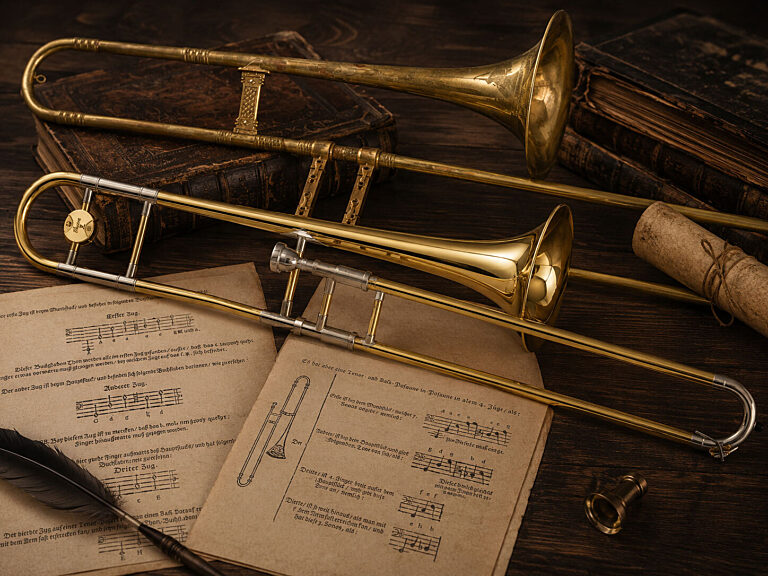
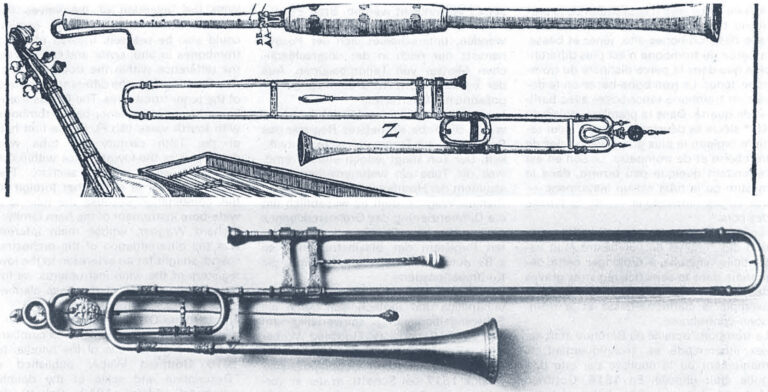
The trombone: changing times, changing slide positions
From Virgiliano to Praetorius and Eisel, early sources reshape long-held assumptions about trombone tuning, slide positions and historical playing practice.
By Howard Weiner
 Free
Free
Part 1
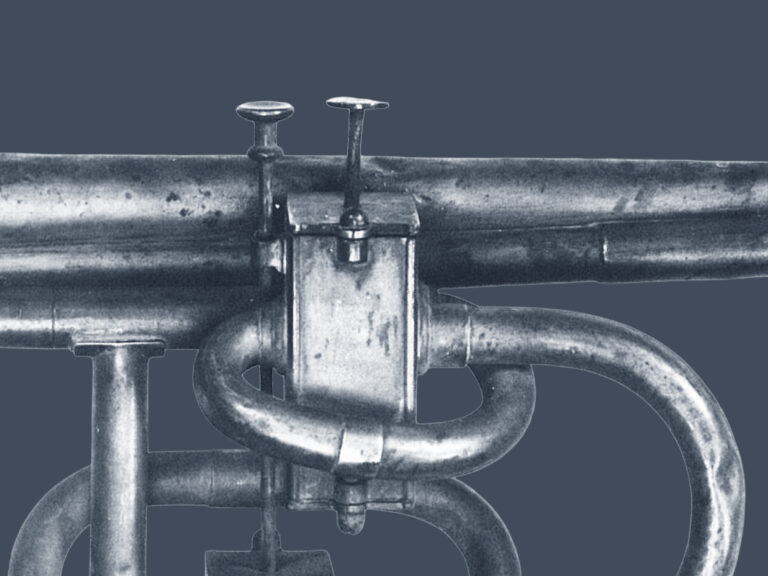
On the early history of valves and valve instruments in Germany (1814-1833)
At the origin of modern brass: Herbert Heyde uncovers the true story of valve invention—revealing rivalries, experiments, and the breakthrough that transformed musical history.
By Herbert Heyde
And approach the realm of making beautiful music
A rare and powerful call from maestro Roger Bobo: at the height of the “Tuba Explosion”, he challenges players to define — at last — the ideal instrument.
By Roger Bobo
 Free
Free
Part 9
Instrument Makers in USA
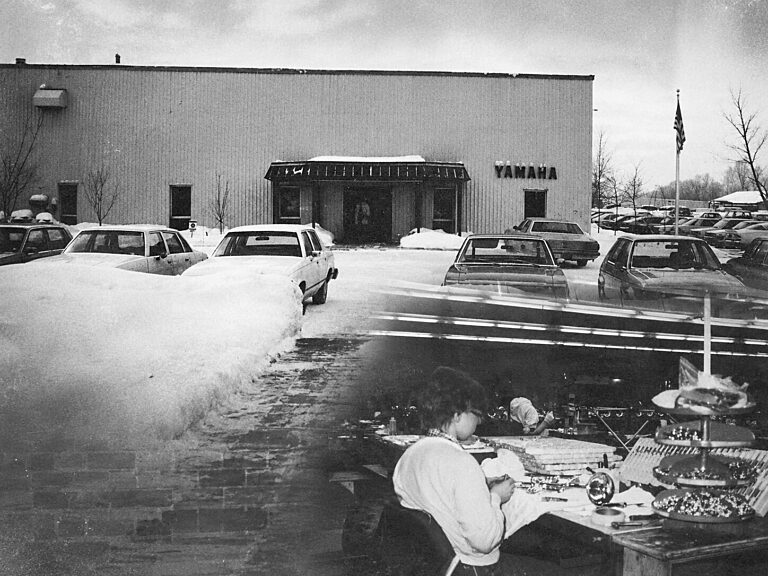
Yamaha Music Products
In Grand Rapids, Japanese precision met American manufacturing, as Yamaha balanced imported components, skilled craftsmanship and the demands of a growing brass instrument market.
By Stephan Suter
 Free
Free
Part 8
Instrument Makers in USA
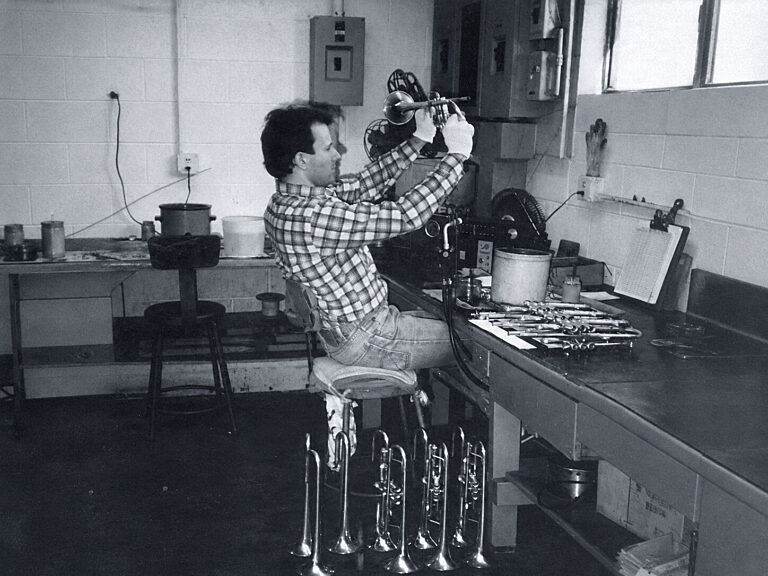
Getzen
Two devastating factory fires, rapid reconstruction and a growing export market shaped Getzen’s rise in Wisconsin, where craftsmanship met industrial ambition.
By Stephan Suter
 Member
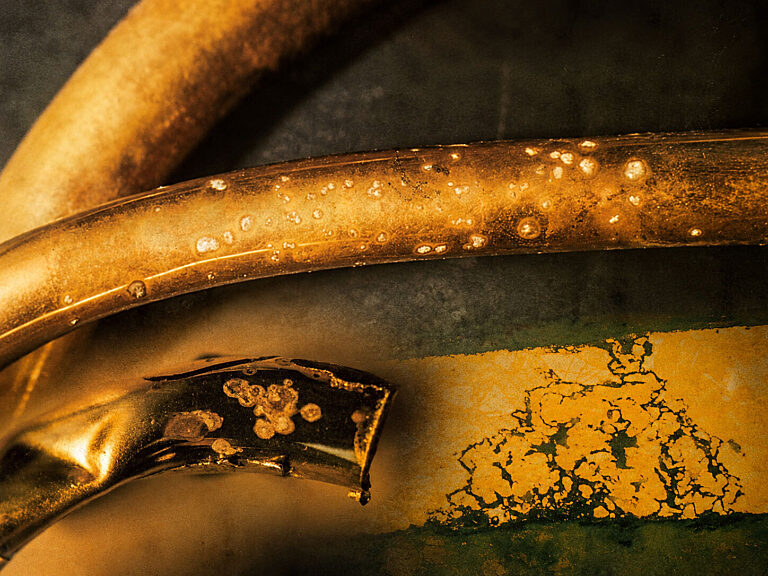
Points and areas of corrosion in brass instruments
Red spots on brass instruments were often blamed on players and poor maintenance, yet the causes of premature corrosion may lie in manufacturing and surface treatments.
By Karl Hachenberg
 Member
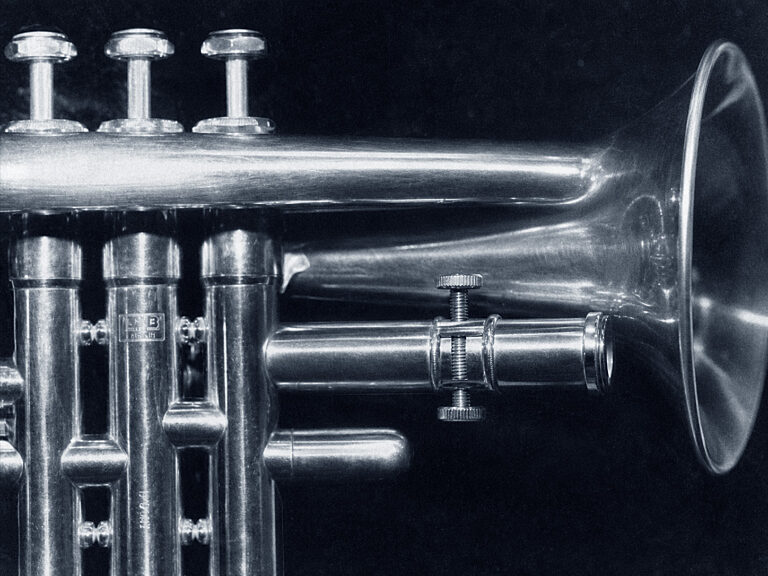
The bell-tuning trumpet
Colin Bloch examines bell- and slide-tuned trumpets, comparing intonation patterns through controlled tests and outlining structural causes behind observed deviations.
By Colin Bloch
 Member
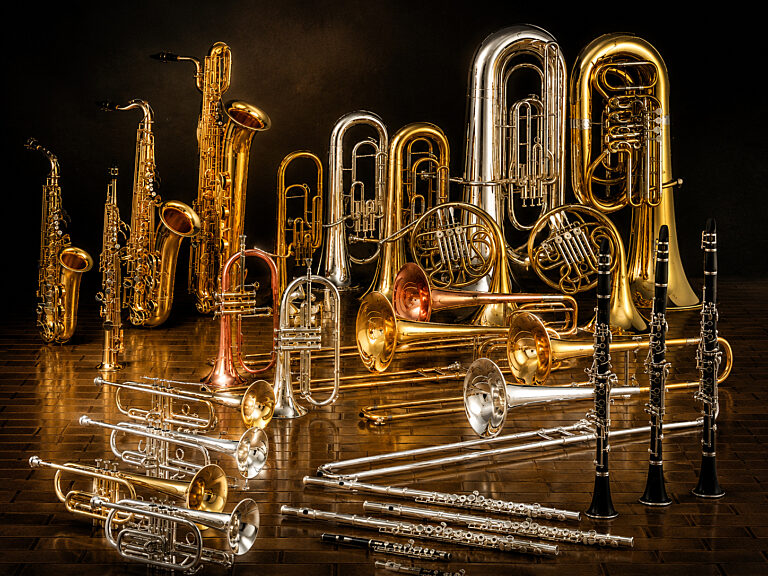
Yamaha, an ambitious giant
Behind the rise of a future industrial giant lies an unexpected lesson in craftsmanship, cultural exchange and the discipline that reshaped wind instrument making.
By Jean-Pierre Mathez
 Free
Free
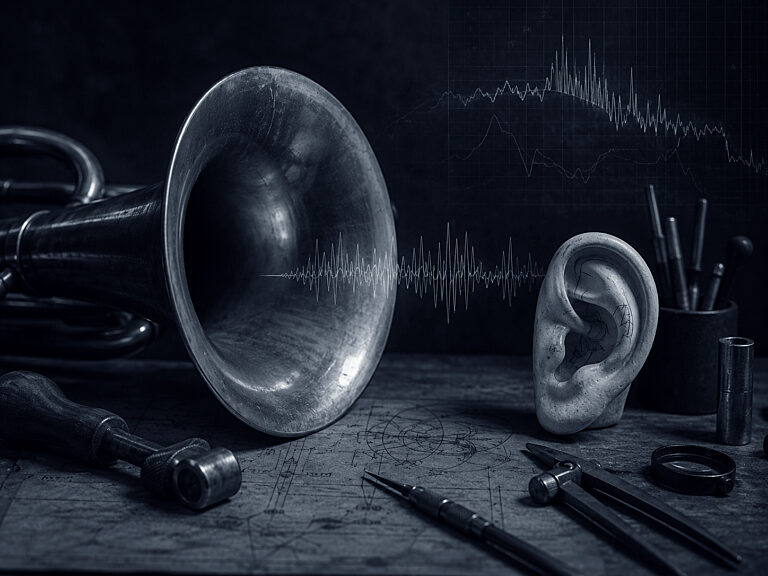
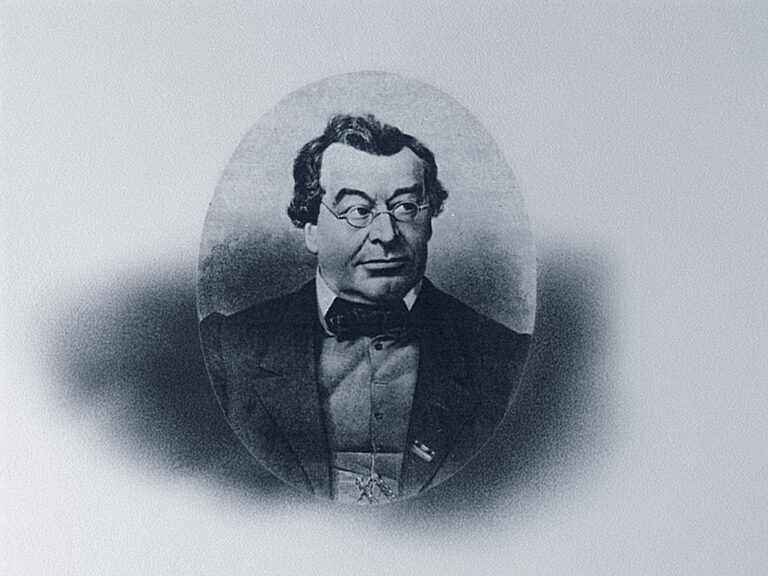
Instrument Making and the Ear
From hearing physiology to workshop testing, E. Ferron links instrument design, acoustics and perception, where no two ears judge sound in quite the same way.
By Emile Ferron
 Member
Part 2
On the early history of valves and valve instruments in Germany (1814-1833)
From invention to rivalry: the early history of rotary and piston valves reveals a battle of ideas, patents, and craftsmanship that transformed brass instruments forever.
By Herbert Heyde
 Member
Part 1
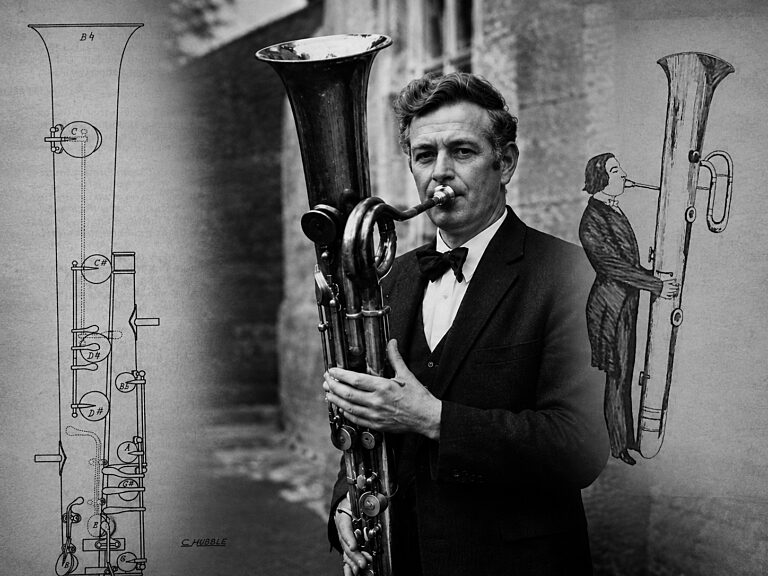
The contrabass trombone
Picture and sketches, taking particularly into account the construction principles (1973)
From Praetorius to Wagner: Heinrich Thein traces the evolution of the contrabass trombone—revealing how history, acoustics, and design shaped this powerful orchestral voice.
By Heinrich Thein
 Member
The untimely demise of the ophicleide
Once central to French orchestras, the ophicleide lost its place to the tuba—a disappearance shaped as much by institutions and repertoire as by sound.
By Stephen J. Weston
 Free
Free
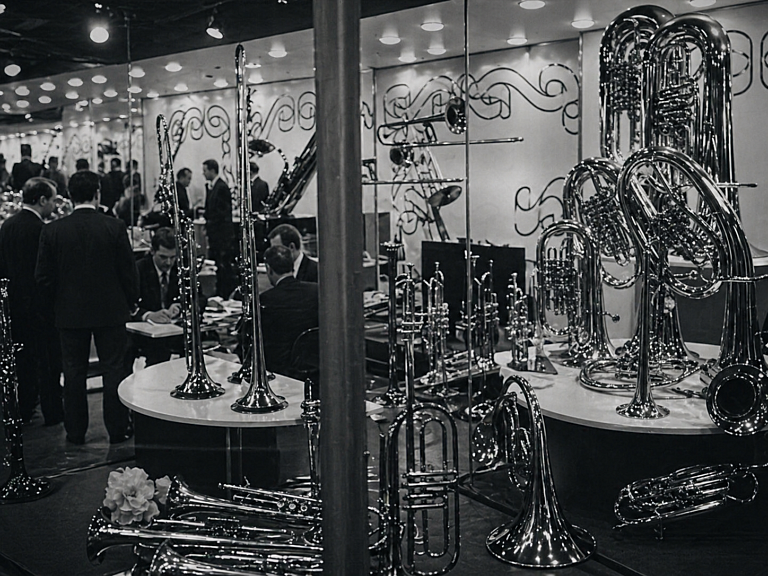
Frankfurt Special 1979
Music Fair
Jean-Pierre Mathez surveys the Frankfurt Music Fair, tracing makers, markets and competition, and outlining a brass landscape shaped by adjustment rather than innovation.
By Jean-Pierre Mathez
 Free
Free
Part 6
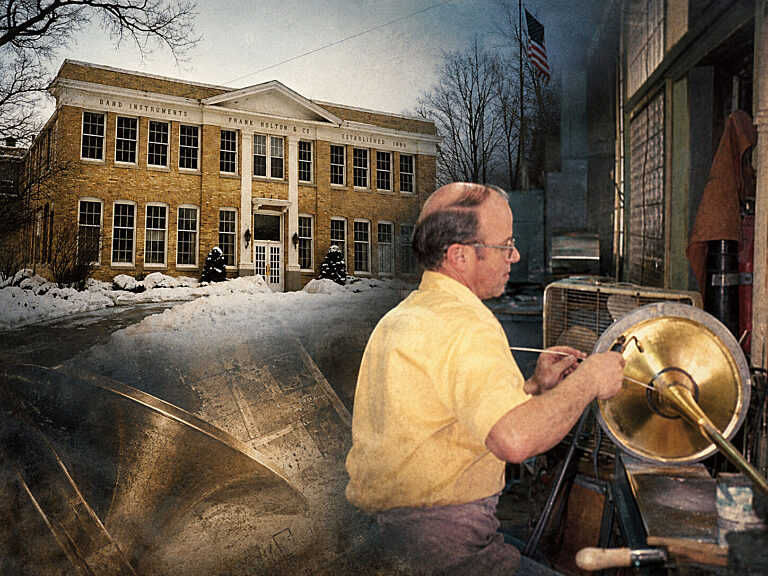
Instrument Makers in USA
Holton (G. Leblanc Corporation)
In Elkhorn, Wisconsin, traditional craftsmanship meets industrial production, while Holton confronts the delicate balance between innovation and musicians’ conservatism.
By Stephan Suter
 Free
Free
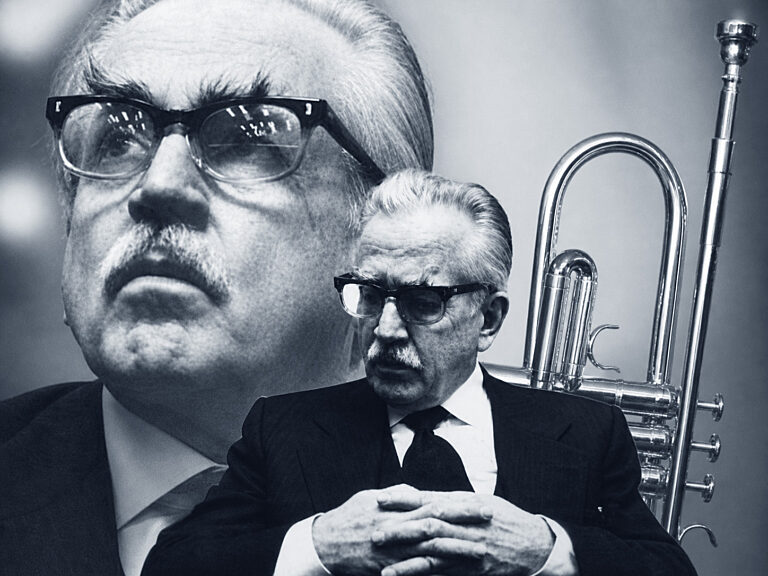
Renold Schilke at Frankfurt
Interview
Jean-Pierre Mathez reports on Renold Schilke’s views at Frankfurt, addressing fair organisation, maker–musician collaboration, and shifting market dynamics shaped by demand and quality criteria.
By Jean-Pierre Mathez
 Member
Part 7
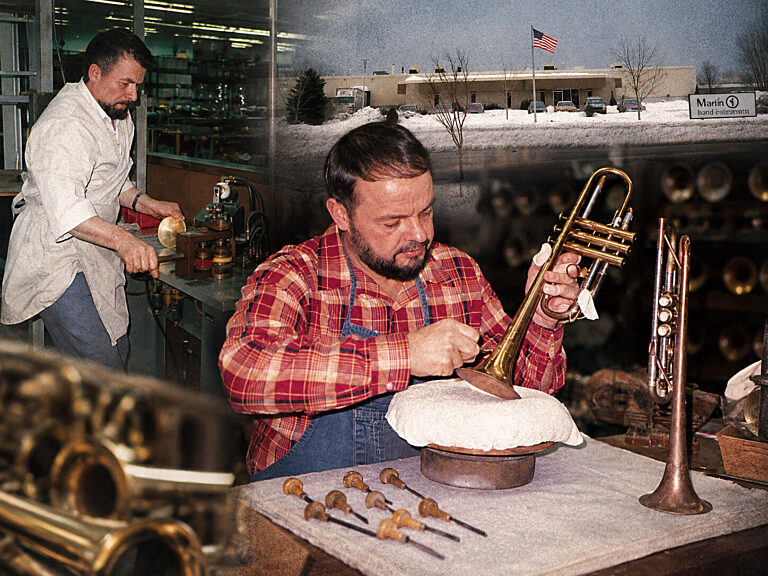
Instrument Makers in USA
Martin (G. Leblanc Corporation)
In 1970s Wisconsin, industrial efficiency transformed brass instrument production, yet traditional craftsmanship still had a place on the factory floor.
By Stephan Suter
 Free
Free
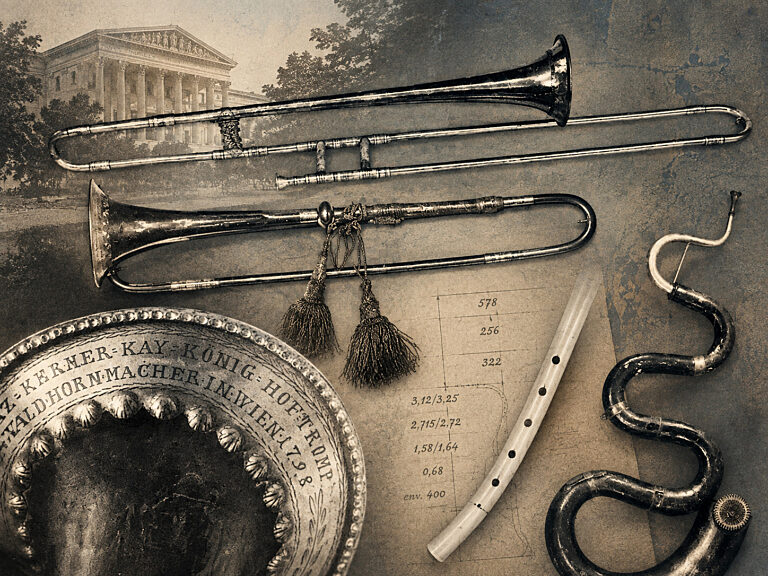
Special Hungary
The Trumpets in the Hungarian National Museum in Budapest
Four little-known trumpets in Budapest open a window onto Viennese makers, historical construction, pitch and the fragile survival of museum instruments.
By Leo Kappel
 Member
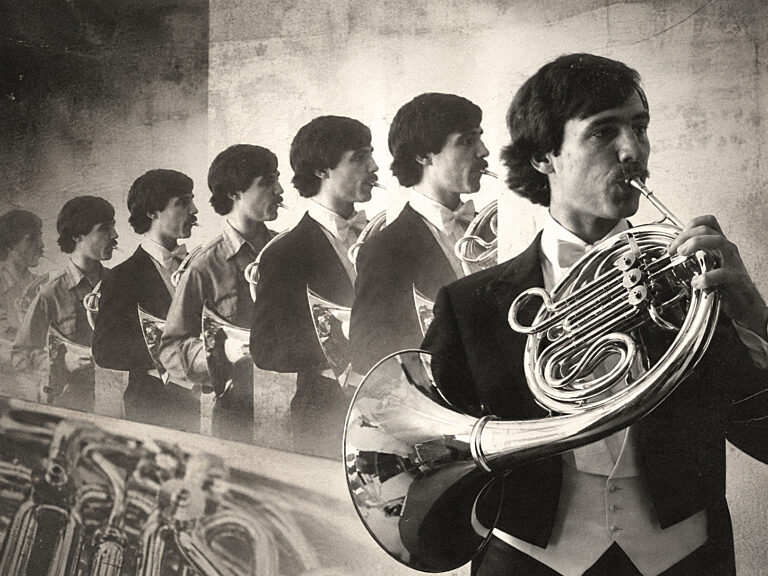
Steve Lewis, Hornmaker
Old World Craftsmanship plus New World Technology
In 1980s Chicago, Steve Lewis joined Old World bench craft to modern precision, building horns one by one around the player, the metal and a distinctive sound.
By Jeffrey Agrell
 Member
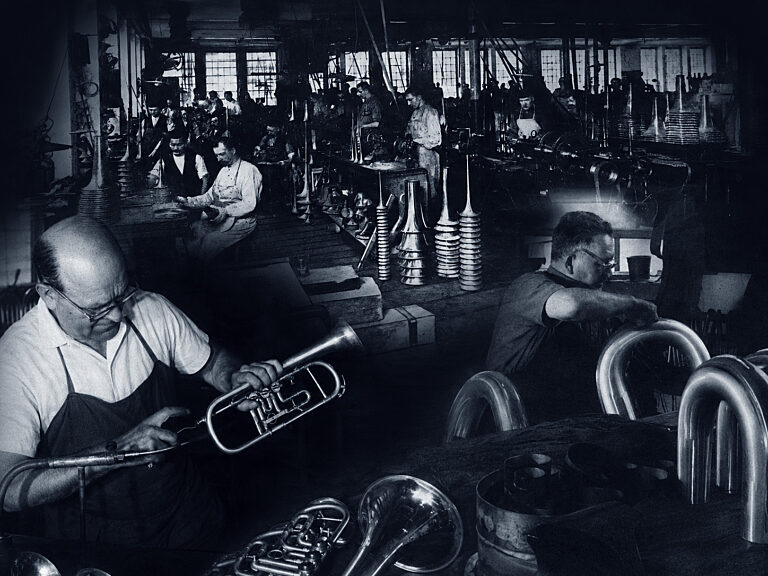
Brass instruments from the musical town of Graslitz
From 18th-century Graslitz to postwar Bavaria, brass makers rebuilt a vanished musical industry around Miraphone, preserving craft through exile and industrial change.
By Rudolf Limmer
 Member
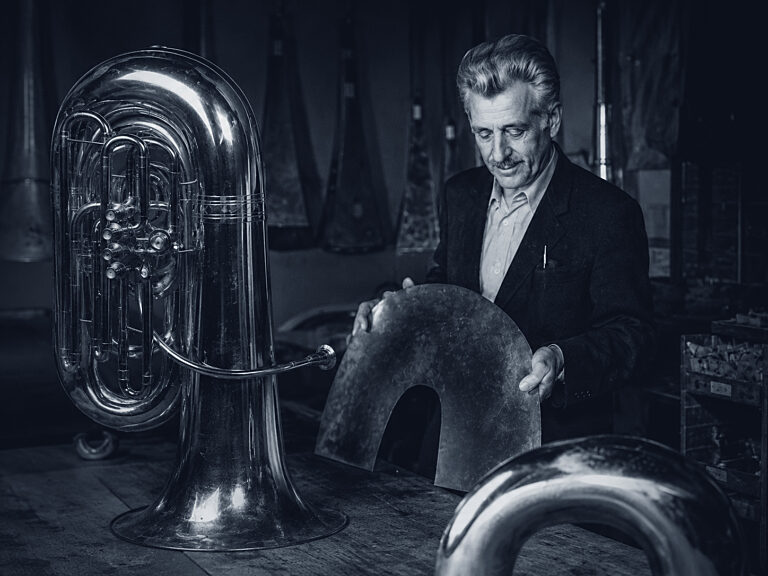
The history of the big York-Hirsbrunner Tuba
The instrument maker's point of view
A legendary orchestral tuba became the starting point for rethinking how craftsmanship, industrial methods and musical results rarely follow the same path.
By Peter Hirsbrunner
 Member
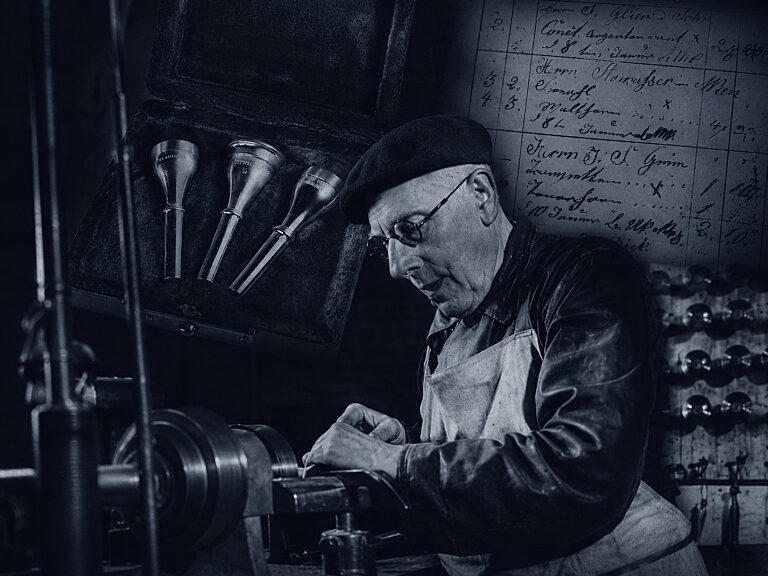
Five generations of mouthpiece specialists
From Höchstädt to Markneukirchen and beyond, five generations of Schmidts shaped brass mouthpiece design through craft, anatomy and evolving orchestral demands.
By Werner Christoph Schmidt
 Free
Free
Manufacturers' Opinions about Brass Instruments
Between workshop lore and acoustic certainty, brass makers’ claims expose a restless debate over metal, finish, resonance, and playing quality.
By J. M. Bowsher, P. S. Watkinson
 Member
The Euphonium in America
A Short History
Euphonium terminology, bore sizes, and band instrumentation shifted across Europe and America, from Sax and Conn to Gilmore, Sousa, and Fennell.
By Robert Reifsnyder
 Member
The tuba, Benjamin of the brass family
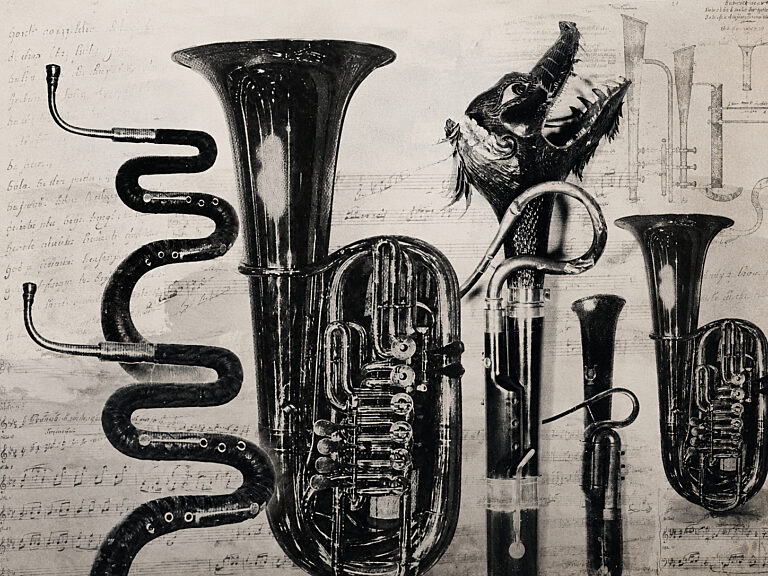
Where does the tuba come from? From serpent to ophicleide to saxhorns, this article traces a lesser-known path to the modern instrument.
By Emilie Mende