Explore institutional access →

Professional Life

77 articles available online
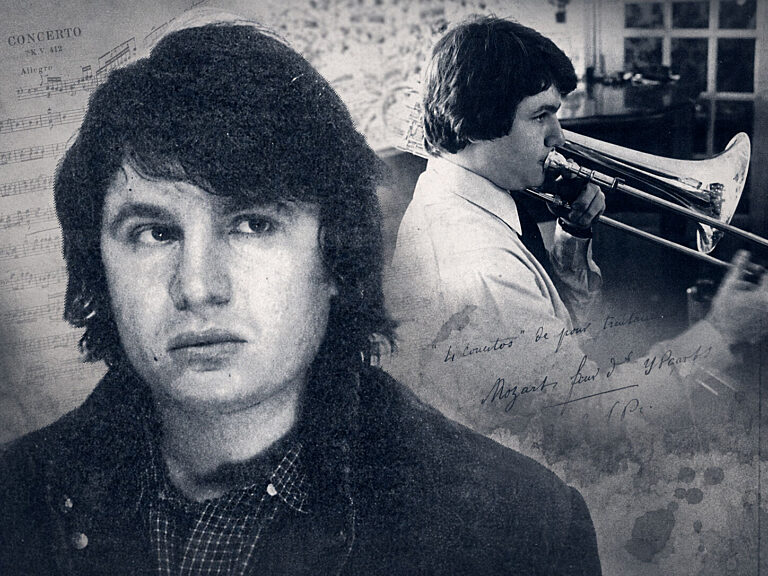
Michel Becquet Free
No. 50 • 1985 Digitized

Michel Becquet

Interview

A young Michel Becquet challenges orchestral habits, champions the trombone as a solo voice and reflects on competitions, repertoire, teaching and sound.

By Benny Sluchin
Encounters Repertoire Solo playing
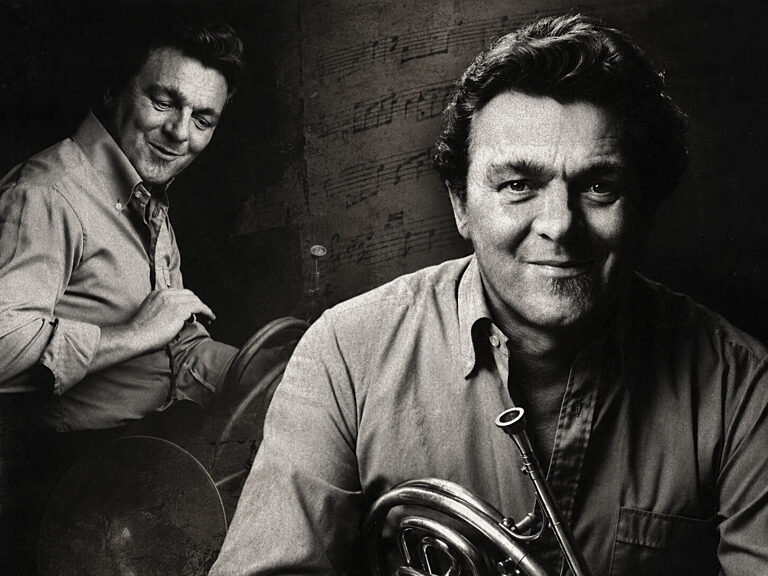
Hermann Baumann Member
No. 51 • 1985 Digitized

Hermann Baumann

A virtuoso's career

A career built on sound, memory and the natural horn shows how Hermann Baumann helped redefine what a horn soloist could be on the international stage.

By Jean-Pierre Mathez
Encounters Professional life Solo playing Historical instruments
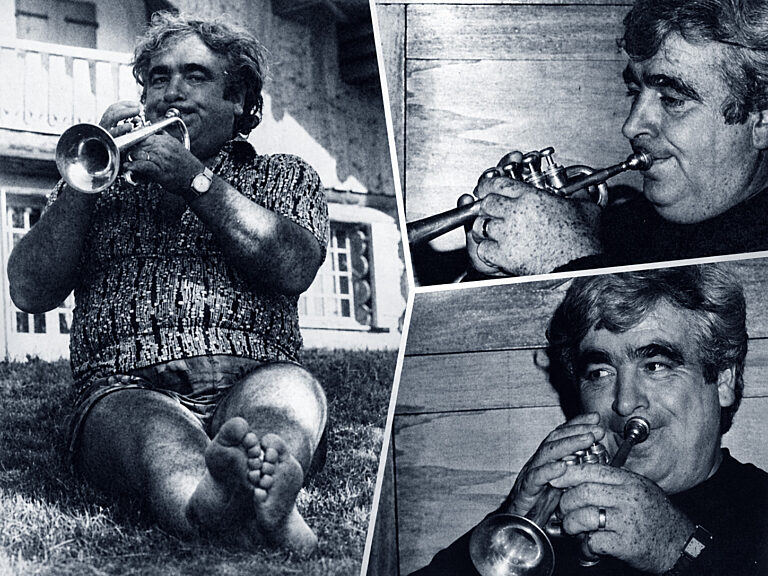
Maurice André Member
No. 26 • 1979 Digitized

Part 3

Maurice André

Biography

Maurice André reflects on maturity—balancing performance, recordings and teaching, refining his approach to instruments and audience, and preparing for the limits of a virtuoso career.

By Jean-Pierre Mathez
Encounters Solo playing Mental approach Interpretation
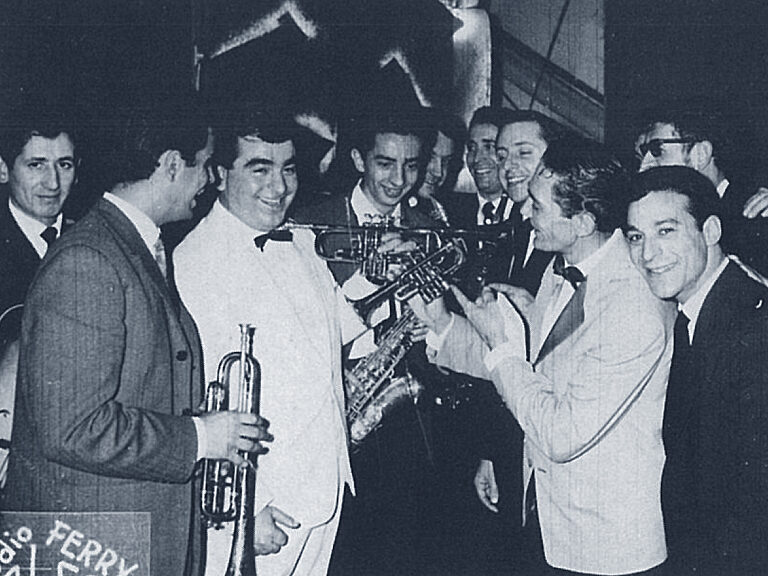
Maurice André Member
No. 25 • 1979 Digitized

Part 2

Maurice André

Biography

From circus gigs to Bach with Karajan: Maurice André reveals how relentless work, discipline, and daily technical refinement shaped one of the greatest trumpet careers.

By Jean-Pierre Mathez
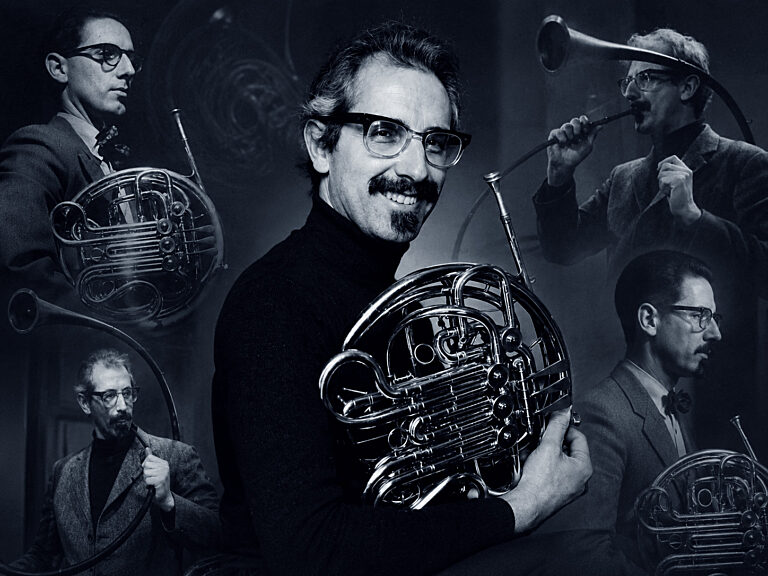
Encounters French school Solo playing
Barry Tuckwell Member
No. 27 • 1979 Digitized

Barry Tuckwell

Interview

Between the London Symphony Orchestra, international solo tours and Mozart or Strauss concertos, Barry Tuckwell reflects on sound, risk and musical instinct.

By Jean-Pierre Mathez
Encounters Professional life Solo playing Interpretation Orchestral playing
The Newcomer Free
No. 55 • 1986 Digitized

The Newcomer

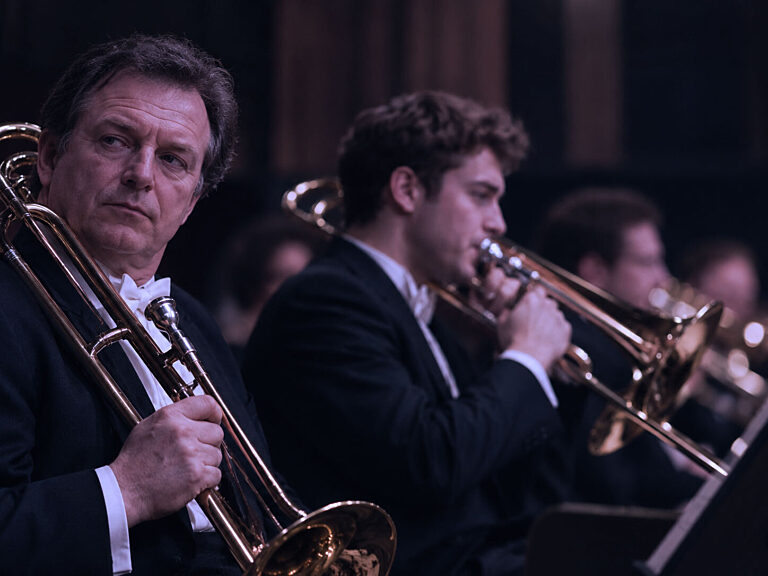
After 25 years as an undisputed orchestral authority, a German trombonist faces a new generation whose virtuosity unsettles the familiar hierarchy of his section.

By Jean-Pierre Mathez
Short story Orchestral playing Auditions
George Swift, You see who I mean? Member
No. 55 • 1986 Digitized

George Swift, You see who I mean?

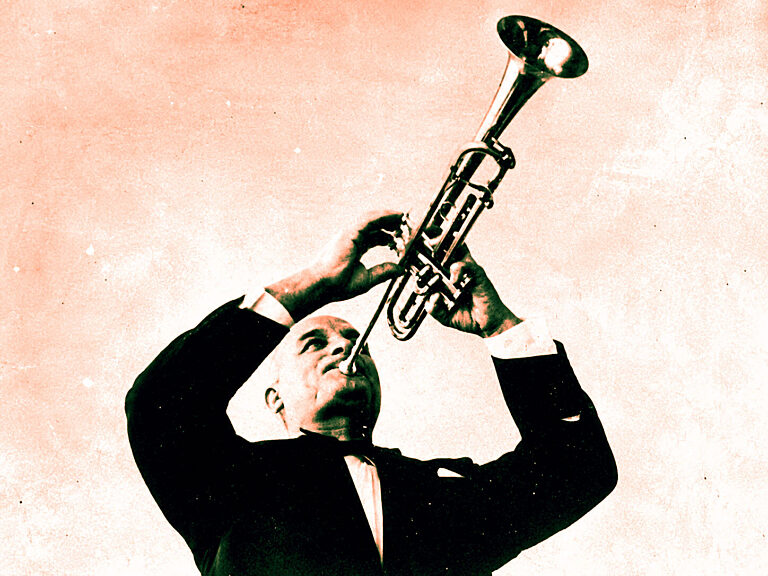
In the 1930s, George Swift brought cornet virtuosity and jazz influences to the concert trumpet, building a remarkable reputation through just a handful of recordings.

By Michel Laplace
History Jazz Solo playing
Julius Watkins Member
No. 41 • 1983 Digitized

Jazz and the Horn Series • Part 2

Julius Watkins

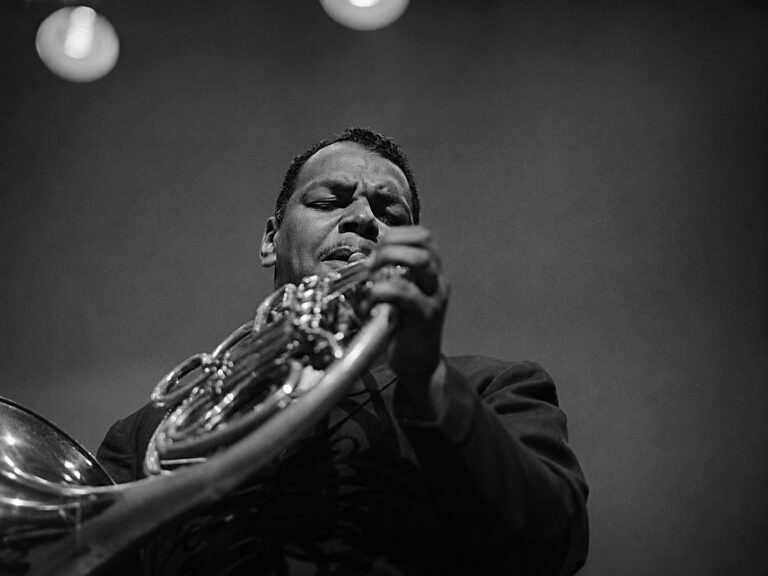
A pioneering career, landmark recordings and collaborations with jazz legends gave the French horn a place it had never occupied before.

By Jeffrey Agrell
Encounters Professional life Jazz Improvisation Freelance
Brass in the Operas of Berlioz Member
No. 45 • 1984 Digitized

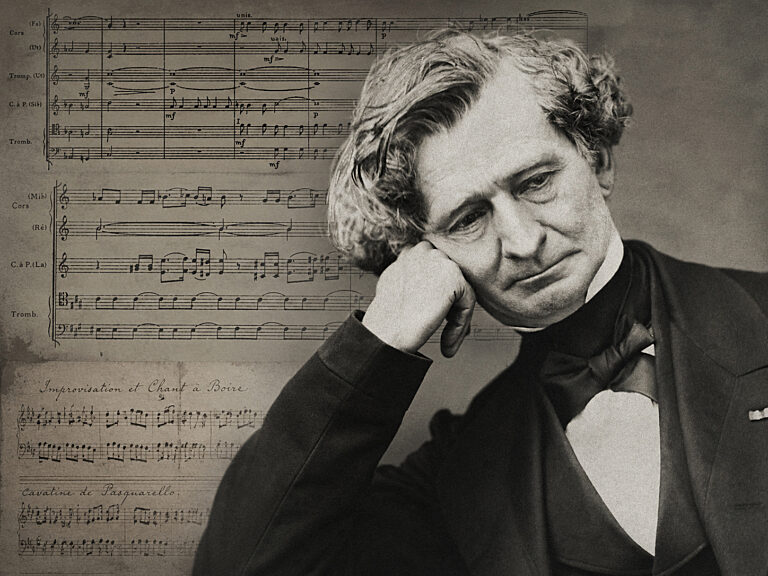
Brass in the Operas of Berlioz

Berlioz turned a changing brass section into a dramatic force, using horns, trombones, cornets and saxhorns to shape colour, distance, ceremony and fear.

By Benjamin Perl
History Repertoire Orchestral playing Sound Historical instruments
Brass Players in Rome Free
No. 43 • 1983 Digitized

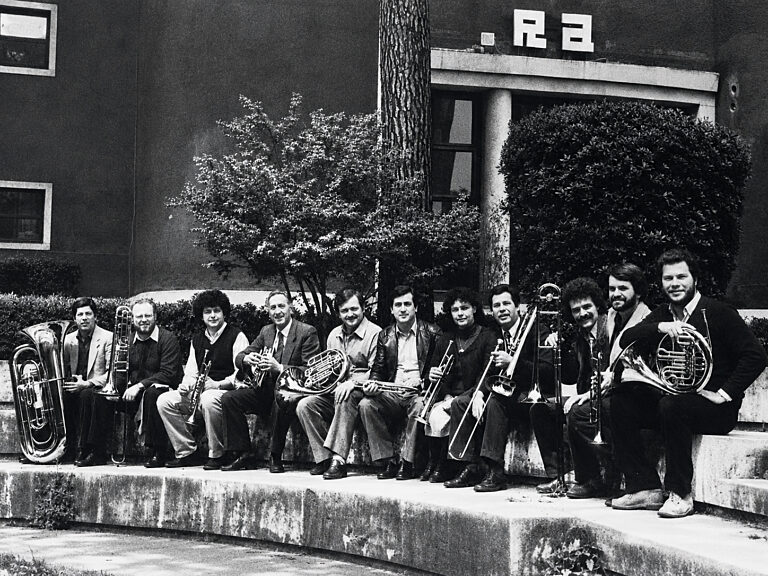
Brass Players in Rome

Behind Rome’s musical prestige, RAI brass players describe shrinking salaries, insecure orchestral careers and the compromises required simply to remain musicians.

By Jean-Pierre Mathez
Report Professional life Orchestral playing Sociology Brass Ensemble
The classical solo concerto for trombone and its interpreters in the 19th century Member
No. 25 • 1979 Digitized

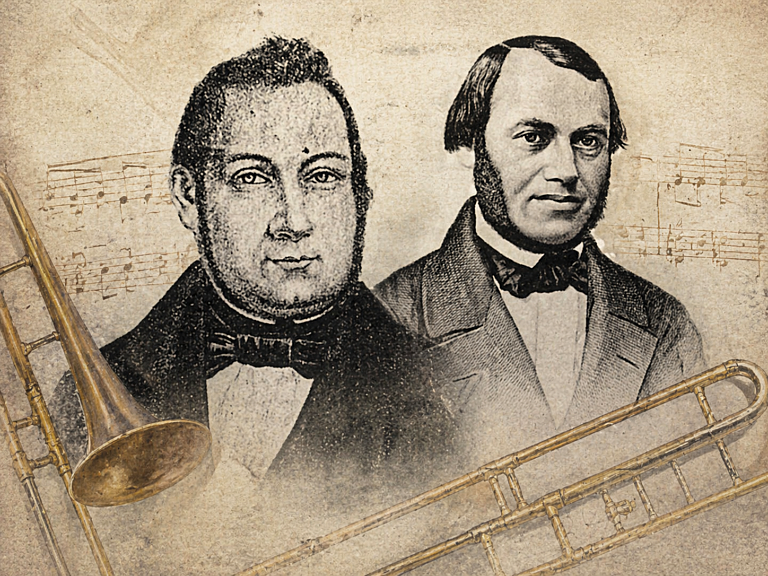
The classical solo concerto for trombone and its interpreters in the 19th century

From Queisser to Ferdinand David: the rise—and disappearance—of the classical trombone concerto in the 19th century reveals a forgotten golden age of virtuosity.

By Werner Beyer
History Repertoire Solo playing
A New Job¹ Member
No. 51 • 1985 Digitized

A New Job¹

A professional horn player faces a late chance to change course, as routine, ambition and the unnerving reality of an orchestral audition collide.

By Jean-Pierre Mathez

Short story Professional life Auditions Orchestral playing
Editorial Free
No. 38 • 1982 Digitized

Editorial

As concert life shifts away from brass, the future of the instrument depends on artistic standards, thoughtful programming and the commitment of every performer.

By Jean-Pierre Mathez
Professional life Society Interpretation Contemporary Music Solo playing
Vitaly Bujanowsky Free
No. 35 • 1981 Digitized

Vitaly Bujanowsky

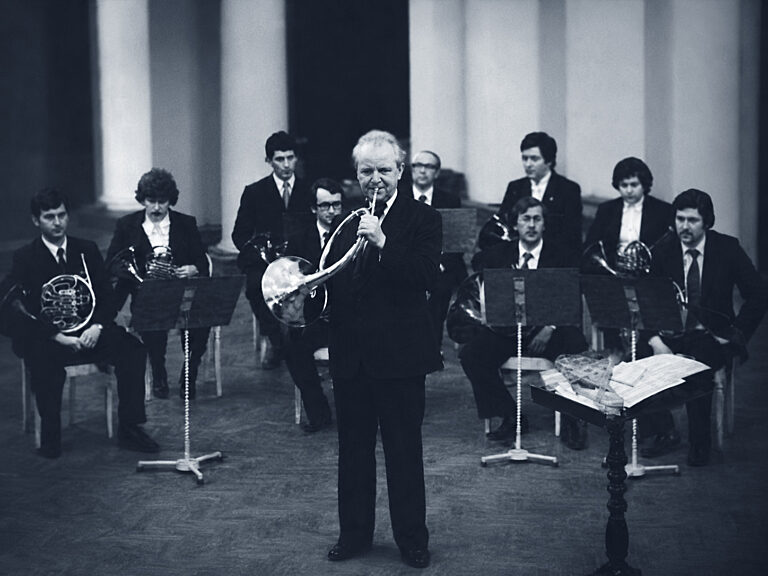
The world's Golden Horn

Called one of the Soviet school’s finest performers by Shostakovich, Vitaliy Buyanovskiy shaped horn playing through performance, teaching and composition.

By Anatoly Barantsev
Encounters Professional life Russian school Orchestral playing Solo playing
The Wrong Brass? Member
No. 41 • 1983 Digitized

The Wrong Brass?

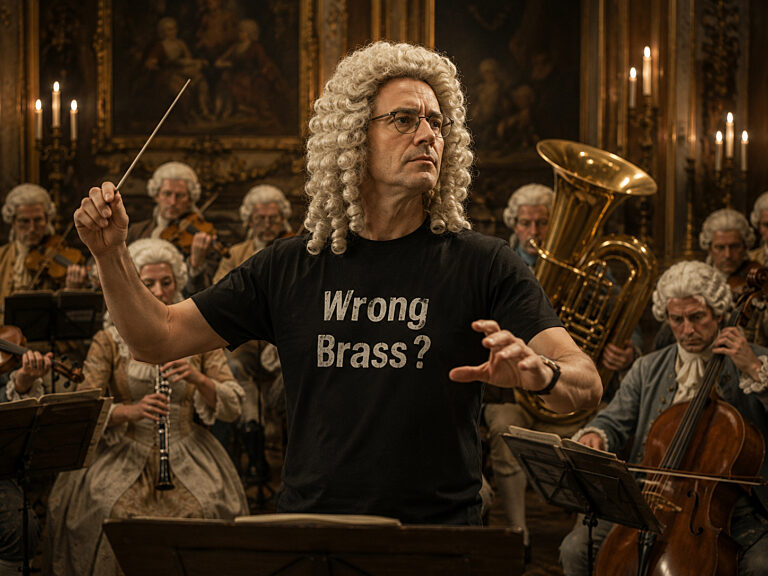
Between blind fidelity and reckless modernisation, instrument substitutions force performers to decide when the score’s wording serves—or betrays—the music.

By Rudolf Lewy

Repertoire Equipment Historical instruments Orchestral playing Sound
An American trumpet player's impressions of european brass performances Member
No. 5 • 1973 Digitized

An American trumpet player's impressions of european brass performances

An American trumpet player reflects on European brass traditions, comparing education, amateur practice and professional performance across both continents.

By Harold E. Krueger

Society American school Orchestral playing Sound Interpretation
No. 111 • 2000 Awaiting digitization

Suppose they had an orchestra audition and nobody won?

By Thomas Stevens
Society Auditions Ideas
Individuality and Uniformity in Brass Players Member
No. 52 • 1985 Digitized

Individuality and Uniformity in Brass Players

As international standards reshape brass playing, musical individuality risks giving way to imitation, leaving tradition, ensemble work and personal conviction at stake.

By Hans-Joachim Drechsler
Society Professional life Ideas Orchestral playing Brass Ensemble
The untimely demise of the ophicleide Member
No. 43 • 1983 Digitized

The untimely demise of the ophicleide

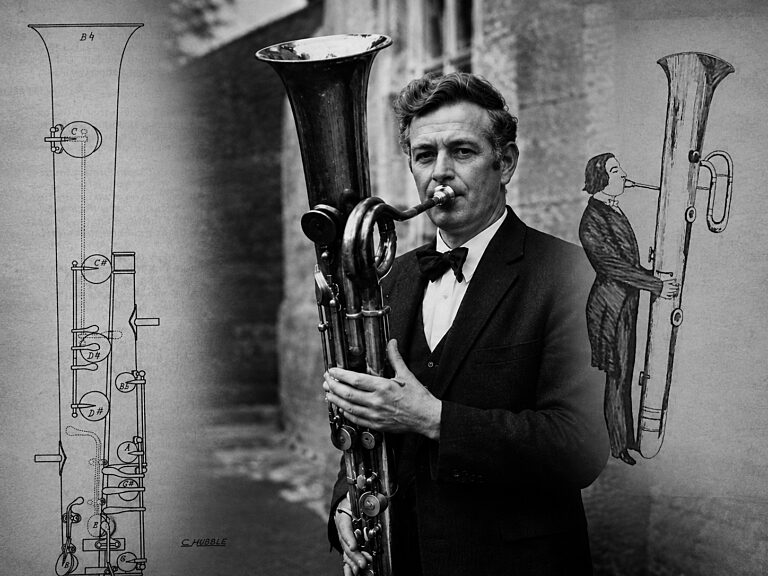
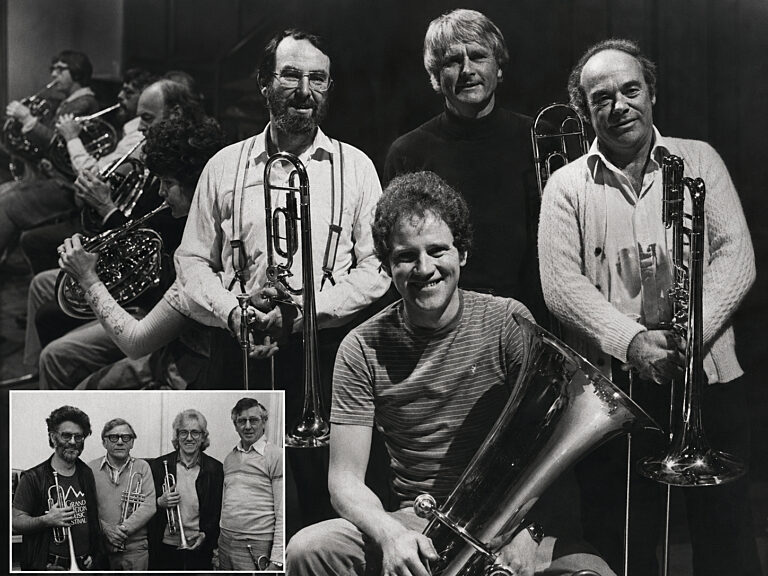
Once central to French orchestras, the ophicleide lost its place to the tuba—a disappearance shaped as much by institutions and repertoire as by sound.

By Stephen J. Weston
Equipment History Historical instruments Instrument making Orchestral playing
The Brass Sections of the New Zealand Symphony Orchestra Free
No. 42 • 1983 Digitized

The Brass Sections of the New Zealand Symphony Orchestra

An international brass section takes shape in post-war New Zealand, where orchestral careers mingle with touring bands, immigration and some remarkably unconventional detours.

By Thomas Aitken

Report Encounters Orchestral playing
No. 84 • 1993 Awaiting digitization

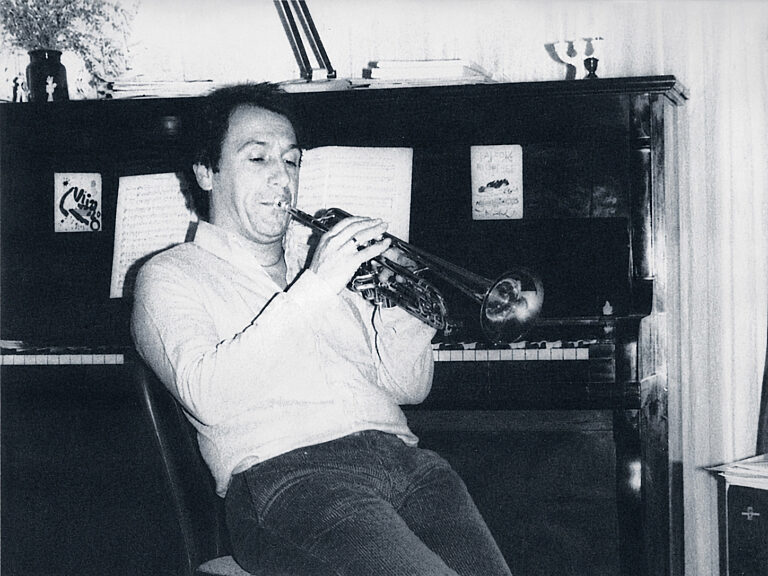
On the French School of horn playing

By Lucien Thevet
History Orchestral playing
Guy Touvron Member
No. 44 • 1983 Digitized

Guy Touvron

Spotlight

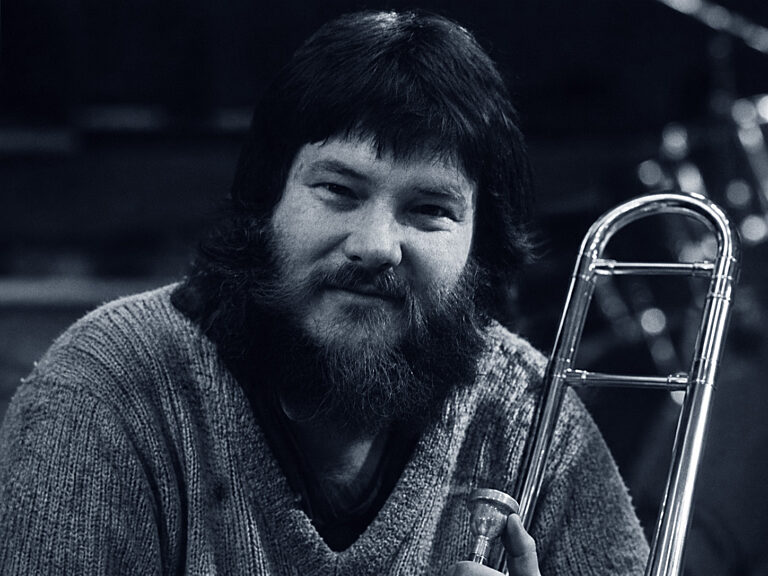
Before international fame, Guy Touvron’s path ran through village bands, Maurice André’s class, competitions and a stubborn refusal to behave like a star.

By Jean-Pierre Mathez
Encounters Professional life Solo playing French school
Interview with Miles Anderson Free
No. 26 • 1979 Digitized

Interview with Miles Anderson

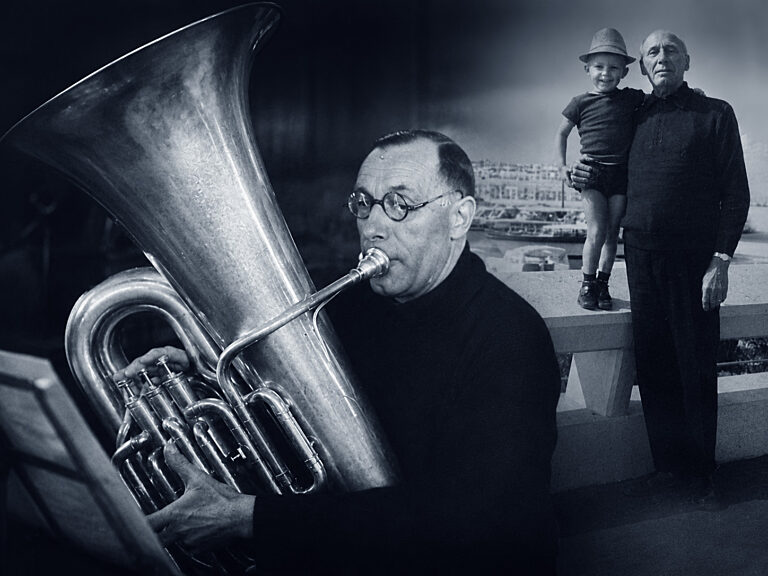
Jean-Pierre Mathez traces Miles Anderson’s path from early training to orchestral and freelance work, expanding on the tension between livelihood and artistic pursuit.

By Jean-Pierre Mathez
Encounters Professional life Freelance Solo playing Contemporary Music
Henri Renart (1887-1979) Member
No. 32 • 1980 Digitized

Henri Renart (1887-1979)

Interview

Henri Renart looks back on a remarkable musical life, from the wind bands of northern France to Paris’s leading orchestras, performing under renowned conductors while witnessing decades of change in performance, recording, teaching, and brass playing.

By Robert Coutet

Encounters Professional life French school Orchestral playing Auditions
Loading…

Questions & Answers

How the Digital Edition works

What does the Digital Edition include?

The Digital Edition brings together the articles already digitized as searchable online texts—not simply as scans or PDF files—along with their original illustrations, notes, authorship, issue information, and available translations. Related-article suggestions currently include only this digitized material.

Are the digital articles identical to the originals?

We preserve the original text, language, illustrations, captions, footnotes, and editorial context as faithfully as possible. The presentation is adapted for comfortable online reading, and obvious transcription or scanning errors may be corrected. The substance and character of the published article remain unchanged.

Which languages are available?

Brass Bulletin was published in English, French, and German throughout its history. Italian and Spanish translations were added from issue No. 60 onward.

On the Italian and Spanish sites, articles from issues 1–59 are therefore shown in English by default.

How often are new articles added?

New articles are added almost daily, with approximately one complete issue digitized each week. The pace may vary depending on the preparation, image work, and editorial checking required.

Why aren’t all articles available digitally?

The complete Brass Bulletin collection contains 1,246 articles published between 1971 and 2003. The full index is already available online, allowing readers to discover every article in the collection, including those whose complete text has not yet been digitized.

Digitization began in February 2026. Each article is carefully prepared for online reading, checked, and connected to its issue, authors, subjects, and illustrations. At the current pace of digitization, the complete collection is expected to be available online by February 2028.

Why do some references mention articles that are not available yet?

References in the original articles are preserved even when the material they point to has not yet been digitized. This keeps the historical and editorial record intact. As more issues are added to the Digital Edition, an increasing number of these references will lead to articles that can be read online.

Can I suggest an article or report a transcription error?

Yes. If there is an article you would particularly like to see digitized, or if you notice a possible transcription error or missing detail, please contact us. Reader feedback helps us improve the Digital Edition and prioritize useful connections within the archive.

How can I support Brass Bulletin?

Your support helps fund the preparation, verification, and online publication of the complete collection.

Subscribe to the Digital Edition

Prefer to support us without subscribing?

Make a donation

How is the digitization progressing?

We’re gradually making the Brass Bulletin available online, article by article. You can read newly digitized articles as soon as they’re ready, even before an entire issue is complete.

Visit our Digitization Roadmap to browse recent additions and see estimated availability for upcoming issues. These estimates follow our recent pace and may change.

Search Brass Bulletin.