Explore institutional access →

Solo playing

24 articles available online
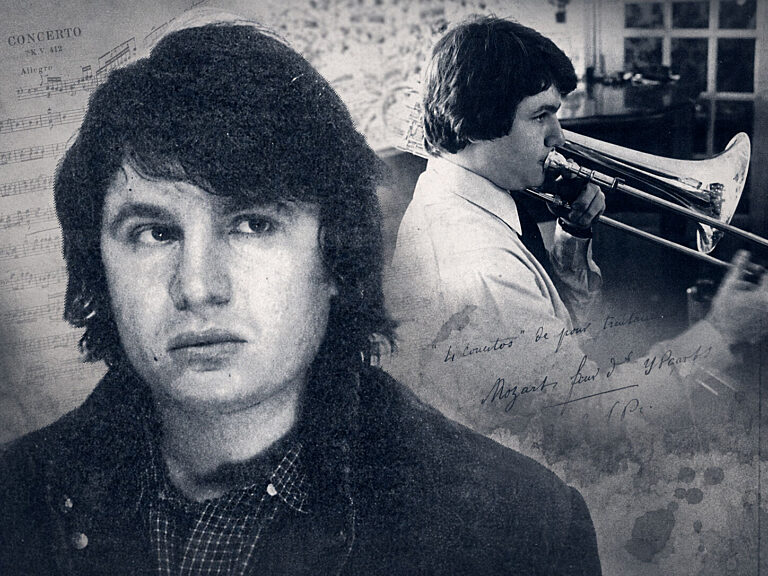
Michel Becquet Free
No. 50 • 1985 Digitized

Michel Becquet

Interview

A young Michel Becquet challenges orchestral habits, champions the trombone as a solo voice and reflects on competitions, repertoire, teaching and sound.

By Benny Sluchin
Encounters Repertoire Solo playing
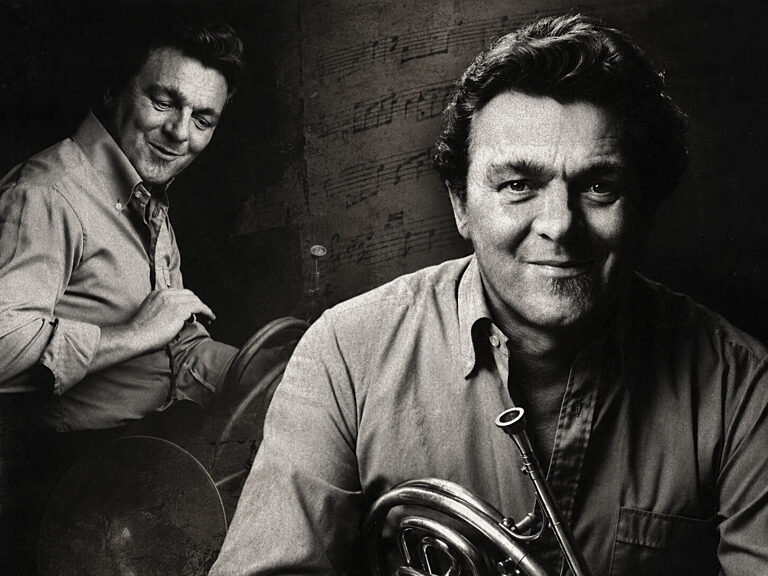
Hermann Baumann Member
No. 51 • 1985 Digitized

Hermann Baumann

A virtuoso's career

A career built on sound, memory and the natural horn shows how Hermann Baumann helped redefine what a horn soloist could be on the international stage.

By Jean-Pierre Mathez
Encounters Professional life Solo playing Historical instruments
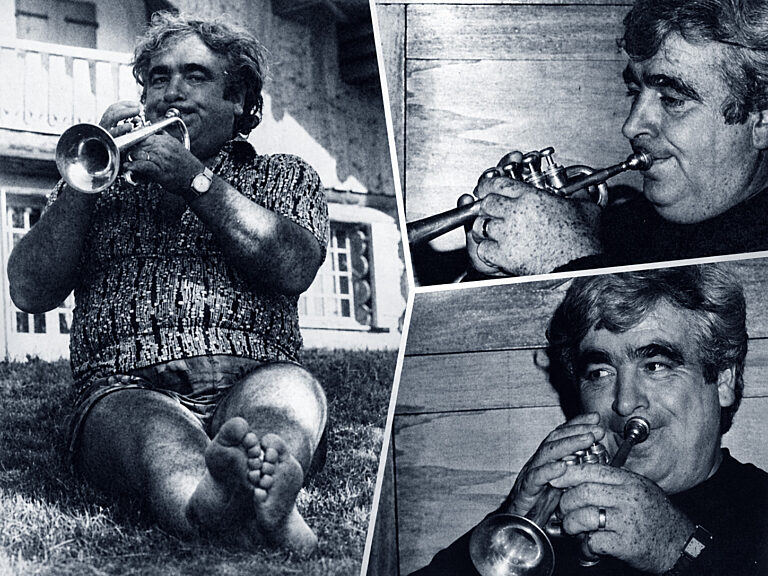
Maurice André Member
No. 26 • 1979 Digitized

Part 3

Maurice André

Biography

Maurice André reflects on maturity—balancing performance, recordings and teaching, refining his approach to instruments and audience, and preparing for the limits of a virtuoso career.

By Jean-Pierre Mathez
Encounters Solo playing Mental approach Interpretation
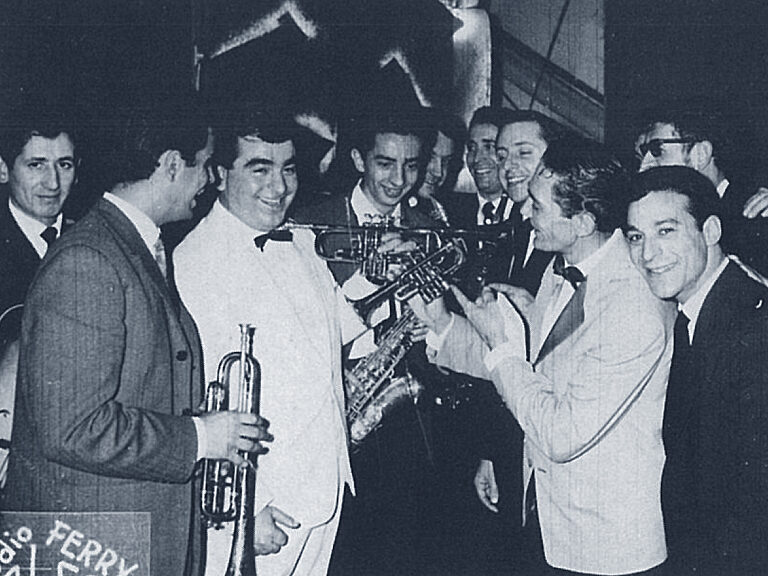
Maurice André Member
No. 25 • 1979 Digitized

Part 2

Maurice André

Biography

From circus gigs to Bach with Karajan: Maurice André reveals how relentless work, discipline, and daily technical refinement shaped one of the greatest trumpet careers.

By Jean-Pierre Mathez
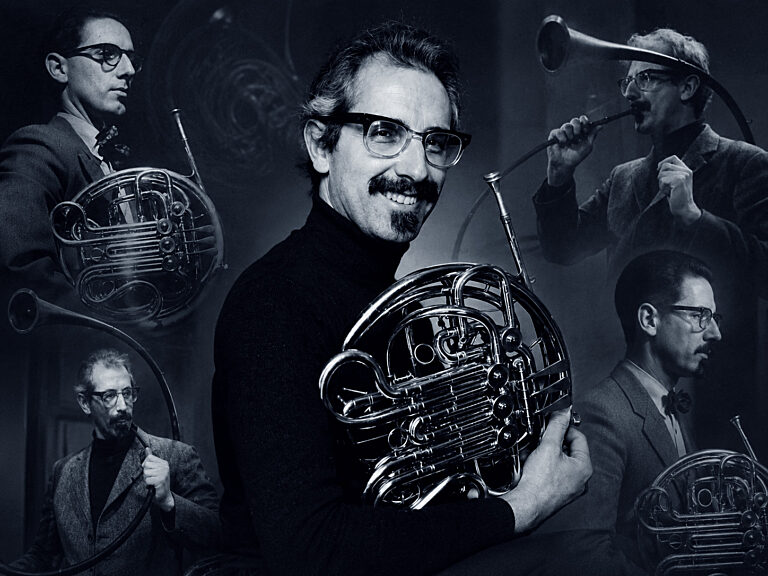
Encounters French school Solo playing
Barry Tuckwell Member
No. 27 • 1979 Digitized

Barry Tuckwell

Interview

Between the London Symphony Orchestra, international solo tours and Mozart or Strauss concertos, Barry Tuckwell reflects on sound, risk and musical instinct.

By Jean-Pierre Mathez
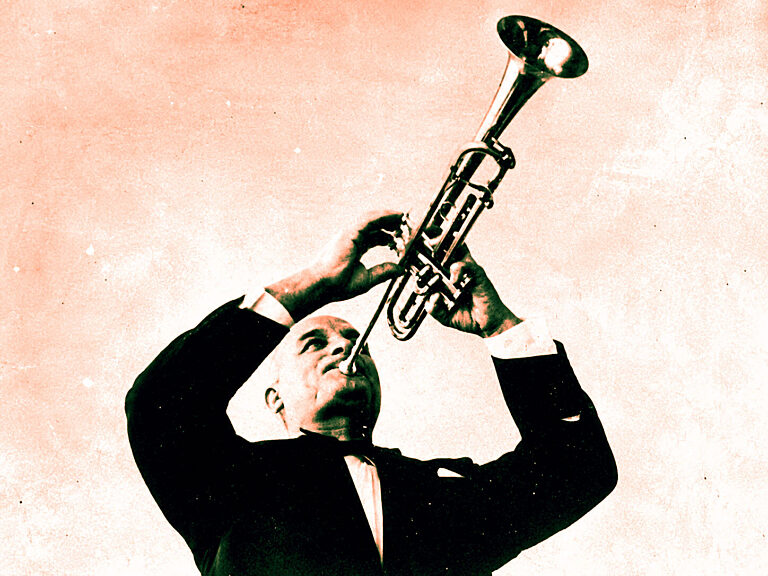
Encounters Professional life Solo playing Interpretation Orchestral playing
George Swift, You see who I mean? Member
No. 55 • 1986 Digitized

George Swift, You see who I mean?

In the 1930s, George Swift brought cornet virtuosity and jazz influences to the concert trumpet, building a remarkable reputation through just a handful of recordings.

By Michel Laplace
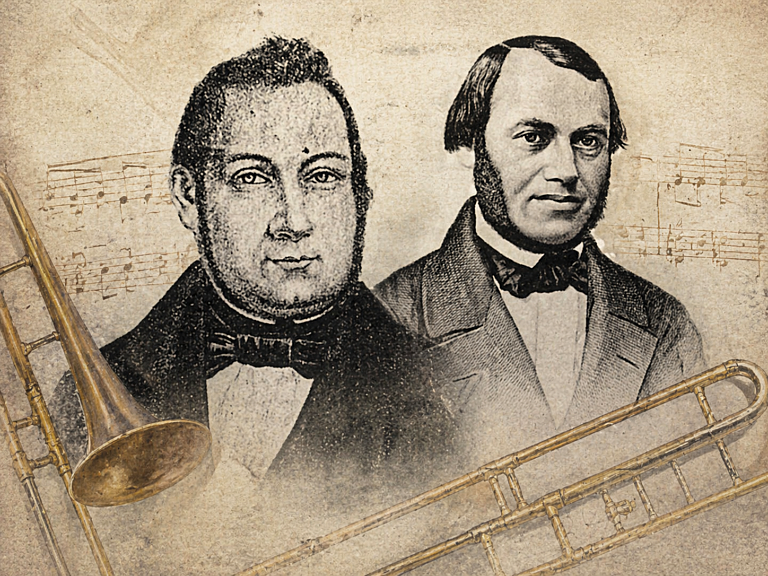
History Jazz Solo playing
The classical solo concerto for trombone and its interpreters in the 19th century Member
No. 25 • 1979 Digitized

The classical solo concerto for trombone and its interpreters in the 19th century

From Queisser to Ferdinand David: the rise—and disappearance—of the classical trombone concerto in the 19th century reveals a forgotten golden age of virtuosity.

By Werner Beyer

History Repertoire Solo playing
Editorial Free
No. 38 • 1982 Digitized

Editorial

As concert life shifts away from brass, the future of the instrument depends on artistic standards, thoughtful programming and the commitment of every performer.

By Jean-Pierre Mathez
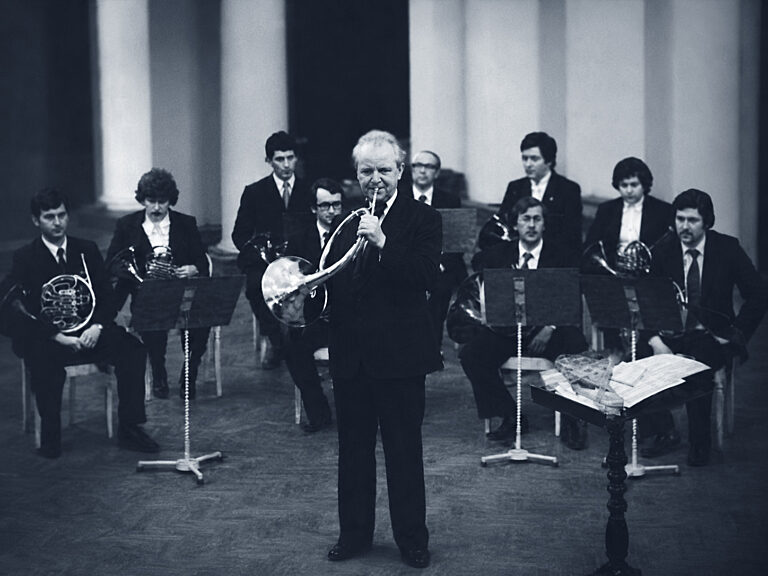
Professional life Society Interpretation Contemporary Music Solo playing
Vitaly Bujanowsky Free
No. 35 • 1981 Digitized

Vitaly Bujanowsky

The world's Golden Horn

Called one of the Soviet school’s finest performers by Shostakovich, Vitaliy Buyanovskiy shaped horn playing through performance, teaching and composition.

By Anatoly Barantsev
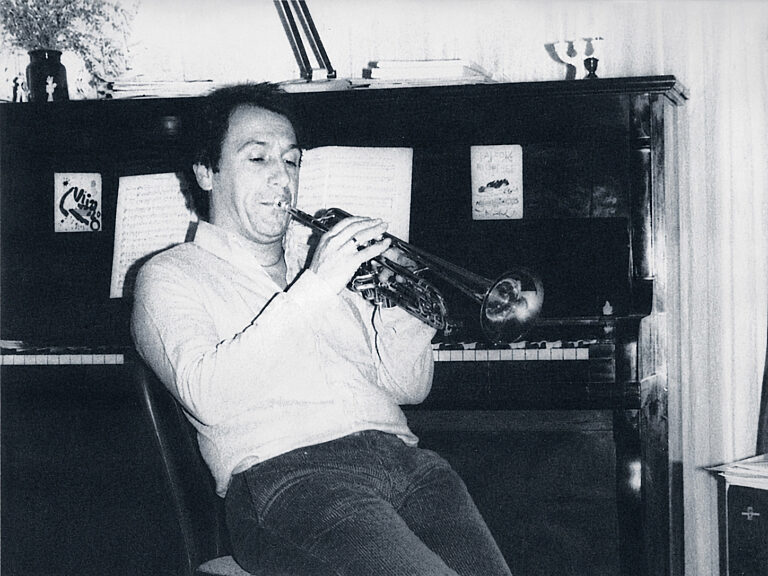
Encounters Professional life Russian school Orchestral playing Solo playing
Guy Touvron Member
No. 44 • 1983 Digitized

Guy Touvron

Spotlight

Before international fame, Guy Touvron’s path ran through village bands, Maurice André’s class, competitions and a stubborn refusal to behave like a star.

By Jean-Pierre Mathez
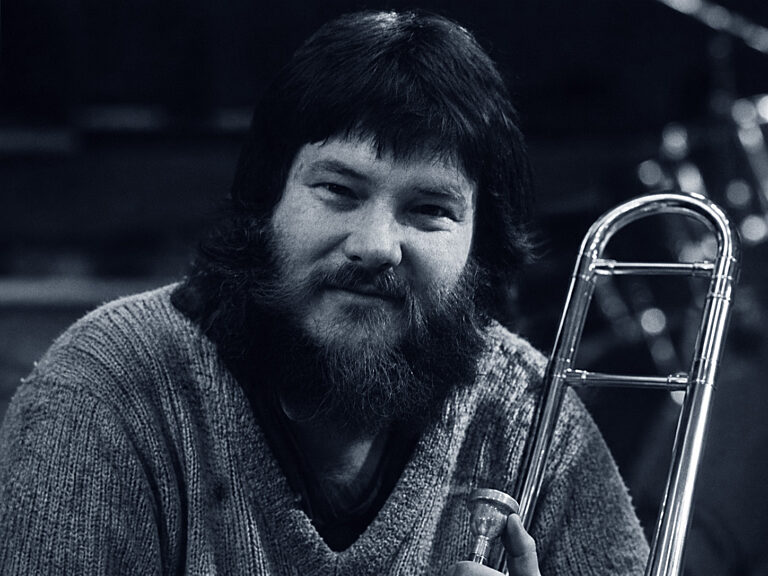
Encounters Professional life Solo playing French school
Interview with Miles Anderson Free
No. 26 • 1979 Digitized

Interview with Miles Anderson

Jean-Pierre Mathez traces Miles Anderson’s path from early training to orchestral and freelance work, expanding on the tension between livelihood and artistic pursuit.

By Jean-Pierre Mathez

Encounters Professional life Freelance Solo playing Contemporary Music
Free
No. 37 • 1982 Digitized

The Annual Competitions of the Paris Conservatoire

From commissioned works to jury voting, a long-standing examination tradition reveals how brass players progressed through the Paris Conservatoire.

By Benny Sluchin
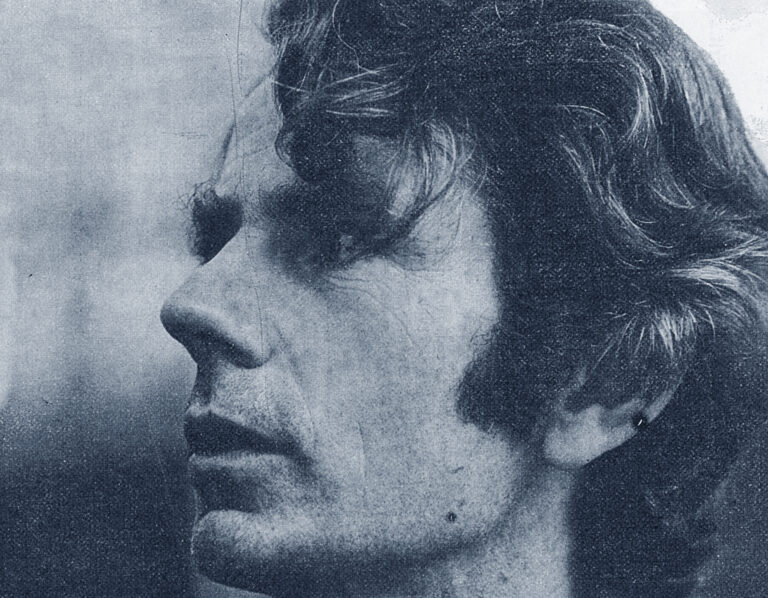
Competition Teaching French school Contemporary Music Solo playing
1981 Geneva International Competition Free
No. 37 • 1982 Digitized

1981 Geneva International Competition

Readers Letters

Philip Jones responds to the Geneva 1981 debate, arguing for fairer jury decisions, balanced repertoire, and the enduring value of international trumpet competitions.

By Philip Jones

Competition Solo playing Contemporary Music Endurance
No. 93 • 1996 Awaiting digitization

Being a Concert Trombone

By Ronald Barron
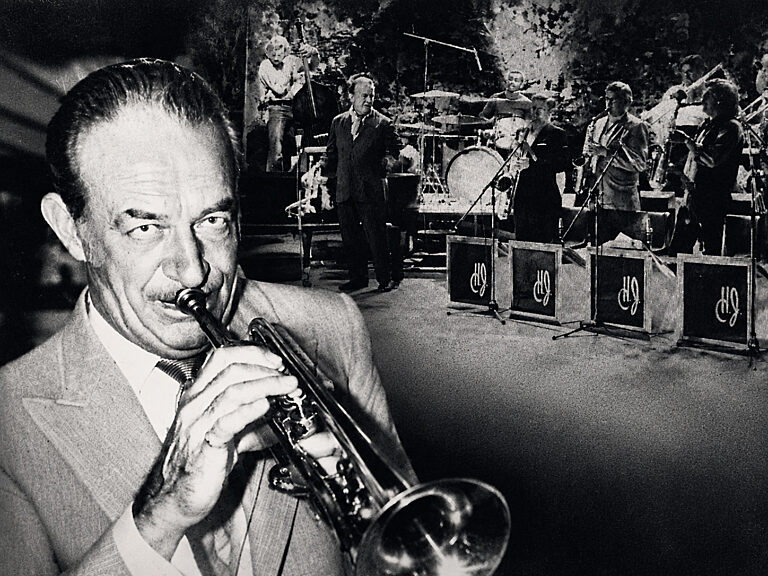
Professional life Solo playing
Harry James (1916-1983) Member
No. 45 • 1984 Digitized

Harry James (1916-1983)

Young Man With A Horn

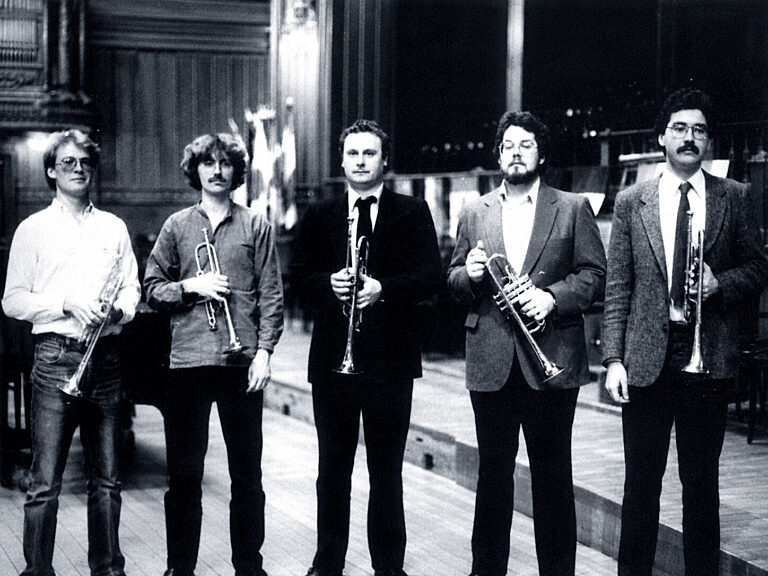
Harry James stood between jazz virtuosity and popular showmanship, turning the trumpet into a mass-audience voice without losing the respect of classical players.

By Michel Laplace
Encounters History Jazz Solo playing
International Trumpet Competition, Budapest 1984 Member
No. 48 • 1984 Digitized

Special Hungary

International Trumpet Competition, Budapest 1984

Budapest 1984 exposed a striking gap between technical brilliance and musical maturity, while three leading trumpeters challenged what competitions truly reward.

By Timofey Dokschidser, Philip Jones, Théo Mertens
Competition Interpretation Solo playing
Melvyn Poore Free
No. 46 • 1984 Digitized

Melvyn Poore

Tuba britannica

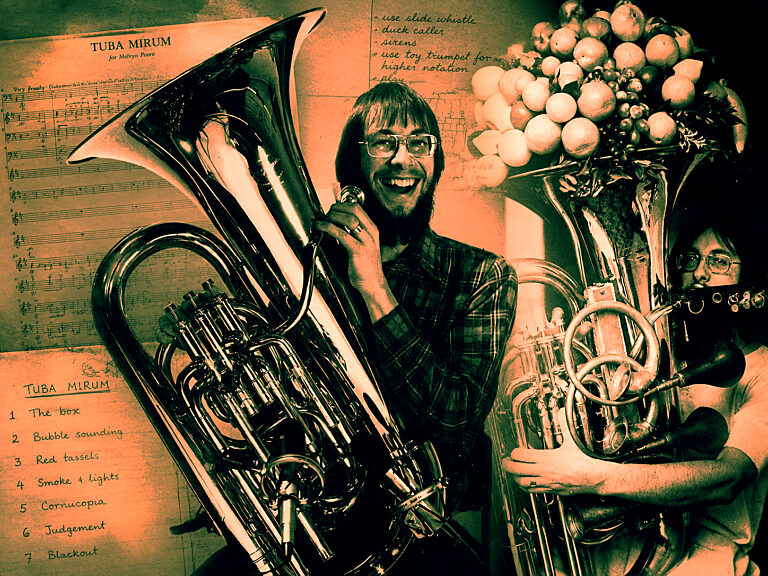
A tuba becomes a laboratory for circular breathing, reeds, strange mutes and music theatre as Melvyn Poore pushes beyond the orchestral role assigned to it.

By Thomas Aitken
Encounters Contemporary Music Solo playing
Miroslav Kejmar Free
No. 31 • 1980 Digitized

Miroslav Kejmar

Portrait in brief

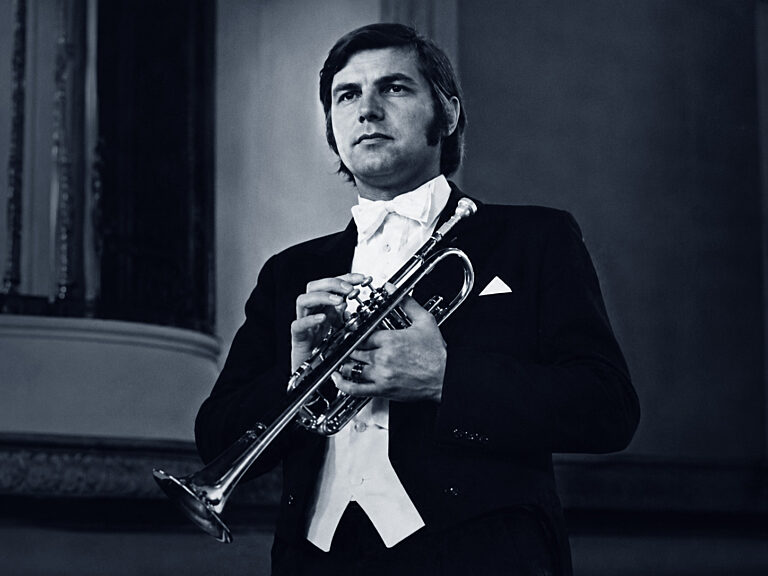
From Bach’s Brandenburg Concerto to Czech contemporary music, the Prague trumpeter combined Baroque precision with orchestral versatility across Europe.

By Jean-Pierre Mathez
Encounters Professional life Solo playing Orchestral playing Contemporary Music
John Fletcher Free
No. 27 • 1979 Digitized

John Fletcher

Interview

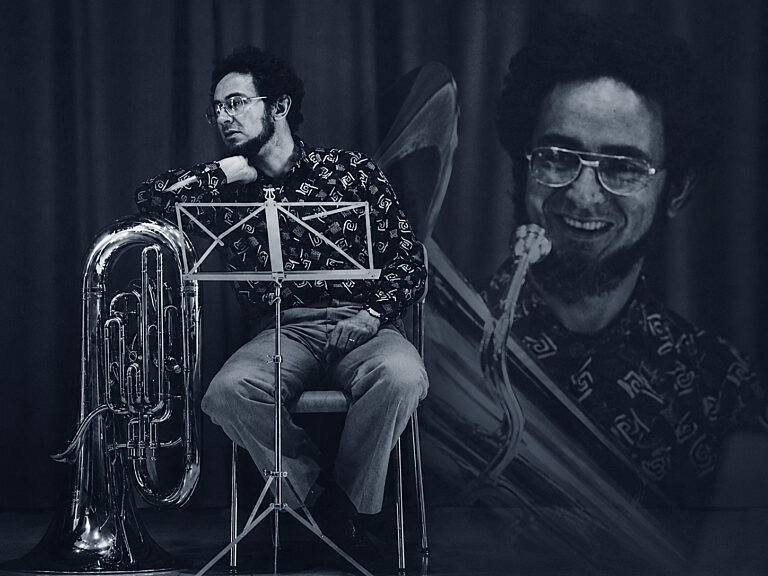
From brass bands to chamber ensembles, John Fletcher reflects on the rapid rise of young British tubists and the changing role of the instrument.

By Jean-Pierre Mathez
Encounters Society Sociology Solo playing Brass Ensemble
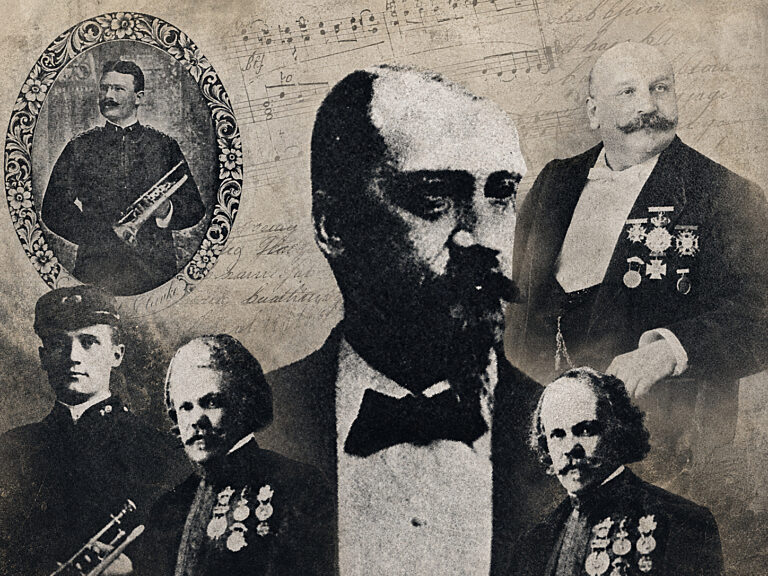
The saga of the cornet and six of its outstanding artists Member
No. 12 • 1975 Digitized

The saga of the cornet and six of its outstanding artists

The cornet reached extraordinary heights in the 19th century. Jack Hall traces the rise of its greatest virtuosi and a remarkable era of technical brilliance.

By Jack Hall
History Solo playing American school
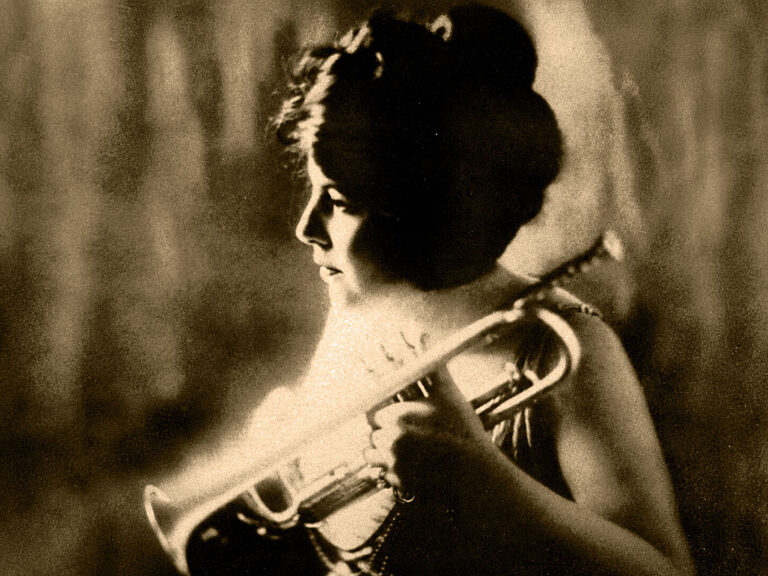
Edna White Member
No. 48 • 1984 Digitized

Edna White

A Woman and a Life in the Service of the Trumpet

At a time when the cornet still ruled, Edna White made the trumpet a solo voice, building a career across concert halls, radio, recordings and new repertoire.

By Michel Laplace
History Solo playing
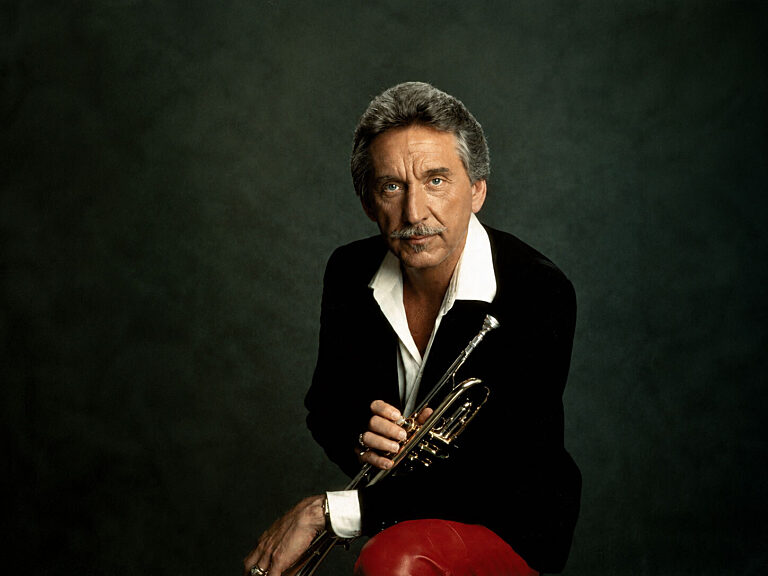
Doc Severinsen Free
No. 55 • 1986 Digitized

Doc Severinsen

Talent, will and glory

Trumpet virtuoso and nightly television star, Doc Severinsen combined immense popularity with concerts, big bands and iron discipline.

By Jean-Pierre Mathez
Encounters Jazz Solo playing
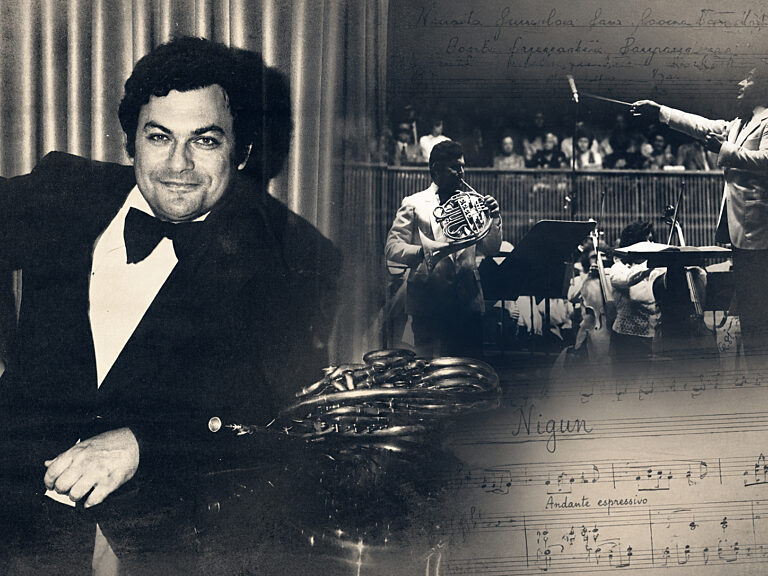
Meir Rimon Member
No. 46 • 1984 Digitized

Meir Rimon

Portrait and conversation

Orchestral discipline, solo freedom and an endless appetite for learning shaped Meir Rimon’s horn playing across Israeli, European and American traditions.

By Jeffrey Agrell
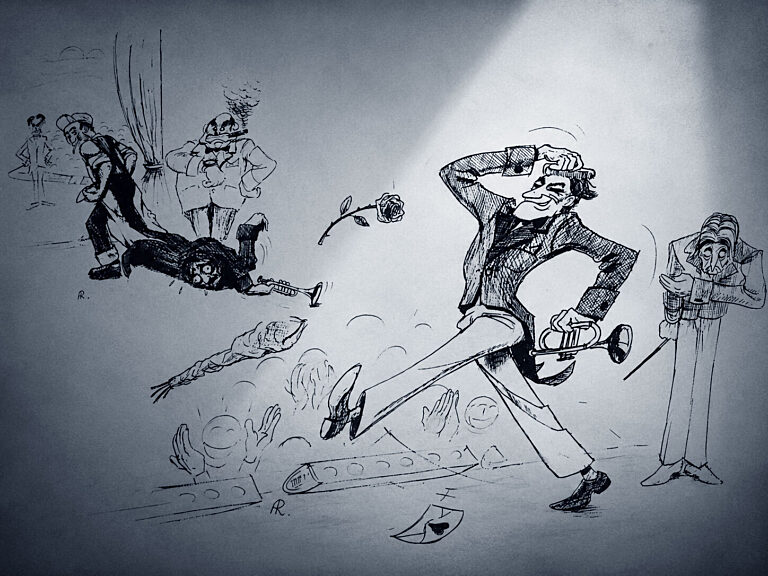
Encounters Professional life Orchestral playing Solo playing
The Trumpet in the USA Member
No. 37 • 1982 Digitized

Part 5

The Trumpet in the USA

The Confidence Pill

Stage fright meets medical research as performers, physicians and early beta-blocker studies reshape the debate over confidence, fairness and public performance.

By Thomas Stevens

Health Nerves Mental approach Solo playing Auditions
Loading…

Questions & Answers

How the Digital Edition works

What does the Digital Edition include?

The Digital Edition brings together the articles already digitized as searchable online texts—not simply as scans or PDF files—along with their original illustrations, notes, authorship, issue information, and available translations. Related-article suggestions currently include only this digitized material.

Are the digital articles identical to the originals?

We preserve the original text, language, illustrations, captions, footnotes, and editorial context as faithfully as possible. The presentation is adapted for comfortable online reading, and obvious transcription or scanning errors may be corrected. The substance and character of the published article remain unchanged.

Which languages are available?

Brass Bulletin was published in English, French, and German throughout its history. Italian and Spanish translations were added from issue No. 60 onward.

On the Italian and Spanish sites, articles from issues 1–59 are therefore shown in English by default.

How often are new articles added?

New articles are added almost daily, with approximately one complete issue digitized each week. The pace may vary depending on the preparation, image work, and editorial checking required.

Why aren’t all articles available digitally?

The complete Brass Bulletin collection contains 1,246 articles published between 1971 and 2003. The full index is already available online, allowing readers to discover every article in the collection, including those whose complete text has not yet been digitized.

Digitization began in February 2026. Each article is carefully prepared for online reading, checked, and connected to its issue, authors, subjects, and illustrations. At the current pace of digitization, the complete collection is expected to be available online by February 2028.

Why do some references mention articles that are not available yet?

References in the original articles are preserved even when the material they point to has not yet been digitized. This keeps the historical and editorial record intact. As more issues are added to the Digital Edition, an increasing number of these references will lead to articles that can be read online.

Can I suggest an article or report a transcription error?

Yes. If there is an article you would particularly like to see digitized, or if you notice a possible transcription error or missing detail, please contact us. Reader feedback helps us improve the Digital Edition and prioritize useful connections within the archive.

How can I support Brass Bulletin?

Your support helps fund the preparation, verification, and online publication of the complete collection.

Subscribe to the Digital Edition

Prefer to support us without subscribing?

Make a donation

How is the digitization progressing?

We’re gradually making the Brass Bulletin available online, article by article. You can read newly digitized articles as soon as they’re ready, even before an entire issue is complete.

Visit our Digitization Roadmap to browse recent additions and see estimated availability for upcoming issues. These estimates follow our recent pace and may change.

Search Brass Bulletin.