Explore institutional access Explore institutional access

8 min. read

An American trumpet player's impressions of european brass performances
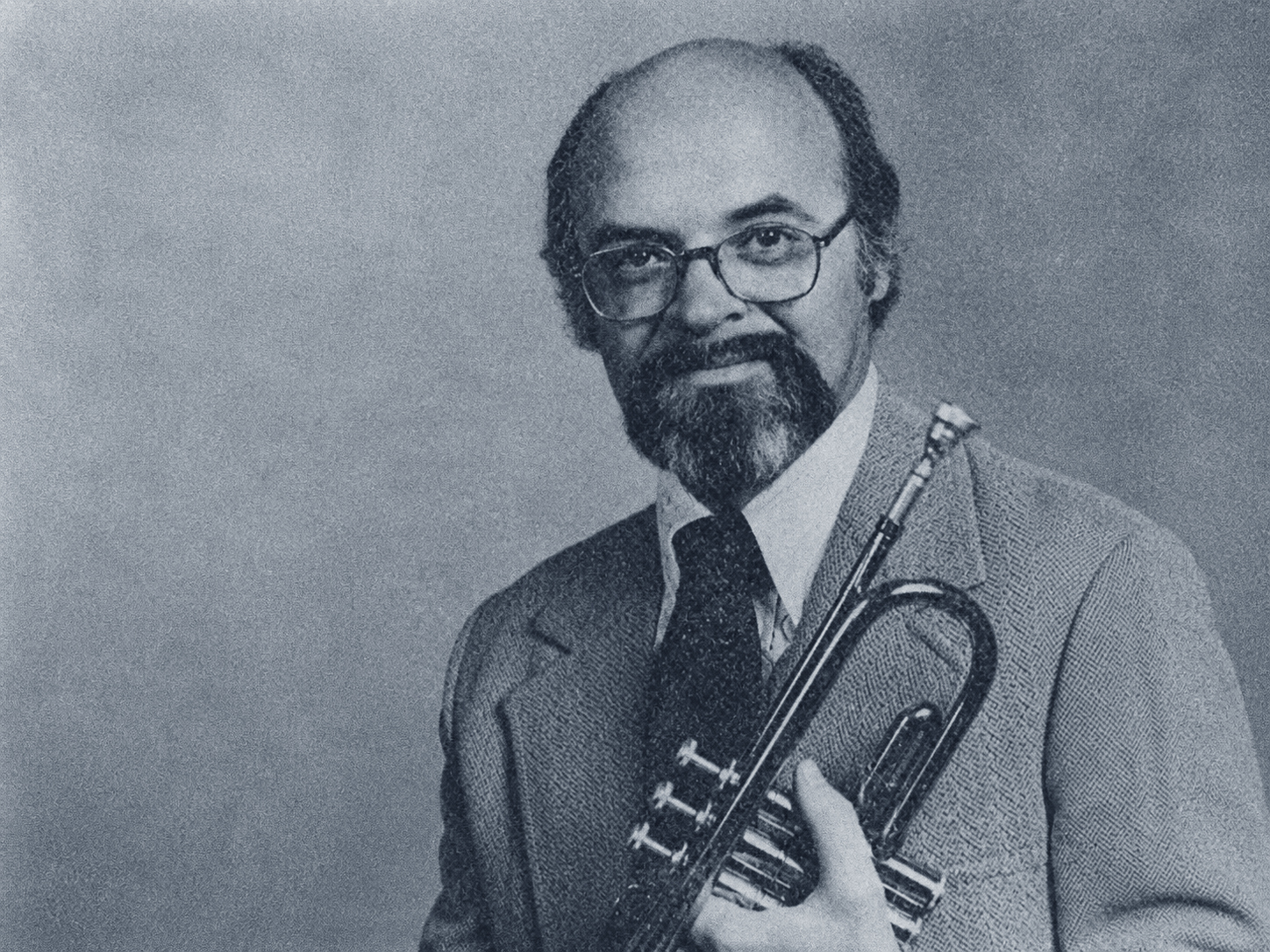
An American trumpet player reflects on European brass traditions, comparing education, amateur practice and professional performance across both continents.
An American trumpet player's impressions of european brass performances

Harold Krueger

Europe has always held a special fascination for American musicians. The goal of «studying in Europe» is still a significant item in a performer’s long-range objectives. The professional circles of American music making thrive on the prestige of employing foreign conductors and, to a lesser degree, performers. With this magical aura leading me on, I approached my 8-month sabbatical leave in Europe with a great deal of anticipation.

After slowly getting the family housed and settled, I set out to see if the brass world of Europe was really such a «Utopia», and if so, what makes it so much more so than America.

There were three areas that I most wanted to observe: brass music in the church, brass music for the amateur, and finally the world of the professional brass performer. Each area has its counterpart in America. My problem now was to make as objective a comparison concerning the success or failure of each.

First, brass music in the church. At the outset I will have to admit that I was a little disappointed. Not in the concept embodying church music, but in the state of the performers’ abilities within the group. In all fairness I should also say that I did hear groups on both extremes of the performance spectrum. The performance level of the groups in Stuttgart and Worms is indeed exceptionally good. However, the level of most small church groups was very poor. This again was very surprising because of the high esteem that is afforded the Posaunenchor in America.

Continue reading

Access the full Digital Edition.

Brass Bulletin 5, II / 1973 pages 35–46

All content is protected by copyright © Brass Bulletin 1973–2026

Share this article

Facebook LinkedIn
Loading…

Questions & Answers

How the Digital Edition works

What does the Digital Edition include?

The Digital Edition brings together the articles already digitized as searchable online texts—not simply as scans or PDF files—along with their original illustrations, notes, authorship, issue information, and available translations. Related-article suggestions currently include only this digitized material.

Are the digital articles identical to the originals?

We preserve the original text, language, illustrations, captions, footnotes, and editorial context as faithfully as possible. The presentation is adapted for comfortable online reading, and obvious transcription or scanning errors may be corrected. The substance and character of the published article remain unchanged.

Which languages are available?

Brass Bulletin was published in English, French, and German throughout its history. Italian and Spanish translations were added from issue No. 60 onward.

On the Italian and Spanish sites, articles from issues 1–59 are therefore shown in English by default.

How often are new articles added?

New articles are added almost daily, with approximately one complete issue digitized each week. The pace may vary depending on the preparation, image work, and editorial checking required.

Why aren’t all articles available digitally?

The complete Brass Bulletin collection contains 1,246 articles published between 1971 and 2003. The full index is already available online, allowing readers to discover every article in the collection, including those whose complete text has not yet been digitized.

Digitization began in February 2026. Each article is carefully prepared for online reading, checked, and connected to its issue, authors, subjects, and illustrations. At the current pace of digitization, the complete collection is expected to be available online by February 2028.

Why do some references mention articles that are not available yet?

References in the original articles are preserved even when the material they point to has not yet been digitized. This keeps the historical and editorial record intact. As more issues are added to the Digital Edition, an increasing number of these references will lead to articles that can be read online.

Can I suggest an article or report a transcription error?

Yes. If there is an article you would particularly like to see digitized, or if you notice a possible transcription error or missing detail, please contact us. Reader feedback helps us improve the Digital Edition and prioritize useful connections within the archive.

How can I support Brass Bulletin?

Your support helps fund the preparation, verification, and online publication of the complete collection.

Subscribe to the Digital Edition

Prefer to support us without subscribing?

Make a donation

Search Brass Bulletin.