Explore institutional access →

Auditions

13 articles available online
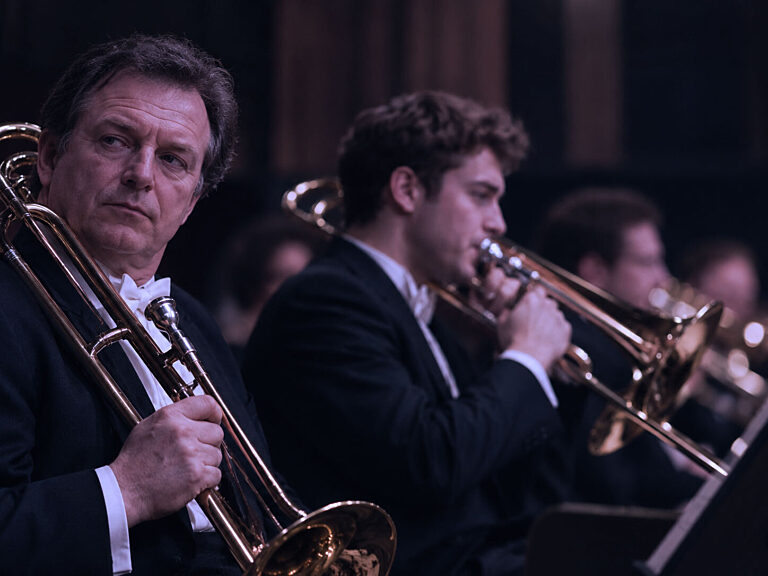
The Newcomer Free
No. 55 • 1986 Digitized

The Newcomer

After 25 years as an undisputed orchestral authority, a German trombonist faces a new generation whose virtuosity unsettles the familiar hierarchy of his section.

By Jean-Pierre Mathez
Short story Orchestral playing Auditions
A New Job¹ Member
No. 51 • 1985 Digitized

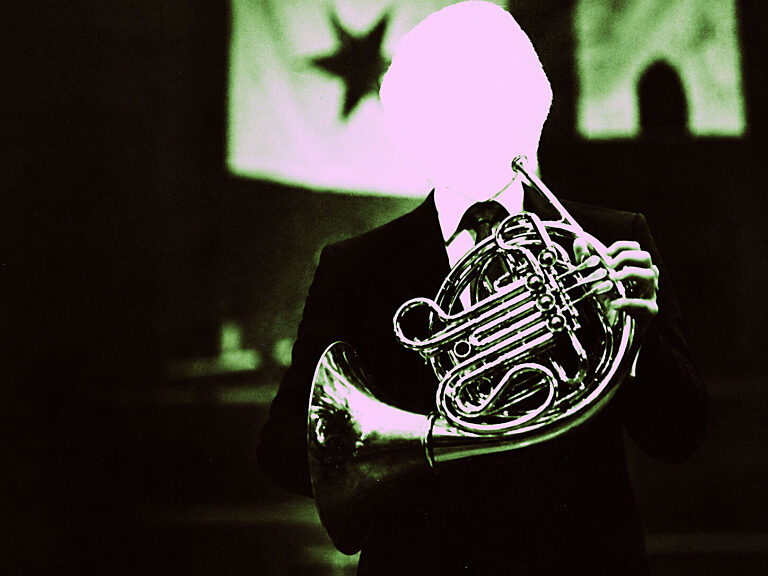
A New Job¹

A professional horn player faces a late chance to change course, as routine, ambition and the unnerving reality of an orchestral audition collide.

By Jean-Pierre Mathez

Short story Professional life Auditions Orchestral playing
No. 111 • 2000 Awaiting digitization

Suppose they had an orchestra audition and nobody won?

By Thomas Stevens
Society Auditions Ideas
Henri Renart (1887-1979) Member
No. 32 • 1980 Digitized

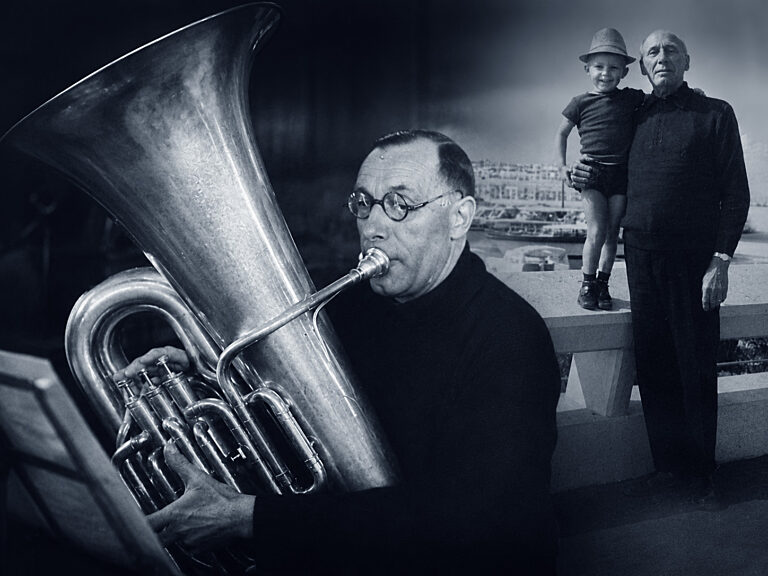
Henri Renart (1887-1979)

Interview

Henri Renart looks back on a remarkable musical life, from the wind bands of northern France to Paris’s leading orchestras, performing under renowned conductors while witnessing decades of change in performance, recording, teaching, and brass playing.

By Robert Coutet
Encounters Professional life French school Orchestral playing Auditions
Tell it the way it is: Free
No. 22 • 1978 Digitized

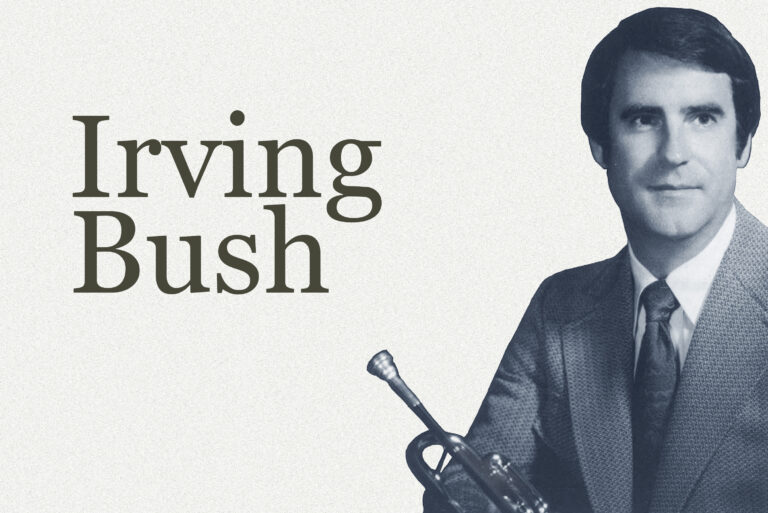
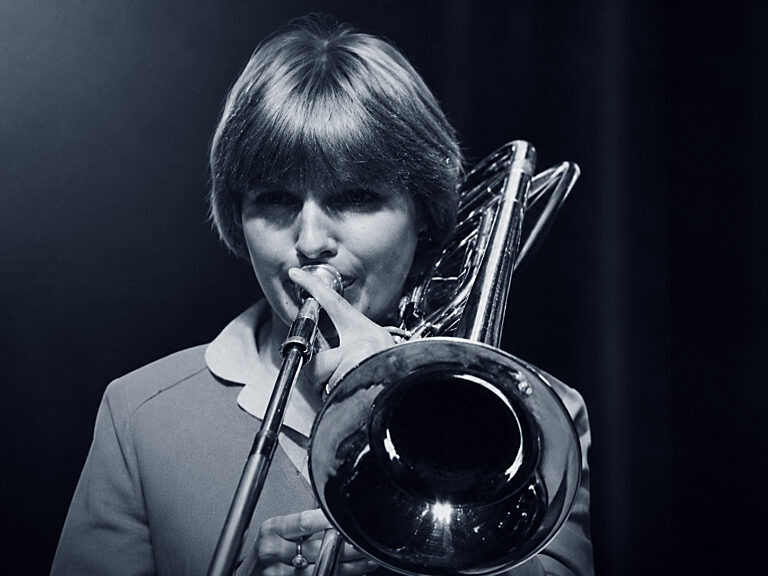
Tell it the way it is:

A viewpoint of professional trumpet playing in the United States

A brutal reality check: Irving Bush exposes the gap between musical dreams and professional truth—revealing the harsh economics behind a career in trumpet playing.

By Irving Bush
Professional life Report Freelance Auditions American school
A woman trombonist, Yvelise Girard Free
No. 29 • 1980 Digitized

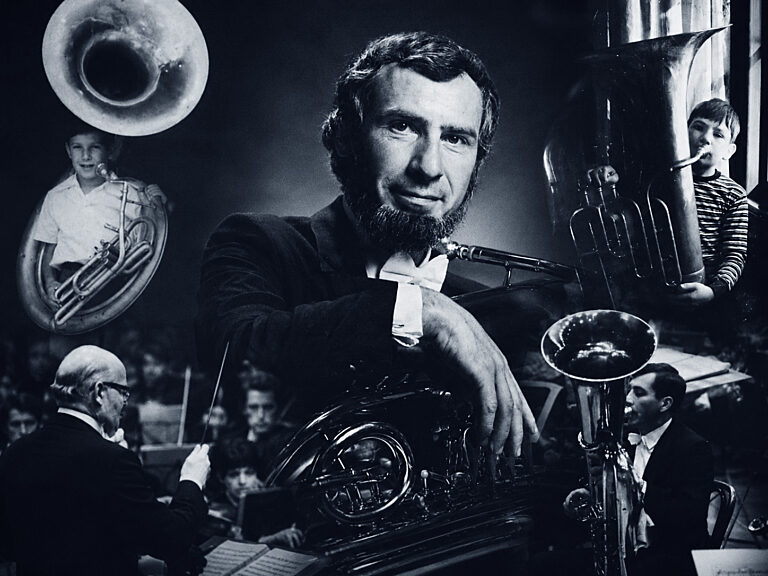
A woman trombonist, Yvelise Girard

Women and Brass

From Paris conservatories to police bands, a young trombonist confronts isolation, scrutiny and ambition as women slowly enter the brass world.

By Jean Douay
Society Professional life Sociology Auditions Orchestral playing
Cleveland Orchestra Audition in 1966 Free
No. 31 • 1980 Digitized

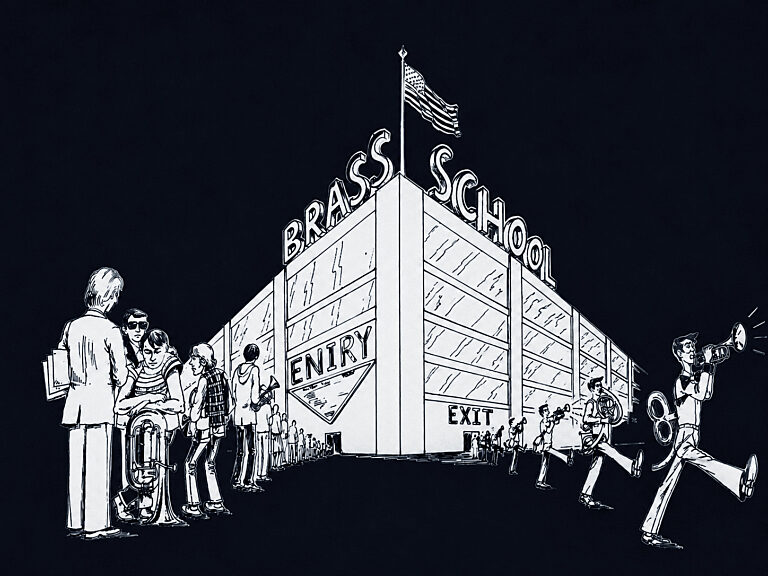
Cleveland Orchestra Audition in 1966

George Szell’s demanding 1966 audition process unfolds through orchestral excerpts, dynamic extremes and the search for absolute ensemble precision.

By Ronald T. Bishop
Encounters Professional life Auditions Orchestral playing Intonation
The Audition System Free
No. 35 • 1981 Digitized

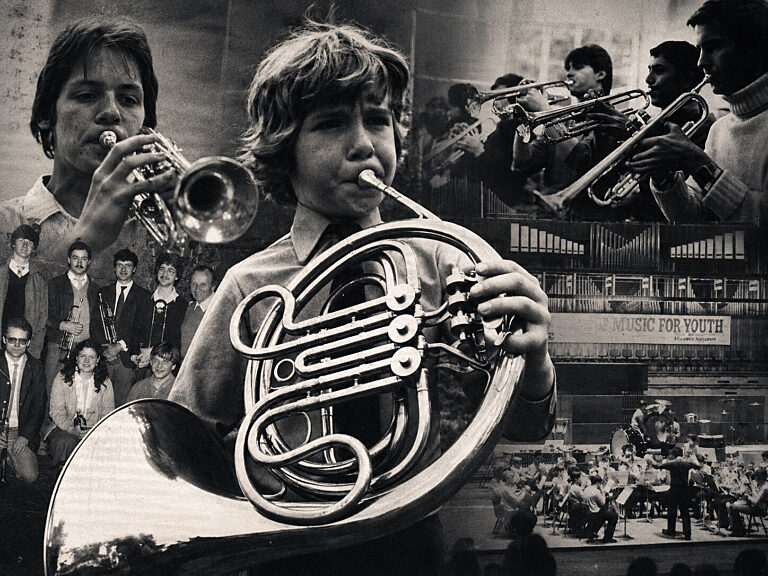
The Audition System

Why American Musicians Emigrate?

Behind orchestral vacancies in North America, travel costs, subjective selection and hidden hiring practices help explain a growing flow of musicians abroad.

By David P. Searfoss
Professional life Society Auditions Orchestral playing Sociology
British brass players training Member
No. 54 • 1986 Digitized

British brass players training

In 1980s Britain, brass bands, state schools and conservatoires offered different paths into music, while rising standards collided with shrinking budgets and uncertain careers.

By Thomas Aitken

Teaching Professional life Auditions
Tuba Editorial Free
No. 26 • 1979 Digitized

Tuba Editorial

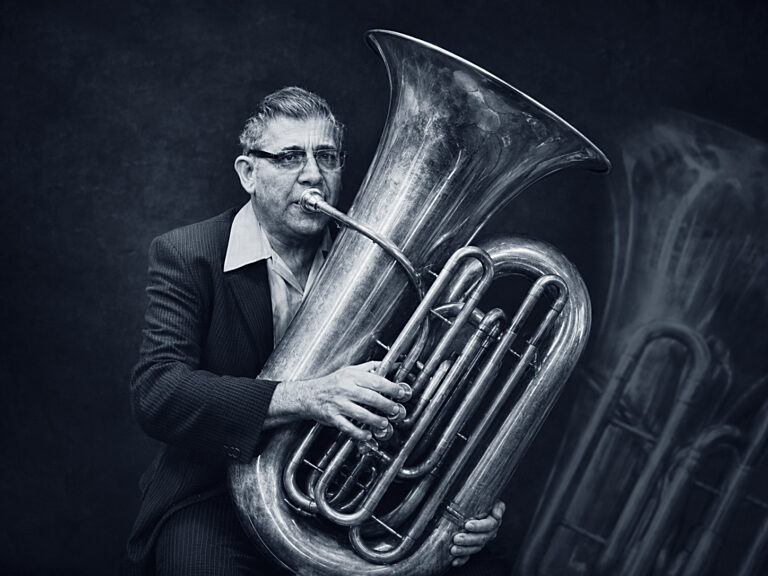
Roger Bobo reflects on orchestral auditions, examining imbalance between candidates and positions and questioning training, selection criteria and prospects for aspiring tubists.

By Roger Bobo
Professional life Society Auditions Orchestral playing Sociology
Arnold Jacobs Member
No. 34 • 1981 Digitized

Part 2

Arnold Jacobs

Interview

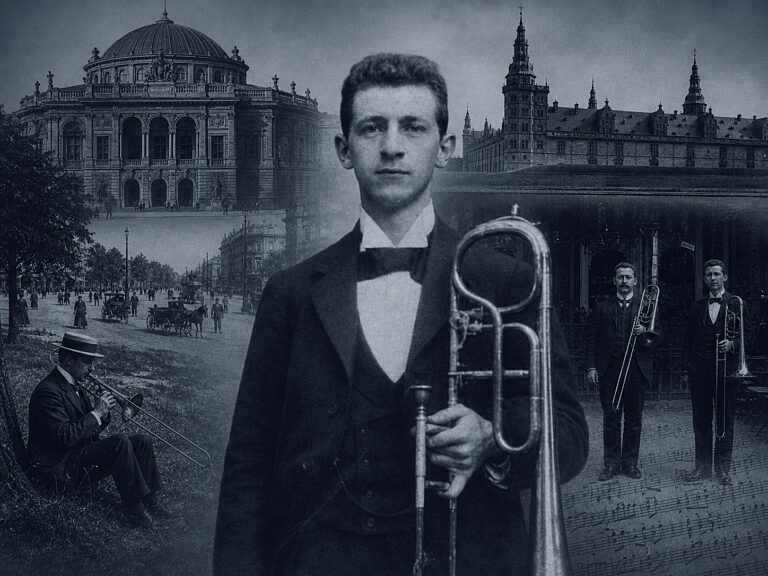
From Curtis to Chicago, a tuba player's path crosses Reiner, Koussevitzky and Ormandy, while teaching evolves toward breathing, thought and musical function.

By Roger Bobo
Encounters Professional life Auditions Orchestral playing Breathing
Anton Hansen (1877-1947) Free
No. 27 • 1979 Digitized

Part 1

Anton Hansen (1877-1947)

Father of trombone playing in Scandinavia

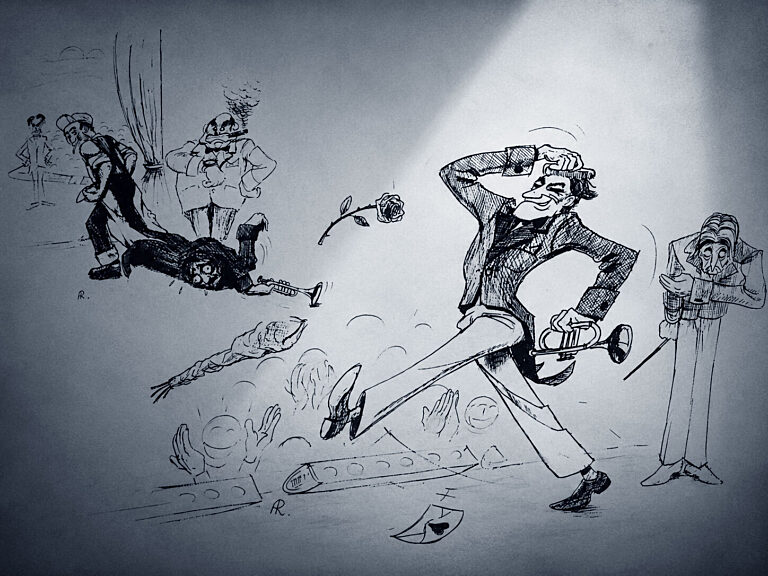
From Nørrebro cafés to the Royal Orchestra, Anton Hansen’s early years reveal the shift from valve to slide trombone in Scandinavian orchestras.

By Per Gade
History Professional life Orchestral playing Auditions
The Trumpet in the USA Member
No. 37 • 1982 Digitized

Part 5

The Trumpet in the USA

The Confidence Pill

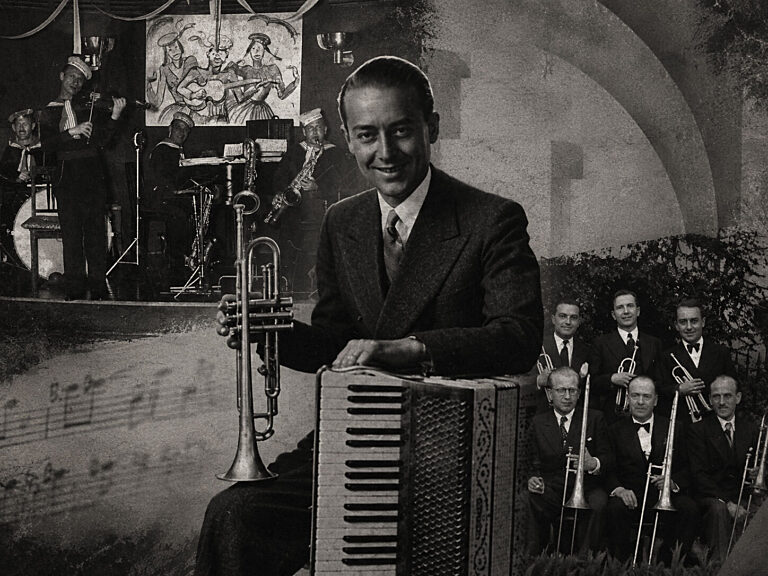
Stage fright meets medical research as performers, physicians and early beta-blocker studies reshape the debate over confidence, fairness and public performance.

By Thomas Stevens
Health Nerves Mental approach Solo playing Auditions
How and why I became a musician Member
No. 52 • 1985 Digitized

Part 3

How and why I became a musician

As cinema orchestras vanished and radio reshaped musical life, Edouard Gros learned that survival could mean changing instruments, cities and expectations.

By Edouard Gros

Professional life History Auditions Jazz
Loading…

Questions & Answers

How the Digital Edition works

What does the Digital Edition include?

The Digital Edition brings together the articles already digitized as searchable online texts—not simply as scans or PDF files—along with their original illustrations, notes, authorship, issue information, and available translations. Related-article suggestions currently include only this digitized material.

Are the digital articles identical to the originals?

We preserve the original text, language, illustrations, captions, footnotes, and editorial context as faithfully as possible. The presentation is adapted for comfortable online reading, and obvious transcription or scanning errors may be corrected. The substance and character of the published article remain unchanged.

Which languages are available?

Brass Bulletin was published in English, French, and German throughout its history. Italian and Spanish translations were added from issue No. 60 onward.

On the Italian and Spanish sites, articles from issues 1–59 are therefore shown in English by default.

How often are new articles added?

New articles are added almost daily, with approximately one complete issue digitized each week. The pace may vary depending on the preparation, image work, and editorial checking required.

Why aren’t all articles available digitally?

The complete Brass Bulletin collection contains 1,246 articles published between 1971 and 2003. The full index is already available online, allowing readers to discover every article in the collection, including those whose complete text has not yet been digitized.

Digitization began in February 2026. Each article is carefully prepared for online reading, checked, and connected to its issue, authors, subjects, and illustrations. At the current pace of digitization, the complete collection is expected to be available online by February 2028.

Why do some references mention articles that are not available yet?

References in the original articles are preserved even when the material they point to has not yet been digitized. This keeps the historical and editorial record intact. As more issues are added to the Digital Edition, an increasing number of these references will lead to articles that can be read online.

Can I suggest an article or report a transcription error?

Yes. If there is an article you would particularly like to see digitized, or if you notice a possible transcription error or missing detail, please contact us. Reader feedback helps us improve the Digital Edition and prioritize useful connections within the archive.

How can I support Brass Bulletin?

Your support helps fund the preparation, verification, and online publication of the complete collection.

Subscribe to the Digital Edition

Prefer to support us without subscribing?

Make a donation

How is the digitization progressing?

We’re gradually making the Brass Bulletin available online, article by article. You can read newly digitized articles as soon as they’re ready, even before an entire issue is complete.

Visit our Digitization Roadmap to browse recent additions and see estimated availability for upcoming issues. These estimates follow our recent pace and may change.

Search Brass Bulletin.