Discoveries for brass players, once a month. Join our free newsletter →

3 min. read

This article is for subscribers.

A New Job¹
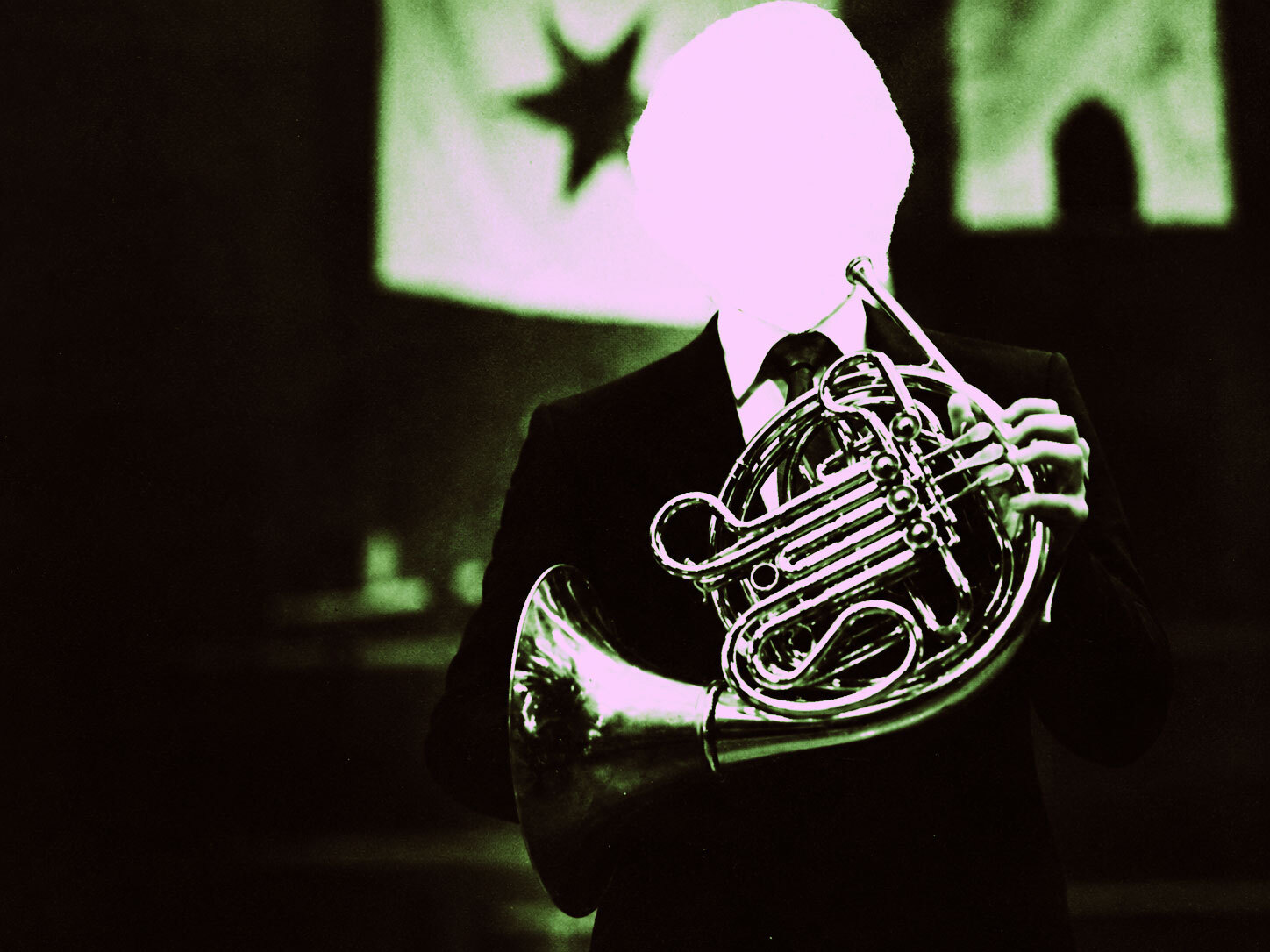
A professional horn player faces a late chance to change course, as routine, ambition and the unnerving reality of an orchestral audition collide.
A New Job¹

Pierre had got up a lot earlier than usual. Standing in front of the bathroom mirror, his eyes still puffy with sleep, he made a worried examination of his face as he skilfully drew the razor over his stretched skin. Today the worry that had gnawed at him ever since he had applied for the job of 1st horn at the philharmonic orchestra in the capital city had reached its peak.

Once again he ran through everything: set off in plenty of time, find a place to park, don’t be overawed by the other candidates. Make a show. Hold out. He smiled to himself.

Are you crazy to go and compete with all those kids who have nothing to lose?

After he finished studying, Pierre had got the 2nd horn job, which he still held, in this little provincial orchestra. As the years passed, he acquired the skill and experience of a real orchestral musician but eventually he got bored and, although he got on with his colleagues, he felt no friendship towards them. It was ‘‘Hi’’, ‘‘Hello’’, sometimes an exchange of banalities, and everyone played his own part.

It is true that in some other orchestral sections the players were friends. Pierre often thought of this with envy. He knew that in such cases people who played the same instrument met between duty sessions to match their style, work on intonation, polish tricky passages or play chamber music just for pleasure.

There was nothing like that in his present situation. Total boredom. He had not realised the mediocrity of this situation immediately because he had met Jacqueline; they had had several marvellous years together and had three splendid children. They had a flat in a residential part of town. His salary, together with the jobs he did on the side and a few lessons, enabled them to live comfortably. And the years passed…

This article is for subscribers.

CHF 5.00 per month · Cancel auto-renewal anytime.

Enjoy unlimited access to all digitized Brass Bulletin articles.

Brass Bulletin 51, III / 1985 pages 59–61

All content is protected by copyright © Brass Bulletin 1985–2026

Share this article

Facebook LinkedIn
Loading…

Questions & Answers

How the Digital Edition works

What does the Digital Edition include?

The Digital Edition brings together the articles already digitized as searchable online texts—not simply as scans or PDF files—along with their original illustrations, notes, authorship, issue information, and available translations. Related-article suggestions currently include only this digitized material.

Are the digital articles identical to the originals?

We preserve the original text, language, illustrations, captions, footnotes, and editorial context as faithfully as possible. The presentation is adapted for comfortable online reading, and obvious transcription or scanning errors may be corrected. The substance and character of the published article remain unchanged.

Which languages are available?

Brass Bulletin was published in English, French, and German throughout its history. Italian and Spanish translations were added from issue No. 60 onward.

On the Italian and Spanish sites, articles from issues 1–59 are therefore shown in English by default.

How often are new articles added?

New articles are added almost daily, with approximately one complete issue digitized each week. The pace may vary depending on the preparation, image work, and editorial checking required.

Why aren’t all articles available digitally?

The complete Brass Bulletin collection contains 1,246 articles published between 1971 and 2003. The full index is already available online, allowing readers to discover every article in the collection, including those whose complete text has not yet been digitized.

Digitization began in February 2026. Each article is carefully prepared for online reading, checked, and connected to its issue, authors, subjects, and illustrations. At the current pace of digitization, the complete collection is expected to be available online by February 2028.

Why do some references mention articles that are not available yet?

References in the original articles are preserved even when the material they point to has not yet been digitized. This keeps the historical and editorial record intact. As more issues are added to the Digital Edition, an increasing number of these references will lead to articles that can be read online.

Can I suggest an article or report a transcription error?

Yes. If there is an article you would particularly like to see digitized, or if you notice a possible transcription error or missing detail, please contact us. Reader feedback helps us improve the Digital Edition and prioritize useful connections within the archive.

How can I support Brass Bulletin?

Your support helps fund the preparation, verification, and online publication of the complete collection.

Subscribe to the Digital Edition

Prefer to support us without subscribing?

Make a donation

How is the digitization progressing?

We’re gradually making the Brass Bulletin available online, article by article. You can read newly digitized articles as soon as they’re ready, even before an entire issue is complete.

Visit our Digitization Roadmap to browse recent additions and see estimated availability for upcoming issues. These estimates follow our recent pace and may change.

Search Brass Bulletin.