Explore institutional access →

Professional Life

77 articles available online

Free
No. 23 • 1978 Digitized

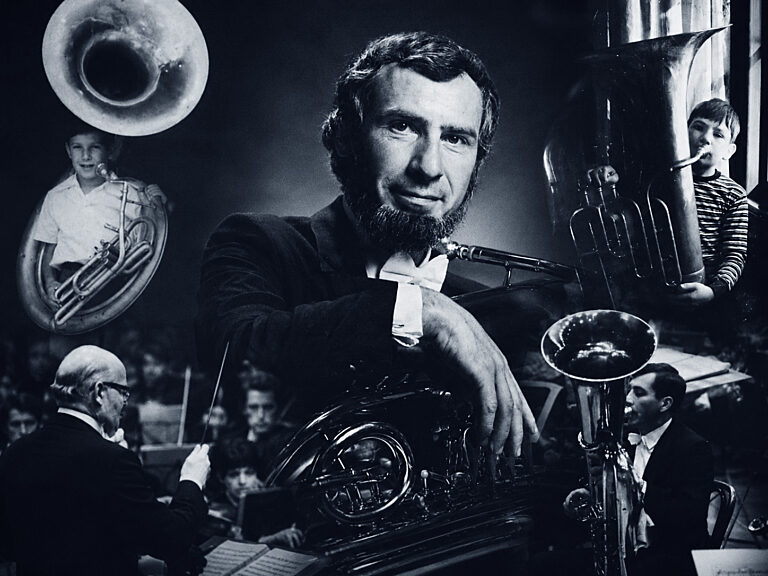
Symphonic tuba playing

A warning from the orchestra: Lewis Waldeck challenges modern tuba playing—calling for a return from solo brilliance to the dark, blended power of true symphonic sound.

By Lewis Waldeck
Technique Repertoire Sound Interpretation Orchestral playing
Arnold Jacobs Member
No. 33 • 1981 Digitized

Part 1

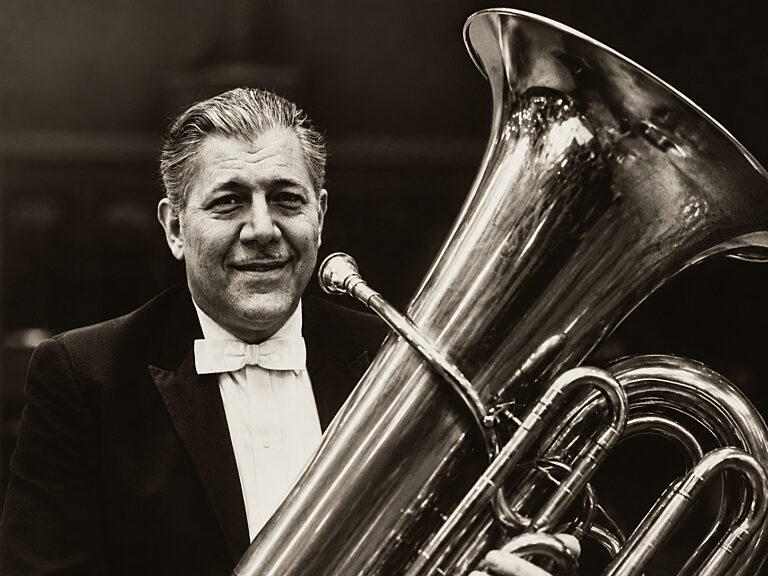
Arnold Jacobs

Interview

Two tuba giants meet in 1979 Chicago, where Arnold Jacobs turns technique, sound, orchestral life and pedagogy into a lasting musical ethic.

By Roger Bobo
Encounters Teaching Interpretation Sound Orchestral playing
How and why I became a musician Member
No. 54 • 1986 Digitized

Part 5

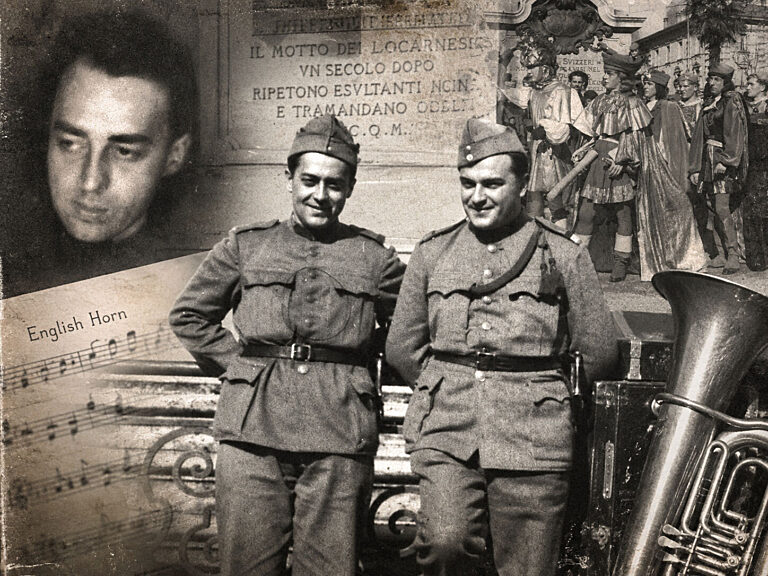
How and why I became a musician

In wartime Switzerland, a military assignment, a conductor's confusion and an abandoned instrument unexpectedly changed the course of Edouard Gros's musical career.

By Edouard Gros
Professional life Orchestral playing
Viktor Venglowski Free
No. 34 • 1981 Digitized

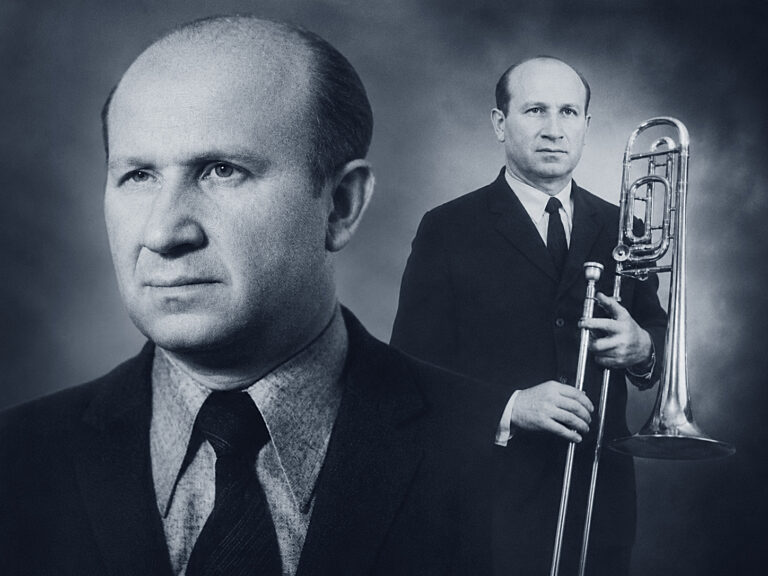
Viktor Venglowski

Musician and Teacher

From the Leningrad Philharmonic to the Conservatoire, one trombonist shaped repertoire, ensembles and generations of players across the Soviet Union.

By Sergej Gorovoj
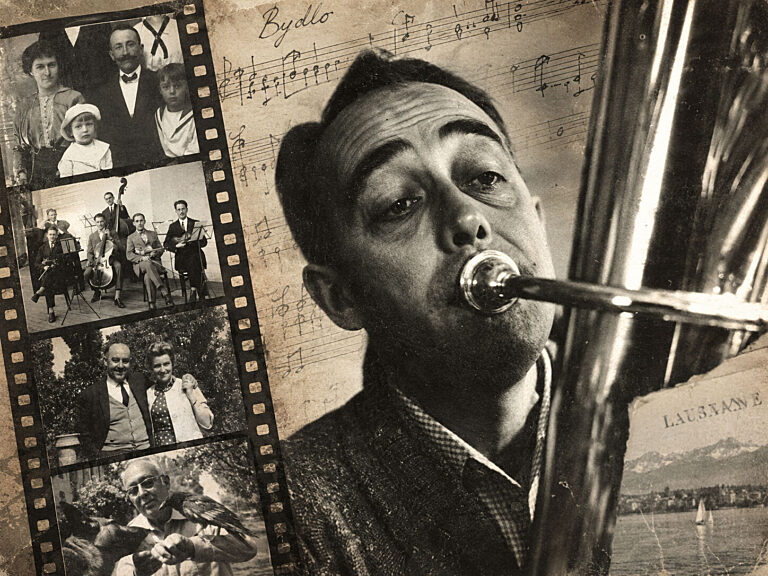
Encounters Teaching Russian school Orchestral playing Brass Ensemble
How and why I became a musician Member
No. 53 • 1986 Digitized

Part 4

How and why I became a musician

In Geneva on the eve of war, Edouard Gros navigates Ansermet’s demanding orchestra, summer trumpet engagements and the sudden upheaval of military mobilisation.

By Edouard Gros

Professional life History Orchestral playing Freelance
Editorial Free
No. 42 • 1983 Digitized

Editorial

One magazine disappeared as another opened its pages, turning economic necessity into a rare act of editorial solidarity that reshaped the brass press.

By Jean-Pierre Mathez
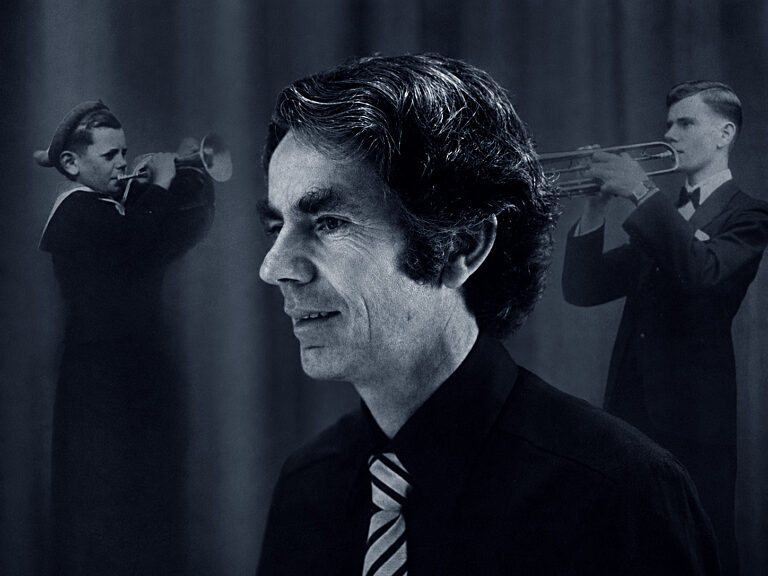
Society Professional life Sociology Ideas Freelance
Philip Jones Member
No. 27 • 1979 Digitized

Philip Jones

Interview

From South London bands to the Philharmonia, Philip Jones recalls his musical upbringing, orchestral life and the rise of brass ensembles in post-war Britain.

By Jean-Pierre Mathez
Encounters Repertoire Brass Ensemble Orchestral playing
Tell it the way it is: Free
No. 22 • 1978 Digitized

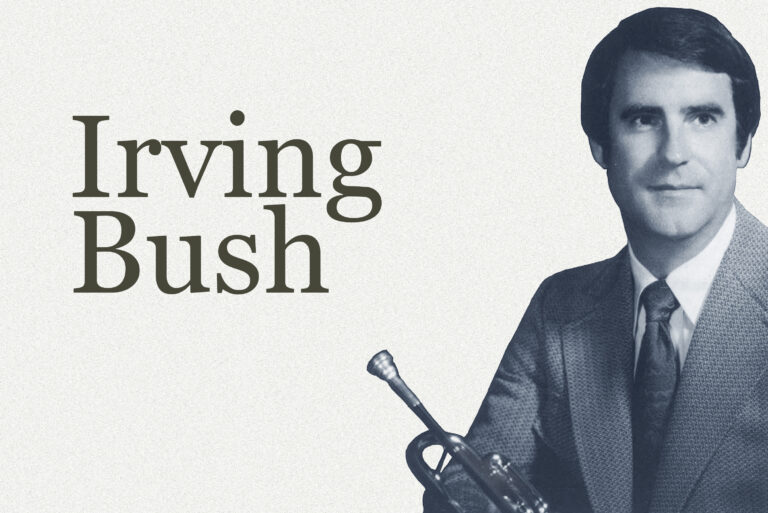
Tell it the way it is:

A viewpoint of professional trumpet playing in the United States

A brutal reality check: Irving Bush exposes the gap between musical dreams and professional truth—revealing the harsh economics behind a career in trumpet playing.

By Irving Bush
Professional life Report Freelance Auditions American school
A woman trombonist, Yvelise Girard Free
No. 29 • 1980 Digitized

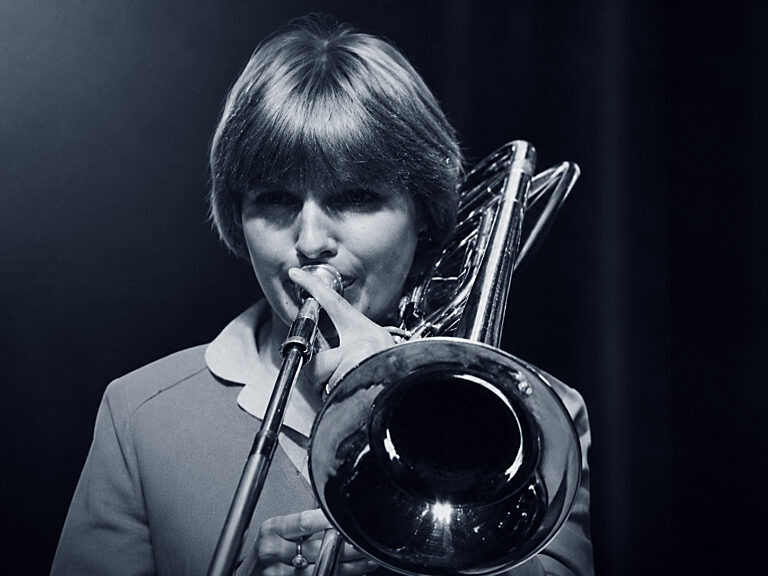
A woman trombonist, Yvelise Girard

Women and Brass

From Paris conservatories to police bands, a young trombonist confronts isolation, scrutiny and ambition as women slowly enter the brass world.

By Jean Douay

Society Professional life Sociology Auditions Orchestral playing
Free
No. 37 • 1982 Digitized

The Annual Competitions of the Paris Conservatoire

From commissioned works to jury voting, a long-standing examination tradition reveals how brass players progressed through the Paris Conservatoire.

By Benny Sluchin
Competition Teaching French school Contemporary Music Solo playing
1981 Geneva International Competition Free
No. 37 • 1982 Digitized

1981 Geneva International Competition

Readers Letters

Philip Jones responds to the Geneva 1981 debate, arguing for fairer jury decisions, balanced repertoire, and the enduring value of international trumpet competitions.

By Philip Jones
Competition Solo playing Contemporary Music Endurance
The trombone in Maurice Ravel's Bolero Member
No. 13 • 1976 Digitized

Part 1

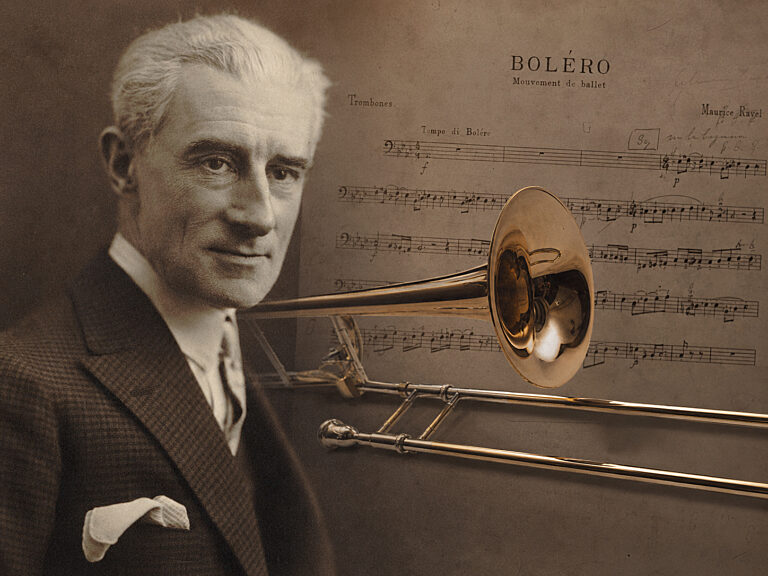
The trombone in Maurice Ravel's Bolero

How should Boléro’s trombone solo be played? After 100 performances, Jean Douay challenges conventions and argues for a more supple, controlled approach.

By Jean Douay

Repertoire Technique Interpretation Orchestral playing
Brass and Strings Member
No. 33 • 1981 Digitized

Brass and Strings

A note on personality types among musicians

Behind the formal discipline of the symphony orchestra, contrasting views of brass and string players reveal enduring questions about personality, class and musical culture.

By John Davies
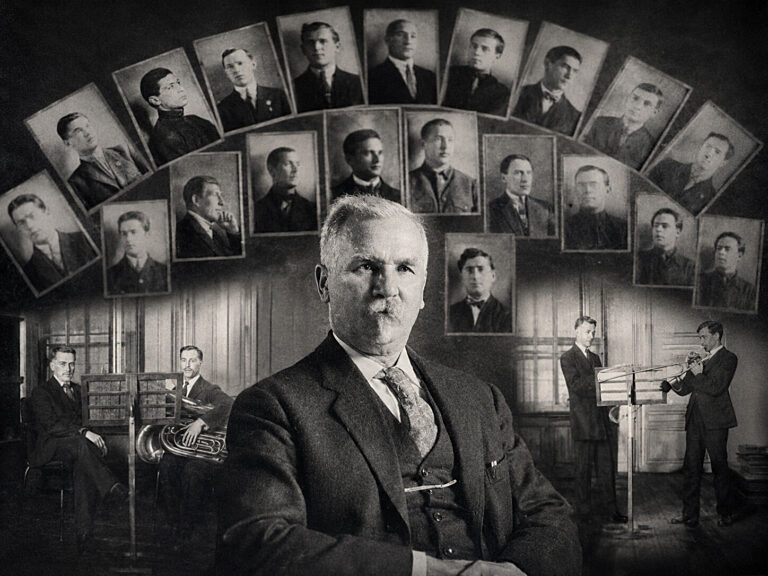
Society Professional life Sociology Orchestral playing Nerves
Pyotr Naumovich Volkov (1877-1933) Member
No. 37 • 1982 Digitized

Pyotr Naumovich Volkov (1877-1933)

First trombone professor at St. Petersburg Conservatory

From imperial St. Petersburg to Soviet Leningrad, Volkov shaped a distinctive Russian trombone tradition through performance, teaching and generations of pupils.

By Viktor Sumerkin
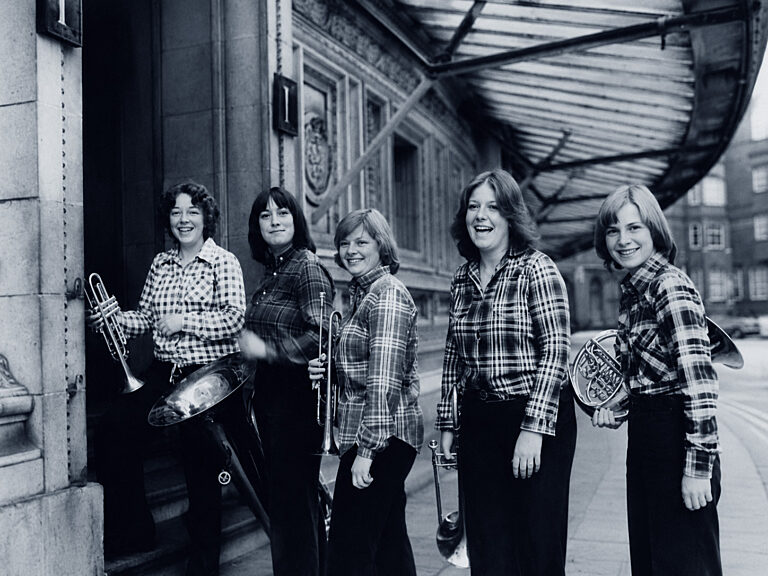
History Teaching Russian school Orchestral playing Sound
Women and Brass Free
No. 28 • 1979 Digitized

Women and Brass

Statements

Female brass players in British orchestras describe auditions, section dynamics and the pressure of proving themselves beyond musical ability.

By Jean-Pierre Mathez

Society Professional life Sociology Orchestral playing
300 Years of the Horn Member
No. 32 • 1980 Digitized

Part 2

300 Years of the Horn

in the Dresden Court Orchestra

From Dresden’s court musicians to Hampel’s hand-horn technique, virtuoso players and court repertoire shaped a decisive shift in horn playing and orchestral writing.

By Peter Damm

History Equipment Historical instruments Orchestral playing Range
No. 93 • 1996 Awaiting digitization

Being a Concert Trombone

By Ronald Barron

Professional life Solo playing
No. 71 • 1990 Awaiting digitization

Rules for the road

By Peter Damm

Health Orchestral playing
Cleveland Orchestra Audition in 1966 Free
No. 31 • 1980 Digitized

Cleveland Orchestra Audition in 1966

George Szell’s demanding 1966 audition process unfolds through orchestral excerpts, dynamic extremes and the search for absolute ensemble precision.

By Ronald T. Bishop
Encounters Professional life Auditions Orchestral playing Intonation
Vladislav Mykhaylovich Blazhevich (1881-1942) Free
No. 38 • 1982 Digitized

Vladislav Mykhaylovich Blazhevich (1881-1942)

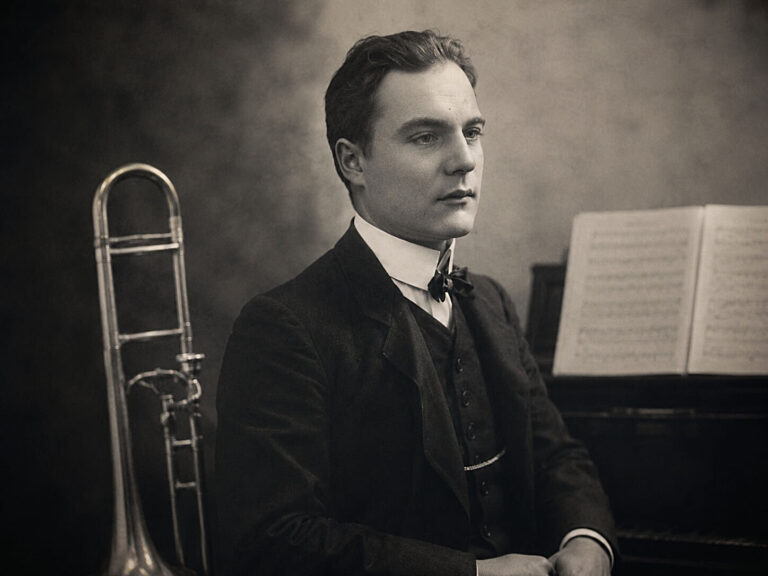
Trombonist, Composer and Teacher

From village band to the Moscow Conservatoire and the Bolshoi, a lifelong commitment to performance, teaching and wind music shaped Soviet trombone tradition.

By Viktor Sumerkin
History Teaching Russian school Orchestral playing Brass Ensemble
Harry James (1916-1983) Member
No. 45 • 1984 Digitized

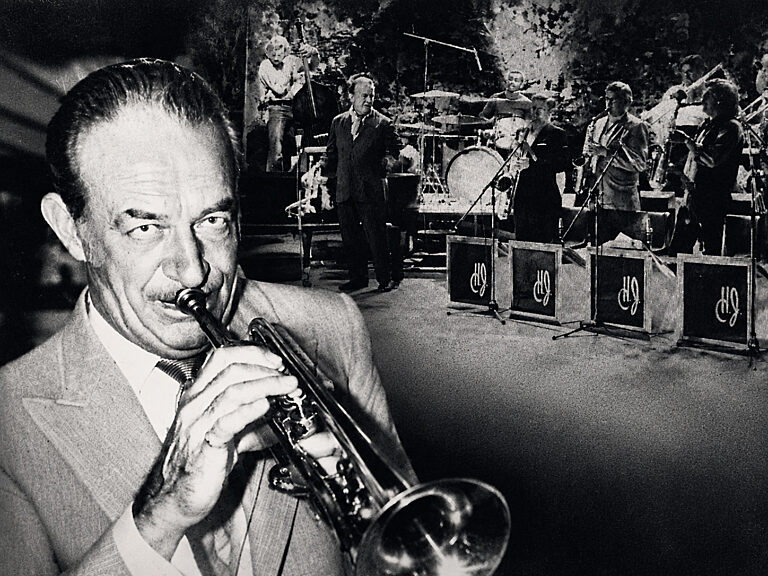
Harry James (1916-1983)

Young Man With A Horn

Harry James stood between jazz virtuosity and popular showmanship, turning the trumpet into a mass-audience voice without losing the respect of classical players.

By Michel Laplace
Encounters History Jazz Solo playing
International Trumpet Competition, Budapest 1984 Member
No. 48 • 1984 Digitized

Special Hungary

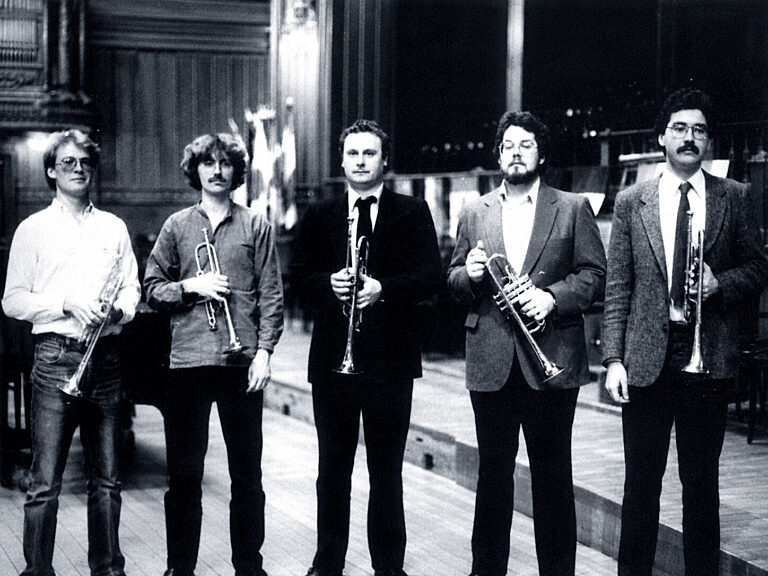
International Trumpet Competition, Budapest 1984

Budapest 1984 exposed a striking gap between technical brilliance and musical maturity, while three leading trumpeters challenged what competitions truly reward.

By Timofey Dokschidser, Philip Jones, Théo Mertens
Competition Interpretation Solo playing
Melvyn Poore Free
No. 46 • 1984 Digitized

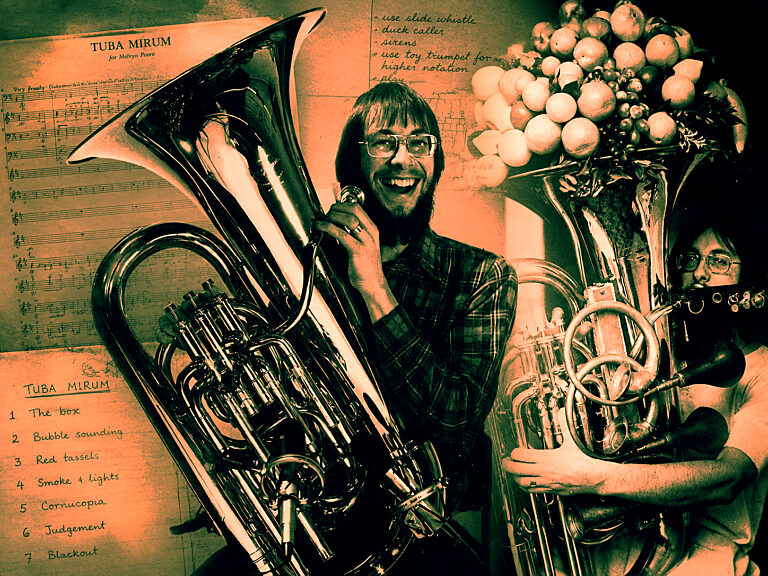
Melvyn Poore

Tuba britannica

A tuba becomes a laboratory for circular breathing, reeds, strange mutes and music theatre as Melvyn Poore pushes beyond the orchestral role assigned to it.

By Thomas Aitken
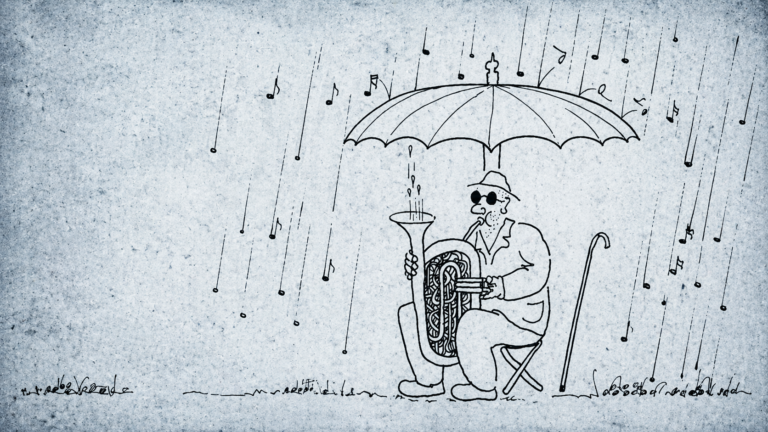
Encounters Contemporary Music Solo playing
A guide to commercial tuba playing in the Los Angeles area Free
No. 25 • 1979 Digitized

A guide to commercial tuba playing in the Los Angeles area

Hollywood reality check: Tommy Johnson reveals what it really takes to become a commercial tuba player in Los Angeles—skill, versatility… and patience.

By Tommy Johnson

Professional life Technique Freelance Jazz
Loading…

Questions & Answers

How the Digital Edition works

What does the Digital Edition include?

The Digital Edition brings together the articles already digitized as searchable online texts—not simply as scans or PDF files—along with their original illustrations, notes, authorship, issue information, and available translations. Related-article suggestions currently include only this digitized material.

Are the digital articles identical to the originals?

We preserve the original text, language, illustrations, captions, footnotes, and editorial context as faithfully as possible. The presentation is adapted for comfortable online reading, and obvious transcription or scanning errors may be corrected. The substance and character of the published article remain unchanged.

Which languages are available?

Brass Bulletin was published in English, French, and German throughout its history. Italian and Spanish translations were added from issue No. 60 onward.

On the Italian and Spanish sites, articles from issues 1–59 are therefore shown in English by default.

How often are new articles added?

New articles are added almost daily, with approximately one complete issue digitized each week. The pace may vary depending on the preparation, image work, and editorial checking required.

Why aren’t all articles available digitally?

The complete Brass Bulletin collection contains 1,246 articles published between 1971 and 2003. The full index is already available online, allowing readers to discover every article in the collection, including those whose complete text has not yet been digitized.

Digitization began in February 2026. Each article is carefully prepared for online reading, checked, and connected to its issue, authors, subjects, and illustrations. At the current pace of digitization, the complete collection is expected to be available online by February 2028.

Why do some references mention articles that are not available yet?

References in the original articles are preserved even when the material they point to has not yet been digitized. This keeps the historical and editorial record intact. As more issues are added to the Digital Edition, an increasing number of these references will lead to articles that can be read online.

Can I suggest an article or report a transcription error?

Yes. If there is an article you would particularly like to see digitized, or if you notice a possible transcription error or missing detail, please contact us. Reader feedback helps us improve the Digital Edition and prioritize useful connections within the archive.

How can I support Brass Bulletin?

Your support helps fund the preparation, verification, and online publication of the complete collection.

Subscribe to the Digital Edition

Prefer to support us without subscribing?

Make a donation

How is the digitization progressing?

We’re gradually making the Brass Bulletin available online, article by article. You can read newly digitized articles as soon as they’re ready, even before an entire issue is complete.

Visit our Digitization Roadmap to browse recent additions and see estimated availability for upcoming issues. These estimates follow our recent pace and may change.

Search Brass Bulletin.