Explore institutional access →

Interpretation

55 articles available online
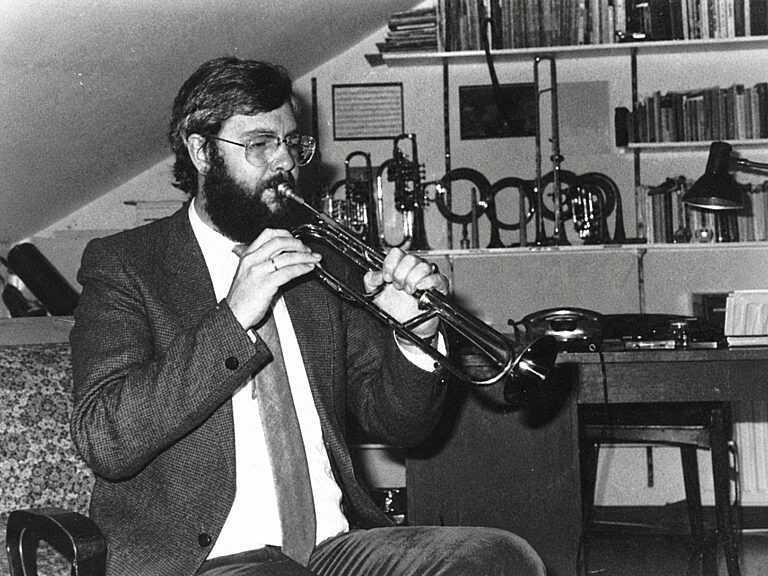
Natural trumpets, basic techniques Member
No. 51 • 1985 Digitized

Natural trumpets, basic techniques

Natural trumpet playing demands more than historical equipment: Friedemann Immer sets modern technique against Baroque sound, articulation, style and authenticity.

By Friedemann Immer
Technique Equipment Articulation Interpretation Historical instruments
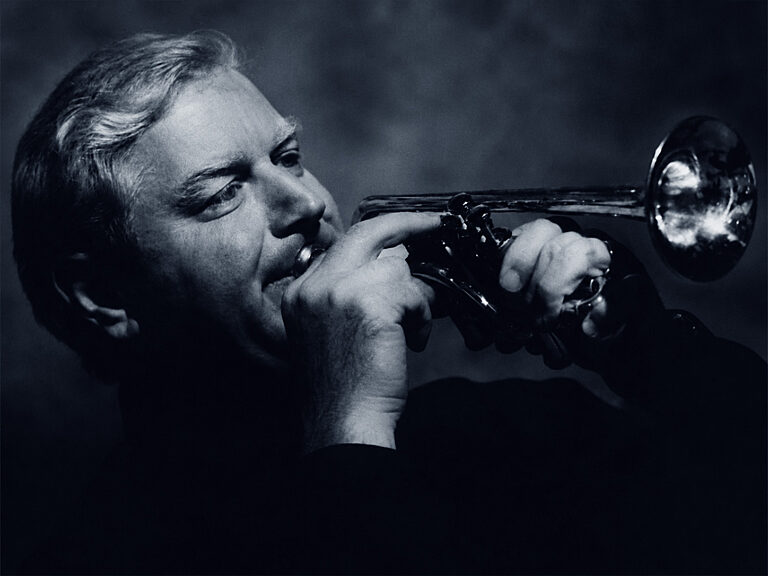
ASA-Method, ASA-Technic Free
No. 37 • 1982 Digitized

ASA-Method, ASA-Technic

Virtuosity grows from disciplined work on scales, articulation and reading, arguing that consistent fundamentals matter more than chasing the upper register.

By Rolf Quinque
Technique Teaching Range Mental approach Interpretation
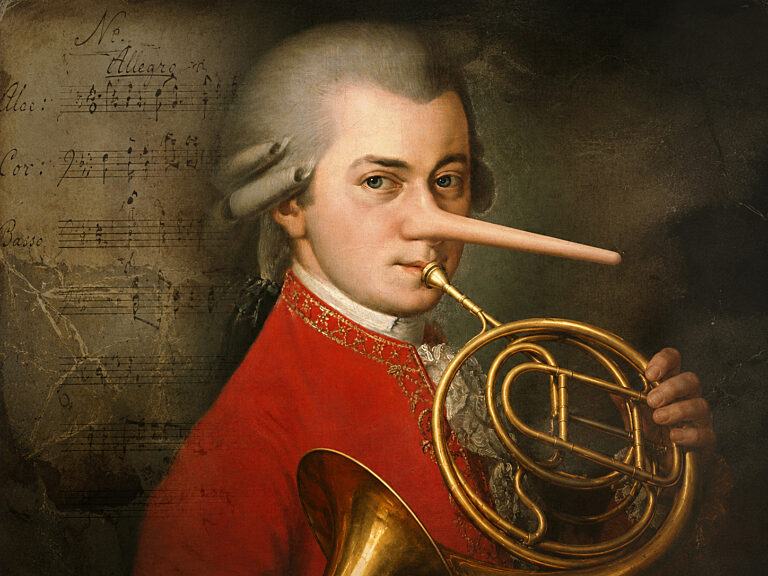
Why pretend to be Mozart? Free
No. 14 • 1976 Digitized

Why pretend to be Mozart?

Reply to Bernhard Krol

Should a cadenza imitate Mozart? Peter Damm argues for stylistic fidelity without imitation—at the heart of a debate with Bernhard Krol.

By Peter Damm
Repertoire Interpretation Ornaments Ideas
John Fletcher Member
No. 47 • 1984 Digitized

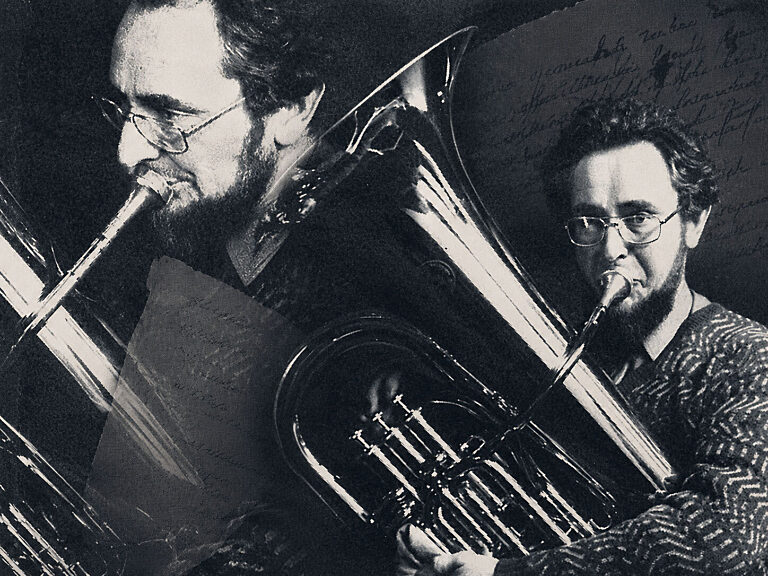
John Fletcher

Is Big Always Beautiful?

As brass instruments grew larger and louder, John Fletcher saw something being lost: the individual voice, clarity and character that make a player heard.

By Thomas Aitken

Encounters Sound Interpretation
Free
No. 23 • 1978 Digitized

Symphonic tuba playing

A warning from the orchestra: Lewis Waldeck challenges modern tuba playing—calling for a return from solo brilliance to the dark, blended power of true symphonic sound.

By Lewis Waldeck
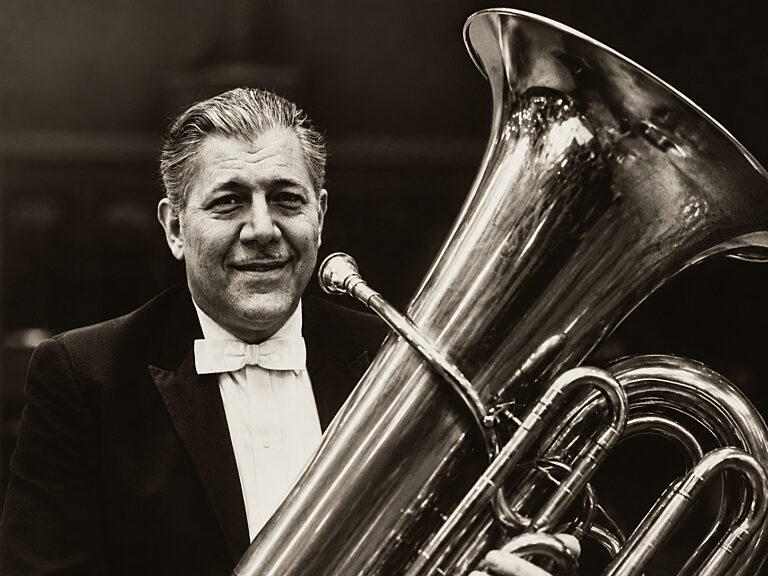
Technique Repertoire Sound Interpretation Orchestral playing
Arnold Jacobs Member
No. 33 • 1981 Digitized

Part 1

Arnold Jacobs

Interview

Two tuba giants meet in 1979 Chicago, where Arnold Jacobs turns technique, sound, orchestral life and pedagogy into a lasting musical ethic.

By Roger Bobo

Encounters Teaching Interpretation Sound Orchestral playing
Dynamics in the 80's Member
No. 29 • 1980 Digitized

Dynamics in the 80's

From Reykjavik to the Hollywood Bowl, rising concert hall scale and amplified culture reshape orchestral sound, leaving acoustic limits exposed.

By Roger Bobo
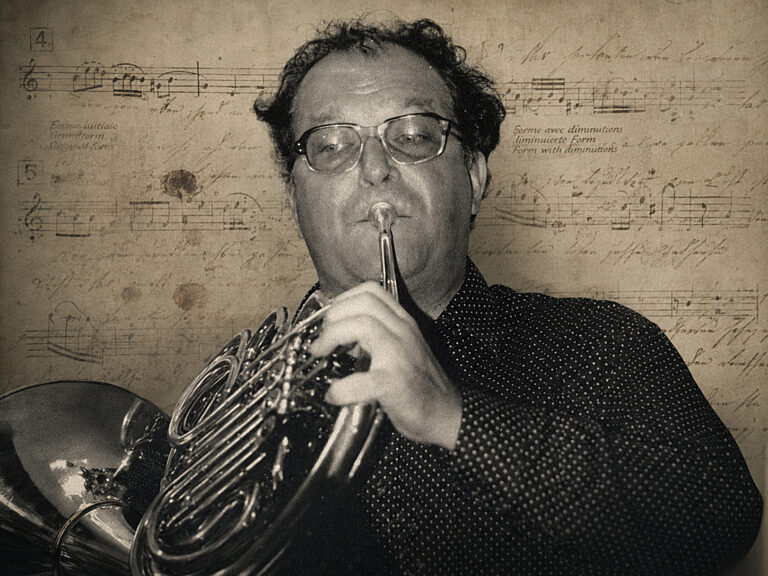
Acoustics Society Sound Interpretation Sociology
Ornaments in 18th-century Horn Concertos? Member
No. 43 • 1983 Digitized

Part 2

Ornaments in 18th-century Horn Concertos?

Essential ornaments

Natural horn technique left little room for excess: Peter Damm sets 18th-century ornamentation against the practical limits of range, style and notation.

By Peter Damm
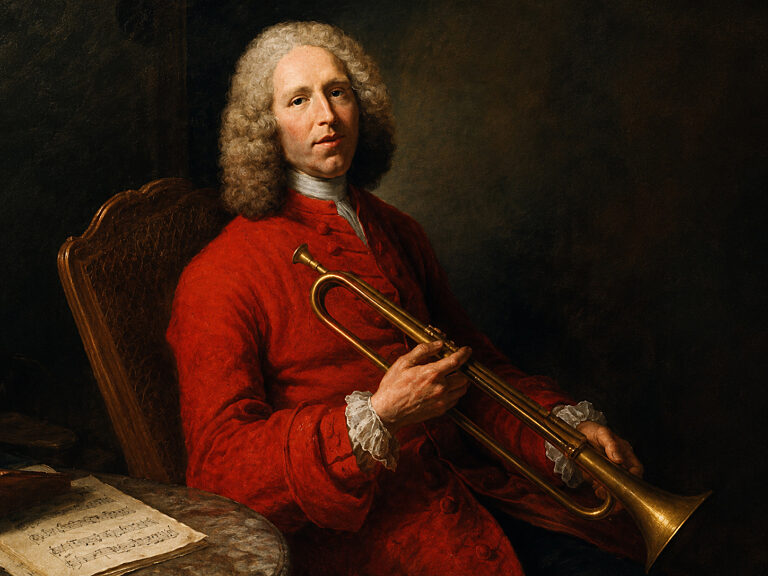
Repertoire History Ornaments Interpretation Articulation
The Trumpet in the Works of Jean-Philippe Rameau Free
No. 35 • 1981 Digitized

The Trumpet in the Works of Jean-Philippe Rameau

From court entertainments to operatic dances, Rameau’s trumpet writing reveals uncommon technical demands and a broader palette of Baroque brass practice.

By Albert Hiller
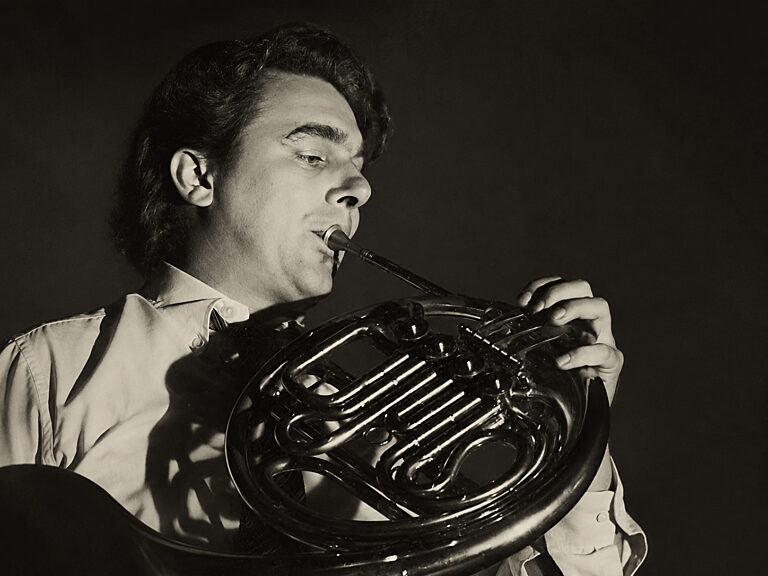
History Repertoire Historical instruments Interpretation
Which Horn for which Music? Free
No. 3 • 1972 Digitized

Which Horn for which Music?

Article discussing the choice of horn according to repertoire, comparing instruments, sound ideals and stylistic requirements.

By Hermann Baumann
Equipment Repertoire Historical instruments Sound Interpretation
The trombone in Maurice Ravel's Bolero Member
No. 13 • 1976 Digitized

Part 1

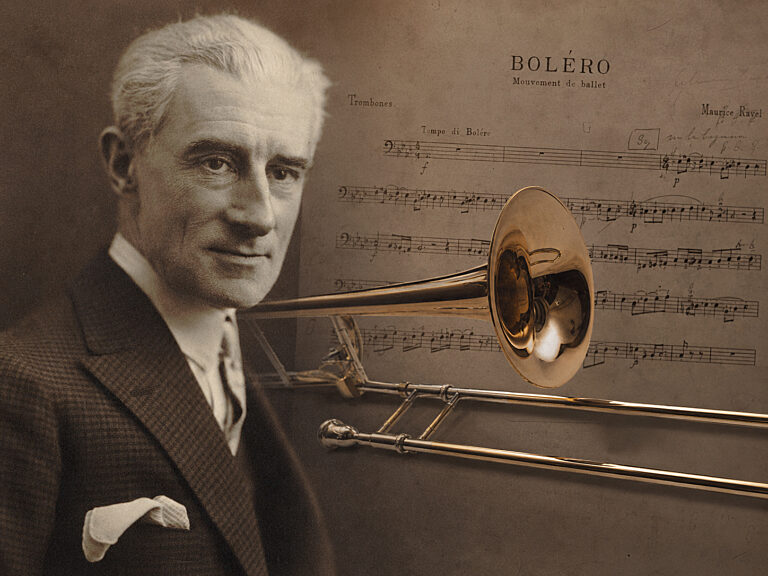
The trombone in Maurice Ravel's Bolero

How should Boléro’s trombone solo be played? After 100 performances, Jean Douay challenges conventions and argues for a more supple, controlled approach.

By Jean Douay
Repertoire Technique Interpretation Orchestral playing
The Trombone in the Sacred Works of W. A. Mozart Free
No. 46 • 1984 Digitized

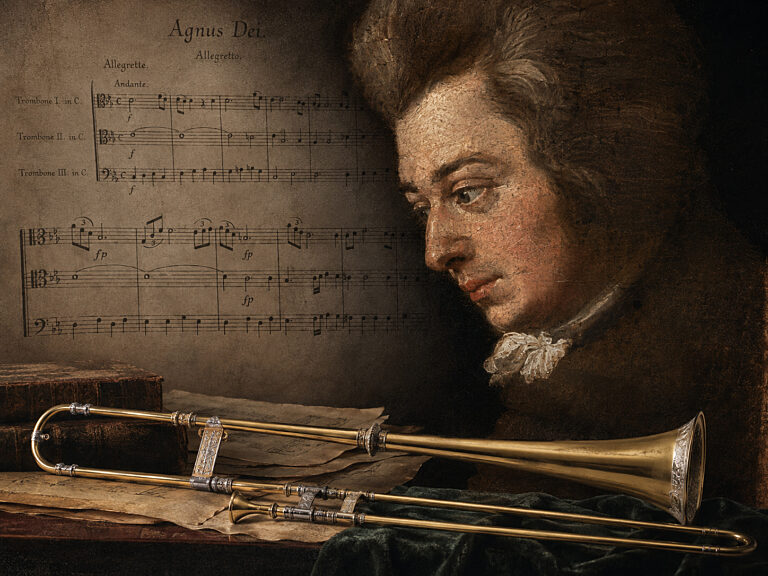
The Trombone in the Sacred Works of W. A. Mozart

In Mozart’s sacred music, the trombone moved beyond choral reinforcement to striking solo roles that preserve the sound and practice of eighteenth-century Salzburg.

By Benny Sluchin
Repertoire History Interpretation
The trombone in Belgium Free
No. 5 • 1973 Digitized

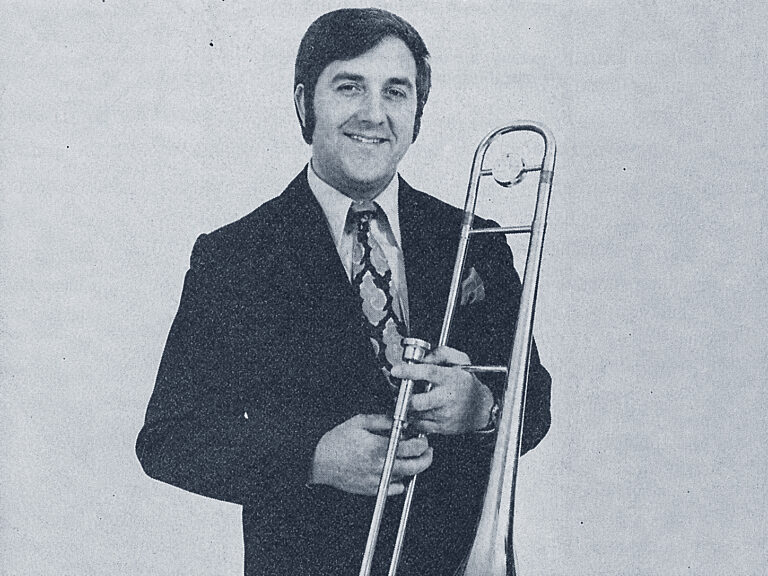
The trombone in Belgium

Published in memory of its author, this article reflects on the trombone tradition in Belgium and his lasting contribution.

By Albert Mertens
History Technique Equipment Historical instruments Valves Interpretation
Modern editions of original 17th-century brass ensemble music Member
No. 53 • 1986 Digitized

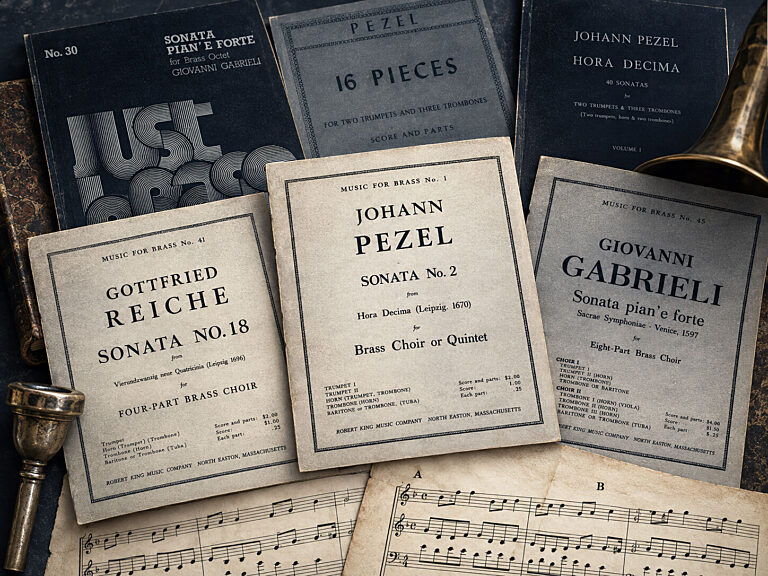
Modern editions of original 17th-century brass ensemble music

Seventeenth-century brass music regained its place in the repertoire, but modern editions often altered the original keys, instrumentation and balance between voices.

By Klaus Winkler
Repertoire Interpretation Brass Ensemble
Why pretend to be Mozart? Member
No. 12 • 1975 Digitized

Why pretend to be Mozart?

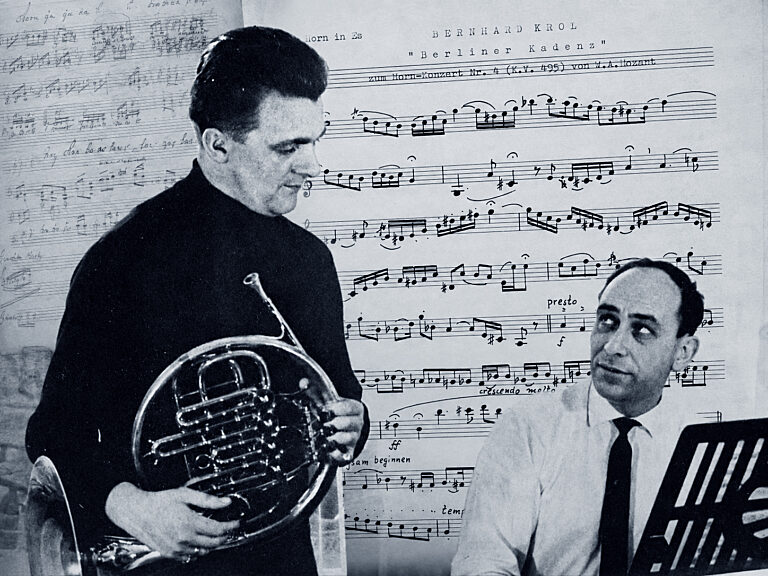
The concerto’s cadenza: copy of style — or bold but true?

Should a cadenza imitate the past—or speak in today’s voice? Bernhard Krol questions the tradition of stylistic imitation and argues for cadenzas that bridge past and present with authenticity.

By Bernhard Krol
Repertoire Ideas Interpretation
The alto trombone and contemporary concepts of trombone timbre Member
No. 28 • 1979 Digitized

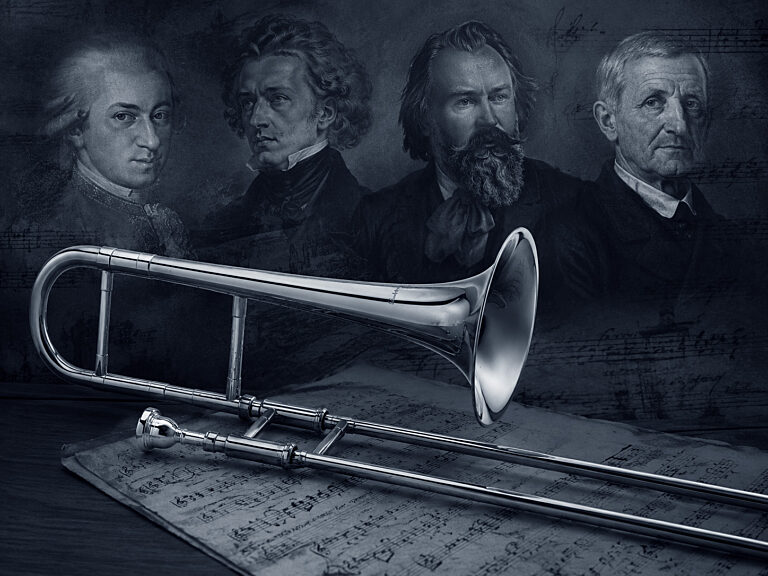
The alto trombone and contemporary concepts of trombone timbre

Alto trombone timbre from Vienna to Brahms, orchestral balance, period practice, and why bright brass sounds gradually disappeared.

By William E. Runyan
Repertoire Equipment Historical instruments Sound Interpretation
International Trumpet Competition, Budapest 1984 Member
No. 48 • 1984 Digitized

Special Hungary

International Trumpet Competition, Budapest 1984

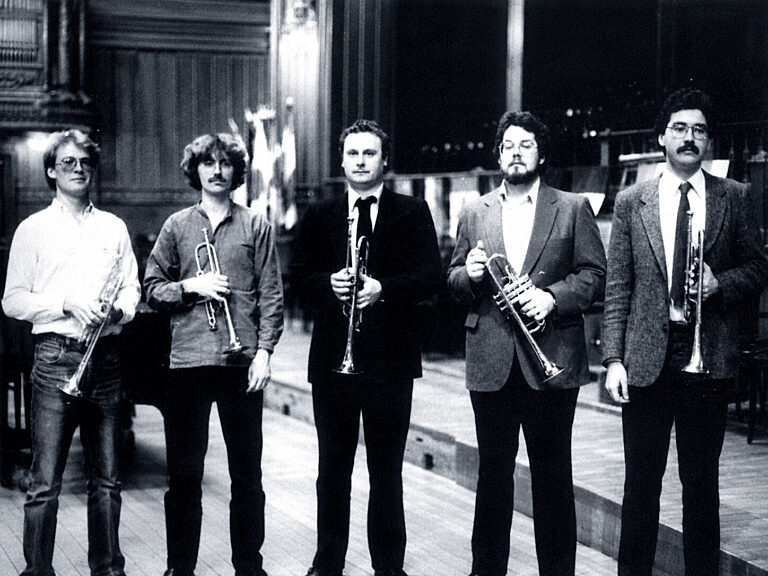
Budapest 1984 exposed a striking gap between technical brilliance and musical maturity, while three leading trumpeters challenged what competitions truly reward.

By Timofey Dokschidser, Philip Jones, Théo Mertens
Competition Interpretation Solo playing
The Leningrad School of Horn Playing Member
No. 27 • 1979 Digitized

The Leningrad School of Horn Playing

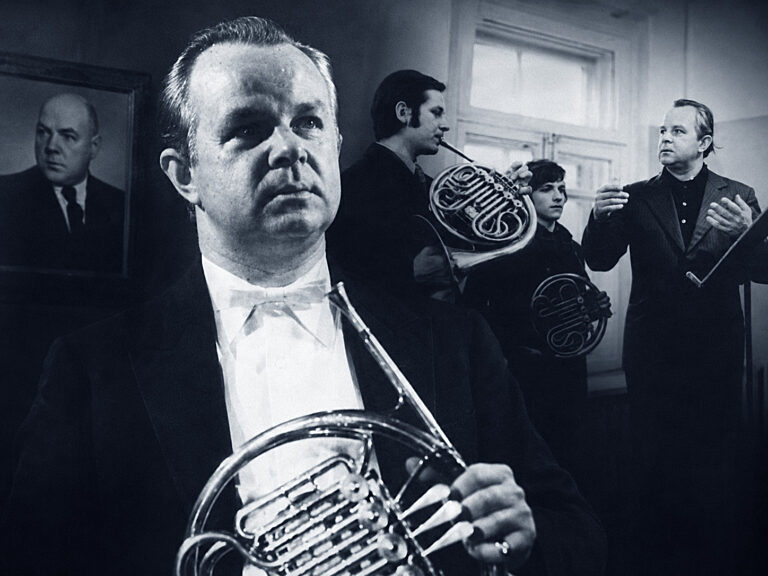
From St. Petersburg to the Soviet era, generations of horn players shaped a distinctive approach to sound, interpretation, and orchestral playing.

By Frøydis Ree Wekre
History Teaching Russian school Interpretation Sound
Sergey Nikolaevich Yeryomin (1903-1975) Free
No. 42 • 1983 Digitized

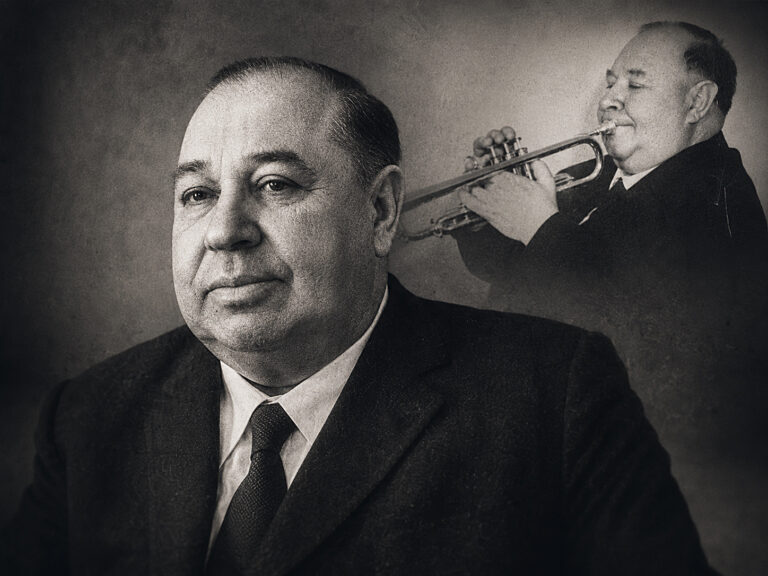
Sergey Nikolaevich Yeryomin (1903-1975)

The Distinguished Soviet Trumpeter and Teacher

Between Soviet military bands, the Bolshoi and the Moscow Conservatory, Yeryomin helped shape a trumpet tradition in which virtuosity remained a means, not an end.

By Yuri Usov
Encounters Teaching Russian school Orchestral playing Interpretation
The Haydn Trumpet Concerto Member
No. 37 • 1982 Digitized

Part 3

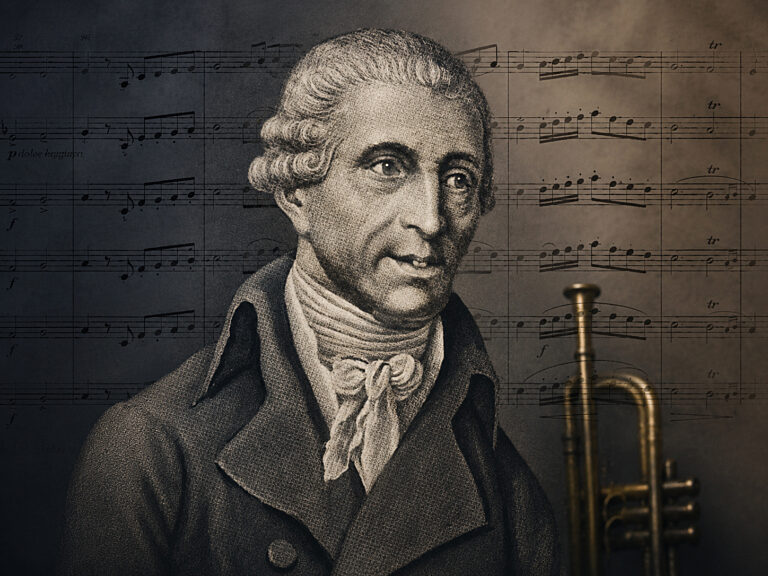
The Haydn Trumpet Concerto

Haydn’s trumpet concerto becomes a study of manuscript detail, performance choices, and the fragile ways listeners receive a familiar work.

By Alfred Willener

History Repertoire Society Interpretation Sociology Ideas Keyed trumpet
Relaxation and musical performance Free
No. 29 • 1980 Digitized

Relaxation and musical performance

Breath, fingers and muscular tension form a hidden technical chain in wind playing, as Michel Ricquier links virtuosity to bodily awareness.

By Michel Ricquier
Health Teaching Nerves Breathing Interpretation
Mikhail Innokentiévitch Tabakov (1877-1958) Member
No. 22 • 1978 Digitized

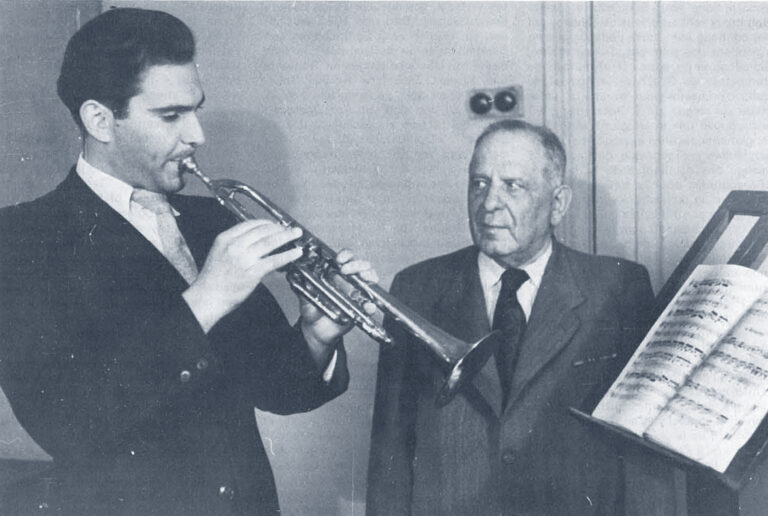
Mikhail Innokentiévitch Tabakov (1877-1958)

Founder of the Soviet trumpet school

A towering figure of trumpet history: Tabakov shaped generations—including the legendary Timofei Dokchitzer—and laid the foundations of the Soviet trumpet school.

By G. Orvid, S. Riaouzov

History Teaching Russian school Sound Interpretation
Editorial Free
No. 34 • 1981 Digitized

Editorial

Beyond technique and instruction, musical growth depends on trusted relationships, where friendship becomes both a measure of progress and a safeguard against isolation.

By Jean-Pierre Mathez

Teaching Society Ideas Interpretation
Editorial Free
No. 45 • 1984 Digitized

Editorial

Between disciplined practice and creative folly, musicianship emerges where scales and systems give way to imagination, instinct and the unsettling freedom to think.

By Jean-Pierre Mathez

Teaching Technique Mental approach Interpretation Ideas
Loading…

Questions & Answers

How the Digital Edition works

What does the Digital Edition include?

The Digital Edition brings together the articles already digitized as searchable online texts—not simply as scans or PDF files—along with their original illustrations, notes, authorship, issue information, and available translations. Related-article suggestions currently include only this digitized material.

Are the digital articles identical to the originals?

We preserve the original text, language, illustrations, captions, footnotes, and editorial context as faithfully as possible. The presentation is adapted for comfortable online reading, and obvious transcription or scanning errors may be corrected. The substance and character of the published article remain unchanged.

Which languages are available?

Brass Bulletin was published in English, French, and German throughout its history. Italian and Spanish translations were added from issue No. 60 onward.

On the Italian and Spanish sites, articles from issues 1–59 are therefore shown in English by default.

How often are new articles added?

New articles are added almost daily, with approximately one complete issue digitized each week. The pace may vary depending on the preparation, image work, and editorial checking required.

Why aren’t all articles available digitally?

The complete Brass Bulletin collection contains 1,246 articles published between 1971 and 2003. The full index is already available online, allowing readers to discover every article in the collection, including those whose complete text has not yet been digitized.

Digitization began in February 2026. Each article is carefully prepared for online reading, checked, and connected to its issue, authors, subjects, and illustrations. At the current pace of digitization, the complete collection is expected to be available online by February 2028.

Why do some references mention articles that are not available yet?

References in the original articles are preserved even when the material they point to has not yet been digitized. This keeps the historical and editorial record intact. As more issues are added to the Digital Edition, an increasing number of these references will lead to articles that can be read online.

Can I suggest an article or report a transcription error?

Yes. If there is an article you would particularly like to see digitized, or if you notice a possible transcription error or missing detail, please contact us. Reader feedback helps us improve the Digital Edition and prioritize useful connections within the archive.

How can I support Brass Bulletin?

Your support helps fund the preparation, verification, and online publication of the complete collection.

Subscribe to the Digital Edition

Prefer to support us without subscribing?

Make a donation

How is the digitization progressing?

We’re gradually making the Brass Bulletin available online, article by article. You can read newly digitized articles as soon as they’re ready, even before an entire issue is complete.

Visit our Digitization Roadmap to browse recent additions and see estimated availability for upcoming issues. These estimates follow our recent pace and may change.

Search Brass Bulletin.