10 min. read
The alto trombone and contemporary concepts of trombone timbre
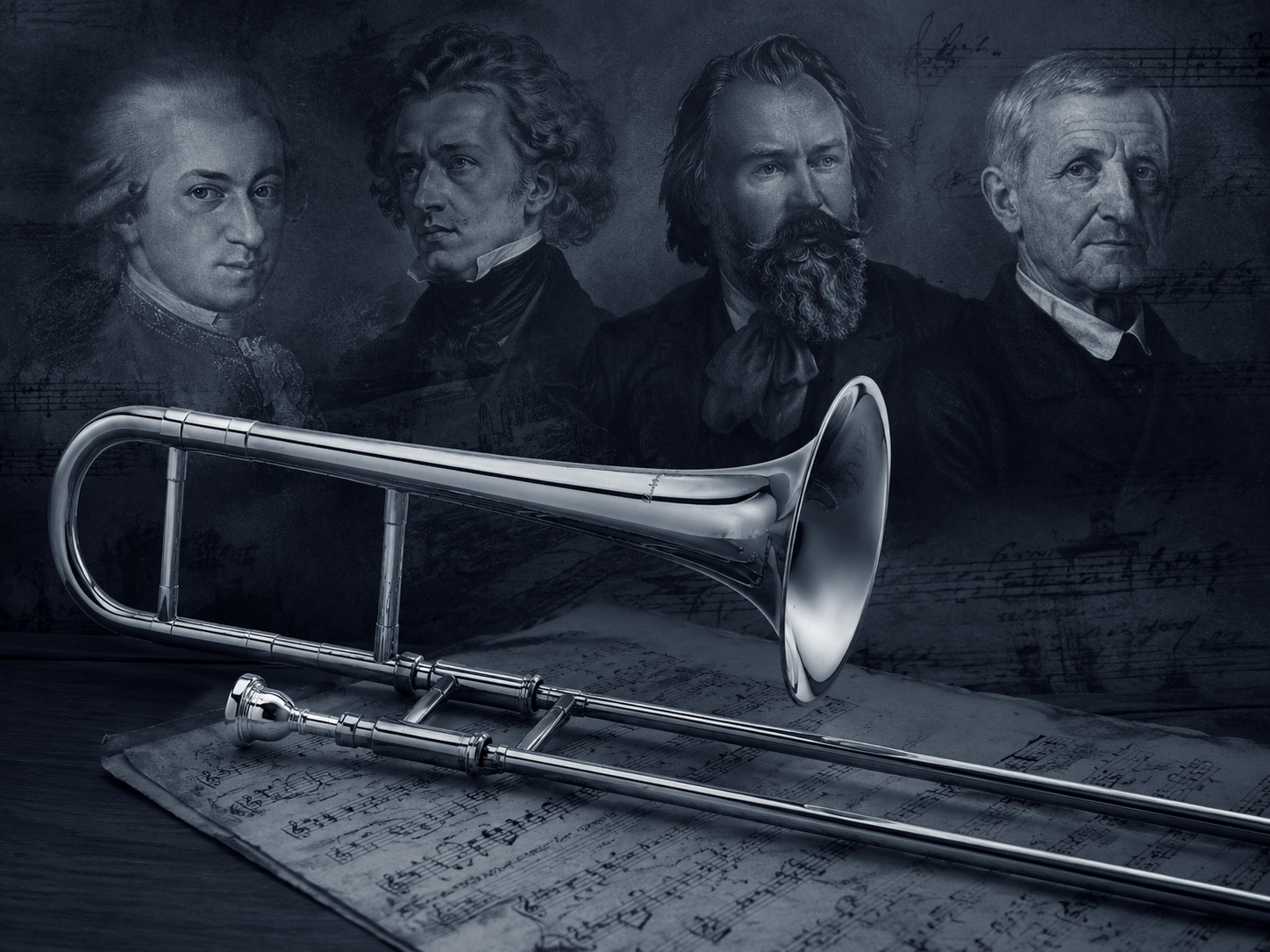
In recent years the alto trombone has enjoyed a limited revival, but hopes of its widespread acceptance remain dim unless existing prejudice and misunderstanding is overcome. The unique timbre of this instrument has much to offer and should be considered seriously by every conductor, trombone teacher, and advanced performer.
Since the Renaissance, the alto trombone has enjoyed a long and distinguished career as the functional soprano of the trombone family. (The true soprano trombone, sounding an octave higher than the tenor, never found widespread usage and was often described more theoretically than practically by contemporary writers¹). Throughout its history the alto trombone has been associated primarily with the German-speaking nations as well as those under the direct influence of German musical tastes².
Long after the Italians of the seventeenth century had discarded the trombone as a common instrument in serious composition, the alto, tenor, and bass trombones remained the standard trio supporting the cornett in German Turmsonaten. In the seventeenth and eighteenth centuries the masses and motets of such Viennese composers as Fux, Reutter, Ziani, and Caldara utilized trombones (including the alto) in imaginative and challenging ways. Rather than emphasizing the trombone as a harmonic sustainer in block chords (common in the later eighteenth and early nineteenth centuries), these compositions often gave trombonists opportunities to perform obbligato melodic lines.
Later in the eighteenth century, the sacred music of Haydn, Mozart, and others contained parts for the standard trombone trio—alto, tenor, and bass. In secular music the dramatic possibilities of this instrumentation were used to advantage in operas by Gluck and Mozart. This Germanic conception of the trombone trio remained a tradition well into the nineteenth century — from Beethoven's introduction of the trombone into the symphony orchestra until the symphonies of Brahms and Bruckner.
Brass Bulletin 28, IV / 1979 pages 43–50
All content is protected by copyright © Brass Bulletin 1979–2026