Explore institutional access →

Interpretation

55 articles available online
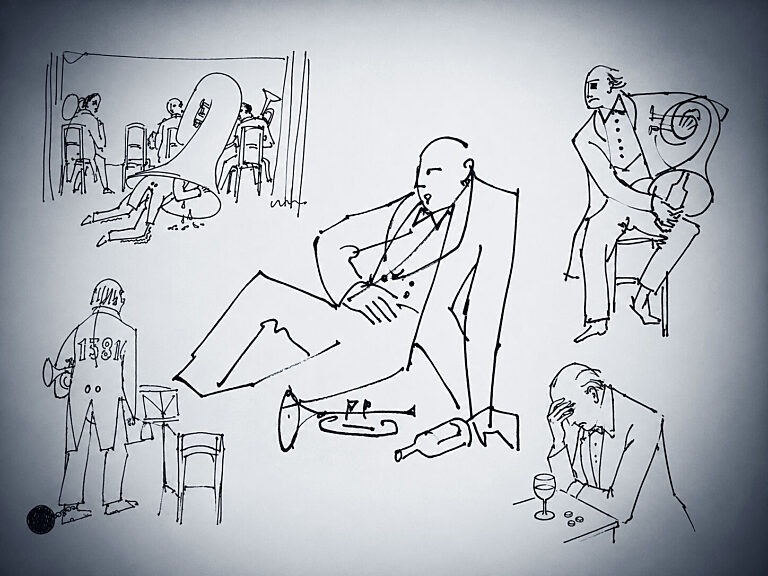
Nerves, Pills and Doping Member
No. 40 • 1982 Digitized

Nerves, Pills and Doping

Behind a debate once confined to musicians lies a wider shift in how performance anxiety, medication and professional responsibility began to be separated instead of confused.

By Christian Baechler
Health Nerves Mental approach Interpretation
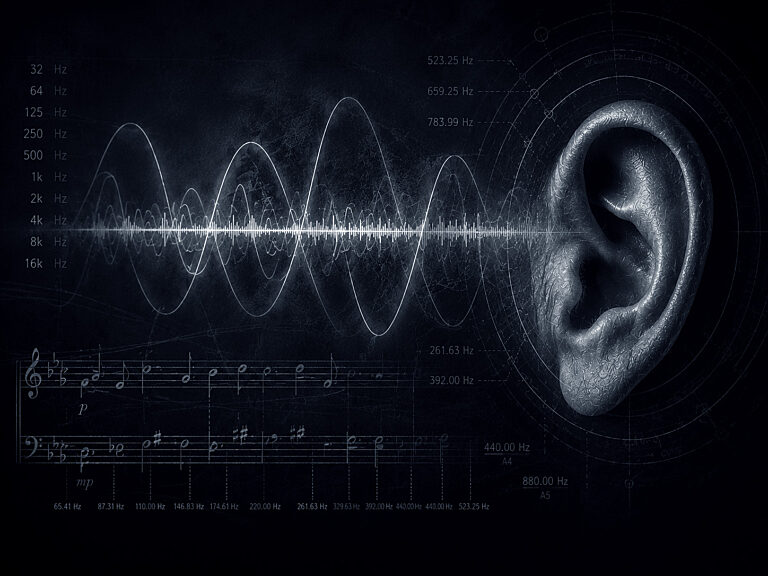
A study of musical intonation Member
No. 34 • 1981 Digitized

Part 3

A study of musical intonation

From wind quintets to brass sections, balance, overtones and perception shape intonation in ways that often diverge from measurable frequency.

By Christopher Leuba
Acoustics Teaching Intonation Sound Interpretation
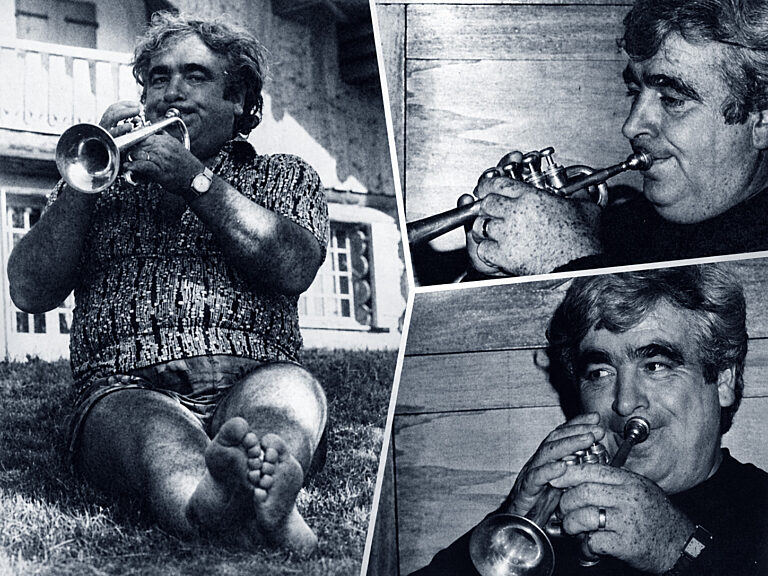
Maurice André Member
No. 26 • 1979 Digitized

Part 3

Maurice André

Biography

Maurice André reflects on maturity—balancing performance, recordings and teaching, refining his approach to instruments and audience, and preparing for the limits of a virtuoso career.

By Jean-Pierre Mathez

Encounters Solo playing Mental approach Interpretation
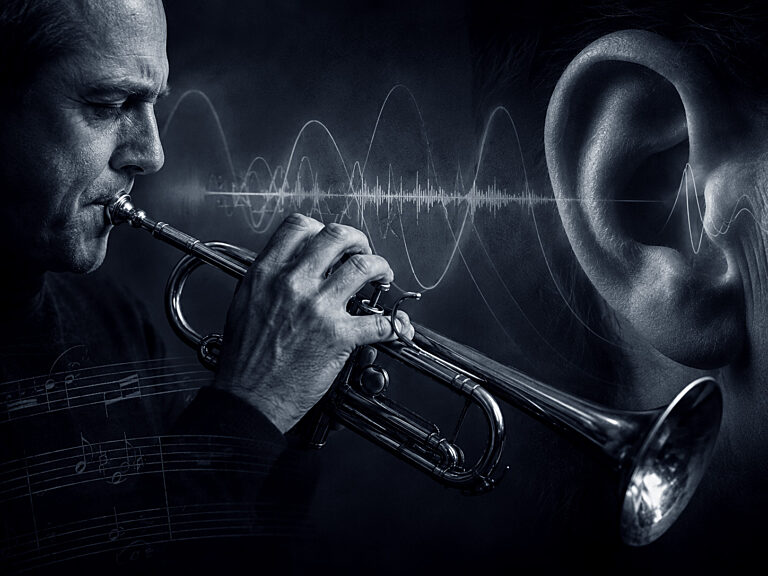
A study of musical intonation Member
No. 32 • 1980 Digitized

Part 1

A study of musical intonation

Resultant tones, harmonic series ratios and chord spacing challenge equal temperament, linking acoustics and practical ensemble intonation.

By Christopher Leuba
Acoustics Teaching Intonation Sound Interpretation
Editorial Free
No. 30 • 1980 Digitized

Editorial

So your trumpet plays in tune

Keyboard tuning, just intonation and string phrasing place brass players between conflicting pitch systems, as Thomas Stevens outlines practical compromises.

By Thomas Stevens

Acoustics Technique Intonation Interpretation
A study of musical intonation Member
No. 33 • 1981 Digitized

Part 2

A study of musical intonation

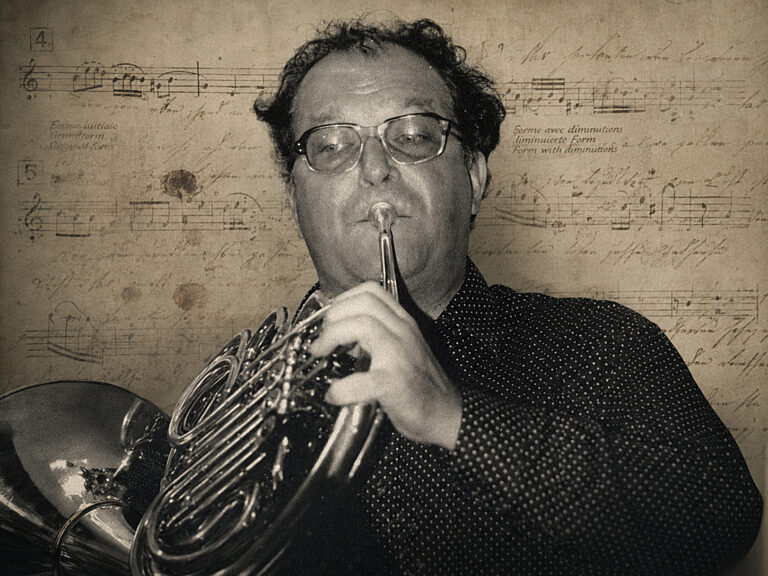
From harmonic-series tuning to valve-slide adjustments on the horn, practical listening and resonance become more reliable guides than equal temperament alone.

By Christopher Leuba
Acoustics Teaching Intonation Sound Interpretation
Ornaments in 18th-century Horn Concertos? Member
No. 42 • 1983 Digitized

Part 1

Ornaments in 18th-century Horn Concertos?

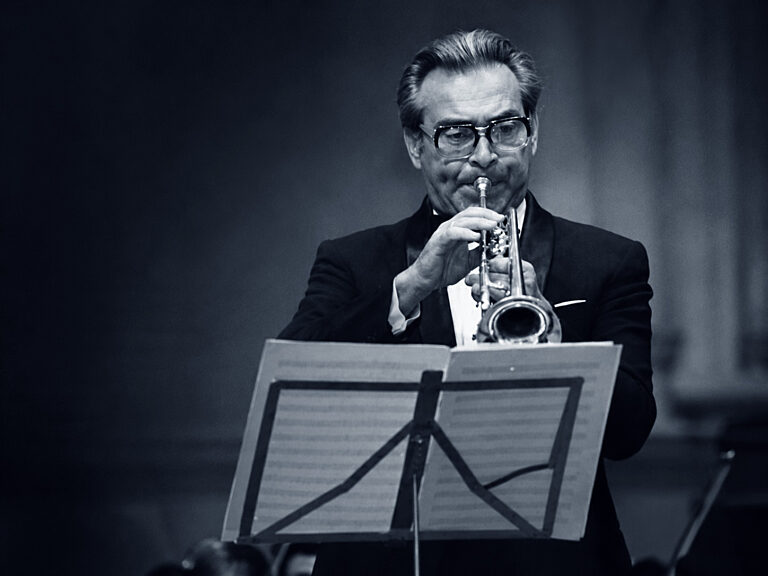
Performance once depended as much on informed invention as on written notes, and early horn concertos still carry that forgotten freedom in plain sight.

By Peter Damm
Repertoire History Ornaments Interpretation Improvisation
Articulation or bowing on the trumpet Member
No. 31 • 1980 Digitized

Part 2

Articulation or bowing on the trumpet

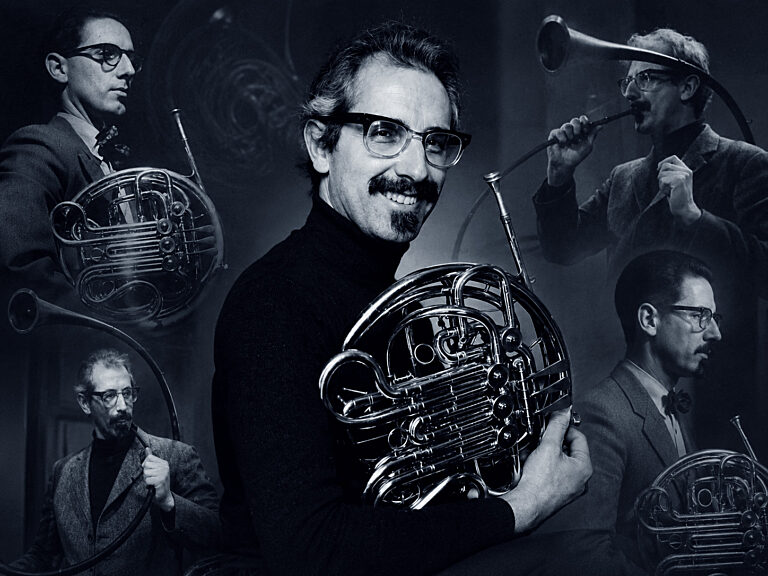
Trumpet articulation becomes a full performing language, from détaché and staccato to legato, glissando, dynamics and score interpretation.

By Timofey Dokschidser
Technique Teaching Articulation Tongue Interpretation Russian school
Barry Tuckwell Member
No. 27 • 1979 Digitized

Barry Tuckwell

Interview

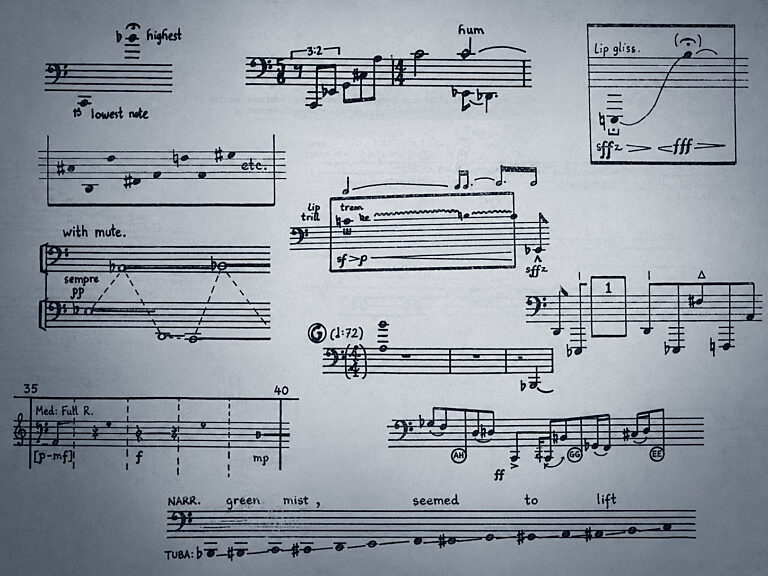
Between the London Symphony Orchestra, international solo tours and Mozart or Strauss concertos, Barry Tuckwell reflects on sound, risk and musical instinct.

By Jean-Pierre Mathez
Encounters Professional life Solo playing Interpretation Orchestral playing
Contemporary systems and trends for the tuba Member
No. 11 • 1975 Digitized

Contemporary systems and trends for the tuba

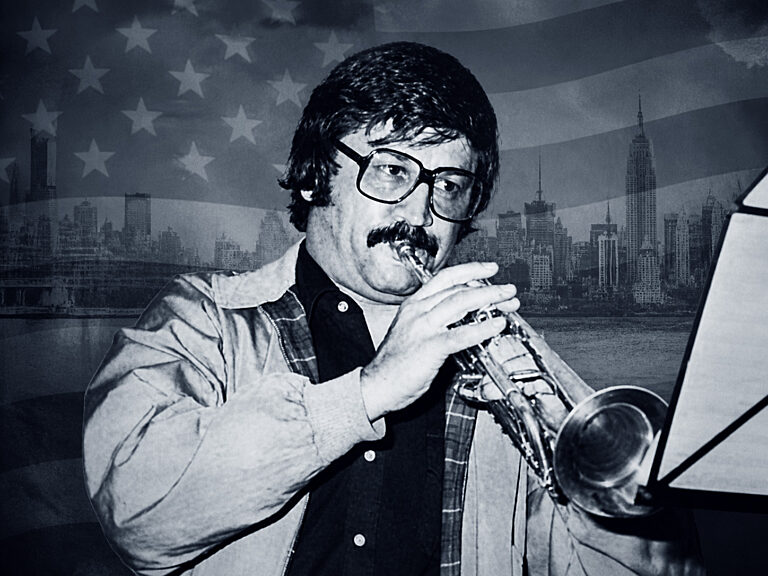
New music, new rules: Daniel Perantoni explores extended techniques, graphic notation and the evolving language of the tuba.

By Daniel Perantoni
Technique Repertoire Interpretation Contemporary Music
The Trumpet in the USA Free
No. 27 • 1979 Digitized

Part 1

The Trumpet in the USA

Across competitions, teaching and equipment in the U.S., trumpet practice exposes clashing ideas of musicality, raising the question of shared standards beyond national styles

By Thomas Stevens

Society American school Interpretation Ideas
The subconscious, a useful friend Member
No. 33 • 1981 Digitized

The subconscious, a useful friend

From yogic practices to auto-hypnosis, mental conditioning and visualisation are linked to performance, self-control, and the body's hidden responses.

By Michel Ricquier

Health Teaching Mental approach Nerves Interpretation Ideas
Editorial Free
No. 38 • 1982 Digitized

Editorial

As concert life shifts away from brass, the future of the instrument depends on artistic standards, thoughtful programming and the commitment of every performer.

By Jean-Pierre Mathez

Professional life Society Interpretation Contemporary Music Solo playing
Ornaments in 18th-century Horn Concertos? Free
No. 45 • 1984 Digitized

Part 4

Ornaments in 18th-century Horn Concertos?

Changes and modifications of tempo

Tempo, dynamics and cadenzas expose how much an 18th-century horn concerto once depended on choices that modern notation and instruments can easily obscure.

By Peter Damm

History Repertoire Ornaments Interpretation
Free
No. 5 • 1973 Digitized

Snapshot: the American Brass Quintet in Europe

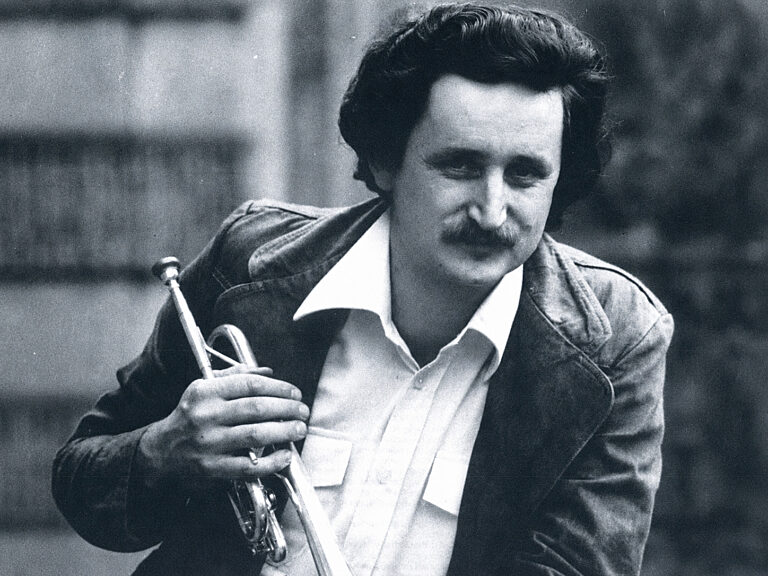
Report on the American Brass Quintet’s tour in Europe, highlighting performances, reception and the ensemble’s role in chamber brass music.

By Jean-Pierre Mathez
Encounters Repertoire Interpretation Sound Intonation Brass Ensemble
Conversation with Ludwig Güttler Member
No. 44 • 1983 Digitized

Conversation with Ludwig Güttler

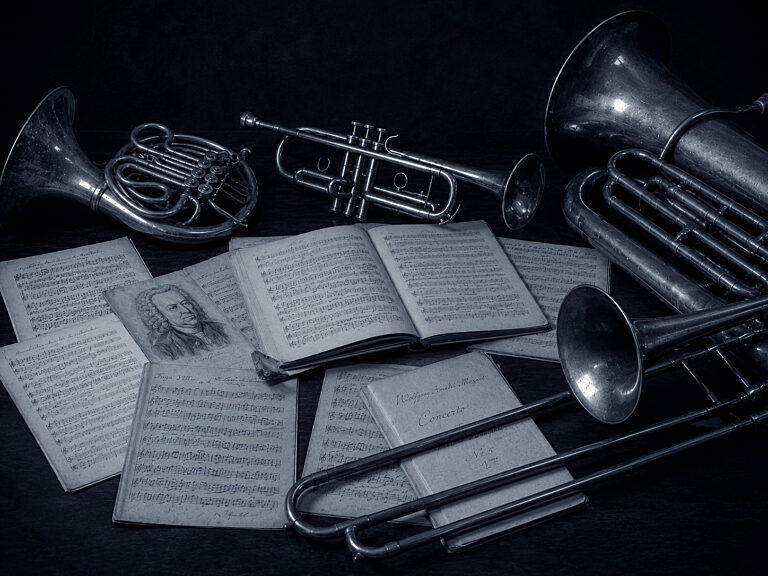
Between Bach, historical instruments and modern virtuosity, Ludwig Güttler argues for a trumpet tradition shaped by declamation, research and a refusal of musical purism.

By Christian Blümel, Gerd Radeke
Encounters Interpretation
Transcription fundamentals Free
No. 31 • 1980 Digitized

Transcription fundamentals

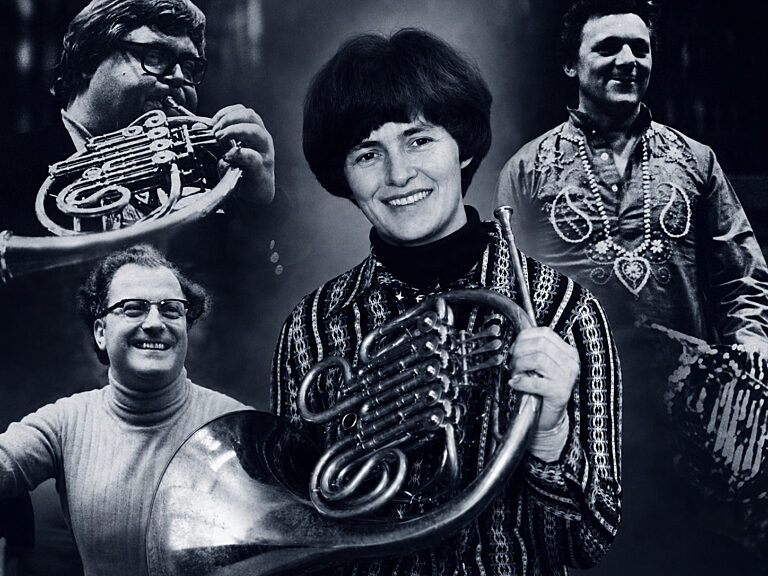
Between Bach fugues and Mozart concertos, Ralph Sauer questions where brass transcription renews a work — and where it merely imitates.

By Ralf Sauer
Repertoire Interpretation Brass Ensemble
The first european horn symposium Free
No. 33 • 1981 Digitized

The first european horn symposium

A week in Trossingen brought leading horn players, Mozart debates, natural-horn controversies and lasting friendships at a landmark European gathering.

By Jeffrey Agrell

Event Report Interpretation Contemporary Music Brass Ensemble
An American trumpet player's impressions of european brass performances Member
No. 5 • 1973 Digitized

An American trumpet player's impressions of european brass performances

An American trumpet player reflects on European brass traditions, comparing education, amateur practice and professional performance across both continents.

By Harold E. Krueger
Society American school Orchestral playing Sound Interpretation
The Haydn Trumpet Concerto Member
No. 35 • 1981 Digitized

Part 1

The Haydn Trumpet Concerto

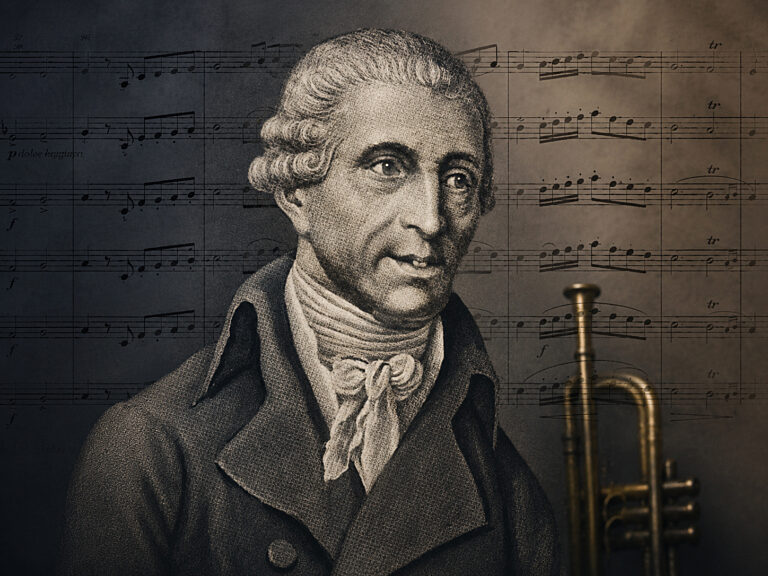
As editions, instruments and traditions diverge, Haydn’s trumpet concerto becomes a lens on notation, style and the shifting meaning of performance.

By Alfred Willener

History Repertoire Interpretation Keyed trumpet Ornaments
Member
No. 17 • 1977 Digitized

Ornamentation of baroque music for brass

Baroque ornamentation forgotten? Without it, performances become dull and repetitive. This article argues for a return to style, freedom, and creative interpretation.

By Marc Meissner

Repertoire Ornaments Interpretation Ideas
The Haydn Trumpet Concerto Member
No. 36 • 1981 Digitized

Part 2

The Haydn Trumpet Concerto

André, Wobisch, Dokshitzer, Stringer and others reveal how tempo, phrasing, ornamentation and cadenzas reshape Haydn's trumpet concerto.

By Alfred Willener

History Repertoire Interpretation Articulation Ornaments Keyed trumpet
Free
No. 21 • 1978 Digitized

Yes or no? Beware!

Do we or do we not play transcriptions?

“Transcriptions: yes or no? Beware.” Roger Bobo challenges tubists to rethink repertoire, taste, and tradition in a bold call for musical judgment and artistic freedom.

By Roger Bobo

Repertoire Interpretation Contemporary Music Ideas
The use of the mind in instrumental performance Member
No. 30 • 1980 Digitized

The use of the mind in instrumental performance

Relaxation, concentration and mental imagery reshape technical practice, linking self-confidence and instrumental control beyond physical training alone.

By Michel Ricquier

Health Teaching Nerves Interpretation Ideas
Loading…

Questions & Answers

How the Digital Edition works

What does the Digital Edition include?

The Digital Edition brings together the articles already digitized as searchable online texts—not simply as scans or PDF files—along with their original illustrations, notes, authorship, issue information, and available translations. Related-article suggestions currently include only this digitized material.

Are the digital articles identical to the originals?

We preserve the original text, language, illustrations, captions, footnotes, and editorial context as faithfully as possible. The presentation is adapted for comfortable online reading, and obvious transcription or scanning errors may be corrected. The substance and character of the published article remain unchanged.

Which languages are available?

Brass Bulletin was published in English, French, and German throughout its history. Italian and Spanish translations were added from issue No. 60 onward.

On the Italian and Spanish sites, articles from issues 1–59 are therefore shown in English by default.

How often are new articles added?

New articles are added almost daily, with approximately one complete issue digitized each week. The pace may vary depending on the preparation, image work, and editorial checking required.

Why aren’t all articles available digitally?

The complete Brass Bulletin collection contains 1,246 articles published between 1971 and 2003. The full index is already available online, allowing readers to discover every article in the collection, including those whose complete text has not yet been digitized.

Digitization began in February 2026. Each article is carefully prepared for online reading, checked, and connected to its issue, authors, subjects, and illustrations. At the current pace of digitization, the complete collection is expected to be available online by February 2028.

Why do some references mention articles that are not available yet?

References in the original articles are preserved even when the material they point to has not yet been digitized. This keeps the historical and editorial record intact. As more issues are added to the Digital Edition, an increasing number of these references will lead to articles that can be read online.

Can I suggest an article or report a transcription error?

Yes. If there is an article you would particularly like to see digitized, or if you notice a possible transcription error or missing detail, please contact us. Reader feedback helps us improve the Digital Edition and prioritize useful connections within the archive.

How can I support Brass Bulletin?

Your support helps fund the preparation, verification, and online publication of the complete collection.

Subscribe to the Digital Edition

Prefer to support us without subscribing?

Make a donation

How is the digitization progressing?

We’re gradually making the Brass Bulletin available online, article by article. You can read newly digitized articles as soon as they’re ready, even before an entire issue is complete.

Visit our Digitization Roadmap to browse recent additions and see estimated availability for upcoming issues. These estimates follow our recent pace and may change.

Search Brass Bulletin.