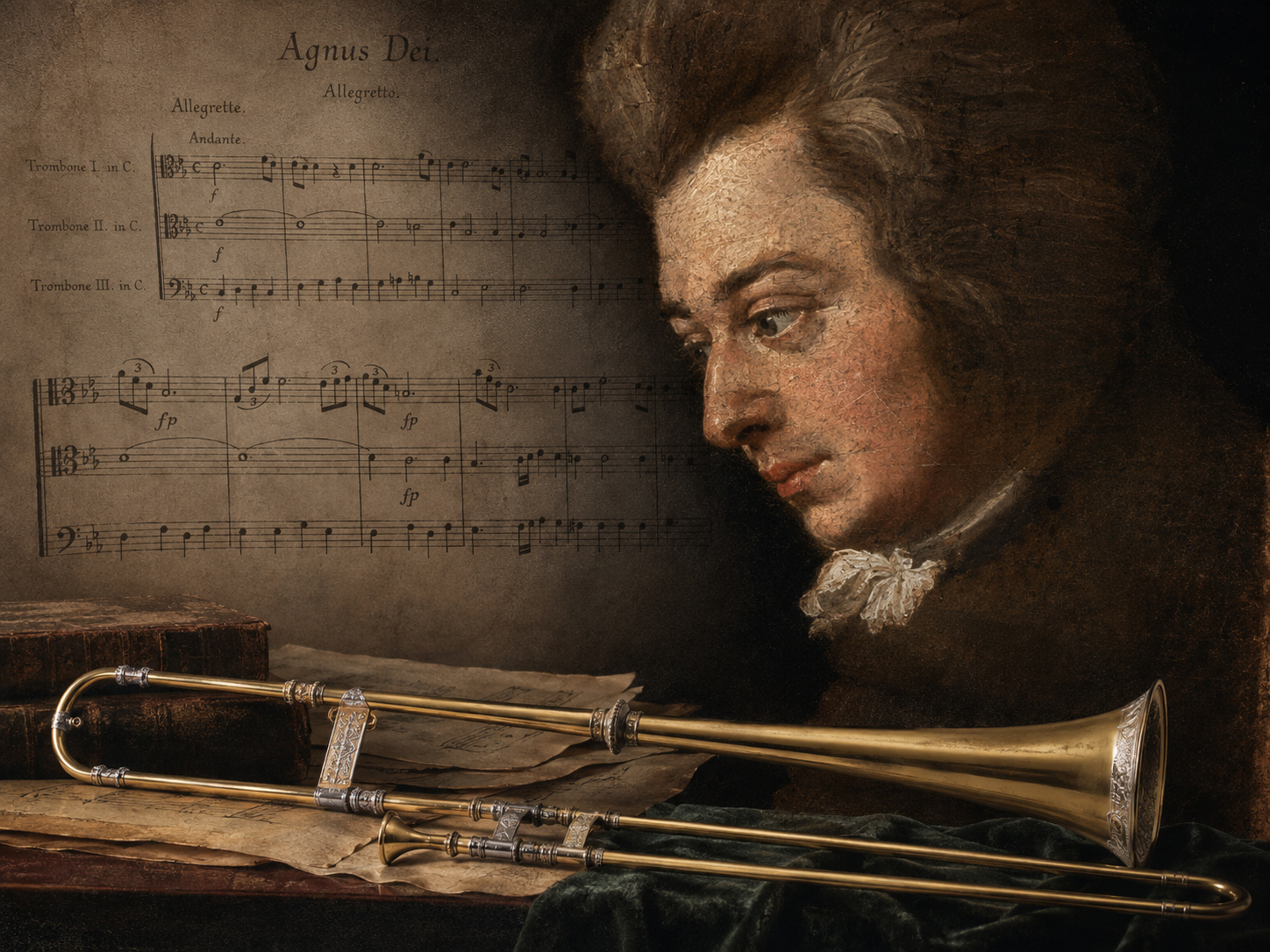
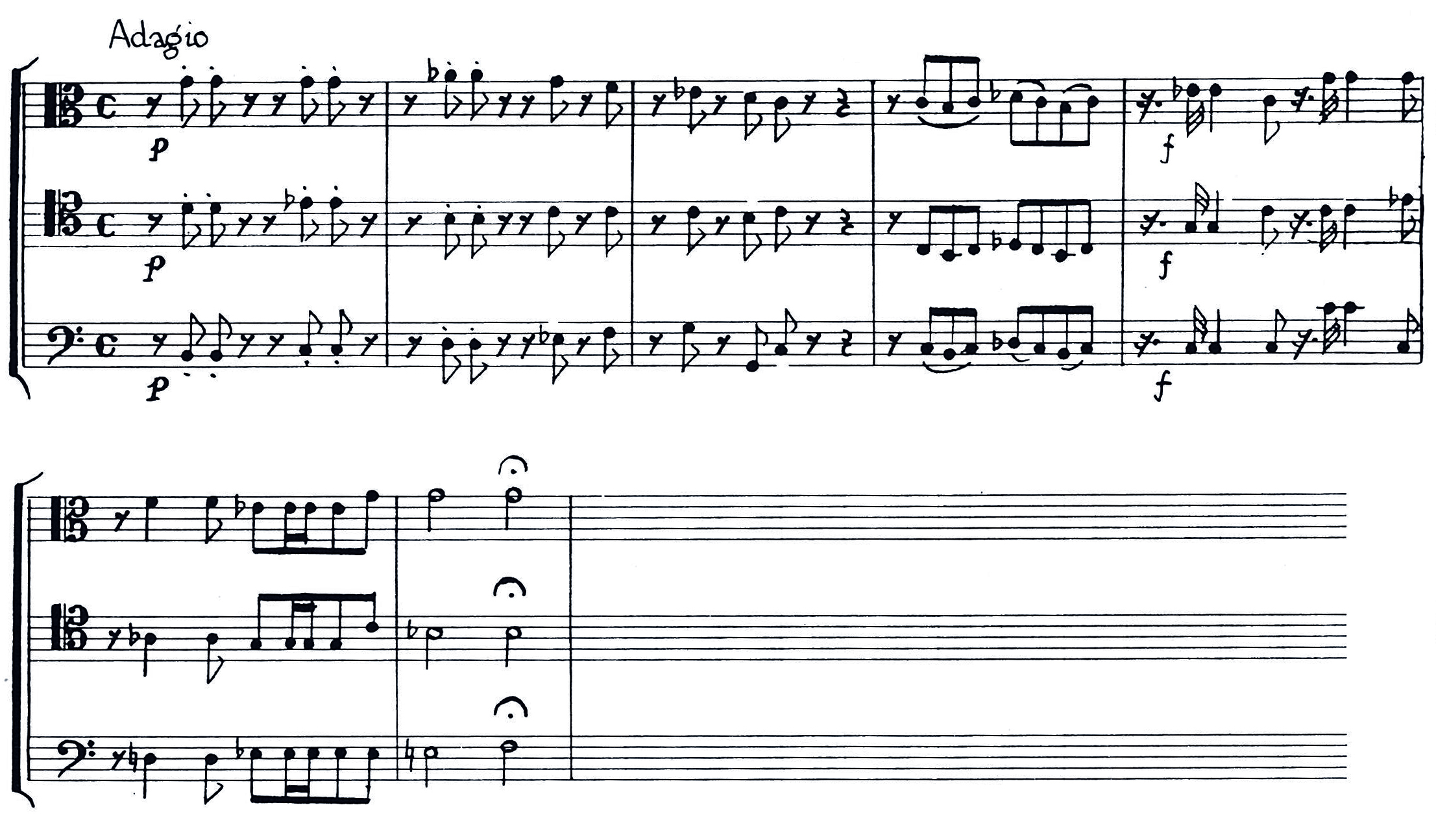
Mozart also used the trombone in a different way. In a few places in his sacred works trombones are given solo parts as a group. An example of this kind is the introduction to the “Agnus Dei” of the Mass in C minor K. 139:
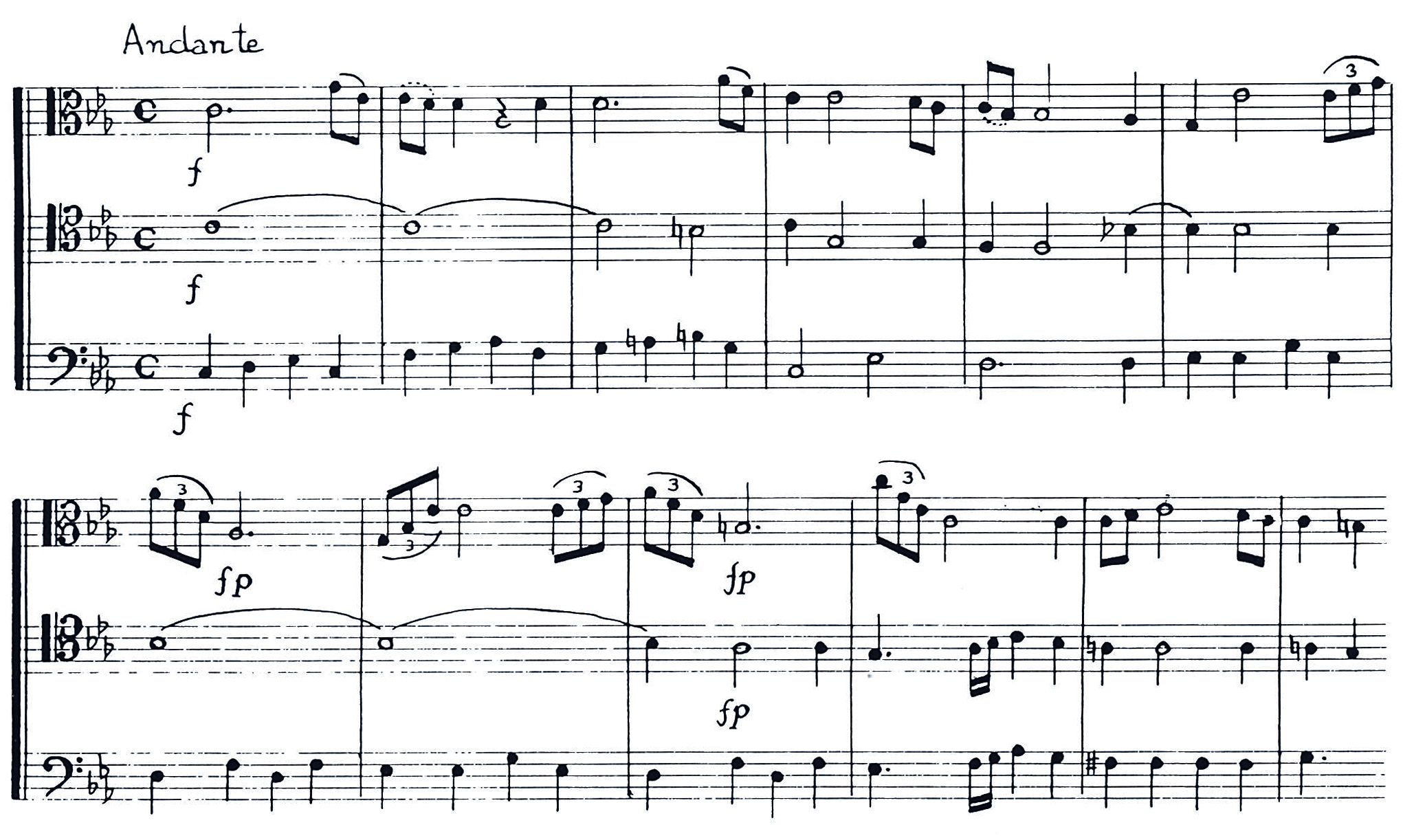
Other examples of this kind can be found in different places of Mozart’s sacred works.
The use of one trombone as a solo instrument is an exception in Mozart’s sacred works. The tenor trombone solo in the “Tuba Mirum” of his “Requiem” is explained by the translation of the latin word “Tuba” as “Posaune” (trombone) in German.
We would like to conclude by citing another trombone solo from a lesser known work: “Die Schuldigkeit des ersten Gebotes” (The Obligation of the first Commandement) K. 35. To understand the background to this work one needs to know more about Mozart in Salzburg. Salzburg during the reign of its Prince Archbishop Markus Sittikus was a centre of music and art where there were singers and players of high quality and many works were created.
It was in March 1766 that an oratorio, written by an eleven-year-old boy, was played for the first time. The circumstances in which Mozart wrote this work are not clear. Some accounts tell of how Mozart wrote this oratorio under strict surveillance since the Archbishop was not convinced of the boy’s composing talent. Modern research has shown that in fact it was another piece (“Funeral Music” K. 42) that was written under these conditions in one week. The Oratorio must have taken much more time to compose.
The oratorio was in three parts of which only the first, composed by the young Mozart, survived. The other two parts (by M. Haydn and the organist Adlgasser) are lost. The text is abstract and the voice roles represent: Worldliness, Justice, Mercy, The Christian Spirit and Christian.
Mozart was influenced by the long musical tradition at the Salzburg Archiepiscopal court. His arias are structurally influenced by the model of his father Leopold and the alto trombone solo is probably the result of his studying the works of Johann Ernst Eberlin — because Eberlin used the alto trombone as a solo instrument in several of his oratorios.
The aria (No. 5) with the trombone solo is scored for tenor voice (Christian) and strings (two violins and two violas) with continuo (violoncello and bass). The high tessitura of the trombone part and the alto clef lead to the supposition that the part was played on the alto trombone, probably by Thomas Gschlatt. The trombone plays in a slow-moving style with many trills, giving us an idea of the technical facility of the trombonist at that period. Several cadenzas for the trombone alone or with the tenor are included — something which is common in concertos but exceptional in a sacred work.
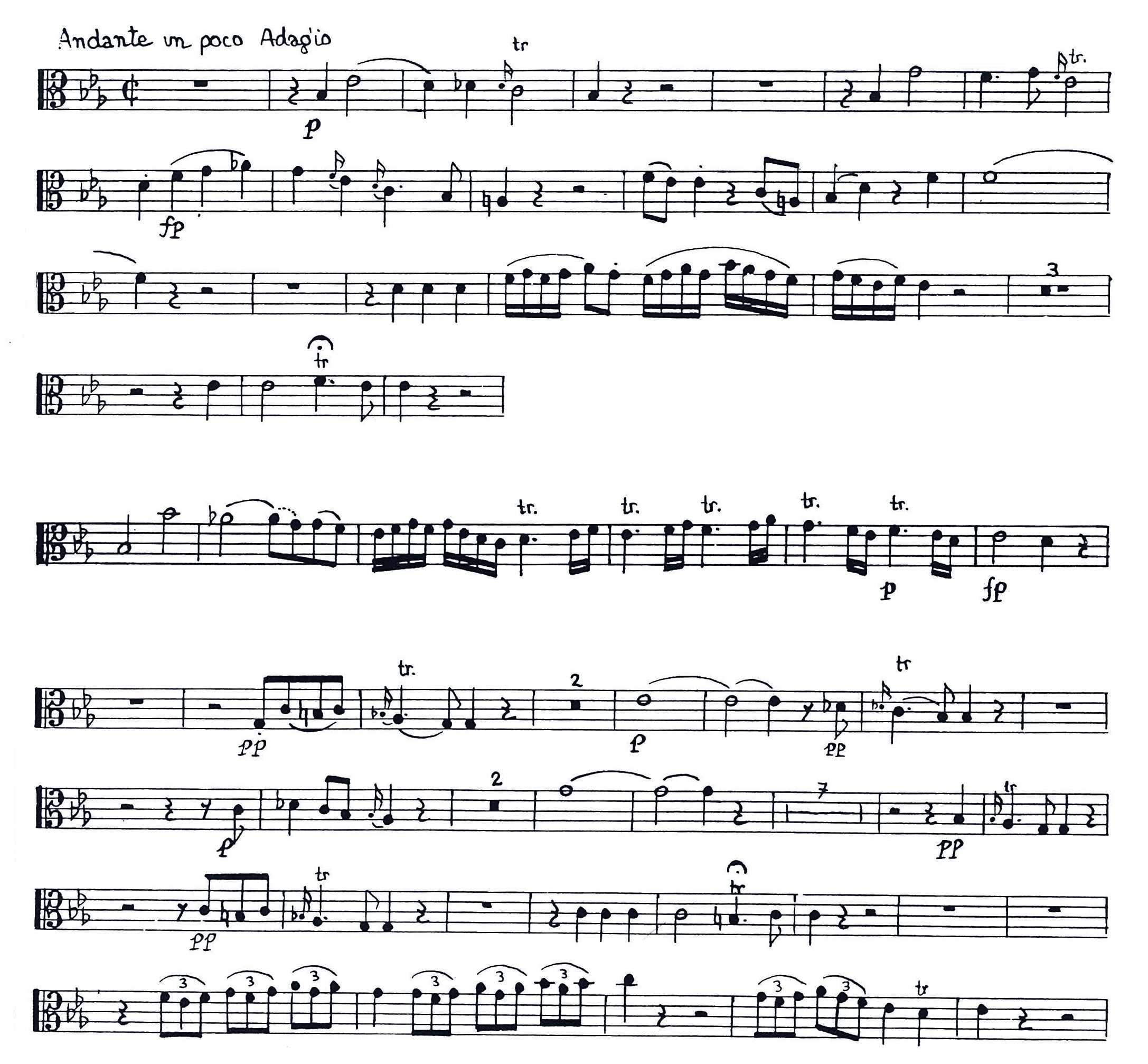
Trills are to be performed as follow: 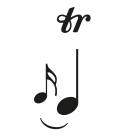 and
and 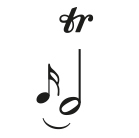 are performed
 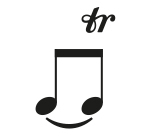 and
and 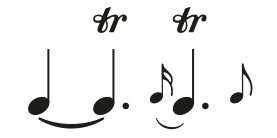 is performed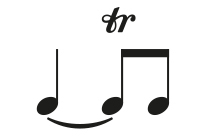
Suggestions for the cadenzas are to be found in the Bärenreiter edition of Mozart’s works.
Bibliography
W. A. Mozart, Neue Ausgabe sämtlicher Werke, Serie I: Geistliche Gesangwerke (Bärenreiter, Kassel)