5 min. read
Why pretend to be Mozart?
The concerto’s cadenza: copy of style — or bold but true?
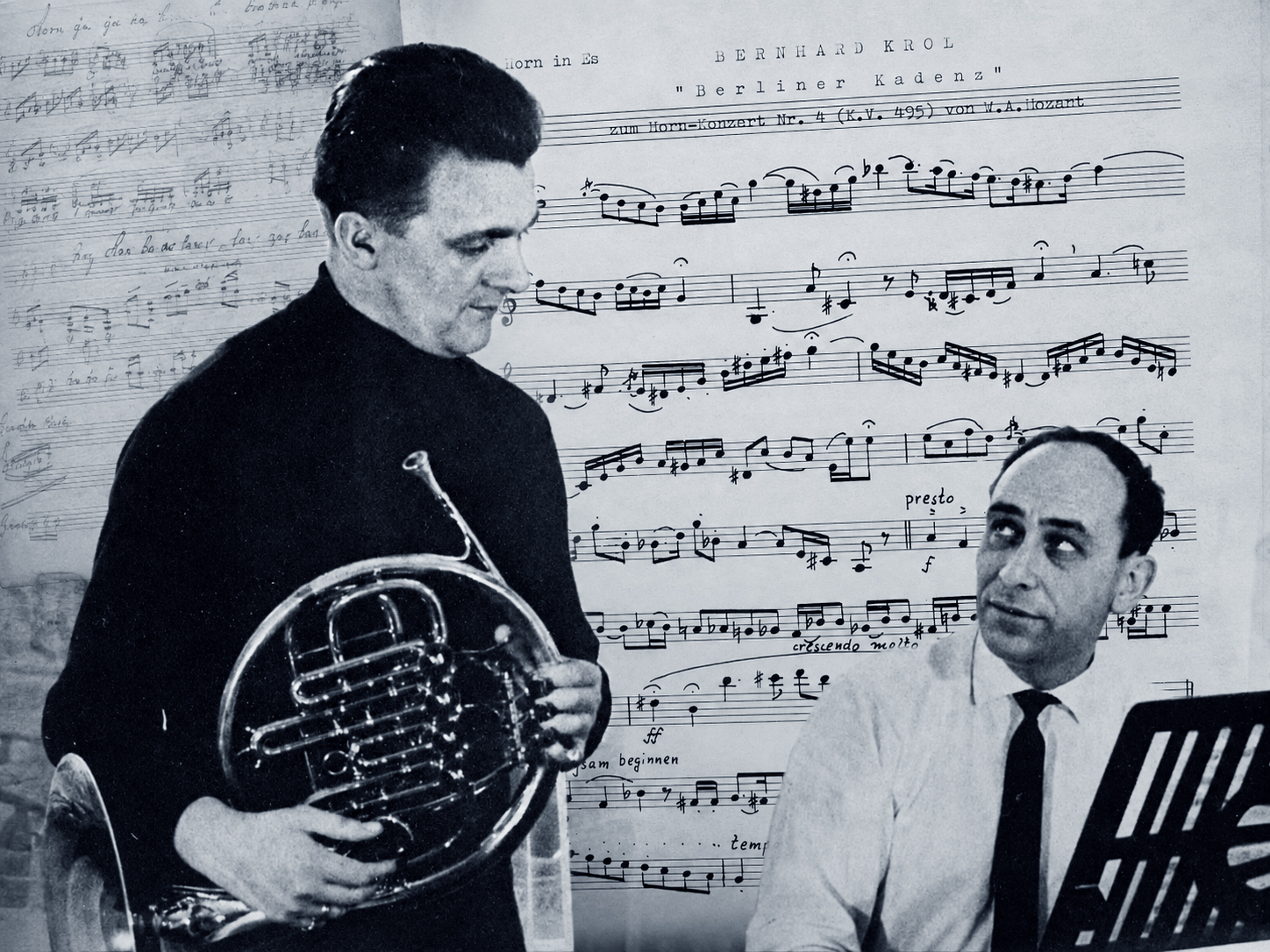
Baroque and Classical composers left their concertos «unfinished», i. e. they gave soloists an opportunity to show their skill — and to «show off» — in the cadenzas, which each soloist could create according to his imagination and accomplishment. Obviously the composers did not fear disfiguration of their works of art by poor cadenzas.
In performances of a classical concerto today, the cadenza becomes a problem. If the soloist is as talented as his colleagues in the time of Telemann, Tartini, Wagenseil, Rosetti, Albinoni, Haydn and Mozart, then he will be able to write his own cadenza «made to measure». Where this is not the case, trouble begins: one's own «creation» does not suffice, earlier attempts by somebody else do not sound right (one is too simple, another too complicated, etc.), so one has to look around for The Rescuer who will «make a cadenza to measure». Doing so, one may happen upon a «real» composer and the following conversation will take place:
Soloist — I need a cadenza for the Tartini Concerto, quickly, since the concert is next week.
Composer — I'll see what I can do about it. Can I please see the music?
Brass Bulletin 12, III / 1975 pages 36–45
All content is protected by copyright © Brass Bulletin 1975–2026