Explore institutional access →

Sociology

55 articles available online
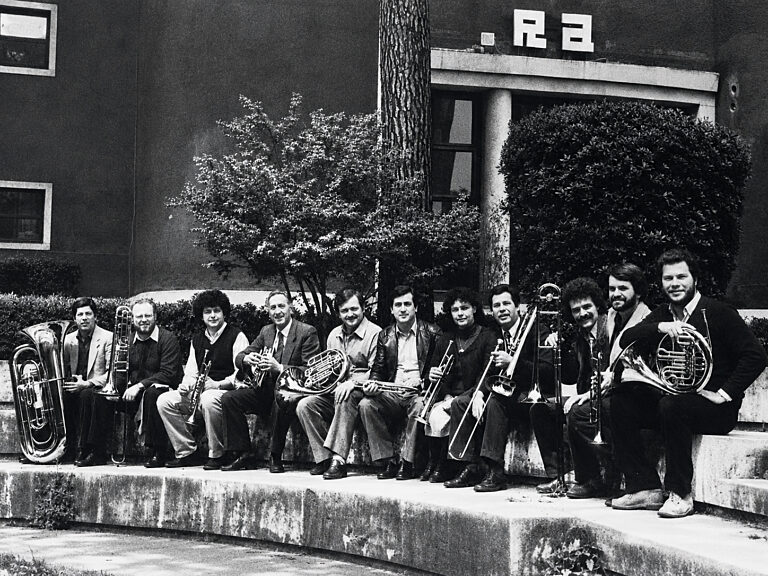
Brass Players in Rome Free
No. 43 • 1983 Digitized

Brass Players in Rome

Behind Rome’s musical prestige, RAI brass players describe shrinking salaries, insecure orchestral careers and the compromises required simply to remain musicians.

By Jean-Pierre Mathez
Report Professional life Orchestral playing Sociology Brass Ensemble
Music in an American Frontier Communal Society Member
No. 35 • 1981 Digitized

Part 2

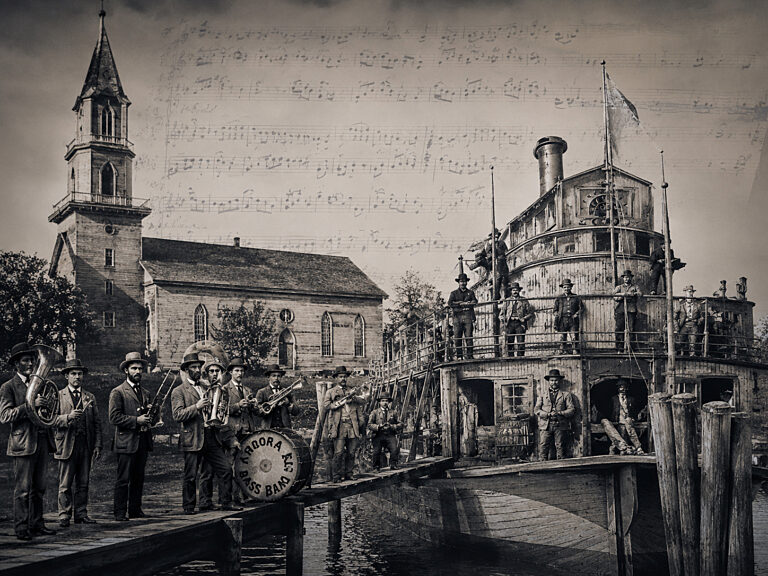
Music in an American Frontier Communal Society

Aurora Colony

Music shaped daily life in Aurora’s communal colony, from civic ceremonies and political events to touring brass bands that carried its identity across the American West.

By Deborah M. Olsen
History Society Repertoire Sociology Brass Ensemble
Music in an American Frontier Communal Society Member
No. 34 • 1981 Digitized

Part 1

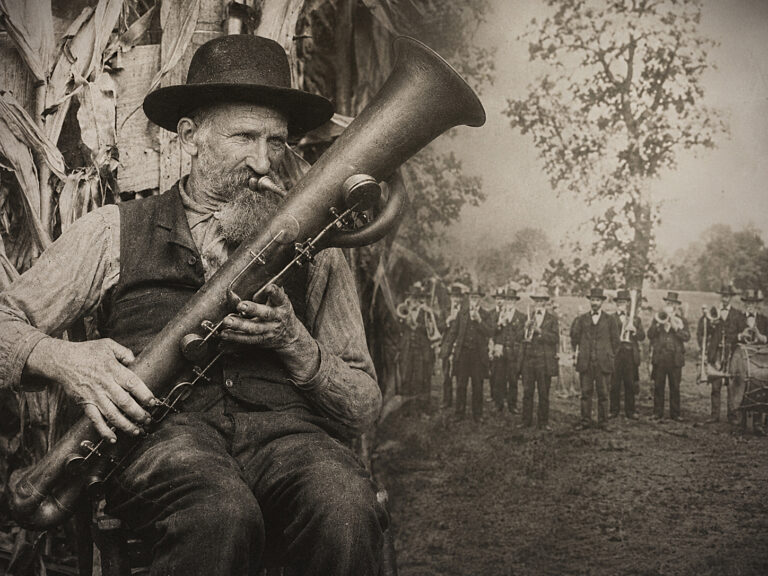
Music in an American Frontier Communal Society

Aurora Colony

In a German communal settlement on the Oregon frontier, bands, choirs and original compositions shaped daily life as strongly as faith, work and education.

By Deborah M. Olsen

History Society Sociology Brass Ensemble Historical instruments
Editorial Free
No. 36 • 1981 Digitized

Editorial

International Competitions - Time, a perishable commodity...

From competition juries to the accelerating pace of modern life, Jean-Pierre Mathez questions the judgments and pressures shaping musicians and their careers

By Jean-Pierre Mathez

Competition Society Ideas Sociology
Cesare Bendinelli (1542-1617) Member
No. 17 • 1977 Digitized

Part 1

Cesare Bendinelli (1542-1617)

Biography

Cesare Bendinelli (1542–1617), imperial trumpeter and teacher, shaped a tradition and wrote the first trumpet method — a key document of Renaissance brass playing.

By Edward H. Tarr

History Historical instruments Sociology
Yamaha, an ambitious giant Member
No. 40 • 1982 Digitized

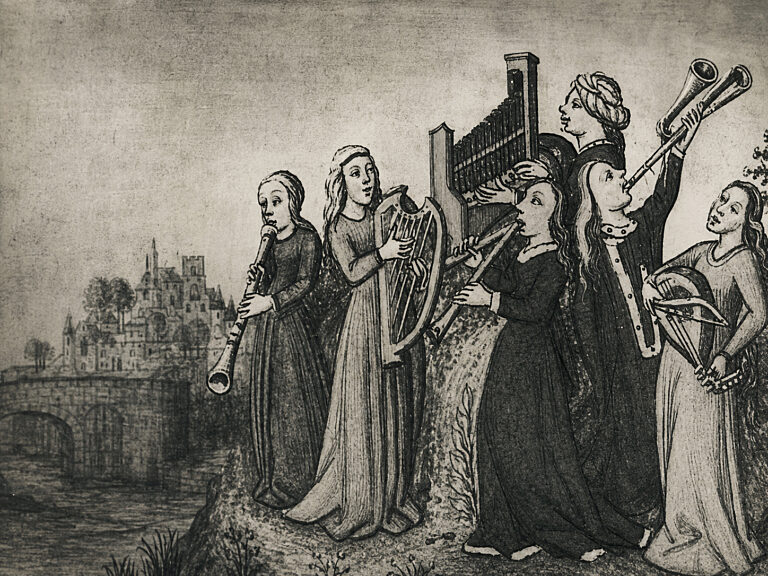
Yamaha, an ambitious giant

Behind the rise of a future industrial giant lies an unexpected lesson in craftsmanship, cultural exchange and the discipline that reshaped wind instrument making.

By Jean-Pierre Mathez
Instrument Makers Report Instrument making Sociology Sound
The Fellowship of the Minstrels Member
No. 8 • 1974 Digitized

The Fellowship of the Minstrels

Exploration of the medieval minstrel’s world, from marginalization and suspicion to the creation of fellowships that offered protection and structure.

By J. E. Spruit

History Society Sociology
Free
No. 17 • 1977 Digitized

Reflections on the brass player

Why do brass players so often resist new music? Vinko Globokar dismantles schools, routines, and traditions—and calls for a freer musical mindset.

By Vinko Globokar

Society Teaching Sociology Ideas Contemporary Music
No. 122 • 2003 Awaiting digitization

Part 2

Classical music: Why bother?

By Joshua Fineberg
Society Ideas Sociology
Brass achieves academic respectability Member
No. 53 • 1986 Digitized

Special Finland

Brass achieves academic respectability

Once treated as marginal, Finland’s brass septet tradition entered academic research, challenging where folk practice ends and music history begins.

By Kauko Karjalainen
History Society Sociology Brass Ensemble
Herbert L. Clarke (1867-1945) Free
No. 18 • 1977 Digitized

Part 1

Herbert L. Clarke (1867-1945)

Boyhood Years

From forbidden beginnings to cornet legend: Herbert L. Clarke’s early years reveal a path shaped by setbacks, persistence, and decisive discoveries.

By David Hickman
History Sociology
What is a Brass Band? Free
No. 25 • 1979 Digitized

What is a Brass Band?

Barrie Perrins traces the 19th-century origins, instrumentation and social role of the brass band—from industrial roots to international musical life.

By Barrie Perrins

History Society Sociology Band
Editorial Free
No. 19 • 1977 Digitized

Editorial

Is sound something you control—or something you become? Jean-Pierre Mathez challenges technique, fashion, and pedagogy: sonority is a lifelong conquest of freedom.

By Jean-Pierre Mathez

Society Acoustics Sound Sociology Ideas
Editorial Free
No. 33 • 1981 Digitized

Editorial

10 Years of Brass Bulletin

Ten years after its launch, a small specialist publication reaches readers in more than sixty countries, reflecting how a shared artistic community took shape across borders.

By Jean-Pierre Mathez
History Society Ideas Sociology
Early trumpet music in Schwerin Free
No. 23 • 1978 Digitized

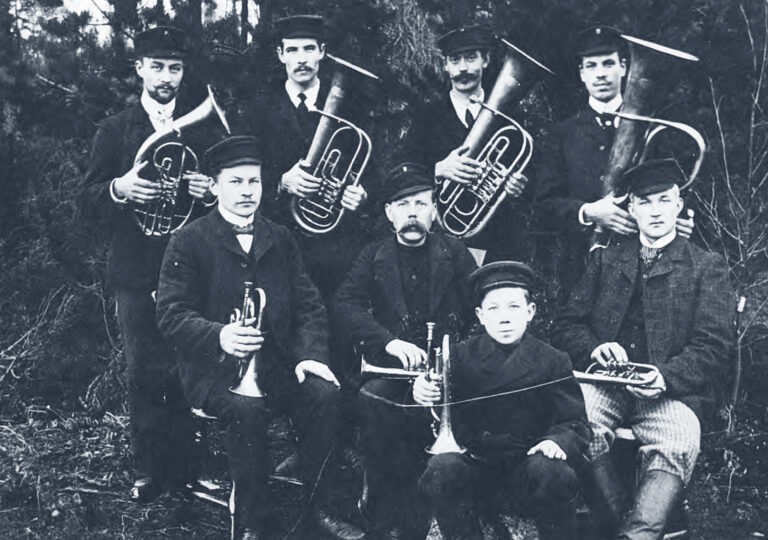
Early trumpet music in Schwerin

Hidden sources revealed: Stephen Glover uncovers early trumpet music in Schwerin—offering new insights into wind bands, performance practice, and the evolution of brass.

By Stephen L. Glover
Repertoire History Historical instruments Valves Sociology
The brass septet tradition in Finland Free
No. 21 • 1978 Digitized

The brass septet tradition in Finland

A hidden tradition revealed: over 200 Finnish brass septets shaped regional music life—blending military roots, festivals, and composers like Sibelius into a living legacy.

By Kauko Karjalainen

History Repertoire Sociology
Zen and the Art of Horn playing Member
No. 23 • 1978 Digitized

Part 2

Zen and the Art of Horn playing

Beyond technique: Jeffrey Agrell explores the clash between intellect and intuition—arguing that true musical expression begins where analysis ends.

By Jeffrey Agrell

Health Society Mental approach Sociology Ideas
Women and brass: 3 Portraits Free
No. 31 • 1980 Digitized

Women and brass: 3 Portraits

Barbara Stone, Betty Anderson, Kate Kaminga

Three British and Dutch conductors moved from brass band performance to leadership roles, confronting a scene still largely shaped by male traditions.

By Markus S. Bach

Society Professional life Sociology Brass Ensemble
My contacts with the United States Member
No. 17 • 1977 Digitized

Part 2

My contacts with the United States

About horns and how to play them

Double horn, descant, natural horn — which path? This article explores American vs German approaches and what it means to train a complete horn player.

By Michael Höltzel

Report Professional life American school German school Sociology
Editorial Member
No. 37 • 1982 Digitized

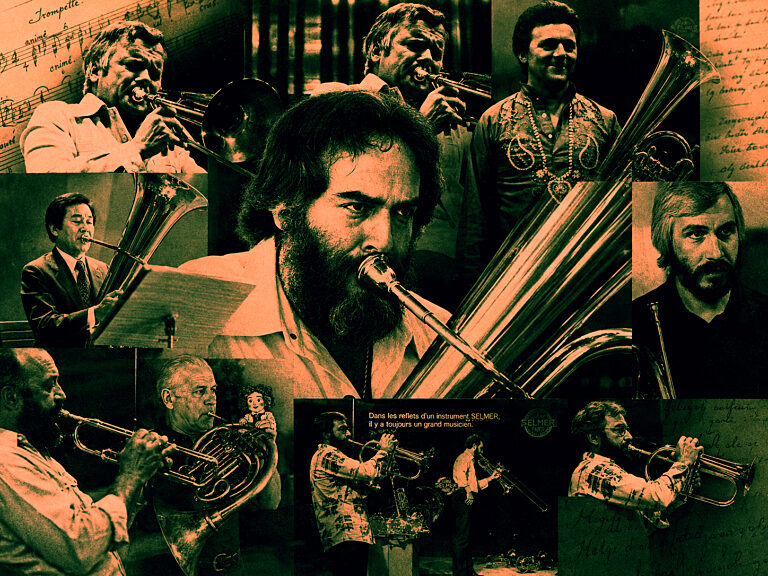
Editorial

As music becomes increasingly industrialized, Jean-Pierre Mathez argues for restoring local musical communities where composers, performers and audiences shape a shared identity.

By Jean-Pierre Mathez
Society Sociology Ideas Contemporary Music
Montreux 1976 - First international brass congress Free
No. 15 • 1976 Digitized

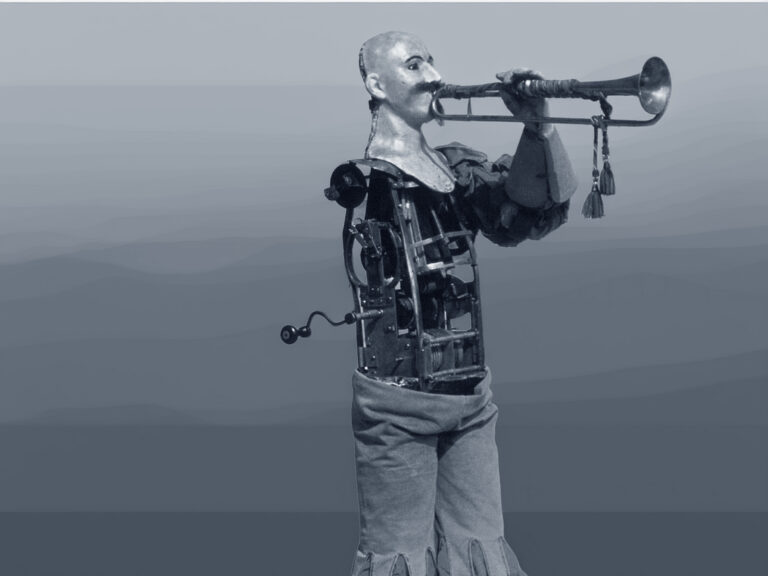
Montreux 1976 - First international brass congress

Montreux 1976: beyond the spectacle. Between virtuosity, ego, and isolation, Alfred Willener questions the very meaning of the brass world.

By Alfred Willener
Report Event Sociology Ideas
Editorial Free
No. 25 • 1979 Digitized

Editorial

A warning from the machine: Jean-Pierre Mathez reflects on Kaufmann’s robot—questioning whether technology is shaping music… or slowly replacing the human artist.

By Jean-Pierre Mathez

Society Sociology Mental approach
Dynamics in the 80's Member
No. 29 • 1980 Digitized

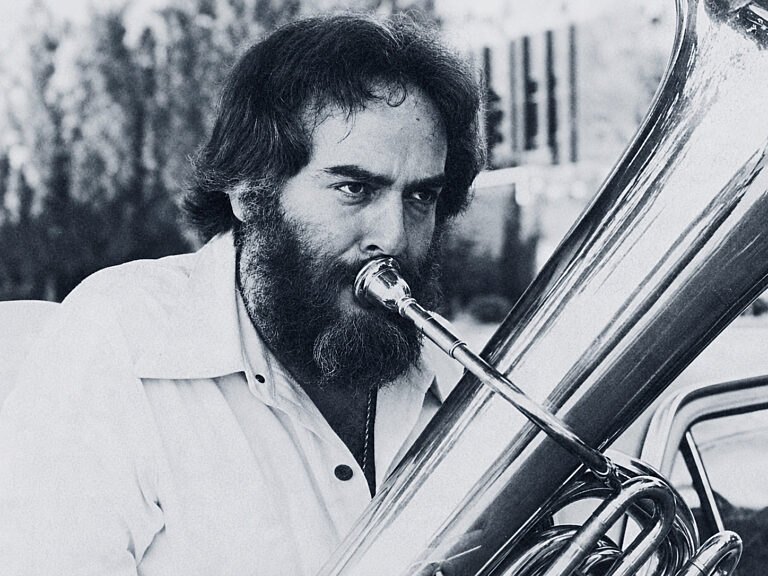
Dynamics in the 80's

From Reykjavik to the Hollywood Bowl, rising concert hall scale and amplified culture reshape orchestral sound, leaving acoustic limits exposed.

By Roger Bobo
Acoustics Society Sound Interpretation Sociology
Comments on the First International Brass Congress Free
No. 15 • 1976 Digitized

Comments on the First International Brass Congress

Montreux 1976

National styles or personal voice? Roger Bobo finds in Montreux that individuality prevails—yet notes the absence of key traditions.

By Roger Bobo

Report Event Sociology Ideas
Loading…

Questions & Answers

How the Digital Edition works

What does the Digital Edition include?

The Digital Edition brings together the articles already digitized as searchable online texts—not simply as scans or PDF files—along with their original illustrations, notes, authorship, issue information, and available translations. Related-article suggestions currently include only this digitized material.

Are the digital articles identical to the originals?

We preserve the original text, language, illustrations, captions, footnotes, and editorial context as faithfully as possible. The presentation is adapted for comfortable online reading, and obvious transcription or scanning errors may be corrected. The substance and character of the published article remain unchanged.

Which languages are available?

Brass Bulletin was published in English, French, and German throughout its history. Italian and Spanish translations were added from issue No. 60 onward.

On the Italian and Spanish sites, articles from issues 1–59 are therefore shown in English by default.

How often are new articles added?

New articles are added almost daily, with approximately one complete issue digitized each week. The pace may vary depending on the preparation, image work, and editorial checking required.

Why aren’t all articles available digitally?

The complete Brass Bulletin collection contains 1,246 articles published between 1971 and 2003. The full index is already available online, allowing readers to discover every article in the collection, including those whose complete text has not yet been digitized.

Digitization began in February 2026. Each article is carefully prepared for online reading, checked, and connected to its issue, authors, subjects, and illustrations. At the current pace of digitization, the complete collection is expected to be available online by February 2028.

Why do some references mention articles that are not available yet?

References in the original articles are preserved even when the material they point to has not yet been digitized. This keeps the historical and editorial record intact. As more issues are added to the Digital Edition, an increasing number of these references will lead to articles that can be read online.

Can I suggest an article or report a transcription error?

Yes. If there is an article you would particularly like to see digitized, or if you notice a possible transcription error or missing detail, please contact us. Reader feedback helps us improve the Digital Edition and prioritize useful connections within the archive.

How can I support Brass Bulletin?

Your support helps fund the preparation, verification, and online publication of the complete collection.

Subscribe to the Digital Edition

Prefer to support us without subscribing?

Make a donation

How is the digitization progressing?

We’re gradually making the Brass Bulletin available online, article by article. You can read newly digitized articles as soon as they’re ready, even before an entire issue is complete.

Visit our Digitization Roadmap to browse recent additions and see estimated availability for upcoming issues. These estimates follow our recent pace and may change.

Search Brass Bulletin.