Brass Bulletin 21, I / 1978 (page 59–60) · 1 min. read
All content is protected by copyright © Brass Bulletin 1978–2026

The brass septet tradition in Finland

Search in this article
The brass septet tradition in Finland

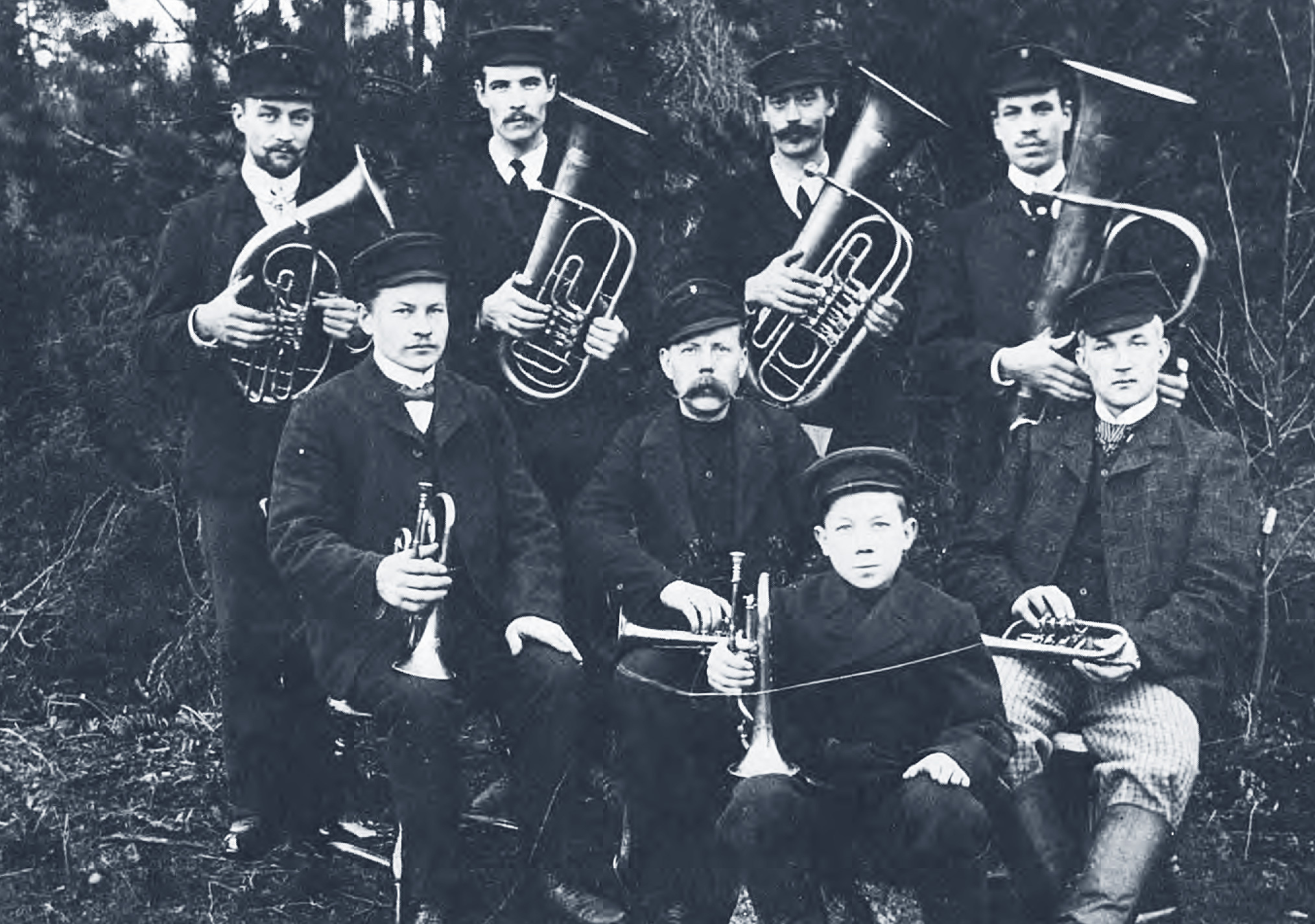
Seven serious men with their horns.

This photograph was taken in 1905. There are four carpenters and two farmers in the picture. The man with the moustache and cornet in the middle of the group is a military musician. There is also a boy sitting in front of the septet who no doubt also dedicates himself to brass playing!

In the autumn of 1975, some research began in Finland which aimed at the collection and publishing of the brass septet tradition. The research was made by a team, the members of which are: Arvo Kuikka, head of the Finnish military bands; Holger Fransman, professor of horn at the Sibelius Academy; Olavi Lampinen, trombonist and dir. of music; and Kauko Karjalainen, M.A., the executive secretary of the Finnish Music Information Centre. In this article Kauko Karjalainen tells us some results of the research and about the first stages of brass septet playing, which is still quite strong in Finland.

Today the Finnish brass septet tradition is more than one hundred years old. The oldest brass septet which the team discovered was founded in Tervakoski in 1872. This septet is still continuing its work.

Altogether there are about 200 brass septets which our research has uncovered. Most of these were founded at the end of the 19th and the beginning of the 20th century. No doubt the Finnish song and playing festivals were the reason for the enthusiasm among the amateur brass players for their septets. At the very first festival in Jyväskylä in 1884 there were six participating ensembles although over 40 bands had been invited. The idea of the festivals came from Estonia, but the playing ideals were taken over from the military bands and German brass groups which were then playing in Finland.

The traditional Finnish brass septet consists of the following instrumentation: one cornet in E♭, two cornets in B♭, one alto horn in E♭, one tenor horn in B♭, one baritone horn in B♭ and one tuba in E♭ or B♭. There may also be one percussionist.

The brass septets had a very important role in Finnish musical life at the end of the 19th and beginning of the 20th century because there were only normal orchestras in Helsinki. That is why the brass septets were really considered regional orchestras. They played during festivals, at weddings and funerals as well as at sporting events. True, the level of performance was not always very high because in only a very few cases were the conductors and performers professional. Anyhow several outstanding Finnish composers such as Sibelius, Madetoja, Kuula, Melartin and some others have written music for brass septet.

Septet playing still lives on in Finland today. Many bands maintain the tradition and quite often include brass septet works in their concerts.

Share this article

Loading…