Approach
81 digitized articles
Meek, Harold
Some observation prompted by H. Baumann: Which Horn for which Music
Commentary responding to H. Baumann’s article (BB 3), offering critical observations and contributing to the ongoing debate on horn playing.
Brass Bulletin No 4 · 1973
Horn· Equipment· Repertoire· Historical instruments· Ideas
Bonanni, Filippo
Gabinetto Armonico by Filippo Bonanni, Rome 1723
22 Illustrations
Selection of illustrations and excerpts from Gabinetto Armonico (1723), offering a visual insight into early instruments and musical practice.
Brass Bulletin No 8 · 1974
History· Illustrations
Spruit, J. E.
The Fellowship of the Minstrels
Exploration of the medieval minstrel’s world, from marginalization and suspicion to the creation of fellowships that offered protection and structure.
Brass Bulletin No 8 · 1974
History· Society· Sociology
Von Glasenapp, Franz Georg
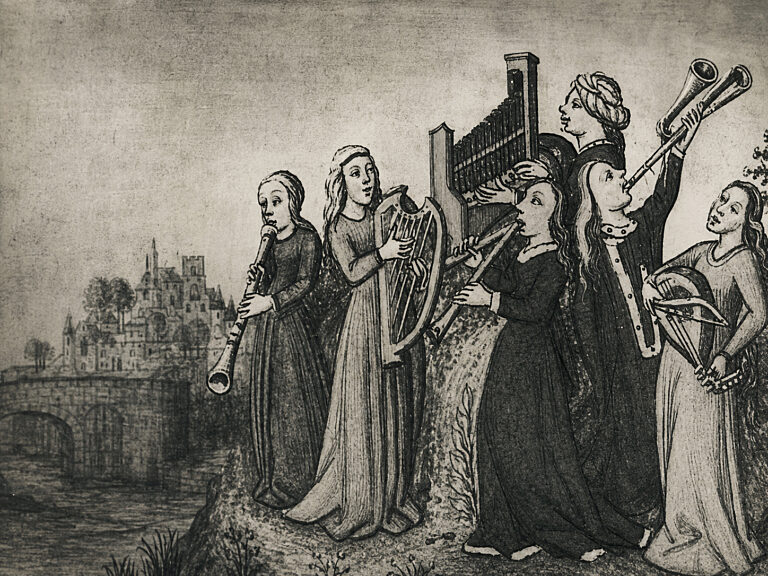
Drollery in the medieval representation of musical subjects
Study of medieval drolleries in musical imagery, exploring humorous and symbolic representations of musicians and instruments in Gothic art.
Brass Bulletin No 9 · 1974
History· Illustrations
Janetzky, Kurt
Impossible?
Kurt Janetzky challenges the notion of the “impossible” in brass playing, arguing that technical limits evolve and that demanding repertoire—past or present—should never be dismissed as unplayable.
Brass Bulletin No 10 · 1975
Horn· Repertoire· Technique· Interpretation· Ideas
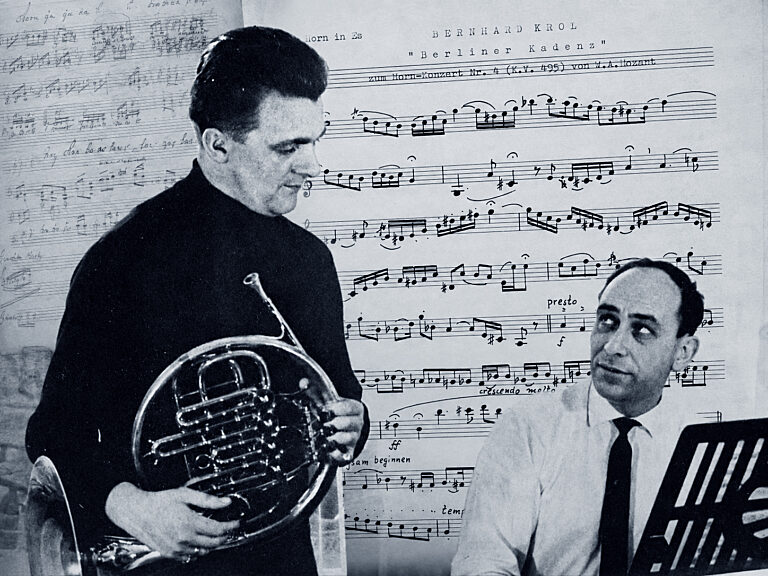
Krol, Bernhard
Why pretend to be Mozart?
The concerto’s cadenza: copy of style — or bold but true?
Should a cadenza imitate the past—or speak in today’s voice? Bernhard Krol questions the tradition of stylistic imitation and argues for cadenzas that bridge past and present with authenticity.
Brass Bulletin No 12 · 1975
Repertoire· Ideas· Interpretation
Fulkerson, James
Indeterminate instrumentation
A Way of Extending Instrumental Technic
Can technique go beyond notation? James Fulkerson explores new instrumental possibilities and argues that improvisation is key to expanding both technique and musical thinking.
Brass Bulletin No 12 · 1975
Technique· Repertoire· Contemporary Music· Improvisation
Böckle, Roland
Collective improvisation in instrumental classes with different instruments
What if learning an instrument meant more than playing pieces? Roland Böckle promotes collective improvisation to develop listening, taste, and creativity.
Brass Bulletin No 13 · 1976
Teaching· Improvisation· Ideas
Gohl, Willi
Composer Interpreter Teacher Student
Clains and demands in musical life today
What is the musician’s role today? Willi Gohl questions creation, teaching, and society—and argues for a more human, free, and living music.
Brass Bulletin No 14 · 1976
Teaching· Society· Sociology· Ideas
Damm, Peter
Why pretend to be Mozart?
Reply to Bernhard Krol
Should a cadenza imitate Mozart? Peter Damm argues for stylistic fidelity without imitation—at the heart of a debate with Bernhard Krol.
Brass Bulletin No 14 · 1976
Repertoire· Interpretation· Ornaments
Willener, Alfred
Montreux 1976 - First international brass congress
Montreux 1976: beyond the spectacle. Between virtuosity, ego, and isolation, Alfred Willener questions the very meaning of the brass world.
Brass Bulletin No 15 · 1976
Report· Event· Sociology· Ideas
Bobo, Roger
Comments on the First International Brass Congress
Montreux 1976
National styles or personal voice? Roger Bobo finds in Montreux that individuality prevails—yet notes the absence of key traditions.
Brass Bulletin No 15 · 1976
Report· Event· Sociology· Ideas
Mathez, Jean-Pierre
Editorial
Between tradition and innovation: brass players must move beyond routine and embrace new musical directions to remain relevant in the music of tomorrow.
Brass Bulletin No 17 · 1977
Society· Ideas· Contemporary Music
Höltzel, Michael
My contacts with the United States
About horns and how to play them
Double horn, descant, natural horn — which path? This article explores American vs German approaches and what it means to train a complete horn player.
Brass Bulletin No 17 · 1977
Horn· Report· Professional life· American school· German school
Meissner, Marc
Ornamentation of baroque music for brass
Baroque ornamentation forgotten? Without it, performances become dull and repetitive. This article argues for a return to style, freedom, and creative interpretation.
Brass Bulletin No 17 · 1977
Repertoire· Ornaments· Interpretation
Tarr, Edward H.
Cesare Bendinelli (1542-1617)
Biography
Cesare Bendinelli (1542–1617), imperial trumpeter and teacher, shaped a tradition and wrote the first trumpet method — a key document of Renaissance brass playing.
Brass Bulletin No 17 · 1977
Trumpet· History· Historical instruments· Sociology
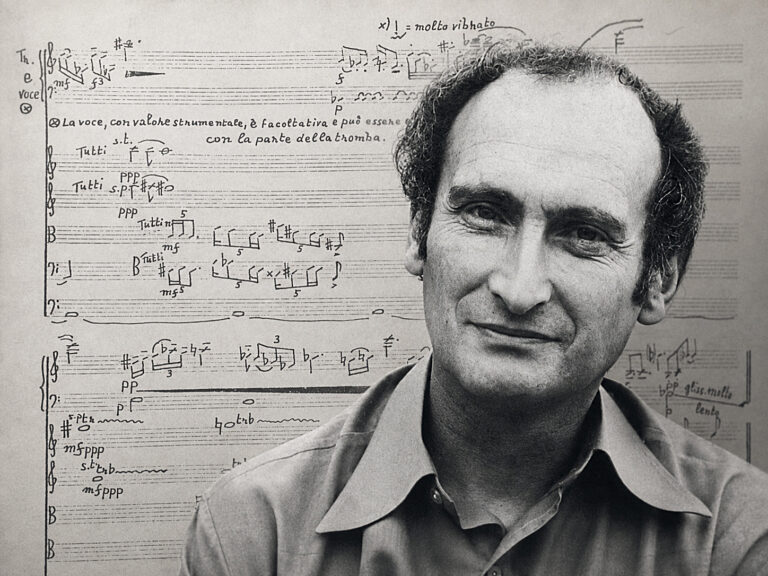
Globokar, Vinko
Reflections on the brass player
Why do brass players so often resist new music? Vinko Globokar dismantles schools, routines, and traditions—and calls for a freer musical mindset.
Brass Bulletin No 17 · 1977
Society· Teaching· Sociology· Ideas
Mathez, Jean-Pierre
Editorial
Mouthpiece, instrument, practice—what’s really holding you back? A reflection on doubt, competition, and finding the inner balance that shapes true musicianship.
Brass Bulletin No 18 · 1977
Society· Sociology· Ideas
Fenigstein, Victor
Scraps of Thoughts and Memories concerning “Passages” for trumpet and strings
Between waiting and movement, Passages reimagines soloist and orchestra—inviting exploration, listening, and the acceptance of the unexpected.
Brass Bulletin No 18 · 1977
Trumpet· Repertoire· Contemporary Music· Ideas
Hickman, David
Herbert L. Clarke (1867-1945)
Boyhood Years
From forbidden beginnings to cornet legend: Herbert L. Clarke’s early years reveal a path shaped by setbacks, persistence, and decisive discoveries.
Brass Bulletin No 18 · 1977
Trumpet· Cornet à pistons· History· Sociology
Mathez, Jean-Pierre
Editorial
Is sound something you control—or something you become? Jean-Pierre Mathez challenges technique, fashion, and pedagogy: sonority is a lifelong conquest of freedom.
Brass Bulletin No 19 · 1977
Society· Acoustics· Sound· Sociology
Bobo, Roger
From the pen of Roger Bobo
A bold statement from Roger Bobo: limiting yourself to your instrument’s repertoire is musical imprisonment — true musicianship begins beyond boundaries.
Brass Bulletin No 19 · 1977
Repertoire· Ideas
Mathez, Jean-Pierre
Editorial
Research shapes music. This editorial highlights key scholars, welcomes new contributors, and calls on readers to support Brass Bulletin’s growing international reach.
Brass Bulletin No 21 · 1978
Society· Ideas
Bobo, Roger
Yes or no? Beware!
Do we or do we not play transcriptions?
“Transcriptions: yes or no? Beware.” Roger Bobo challenges tubists to rethink repertoire, taste, and tradition in a bold call for musical judgment and artistic freedom.
Brass Bulletin No 21 · 1978
Tuba· Repertoire· Interpretation· Contemporary Music
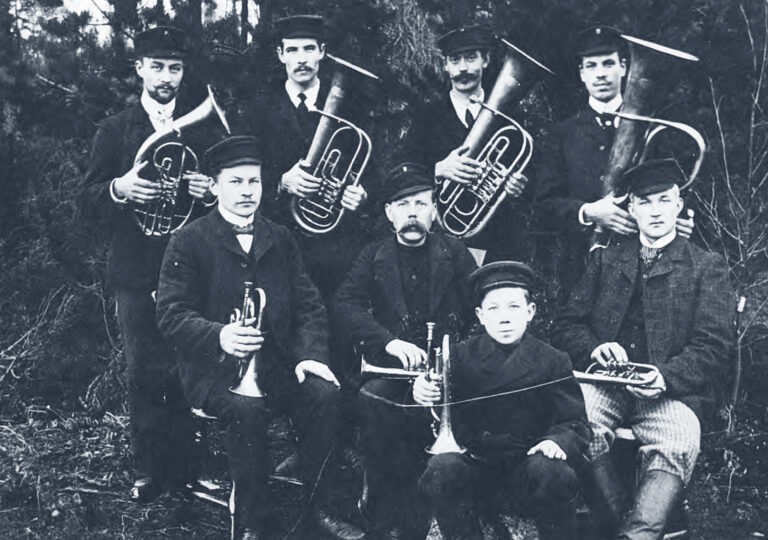
Karjalainen, Kauko
The brass septet tradition in Finland
A hidden tradition revealed: over 200 Finnish brass septets shaped regional music life—blending military roots, festivals, and composers like Sibelius into a living legacy.
Brass Bulletin No 21 · 1978
History· Repertoire· Sociology
Bobo, Roger
Symposium 1978
Eyes toward the future
Beyond the instrument: Roger Bobo calls for open minds at Symposium ’78—urging tubists to seek inspiration, question identity, and look boldly toward the future.
Brass Bulletin No 21 · 1978
Tuba· Event· Ideas
Mathez, Jean-Pierre
Editorial
More than a magazine: a call to musicians. This editorial reveals Brass Bulletin’s mission—to inspire, connect, and survive through the support of its readers.
Brass Bulletin No 23 · 1978
Society· Sociology· Ideas
Glover, Stephen L.
Early trumpet music in Schwerin
Hidden sources revealed: Stephen Glover uncovers early trumpet music in Schwerin—offering new insights into wind bands, performance practice, and the evolution of brass.
Brass Bulletin No 23 · 1978
Trumpet· Repertoire· History· Historical instruments· Valves
Agrell, Jeffrey
Zen and the Art of Horn playing
Beyond technique: Jeffrey Agrell explores the clash between intellect and intuition—arguing that true musical expression begins where analysis ends.
Brass Bulletin No 23 · 1978
Horn· Health· Society· Mental approach· Sociology
Mathez, Jean-Pierre
Editorial
A life that shaped a century: Jean-Pierre Mathez introduces the extraordinary rise of Maurice André—an artist whose brilliance transformed the modern trumpet.
Brass Bulletin No 24 · 1978
Society· Sociology· Ideas
Mathez, Jean-Pierre
Editorial
A warning from the machine: Jean-Pierre Mathez reflects on Kaufmann’s robot—questioning whether technology is shaping music… or slowly replacing the human artist.
Brass Bulletin No 25 · 1979
Society· Sociology· Mental approach
Agrell, Jeffrey
Dreams and wishes
Things I would like to see happen concerning the horn and horn playing
A set of proposals for the future of the horn: Jeffrey Agrell addresses editions, pedagogy, instruments, and repertoire—from Mozart to contemporary practice.
Brass Bulletin No 25 · 1979
Horn· Equipment· Repertoire· Ideas· Contemporary Music
Perrins, Barrie
What is a Brass Band?
Barrie Perrins traces the 19th-century origins, instrumentation and social role of the brass band—from industrial roots to international musical life.
Brass Bulletin No 25 · 1979
History· Society· Sociology· Band
Bobo, Roger
Tuba Editorial
Roger Bobo reflects on orchestral auditions, examining imbalance between candidates and positions and questioning training, selection criteria and prospects for aspiring tubists.
Brass Bulletin No 26 · 1979
Tuba· Professional life· Society· Auditions· Orchestral playing
Ree Wekre, Frøydis
Being a woman brass player... So what?
Frøydis Ree Wekre reflects on women in brass playing, examining physical assumptions, psychological factors, and practical realities across performance and professional life.
Brass Bulletin No 26 · 1979
Society· Health· Sociology· Mental approach
Mathez, Jean-Pierre
Editorial
Virtuosity is framed less as method than perception, opposing formula-driven teaching and pointing to attentive listening as the ground for technical clarity and artistic control
Brass Bulletin No 27 · 1979
Teaching· Society· Sociology· Ideas
Stevens, Thomas
The Trumpet in the USA
Across competitions, teaching and equipment in the U.S., trumpet practice exposes clashing ideas of musicality, raising the question of shared standards beyond national styles
Brass Bulletin No 27 · 1979
Trumpet· Society· American school· Interpretation
Mathez, Jean-Pierre
John Fletcher
Interview
From brass bands to chamber ensembles, John Fletcher reflects on the rapid rise of young British tubists and the changing role of the instrument.
Brass Bulletin No 27 · 1979
Tuba· Encounters· Society· Sociology· Solo playing
Agrell, Jeffrey
Zen and the Art of Horn playing
Between breath, reflex, and attention, Jeffrey Agrell links Zen practice with the physical and mental habits that shape brass playing.
Brass Bulletin No 27 · 1979
Horn· Health· Mental approach· Nerves
Mathez, Jean-Pierre
Editorial
From cultural codes to personal sincerity, Jean-Pierre Mathez questions how musicians recognise truth across styles, traditions and musical languages.
Brass Bulletin No 28 · 1979
Society· Interpretation· Sociology
Mathez, Jean-Pierre
Women and Brass
Statements
Female brass players in British orchestras describe auditions, section dynamics and the pressure of proving themselves beyond musical ability.
Brass Bulletin No 28 · 1979
Society· Professional life· Sociology· Orchestral playing
Mathez, Jean-Pierre
Editorial
At the dawn of the 1980s, Brass Bulletin challenges institutional habits, avant-garde rigidity and brass pedagies through a direct appeal to younger musicians.
Brass Bulletin No 29 · 1980
Society· Teaching· Sociology· Ideas
Bobo, Roger
Dynamics in the 80's
From Reykjavik to the Hollywood Bowl, rising concert hall scale and amplified culture reshape orchestral sound, leaving acoustic limits exposed.
Brass Bulletin No 29 · 1980
Acoustics· Society· Sound· Interpretation
Agrell, Jeffrey
Zen and the Art of Horn playing
From meditation to distance running, horn playing becomes a way of quieting mental noise, linking breath, concentration, and daily life.
Brass Bulletin No 29 · 1980
Horn· Health· Nerves· Breathing
Douay, Jean
A woman trombonist, Yvelise Girard
Women and Brass
From Paris conservatories to police bands, a young trombonist confronts isolation, scrutiny and ambition as women slowly enter the brass world.
Brass Bulletin No 29 · 1980
Trombone· Society· Professional life· Sociology· Auditions
Hoza, Vaclav
Tower-watchmen and night-watchmen in Bohemia
From Hussite suspicion of musicians to tower signals over Bohemian towns, horns and trumpets shaped civic life, danger warnings and ritual memory.
Brass Bulletin No 29 · 1980
History· Society· Sociology· Historical instruments
Ricquier, Michel
The use of the mind in instrumental performance
Relaxation, concentration and mental imagery reshape technical practice, linking self-confidence and instrumental control beyond physical training alone.
Brass Bulletin No 30 · 1980
Health· Teaching· Nerves· Interpretation
Janetzky, Kurt
300 Years of the Horn in Bohemia
An unsigned portrait from the Dresden court links the rise of Bohemian horn playing to the ceremonial world of Baroque hunting culture.
Brass Bulletin No 31 · 1980
Horn· History· Society· Historical instruments· Interpretation
Sluchin, Benny
A Trombone Martyr
Auguste Léonard de la Tuilerie
A Paris apothecary turned trombone evangelist challenges 19th-century musical habits, imagining the slide trombone as the future voice of harmony.
Brass Bulletin No 31 · 1980
Trombone· History· Society· Ideas· Sound
Bach, Markus S.
Women and brass: 3 Portraits
Barbara Stone, Betty Anderson, Kate Kaminga
Three British and Dutch conductors moved from brass band performance to leadership roles, confronting a scene still largely shaped by male traditions.
Brass Bulletin No 31 · 1980
Society· Professional life· Sociology· Brass Ensemble
Mathez, Jean-Pierre
Editorial
Progress by Stages
Between technical routine and lived experience, musical growth emerges through setbacks, observation and the gradual shaping of an individual voice.
Brass Bulletin No 32 · 1980
Teaching· Health· Nerves· Interpretation
O'Meara, David
Brass studies in Australia
As international performers, seminars and teachers reached Australia in the late 1970s, a geographically isolated brass scene began finding its own direction.
Brass Bulletin No 32 · 1980
Report· Teaching· Sociology· Orchestral playing
Ringger, Rolf Urs
Serious Music this Side of the Ghetto
Between Darmstadt serialism and neo-tonality, the place of serious music in society is questioned through Berg, Schönberg and the post-war avant-garde.
Brass Bulletin No 32 · 1980
Repertoire· Society· Contemporary Music· Sociology
Mathez, Jean-Pierre
Editorial
10 Years of Brass Bulletin
Ten years after its launch, a small specialist publication reaches readers in more than sixty countries, reflecting how a shared artistic community took shape across borders.
Brass Bulletin No 33 · 1981
History· Society· Ideas· Sociology
Davies, John
Brass and Strings
A note on personality types among musicians
Behind the formal discipline of the symphony orchestra, contrasting views of brass and string players reveal enduring questions about personality, class and musical culture.
Brass Bulletin No 33 · 1981
Society· Professional life· Sociology· Orchestral playing
Ricquier, Michel
The subconscious, a useful friend
From yogic practices to auto-hypnosis, mental conditioning and visualisation are linked to performance, self-control, and the body's hidden responses.
Brass Bulletin No 33 · 1981
Health· Teaching· Mental approach· Nerves
Mathez, Jean-Pierre
Editorial
Beyond technique and instruction, musical growth depends on trusted relationships, where friendship becomes both a measure of progress and a safeguard against isolation.
Brass Bulletin No 34 · 1981
Teaching· Society· Ideas· Interpretation
Olsen, Deborah M.
Music in an American Frontier Communal Society
Aurora Colony
In a German communal settlement on the Oregon frontier, bands, choirs and original compositions shaped daily life as strongly as faith, work and education.
Brass Bulletin No 34 · 1981
History· Society· Sociology· Brass Ensemble
Sommerhalder, Max
Working with the Posaunenchor
From Württemberg youth groups to mass brass gatherings in Ulm, a community tradition links faith, education and amateur brass playing across generations.
Brass Bulletin No 34 · 1981
Teaching· Society· Brass Ensemble· Sociology
Searfoss, David P.
The Audition System
Why American Musicians Emigrate?
Behind orchestral vacancies in North America, travel costs, subjective selection and hidden hiring practices help explain a growing flow of musicians abroad.
Brass Bulletin No 35 · 1981
Professional life· Society· Auditions· Orchestral playing
Nakayama, Fujio
Japanese painting from the 18th century
An 18th-century Okinawan scroll preserves a ceremonial procession where Chinese-derived instruments, including the rapa trumpet, marked diplomatic exchange with Japan.
Brass Bulletin No 35 · 1981
Trumpet· History· Historical instruments· Illustrations
Olsen, Deborah M.
Music in an American Frontier Communal Society
Aurora Colony
Music shaped daily life in Aurora’s communal colony, from civic ceremonies and political events to touring brass bands that carried its identity across the American West.
Brass Bulletin No 35 · 1981
History· Society· Repertoire· Sociology· Brass Ensemble
Mathez, Jean-Pierre
Editorial
International Competitions - Time, a perishable commodity...
From competition juries to the accelerating pace of modern life, Jean-Pierre Mathez questions the judgments and pressures shaping musicians and their careers
Brass Bulletin No 36 · 1981
Competition· Society· Ideas· Sociology
Olsen, Deborah M.
Music in an American Frontier Communal Society
Aurora Colony
Aurora’s bands, chamber groups and restored instruments show how communal faith, German heritage and American public life met in sound, from parlors to parades.
Brass Bulletin No 36 · 1981
History· Society· Sociology· Brass Ensemble
Mathez, Jean-Pierre
Editorial
As music becomes increasingly industrialized, Jean-Pierre Mathez argues for restoring local musical communities where composers, performers and audiences shape a shared identity.
Brass Bulletin No 37 · 1982
Society· Sociology· Ideas
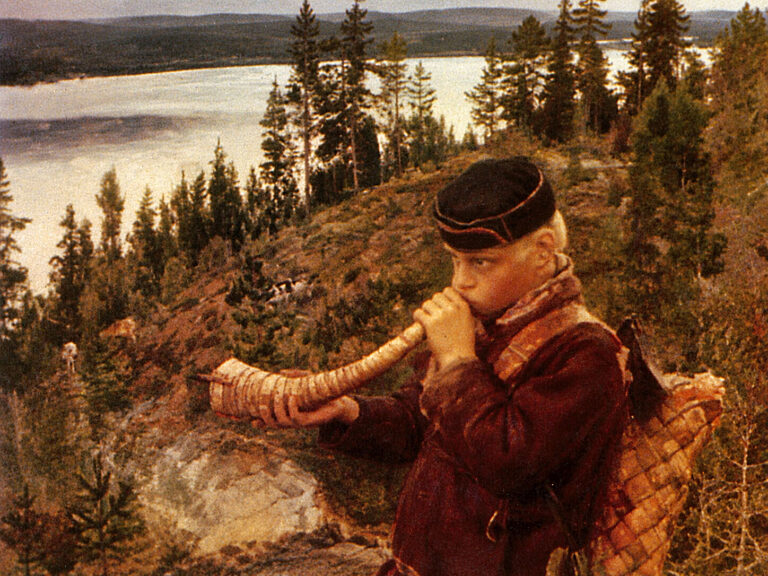
Jeurissen, Herman
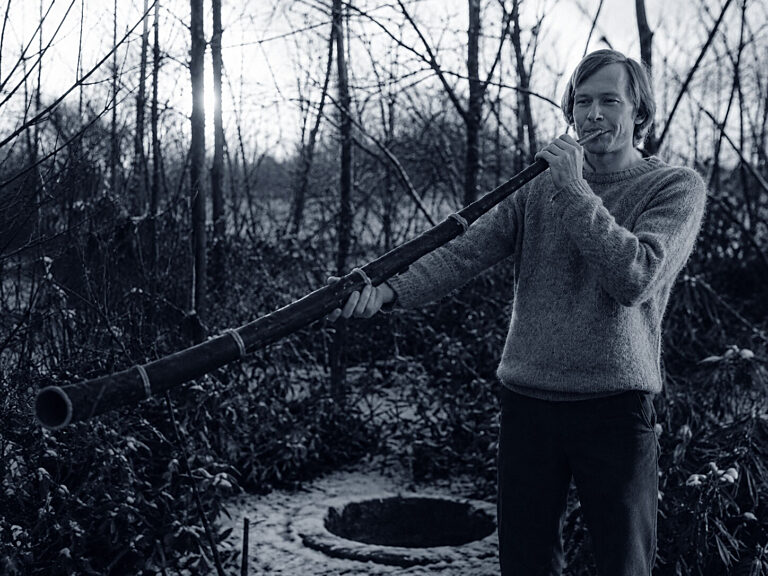
The Midwinter Horn
De Midwinterhoorn
A Christmas horn tradition from eastern Netherlands preserves ancient construction, ritual and performance, linking rural practice with Leopold Mozart's Sinfonia pastorella.
Brass Bulletin No 37 · 1982
Horn· History· Society· Historical instruments· Instrument making
Willener, Alfred
The Haydn Trumpet Concerto
Haydn’s trumpet concerto becomes a study of manuscript detail, performance choices, and the fragile ways listeners receive a familiar work.
Brass Bulletin No 37 · 1982
Trumpet· History· Repertoire· Society· Interpretation· Sociology
Agrell, Jeffrey
Listening
Musical listening begins where judgment ends, as Jeffrey Agrell questions habits of criticism, recordings and expectation that shape every performance.
Brass Bulletin No 38 · 1982
Society· Sociology· Mental approach
Ehmann, Wilhelm
100 Years of Kuhlo's Posaunenchor Book
A century-old brass choir book reveals how revivalist faith, Bach chorales, folk song, and practical notation reshaped church music.
Brass Bulletin No 38 · 1982
History· Repertoire· Brass Ensemble· German school
Mathez, Jean-Pierre
Editorial
As costs rose and ambitions grew, an editorial from 1983 captures the fragile balance between sustaining an international brass journal and preserving its vision.
Brass Bulletin No 40 · 1982
Professional life· Society· Sociology· Ideas
Mathez, Jean-Pierre
Yamaha, an ambitious giant
Behind the rise of a future industrial giant lies an unexpected lesson in craftsmanship, cultural exchange and the discipline that reshaped wind instrument making.
Brass Bulletin No 40 · 1982
Instrument Makers· Report· Instrument making· Sociology
Mathez, Jean-Pierre
Editorial
When careers pause and certainty fades, real progress begins in private, where discipline, friendship and chamber music reshape what it means to be a musician.
Brass Bulletin No 41 · 1983
Professional life· Teaching· Mental approach· Brass Ensemble
Mathez, Jean-Pierre
Musical Piracy
Plagiarism, Photocopying
Long before digital piracy, publishers and performers were already confronting plagiarism, photocopying and blurred artistic ownership across the brass world.
Brass Bulletin No 41 · 1983
Society· Professional life· Sociology· Ideas
Mathez, Jean-Pierre
Editorial
One magazine disappeared as another opened its pages, turning economic necessity into a rare act of editorial solidarity that reshaped the brass press.
Brass Bulletin No 42 · 1983
Society· Professional life· Sociology· Ideas
Mathez, Jean-Pierre
Editorial
Mass media, record-industry economics and the return of cornet virtuosity collide in a sharp warning about fashion, manipulation and musical independence.
Brass Bulletin No 43 · 1983
Society· Professional life· Sociology· Ideas
Mathez, Jean-Pierre
Brass Players in Rome
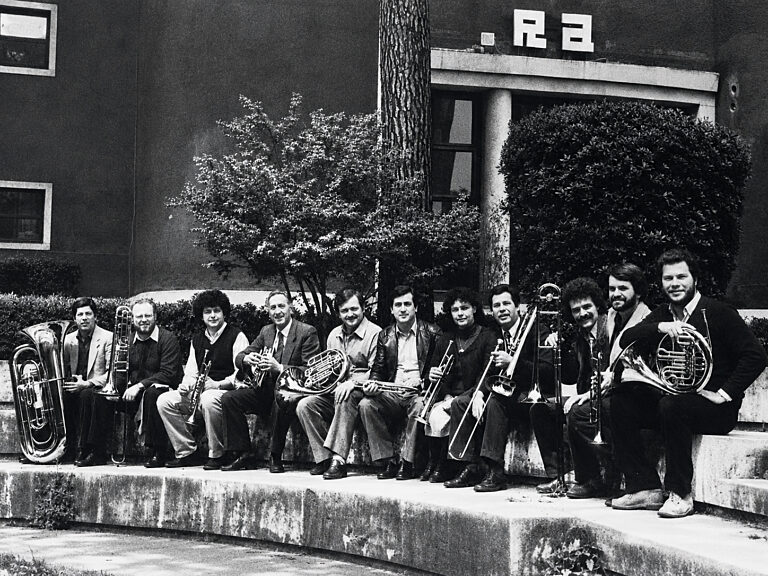
Behind Rome’s musical prestige, RAI brass players describe shrinking salaries, insecure orchestral careers and the compromises required simply to remain musicians.
Brass Bulletin No 43 · 1983
Report· Professional life· Orchestral playing· Sociology
Mathez, Jean-Pierre
Editorial
Music teaching depends on more than routine: in 1984, Jean-Pierre Mathez argues that living contact with artists keeps transmission open to new generations.
Brass Bulletin No 44 · 1983
Teaching· Ideas· Mental approach
Mathez, Jean-Pierre
Editorial
Between disciplined practice and creative folly, musicianship emerges where scales and systems give way to imagination, instinct and the unsettling freedom to think.
Brass Bulletin No 45 · 1984
Teaching· Technique· Mental approach· Interpretation
Mathez, Jean-Pierre
Editorial
An international brass congress exposes a deeper tension between global exchange, American influence and the need for musical cultures to preserve their identity.
Brass Bulletin No 46 · 1984
Society· Ideas
Mathez, Jean-Pierre
Special Hungary
The most beautiful instruments of the National and Military Museums
Budapest’s museum collections bring together Roman and Baroque trumpets, ceremonial instruments and military imagery, preserving sounds and symbols across centuries.
Brass Bulletin No 48 · 1984
History· Equipment· Historical instruments· Illustrations
Mathez, Jean-Pierre
Wynton Marsalis
Interview
At 26, Wynton Marsalis confronts jazz education, popular culture and artistic integrity with convictions as uncompromising as his approach to the trumpet.
Brass Bulletin No 59 · 1987
Trumpet· Encounters· Society· Jazz· Ideas
Stevens, Thomas
Can jazz performance be taught?
A profile of Charlie Shoemake
Brass Bulletin No 57 · 1987
Repertoire· Teaching· Jazz· Ideas
Sciortino, Patrice
Tubes - Tritones - Theses
Brass Bulletin No 71 · 1990
Equipment· Ideas
Stevens, Thomas
The Minute counter!
Brass Bulletin No 72 · 1990
Society· Ideas
Sciortino, Patrice
Tubes - Tritones - Theses
Brass Bulletin No 72 · 1990
Equipment· Ideas
Stevens, Thomas
Sampling?
Brass Bulletin No 75 · 1991
Society· Ideas
Stevens, Thomas
Sampling? A hard rality !
Brass Bulletin No 76 · 1991
Society· Ideas
Turner, Kerry
The Art of the Third Horn Player
The unsung hero
Brass Bulletin No 97 · 1997
Horn· Repertoire· Ideas
Ree Wekre, Frøydis
Thoughts on Competitions in Music
Brass Bulletin No 104 · 1998
Society· Competition· Ideas
Stevens, Thomas
Suppose they had an orchestra audition and nobody won?
Brass Bulletin No 111 · 2000
Society· Auditions· Ideas
Fineberg, Joshua
Classical music: Why bother?
Brass Bulletin No 121 · 2003
Society· Ideas· Sociology
Fineberg, Joshua
Classical music: Why bother?
Brass Bulletin No 122 · 2003
Society· Ideas· Sociology