Explore institutional access →

Professional Life

77 articles available online
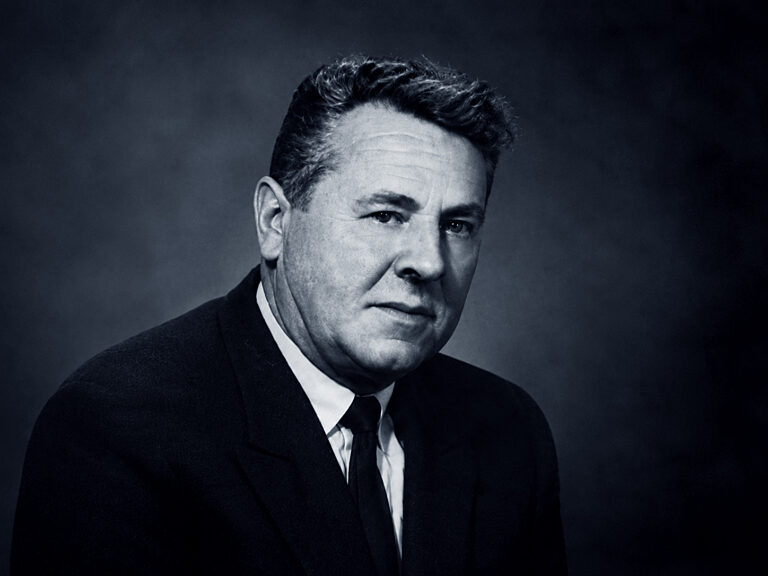
Akim Alexeyevich Kozlov Member
No. 40 • 1982 Digitized

Akim Alexeyevich Kozlov

A Trombone Artist

Behind decades of orchestral excellence, one trombonist shaped a school of playing whose influence reached far beyond Leningrad and the concert hall.

By Anatoly Barantsev
Encounters Teaching Russian school Orchestral playing Intonation
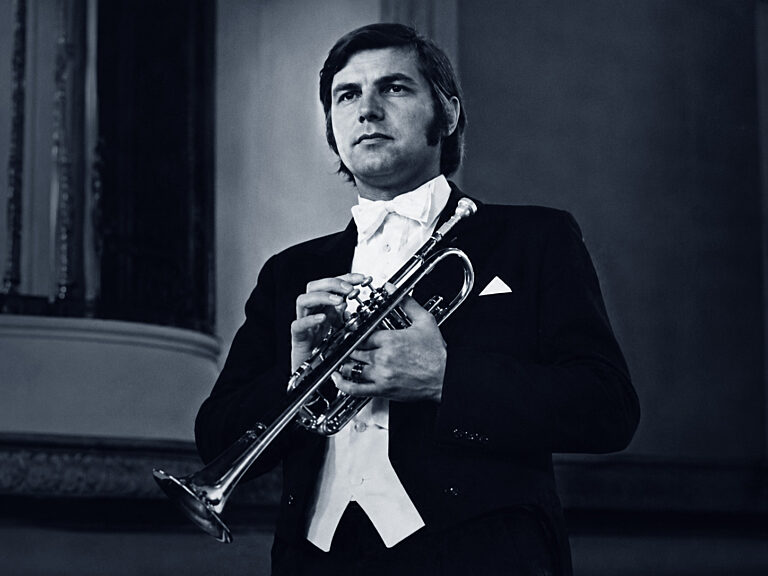
Miroslav Kejmar Free
No. 31 • 1980 Digitized

Miroslav Kejmar

Portrait in brief

From Bach’s Brandenburg Concerto to Czech contemporary music, the Prague trumpeter combined Baroque precision with orchestral versatility across Europe.

By Jean-Pierre Mathez
Encounters Professional life Solo playing Orchestral playing Contemporary Music
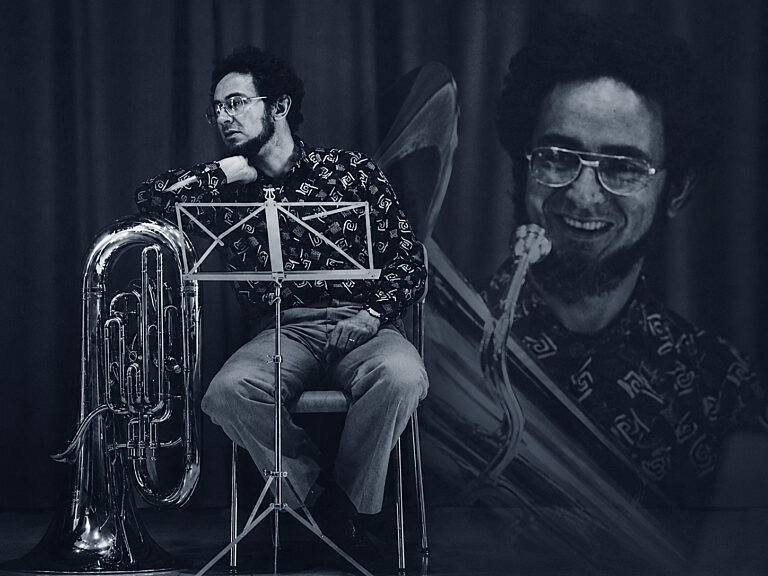
John Fletcher Free
No. 27 • 1979 Digitized

John Fletcher

Interview

From brass bands to chamber ensembles, John Fletcher reflects on the rapid rise of young British tubists and the changing role of the instrument.

By Jean-Pierre Mathez

Encounters Society Sociology Solo playing Brass Ensemble
A Miracle Pill for Stage Fright? Member
No. 39 • 1982 Digitized

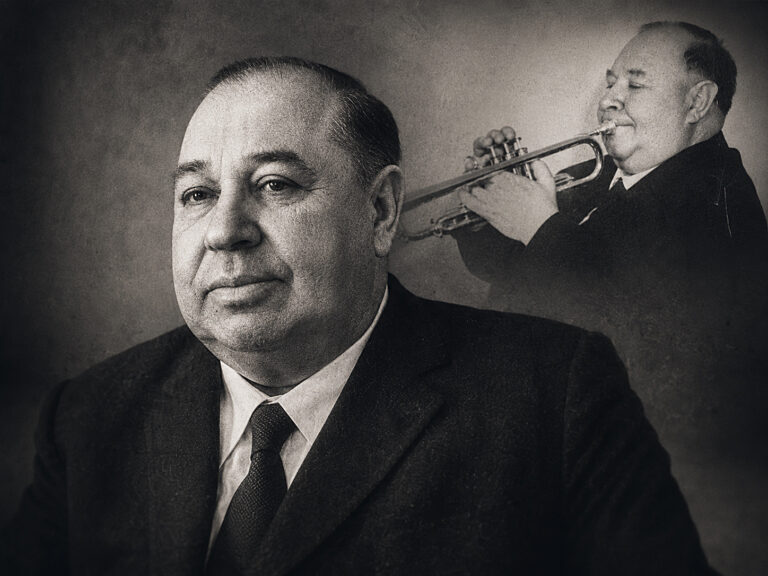
A Miracle Pill for Stage Fright?

What happens when performance anxiety is treated like a medical condition rather than a musical one, and where does that boundary ultimately lead?

By Wilfried Buck
Health Nerves Mental approach Orchestral playing
Sergey Nikolaevich Yeryomin (1903-1975) Free
No. 42 • 1983 Digitized

Sergey Nikolaevich Yeryomin (1903-1975)

The Distinguished Soviet Trumpeter and Teacher

Between Soviet military bands, the Bolshoi and the Moscow Conservatory, Yeryomin helped shape a trumpet tradition in which virtuosity remained a means, not an end.

By Yuri Usov
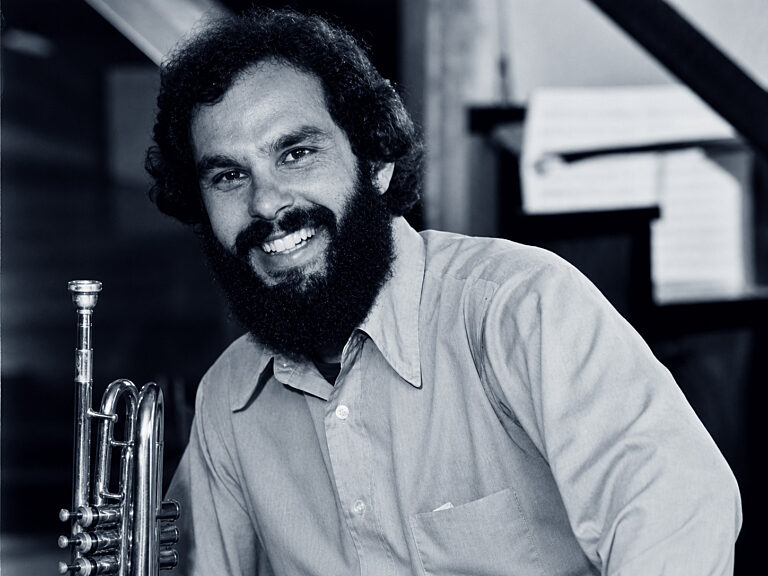
Encounters Teaching Russian school Orchestral playing Interpretation
Mario Guarneri Free
No. 26 • 1979 Digitized

Mario Guarneri

Portrait in brief

From San Francisco to New York and Los Angeles, a trumpet career unfolds across major orchestras, recordings and teaching, alongside a sustained commitment to access and contemporary music.

By Jean-Pierre Mathez

Encounters Professional life Orchestral playing Brass Ensemble Contemporary Music
Free
No. 4 • 1973 Digitized

The lead trumpet player

A survey of training, practice and equipment

Article on lead trumpet playing, covering training, practice methods and equipment for achieving accuracy, endurance and style.

By John Harding
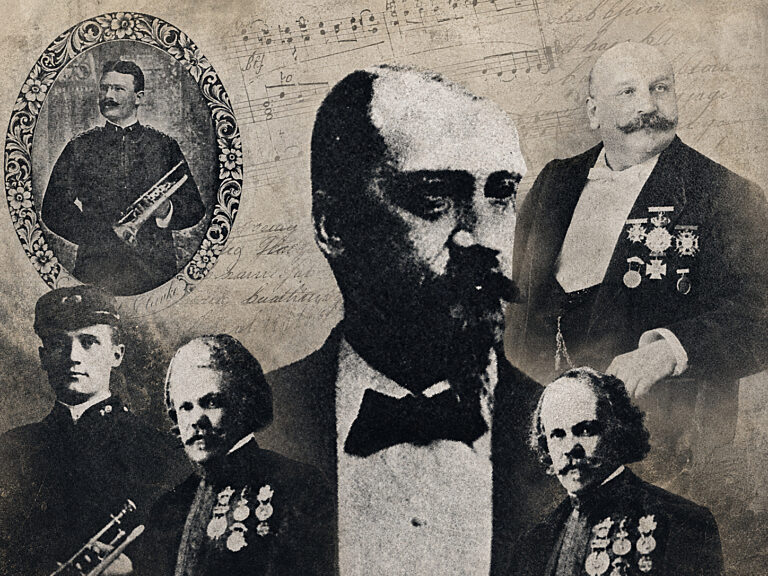
Technique Equipment Encounters Teaching Sound Breathing Mouthpiece Freelance
The saga of the cornet and six of its outstanding artists Member
No. 12 • 1975 Digitized

The saga of the cornet and six of its outstanding artists

The cornet reached extraordinary heights in the 19th century. Jack Hall traces the rise of its greatest virtuosi and a remarkable era of technical brilliance.

By Jack Hall
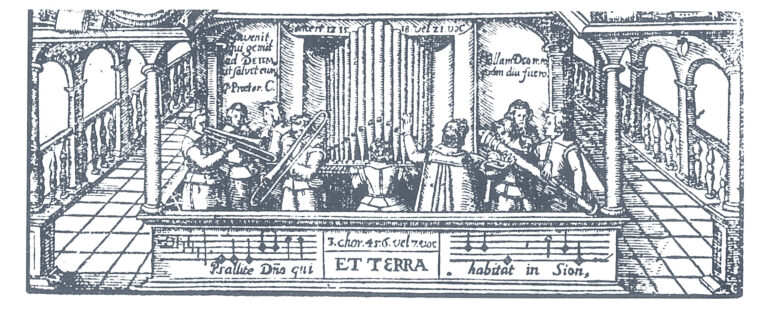
History Solo playing American school
Reminiscence of trombonists of the past Free
No. 22 • 1978 Digitized

Reminiscence of trombonists of the past

Echoes of the past: Werner Beyer traces great trombonists from the 17th century to Wagner’s era—revealing how tradition, players, and instruments shaped the modern orchestra.

By Werner Beyer
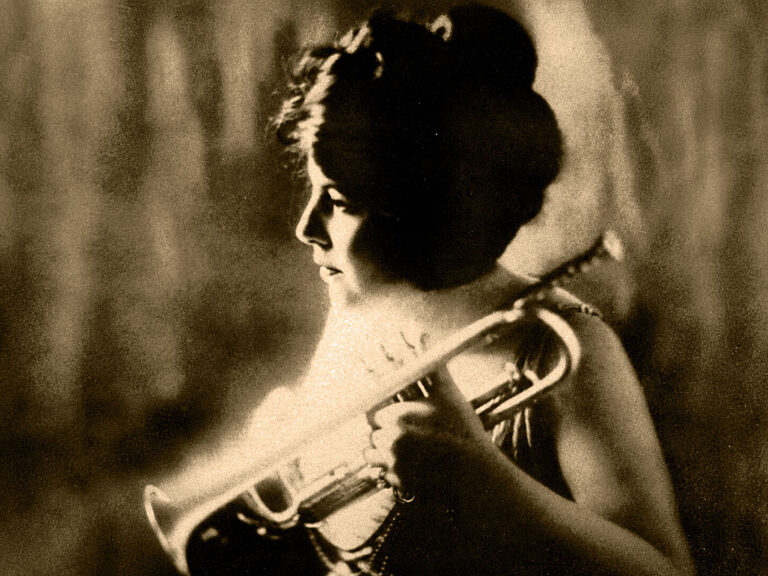
History Orchestral playing Historical instruments
Edna White Member
No. 48 • 1984 Digitized

Edna White

A Woman and a Life in the Service of the Trumpet

At a time when the cornet still ruled, Edna White made the trumpet a solo voice, building a career across concert halls, radio, recordings and new repertoire.

By Michel Laplace

History Solo playing
10 Outstanding Trumpet Players in the Los Angeles Area Free
No. 41 • 1983 Digitized

10 Outstanding Trumpet Players in the Los Angeles Area

Behind the polished sound of Los Angeles studio trumpet playing stood remarkably similar training, disciplined routines, and a craft shaped by constant stylistic demands.

By Boyde Hood
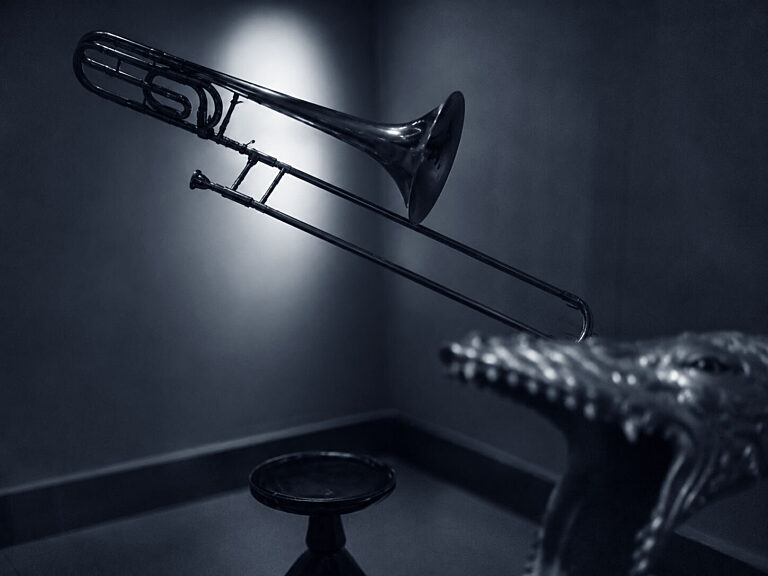
Encounters Professional life Freelance American school Jazz
Thoughts on the Bass Trombone Free
No. 39 • 1982 Digitized

Thoughts on the Bass Trombone

Long before modern standards took hold, bass trombones existed in many forms, raising questions that still shape orchestral writing and performance today.

By Jean Gotthold
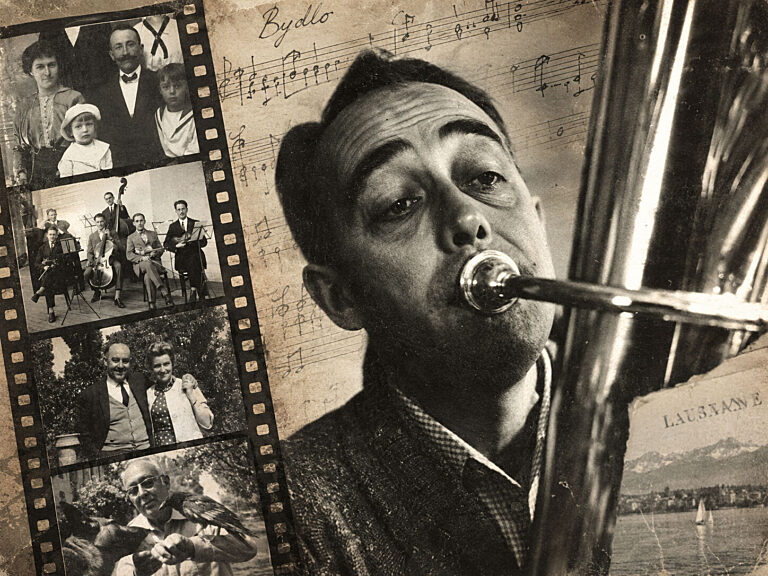
Technique Equipment Valves Mouthpiece Orchestral playing
How and why I became a musician Member
No. 51 • 1985 Digitized

Part 2

How and why I became a musician

A teenage double bassist in 1920s Lausanne turns family resistance, scout orchestras and hard-earned engagements into the beginnings of a professional life.

By Edouard Gros
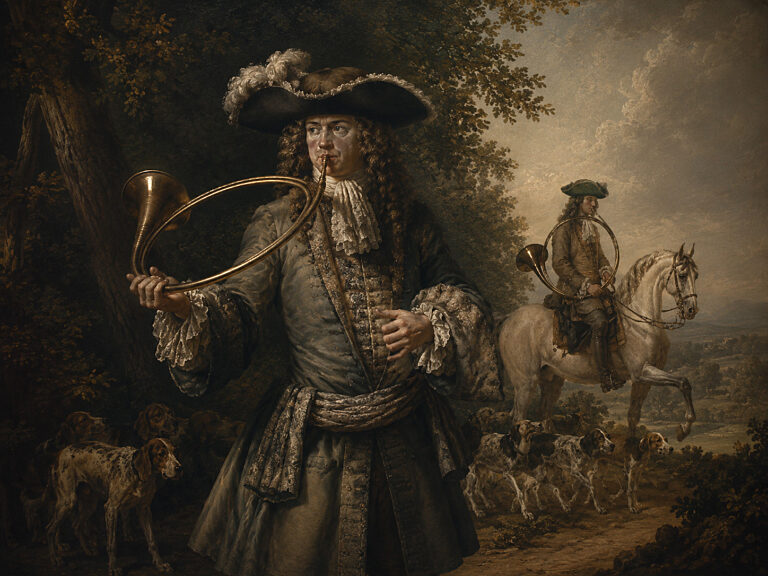
Professional life Orchestral playing
300 Years of the Horn Member
No. 31 • 1980 Digitized

Part 1

300 Years of the Horn

1680-1980, an attempted survey

From Versailles to Bohemia, hunting horns enter orchestral life through makers, players, early works and the Austro-Bohemian tradition.

By Peter Damm
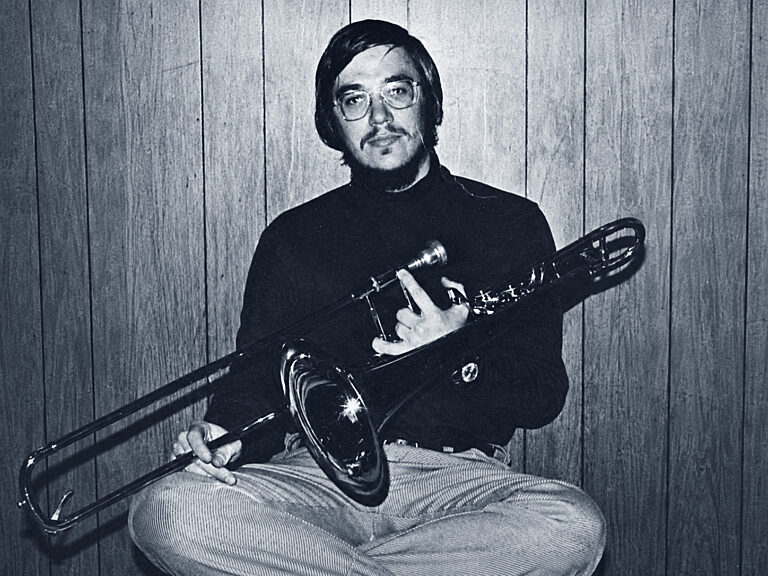
History Equipment Historical instruments Instrument making Orchestral playing
A brief glimpse at the USSR Free
No. 14 • 1976 Digitized

A brief glimpse at the USSR

What does a musical trip to the USSR reveal? Between discipline, powerful sound, and vivid exchanges, this account uncovers a different brass culture.

By Thomas Everett
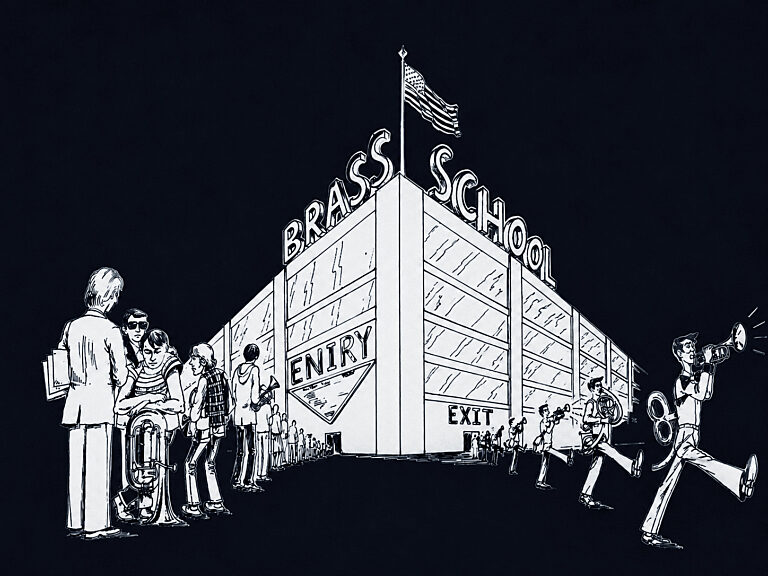
Report Teaching Russian school Orchestral playing
The Audition System Free
No. 35 • 1981 Digitized

The Audition System

Why American Musicians Emigrate?

Behind orchestral vacancies in North America, travel costs, subjective selection and hidden hiring practices help explain a growing flow of musicians abroad.

By David P. Searfoss

Professional life Society Auditions Orchestral playing Sociology
The tuba in Europe Member
No. 11 • 1975 Digitized

The tuba in Europe

Why does the tuba sound different across Europe? Robert Tucci explores national styles, instruments and orchestral traditions.

By Robert Tucci
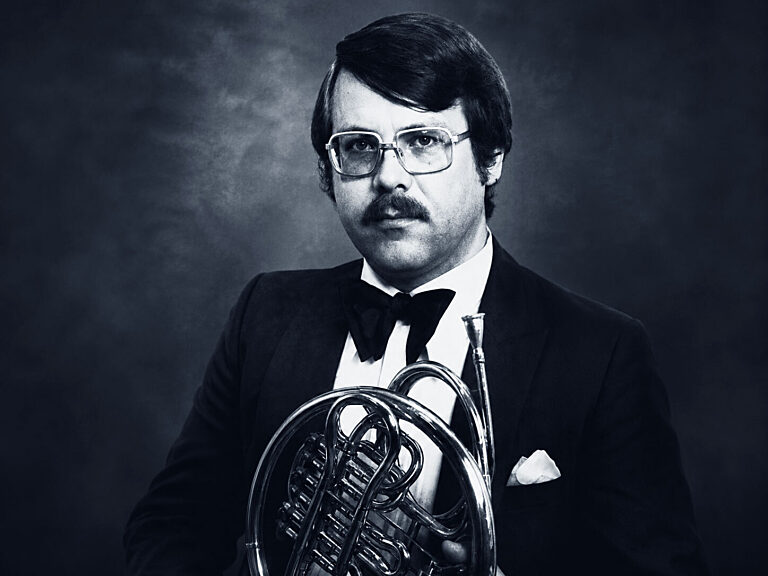
Report Equipment Sound German school Orchestral playing
Interview with Hans Pizka Free
No. 36 • 1981 Digitized

Interview with Hans Pizka

From Vienna horn traditions and natural-horn training to orchestral style and pedagogy, Hans Pizka reflects on the foundations of horn playing and musical identity.

By Jeffrey Agrell
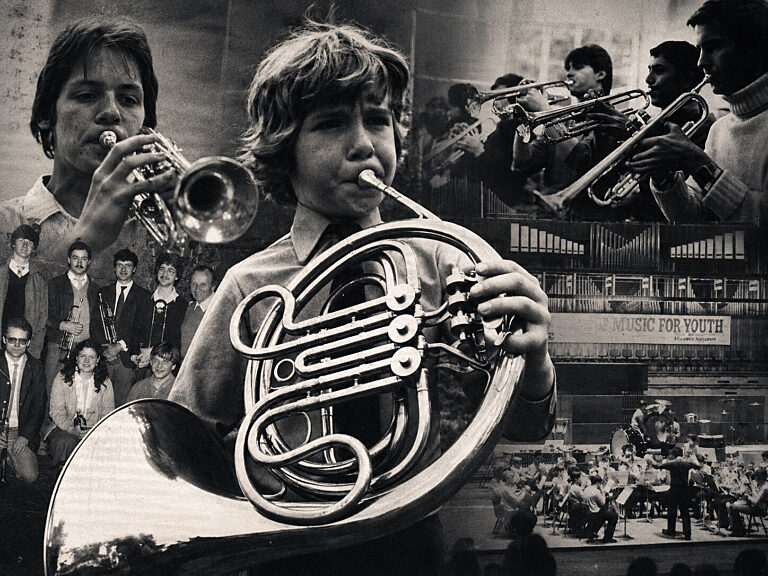
Encounters Teaching Equipment Historical instruments Orchestral playing
British brass players training Member
No. 54 • 1986 Digitized

British brass players training

In 1980s Britain, brass bands, state schools and conservatoires offered different paths into music, while rising standards collided with shrinking budgets and uncertain careers.

By Thomas Aitken
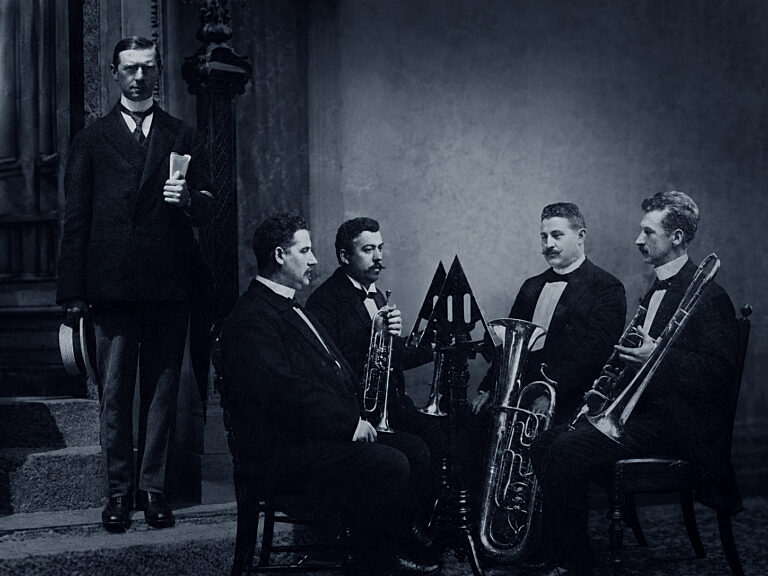
Teaching Professional life Auditions
Anton Hansen (1877-1947) Member
No. 29 • 1980 Digitized

Part 3

Anton Hansen (1877-1947)

Father of trombone playing in Scandinavia

From Sibelius to Paris, Anton Hansen’s later career links Scandinavian trombone playing with French repertoire, teaching, and orchestral reform.

By Per Gade

History Teaching French school Orchestral playing
Glenn Ferris - Profile Member
No. 23 • 1978 Digitized

Glenn Ferris - Profile

Beyond fame and labels: Glenn Ferris rejects the music business game—defining a raw, uncompromising vision of creativity, freedom, and what it means to truly play.

By Lee Underwood

Encounters Professional life Freelance Jazz
Tuba Editorial Free
No. 26 • 1979 Digitized

Tuba Editorial

Roger Bobo reflects on orchestral auditions, examining imbalance between candidates and positions and questioning training, selection criteria and prospects for aspiring tubists.

By Roger Bobo
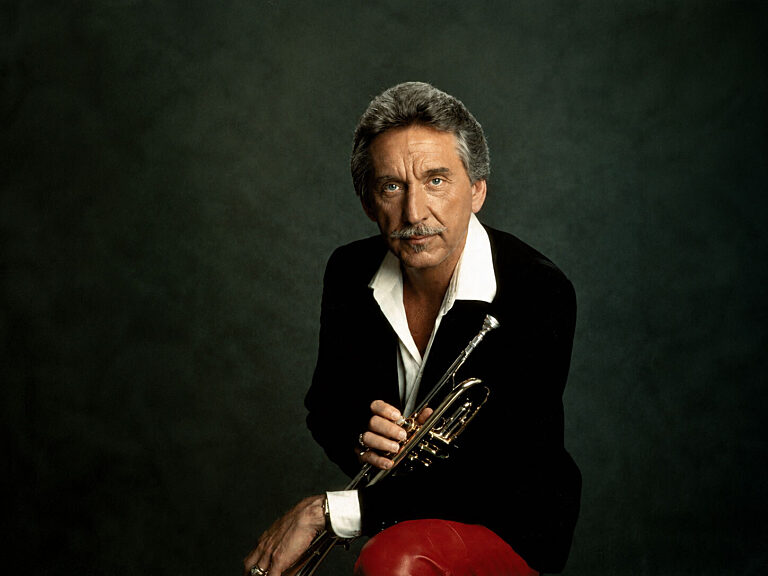
Professional life Society Auditions Orchestral playing Sociology
Doc Severinsen Free
No. 55 • 1986 Digitized

Doc Severinsen

Talent, will and glory

Trumpet virtuoso and nightly television star, Doc Severinsen combined immense popularity with concerts, big bands and iron discipline.

By Jean-Pierre Mathez

Encounters Jazz Solo playing
Free
No. 25 • 1979 Digitized

Dreams and wishes

Things I would like to see happen concerning the horn and horn playing

A set of proposals for the future of the horn: Jeffrey Agrell addresses editions, pedagogy, instruments, and repertoire—from Mozart to contemporary practice.

By Jeffrey Agrell

Equipment Repertoire Ideas Contemporary Music Orchestral playing
Loading…

Questions & Answers

How the Digital Edition works

What does the Digital Edition include?

The Digital Edition brings together the articles already digitized as searchable online texts—not simply as scans or PDF files—along with their original illustrations, notes, authorship, issue information, and available translations. Related-article suggestions currently include only this digitized material.

Are the digital articles identical to the originals?

We preserve the original text, language, illustrations, captions, footnotes, and editorial context as faithfully as possible. The presentation is adapted for comfortable online reading, and obvious transcription or scanning errors may be corrected. The substance and character of the published article remain unchanged.

Which languages are available?

Brass Bulletin was published in English, French, and German throughout its history. Italian and Spanish translations were added from issue No. 60 onward.

On the Italian and Spanish sites, articles from issues 1–59 are therefore shown in English by default.

How often are new articles added?

New articles are added almost daily, with approximately one complete issue digitized each week. The pace may vary depending on the preparation, image work, and editorial checking required.

Why aren’t all articles available digitally?

The complete Brass Bulletin collection contains 1,246 articles published between 1971 and 2003. The full index is already available online, allowing readers to discover every article in the collection, including those whose complete text has not yet been digitized.

Digitization began in February 2026. Each article is carefully prepared for online reading, checked, and connected to its issue, authors, subjects, and illustrations. At the current pace of digitization, the complete collection is expected to be available online by February 2028.

Why do some references mention articles that are not available yet?

References in the original articles are preserved even when the material they point to has not yet been digitized. This keeps the historical and editorial record intact. As more issues are added to the Digital Edition, an increasing number of these references will lead to articles that can be read online.

Can I suggest an article or report a transcription error?

Yes. If there is an article you would particularly like to see digitized, or if you notice a possible transcription error or missing detail, please contact us. Reader feedback helps us improve the Digital Edition and prioritize useful connections within the archive.

How can I support Brass Bulletin?

Your support helps fund the preparation, verification, and online publication of the complete collection.

Subscribe to the Digital Edition

Prefer to support us without subscribing?

Make a donation

How is the digitization progressing?

We’re gradually making the Brass Bulletin available online, article by article. You can read newly digitized articles as soon as they’re ready, even before an entire issue is complete.

Visit our Digitization Roadmap to browse recent additions and see estimated availability for upcoming issues. These estimates follow our recent pace and may change.

Search Brass Bulletin.