9 min. read
The tuba in Europe
By Robert Tucci
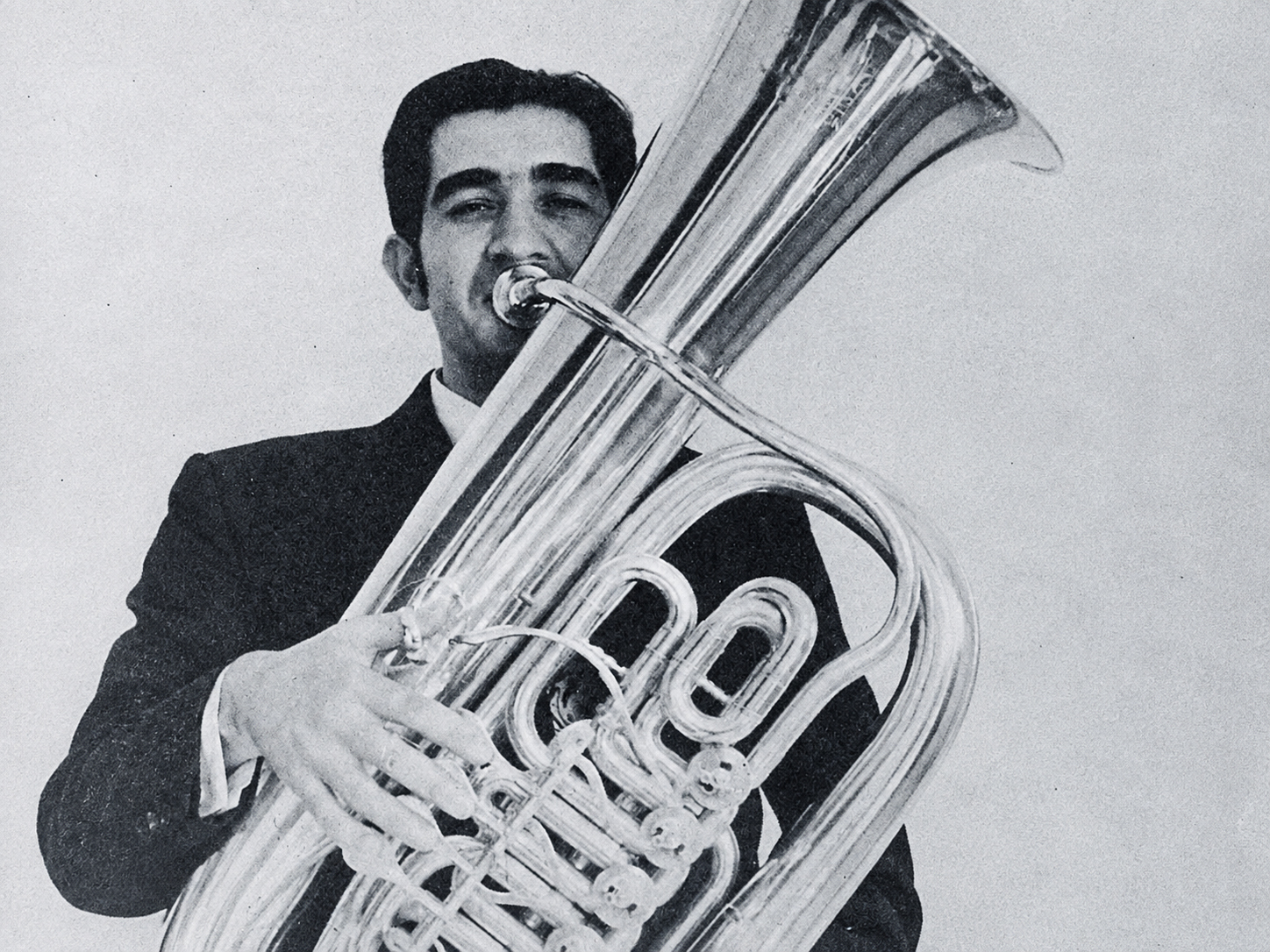
Life in Europe today is generally not too different from that in the U.S. The arts (music in particular), however, has been one area in which people of the various countries have maintained their peculiar identities. Names like Bolshoi Ballet, Concertgebouw, Bayreuth, La Scala Milano immediately bring thoughts or memories of stunning performances in a strong nationalistic flavor. In eastern Europe governments subsidize their cultural institutions in an unprecedented manner: the Czech Philharmonic Orchestra in Prague and the Komische Oper in East Berlin are only two examples.
The biggest differences in playing and tonal concepts between orchestras from such places as Bergen, Zagreb, or Barcelona can be heard in the winds. This is particularly true as it applies to the oboe, the horn, or the tuba. The tuba varies from the single B♭ or C tenor found in French orchestras to the giant BB♭ contrabass Kaiser tubas used in German orchestras for performances of Wagner’s «Ring» operas. The choice of which tuba to use is usually a result of adapting to the needs of a particular musical environment.
Brass Bulletin 11, II / 1975 pages 67–79
All content is protected by copyright © Brass Bulletin 1975–2026