Explore institutional access →

Playing

167 articles available online
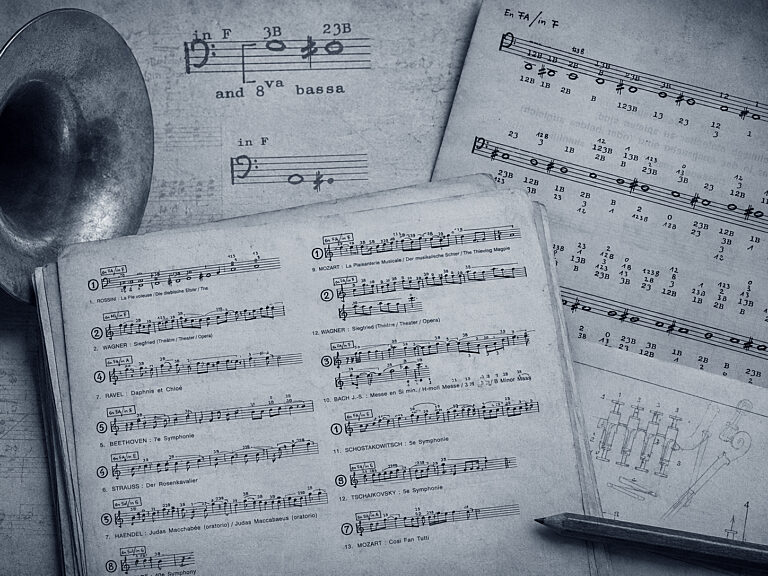
The F/Bb horn with whole-tone ascending 3rd valve Member
No. 11 • 1975 Digitized

The F/Bb horn with whole-tone ascending 3rd valve

A different horn, a different approach: Francis Orval explores how an ascending 3rd valve reshapes technique, intonation and response.

By Francis Orval
Technique Equipment Valves Intonation
The Wrong Brass? Member
No. 41 • 1983 Digitized

The Wrong Brass?

Between blind fidelity and reckless modernisation, instrument substitutions force performers to decide when the score’s wording serves—or betrays—the music.

By Rudolf Lewy

Repertoire Equipment Historical instruments Orchestral playing Sound
An American trumpet player's impressions of european brass performances Member
No. 5 • 1973 Digitized

An American trumpet player's impressions of european brass performances

An American trumpet player reflects on European brass traditions, comparing education, amateur practice and professional performance across both continents.

By Harold E. Krueger

Society American school Orchestral playing Sound Interpretation
Member
No. 21 • 1978 Digitized

Brass players athletes

Brass players are athletes. Bengt Belfrage reveals how training, recovery, breathing, and mental focus—borrowed from sport—can transform performance and endurance.

By Bengt Belfrage
Technique Health Endurance Breathing Nerves
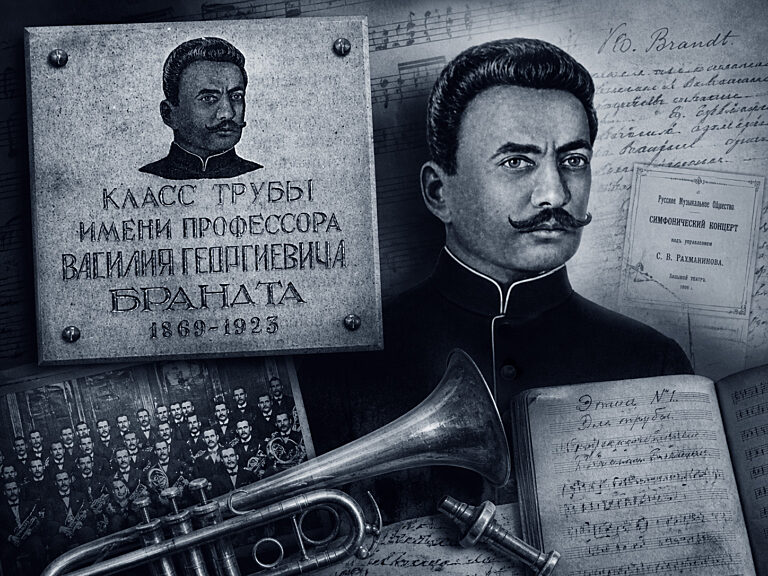
Vassily Gueorguievitch Brandt (1869–1923) Member
No. 26 • 1979 Digitized

Vassily Gueorguievitch Brandt (1869–1923)

Biography

Sélianine traces Brandt’s life and artistry, from Bolshoi virtuoso to influential pedagogue, revealing the foundations of a distinctly Russian trumpet tradition.

By Anatoly Selianin
History Teaching Russian school Sound Articulation
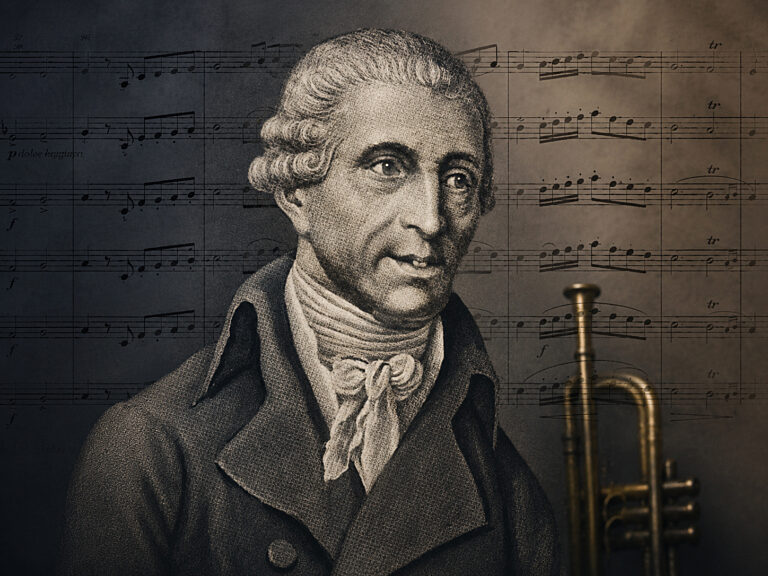
The Haydn Trumpet Concerto Member
No. 35 • 1981 Digitized

Part 1

The Haydn Trumpet Concerto

As editions, instruments and traditions diverge, Haydn’s trumpet concerto becomes a lens on notation, style and the shifting meaning of performance.

By Alfred Willener

History Repertoire Interpretation Keyed trumpet Ornaments
Member
No. 13 • 1976 Digitized

Collective improvisation in instrumental classes with different instruments

What if learning an instrument meant more than playing pieces? Roland Böckle promotes collective improvisation to develop listening, taste, and creativity.

By Roland Böckle

Teaching Improvisation Ideas
Jazz and the Horn Member
No. 40 • 1982 Digitized

Jazz and the Horn Series • Part 1

Jazz and the Horn

The horn was once considered incompatible with jazz until changing ideas of sound and musicians like John Graas quietly overturned that certainty.

By Jeffrey Agrell

Repertoire History Jazz Improvisation
Jazz and the Horn Member
No. 42 • 1983 Digitized

Jazz and the Horn Series • Part 3

Jazz and the Horn

Getting started

For the classically trained horn player, jazz replaces the security of the printed page with listening, swing and improvisation—and a different kind of discipline.

By Jeffrey Agrell

Teaching Technique Jazz Improvisation Articulation
Member
No. 17 • 1977 Digitized

Ornamentation of baroque music for brass

Baroque ornamentation forgotten? Without it, performances become dull and repetitive. This article argues for a return to style, freedom, and creative interpretation.

By Marc Meissner

Repertoire Ornaments Interpretation Ideas
Editorial Free
No. 19 • 1977 Digitized

Editorial

Is sound something you control—or something you become? Jean-Pierre Mathez challenges technique, fashion, and pedagogy: sonority is a lifelong conquest of freedom.

By Jean-Pierre Mathez

Society Acoustics Sound Sociology Ideas
The Trumpet in the USA Free
No. 43 • 1983 Digitized

Part 6

The Trumpet in the USA

Diverse makers

As trumpet makers rethink their standard instruments, Monette, Malone and Blackburn bring leadpipe design into a new dialogue between players and workshops.

By Thomas Stevens

Instrument Makers Equipment Intonation
The Haydn Trumpet Concerto Member
No. 36 • 1981 Digitized

Part 2

The Haydn Trumpet Concerto

André, Wobisch, Dokshitzer, Stringer and others reveal how tempo, phrasing, ornamentation and cadenzas reshape Haydn's trumpet concerto.

By Alfred Willener
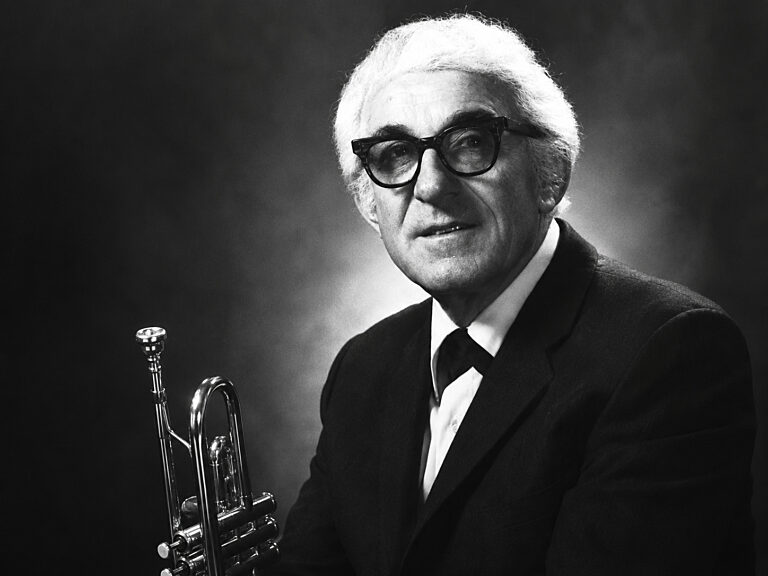
History Repertoire Interpretation Articulation Ornaments Keyed trumpet
Tonguing Member
No. 44 • 1983 Digitized

Tonguing

A tiny shift in tongue movement changes speed, endurance and clarity, turning articulation from a mechanical attack into one of the trumpet player’s subtlest tools.

By Louis Davidson

Technique Teaching Articulation Tongue Breathing
Free
No. 21 • 1978 Digitized

Yes or no? Beware!

Do we or do we not play transcriptions?

“Transcriptions: yes or no? Beware.” Roger Bobo challenges tubists to rethink repertoire, taste, and tradition in a bold call for musical judgment and artistic freedom.

By Roger Bobo
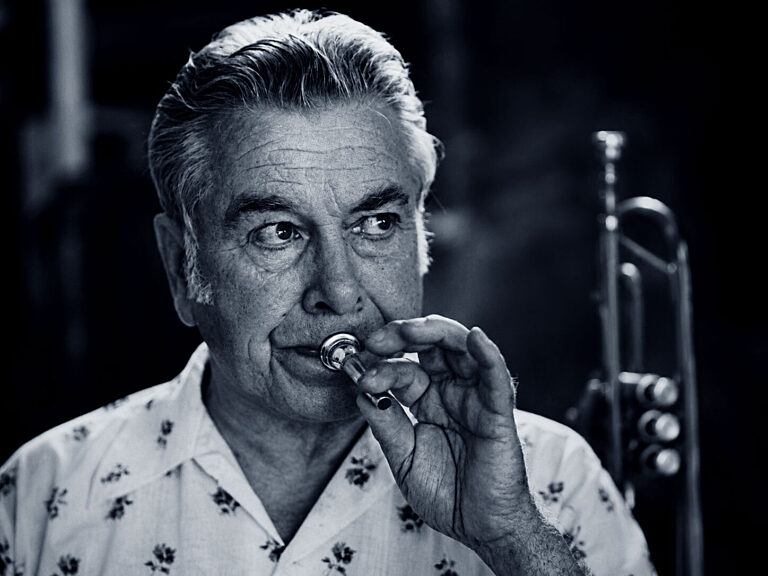
Repertoire Interpretation Contemporary Music Ideas
James Stamp, subtle teaching Member
No. 39 • 1982 Digitized

James Stamp, subtle teaching

Intonation, held notes and mouthpiece work shape James Stamp's subtle approach to trumpet playing, where listening and physical economy guide technique.

By Alfred Willener

Teaching Technique Intonation Mouthpiece Range
The use of the mind in instrumental performance Member
No. 30 • 1980 Digitized

The use of the mind in instrumental performance

Relaxation, concentration and mental imagery reshape technical practice, linking self-confidence and instrumental control beyond physical training alone.

By Michel Ricquier
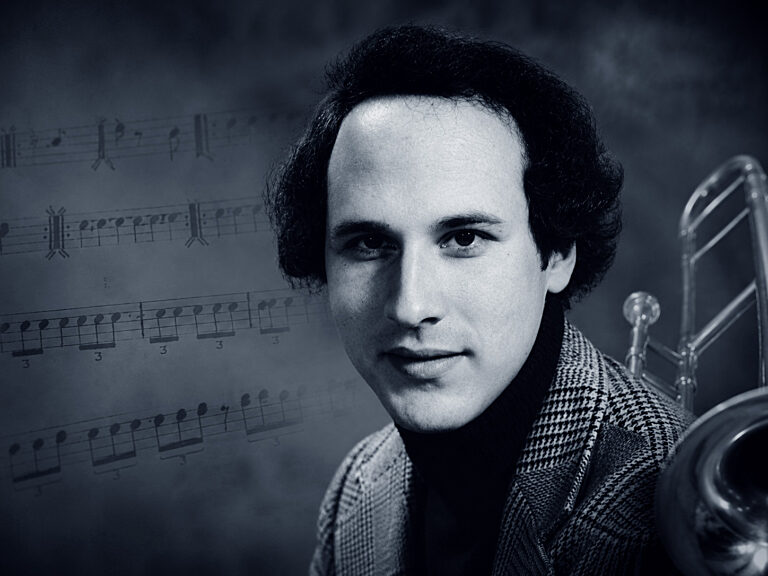
Health Teaching Nerves Interpretation Ideas
Basics in breathing Free
No. 32 • 1980 Digitized

Basics in breathing

An Outline to a Better Sound

From breathing awareness to sound production, practical exercises link physical relaxation, air control and rhythmic precision in everyday brass playing.

By Joel Elias

Technique Teaching Breathing Sound Nerves
Member
No. 23 • 1978 Digitized

Phonetics in the articulation and expression of the language of music

Rethinking articulation: Francis Orval challenges traditional teaching—revealing how phonetics, language, and psychology shape sound, phrasing, and musical expression.

By Francis Orval
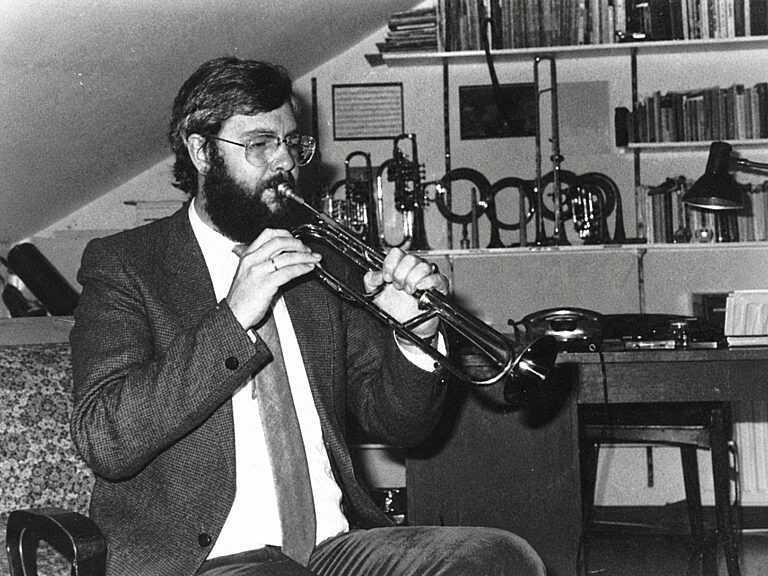
Technique Teaching Articulation Tongue Breathing
Natural trumpets, basic techniques Member
No. 51 • 1985 Digitized

Natural trumpets, basic techniques

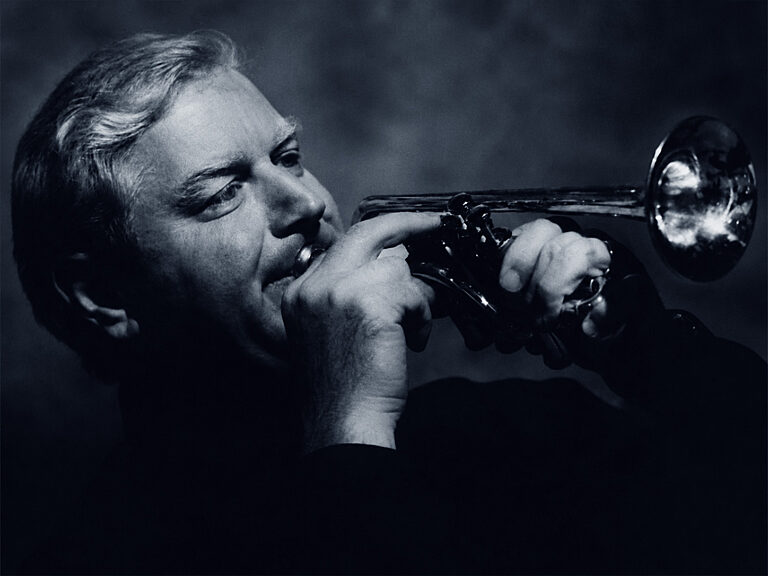
Natural trumpet playing demands more than historical equipment: Friedemann Immer sets modern technique against Baroque sound, articulation, style and authenticity.

By Friedemann Immer
Technique Equipment Articulation Interpretation Historical instruments
ASA-Method, ASA-Technic Free
No. 37 • 1982 Digitized

ASA-Method, ASA-Technic

Virtuosity grows from disciplined work on scales, articulation and reading, arguing that consistent fundamentals matter more than chasing the upper register.

By Rolf Quinque

Technique Teaching Range Mental approach Interpretation
Member
No. 12 • 1975 Digitized

Indeterminate instrumentation

A Way of Extending Instrumental Technic

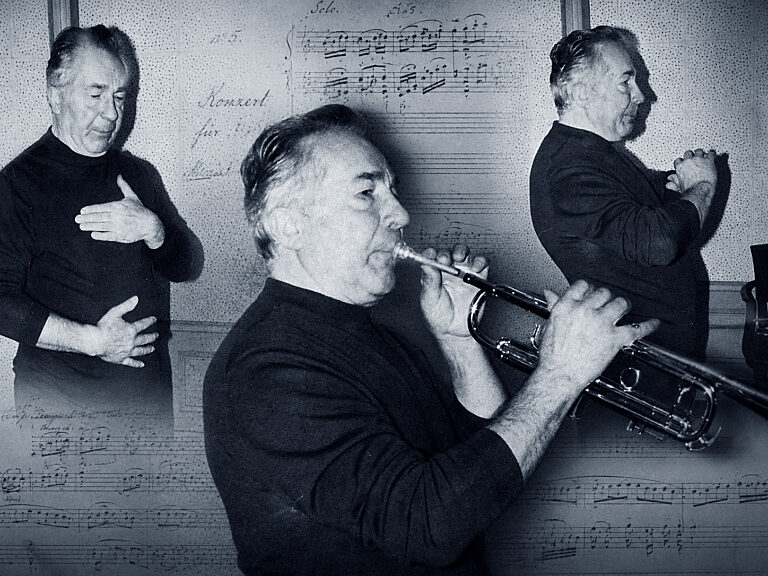
Can technique go beyond notation? James Fulkerson explores new instrumental possibilities and argues that improvisation is key to expanding both technique and musical thinking.

By James Fulkerson
Technique Repertoire Contemporary Music Improvisation Ideas
Advices from an expert brass clinician: Robert Pichaureau, Paris Member
No. 18 • 1977 Digitized

Advices from an expert brass clinician: Robert Pichaureau, Paris

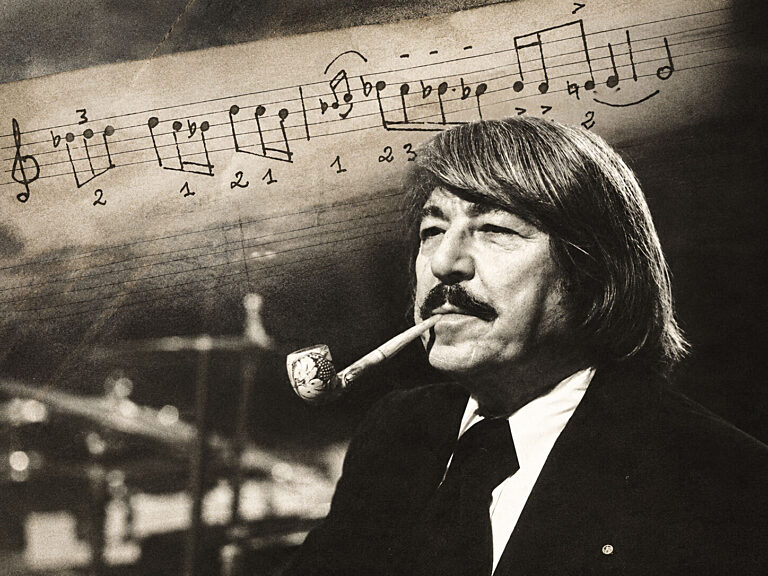
What if everything you control is wrong? This radical approach to brass playing shifts focus away from the embouchure — back to the true origin of breath and sound.

By Alfred Willener
Technique Teaching Breathing Sound Tongue
Maurice Ravel and the new trombone Member
No. 47 • 1984 Digitized

Maurice Ravel and the new trombone

Dance-band trombonists reshaped orchestral expectations in the 1920s and 30s, leaving their mark on Ravel’s Boléro and a generation of players.

By Michel Laplace

History Technique Articulation Jazz Sound
Loading…

Questions & Answers

How the Digital Edition works

What does the Digital Edition include?

The Digital Edition brings together the articles already digitized as searchable online texts—not simply as scans or PDF files—along with their original illustrations, notes, authorship, issue information, and available translations. Related-article suggestions currently include only this digitized material.

Are the digital articles identical to the originals?

We preserve the original text, language, illustrations, captions, footnotes, and editorial context as faithfully as possible. The presentation is adapted for comfortable online reading, and obvious transcription or scanning errors may be corrected. The substance and character of the published article remain unchanged.

Which languages are available?

Brass Bulletin was published in English, French, and German throughout its history. Italian and Spanish translations were added from issue No. 60 onward.

On the Italian and Spanish sites, articles from issues 1–59 are therefore shown in English by default.

How often are new articles added?

New articles are added almost daily, with approximately one complete issue digitized each week. The pace may vary depending on the preparation, image work, and editorial checking required.

Why aren’t all articles available digitally?

The complete Brass Bulletin collection contains 1,246 articles published between 1971 and 2003. The full index is already available online, allowing readers to discover every article in the collection, including those whose complete text has not yet been digitized.

Digitization began in February 2026. Each article is carefully prepared for online reading, checked, and connected to its issue, authors, subjects, and illustrations. At the current pace of digitization, the complete collection is expected to be available online by February 2028.

Why do some references mention articles that are not available yet?

References in the original articles are preserved even when the material they point to has not yet been digitized. This keeps the historical and editorial record intact. As more issues are added to the Digital Edition, an increasing number of these references will lead to articles that can be read online.

Can I suggest an article or report a transcription error?

Yes. If there is an article you would particularly like to see digitized, or if you notice a possible transcription error or missing detail, please contact us. Reader feedback helps us improve the Digital Edition and prioritize useful connections within the archive.

How can I support Brass Bulletin?

Your support helps fund the preparation, verification, and online publication of the complete collection.

Subscribe to the Digital Edition

Prefer to support us without subscribing?

Make a donation

How is the digitization progressing?

We’re gradually making the Brass Bulletin available online, article by article. You can read newly digitized articles as soon as they’re ready, even before an entire issue is complete.

Visit our Digitization Roadmap to browse recent additions and see estimated availability for upcoming issues. These estimates follow our recent pace and may change.

Search Brass Bulletin.