Rendete Brass Bulletin disponibile nella vostra università, nel vostro conservatorio o nella vostra biblioteca Scoprite l’accesso istituzionale

Pratica strumentale

167 articoli disponibili online
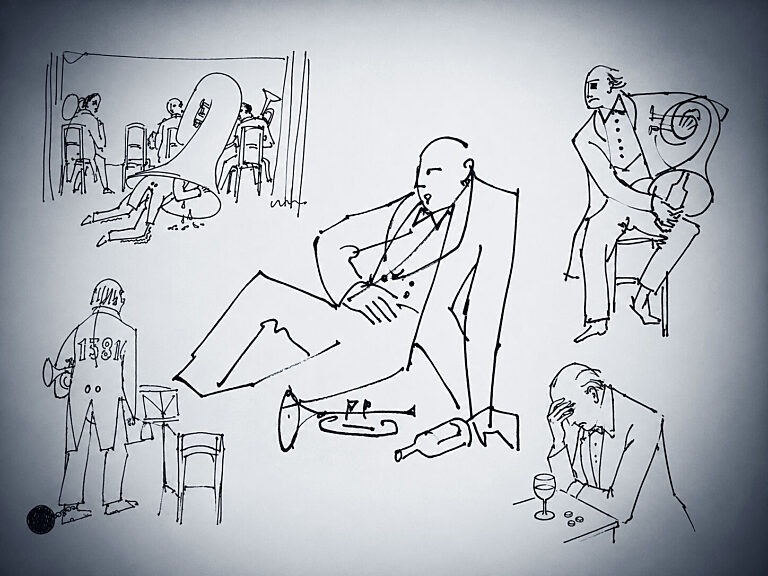
Nerves, Pills and Doping Membro
N. 40 • 1982 Digitalizzato

Nerves, Pills and Doping

Behind a debate once confined to musicians lies a wider shift in how performance anxiety, medication and professional responsibility began to be separated instead of confused.

Di Christian Baechler
Salute Nervi Approccio mentale Interpretazione
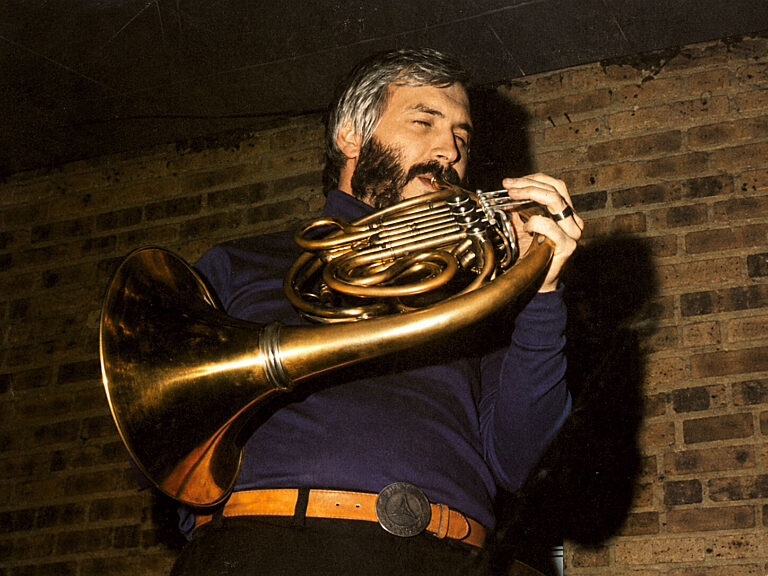
Jazz and the Horn Membro
N. 54 • 1986 Digitalizzato

Serie Il jazz e il corno • Parte 8

Jazz and the Horn

Dale Clevenger

Principal horn of the Chicago Symphony Orchestra, Dale Clevenger spent his Tuesday evenings playing jazz, discovering a freedom that classical training alone could not provide.

Di Jeffrey Agrell
Incontri Jazz Improvvisazione
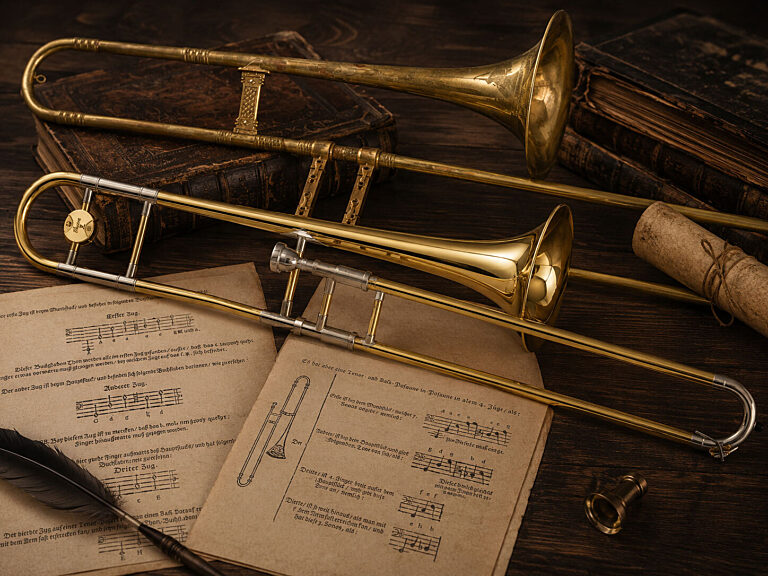
The trombone: changing times, changing slide positions Membro
N. 36 • 1981 Digitalizzato

The trombone: changing times, changing slide positions

From Virgiliano to Praetorius and Eisel, early sources reshape long-held assumptions about trombone tuning, slide positions and historical playing practice.

Di Howard Weiner
Storia Tecnica Strumenti storici Intonazione Costruzione degli strumenti
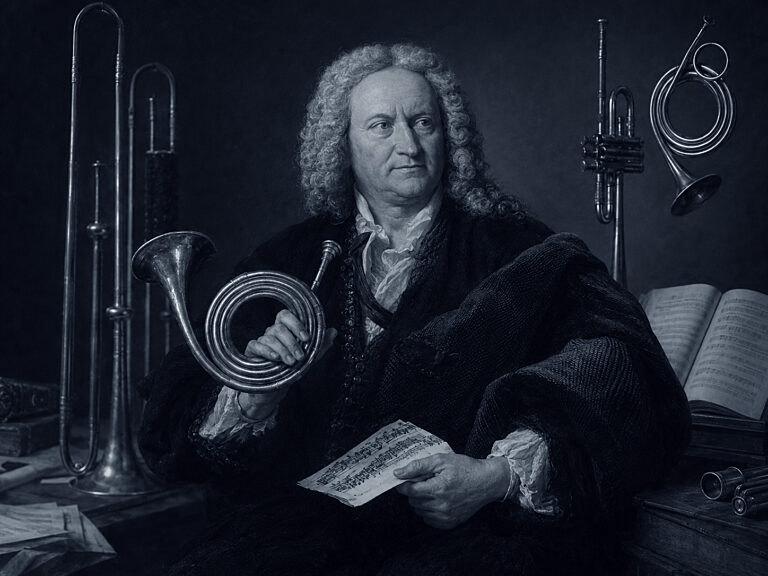
The Baroque trumpet, the high trumpet and the so-called Bach trumpet Gratuito
N. 2 • 1972 Digitalizzato

Parte 1

The Baroque trumpet, the high trumpet and the so-called Bach trumpet

Edward H. Tarr examines the Baroque trumpet and clarifies the origins and meaning of the so-called “Bach trumpet.”

Di Edward H. Tarr

Storia Equipaggiamento Repertorio Strumenti storici Suono
Articulation or bowing on the trumpet Membro
N. 30 • 1980 Digitalizzato

Parte 1

Articulation or bowing on the trumpet

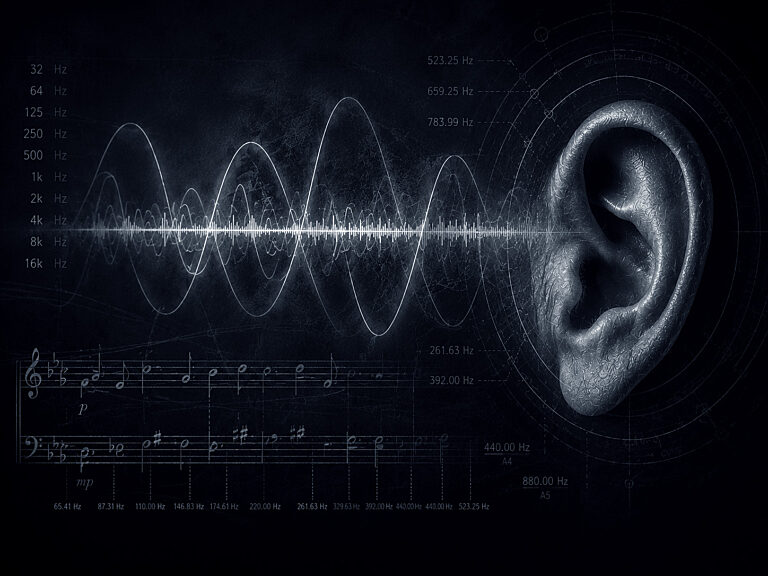
Trumpet articulation becomes a precise study of attack, sustain, release and legato, linking tongue, breath, lips and sound in Dokshitser’s method.

Di Timofey Dokschidser
Tecnica Insegnamento Scuola russa Articolazione Lingua Suono
A study of musical intonation Membro
N. 34 • 1981 Digitalizzato

Parte 3

A study of musical intonation

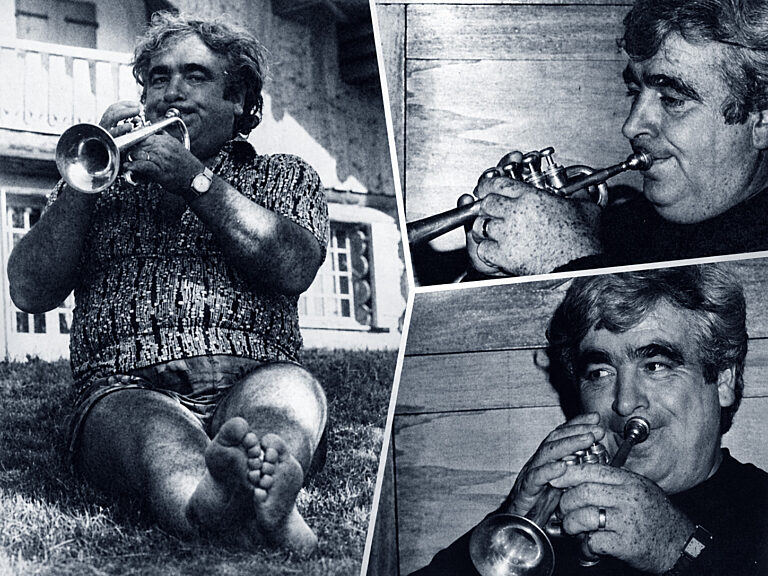
From wind quintets to brass sections, balance, overtones and perception shape intonation in ways that often diverge from measurable frequency.

Di Christopher Leuba
Acustica Insegnamento Intonazione Suono Interpretazione
Maurice André Membro
N. 26 • 1979 Digitalizzato

Parte 3

Maurice André

Biography

Maurice André reflects on maturity—balancing performance, recordings and teaching, refining his approach to instruments and audience, and preparing for the limits of a virtuoso career.

Di Jean-Pierre Mathez

Incontri Esecuzione solistica Approccio mentale Interpretazione
A study of musical intonation Membro
N. 32 • 1980 Digitalizzato

Parte 1

A study of musical intonation

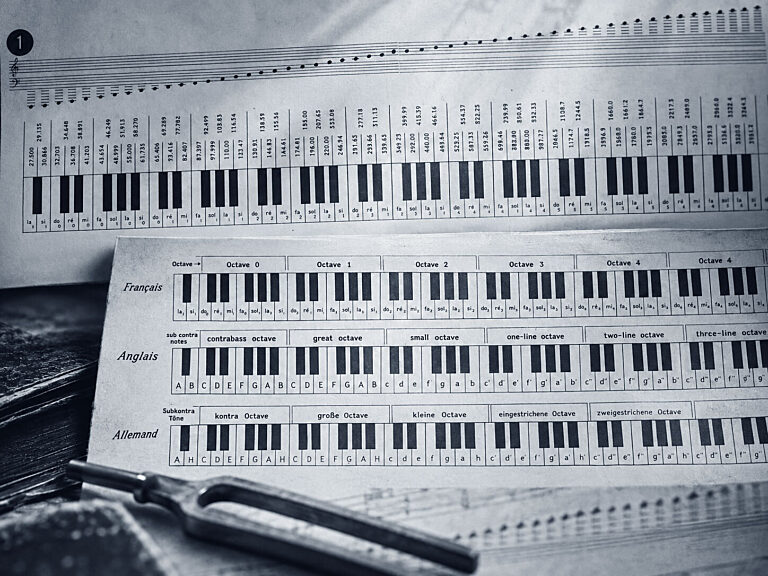
Resultant tones, harmonic series ratios and chord spacing challenge equal temperament, linking acoustics and practical ensemble intonation.

Di Christopher Leuba
Acustica Insegnamento Intonazione Suono Interpretazione
Frequency and Pitch Gratuito
N. 54 • 1986 Digitalizzato

Frequency and Pitch

A = 440 became the international standard only in 1939, after centuries of competing pitches that shaped orchestral practice, instrument making and musical notation.

Di Benny Sluchin

Acustica Intonazione
Gratuito
N. 18 • 1977 Digitalizzato

And approach the realm of making beautiful music

A rare and powerful call from maestro Roger Bobo: at the height of the “Tuba Explosion”, he challenges players to define — at last — the ideal instrument.

Di Roger Bobo

Equipaggiamento Acustica Costruzione degli strumenti Valvole Intonazione
Gratuito
N. 22 • 1978 Digitalizzato

Breathing and the physiological mask

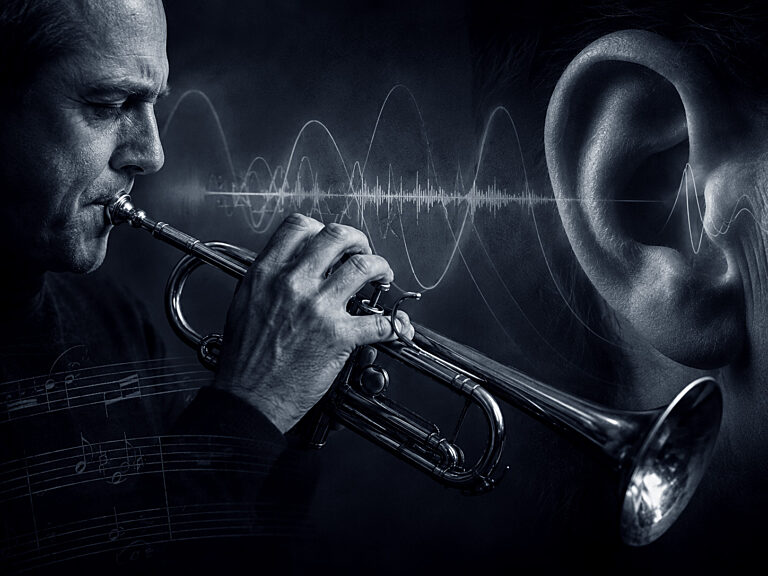
Air is not everything: Michel Ricquier challenges the “air column” myth, revealing how breathing and the “physiological mask” together unlock control, power, and ease.

Di Michel Ricquier
Tecnica Respirazione Approccio mentale Estensione
Editorial Gratuito
N. 30 • 1980 Digitalizzato

Editorial

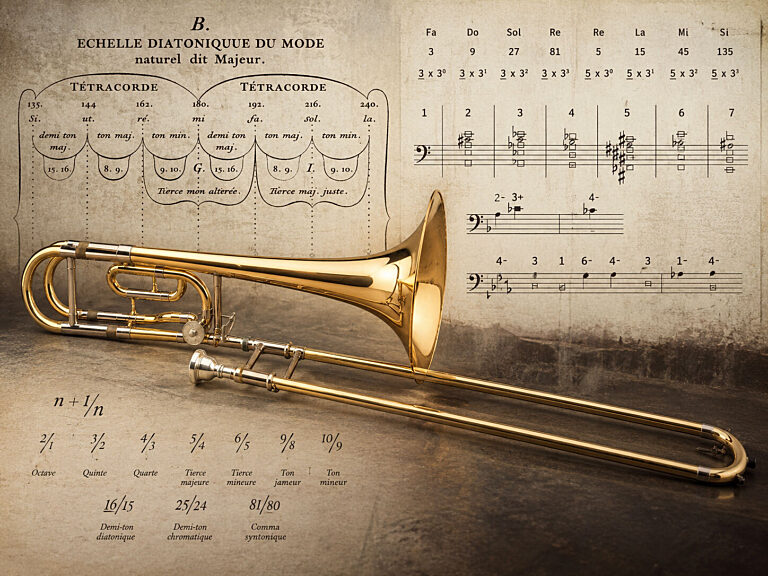
So your trumpet plays in tune

Keyboard tuning, just intonation and string phrasing place brass players between conflicting pitch systems, as Thomas Stevens outlines practical compromises.

Di Thomas Stevens
Acustica Tecnica Intonazione Interpretazione
Good intonation on the trombone Membro
N. 52 • 1985 Digitalizzato

Good intonation on the trombone

The trombone’s fixed positions meet the compromises of natural harmonics, as Raymond Fonsèque proposes a different logic for pitch across major and minor keys.

Di Raymond Fonseque

Tecnica Acustica Intonazione
A study of musical intonation Membro
N. 33 • 1981 Digitalizzato

Parte 2

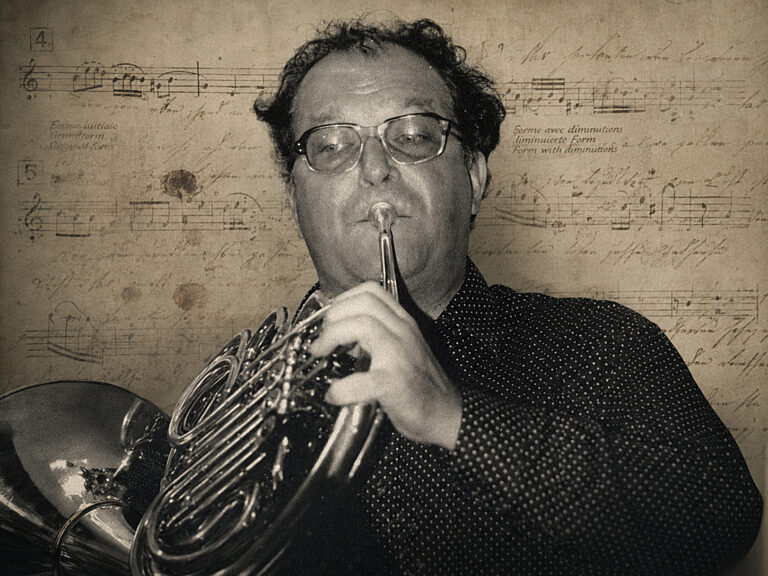
A study of musical intonation

From harmonic-series tuning to valve-slide adjustments on the horn, practical listening and resonance become more reliable guides than equal temperament alone.

Di Christopher Leuba
Acustica Insegnamento Intonazione Suono Interpretazione
Ornaments in 18th-century Horn Concertos? Membro
N. 42 • 1983 Digitalizzato

Parte 1

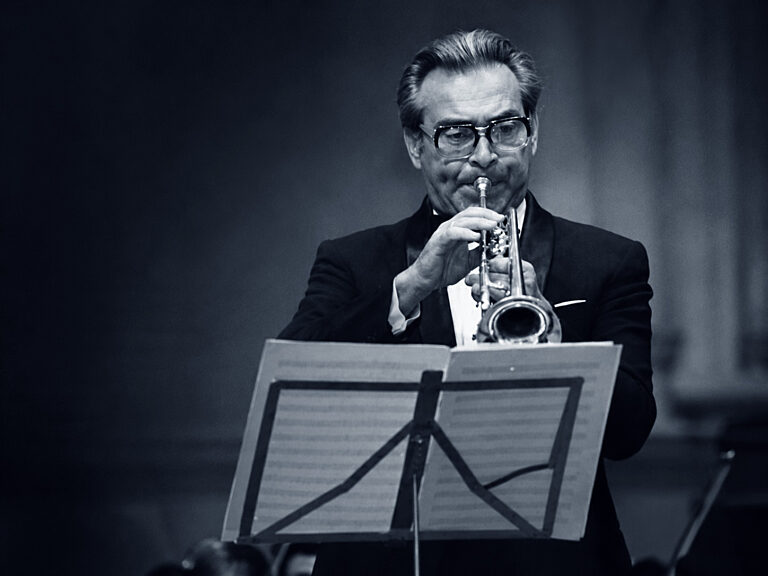
Ornaments in 18th-century Horn Concertos?

Performance once depended as much on informed invention as on written notes, and early horn concertos still carry that forgotten freedom in plain sight.

Di Peter Damm
Repertorio Storia Abbellimenti Interpretazione Improvvisazione
Articulation or bowing on the trumpet Membro
N. 31 • 1980 Digitalizzato

Parte 2

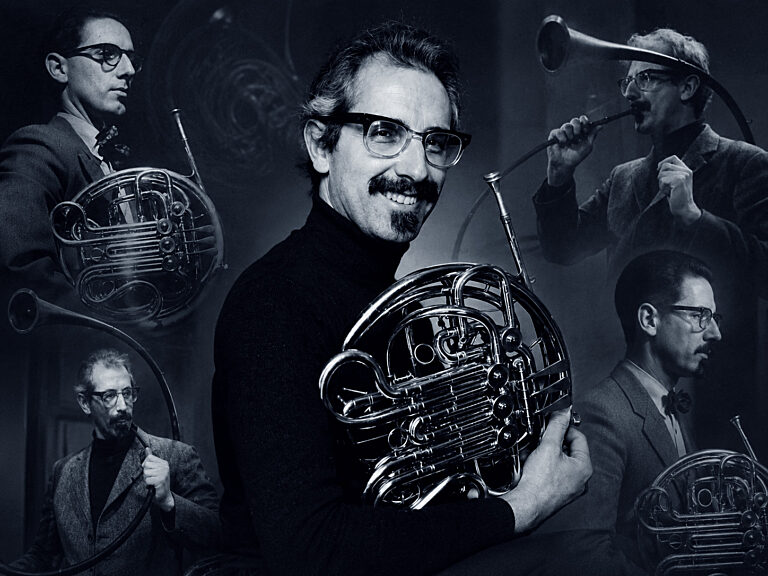
Articulation or bowing on the trumpet

Trumpet articulation becomes a full performing language, from détaché and staccato to legato, glissando, dynamics and score interpretation.

Di Timofey Dokschidser
Tecnica Insegnamento Articolazione Lingua Interpretazione Scuola russa
Barry Tuckwell Membro
N. 27 • 1979 Digitalizzato

Barry Tuckwell

Interview

Between the London Symphony Orchestra, international solo tours and Mozart or Strauss concertos, Barry Tuckwell reflects on sound, risk and musical instinct.

Di Jean-Pierre Mathez
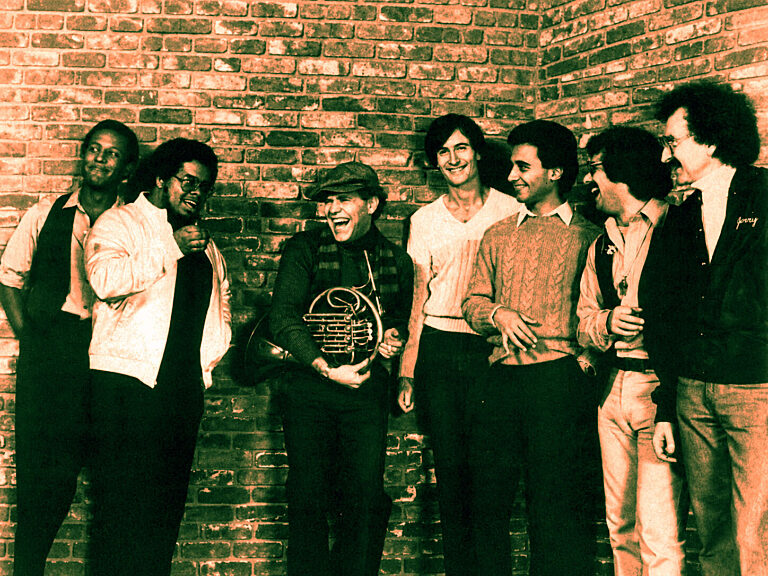
Incontri Vita professionale Esecuzione solistica Interpretazione Pratica orchestrale
Jazz and the Horn Membro
N. 50 • 1985 Digitalizzato

Serie Il jazz e il corno • Parte 6

Jazz and the Horn

Peter Gordon

Classically trained but drawn elsewhere, Peter Gordon made the horn at home in jazz, studios and popular music without abandoning its orchestral foundations.

Di Jeffrey Agrell
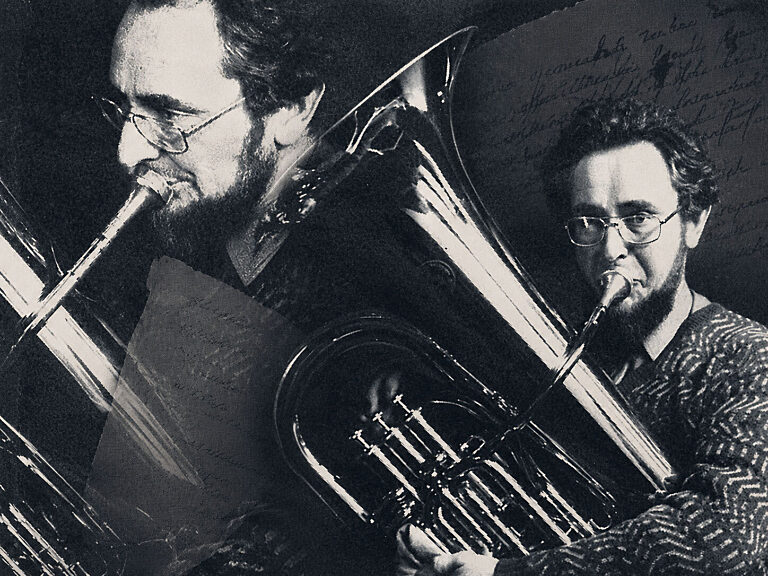
Incontri Jazz Improvvisazione
John Fletcher Membro
N. 47 • 1984 Digitalizzato

John Fletcher

Is Big Always Beautiful?

As brass instruments grew larger and louder, John Fletcher saw something being lost: the individual voice, clarity and character that make a player heard.

Di Thomas Aitken
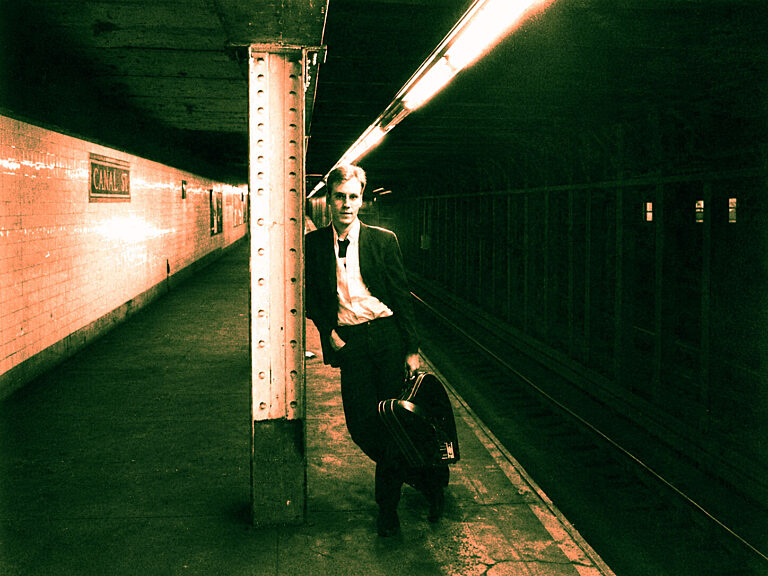
Incontri Suono Interpretazione
Jazz and the Horn Gratuito
N. 47 • 1984 Digitalizzato

Serie Il jazz e il corno • Parte 5

Jazz and the Horn

Tom Varner

Choosing jazz over the orchestral path, Tom Varner confronts the horn’s stiffness, projection and unlikely place as a front-line improvising voice.

Di Jeffrey Agrell

Incontri Jazz Improvvisazione
The Body Membro
N. 55 • 1986 Digitalizzato

Serie Tecnica degli ottoni • Parte 2

The Body

A brass player's physical condition depends on more than muscular strength, with sleep, nutrition and recovery shaping the balance between technical control and fatigue.

Di Jean-Pierre Mathez
Salute Resistenza
Jazz and the Horn Membro
N. 52 • 1985 Digitalizzato

Serie Il jazz e il corno • Parte 7

Jazz and the Horn

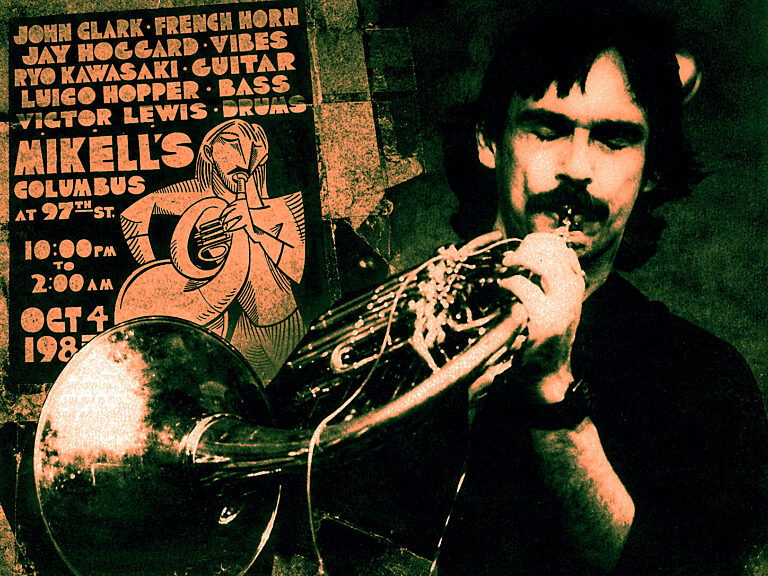
John Clark

John Clark made the horn a jazz voice on its own terms, balancing improvisation, studio realities and an instrument still fighting to escape classical expectations.

Di Jeffrey Agrell
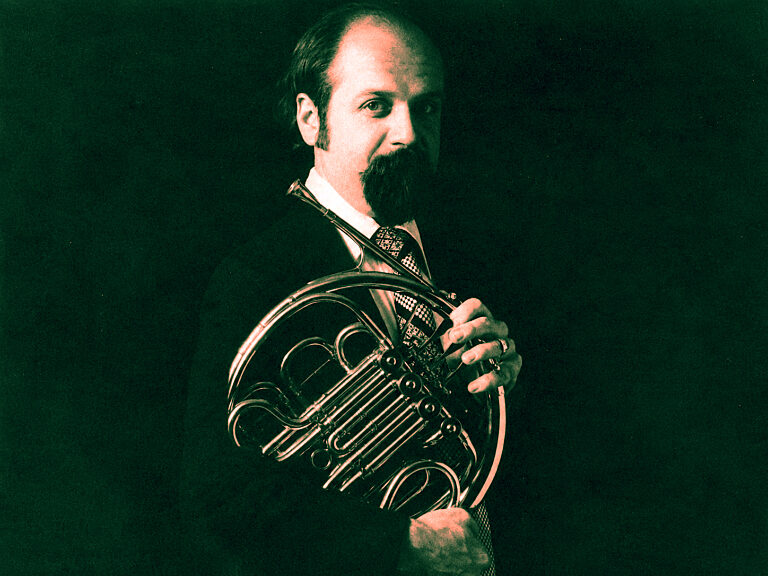
Incontri Tecnica Jazz Improvvisazione
Jazz and the Horn Membro
N. 45 • 1984 Digitalizzato

Serie Il jazz e il corno • Parte 4

Jazz and the Horn

Thomas Bacon

Classical discipline meets jazz-rock freedom as Thomas Bacon confronts improvisation, stylistic crossover and the physical demands placed on the horn.

Di Jeffrey Agrell
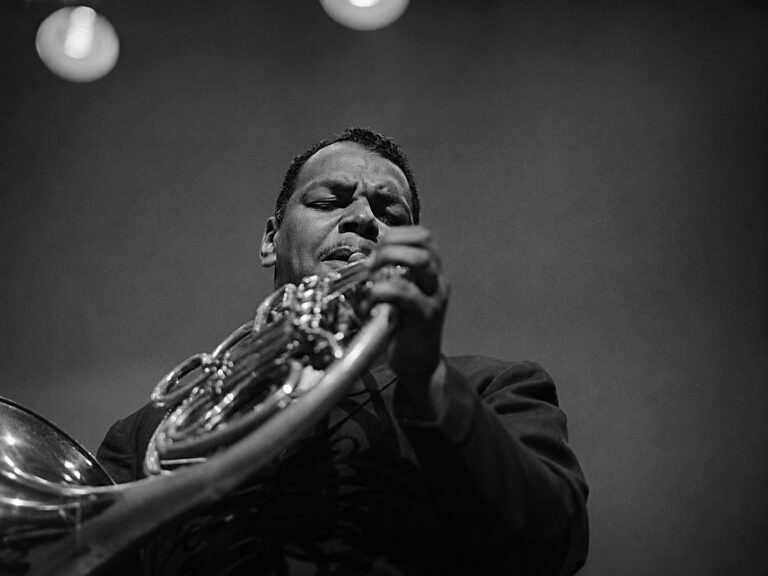
Incontri Improvvisazione Jazz
Jazz and the Horn Membro
N. 41 • 1983 Digitalizzato

Serie Il jazz e il corno • Parte 2

Jazz and the Horn

Julius Watkins

A pioneering career, landmark recordings and collaborations with jazz legends gave the French horn a place it had never occupied before.

Di Jeffrey Agrell

Incontri Vita professionale Jazz Improvvisazione Libera professione
Loading…

Domande e risposte

Come funziona l’edizione digitale

Che cosa comprende l’edizione digitale?

L’edizione digitale riunisce gli articoli già digitalizzati sotto forma di testi leggibili e ricercabili online — non semplicemente come scansioni o file PDF — insieme alle illustrazioni originali, alle note, agli autori, alle informazioni sul numero della rivista e alle traduzioni disponibili. I suggerimenti di articoli correlati comprendono attualmente solo questo materiale digitalizzato.

Gli articoli digitali sono identici agli originali?

Conserviamo il più fedelmente possibile il testo originale, la lingua, le illustrazioni, le didascalie, le note e il contesto editoriale. La presentazione viene adattata per una lettura confortevole online e gli evidenti errori di trascrizione o scansione possono essere corretti. Il contenuto e il carattere dell’articolo pubblicato rimangono invariati.

Quali lingue sono disponibili?

Brass Bulletin è stato pubblicato in inglese, francese e tedesco nel corso di tutta la sua storia. Le traduzioni italiane e spagnole sono state aggiunte a partire dal numero 60. Sui siti italiano e spagnolo, gli articoli dei numeri da 1 a 59 vengono quindi mostrati in inglese per impostazione predefinita.

Con quale frequenza vengono aggiunti nuovi articoli?

Nuovi articoli vengono aggiunti quasi ogni giorno, con circa un numero completo digitalizzato ogni settimana. Il ritmo può variare in base al lavoro di preparazione, elaborazione delle immagini e verifica editoriale necessario.

Perché non tutti gli articoli sono disponibili in formato digitale?

La collezione completa di Brass Bulletin comprende 1.246 articoli pubblicati tra il 1971 e il 2003. L’indice completo è già disponibile online e consente di scoprire tutti gli articoli della collezione, compresi quelli il cui testo integrale non è ancora stato digitalizzato.

La digitalizzazione è iniziata nel febbraio 2026. Ogni articolo viene accuratamente preparato per la lettura online, verificato e collegato al relativo numero, agli autori, agli argomenti e alle illustrazioni. Al ritmo attuale di digitalizzazione, la collezione completa dovrebbe essere disponibile online entro febbraio 2028.

Perché alcuni riferimenti citano articoli che non sono ancora disponibili?

I riferimenti presenti negli articoli originali vengono conservati anche quando il materiale a cui rimandano non è ancora stato digitalizzato. In questo modo si preserva l’integrità storica ed editoriale della rivista. Man mano che nuovi numeri vengono aggiunti all’edizione digitale, un numero crescente di questi riferimenti condurrà ad articoli leggibili online.

Posso suggerire un articolo o segnalare un errore di trascrizione?

Sì. Se desiderate che un determinato articolo venga digitalizzato, oppure se notate un possibile errore di trascrizione o un’informazione mancante, contattateci. I riscontri dei lettori ci aiutano a migliorare l’edizione digitale e a stabilire priorità utili all’interno dell’archivio.

Come posso sostenere Brass Bulletin?

Il vostro sostegno contribuisce a finanziare la preparazione, la verifica e la pubblicazione online dell’intera collezione.

Abbonati all’Edizione digitale

Preferite sostenerci senza abbonarvi?

Fate una donazione

Come procede la digitalizzazione?

Stiamo rendendo Brass Bulletin disponibile online gradualmente, articolo per articolo. Potete leggere gli articoli appena digitalizzati non appena sono pronti, anche prima che un intero numero sia completato.

Consultate il nostro calendario di digitalizzazione per scoprire le ultime aggiunte e le date di disponibilità stimate dei prossimi numeri. Le stime si basano sul nostro ritmo recente e possono cambiare.

Cerca in Brass Bulletin.