Explore institutional access →

Articulation

23 articles available online

Articulation or bowing on the trumpet Member
No. 30 • 1980 Digitized

Part 1

Articulation or bowing on the trumpet

Trumpet articulation becomes a precise study of attack, sustain, release and legato, linking tongue, breath, lips and sound in Dokshitser’s method.

By Timofey Dokschidser
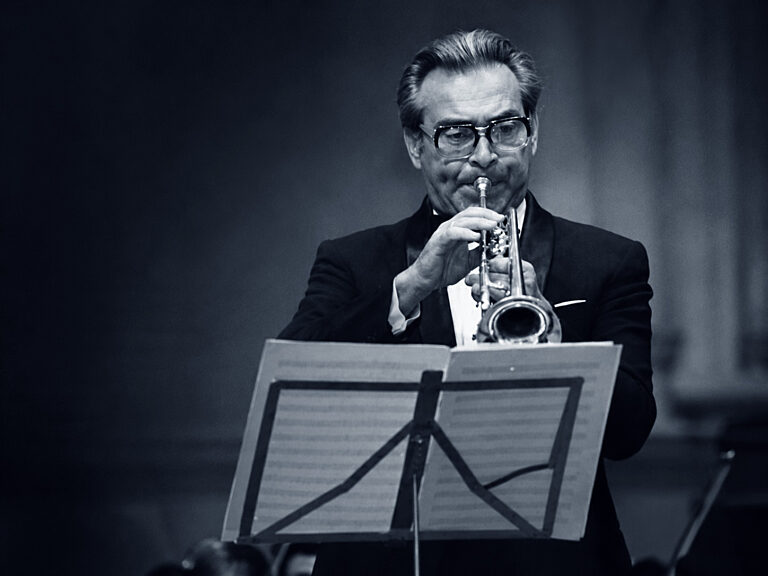
Technique Teaching Russian school Articulation Tongue Sound
Articulation or bowing on the trumpet Member
No. 31 • 1980 Digitized

Part 2

Articulation or bowing on the trumpet

Trumpet articulation becomes a full performing language, from détaché and staccato to legato, glissando, dynamics and score interpretation.

By Timofey Dokschidser

Technique Teaching Articulation Tongue Interpretation Russian school
Free
No. 21 • 1978 Digitized

Emory Brace Remington

A Profile

“The trombone must sing.” Ralph Sauer profiles Emory Remington—legendary teacher whose vocal approach shaped generations and redefined brass pedagogy.

By Ralf Sauer
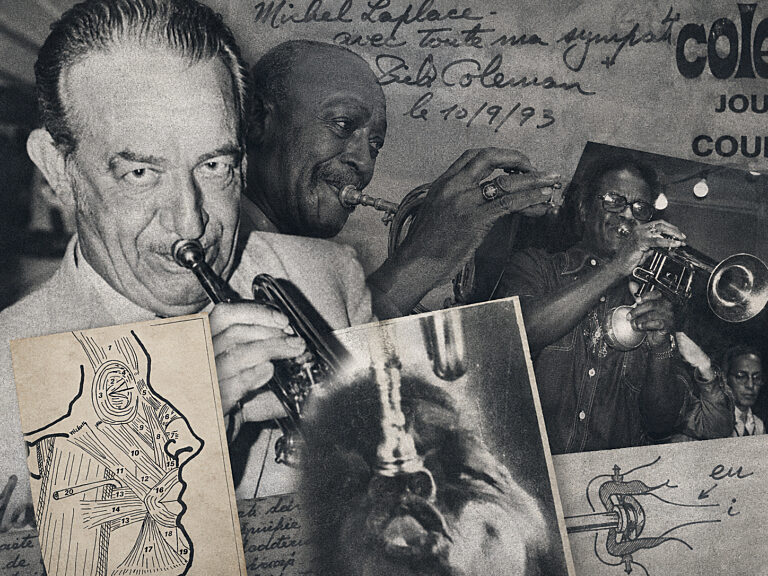
Teaching Encounters Sound American school Articulation
The Trumpet and the Cornet in Jazz and Popular Music Member
No. 45 • 1984 Digitized

Part 4

The Trumpet and the Cornet in Jazz and Popular Music

The instrument for jazz

Jazz trumpet playing balances equipment, embouchure and articulation, as changing sound ideals reshape mouthpieces, technique and the physical approach to playing.

By Michel Laplace
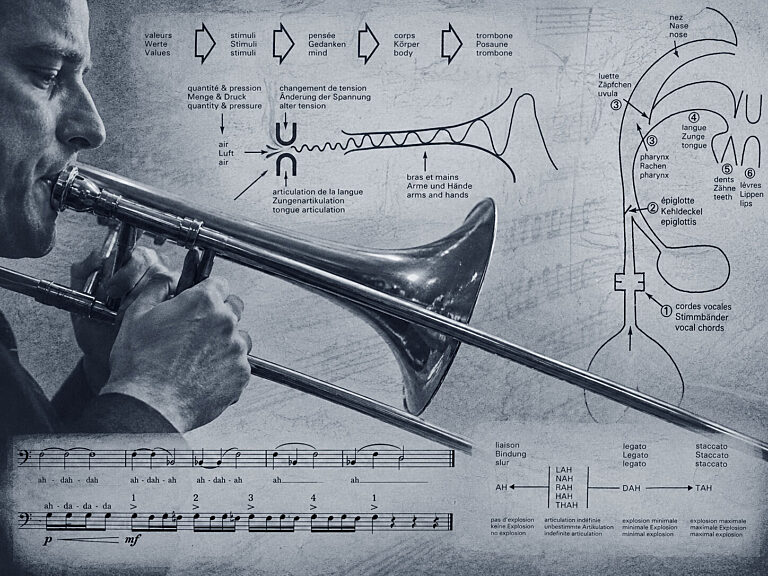
History Jazz Lips Articulation
Fundamental trombone performance technique Member
No. 49 • 1985 Digitized

Fundamental trombone performance technique

Teaching and application

Technique becomes musicianship when breathing, vibration, resonance, articulation and slide movement cease to be separate skills and begin working as one.

By William F. Cramer
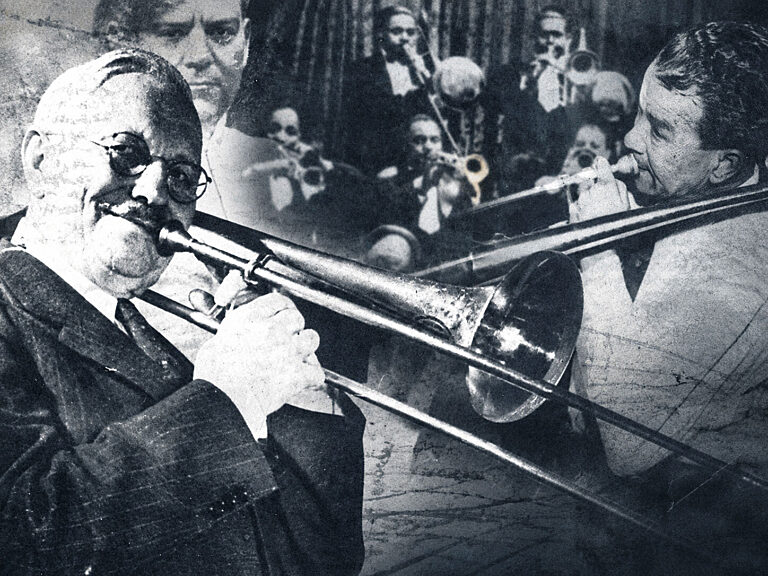
Technique Teaching Breathing Sound Articulation
The trombone in Jazz and Popular Music Free
No. 50 • 1985 Digitized

Part 1

The trombone in Jazz and Popular Music

Jazz did not invent the modern trombone: early virtuosos, New Orleans players and changing techniques reveal a more complex path toward flexibility and legato.

By Michel Laplace

History Technique Jazz Articulation
Cesare Bendinelli (1542-1617) Member
No. 21 • 1978 Digitized

Part 2

Cesare Bendinelli (1542-1617)

The Trumpet Method

The first trumpet method rediscovered: Edward H. Tarr reveals how Bendinelli’s 1614 treatise reshapes our understanding of trumpet technique, signals, and ensemble art.

By Edward H. Tarr
History Historical instruments Articulation
The Trumpet and the Cornet in Jazz and Popular Music Member
No. 47 • 1984 Digitized

Part 6

The Trumpet and the Cornet in Jazz and Popular Music

Special jazz techniques

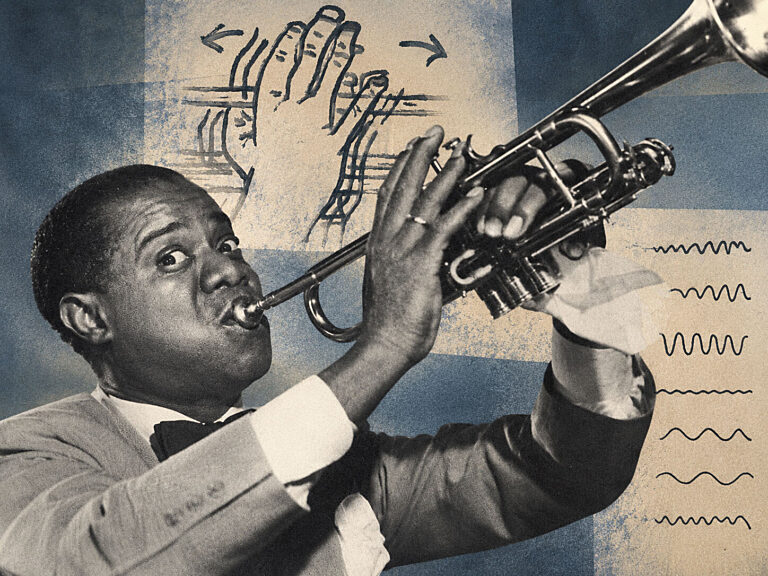
Vibrato, half-valves, growls and shakes lead to a larger argument: jazz transformed trumpet technique, yet its contribution remained strikingly undervalued.

By Michel Laplace
History Jazz Improvisation Articulation
Vassily Gueorguievitch Brandt (1869–1923) Member
No. 26 • 1979 Digitized

Vassily Gueorguievitch Brandt (1869–1923)

Biography

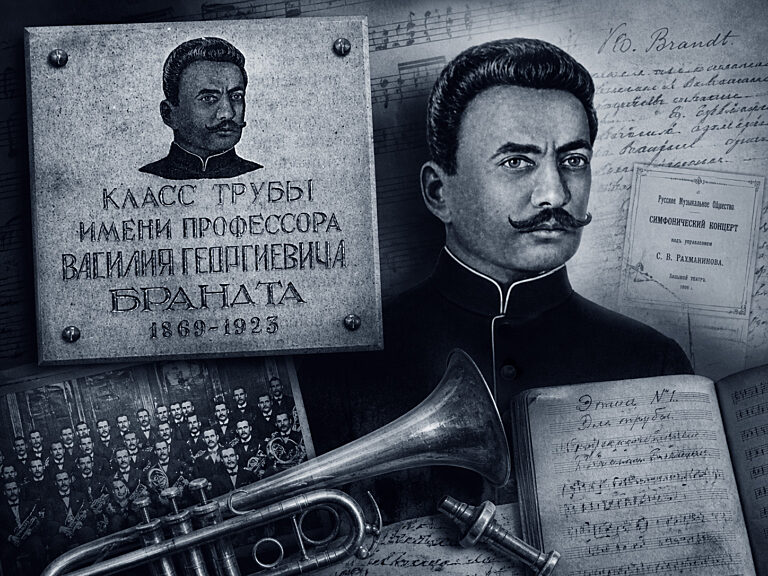
Sélianine traces Brandt’s life and artistry, from Bolshoi virtuoso to influential pedagogue, revealing the foundations of a distinctly Russian trumpet tradition.

By Anatoly Selianin
History Teaching Russian school Sound Articulation
Jazz and the Horn Member
No. 42 • 1983 Digitized

Jazz and the Horn Series • Part 3

Jazz and the Horn

Getting started

For the classically trained horn player, jazz replaces the security of the printed page with listening, swing and improvisation—and a different kind of discipline.

By Jeffrey Agrell
Teaching Technique Jazz Improvisation Articulation
The Haydn Trumpet Concerto Member
No. 36 • 1981 Digitized

Part 2

The Haydn Trumpet Concerto

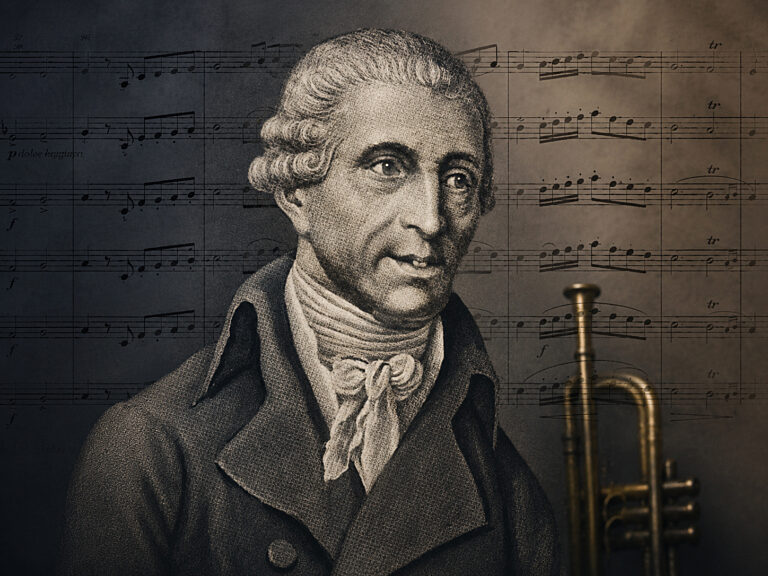
André, Wobisch, Dokshitzer, Stringer and others reveal how tempo, phrasing, ornamentation and cadenzas reshape Haydn's trumpet concerto.

By Alfred Willener
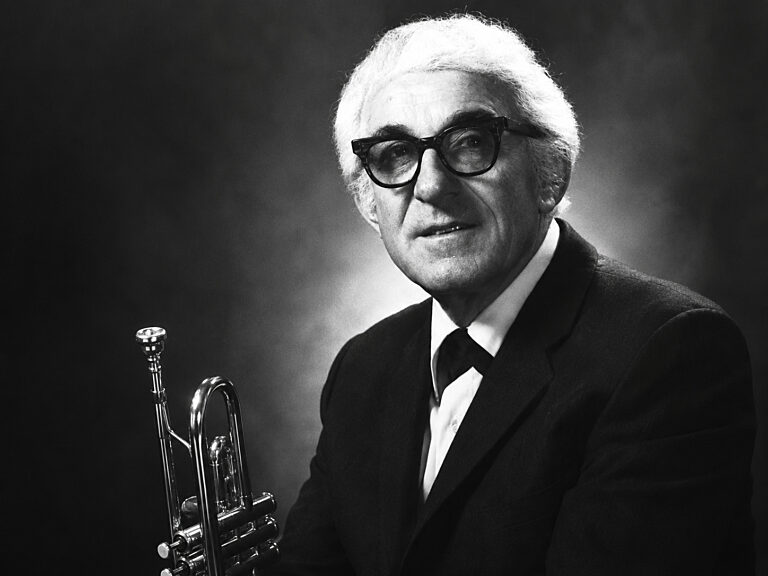
History Repertoire Interpretation Articulation Ornaments Keyed trumpet
Tonguing Member
No. 44 • 1983 Digitized

Tonguing

A tiny shift in tongue movement changes speed, endurance and clarity, turning articulation from a mechanical attack into one of the trumpet player’s subtlest tools.

By Louis Davidson

Technique Teaching Articulation Tongue Breathing
Member
No. 23 • 1978 Digitized

Phonetics in the articulation and expression of the language of music

Rethinking articulation: Francis Orval challenges traditional teaching—revealing how phonetics, language, and psychology shape sound, phrasing, and musical expression.

By Francis Orval
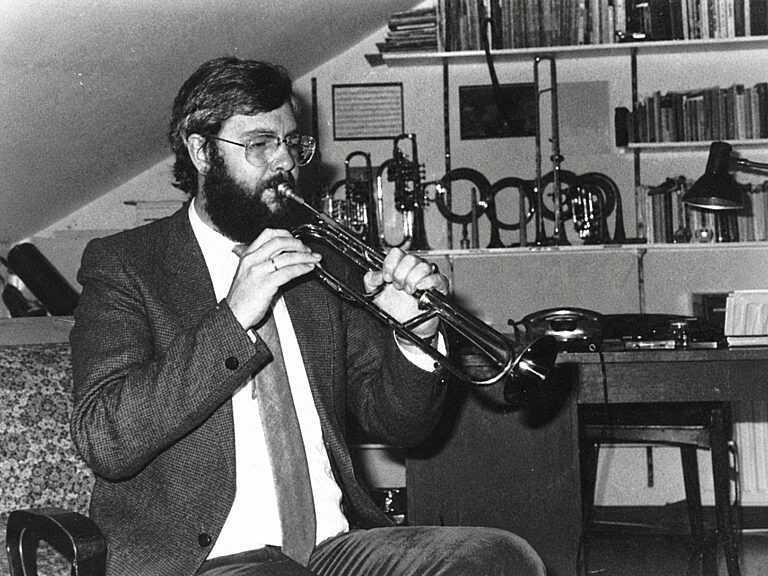
Technique Teaching Articulation Tongue Breathing
Natural trumpets, basic techniques Member
No. 51 • 1985 Digitized

Natural trumpets, basic techniques

Natural trumpet playing demands more than historical equipment: Friedemann Immer sets modern technique against Baroque sound, articulation, style and authenticity.

By Friedemann Immer
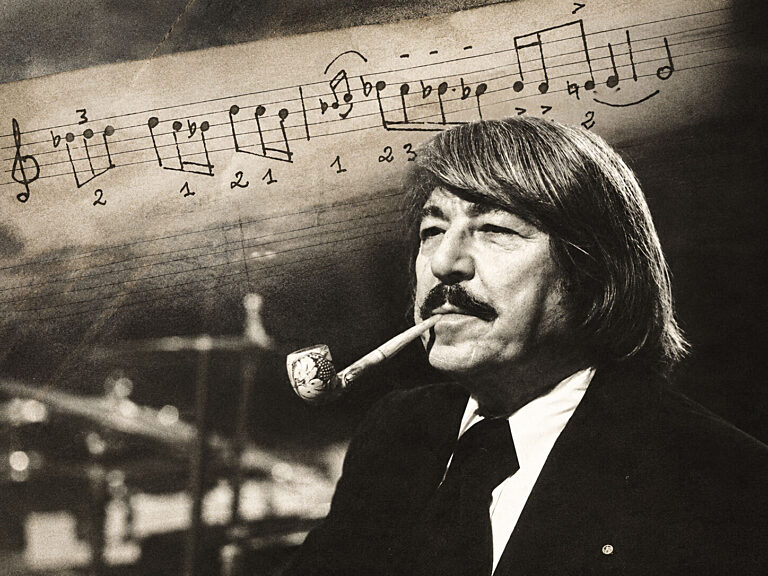
Technique Equipment Articulation Interpretation Historical instruments
Maurice Ravel and the new trombone Member
No. 47 • 1984 Digitized

Maurice Ravel and the new trombone

Dance-band trombonists reshaped orchestral expectations in the 1920s and 30s, leaving their mark on Ravel’s Boléro and a generation of players.

By Michel Laplace
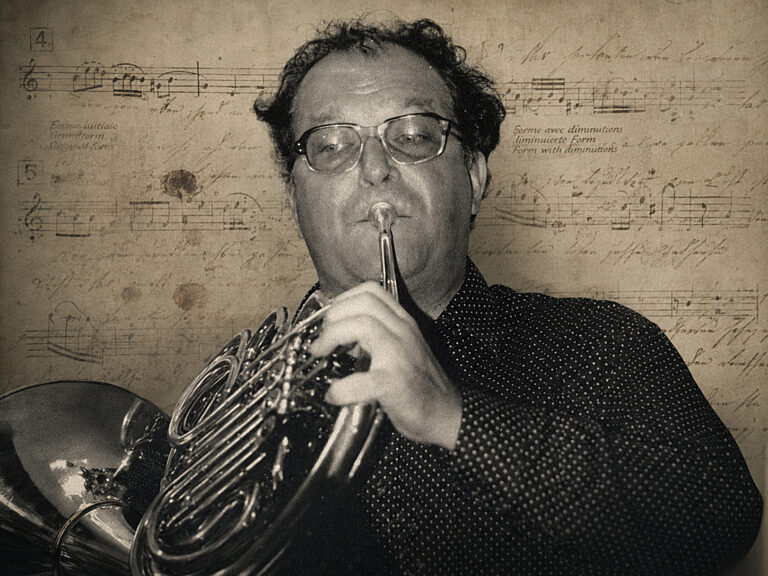
History Technique Articulation Jazz Sound
Ornaments in 18th-century Horn Concertos? Member
No. 43 • 1983 Digitized

Part 2

Ornaments in 18th-century Horn Concertos?

Essential ornaments

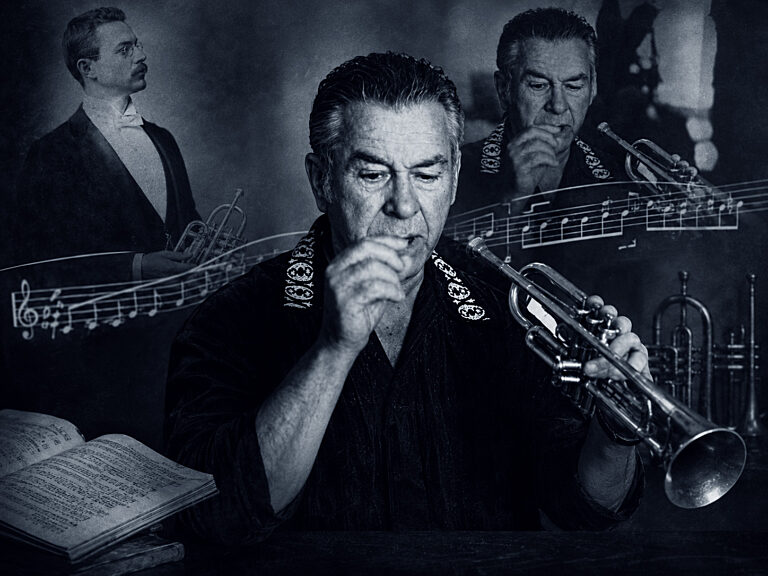
Natural horn technique left little room for excess: Peter Damm sets 18th-century ornamentation against the practical limits of range, style and notation.

By Peter Damm
Repertoire History Ornaments Interpretation Articulation
Practical Hints Free
No. 30 • 1980 Digitized

Part 1

Practical Hints

Built around Herbert L. Clarke’s Technical Studies, these practice routines refine flexibility, intonation and note placement through structured brass exercises.

By James Stamp

Technique Teaching Intonation Range Articulation
Oscillatory Mechanism of the Glotis in Horn Playing Member
No. 41 • 1983 Digitized

Oscillatory Mechanism of the Glotis in Horn Playing

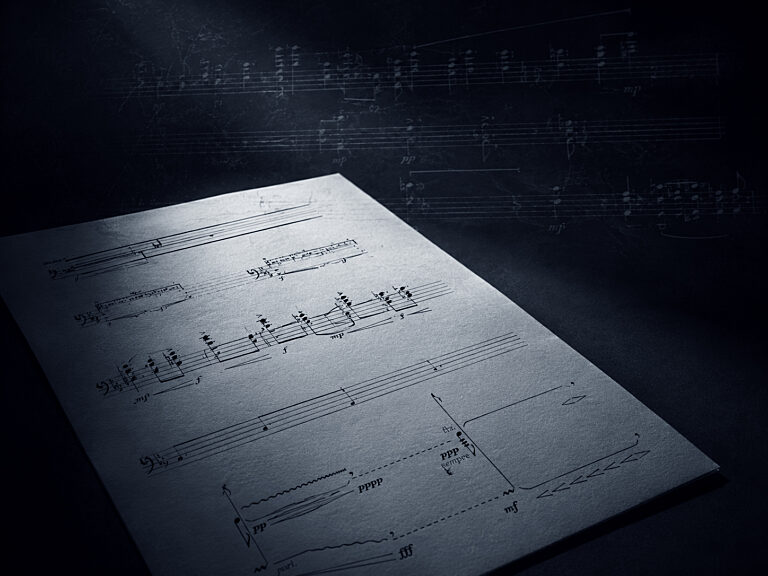
A horn note may begin before it is heard, as subtle vocal-fold oscillations appear to prepare the airflow that the lips will ultimately shape.

By Philippe-Henri Dejonker, Francis Orval, R. Miller, R. Sneppe
Technique Research Breathing Articulation Sound
Playing and singing simultaneously on brass instruments Member
No. 36 • 1981 Digitized

Part 2

Playing and singing simultaneously on brass instruments

From interval production and tone generation to contemporary repertoire, simultaneous playing and singing becomes a demanding extension of brass technique.

By Benny Sluchin

Technique Contemporary Music Sound Articulation
The attack Member
No. 41 • 1983 Digitized

The attack

Precision often begins with doing less, not more—a principle Louis Davidson places at the heart of trumpet playing with surprising practical consequences.

By Louis Davidson

Technique Teaching Articulation Tongue Breathing
Ornaments in 18th-century Horn Concertos? Member
No. 44 • 1983 Digitized

Part 3

Ornaments in 18th-century Horn Concertos?

Deliberate divisions

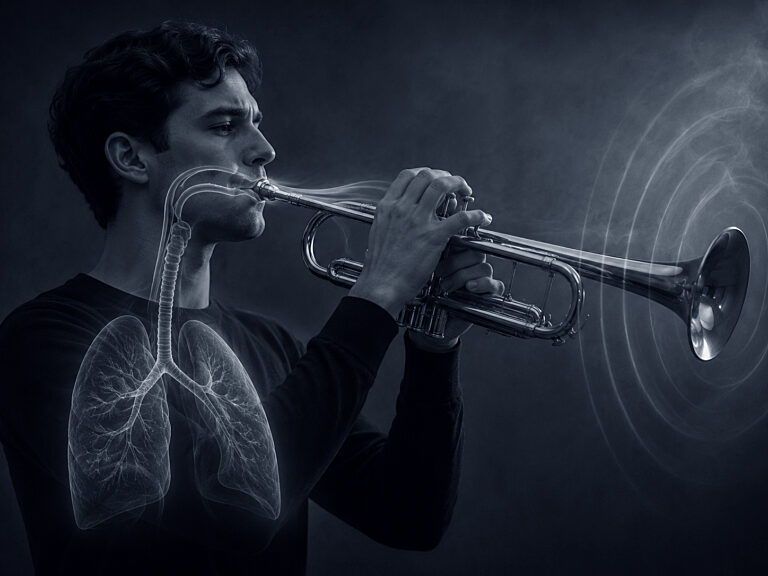
Improvisation, articulation and ornament were once inseparable: Peter Damm recovers an 18th-century horn practice later narrowed by increasingly precise notation.

By Peter Damm
History Repertoire Ornaments Improvisation Articulation
Blowing as a body function Member
No. 34 • 1981 Digitized

Blowing as a body function

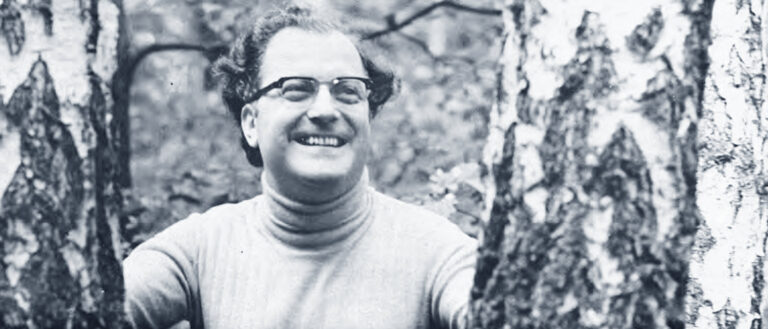
Breathing habits, posture and body mechanics converge in a practical view of tone production, where William F. Cramer questions prevailing assumptions.

By William F. Cramer
Technique Teaching Breathing Sound Articulation
On the question of articulation in the horn concertos by W. A. Mozart Free
No. 22 • 1978 Digitized

On the question of articulation in the horn concertos by W. A. Mozart

How should Mozart really sound? Peter Damm questions traditional editions and reveals how articulation—often missing—must be rebuilt through style, listening, and musical judgment.

By Peter Damm

Repertoire Technique Articulation Interpretation
Loading…

Questions & Answers

How the Digital Edition works

What does the Digital Edition include?

The Digital Edition brings together the articles already digitized as searchable online texts—not simply as scans or PDF files—along with their original illustrations, notes, authorship, issue information, and available translations. Related-article suggestions currently include only this digitized material.

Are the digital articles identical to the originals?

We preserve the original text, language, illustrations, captions, footnotes, and editorial context as faithfully as possible. The presentation is adapted for comfortable online reading, and obvious transcription or scanning errors may be corrected. The substance and character of the published article remain unchanged.

Which languages are available?

Brass Bulletin was published in English, French, and German throughout its history. Italian and Spanish translations were added from issue No. 60 onward.

On the Italian and Spanish sites, articles from issues 1–59 are therefore shown in English by default.

How often are new articles added?

New articles are added almost daily, with approximately one complete issue digitized each week. The pace may vary depending on the preparation, image work, and editorial checking required.

Why aren’t all articles available digitally?

The complete Brass Bulletin collection contains 1,246 articles published between 1971 and 2003. The full index is already available online, allowing readers to discover every article in the collection, including those whose complete text has not yet been digitized.

Digitization began in February 2026. Each article is carefully prepared for online reading, checked, and connected to its issue, authors, subjects, and illustrations. At the current pace of digitization, the complete collection is expected to be available online by February 2028.

Why do some references mention articles that are not available yet?

References in the original articles are preserved even when the material they point to has not yet been digitized. This keeps the historical and editorial record intact. As more issues are added to the Digital Edition, an increasing number of these references will lead to articles that can be read online.

Can I suggest an article or report a transcription error?

Yes. If there is an article you would particularly like to see digitized, or if you notice a possible transcription error or missing detail, please contact us. Reader feedback helps us improve the Digital Edition and prioritize useful connections within the archive.

How can I support Brass Bulletin?

Your support helps fund the preparation, verification, and online publication of the complete collection.

Subscribe to the Digital Edition

Prefer to support us without subscribing?

Make a donation

How is the digitization progressing?

We’re gradually making the Brass Bulletin available online, article by article. You can read newly digitized articles as soon as they’re ready, even before an entire issue is complete.

Visit our Digitization Roadmap to browse recent additions and see estimated availability for upcoming issues. These estimates follow our recent pace and may change.

Search Brass Bulletin.