Explore institutional access →

Intonation

32 articles available online
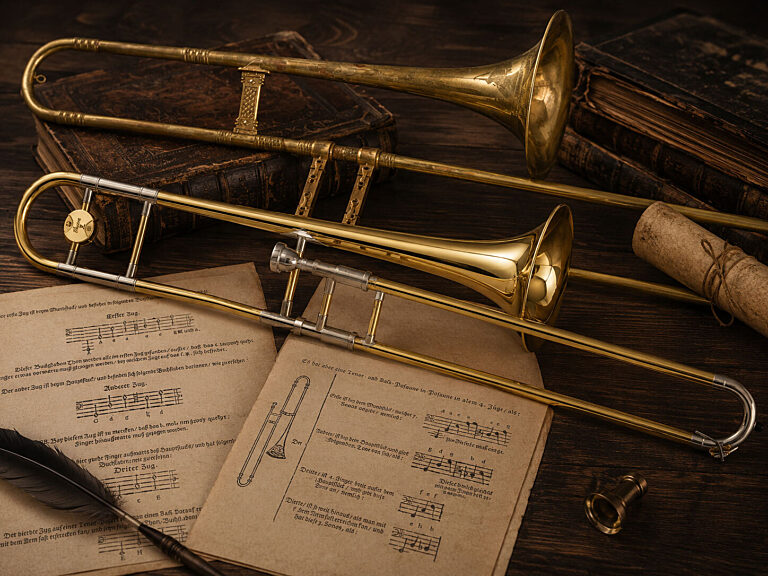
The trombone: changing times, changing slide positions Member
No. 36 • 1981 Digitized

The trombone: changing times, changing slide positions

From Virgiliano to Praetorius and Eisel, early sources reshape long-held assumptions about trombone tuning, slide positions and historical playing practice.

By Howard Weiner

History Technique Historical instruments Intonation Instrument making
A study of musical intonation Member
No. 34 • 1981 Digitized

Part 3

A study of musical intonation

From wind quintets to brass sections, balance, overtones and perception shape intonation in ways that often diverge from measurable frequency.

By Christopher Leuba

Acoustics Teaching Intonation Sound Interpretation
A study of musical intonation Member
No. 32 • 1980 Digitized

Part 1

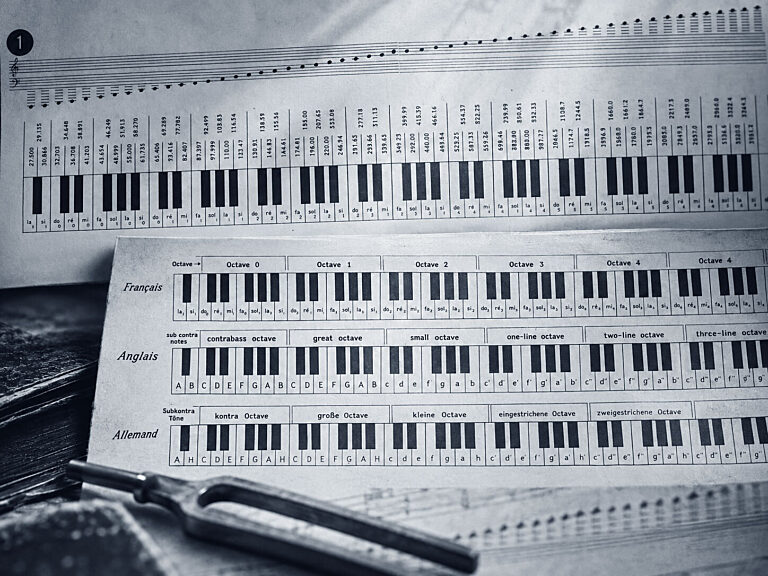
A study of musical intonation

Resultant tones, harmonic series ratios and chord spacing challenge equal temperament, linking acoustics and practical ensemble intonation.

By Christopher Leuba
Acoustics Teaching Intonation Sound Interpretation
Frequency and Pitch Free
No. 54 • 1986 Digitized

Frequency and Pitch

A = 440 became the international standard only in 1939, after centuries of competing pitches that shaped orchestral practice, instrument making and musical notation.

By Benny Sluchin

Acoustics Intonation
Free
No. 18 • 1977 Digitized

And approach the realm of making beautiful music

A rare and powerful call from maestro Roger Bobo: at the height of the “Tuba Explosion”, he challenges players to define — at last — the ideal instrument.

By Roger Bobo
Equipment Acoustics Instrument making Valves Intonation
Editorial Free
No. 30 • 1980 Digitized

Editorial

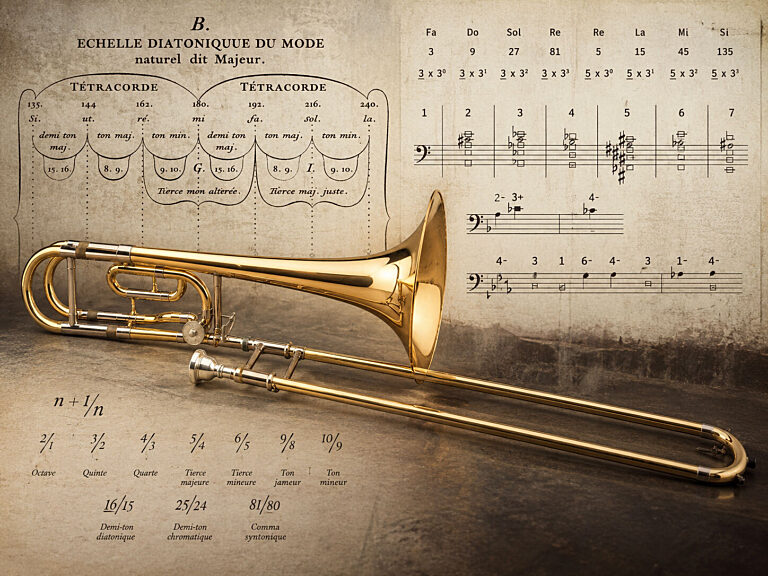
So your trumpet plays in tune

Keyboard tuning, just intonation and string phrasing place brass players between conflicting pitch systems, as Thomas Stevens outlines practical compromises.

By Thomas Stevens
Acoustics Technique Intonation Interpretation
Good intonation on the trombone Member
No. 52 • 1985 Digitized

Good intonation on the trombone

The trombone’s fixed positions meet the compromises of natural harmonics, as Raymond Fonsèque proposes a different logic for pitch across major and minor keys.

By Raymond Fonseque

Technique Acoustics Intonation
A study of musical intonation Member
No. 33 • 1981 Digitized

Part 2

A study of musical intonation

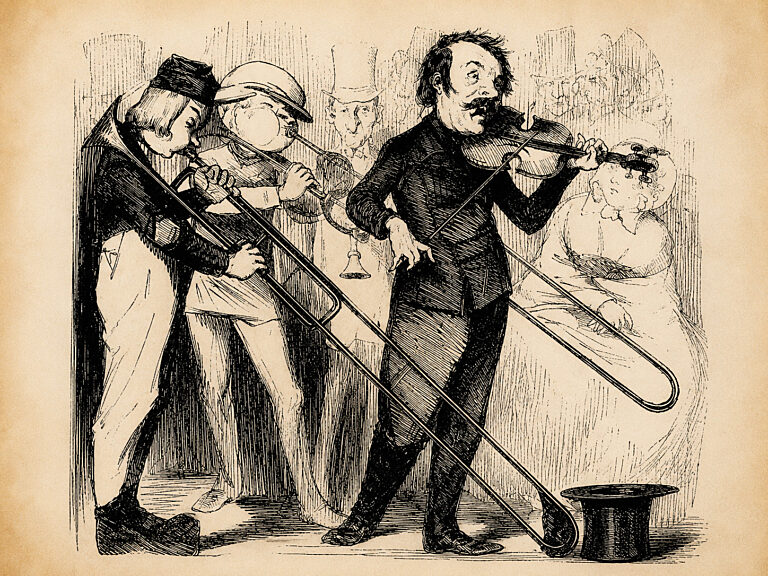
From harmonic-series tuning to valve-slide adjustments on the horn, practical listening and resonance become more reliable guides than equal temperament alone.

By Christopher Leuba
Acoustics Teaching Intonation Sound Interpretation
A Trombone Martyr Free
No. 31 • 1980 Digitized

A Trombone Martyr

Auguste Léonard de la Tuilerie

A Paris apothecary turned trombone evangelist challenges 19th-century musical habits, imagining the slide trombone as the future voice of harmony.

By Benny Sluchin

History Society Ideas Sound Intonation
Free
No. 5 • 1973 Digitized

Snapshot: the American Brass Quintet in Europe

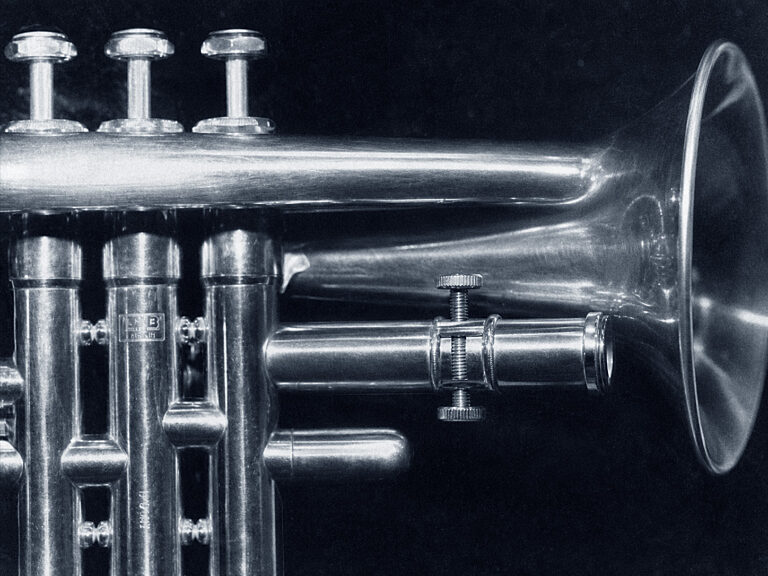
Report on the American Brass Quintet’s tour in Europe, highlighting performances, reception and the ensemble’s role in chamber brass music.

By Jean-Pierre Mathez
Encounters Repertoire Interpretation Sound Intonation Brass Ensemble
The bell-tuning trumpet Member
No. 26 • 1979 Digitized

The bell-tuning trumpet

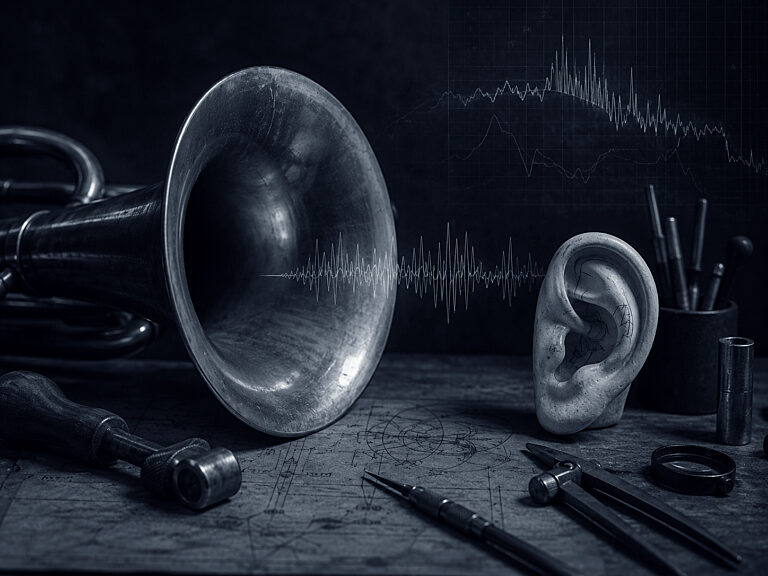
Colin Bloch examines bell- and slide-tuned trumpets, comparing intonation patterns through controlled tests and outlining structural causes behind observed deviations.

By Colin Bloch
Equipment Acoustics Intonation Instrument making Sound
Instrument Making and the Ear Free
No. 34 • 1981 Digitized

Instrument Making and the Ear

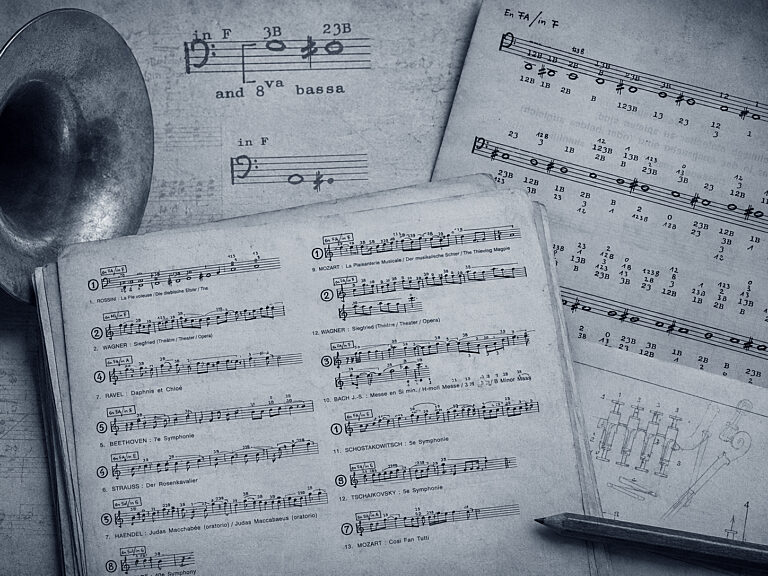
From hearing physiology to workshop testing, E. Ferron links instrument design, acoustics and perception, where no two ears judge sound in quite the same way.

By Emile Ferron
Instrument Makers Acoustics Instrument making Sound Intonation
The F/Bb horn with whole-tone ascending 3rd valve Member
No. 11 • 1975 Digitized

The F/Bb horn with whole-tone ascending 3rd valve

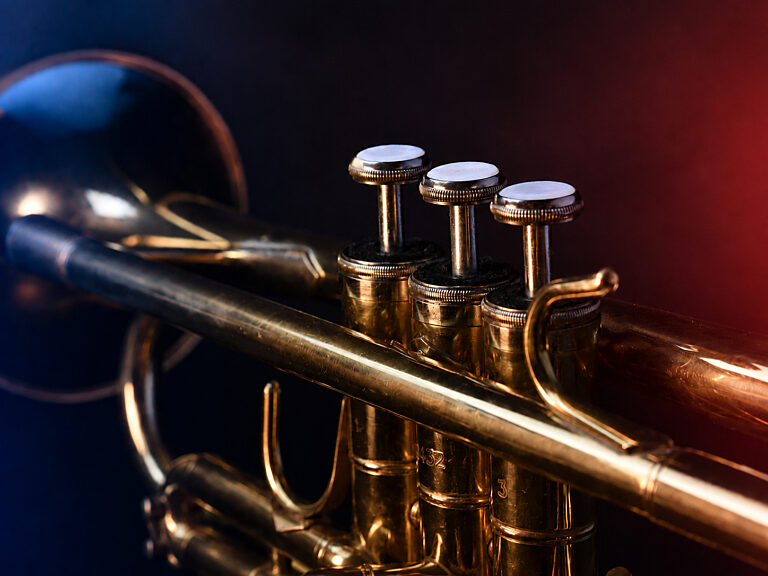
A different horn, a different approach: Francis Orval explores how an ascending 3rd valve reshapes technique, intonation and response.

By Francis Orval
Technique Equipment Valves Intonation
The Trumpet in the USA Free
No. 43 • 1983 Digitized

Part 6

The Trumpet in the USA

Diverse makers

As trumpet makers rethink their standard instruments, Monette, Malone and Blackburn bring leadpipe design into a new dialogue between players and workshops.

By Thomas Stevens

Instrument Makers Equipment Intonation
James Stamp, subtle teaching Member
No. 39 • 1982 Digitized

James Stamp, subtle teaching

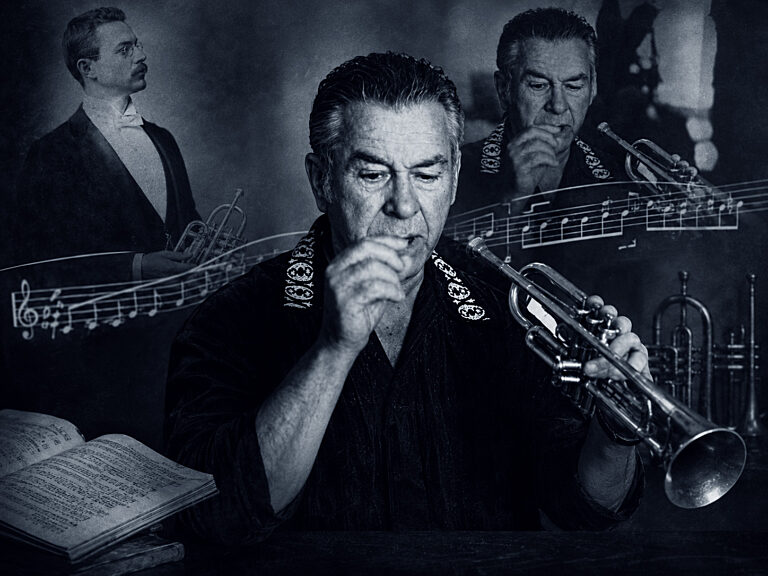
Intonation, held notes and mouthpiece work shape James Stamp's subtle approach to trumpet playing, where listening and physical economy guide technique.

By Alfred Willener
Teaching Technique Intonation Mouthpiece Range
Practical Hints Free
No. 30 • 1980 Digitized

Part 1

Practical Hints

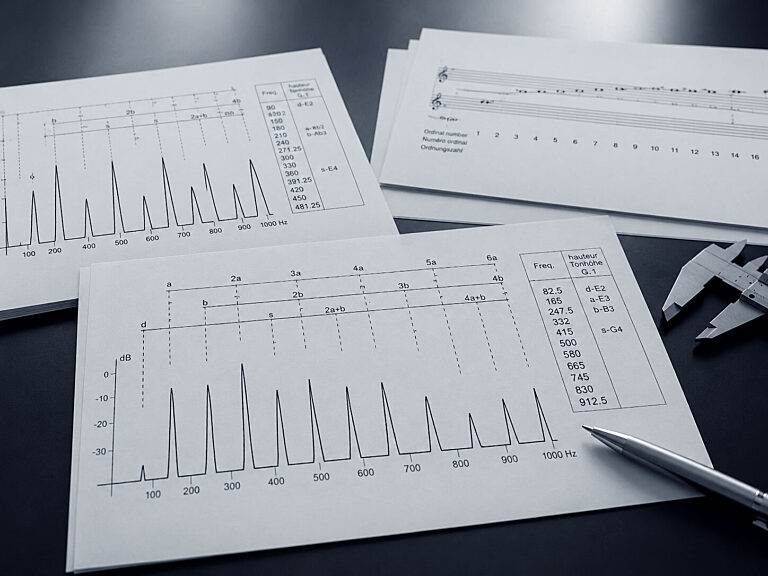
Built around Herbert L. Clarke’s Technical Studies, these practice routines refine flexibility, intonation and note placement through structured brass exercises.

By James Stamp
Technique Teaching Intonation Range Articulation
Playing and singing simultaneously on brass instruments Member
No. 37 • 1982 Digitized

Part 3

Playing and singing simultaneously on brass instruments

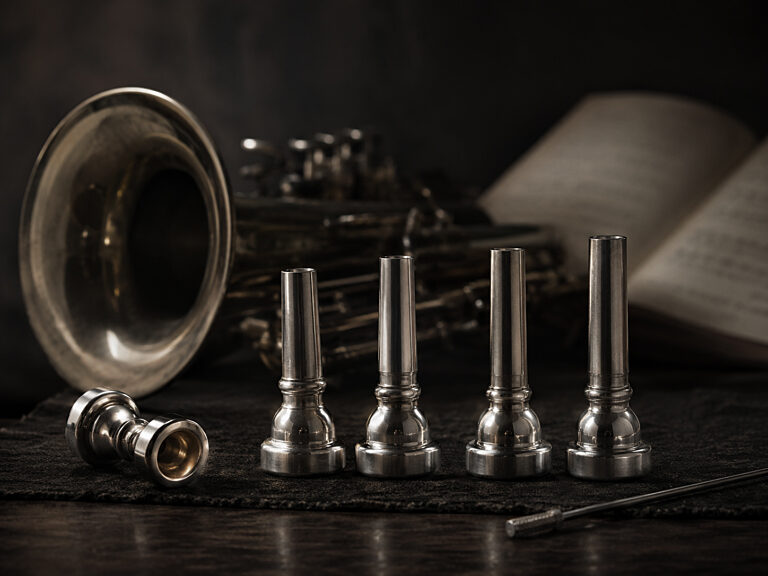
From Weber's Concertino to Berlioz's chord writing, acoustic principles explain how combination tones emerge from simultaneous playing and singing on brass.

By Benny Sluchin
Research Acoustics Sound Intonation Contemporary Music
The Trumpet in the USA Member
No. 33 • 1981 Digitized

Part 4

The Trumpet in the USA

Gadgets II

Mouthpiece backbores for piccolo and C trumpet are compared through practical performer testing, linking equipment choices to sound, volume and intonation.

By Thomas Stevens
Equipment Mouthpiece Sound Intonation
Manufacturers' Opinions about Brass Instruments Free
No. 38 • 1982 Digitized

Manufacturers' Opinions about Brass Instruments

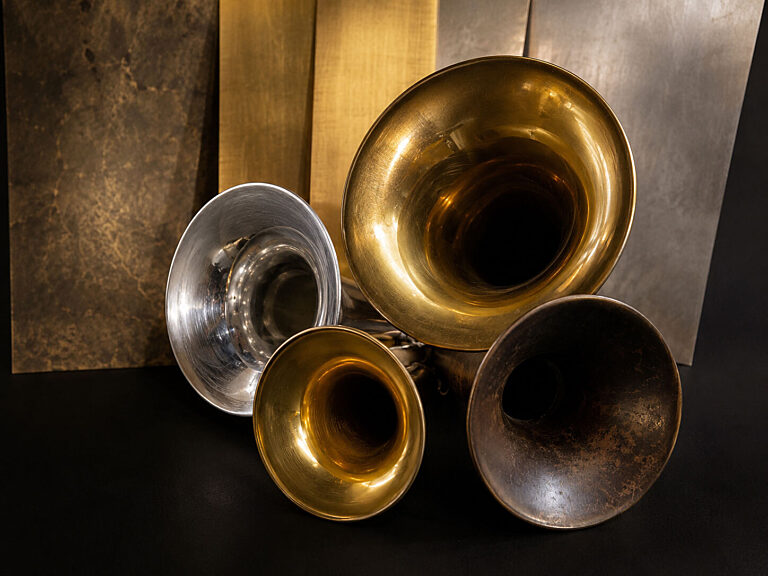
Between workshop lore and acoustic certainty, brass makers’ claims expose a restless debate over metal, finish, resonance, and playing quality.

By J. M. Bowsher, P. S. Watkinson
Equipment Acoustics Instrument making Sound Intonation
Cleveland Orchestra Audition in 1966 Free
No. 31 • 1980 Digitized

Cleveland Orchestra Audition in 1966

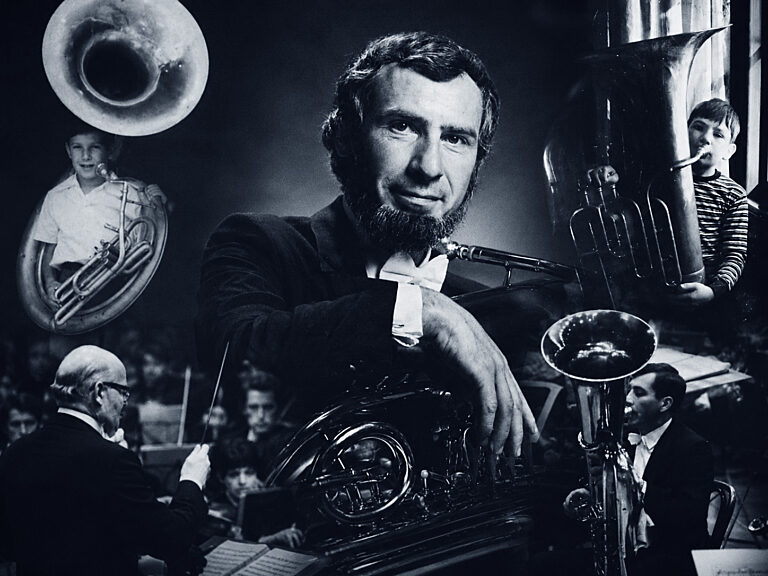
George Szell’s demanding 1966 audition process unfolds through orchestral excerpts, dynamic extremes and the search for absolute ensemble precision.

By Ronald T. Bishop
Encounters Professional life Auditions Orchestral playing Intonation
On the sensitivity of brass instruments Free
No. 30 • 1980 Digitized

On the sensitivity of brass instruments

Metal, pressure nodes and temperature shifts shape response, timbre and tuning, as Emile Ferron links instrument acoustics to the player’s imprint.

By Emile Ferron

Instrument Makers Acoustics Instrument making Sound Intonation
The trombone: changing times, changing slide positions Member
No. 11 • 1975 Digitized

The trombone: changing times, changing slide positions

Did trombonists always use seven positions? Heinrich Huber reveals how history, theory and early music reshaped the slide.

By Heinrich Huber

Technique History Historical instruments Intonation
Akim Alexeyevich Kozlov Member
No. 40 • 1982 Digitized

Akim Alexeyevich Kozlov

A Trombone Artist

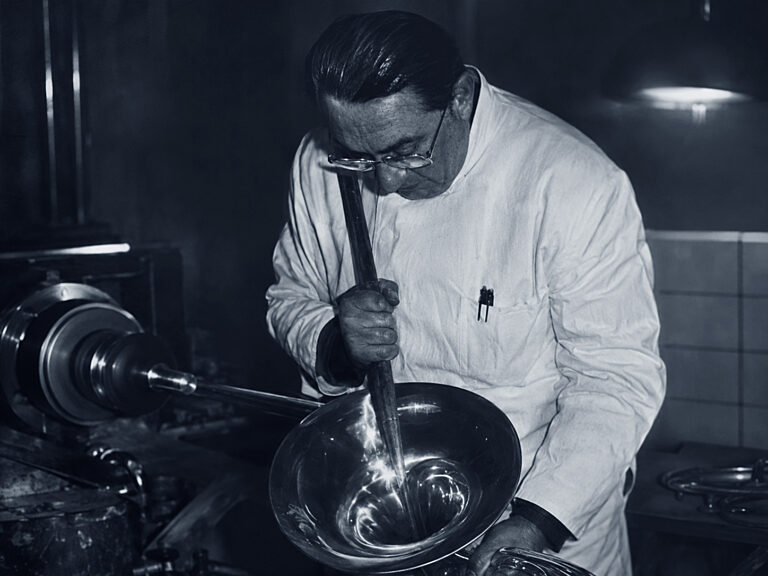
Behind decades of orchestral excellence, one trombonist shaped a school of playing whose influence reached far beyond Leningrad and the concert hall.

By Anatoly Barantsev
Encounters Teaching Russian school Orchestral playing Intonation
The Pitch Finder Member
No. 46 • 1984 Digitized

The Pitch Finder

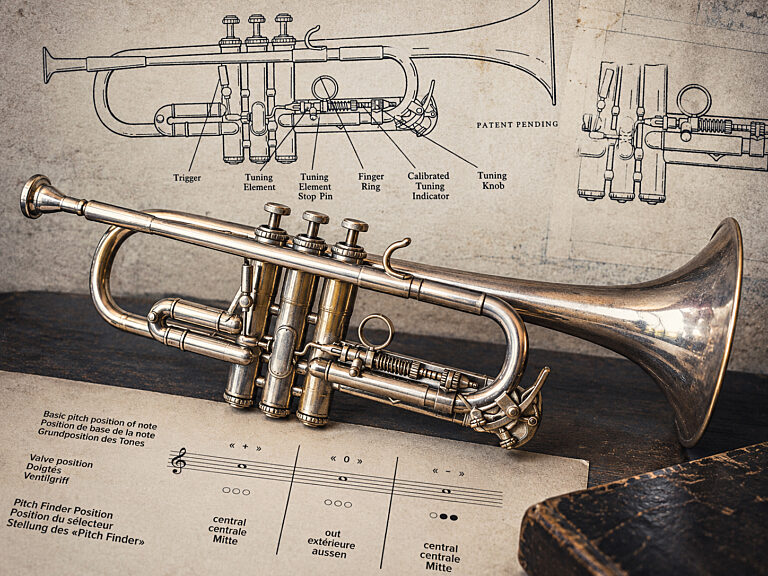
A 1980 attempt to make trumpet intonation mechanical shifts familiar pitch corrections from the embouchure to the fingers, with striking consequences for playing.

By Jack Holland

Equipment Technique Intonation Valves
Loading…

Questions & Answers

How the Digital Edition works

What does the Digital Edition include?

The Digital Edition brings together the articles already digitized as searchable online texts—not simply as scans or PDF files—along with their original illustrations, notes, authorship, issue information, and available translations. Related-article suggestions currently include only this digitized material.

Are the digital articles identical to the originals?

We preserve the original text, language, illustrations, captions, footnotes, and editorial context as faithfully as possible. The presentation is adapted for comfortable online reading, and obvious transcription or scanning errors may be corrected. The substance and character of the published article remain unchanged.

Which languages are available?

Brass Bulletin was published in English, French, and German throughout its history. Italian and Spanish translations were added from issue No. 60 onward.

On the Italian and Spanish sites, articles from issues 1–59 are therefore shown in English by default.

How often are new articles added?

New articles are added almost daily, with approximately one complete issue digitized each week. The pace may vary depending on the preparation, image work, and editorial checking required.

Why aren’t all articles available digitally?

The complete Brass Bulletin collection contains 1,246 articles published between 1971 and 2003. The full index is already available online, allowing readers to discover every article in the collection, including those whose complete text has not yet been digitized.

Digitization began in February 2026. Each article is carefully prepared for online reading, checked, and connected to its issue, authors, subjects, and illustrations. At the current pace of digitization, the complete collection is expected to be available online by February 2028.

Why do some references mention articles that are not available yet?

References in the original articles are preserved even when the material they point to has not yet been digitized. This keeps the historical and editorial record intact. As more issues are added to the Digital Edition, an increasing number of these references will lead to articles that can be read online.

Can I suggest an article or report a transcription error?

Yes. If there is an article you would particularly like to see digitized, or if you notice a possible transcription error or missing detail, please contact us. Reader feedback helps us improve the Digital Edition and prioritize useful connections within the archive.

How can I support Brass Bulletin?

Your support helps fund the preparation, verification, and online publication of the complete collection.

Subscribe to the Digital Edition

Prefer to support us without subscribing?

Make a donation

How is the digitization progressing?

We’re gradually making the Brass Bulletin available online, article by article. You can read newly digitized articles as soon as they’re ready, even before an entire issue is complete.

Visit our Digitization Roadmap to browse recent additions and see estimated availability for upcoming issues. These estimates follow our recent pace and may change.

Search Brass Bulletin.