Explore institutional access →

Improvisation

19 articles available online
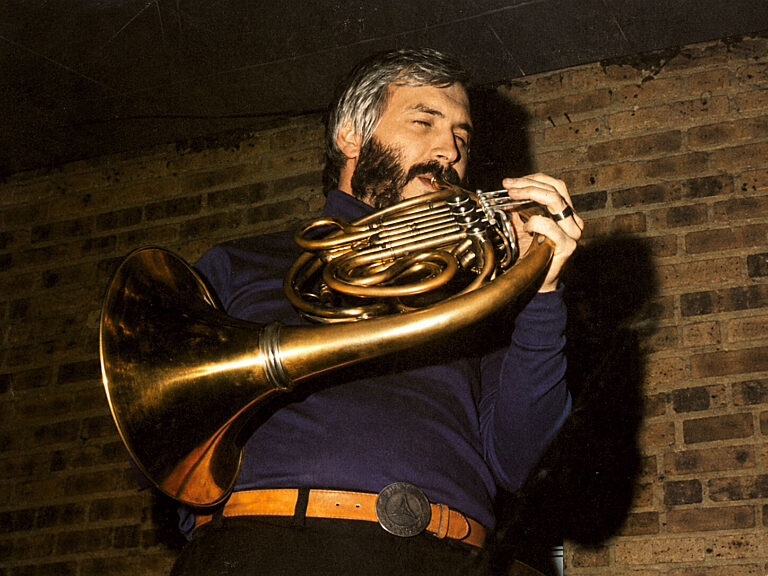
Dale Clevenger Member
No. 54 • 1986 Digitized

Jazz and the Horn Series • Part 8

Dale Clevenger

Principal horn of the Chicago Symphony Orchestra, Dale Clevenger spent his Tuesday evenings playing jazz, discovering a freedom that classical training alone could not provide.

By Jeffrey Agrell
Encounters Jazz Improvisation
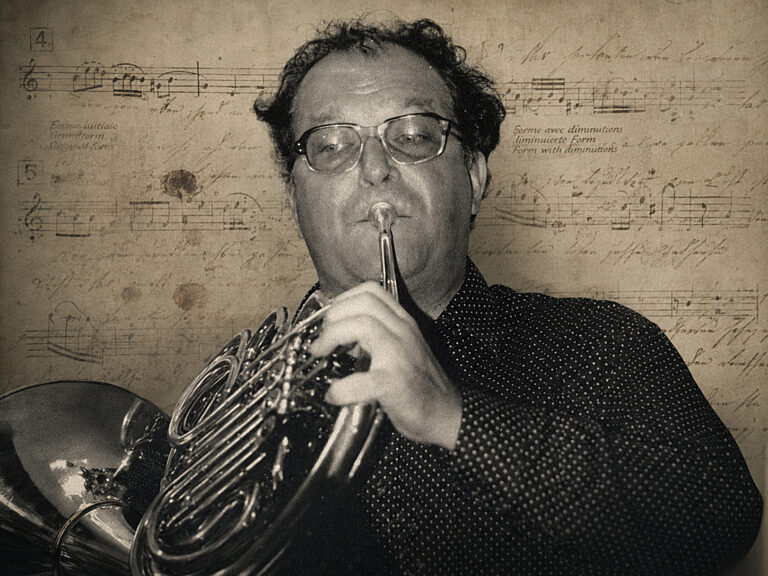
Ornaments in 18th-century Horn Concertos? Member
No. 42 • 1983 Digitized

Part 1

Ornaments in 18th-century Horn Concertos?

Performance once depended as much on informed invention as on written notes, and early horn concertos still carry that forgotten freedom in plain sight.

By Peter Damm
Repertoire History Ornaments Interpretation Improvisation
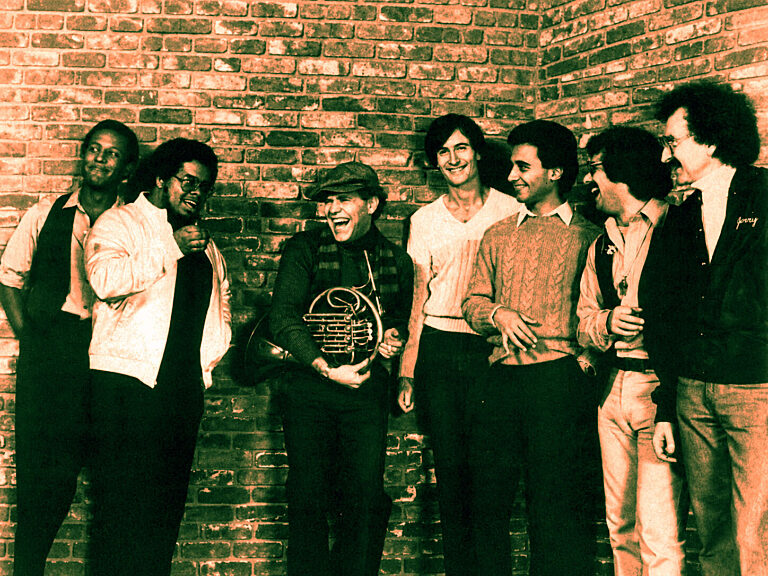
Peter Gordon Member
No. 50 • 1985 Digitized

Jazz and the Horn Series • Part 6

Peter Gordon

Classically trained but drawn elsewhere, Peter Gordon made the horn at home in jazz, studios and popular music without abandoning its orchestral foundations.

By Jeffrey Agrell
Encounters Jazz Improvisation
Tom Varner Free
No. 47 • 1984 Digitized

Jazz and the Horn Series • Part 5

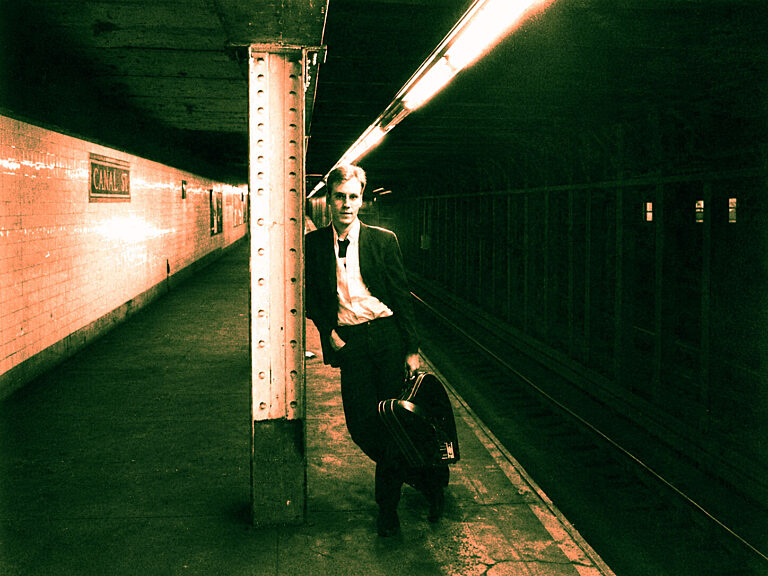
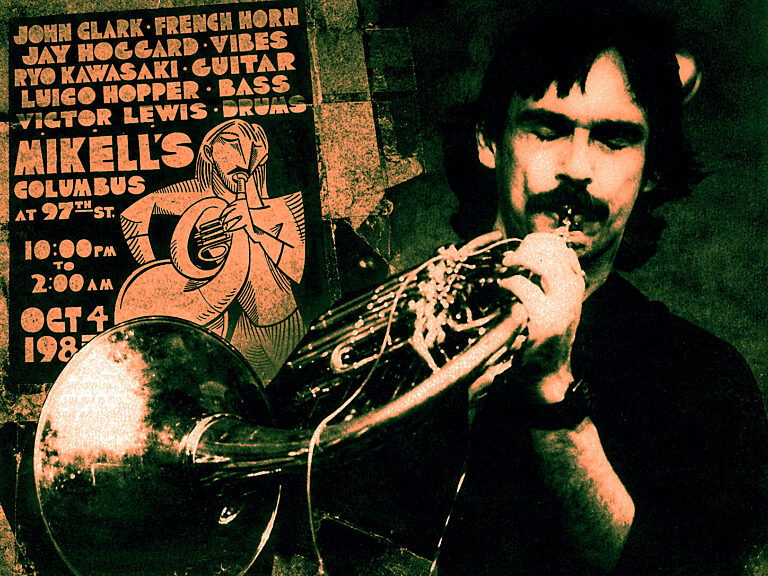
Tom Varner

Choosing jazz over the orchestral path, Tom Varner confronts the horn’s stiffness, projection and unlikely place as a front-line improvising voice.

By Jeffrey Agrell
Encounters Jazz Improvisation
John Clark Member
No. 52 • 1985 Digitized

Jazz and the Horn Series • Part 7

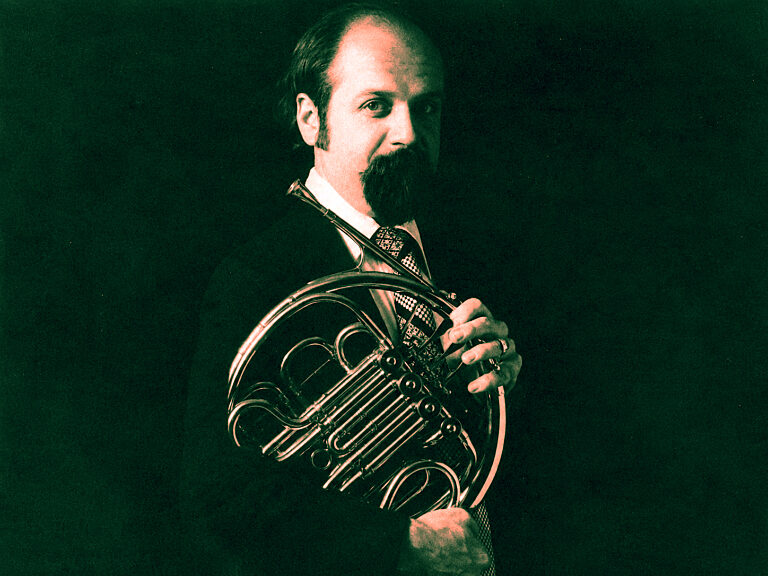
John Clark

John Clark made the horn a jazz voice on its own terms, balancing improvisation, studio realities and an instrument still fighting to escape classical expectations.

By Jeffrey Agrell
Encounters Technique Jazz Improvisation
Thomas Bacon Member
No. 45 • 1984 Digitized

Jazz and the Horn Series • Part 4

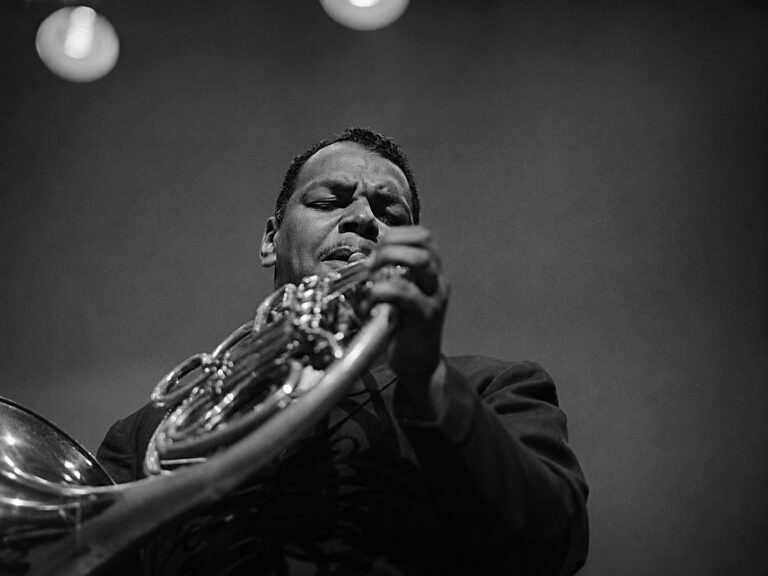
Thomas Bacon

Classical discipline meets jazz-rock freedom as Thomas Bacon confronts improvisation, stylistic crossover and the physical demands placed on the horn.

By Jeffrey Agrell
Encounters Improvisation Jazz
Julius Watkins Member
No. 41 • 1983 Digitized

Jazz and the Horn Series • Part 2

Julius Watkins

A pioneering career, landmark recordings and collaborations with jazz legends gave the French horn a place it had never occupied before.

By Jeffrey Agrell
Encounters Professional life Jazz Improvisation Freelance
The Trumpet and the Cornet in Jazz and Popular Music Member
No. 47 • 1984 Digitized

Part 6

The Trumpet and the Cornet in Jazz and Popular Music

Special jazz techniques

Vibrato, half-valves, growls and shakes lead to a larger argument: jazz transformed trumpet technique, yet its contribution remained strikingly undervalued.

By Michel Laplace

History Jazz Improvisation Articulation
Member
No. 13 • 1976 Digitized

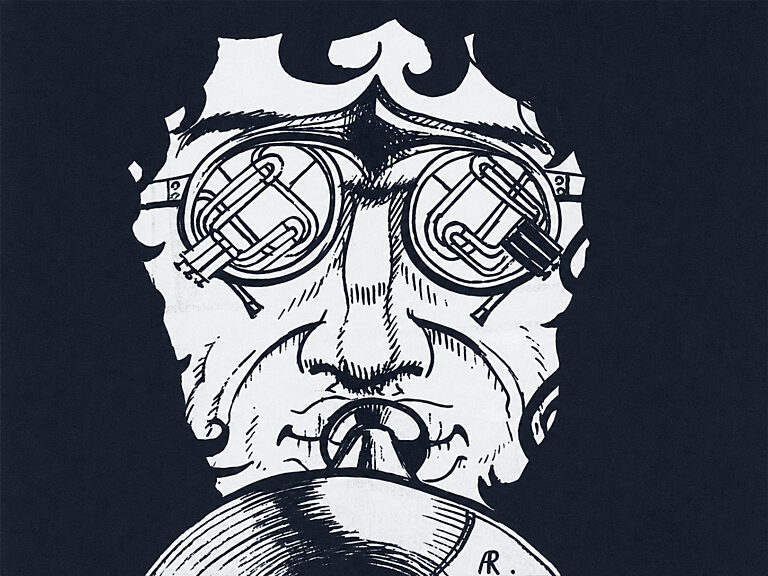
Collective improvisation in instrumental classes with different instruments

What if learning an instrument meant more than playing pieces? Roland Böckle promotes collective improvisation to develop listening, taste, and creativity.

By Roland Böckle
Teaching Improvisation Ideas
Jazz and the Horn Member
No. 40 • 1982 Digitized

Jazz and the Horn Series • Part 1

Jazz and the Horn

The horn was once considered incompatible with jazz until changing ideas of sound and musicians like John Graas quietly overturned that certainty.

By Jeffrey Agrell

Repertoire History Jazz Improvisation
Jazz and the Horn Member
No. 42 • 1983 Digitized

Jazz and the Horn Series • Part 3

Jazz and the Horn

Getting started

For the classically trained horn player, jazz replaces the security of the printed page with listening, swing and improvisation—and a different kind of discipline.

By Jeffrey Agrell

Teaching Technique Jazz Improvisation Articulation
Member
No. 12 • 1975 Digitized

Indeterminate instrumentation

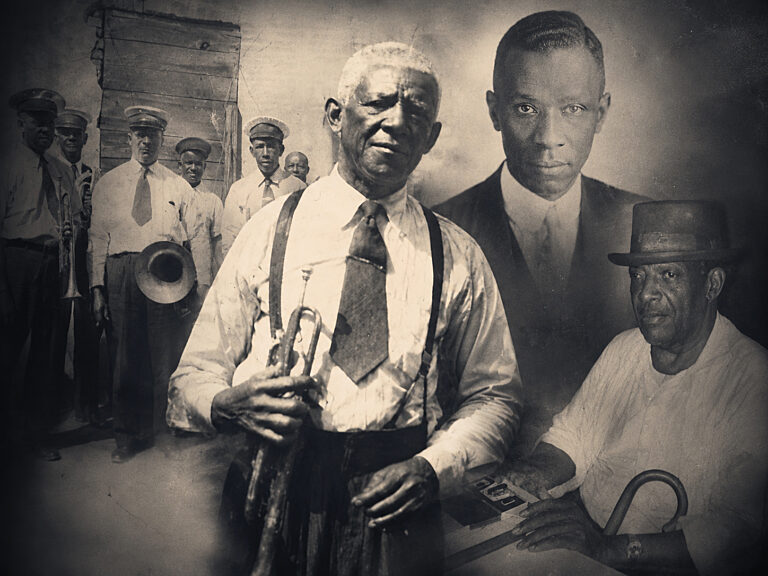
A Way of Extending Instrumental Technic

Can technique go beyond notation? James Fulkerson explores new instrumental possibilities and argues that improvisation is key to expanding both technique and musical thinking.

By James Fulkerson
Technique Repertoire Contemporary Music Improvisation Ideas
The Trumpet and the Cornet in Jazz and Popular Music Free
No. 42 • 1983 Digitized

Part 1

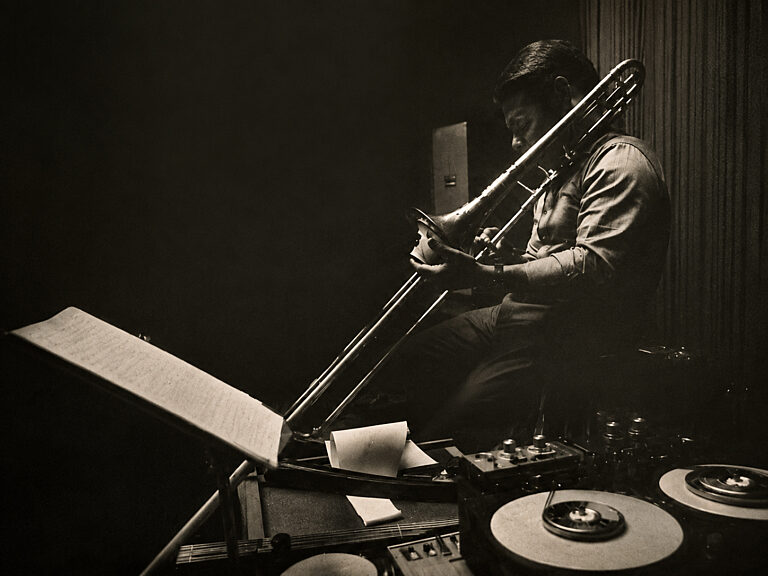
The Trumpet and the Cornet in Jazz and Popular Music

Before Louis Armstrong became the defining figure, jazz already carried competing traditions of tone, style and technique shaped by cornet players across New Orleans and beyond.

By Michel Laplace
History Repertoire Jazz Improvisation
Possibilities for development of brass instruments (1967) Member
No. 5 • 1973 Digitized

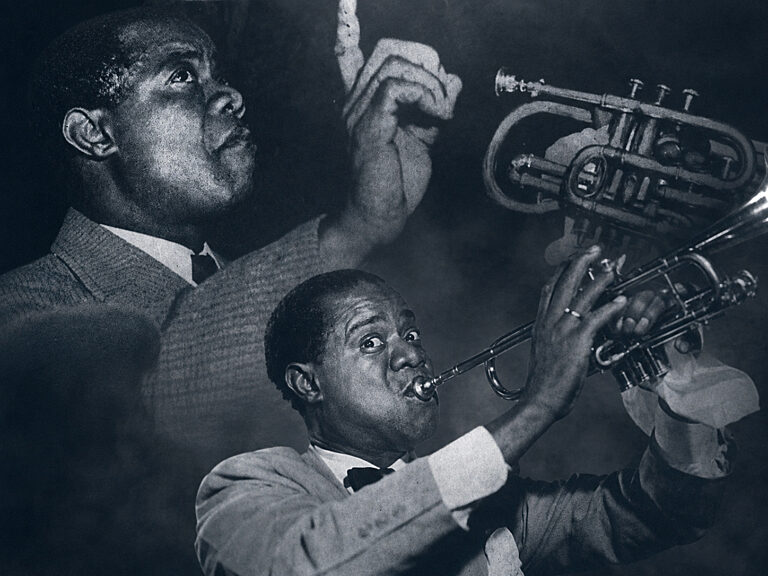
Possibilities for development of brass instruments (1967)

Experimental study by Vinko Globokar on extended techniques for brass instruments, covering microtonality, voice-instrument interaction and new sound production methods.

By Vinko Globokar
Technique Equipment Repertoire Contemporary Music Improvisation
The Trumpet and the Cornet in Jazz and Popular Music Member
No. 43 • 1983 Digitized

Part 2

The Trumpet and the Cornet in Jazz and Popular Music

The “Classical” Period 1927-1945 — The Golden Age of the Trumpet

Between Armstrong’s rise and bebop’s arrival, the trumpet became jazz’s dominant voice, reshaping technique, orchestras, sound, mutes and virtuosity.

By Michel Laplace

History Repertoire Jazz Improvisation
Ornaments in 18th-century Horn Concertos? Member
No. 44 • 1983 Digitized

Part 3

Ornaments in 18th-century Horn Concertos?

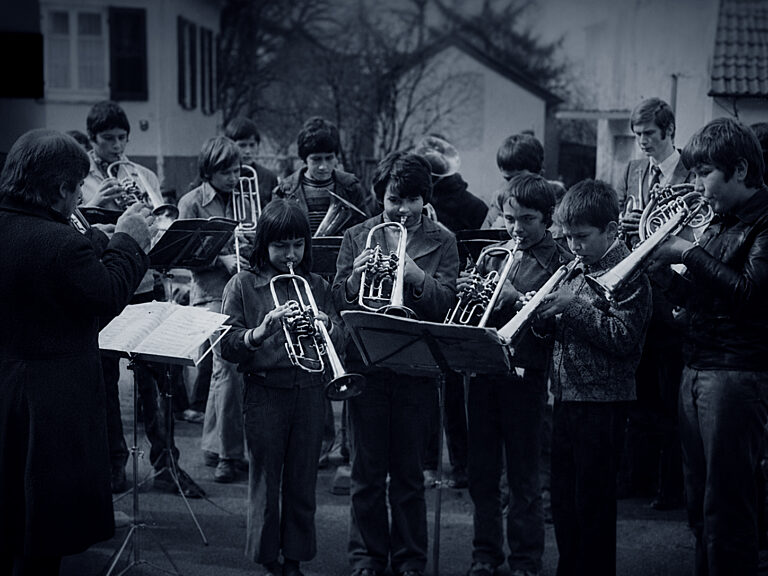
Deliberate divisions

Improvisation, articulation and ornament were once inseparable: Peter Damm recovers an 18th-century horn practice later narrowed by increasingly precise notation.

By Peter Damm
History Repertoire Ornaments Improvisation Articulation
Working with the Posaunenchor Free
No. 34 • 1981 Digitized

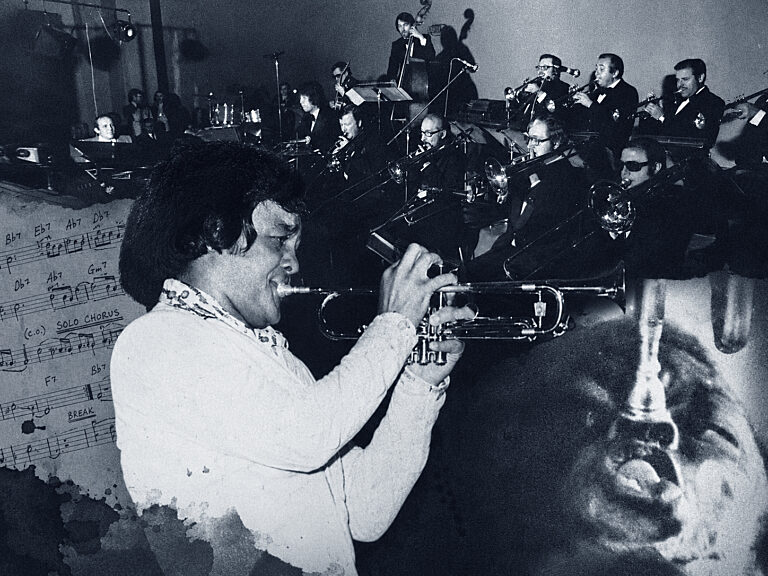
Working with the Posaunenchor

From Württemberg youth groups to mass brass gatherings in Ulm, a community tradition links faith, education and amateur brass playing across generations.

By Max Sommerhalder
Teaching Society Brass Ensemble Sociology Improvisation Band
The Trumpet and the Cornet in Jazz and Popular Music Member
No. 44 • 1983 Digitized

Part 3

The Trumpet and the Cornet in Jazz and Popular Music

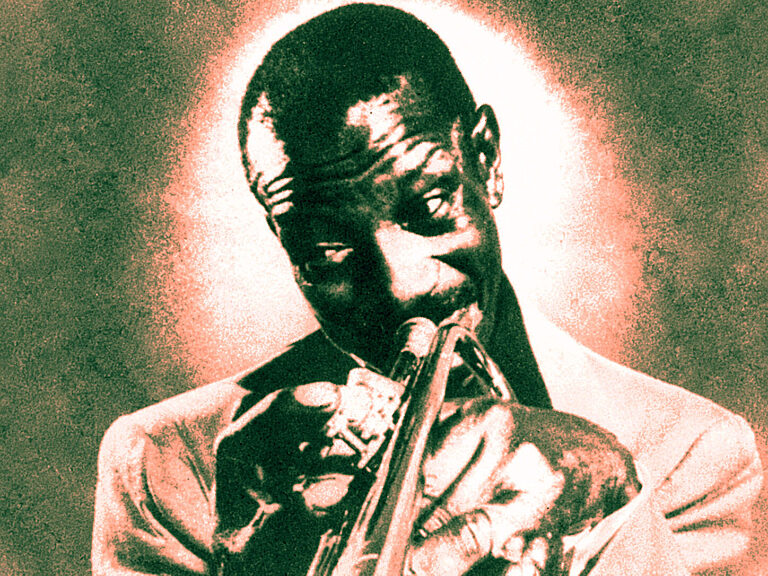
The pluralism of the so-called “modern” forms (1945 to the present)

Bebop, Miles Davis and the rise of the flugelhorn mark a postwar jazz landscape in which trumpet playing splintered into competing sounds and ideals.

By Michel Laplace
History Equipment Jazz Improvisation Sound
Jabbo Smith Member
No. 49 • 1985 Digitized

Jabbo Smith

The Unrecognised Jazz Trumpeter

Overshadowed by Armstrong and later by Eldridge, Jabbo Smith emerges as a crucial trumpet innovator whose speed, range and phrasing anticipated modern jazz.

By Michel Laplace

History Jazz Improvisation
Loading…

Questions & Answers

How the Digital Edition works

What does the Digital Edition include?

The Digital Edition brings together the articles already digitized as searchable online texts—not simply as scans or PDF files—along with their original illustrations, notes, authorship, issue information, and available translations. Related-article suggestions currently include only this digitized material.

Are the digital articles identical to the originals?

We preserve the original text, language, illustrations, captions, footnotes, and editorial context as faithfully as possible. The presentation is adapted for comfortable online reading, and obvious transcription or scanning errors may be corrected. The substance and character of the published article remain unchanged.

Which languages are available?

Brass Bulletin was published in English, French, and German throughout its history. Italian and Spanish translations were added from issue No. 60 onward.

On the Italian and Spanish sites, articles from issues 1–59 are therefore shown in English by default.

How often are new articles added?

New articles are added almost daily, with approximately one complete issue digitized each week. The pace may vary depending on the preparation, image work, and editorial checking required.

Why aren’t all articles available digitally?

The complete Brass Bulletin collection contains 1,246 articles published between 1971 and 2003. The full index is already available online, allowing readers to discover every article in the collection, including those whose complete text has not yet been digitized.

Digitization began in February 2026. Each article is carefully prepared for online reading, checked, and connected to its issue, authors, subjects, and illustrations. At the current pace of digitization, the complete collection is expected to be available online by February 2028.

Why do some references mention articles that are not available yet?

References in the original articles are preserved even when the material they point to has not yet been digitized. This keeps the historical and editorial record intact. As more issues are added to the Digital Edition, an increasing number of these references will lead to articles that can be read online.

Can I suggest an article or report a transcription error?

Yes. If there is an article you would particularly like to see digitized, or if you notice a possible transcription error or missing detail, please contact us. Reader feedback helps us improve the Digital Edition and prioritize useful connections within the archive.

How can I support Brass Bulletin?

Your support helps fund the preparation, verification, and online publication of the complete collection.

Subscribe to the Digital Edition

Prefer to support us without subscribing?

Make a donation

How is the digitization progressing?

We’re gradually making the Brass Bulletin available online, article by article. You can read newly digitized articles as soon as they’re ready, even before an entire issue is complete.

Visit our Digitization Roadmap to browse recent additions and see estimated availability for upcoming issues. These estimates follow our recent pace and may change.

Search Brass Bulletin.