7 min. read
Jazz and the Horn Series • Part 3
Jazz and the Horn
Getting started
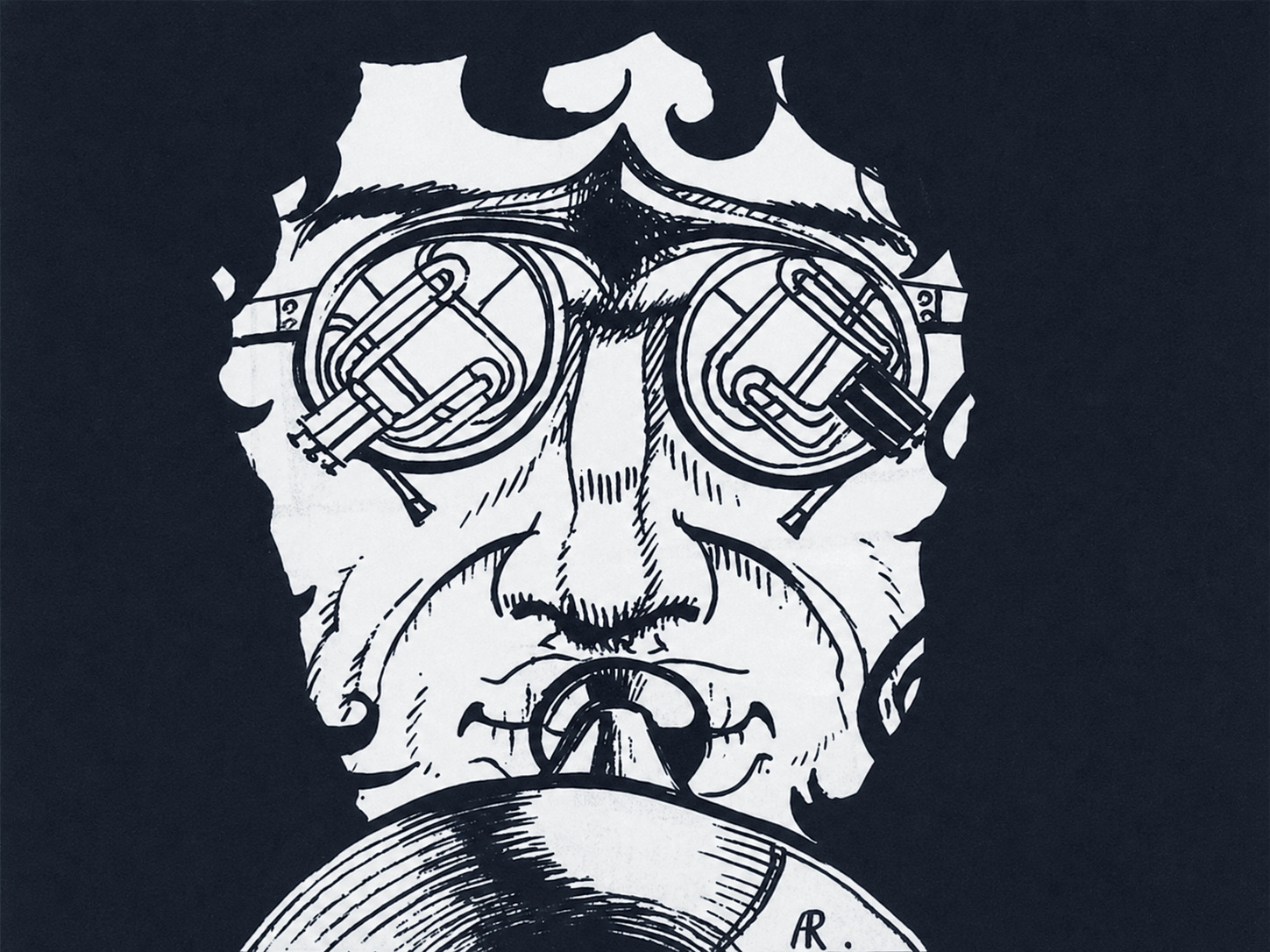
Now, you love playing the horn and everything, but somehow the routine diet of playing material seems to have gotten a little old in the past few years. Same old Kopprasch, same old Maxime-Alphonse; Mozart & Strauss, Strauss & Mozart. Sure, there’s newer stuff — you could work on the Verne Reynolds or the Musgrave concerto. But in one sense it is all the same: you are trying to reproduce the written notes of someone else’s music as perfectly as you can. This kind of study is a part of every musician’s training, but the study of jazz offers an additional dimention of musical study, performance, and enjoyment: improvisation, in which you are the composer of the solo line. To improvise well takes years of practice, but the excitement and challenge of playing an improvised solo make it fun every step of the way. Consider, after a concert of Eroica, Mozart 40th, and Ravel Piano Concerto in G, you retire to the back room for Take the “A” Train, How High the Moon, and Blues in Bb. You could have it all...
Improvisation itself is older than written music, and many of the great masters, from Landini to Mozart to Bruckner were famous for their improvisations. In the Baroque Era, the ability to improvise accompaniment from figured bass and to improvise ornamentation was essential. Bach was even criticized for writting out figures that players had always improvised. As ensembles became larger and scores more complicated, musicians lost the ability to improvise and they concentrated on reproducing the notes as written. But as the art of improvisation died out amoung classical musicians, it arose anew as an integral part of a new kind of music: jazz.
For a classically trained musician to learn to play jazz, he or she must approach it as a foreign language. To learn to speak, say, Greek, you must listen to native speakers for a long time, imitating, practicing constantly, until one day when you are able to spontaneously express yourself. To avoid haveing an “accent”, you must be careful of carrying over to the new language any features of the old that do not apply. And at the same time, be tolerant (difficult for an adult) of imperfections along the way.
Thus, to learn to play jazz, the first thing you must do is listen. Jazz, like “classical” music, comes in many different styles. You can start with a style you already know, or just start at the beginning (preferably while working your way through a good jazz history book) and listen to everything from ragtime to avant-garde. The most important aspect of jazz to assimilate from your listening is the treatment of rhythm (the harmonic system being from the European tradition), which more than anything else distinguishes jazz from other music. In general, the rhythm section (piano, bass, and drums) outlines the beat and harmony while the soloist creates tension and release in his phrasing against these elements. Imitating the rhythmic feel and phrasing of good jazz players first by singing and then on the horn will develop in you the ability to swing, without which your playing will have an obvious classical “accent”.
Study with a teacher if you can, but if at all possible, get together from the beginning with jazz players for advice, ideas, and inspiration. If you can’t, there has appeared in recent years a reasonable substitute: the play-along record, where you can solo with the recorded rhythm section accompaniment. There are advantages here, in that you can repeat numbers indefinitely, and usually all keys are touched upon. One problem for the horn is transposition; you will probably have to write in the transposed key changes until such a day where you can do it at sight.
Brass Bulletin 42, II / 1983 pages 36–45
All content is protected by copyright © Brass Bulletin 1983–2026