Explore institutional access →

Approach

91 articles available online
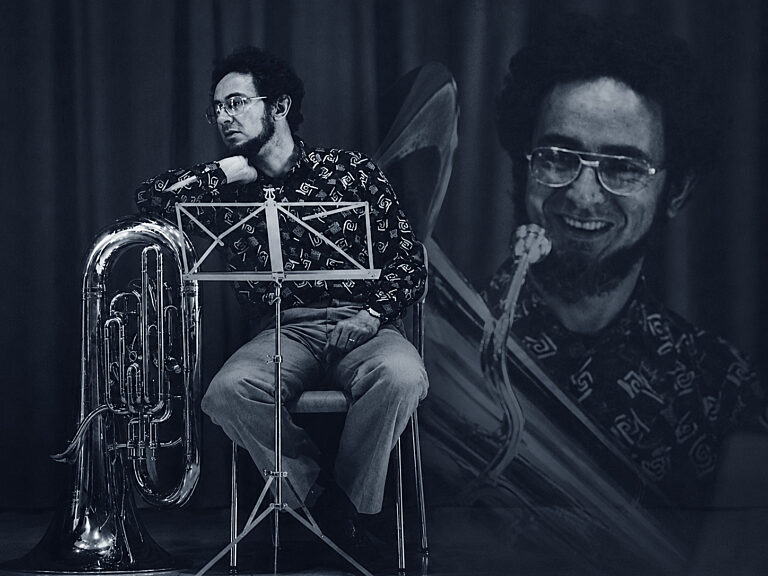
John Fletcher Free
No. 27 • 1979 Digitized

John Fletcher

Interview

From brass bands to chamber ensembles, John Fletcher reflects on the rapid rise of young British tubists and the changing role of the instrument.

By Jean-Pierre Mathez

Encounters Society Sociology Solo playing Brass Ensemble
No. 122 • 2003 Awaiting digitization

Part 2

Classical music: Why bother?

By Joshua Fineberg
Society Ideas Sociology
Early trumpet music in Schwerin Free
No. 23 • 1978 Digitized

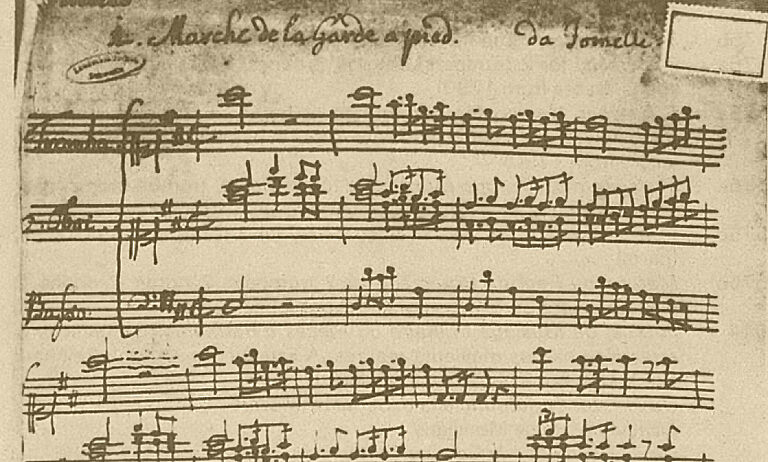
Early trumpet music in Schwerin

Hidden sources revealed: Stephen Glover uncovers early trumpet music in Schwerin—offering new insights into wind bands, performance practice, and the evolution of brass.

By Stephen L. Glover

Repertoire History Historical instruments Valves Sociology
Member
No. 12 • 1975 Digitized

Indeterminate instrumentation

A Way of Extending Instrumental Technic

Can technique go beyond notation? James Fulkerson explores new instrumental possibilities and argues that improvisation is key to expanding both technique and musical thinking.

By James Fulkerson

Technique Repertoire Contemporary Music Improvisation Ideas
Member
No. 13 • 1976 Digitized

Collective improvisation in instrumental classes with different instruments

What if learning an instrument meant more than playing pieces? Roland Böckle promotes collective improvisation to develop listening, taste, and creativity.

By Roland Böckle

Teaching Improvisation Ideas
Free
No. 17 • 1977 Digitized

Reflections on the brass player

Why do brass players so often resist new music? Vinko Globokar dismantles schools, routines, and traditions—and calls for a freer musical mindset.

By Vinko Globokar
Society Teaching Sociology Ideas Contemporary Music
What is a Brass Band? Free
No. 25 • 1979 Digitized

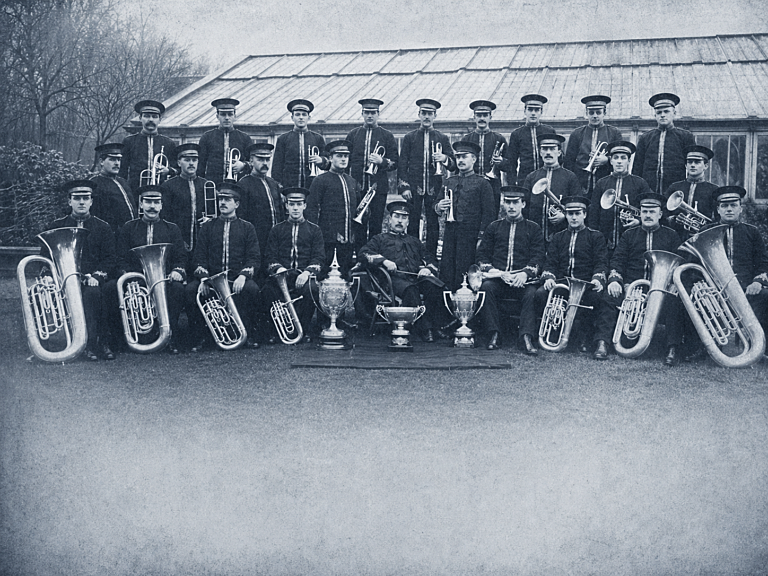
What is a Brass Band?

Barrie Perrins traces the 19th-century origins, instrumentation and social role of the brass band—from industrial roots to international musical life.

By Barrie Perrins

History Society Sociology Band
Free
No. 25 • 1979 Digitized

Dreams and wishes

Things I would like to see happen concerning the horn and horn playing

A set of proposals for the future of the horn: Jeffrey Agrell addresses editions, pedagogy, instruments, and repertoire—from Mozart to contemporary practice.

By Jeffrey Agrell

Equipment Repertoire Ideas Contemporary Music Orchestral playing
My contacts with the United States Member
No. 17 • 1977 Digitized

Part 2

My contacts with the United States

About horns and how to play them

Double horn, descant, natural horn — which path? This article explores American vs German approaches and what it means to train a complete horn player.

By Michael Höltzel
Report Professional life American school German school Sociology
Editorial Free
No. 23 • 1978 Digitized

Editorial

More than a magazine: a call to musicians. This editorial reveals Brass Bulletin’s mission—to inspire, connect, and survive through the support of its readers.

By Jean-Pierre Mathez

Society Sociology Ideas
Editorial Free
No. 18 • 1977 Digitized

Editorial

Mouthpiece, instrument, practice—what’s really holding you back? A reflection on doubt, competition, and finding the inner balance that shapes true musicianship.

By Jean-Pierre Mathez

Society Sociology Ideas
Zen and the Art of Horn playing Member
No. 29 • 1980 Digitized

Part 4

Zen and the Art of Horn playing

From meditation to distance running, horn playing becomes a way of quieting mental noise, linking breath, concentration, and daily life.

By Jeffrey Agrell

Health Nerves Breathing Ideas
Editorial Member
No. 37 • 1982 Digitized

Editorial

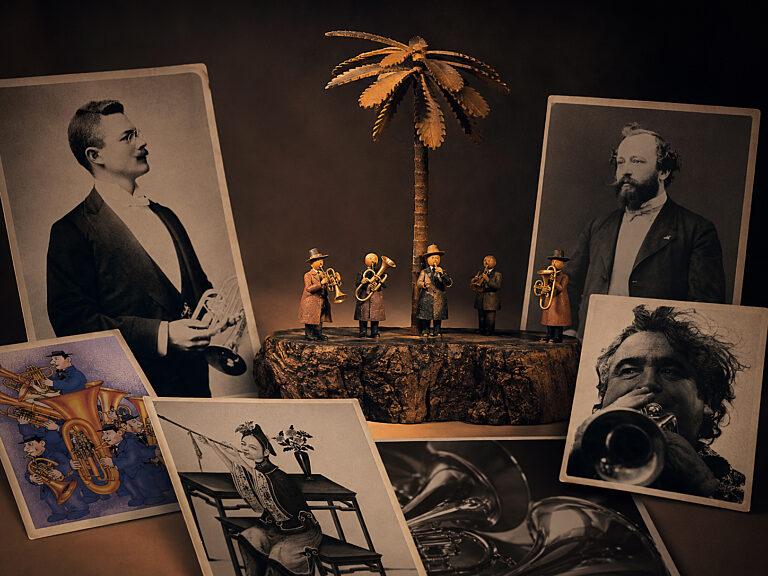
As music becomes increasingly industrialized, Jean-Pierre Mathez argues for restoring local musical communities where composers, performers and audiences shape a shared identity.

By Jean-Pierre Mathez
Society Sociology Ideas Contemporary Music
Editorial Free
No. 33 • 1981 Digitized

Editorial

10 Years of Brass Bulletin

Ten years after its launch, a small specialist publication reaches readers in more than sixty countries, reflecting how a shared artistic community took shape across borders.

By Jean-Pierre Mathez

History Society Ideas Sociology
Editorial Free
No. 34 • 1981 Digitized

Editorial

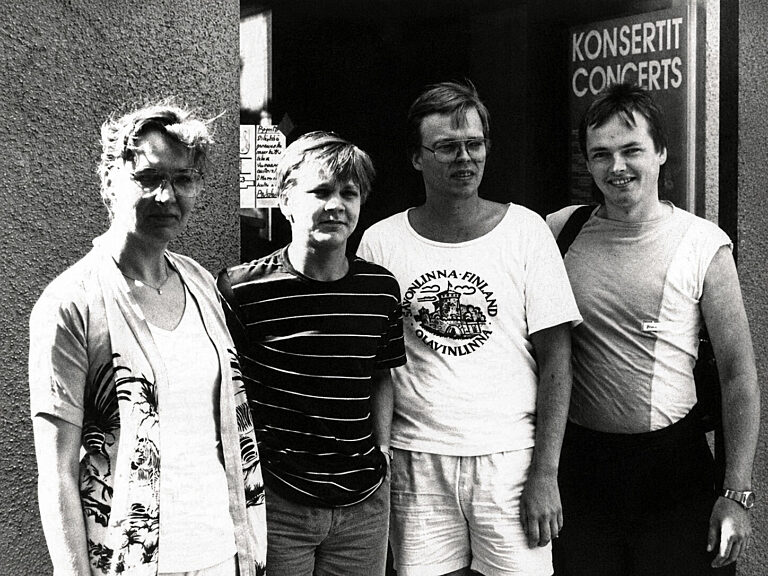
Beyond technique and instruction, musical growth depends on trusted relationships, where friendship becomes both a measure of progress and a safeguard against isolation.

By Jean-Pierre Mathez
Teaching Society Ideas Interpretation
Editorial Free
No. 53 • 1986 Digitized

Special Finland

Editorial

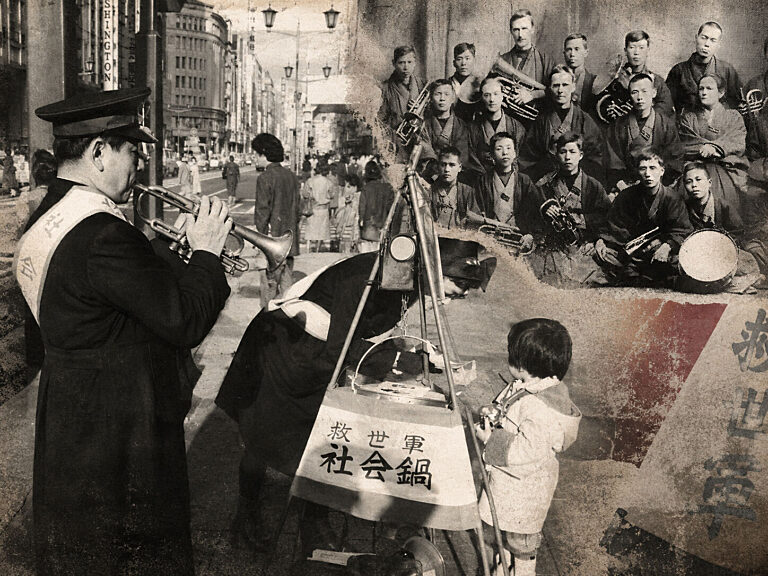
In 1980s Finland, distance and long summers helped turn brass education into a national network, with Lieksa emerging as an unlikely meeting point.

By Jean-Pierre Mathez
Report Teaching Sociology
Salvation Army in Japan Free
No. 52 • 1985 Digitized

Salvation Army in Japan

Western-style brass music entered a once-isolated Japan through unexpected channels, with Salvation Army bands becoming part of a remarkable cultural transformation.

By Taku Satoh

History Society Sociology
No. 75 • 1991 Awaiting digitization

Part 1

Sampling?

By Thomas Stevens

Society Ideas
Free
No. 21 • 1978 Digitized

Symposium 1978

Eyes toward the future

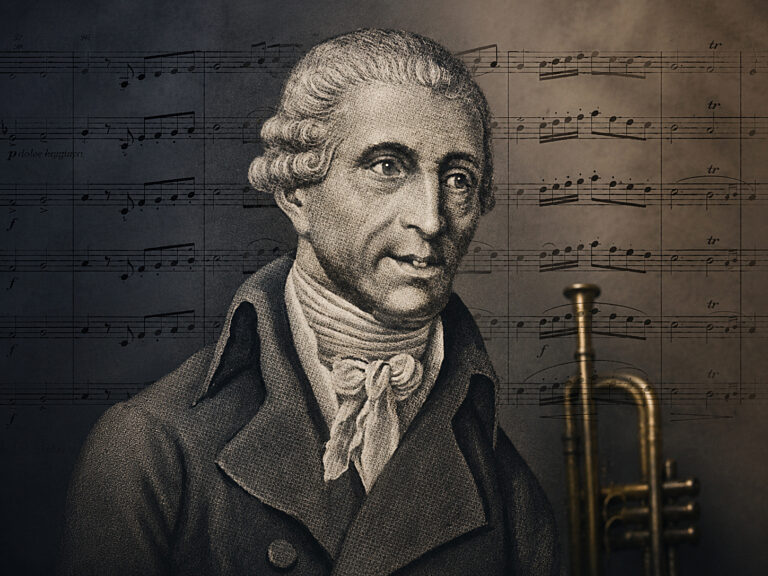
Beyond the instrument: Roger Bobo calls for open minds at Symposium ’78—urging tubists to seek inspiration, question identity, and look boldly toward the future.

By Roger Bobo
Event Ideas
The Haydn Trumpet Concerto Member
No. 37 • 1982 Digitized

Part 3

The Haydn Trumpet Concerto

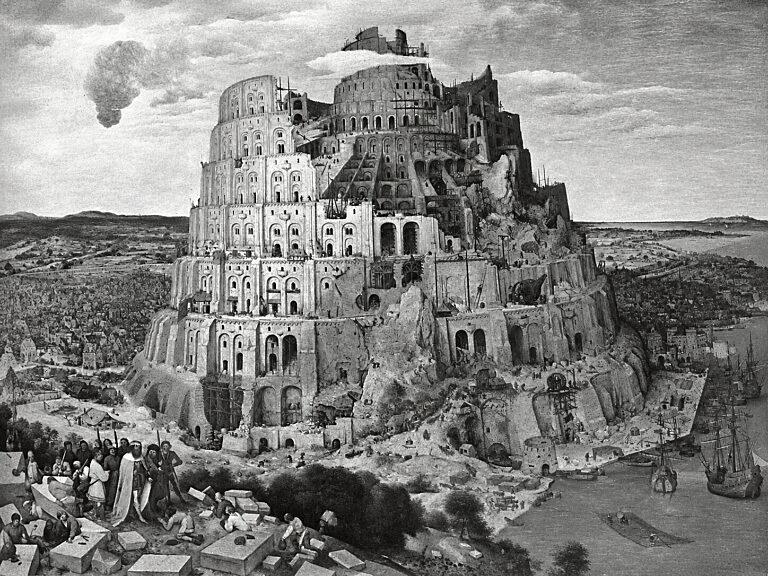
Haydn’s trumpet concerto becomes a study of manuscript detail, performance choices, and the fragile ways listeners receive a familiar work.

By Alfred Willener
History Repertoire Society Interpretation Sociology Ideas Keyed trumpet
Music in an American Frontier Communal Society Member
No. 35 • 1981 Digitized

Part 2

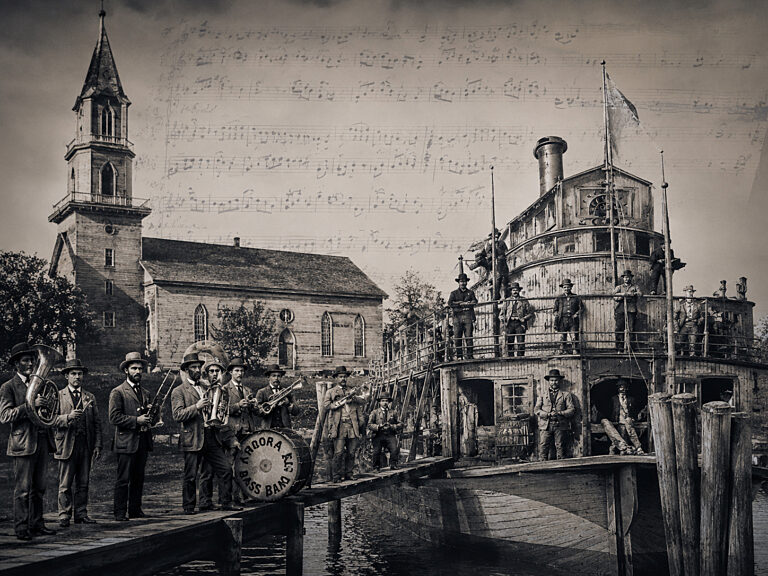
Music in an American Frontier Communal Society

Aurora Colony

Music shaped daily life in Aurora’s communal colony, from civic ceremonies and political events to touring brass bands that carried its identity across the American West.

By Deborah M. Olsen
History Society Repertoire Sociology Brass Ensemble
Editorial Free
No. 49 • 1985 Digitized

Editorial

Artistic progress is measured not only in technique but in doubt, self-awareness and hope, as Jean-Pierre Mathez looks beyond the instrument to the person playing it.

By Jean-Pierre Mathez

Society Mental approach Ideas
Editorial Free
No. 51 • 1985 Digitized

Editorial

A museum, a factory, a familiar instrument: Jean-Pierre Mathez turns ordinary encounters with brass into a reflection on the bond between player and voice.

By Jean-Pierre Mathez
Society Ideas
On record reviews Free
No. 48 • 1984 Digitized

On record reviews

Is criticism constructive? Objective?

When taste and feeling dominate record reviews, criticism risks becoming arbitrary; Uwe Wolf argues instead for interpretations grounded enough to sustain debate.

By Uwe Wolf

Society Ideas
Loading…

Questions & Answers

How the Digital Edition works

What does the Digital Edition include?

The Digital Edition brings together the articles already digitized as searchable online texts—not simply as scans or PDF files—along with their original illustrations, notes, authorship, issue information, and available translations. Related-article suggestions currently include only this digitized material.

Are the digital articles identical to the originals?

We preserve the original text, language, illustrations, captions, footnotes, and editorial context as faithfully as possible. The presentation is adapted for comfortable online reading, and obvious transcription or scanning errors may be corrected. The substance and character of the published article remain unchanged.

Which languages are available?

Brass Bulletin was published in English, French, and German throughout its history. Italian and Spanish translations were added from issue No. 60 onward.

On the Italian and Spanish sites, articles from issues 1–59 are therefore shown in English by default.

How often are new articles added?

New articles are added almost daily, with approximately one complete issue digitized each week. The pace may vary depending on the preparation, image work, and editorial checking required.

Why aren’t all articles available digitally?

The complete Brass Bulletin collection contains 1,246 articles published between 1971 and 2003. The full index is already available online, allowing readers to discover every article in the collection, including those whose complete text has not yet been digitized.

Digitization began in February 2026. Each article is carefully prepared for online reading, checked, and connected to its issue, authors, subjects, and illustrations. At the current pace of digitization, the complete collection is expected to be available online by February 2028.

Why do some references mention articles that are not available yet?

References in the original articles are preserved even when the material they point to has not yet been digitized. This keeps the historical and editorial record intact. As more issues are added to the Digital Edition, an increasing number of these references will lead to articles that can be read online.

Can I suggest an article or report a transcription error?

Yes. If there is an article you would particularly like to see digitized, or if you notice a possible transcription error or missing detail, please contact us. Reader feedback helps us improve the Digital Edition and prioritize useful connections within the archive.

How can I support Brass Bulletin?

Your support helps fund the preparation, verification, and online publication of the complete collection.

Subscribe to the Digital Edition

Prefer to support us without subscribing?

Make a donation

How is the digitization progressing?

We’re gradually making the Brass Bulletin available online, article by article. You can read newly digitized articles as soon as they’re ready, even before an entire issue is complete.

Visit our Digitization Roadmap to browse recent additions and see estimated availability for upcoming issues. These estimates follow our recent pace and may change.

Search Brass Bulletin.