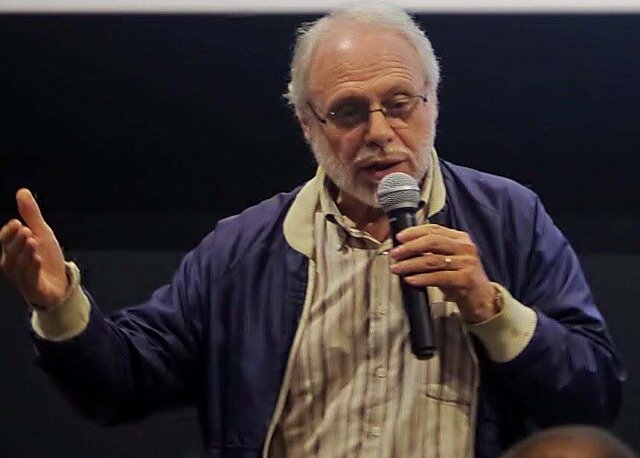
Michel Laplace
Michel Laplace is a French trumpeter, writer and researcher whose work has contributed extensively to the documentation of trumpet and brass history, particularly across the often separate worlds of classical music, jazz and popular music. Laplace received a classical trumpet education in Tours with Gaëtan Berton, studying the established French…
Read biography
Michel Laplace is a French trumpeter, writer and researcher whose work has contributed extensively to the documentation of trumpet and brass history, particularly across the often separate worlds of classical music, jazz and popular music.
Laplace received a classical trumpet education in Tours with Gaëtan Berton, studying the established French trumpet tradition while developing an equally strong interest in jazz. His musical curiosity ranged widely, from the early cornet and trumpet traditions represented by musicians such as King Oliver and Bunk Johnson to the successive generations of modern jazz. Rather than treating these musical worlds separately, he developed an interest in the players, traditions and repertoire that connected them.
Music remained a substantial parallel activity alongside his professional career in medicine. Laplace worked as a radiologist for four decades while continuing to perform, research and write. As an instrumentalist, he gained experience in classical, popular and jazz settings and became particularly active in directing trumpet ensembles. His Trumpet Workshops brought together musicians from different backgrounds and reflected an approach that resisted rigid distinctions between classical and jazz trumpet playing.
His historical research began early. Interested not only in repertoire but also in the musicians who had shaped the instrument, Laplace started corresponding with performers, publishers and other sources in order to gather information that was often difficult to find in existing reference works. This combination of personal contact, documentary research and practical knowledge of the trumpet would become characteristic of his work as a writer.
Laplace became a regular contributor to Brass Bulletin, where over more than two decades he wrote about a remarkably broad range of subjects. His articles explored the French trumpet tradition as well as jazz trumpet, cornet and other brass instruments, and documented musicians including Edna White, Jabbo Smith, Aimé Barelli, Dizzy Gillespie, Valaida Snow and Rafael Méndez. Through these contributions he helped bring jazz and popular brass history into the pages of a journal that also documented the classical and contemporary brass worlds.
His commitment to the trumpet community also took an organizational form. He was involved with the International Trumpet Guild as a correspondent and with its activities in France, and in 1978 became a co-founder of the Guilde Française des Trompettistes. He later participated in the creation of Cuivres en France, continuing his involvement in efforts to connect performers, teachers and researchers within the French brass community.
Writing and documentation increasingly became a major part of his activity. From 1992 to 2022 he contributed to Jazz Hot, extending his research into jazz history and its musicians. His expertise also led to contributions to international reference works, including editions of The New Grove Dictionary of Jazz. He later collaborated with David Hickman, Edward H. Tarr and Leonard Candelaria on Trumpet Greats: A Biographical Dictionary, published in 2013.
Decades of collecting information on brass players eventually developed into Le Monde de la Trompette et des Cuivres: Classique, Variétés, Jazz, an exceptionally extensive biographical resource encompassing thousands of musicians. The project reflects one of the defining characteristics of Laplace’s work: an attempt to document the trumpet without restricting its history to a single repertoire, country or musical tradition.
This same perspective informs Memories of You – Mon monde de la trompette en France, de Arban à Maurice André, in which Laplace draws on research, personal encounters and recollections to trace the French trumpet world across classical music, popular entertainment and jazz. Figures belonging to very different traditions appear within the same historical landscape, from the legacy of Jean-Baptiste Arban to Maurice André and generations of orchestral, jazz and popular trumpeters.
The documentary material accumulated through Laplace’s research — including publications, photographs, correspondence and biographical documentation — also became a resource in its own right. Part of this collection was donated to the Institut Valencià de Cultura, ensuring the preservation of material gathered over decades of contact with musicians and research into brass history.
Michel Laplace’s contribution lies above all in this breadth of perspective. As a trumpeter he knew the instrument from within; as a researcher and writer he documented musicians whose careers belonged to very different musical environments. Through Brass Bulletin, Jazz Hot, international reference works and his own extensive biographical research, he helped preserve a history of the trumpet that extends beyond celebrated soloists to encompass orchestral players, jazz musicians, popular performers, teachers and many other figures who contributed to the instrument’s development.
26 Articles by Michel Laplace
Brass Bulletin 29 - 1 / 1980
Laplace, Michel
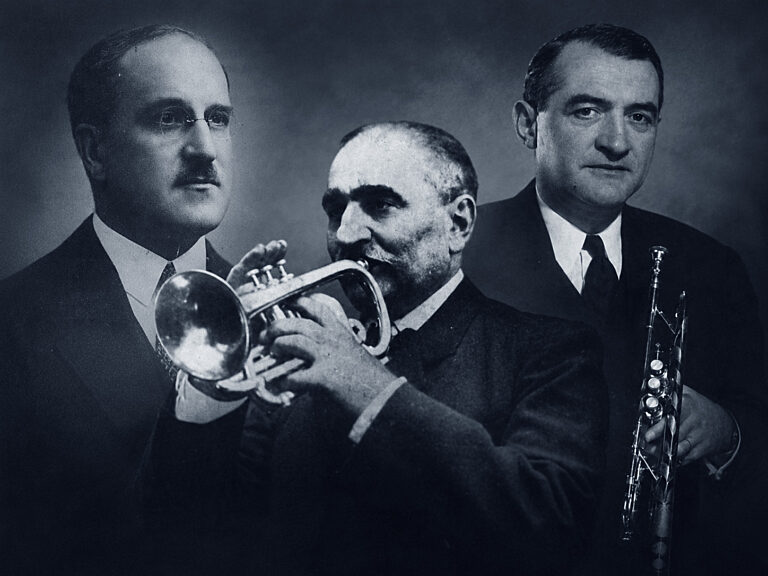
The founders of the French Trumpet School
Merri Franquin, Eugène Foveau and Raymond Sabarich
Franquin, Foveau and Sabarich appear through their Paris careers, teaching legacies, recordings and role in shaping modern French trumpet playing.
pp. 67–80
Brass Bulletin No 29 · 1980
Trumpet· History· Teaching· French school· Sound
Brass Bulletin 42 - 2 / 1983
Laplace, Michel
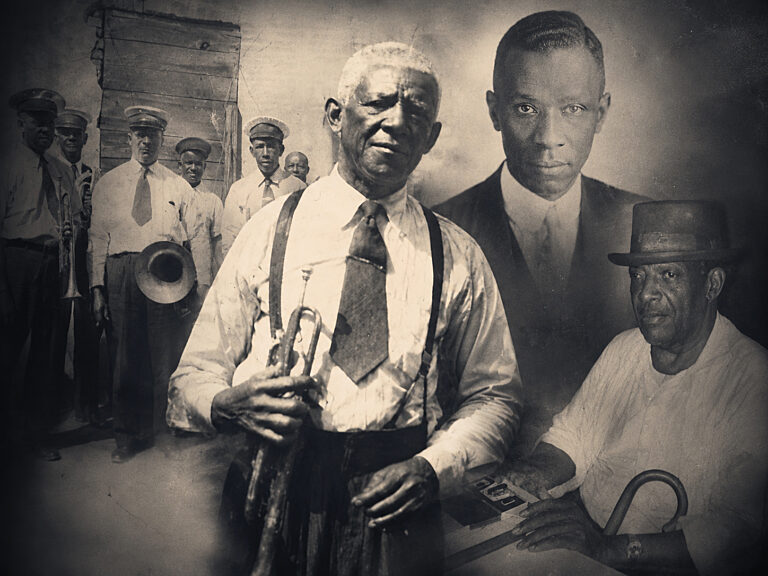
The Trumpet and the Cornet in Jazz and Popular Music
Before Louis Armstrong became the defining figure, jazz already carried competing traditions of tone, style and technique shaped by cornet players across New Orleans and beyond.
pp. 16–30
Brass Bulletin No 42 · 1983
Trumpet· Cornet à pistons· History· Repertoire· Jazz· Improvisation
Brass Bulletin 43 - 3 / 1983
Laplace, Michel
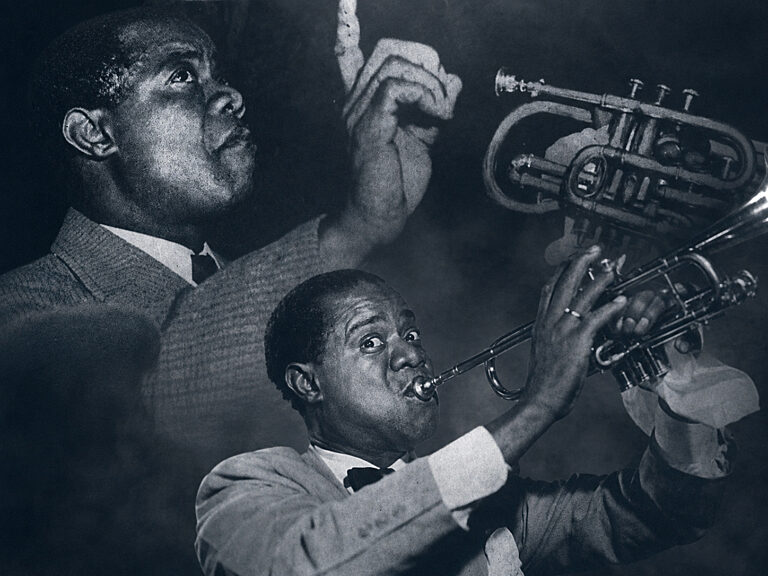
The Trumpet and the Cornet in Jazz and Popular Music
The “Classical” Period 1927-1945 — The Golden Age of the Trumpet
Between Armstrong’s rise and bebop’s arrival, the trumpet became jazz’s dominant voice, reshaping technique, orchestras, sound, mutes and virtuosity.
pp. 44–65
Brass Bulletin No 43 · 1983
Trumpet· Cornet à pistons· History· Repertoire· Jazz· Improvisation
Brass Bulletin 44 - 4 / 1983
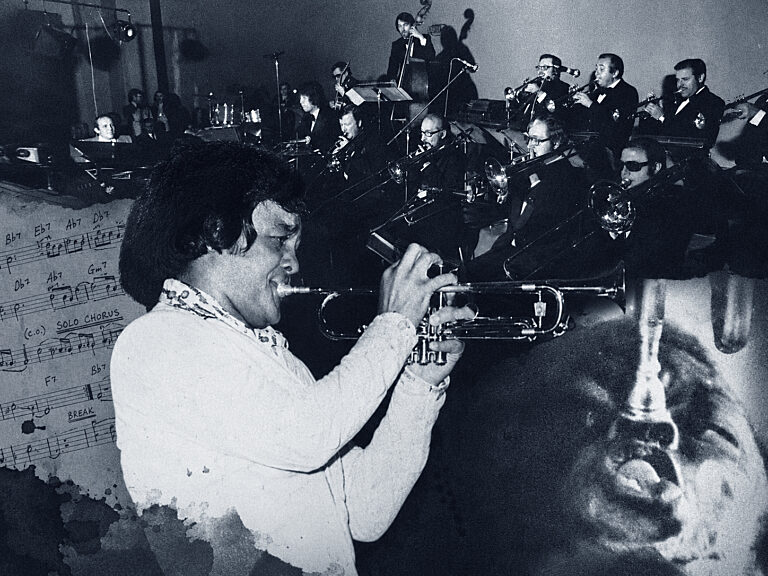
Laplace, Michel
The Trumpet and the Cornet in Jazz and Popular Music
The pluralism of the so-called “modern” forms (1945 to the present)
Bebop, Miles Davis and the rise of the flugelhorn mark a postwar jazz landscape in which trumpet playing splintered into competing sounds and ideals.
pp. 64–60
Brass Bulletin No 44 · 1983
Trumpet· Cornet à pistons· History· Equipment· Jazz· Improvisation
Brass Bulletin 45 - 1 / 1984
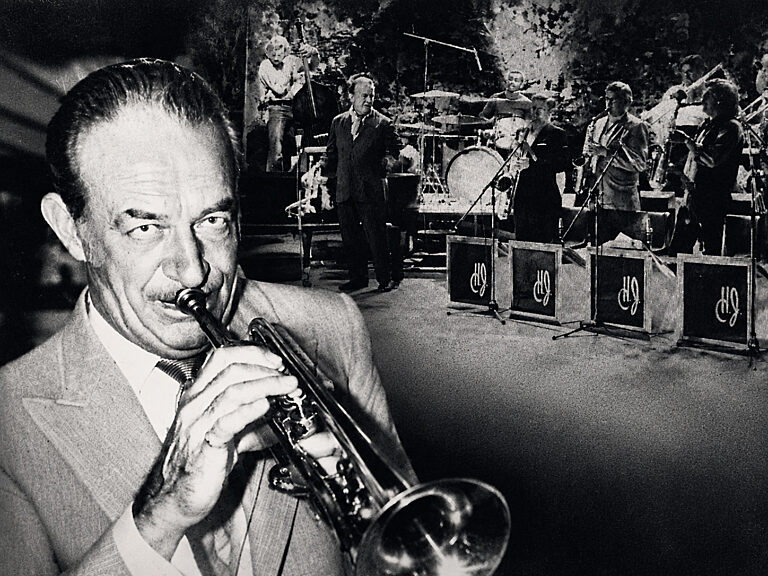
Laplace, Michel
Harry James (1916-1983)
Young Man With A Horn
Harry James stood between jazz virtuosity and popular showmanship, turning the trumpet into a mass-audience voice without losing the respect of classical players.
pp. 14–17
Brass Bulletin No 45 · 1984
Trumpet· Cornet à pistons· Encounters· History· Jazz· Solo playing
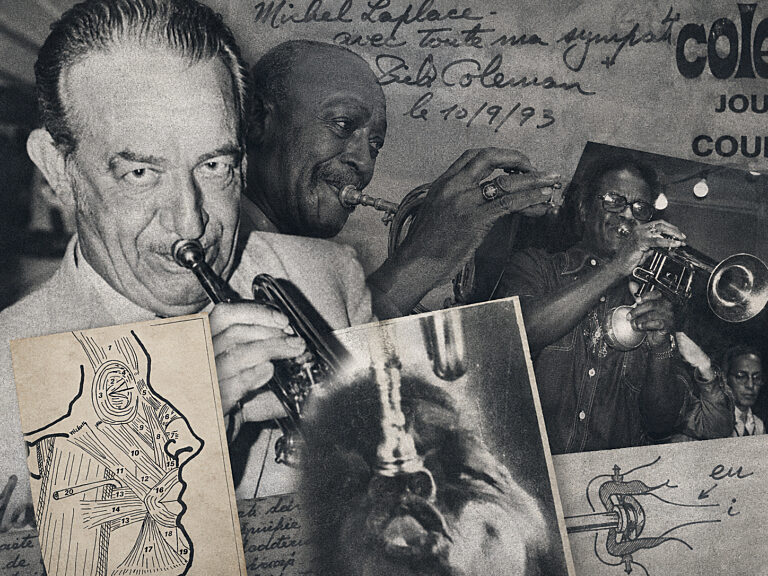
Laplace, Michel
The Trumpet and the Cornet in Jazz and Popular Music
The instrument for jazz
Jazz trumpet playing balances equipment, embouchure and articulation, as changing sound ideals reshape mouthpieces, technique and the physical approach to playing.
pp. 38–44
Brass Bulletin No 45 · 1984
Trumpet· Cornet à pistons· History· Jazz· Lips
Brass Bulletin 46 - 2 / 1984
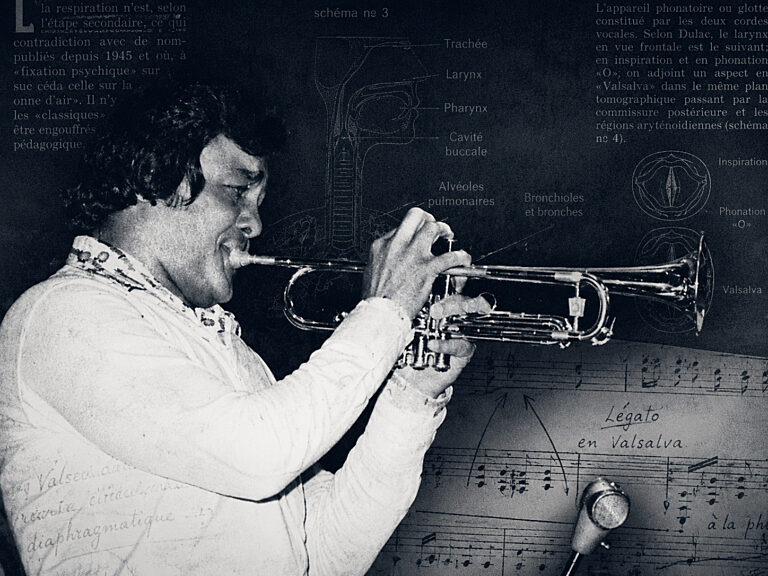
Laplace, Michel
The Trumpet and the Cornet in Jazz and in Popular Music
Breathing
Breathing, Valsalva, mouthpiece position and daily practice collide with received wisdom as trumpet technique is reconsidered from the body outward.
pp. 23–30
Brass Bulletin No 46 · 1984
Trumpet· Cornet à pistons· Technique· Jazz· Breathing
Brass Bulletin 47 - 3 / 1984
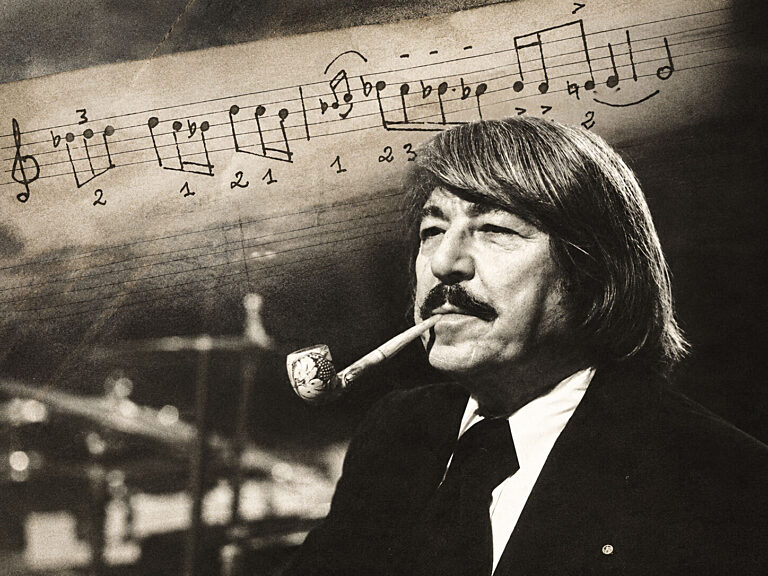
Laplace, Michel
Maurice Ravel and the new trombone
Dance-band trombonists reshaped orchestral expectations in the 1920s and 30s, leaving their mark on Ravel’s Boléro and a generation of players.
pp. 34–38
Brass Bulletin No 47 · 1984
Trombone· History· Technique· Articulation· Jazz
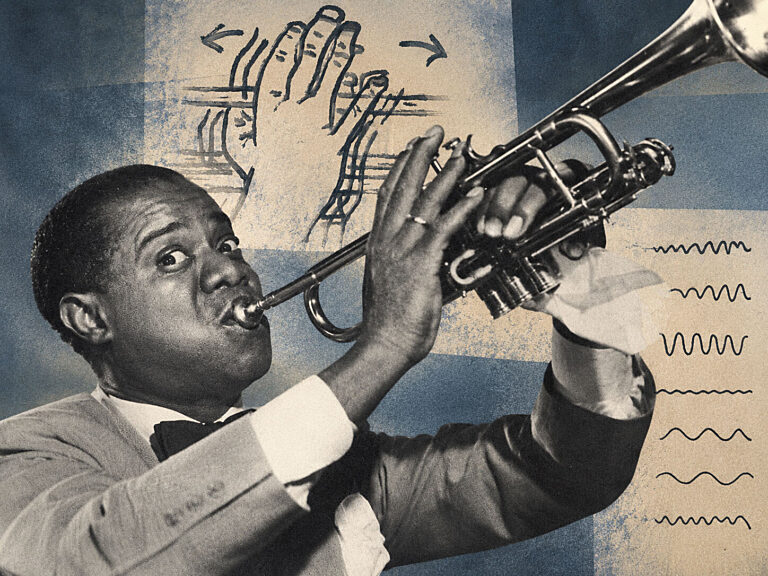
Laplace, Michel
The Trumpet and the Cornet in Jazz and Popular Music
Special jazz techniques
Vibrato, half-valves, growls and shakes lead to a larger argument: jazz transformed trumpet technique, yet its contribution remained strikingly undervalued.
pp. 39–45
Brass Bulletin No 47 · 1984
Trumpet· Cornet à pistons· History· Jazz· Improvisation
Brass Bulletin 48 - 4 / 1984
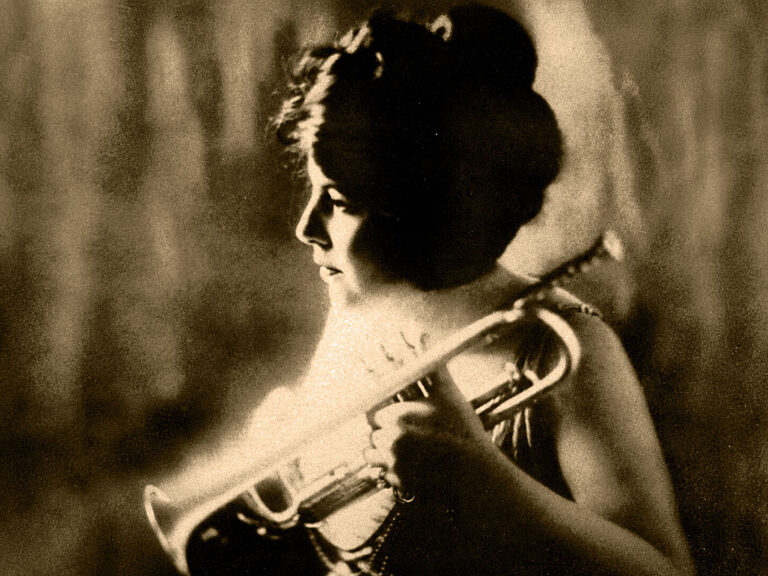
Laplace, Michel
Edna White
A Woman and a Life in the Service of the Trumpet
At a time when the cornet still ruled, Edna White made the trumpet a solo voice, building a career across concert halls, radio, recordings and new repertoire.
pp. 10–16
Brass Bulletin No 48 · 1984
Trumpet· History· Solo playing
Brass Bulletin 49 - 1 / 1985
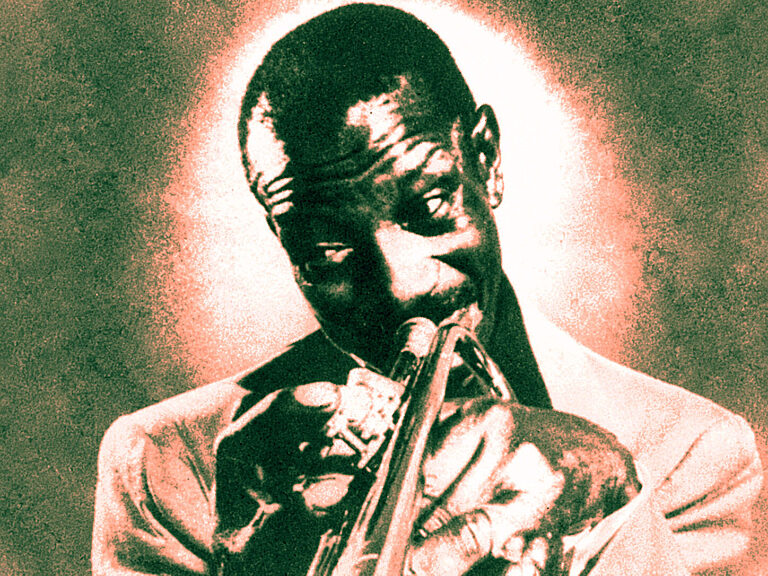
Laplace, Michel
Jabbo Smith
The Unrecognised Jazz Trumpeter
Overshadowed by Armstrong and later by Eldridge, Jabbo Smith emerges as a crucial trumpet innovator whose speed, range and phrasing anticipated modern jazz.
pp. 47–50
Brass Bulletin No 49 · 1985
Trumpet· History· Jazz· Improvisation
Brass Bulletin 50 - 2 / 1985
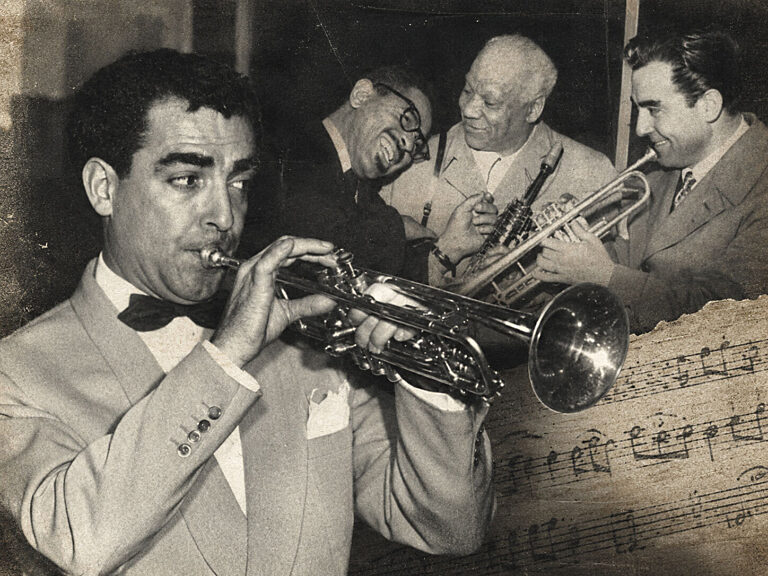
Laplace, Michel
Aimé Barelli
Trumpet crooner
French jazz, wartime Paris and changing styles shaped a trumpeter whose playing balanced virtuosity, melody and expression across several musical worlds.
pp. 22–29
Brass Bulletin No 50 · 1985
Trumpet· History· Jazz
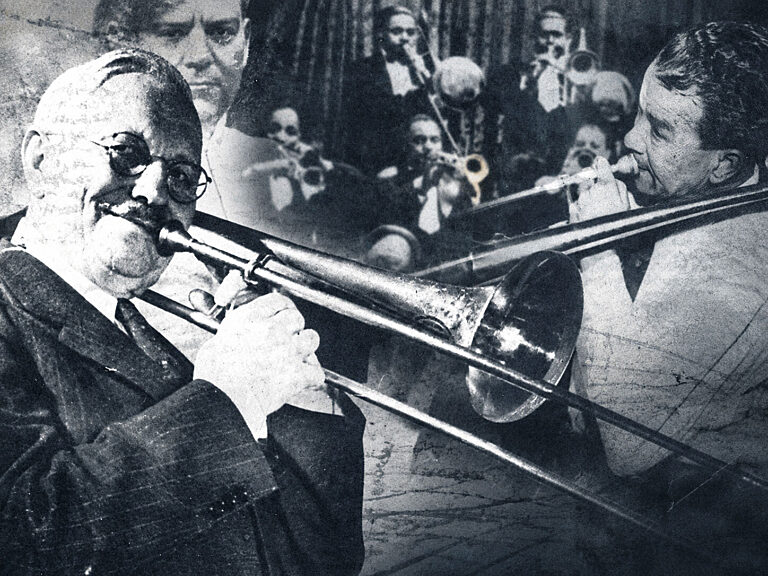
Laplace, Michel
The trombone in Jazz and Popular Music
Jazz did not invent the modern trombone: early virtuosos, New Orleans players and changing techniques reveal a more complex path toward flexibility and legato.
pp. 36–40
Brass Bulletin No 50 · 1985
Trombone· History· Technique· Jazz· Articulation
Brass Bulletin 51 - 3 / 1985
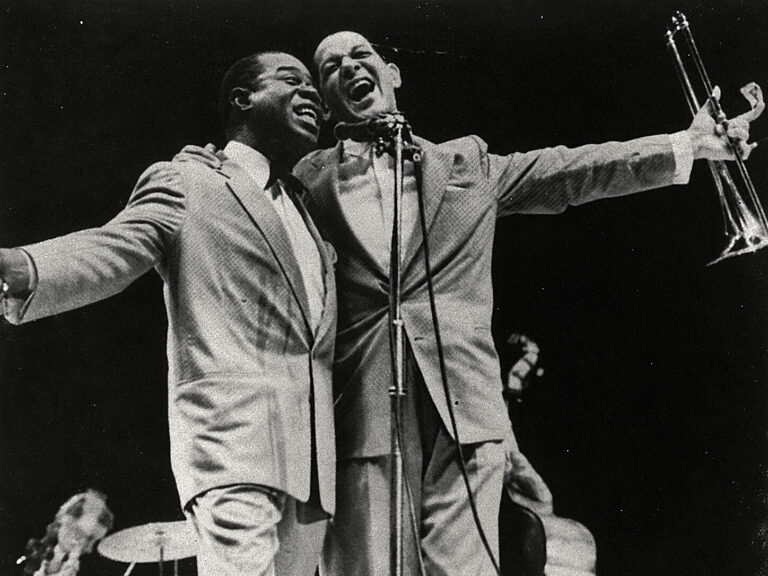
Laplace, Michel
The trombone in Jazz and Popular Music
The classical Armstrong period (1927-1945)
Jazz trombone changed rapidly between 1927 and 1945, as Armstrong’s influence, big-band playing and new techniques transformed both its language and sound.
pp. 40–46
Brass Bulletin No 51 · 1985
Trombone· History· Jazz
Brass Bulletin 52 - 4 / 1985
Laplace, Michel
The trombone in Jazz and Popular Music
pp. 20–28
Brass Bulletin No 52 · 1985
Trombone· Report· History
Brass Bulletin 55 - 3 / 1986
Laplace, Michel
George Swift, You see who I mean?
pp. 69–73
Brass Bulletin No 55 · 1986
Trumpet· Encounters
Brass Bulletin 56 - 4 / 1986
Laplace, Michel
Tubas in Jazz and Popular Music
pp. 18–22
Brass Bulletin No 56 · 1986
Tuba· Report· Repertoire
Brass Bulletin 57 - 1 / 1987
Laplace, Michel
Tubas in Jazz and Popular Music
pp. 84–88
Brass Bulletin No 57 · 1987
Tuba· Report· Repertoire
Brass Bulletin 58 - 2 / 1987
Laplace, Michel
Fats' [Navarro] Heirs
Prodigy - sound - agility: Clifford Brown, Freddie Hubbard, Wynton Marsalis
pp. 42–48
Brass Bulletin No 58 · 1987
Trumpet· History· Encounters
Brass Bulletin 62 - 2 / 1988
Laplace, Michel
Homage to Dizzy Gillespie (1917-1992)
Crazy, but not that crasy
pp. 10–15
Brass Bulletin No 62 · 1988
Trumpet· Encounters
Brass Bulletin 63 - 3 / 1988
Laplace, Michel
Homage to Dizzy Gillespie (1917-1992)
pp. 42–47
Brass Bulletin No 63 · 1988
Trumpet· Encounters
Brass Bulletin 64 - 4 / 1988
Laplace, Michel
Homage to Dizzy Gillespie (1917-1992)
pp. 96–100
Brass Bulletin No 64 · 1988
Trumpet· Encounters
Brass Bulletin 66 - 2 / 1989
Laplace, Michel
Does Jazz still have a soul?
pp. 64–70
Brass Bulletin No 66 · 1989
Society· Jazz
Brass Bulletin 67 - 3 / 1989
Laplace, Michel
Does Jazz still have a soul?
pp. 64–69
Brass Bulletin No 67 · 1989
Society· Jazz
Brass Bulletin 70 - 2 / 1990
Laplace, Michel
Valaida Snow
Queen of the trumpet
pp. 48–50
Brass Bulletin No 70 · 1990
Trumpet· Encounters
Brass Bulletin 75 - 3 / 1991
Laplace, Michel
Rafael Mendez (1906-1981)
Masters of the 20th century
pp. 48–51
Brass Bulletin No 75 · 1991
Trumpet· Encounters