Explore institutional access →

6 min. read

Aimé Barelli

Trumpet crooner
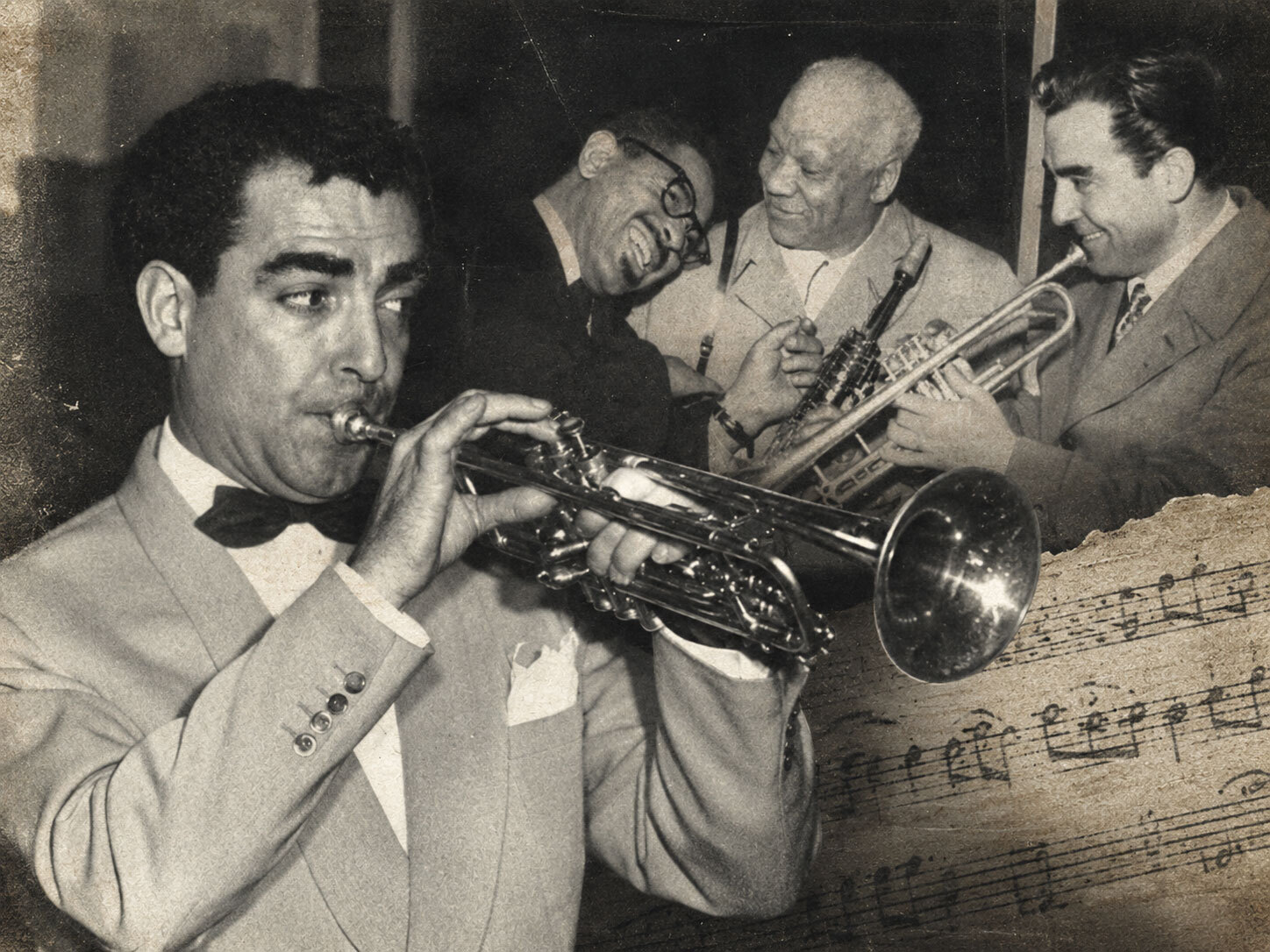
French jazz, wartime Paris and changing styles shaped a trumpeter whose playing balanced virtuosity, melody and expression across several musical worlds.
Aimé Barelli

Aimé Barelli

One of the greatest French national stars is, and will always be, Aimé Barelli. Outside France, however, his fame is not commensurate with his talent and, worse still, a murky “Borelly affair” has created confusion in people’s minds, notably in the United States.

Aimé Barelli was born in Loda-de-Lantosque on 1st March 1917 but started making music in an association in Nice (the Jeunesse Niçoise) whose conductor, Mr. Simon taught him theory. He started with the drum and then moved to alto (British: tenor) horn and trombone until his father offered him a trumpet (“The trumpet! It was as if I could see a star shining in the sky.”¹). At first he taught himself the trumpet, apart from a few lessons from someone called Gauthier. He discovered the “air column” by himself although he acknowledges the influence of his trombonist colleague Guy Paquinet in this area: “I learned the air column more by listening than by trying to learn.”¹
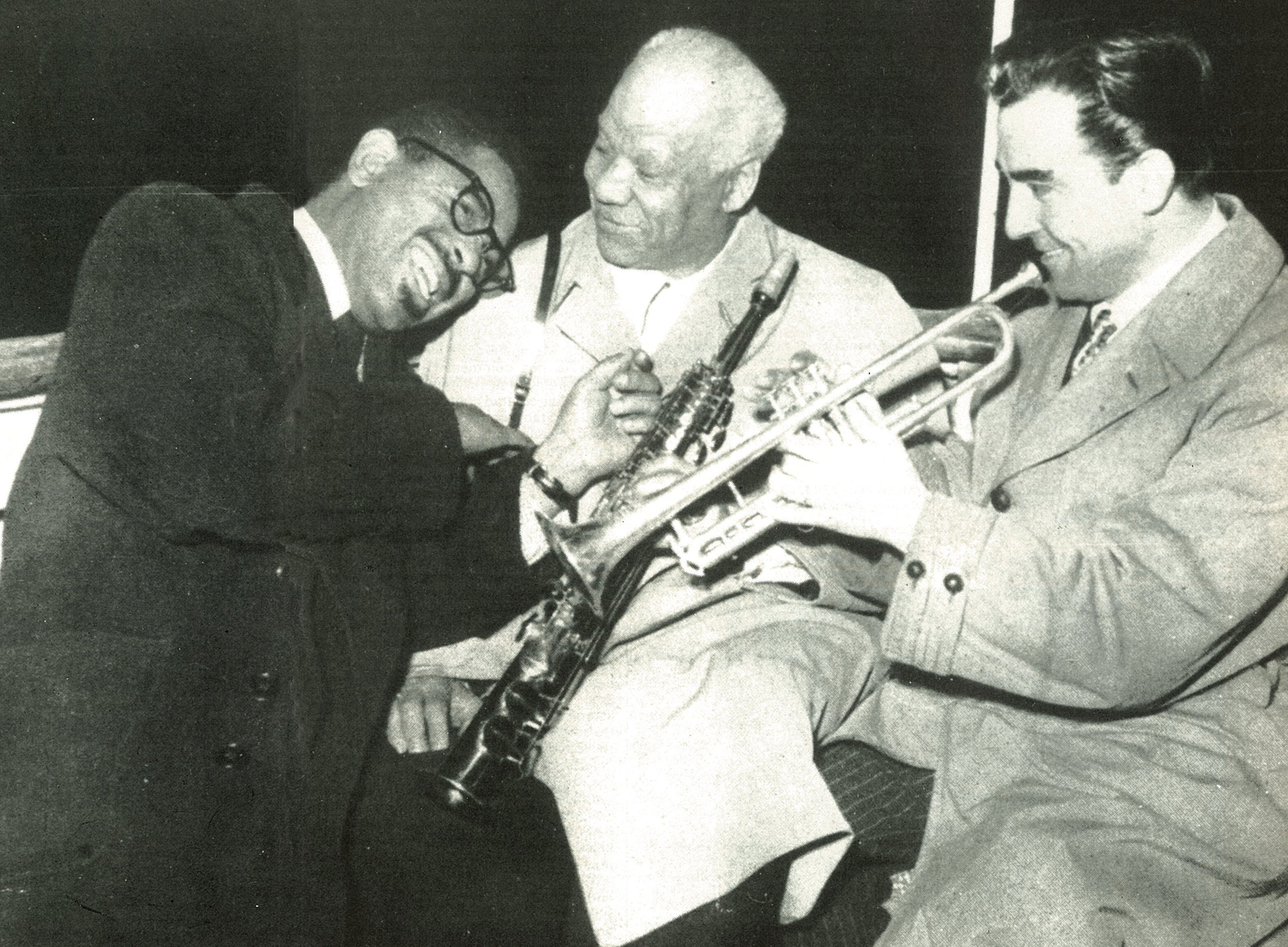
Dizzy Gillespie, Sydney Bechet, Aimé Barelli (courtesy of J. Mauclaire)

Dizzy Gillespie, Sydney Bechet, Aimé Barelli (courtesy of J. Mauclaire)

He started as a professional musician at the Savoy in Nice. As a member of a chasseurs alpins regiment he practised the trumpet for three hours every morning.¹ He was taken prisoner in the Second World War, escaped and came to Paris in January 1940. Arthur Briggs, a black player unable to perform at that unhappy time, lent Aimé his trumpet, enabling the youngster to start out as a chorusman alongside Raymond Sabarich (they had a mutual respect for one another) in the Raymond Legrand band.

It was in 1940 (not 1938) that the Pathé records of the Victor Jazz Band were made, with Aimé’s fiery trumpet-playing recalling Armstrong and Harry James (“Tiger Rag”, “St. Louis Blues” etc.). In 1940-1941 he also worked with Fred Adison and Raymond Wraskoff, recorded with Alix Combelle’s Jazz de Paris and co-directed a group with Hubert Rostaing (record of 22nd October 1940). In 1941 he played in the Jacques Météhen band in Normandy, still at Sabarich’s side; this band cut several sides accompanying the singer Eda Busch. The year 1941 war marked, however, by “Verlaine”; this beautiful Charles Trenet song was the vehicle for a chorus by Barelli which had a great impact on the public.²
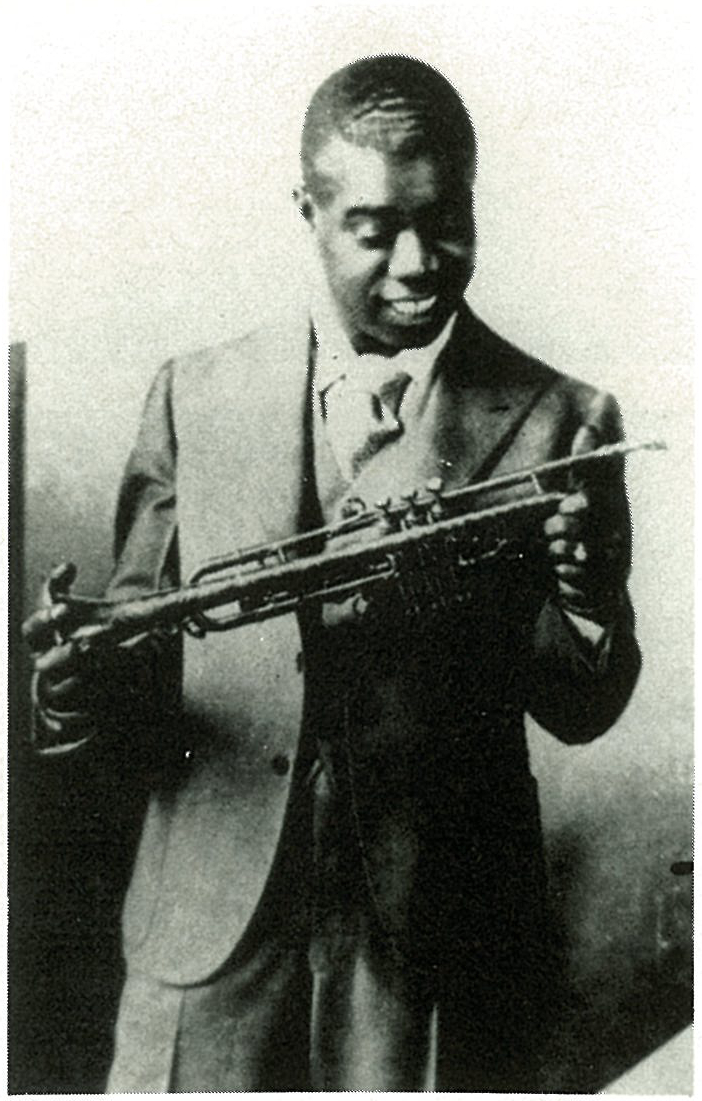
Louis Armstrong in 1930, Barelli’s main influence: “He represented everything — joy, feelings, heart.” (M. Laplace collection)
Louis Armstrong in 1930, Barelli’s main influence: “He represented everything — joy, feelings, heart.” (M. Laplace collection)

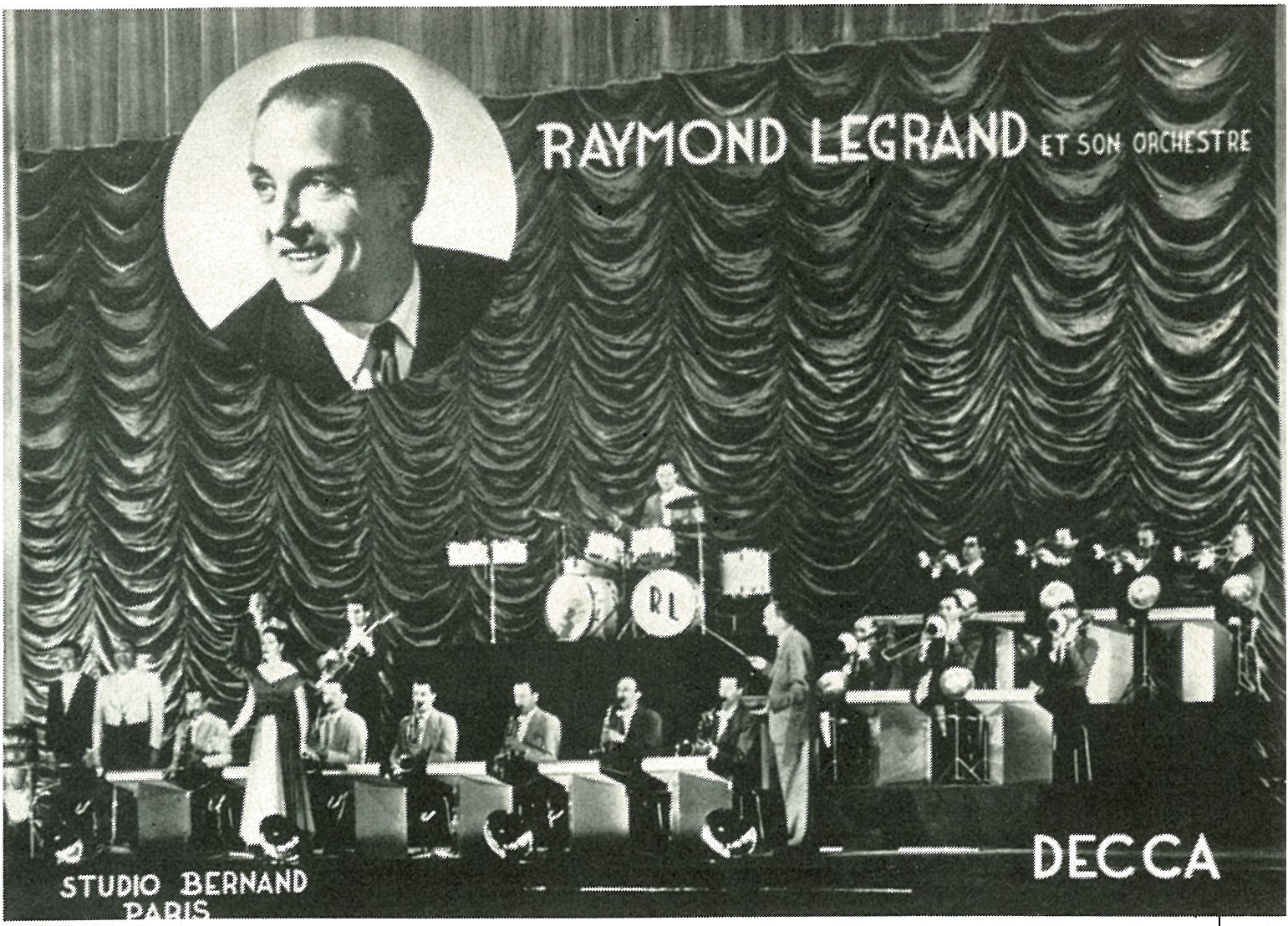
Raymond Legrand band: first well known band to employ Aimé Barelli (courtesy of J. Mauclaire)

Raymond Legrand band: first well known band to employ Aimé Barelli (courtesy of J. Mauclaire)

In the same year he recorded with Maceo Jefferson, André Ekyan (ABC Jazz Club) and under his own name. On 14th October 1941 he recorded a number called “Lucienne” (Swing 132) — probably a dedication to the woman he was in love with, Lucienne Delyle. It is highly likely, incidentally, that the delicate hand-over-bell trumpet counter-melodies to Delyle’s voice on the Columbia records of late 1943 and early 1944 with the Marius Coste band are played by Aimé.

Continue reading

Access the full Digital Edition.

Brass Bulletin 50, II / 1985 pages 22–29

All content is protected by copyright © Brass Bulletin 1985–2026

Share this article

Facebook LinkedIn
Loading…

Questions & Answers

How the Digital Edition works

What does the Digital Edition include?

The Digital Edition brings together the articles already digitized as searchable online texts—not simply as scans or PDF files—along with their original illustrations, notes, authorship, issue information, and available translations. Related-article suggestions currently include only this digitized material.

Are the digital articles identical to the originals?

We preserve the original text, language, illustrations, captions, footnotes, and editorial context as faithfully as possible. The presentation is adapted for comfortable online reading, and obvious transcription or scanning errors may be corrected. The substance and character of the published article remain unchanged.

Which languages are available?

Brass Bulletin was published in English, French, and German throughout its history. Italian and Spanish translations were added from issue No. 60 onward.

On the Italian and Spanish sites, articles from issues 1–59 are therefore shown in English by default.

How often are new articles added?

New articles are added almost daily, with approximately one complete issue digitized each week. The pace may vary depending on the preparation, image work, and editorial checking required.

Why aren’t all articles available digitally?

The complete Brass Bulletin collection contains 1,246 articles published between 1971 and 2003. The full index is already available online, allowing readers to discover every article in the collection, including those whose complete text has not yet been digitized.

Digitization began in February 2026. Each article is carefully prepared for online reading, checked, and connected to its issue, authors, subjects, and illustrations. At the current pace of digitization, the complete collection is expected to be available online by February 2028.

Why do some references mention articles that are not available yet?

References in the original articles are preserved even when the material they point to has not yet been digitized. This keeps the historical and editorial record intact. As more issues are added to the Digital Edition, an increasing number of these references will lead to articles that can be read online.

Can I suggest an article or report a transcription error?

Yes. If there is an article you would particularly like to see digitized, or if you notice a possible transcription error or missing detail, please contact us. Reader feedback helps us improve the Digital Edition and prioritize useful connections within the archive.

How can I support Brass Bulletin?

Your support helps fund the preparation, verification, and online publication of the complete collection.

Subscribe to the Digital Edition

Prefer to support us without subscribing?

Make a donation

How is the digitization progressing?

We’re gradually making the Brass Bulletin available online, article by article. You can read newly digitized articles as soon as they’re ready, even before an entire issue is complete.

Visit our Digitization Roadmap to browse recent additions and see estimated availability for upcoming issues. These estimates follow our recent pace and may change.

Search Brass Bulletin.