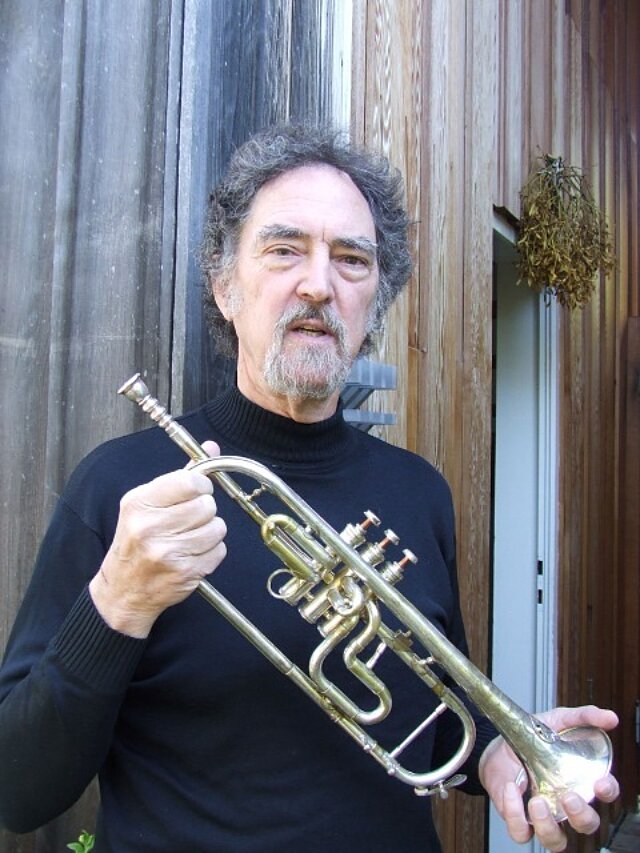
Edward H. Tarr
Edward H. Tarr (1936–2020) was an American trumpeter, musicologist, teacher and editor who played a pioneering role in the rediscovery of the trumpet’s historical repertoire and performance traditions. Combining the careers of performer and scholar, he became one of the most influential figures in the revival of the natural and…
Read biography
Edward H. Tarr (1936–2020) was an American trumpeter, musicologist, teacher and editor who played a pioneering role in the rediscovery of the trumpet’s historical repertoire and performance traditions. Combining the careers of performer and scholar, he became one of the most influential figures in the revival of the natural and Baroque trumpet during the second half of the twentieth century.
Born in Norwich, Connecticut, Tarr studied trumpet in the United States with two of the leading orchestral players of his generation, Roger Voisin of the Boston Symphony Orchestra and Adolph Herseth of the Chicago Symphony Orchestra. An early interest in neglected trumpet repertoire increasingly led him toward historical research, and after moving to Europe he studied musicology in Basel with Leo Schrade. Europe would remain the centre of his professional life.
As a performer, Tarr moved freely between historical and modern instruments and between early music and contemporary repertoire. His work helped demonstrate that the rediscovery of older instruments could go hand in hand with modern virtuosity and serious musicological investigation. He performed internationally, made an extensive body of recordings and collaborated with composers of his own time. Mauricio Kagel wrote works for him, while Tarr also performed music by composers including Luciano Berio and Karlheinz Stockhausen.
The Edward Tarr Brass Ensemble further embodied this broad musical outlook. Using both historical and modern instruments, the ensemble explored Renaissance and Baroque repertoire alongside contemporary music, helping to bring previously neglected brass literature to new audiences.
Tarr’s influence was equally important as a researcher and editor. His studies of trumpet history, historical playing techniques and repertoire resulted in numerous articles, scholarly editions and publications. He prepared modern editions of important trumpet works, including the complete trumpet music of Giuseppe Torelli, and his book Die Trompete — subsequently published in English as The Trumpet — became a fundamental reference for the history of the instrument. His research extended well beyond the familiar Western European tradition, notably through his extensive work on the history of trumpet playing in Russia.
Teaching formed another major part of Tarr’s career. For many years he taught historical trumpet and cornetto at the Schola Cantorum Basiliensis while also teaching modern trumpet at the Basel Conservatory. Through this combination, Basel became an important centre for the study of both historical and modern trumpet playing. He also taught at other European institutions and gave masterclasses internationally. Among the musicians who studied with him were Reinhold Friedrich and Håkan Hardenberger.
His interest in historical instruments was practical as well as scholarly. Tarr worked with instrument makers on the reconstruction and development of historical trumpets, helping performers gain access to instruments appropriate to the repertoire he was researching. As director of the Trumpet Museum in Bad Säckingen, he was also closely involved in preserving and presenting the material history of the instrument.
Over the course of his career, Tarr assembled an exceptional collection of original trumpet literature. The collection, later acquired by the Royal Conservatoire of Scotland, reflected the extraordinary breadth of his research and his lifelong effort to recover, document and make accessible the trumpet’s musical heritage.
Edward H. Tarr’s importance lies in the unusual completeness of that work. Performer, researcher, editor, teacher and advocate for historical instruments were not separate roles for him, but different aspects of the same enquiry into the trumpet and its past. Through his recordings, editions, books, teaching and research, he helped reconnect modern trumpet players with several centuries of their instrument’s history.
10 Articles by Edward H. Tarr
Brass Bulletin 2 - 1 / 1972
Tarr, Edward H.
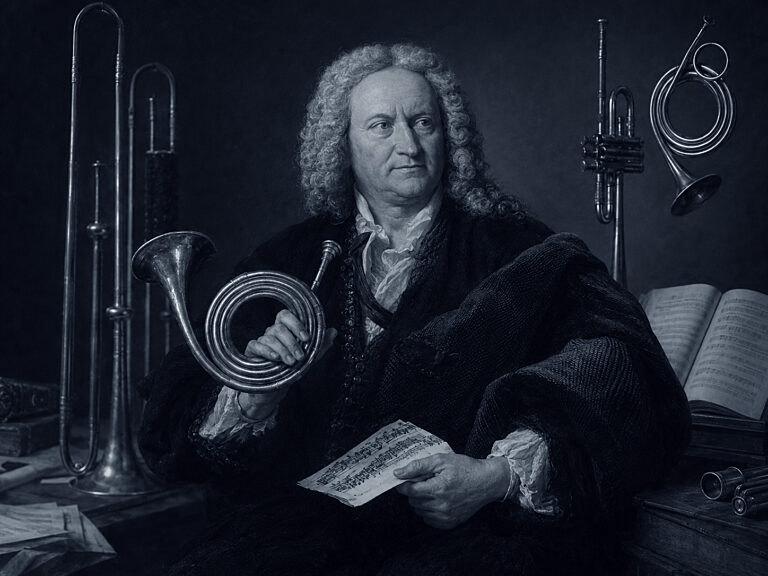
The Baroque trumpet, the high trumpet and the so-called Bach trumpet
Edward H. Tarr examines the Baroque trumpet and clarifies the origins and meaning of the so-called “Bach trumpet.”
pp. 25–42
Brass Bulletin No 2 · 1972
Trumpet· History· Equipment· Repertoire· Historical instruments· Sound
Brass Bulletin 3 - 2 / 1972
Tarr, Edward H.
The Baroque trumpet, the high trumpet and the so-called Bach trumpet
Continuation of Edward H. Tarr’s study on the Baroque trumpet, examining the high trumpet and further clarifying the concept of the “Bach trumpet.”
pp. 39–57
Brass Bulletin No 3 · 1972
Trumpet· History· Equipment· Repertoire· Historical instruments· Sound
Brass Bulletin 17 - 1 / 1977

Tarr, Edward H.
Cesare Bendinelli (1542-1617)
Biography
Cesare Bendinelli (1542–1617), imperial trumpeter and teacher, shaped a tradition and wrote the first trumpet method — a key document of Renaissance brass playing.
pp. 31–45
Brass Bulletin No 17 · 1977
Trumpet· History· Historical instruments· Sociology
Brass Bulletin 21 - 1 / 1978
Tarr, Edward H.
Cesare Bendinelli (1542-1617)
The Trumpet Method
The first trumpet method rediscovered: Edward H. Tarr reveals how Bendinelli’s 1614 treatise reshapes our understanding of trumpet technique, signals, and ensemble art.
pp. 13–25
Brass Bulletin No 21 · 1978
Trumpet· History· Historical instruments· Articulation
Brass Bulletin 49 - 1 / 1985
Tarr, Edward H.
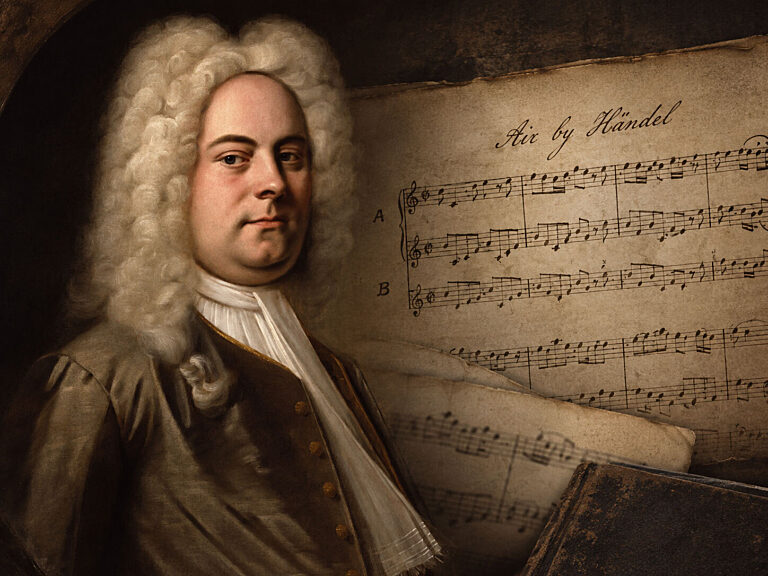
Handel Horn Duo located in South America
A lost 18th-century horn tutor resurfacing through South America completes a Handel duet and preserves strikingly practical advice on horn playing.
pp. 41–44
Brass Bulletin No 49 · 1985
Horn· Repertoire· History
Brass Bulletin 54 - 2 / 1986
Tarr, Edward H.
The Coiled Hunting Instrument by J. W. Haas
Bad Säckingen Trumpet Museum
pp. 8–22
Brass Bulletin No 54 · 1986
Horn· Trumpet· History· Equipment· Repertoire
Brass Bulletin 56 - 4 / 1986
Tarr, Edward H.
ARD Music Competition in Munich 1986
Once again trumpet, after six years
pp. 7–11
Brass Bulletin No 56 · 1986
Trumpet· Report· Competition
Brass Bulletin 70 - 2 / 1990
Tarr, Edward H.
Neruda's Concerto for Horn (or trumpet)
pp. 36–45
Brass Bulletin No 70 · 1990
Horn· Trumpet· Repertoire
Brass Bulletin 119 - 3 / 2002
Tarr, Edward H.
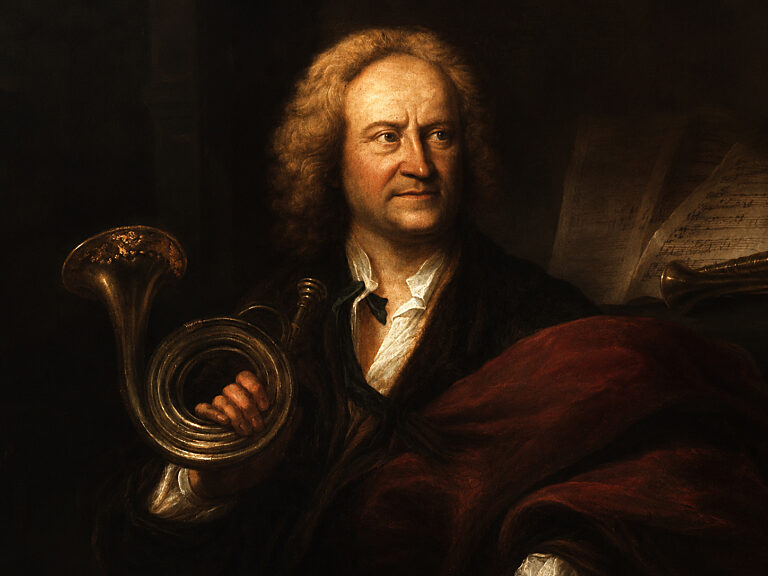
Bach and the Others
Eighteenth-Century Trumpeter-Hornists
From Bach’s Leipzig cantatas to the Stadtpfeifer tradition, trumpet and horn emerge as interchangeable tools within a remarkably versatile musical profession.
pp. 44–55
Brass Bulletin No 119 · 2002
Trumpet· Horn· History
Brass Bulletin 120 - 4 / 2002
Tarr, Edward H.
Bach and the Others:
Eighteenth-Century Trumpeter-Hornists
Beyond Leipzig, the practice extended from Weissenfels to Dresden and Vienna, as horn and trumpet gradually diverged into distinct musical identities.
pp. 38–47
Brass Bulletin No 120 · 2002
Trumpet· Horn· History