Explore institutional access →

Instrument Makers

30 articles
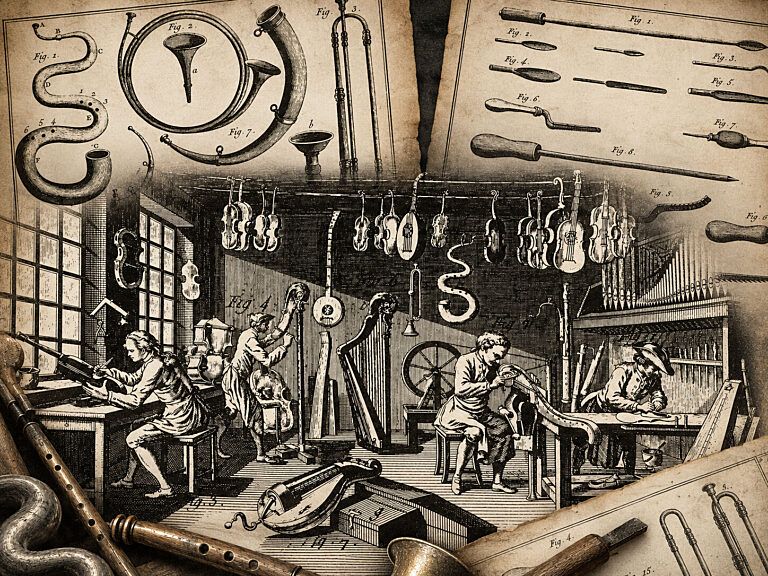
The Art of the Musical Instrument Maker Free
No. 52 • 1985 Digitized

Part 1

The Art of the Musical Instrument Maker

Encyclopédie méthodique — Paris 1795

A 1795 encyclopedia captures brass and wind instruments at a moment when their language, character and expressive roles were understood rather differently.

By Anonyme
History Instrument Makers Historical instruments
Instrument Makers in USA Free
No. 55 • 1986 Digitized

Part 9

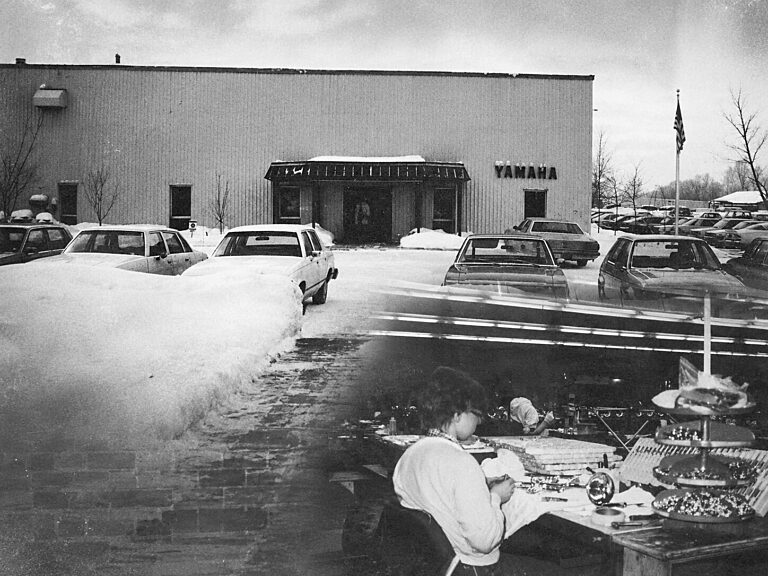
Instrument Makers in USA

Yamaha Music Products

In Grand Rapids, Japanese precision met American manufacturing, as Yamaha balanced imported components, skilled craftsmanship and the demands of a growing brass instrument market.

By Stephan Suter
Instrument Makers Instrument making
Instrument Makers in USA Free
No. 54 • 1986 Digitized

Part 8

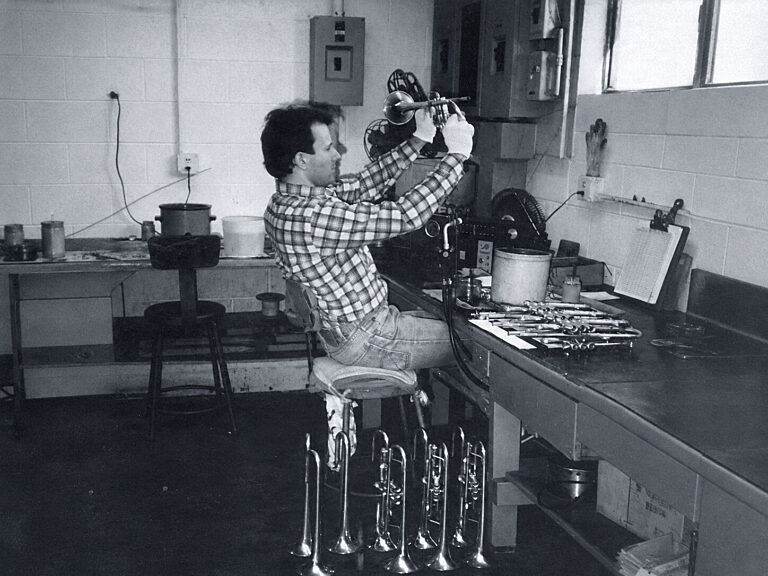
Instrument Makers in USA

Getzen

Two devastating factory fires, rapid reconstruction and a growing export market shaped Getzen’s rise in Wisconsin, where craftsmanship met industrial ambition.

By Stephan Suter
Instrument Makers Instrument making
The Art of the Musical Instrument Maker Free
No. 55 • 1986 Digitized

Part 2

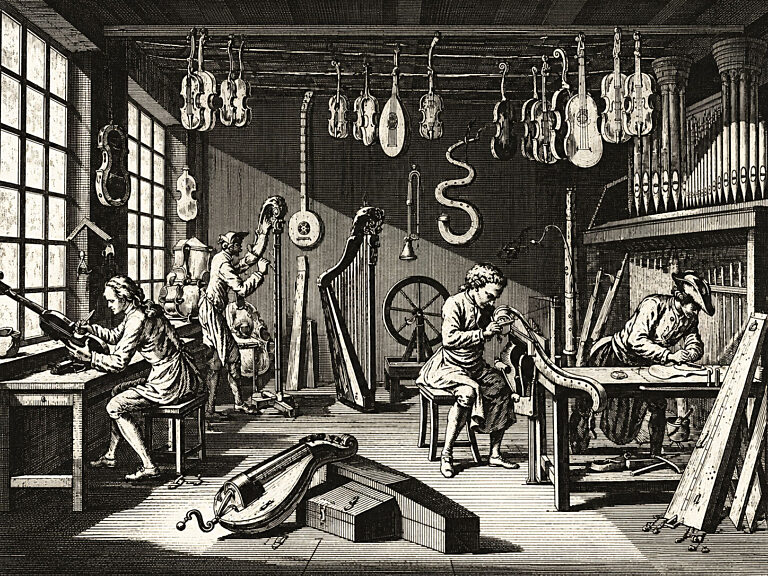
The Art of the Musical Instrument Maker

Encyclopédie méthodique, Paris 1795

In 1795, musical instruments were thought to need no further invention, yet their materials, construction and acoustic possibilities remained open to experimentation.

By Anonyme

History Instrument Makers Historical instruments
No. 56 • 1986 Awaiting digitization

Part 3

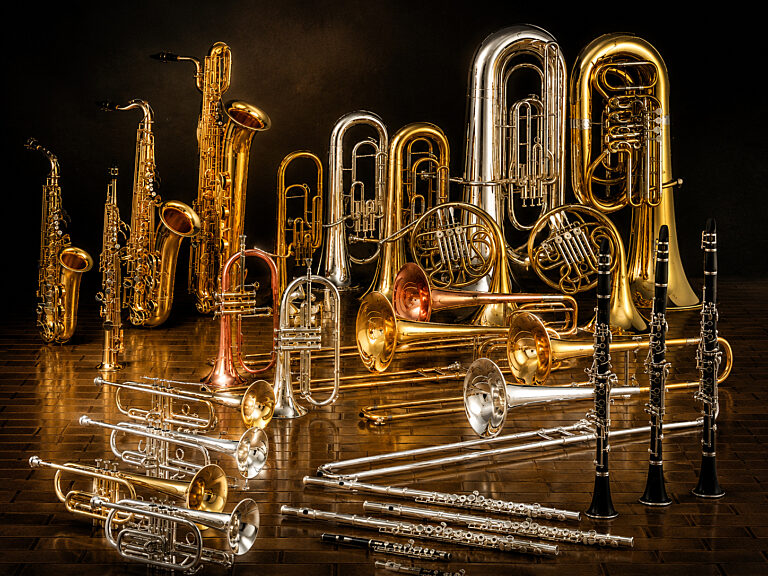
The Art of the Musical Instrument Maker

Encyclopédie méthodique, Paris 1795

By Anonyme
History Instrument Makers Historical instruments
Yamaha, an ambitious giant Member
No. 40 • 1982 Digitized

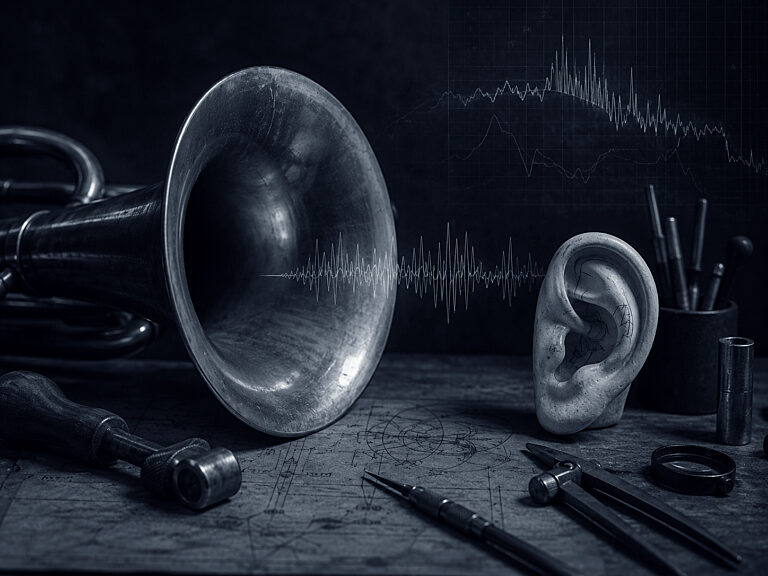
Yamaha, an ambitious giant

Behind the rise of a future industrial giant lies an unexpected lesson in craftsmanship, cultural exchange and the discipline that reshaped wind instrument making.

By Jean-Pierre Mathez
Instrument Makers Report Instrument making Sociology Sound
Instrument Making and the Ear Free
No. 34 • 1981 Digitized

Instrument Making and the Ear

From hearing physiology to workshop testing, E. Ferron links instrument design, acoustics and perception, where no two ears judge sound in quite the same way.

By Emile Ferron

Instrument Makers Acoustics Instrument making Sound Intonation
The Trumpet in the USA Free
No. 43 • 1983 Digitized

Part 6

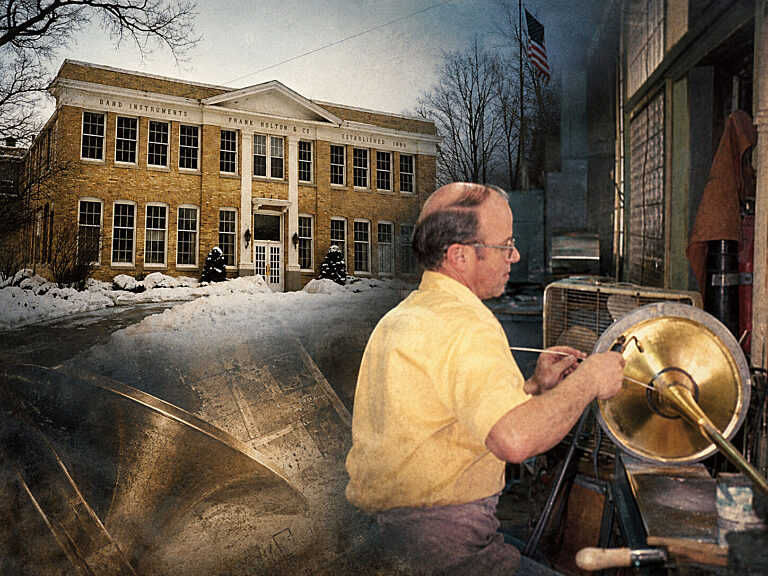
The Trumpet in the USA

Diverse makers

As trumpet makers rethink their standard instruments, Monette, Malone and Blackburn bring leadpipe design into a new dialogue between players and workshops.

By Thomas Stevens
Instrument Makers Equipment Intonation
Instrument Makers in USA Free
No. 53 • 1986 Digitized

Part 6

Instrument Makers in USA

Holton (G. Leblanc Corporation)

In Elkhorn, Wisconsin, traditional craftsmanship meets industrial production, while Holton confronts the delicate balance between innovation and musicians’ conservatism.

By Stephan Suter

Instrument Makers Instrument making
Renold Schilke at Frankfurt Free
No. 26 • 1979 Digitized

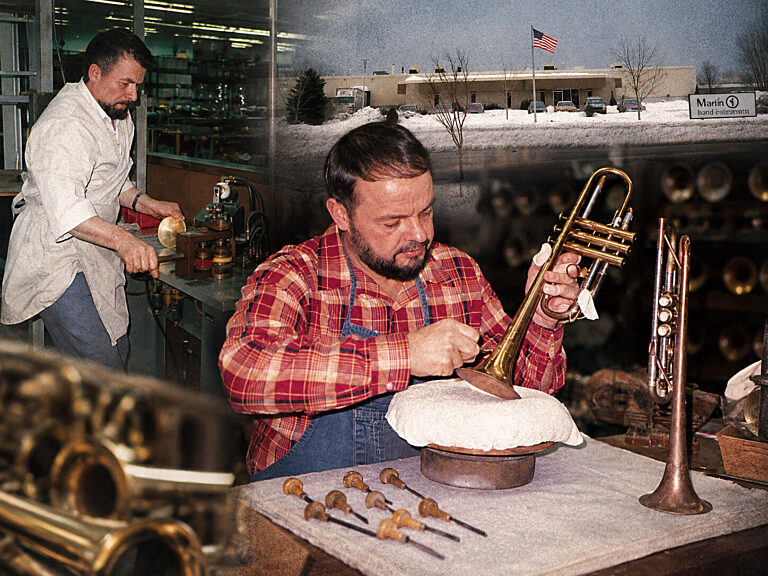
Renold Schilke at Frankfurt

Interview

Jean-Pierre Mathez reports on Renold Schilke’s views at Frankfurt, addressing fair organisation, maker–musician collaboration, and shifting market dynamics shaped by demand and quality criteria.

By Jean-Pierre Mathez
Encounters Instrument Makers Instrument making
Instrument Makers in USA Member
No. 53 • 1986 Digitized

Part 7

Instrument Makers in USA

Martin (G. Leblanc Corporation)

In 1970s Wisconsin, industrial efficiency transformed brass instrument production, yet traditional craftsmanship still had a place on the factory floor.

By Stephan Suter
Instrument Makers Instrument making
Steve Lewis, Hornmaker Member
No. 49 • 1985 Digitized

Steve Lewis, Hornmaker

Old World Craftsmanship plus New World Technology

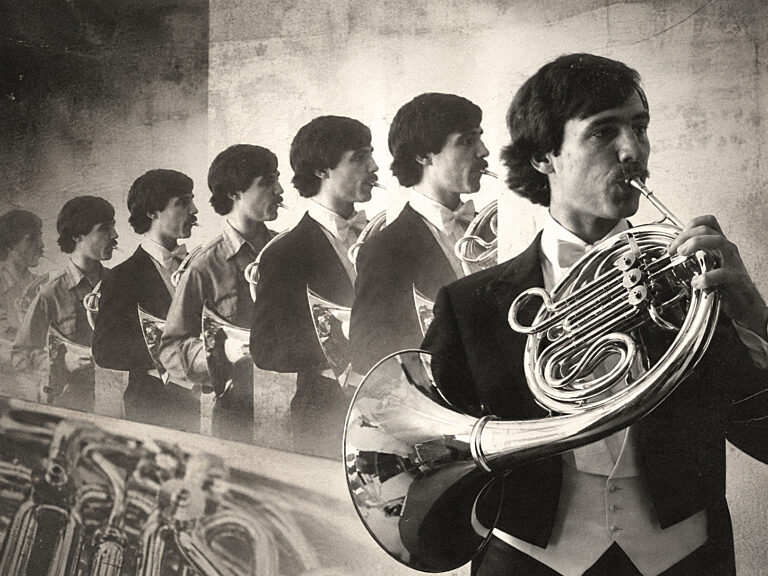
In 1980s Chicago, Steve Lewis joined Old World bench craft to modern precision, building horns one by one around the player, the metal and a distinctive sound.

By Jeffrey Agrell
Equipment Instrument Makers Instrument making Sound
Brass instruments from the musical town of Graslitz Member
No. 29 • 1980 Digitized

Brass instruments from the musical town of Graslitz

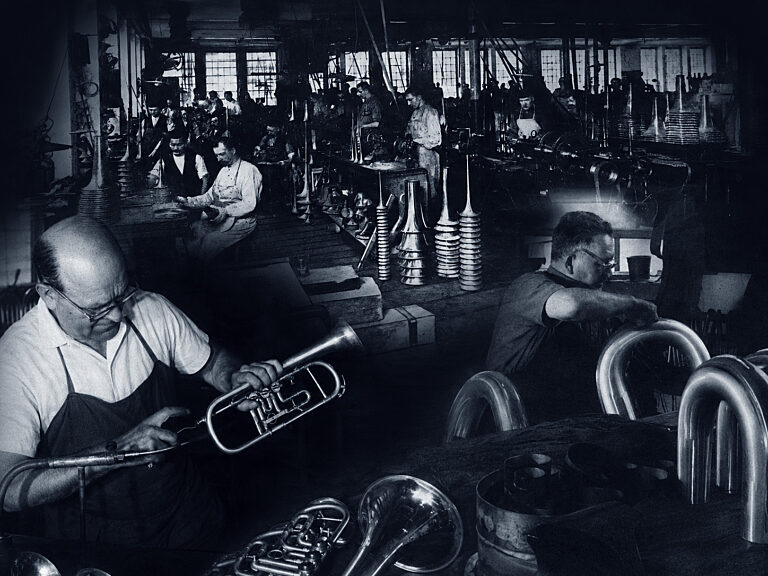
From 18th-century Graslitz to postwar Bavaria, brass makers rebuilt a vanished musical industry around Miraphone, preserving craft through exile and industrial change.

By Rudolf Limmer
History Instrument Makers Valves Instrument making
The history of the big York-Hirsbrunner Tuba Member
No. 40 • 1982 Digitized

The history of the big York-Hirsbrunner Tuba

The instrument maker's point of view

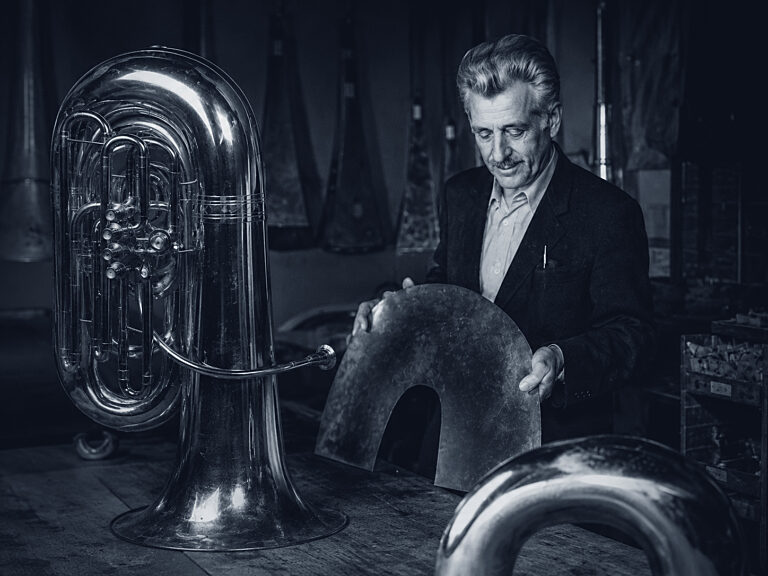
A legendary orchestral tuba became the starting point for rethinking how craftsmanship, industrial methods and musical results rarely follow the same path.

By Peter Hirsbrunner
Instrument Makers Equipment Instrument making
Five generations of mouthpiece specialists Member
No. 29 • 1980 Digitized

Five generations of mouthpiece specialists

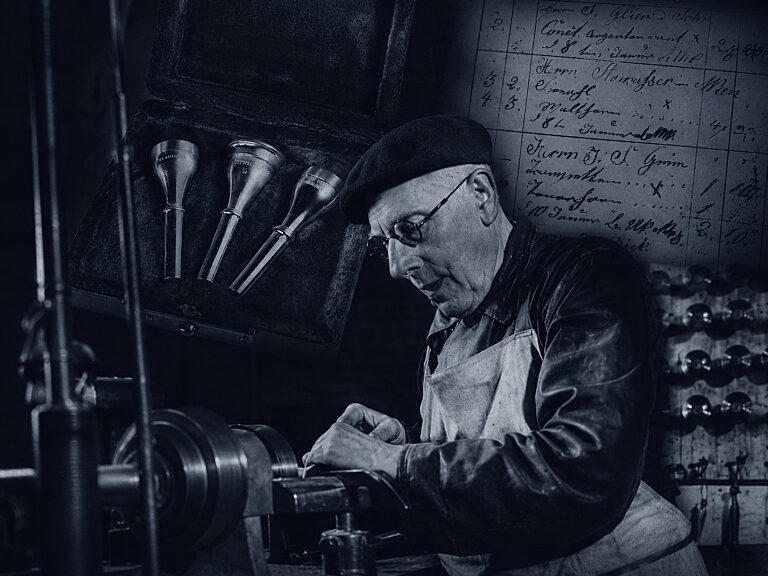
From Höchstädt to Markneukirchen and beyond, five generations of Schmidts shaped brass mouthpiece design through craft, anatomy and evolving orchestral demands.

By Werner Christoph Schmidt

History Instrument Makers Mouthpiece Instrument making
Instrument Makers in USA Free
No. 50 • 1985 Digitized

Part 1

Instrument Makers in USA

American brass making in the mid-1980s stood between workshop tradition and industrial change, with ten firms offering a striking cross-section of the trade.

By Stephan Suter

Instrument Makers Instrument making
No. 91 • 1995 Awaiting digitization

United Philharmonic Orchestra Vienna

A tonal concept unites the brass section

By Gerhard Zechmeister

Technique Instrument Makers
Free
No. 23 • 1978 Digitized

Václav F. Cerveny (1819-1896)

Famous instrument maker

A pioneer of brass design: V. F. Červený shaped modern wind instruments—challenging Adolphe Sax and defining the rich sound of the Austrian school.

By Vaclav Hoza
History Instrument Makers Instrument making Valves Historical instruments
The stamps on Sax instruments Member
No. 30 • 1980 Digitized

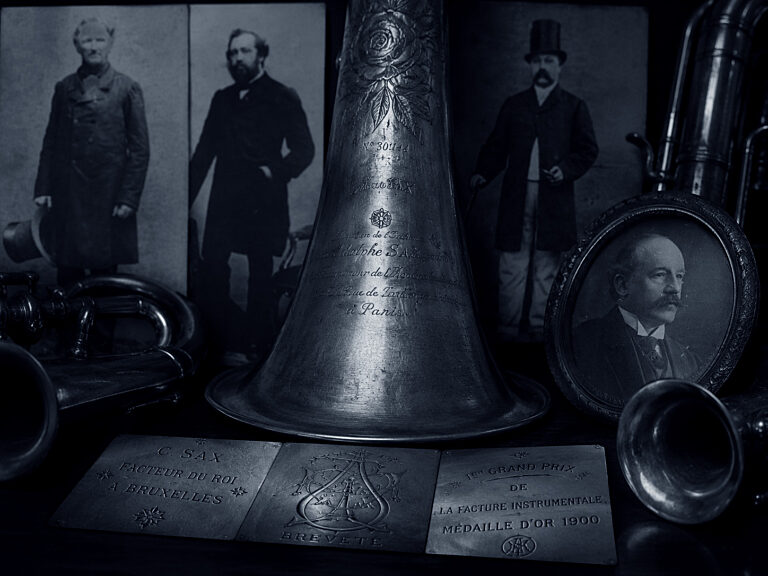
The stamps on Sax instruments

Sax instrument stamps reveal makers, addresses, patents and distinctions, giving collectors concrete clues for dating instruments across three generations.

By M. Haine, I. De Keyser

Instrument Makers History Instrument making Historical instruments Valves
Editorial Free
No. 39 • 1982 Digitized

Editorial

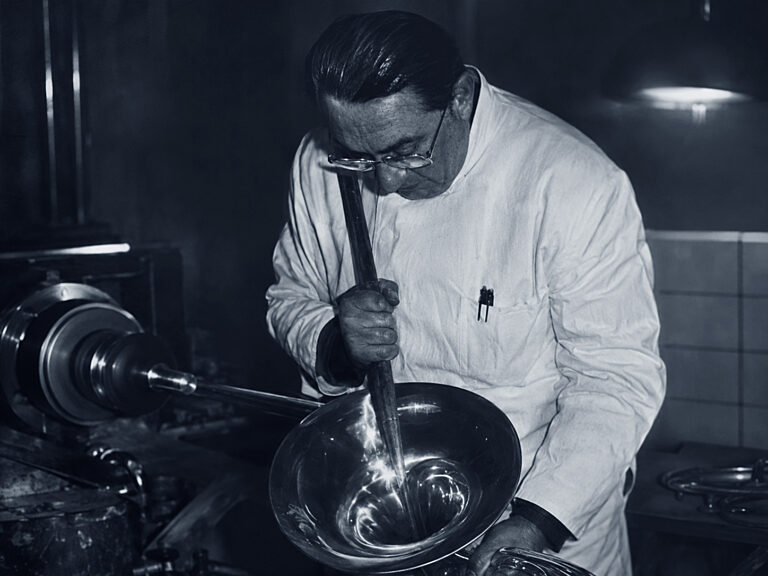
Behind a musician’s instrument lies a quiet industrial battle, as European, American and Japanese makers compete to shape the future of brass playing.

By Jean-Pierre Mathez
Instrument Makers Equipment Instrument making
On the sensitivity of brass instruments Free
No. 30 • 1980 Digitized

On the sensitivity of brass instruments

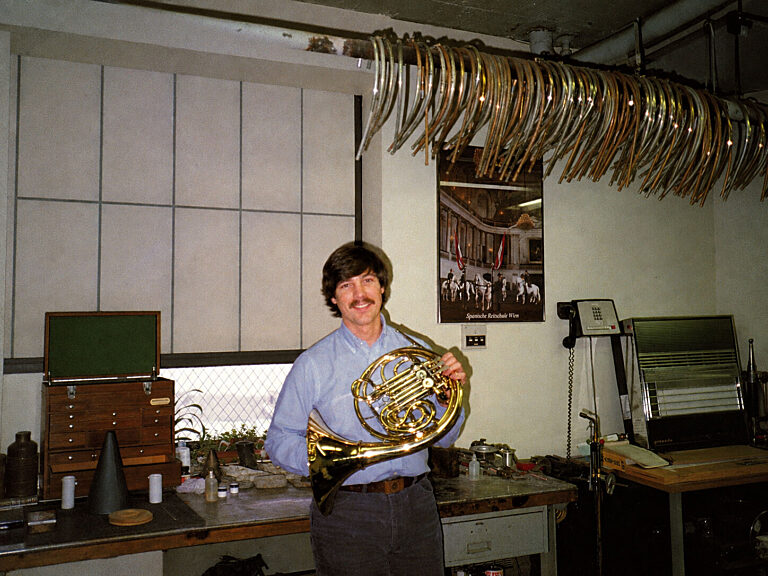
Metal, pressure nodes and temperature shifts shape response, timbre and tuning, as Emile Ferron links instrument acoustics to the player’s imprint.

By Emile Ferron
Instrument Makers Acoustics Instrument making Sound Intonation
Instrument Makers in USA Member
No. 52 • 1985 Digitized

Part 5

Instrument Makers in USA

S. W. Lewis Orchestral Horns

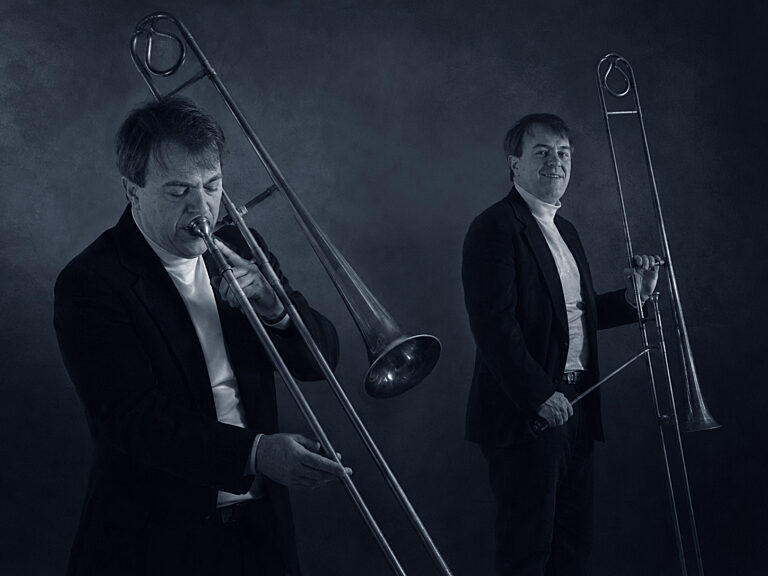
For Steven Lewis, building a horn begins with playing it: craftsmanship, acoustic compromise and observation shape instruments made for musicians rather than theory.

By Stephan Suter
Instrument Makers Equipment Instrument making
The contrabass sackbut Member
No. 31 • 1980 Digitized

The contrabass sackbut

a modern copy

A reconstructed 17th-century contrabass sackbut revives forgotten low brass practice, from Venetian polychoral music to modern performance challenges.

By Richard Lister
Equipment Instrument Makers Historical instruments Instrument making Mouthpiece
Instrument Makers in USA Free
No. 51 • 1985 Digitized

Part 3

Instrument Makers in USA

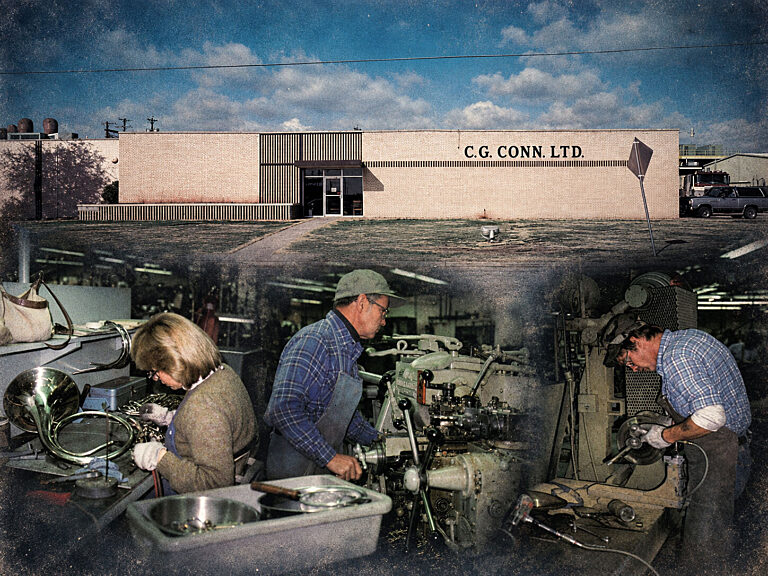
C. G. Conn Ltd. Abilene, Texas

In Abilene, automated production and workshop skills meet under a familiar name, as an American brass maker seeks to regain ground lost over the previous decade.

By Stephan Suter

Instrument Makers History Instrument making
Loading…

Questions & Answers

How the Digital Edition works

What does the Digital Edition include?

The Digital Edition brings together the articles already digitized as searchable online texts—not simply as scans or PDF files—along with their original illustrations, notes, authorship, issue information, and available translations. Related-article suggestions currently include only this digitized material.

Are the digital articles identical to the originals?

We preserve the original text, language, illustrations, captions, footnotes, and editorial context as faithfully as possible. The presentation is adapted for comfortable online reading, and obvious transcription or scanning errors may be corrected. The substance and character of the published article remain unchanged.

Which languages are available?

Brass Bulletin was published in English, French, and German throughout its history. Italian and Spanish translations were added from issue No. 60 onward.

On the Italian and Spanish sites, articles from issues 1–59 are therefore shown in English by default.

How often are new articles added?

New articles are added almost daily, with approximately one complete issue digitized each week. The pace may vary depending on the preparation, image work, and editorial checking required.

Why aren’t all articles available digitally?

The complete Brass Bulletin collection contains 1,246 articles published between 1971 and 2003. The full index is already available online, allowing readers to discover every article in the collection, including those whose complete text has not yet been digitized.

Digitization began in February 2026. Each article is carefully prepared for online reading, checked, and connected to its issue, authors, subjects, and illustrations. At the current pace of digitization, the complete collection is expected to be available online by February 2028.

Why do some references mention articles that are not available yet?

References in the original articles are preserved even when the material they point to has not yet been digitized. This keeps the historical and editorial record intact. As more issues are added to the Digital Edition, an increasing number of these references will lead to articles that can be read online.

Can I suggest an article or report a transcription error?

Yes. If there is an article you would particularly like to see digitized, or if you notice a possible transcription error or missing detail, please contact us. Reader feedback helps us improve the Digital Edition and prioritize useful connections within the archive.

How can I support Brass Bulletin?

Your support helps fund the preparation, verification, and online publication of the complete collection.

Subscribe to the Digital Edition

Prefer to support us without subscribing?

Make a donation

How is the digitization progressing?

We’re gradually making the Brass Bulletin available online, article by article. You can read newly digitized articles as soon as they’re ready, even before an entire issue is complete.

Visit our Digitization Roadmap to browse recent additions and see estimated availability for upcoming issues. These estimates follow our recent pace and may change.

Search Brass Bulletin.