11 min. read
The stamps on Sax instruments
By M. Haine , I. De Keyser
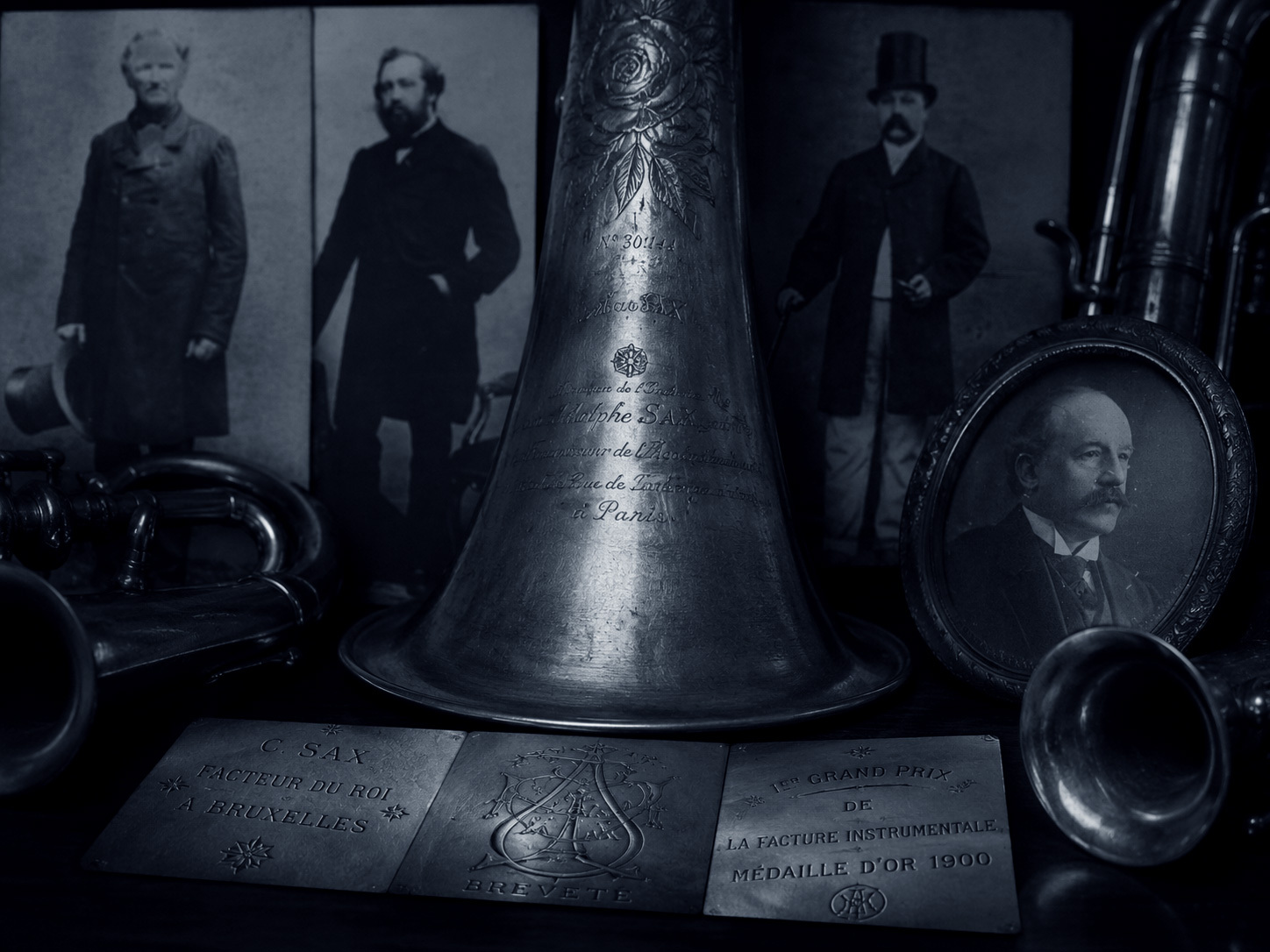
Malou Haine and Ignace de Keyser, scientific staff at the Brussels Instrument Museum
In the narrow sense of the term a stamp consists of one or other of the inscriptions which a musical instrument carries. In the broad sense all inscriptions can be considered, whether they refer to the manufacturer or the owner of the instrument. It is in this latter sense that the stamps on Sax instruments are considered here; they generally include the following inscriptions: name and address of the manufacturer (= signature), date, serial or production number, name of the instrument, honorary distinction, motto, personal mark (= trademark), as well as any other marks.
The description of the stamps on musical instruments in collection catalogues is generally limited to the narrow sense of the term and mentions only the signature and/or trademark, whereas all the inscriptions taken together provide a not inconsiderable amount of information which, together with the manufacturer's biographical details and the patents, makes it possible to date the instruments fairly precisely.
In our Catalogue of the Sax instruments in the Brussels Instrument Museum, followed by a list of Sax instruments preserved in public and private collections², 400 instruments signed by Sax were considered and it could be seen that, according to the factor under investigation, some inscriptions are more or less constant; others vary according to the important changes in the professional life of the manufacturer concerned.
Before discussing in detail the stamps on instruments signed by Sax, let us look first at the different manufacturers who bore this name.
The name Sax is known all over the world, not only to musicians and musicologists, but also to music lovers since it automatically brings to mind either a type of instrument, namely the saxophones, or the man who invented them, the Belgian, Adolphe Sax. We might note in passing that Adolphe Sax never acquired French nationality, although he took steps to do so³.
In fact the name Sax refers not only to Adolphe Sax, but also to six other instrument makers in his family, spread over three generations.
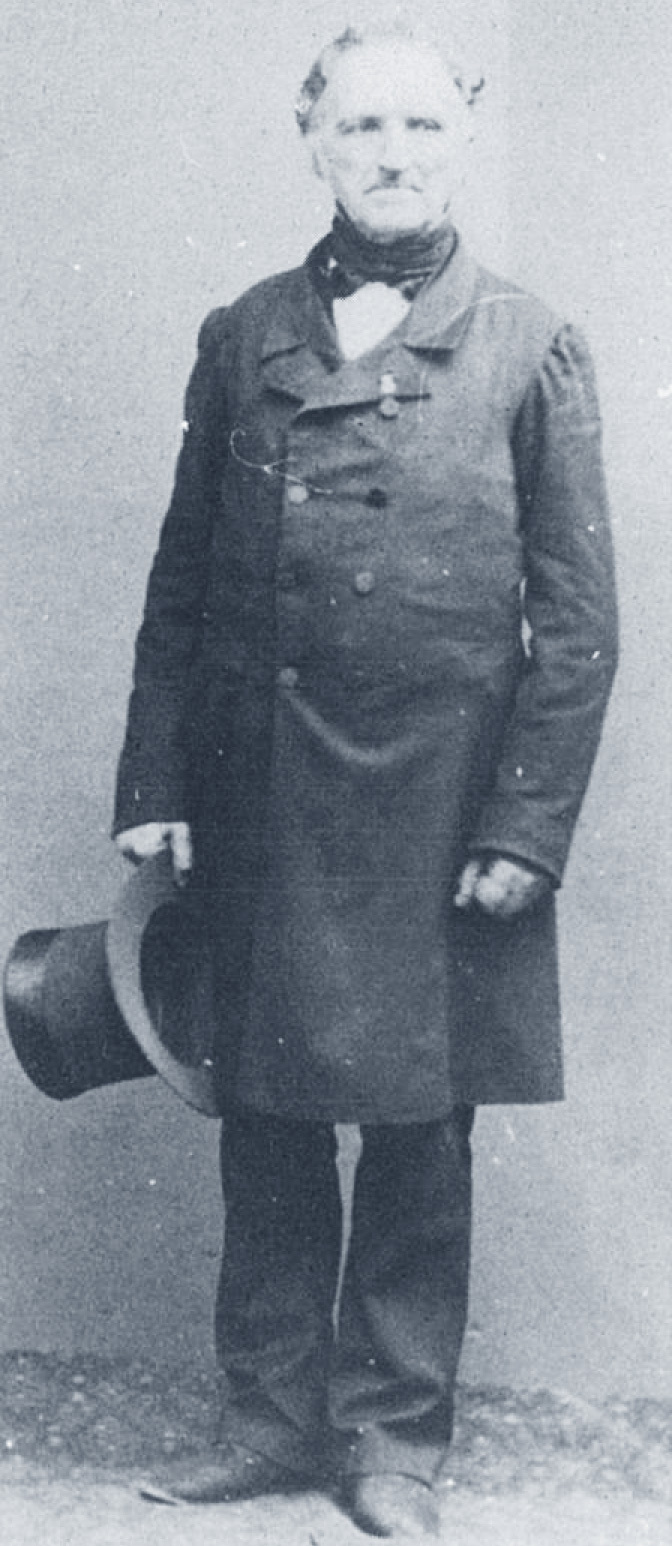
Charles-Joseph Sax (Dinant 1790-Paris 1865)
(Sax family photograph album, Brussels Instrument Museum)
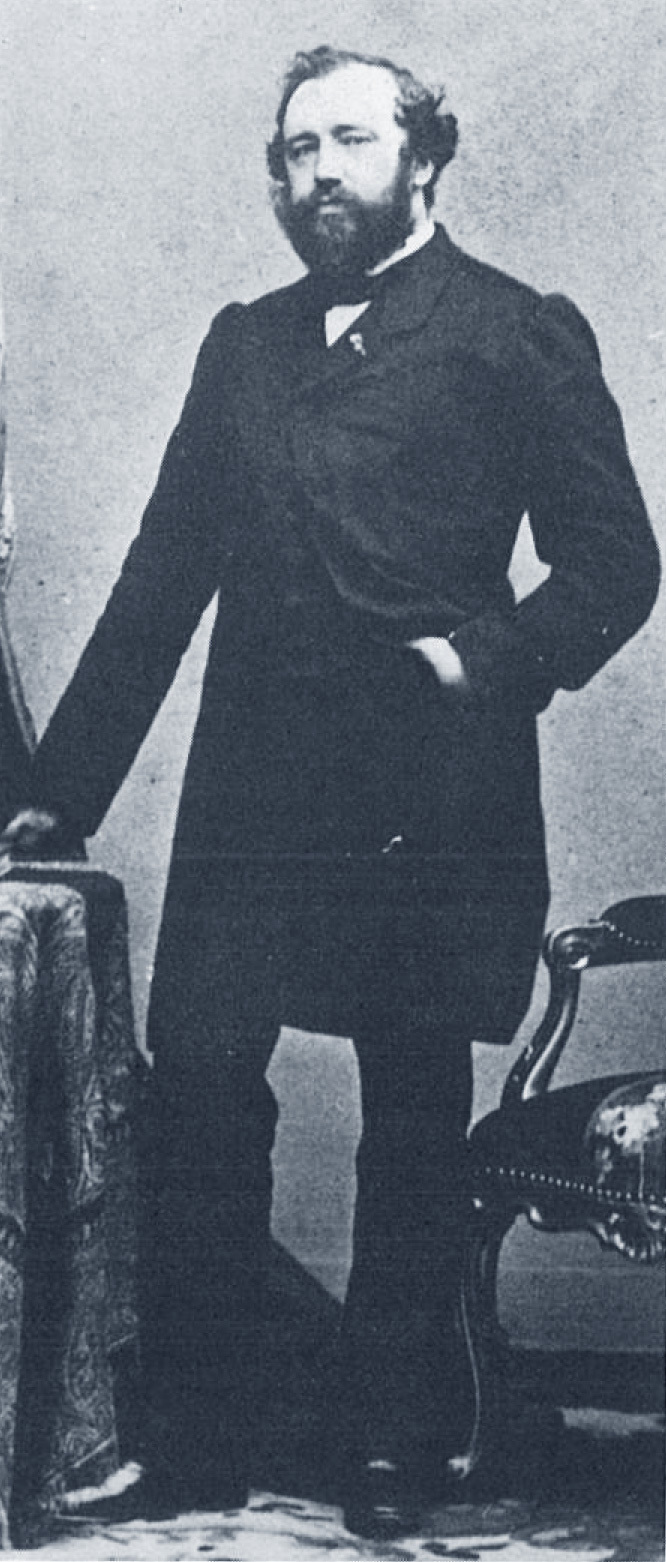
Adolphe Sax (Dinant 1814-Paris 1894)
(Sax family photograph album, Brussels Instrument Museum)
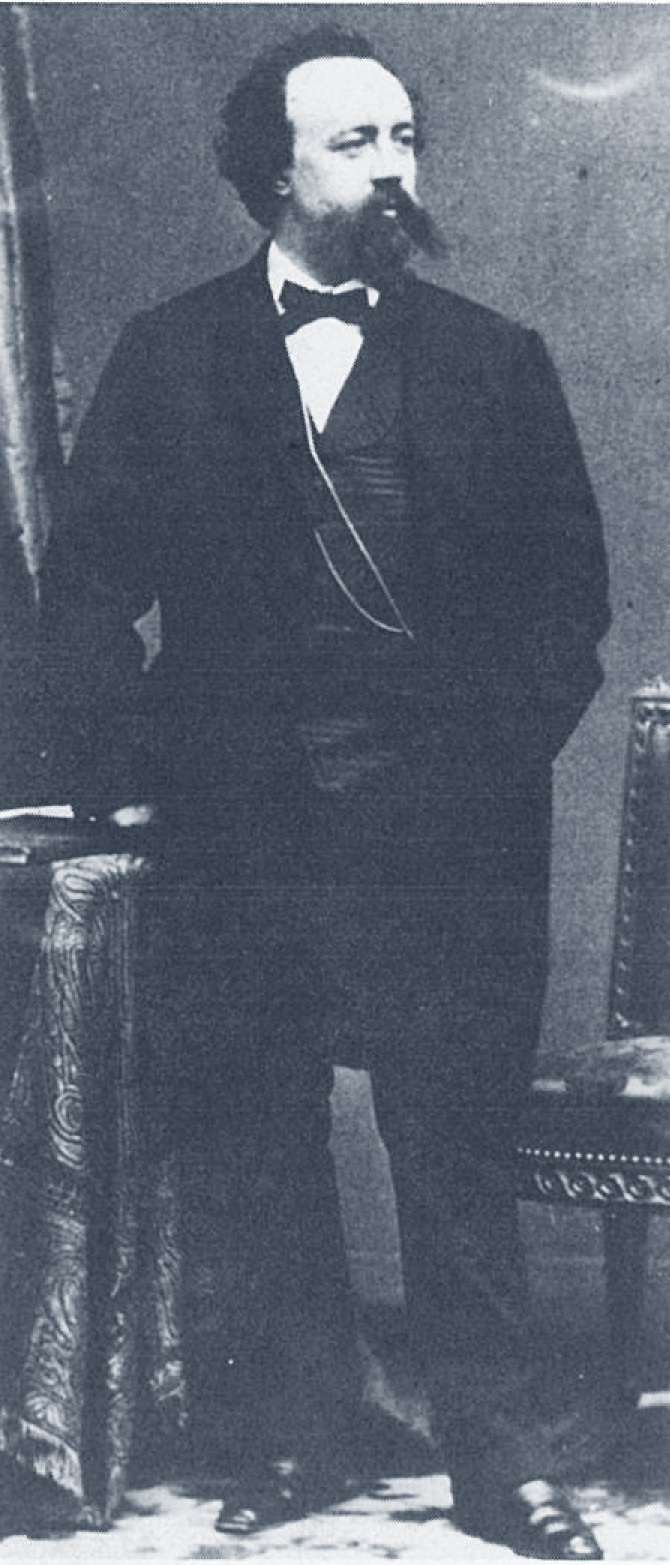
Alphonse Sax (Brussels 1822-Paris 1874)
(Sax family photograph album, Brussels Instrument Museum)
Charles-Joseph Sax (Dinant 1790-Paris 1865) was the founder of the dynasty. He set up a business in Brussels in 1815 and made both woodwind and brass. Between 1825 and 1852 he took out twelve Belgian patents and two French ones⁴. Four of his eleven children were to follow in his footsteps and become musical instrument makers.
Brass Bulletin 30, II / 1980 pages 43–56
All content is protected by copyright © Brass Bulletin 1980–2026