Explore institutional access →

Musical Context

90 articles available online
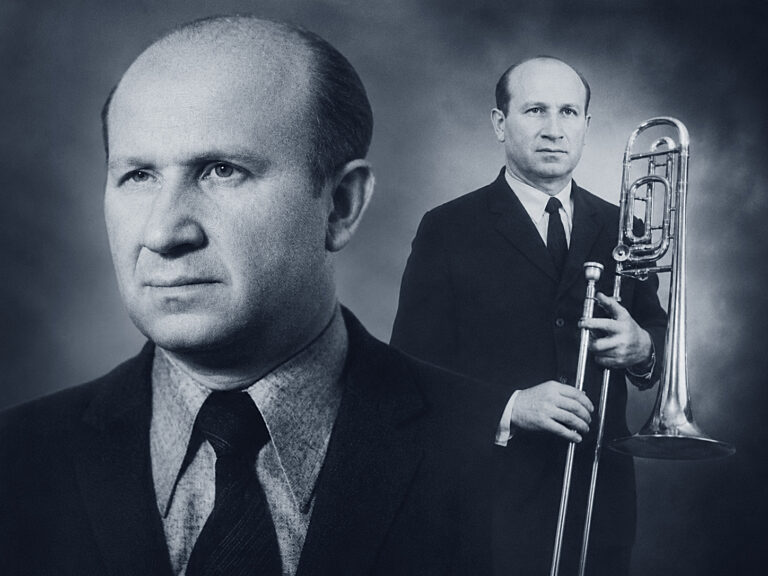
Viktor Venglowski Free
No. 34 • 1981 Digitized

Viktor Venglowski

Musician and Teacher

From the Leningrad Philharmonic to the Conservatoire, one trombonist shaped repertoire, ensembles and generations of players across the Soviet Union.

By Sergej Gorovoj
Encounters Teaching Russian school Orchestral playing Brass Ensemble
Playing and singing simultaneously on brass instruments Member
No. 36 • 1981 Digitized

Part 2

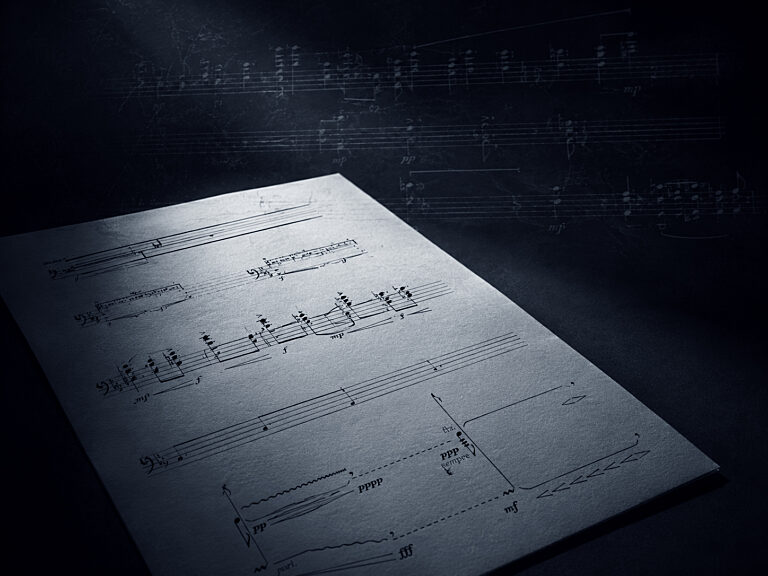
Playing and singing simultaneously on brass instruments

From interval production and tone generation to contemporary repertoire, simultaneous playing and singing becomes a demanding extension of brass technique.

By Benny Sluchin
Technique Contemporary Music Sound Articulation
Philip Jones Member
No. 27 • 1979 Digitized

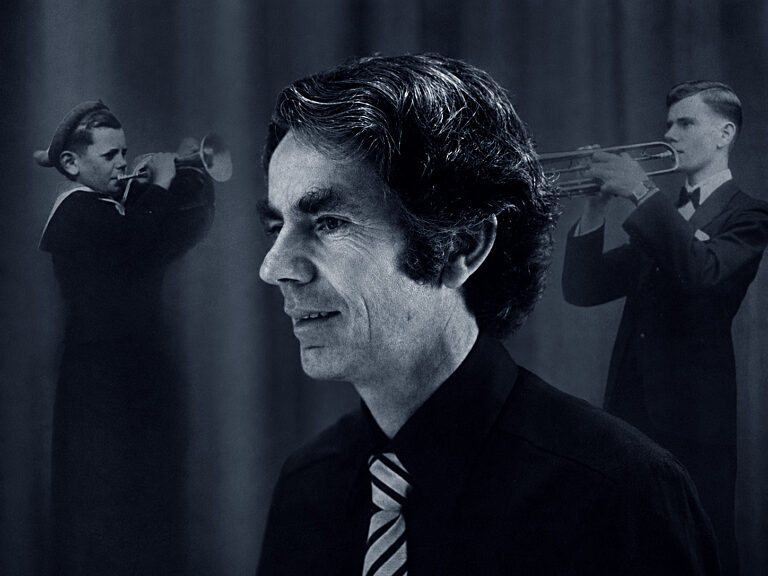
Philip Jones

Interview

From South London bands to the Philharmonia, Philip Jones recalls his musical upbringing, orchestral life and the rise of brass ensembles in post-war Britain.

By Jean-Pierre Mathez
Encounters Repertoire Brass Ensemble Orchestral playing
Playing and singing simultaneously on brass instruments Member
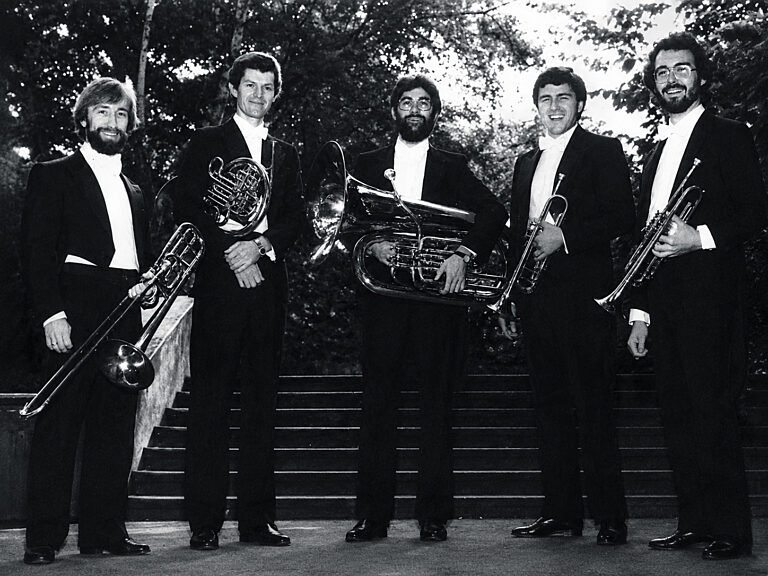
No. 37 • 1982 Digitized

Part 3

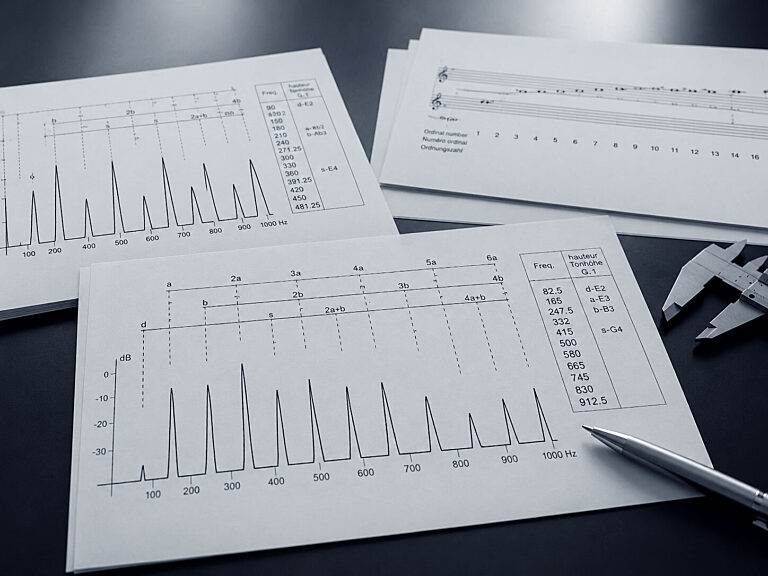
Playing and singing simultaneously on brass instruments

From Weber's Concertino to Berlioz's chord writing, acoustic principles explain how combination tones emerge from simultaneous playing and singing on brass.

By Benny Sluchin
Research Acoustics Sound Intonation Contemporary Music
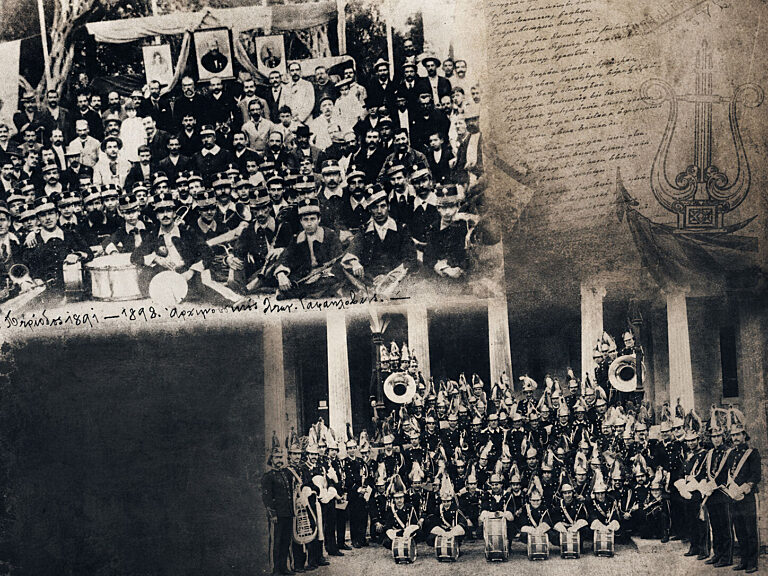
Mantzaros Philharmonic Society Free
No. 46 • 1984 Digitized

Mantzaros Philharmonic Society

Corfou, Greece

A Corfu musical society founded in 1890 connects European influence, amateur tradition and a trumpet school that trained some 1,200 players.

By Gerassimos Ioannides
Report Band
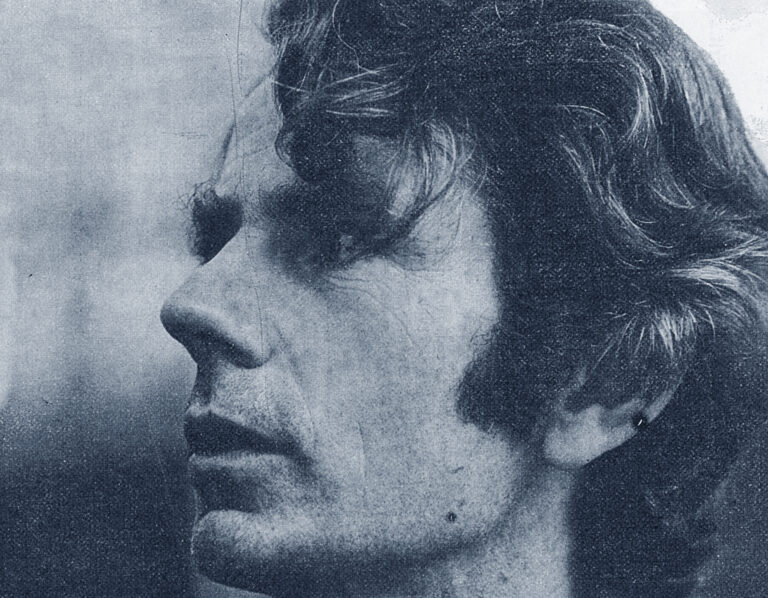
A major chamber music work for brass? Free
No. 45 • 1984 Digitized

A major chamber music work for brass?

Quintet, by Peter Maxwell Davies

A BBC studio session turns Maxwell Davies’s brass quintet into a test of virtuosity, balance and whether brass could claim a new place in chamber music.

By Thomas Aitken

Repertoire Backstage Contemporary Music Brass Ensemble
No. 66 • 1989 Awaiting digitization

Part 1

Does Jazz still have a soul?

By Michel Laplace

Society Jazz
Free
No. 37 • 1982 Digitized

The Annual Competitions of the Paris Conservatoire

From commissioned works to jury voting, a long-standing examination tradition reveals how brass players progressed through the Paris Conservatoire.

By Benny Sluchin
Competition Teaching French school Contemporary Music Solo playing
1981 Geneva International Competition Free
No. 37 • 1982 Digitized

1981 Geneva International Competition

Readers Letters

Philip Jones responds to the Geneva 1981 debate, arguing for fairer jury decisions, balanced repertoire, and the enduring value of international trumpet competitions.

By Philip Jones
Competition Solo playing Contemporary Music Endurance
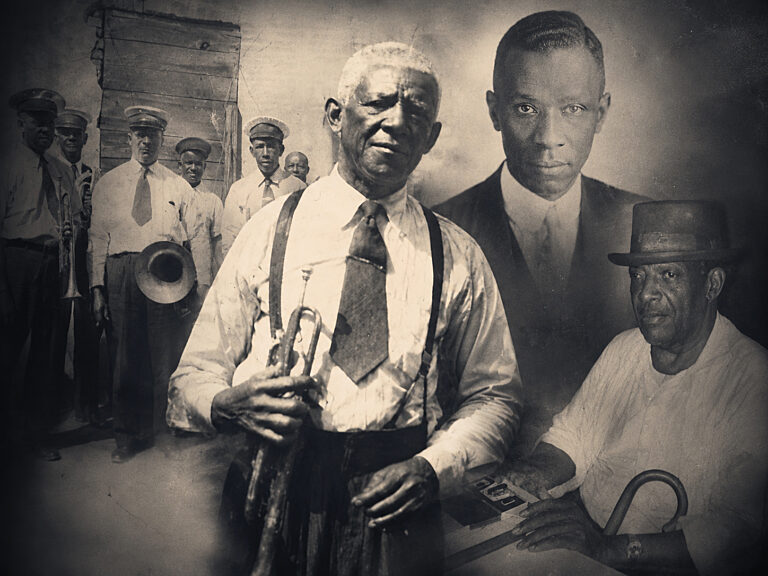
The Trumpet and the Cornet in Jazz and Popular Music Free
No. 42 • 1983 Digitized

Part 1

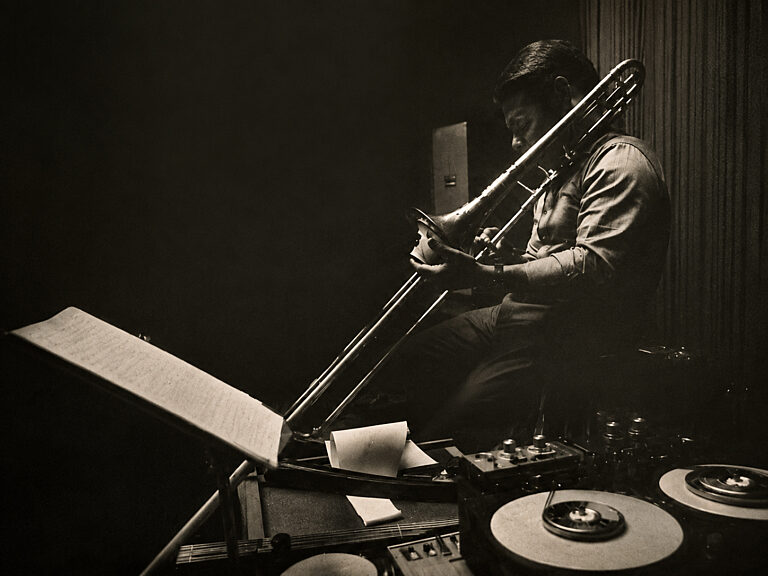
The Trumpet and the Cornet in Jazz and Popular Music

Before Louis Armstrong became the defining figure, jazz already carried competing traditions of tone, style and technique shaped by cornet players across New Orleans and beyond.

By Michel Laplace
History Repertoire Jazz Improvisation
Possibilities for development of brass instruments (1967) Member
No. 5 • 1973 Digitized

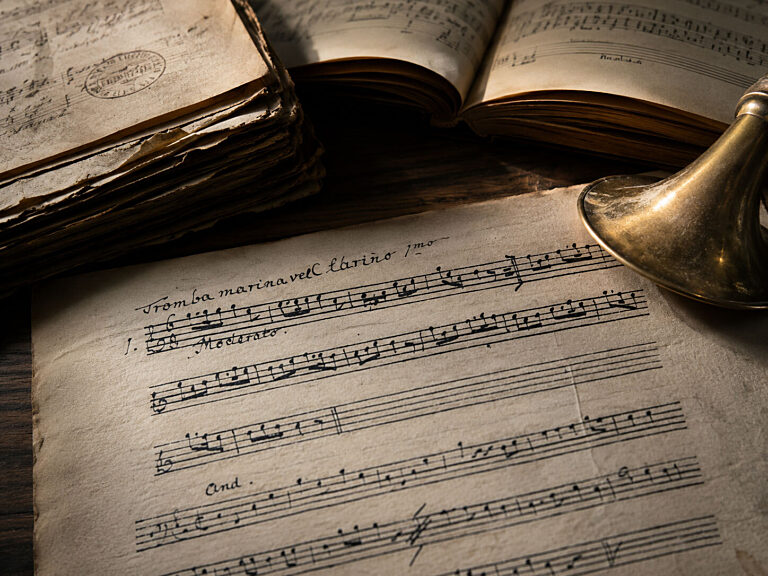
Possibilities for development of brass instruments (1967)

Experimental study by Vinko Globokar on extended techniques for brass instruments, covering microtonality, voice-instrument interaction and new sound production methods.

By Vinko Globokar
Technique Equipment Repertoire Contemporary Music Improvisation
Unknown Treasures for Trumpet Ensembles Free
No. 38 • 1982 Digitized

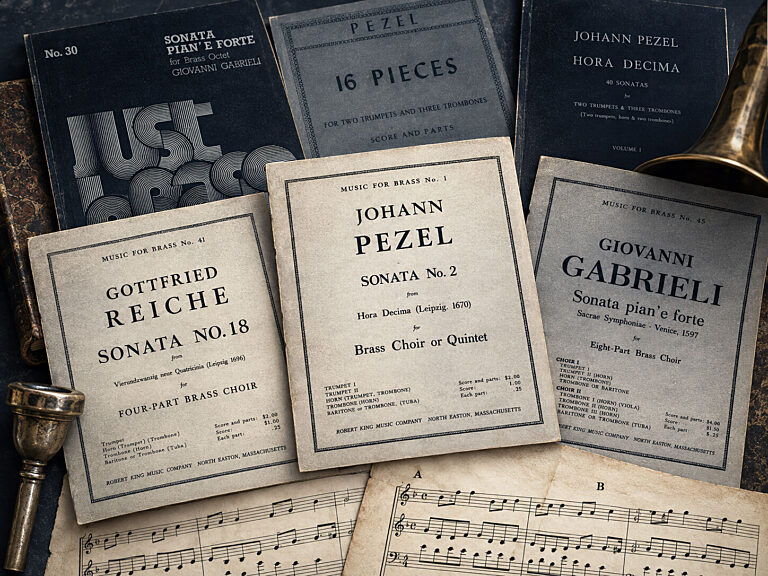
Unknown Treasures for Trumpet Ensembles

Processional Music from 18th century Bavaria

Forgotten Bavarian monastery archives preserve hundreds of ceremonial trumpet works, where local tradition and practical performance survived long after their cultural world disappeared.

By Albert Hiller
Repertoire History Brass Ensemble Historical instruments Range
Modern editions of original 17th-century brass ensemble music Member
No. 53 • 1986 Digitized

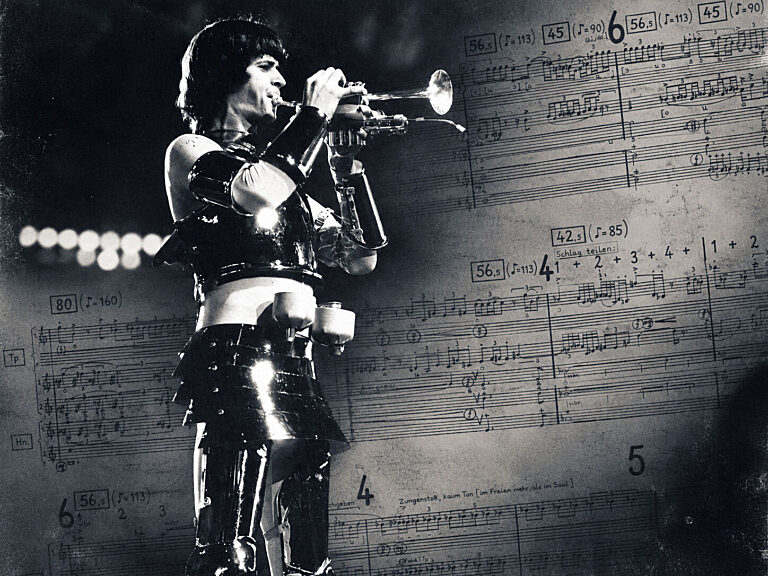
Modern editions of original 17th-century brass ensemble music

Seventeenth-century brass music regained its place in the repertoire, but modern editions often altered the original keys, instrumentation and balance between voices.

By Klaus Winkler
Repertoire Interpretation Brass Ensemble
The mute belt Free
No. 54 • 1986 Digitized

The mute belt

In Stockhausen's demanding trumpet works, six different mutes had to be changed while performing from memory, turning a practical problem into a new stage technique.

By Markus Stockhausen
Equipment Technique Contemporary Music Sound
Editorial Free
No. 43 • 1983 Digitized

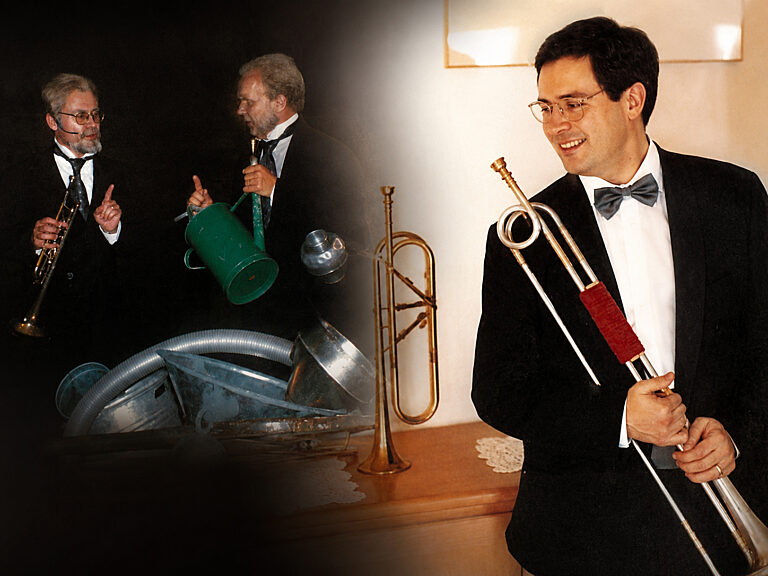
Editorial

Mass media, record-industry economics and the return of cornet virtuosity collide in a sharp warning about fashion, manipulation and musical independence.

By Jean-Pierre Mathez
Society Professional life Sociology Ideas Contemporary Music
The universal trumpet of Gabriele Cassone
No. 115 • 2001 Awaiting digitization

The universal trumpet of Gabriele Cassone

Baroque instruments, Berio and neglected Italian music meet in Cassone’s unusually broad conception of what a modern trumpeter can be.

By Jean-Pierre Mathez
Encounters Historical instruments Contemporary Music
Vladislav Mykhaylovich Blazhevich (1881-1942) Free
No. 38 • 1982 Digitized

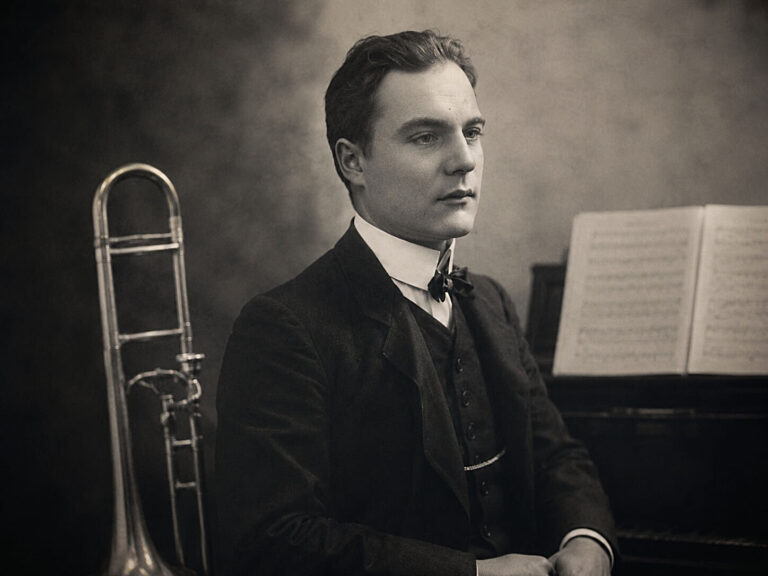
Vladislav Mykhaylovich Blazhevich (1881-1942)

Trombonist, Composer and Teacher

From village band to the Moscow Conservatoire and the Bolshoi, a lifelong commitment to performance, teaching and wind music shaped Soviet trombone tradition.

By Viktor Sumerkin
History Teaching Russian school Orchestral playing Brass Ensemble
Harry James (1916-1983) Member
No. 45 • 1984 Digitized

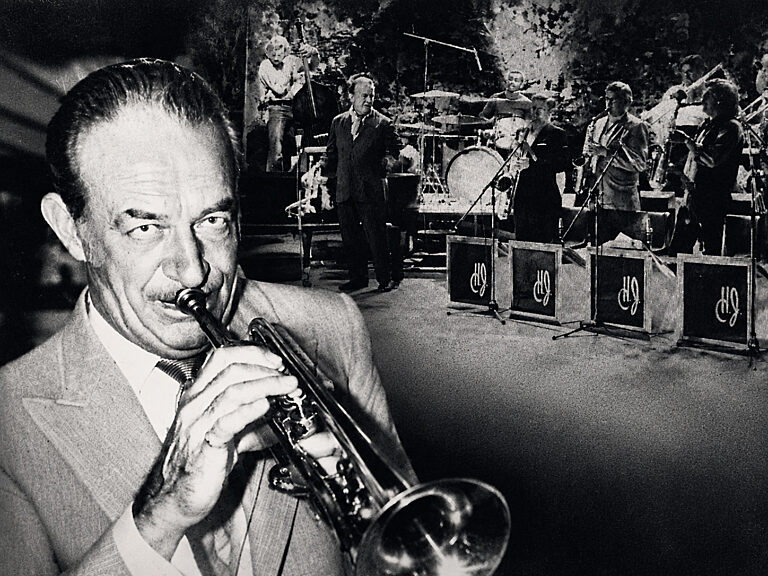
Harry James (1916-1983)

Young Man With A Horn

Harry James stood between jazz virtuosity and popular showmanship, turning the trumpet into a mass-audience voice without losing the respect of classical players.

By Michel Laplace
Encounters History Jazz Solo playing
Serious Music this Side of the Ghetto Free
No. 32 • 1980 Digitized

Serious Music this Side of the Ghetto

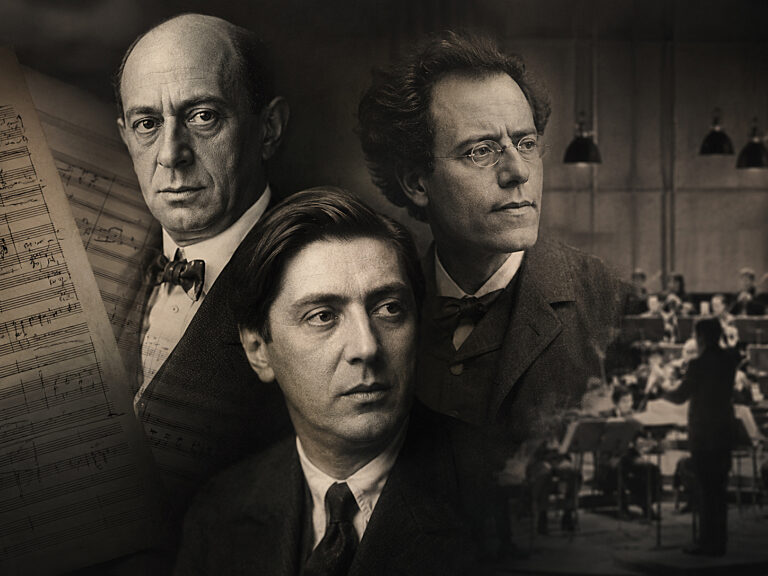
Between Darmstadt serialism and neo-tonality, the place of serious music in society is questioned through Berg, Schönberg and the post-war avant-garde.

By Rolf Urs Ringger
Repertoire Society Contemporary Music Sociology Ideas
The development of the amateur wind-band repertoire in Central Europe since 1950 Member
No. 49 • 1985 Digitized

The development of the amateur wind-band repertoire in Central Europe since 1950

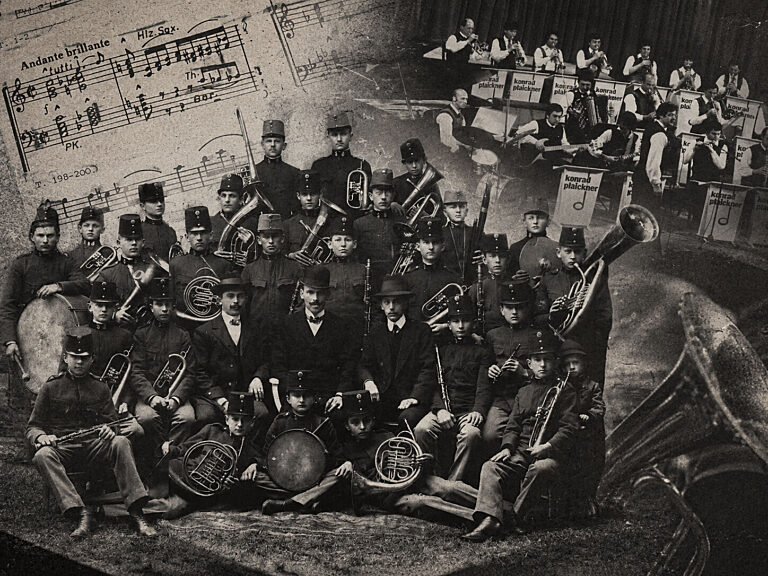
After 1950, Central Europe’s amateur wind bands became a testing ground where inherited traditions, modern composition, popular music and education collided.

By Wolfgang Suppan
Repertoire Society Sociology Contemporary Music
Melvyn Poore Free
No. 46 • 1984 Digitized

Melvyn Poore

Tuba britannica

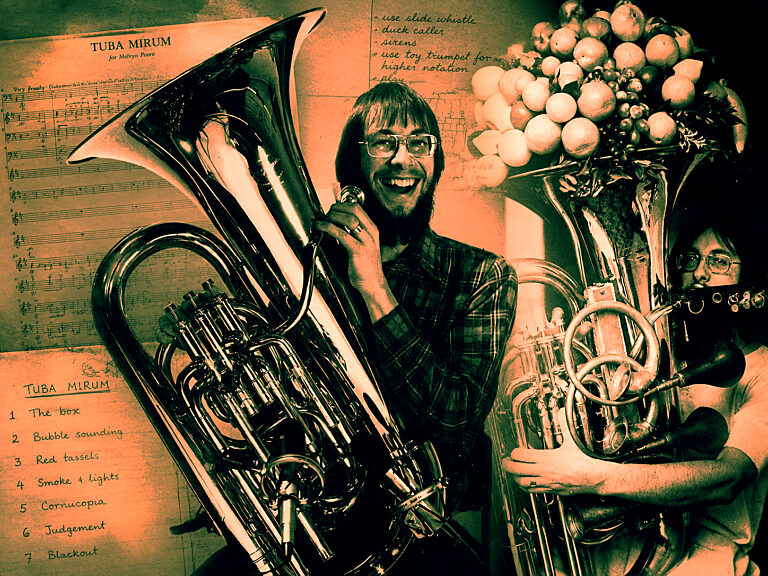
A tuba becomes a laboratory for circular breathing, reeds, strange mutes and music theatre as Melvyn Poore pushes beyond the orchestral role assigned to it.

By Thomas Aitken
Encounters Contemporary Music Solo playing
A guide to commercial tuba playing in the Los Angeles area Free
No. 25 • 1979 Digitized

A guide to commercial tuba playing in the Los Angeles area

Hollywood reality check: Tommy Johnson reveals what it really takes to become a commercial tuba player in Los Angeles—skill, versatility… and patience.

By Tommy Johnson
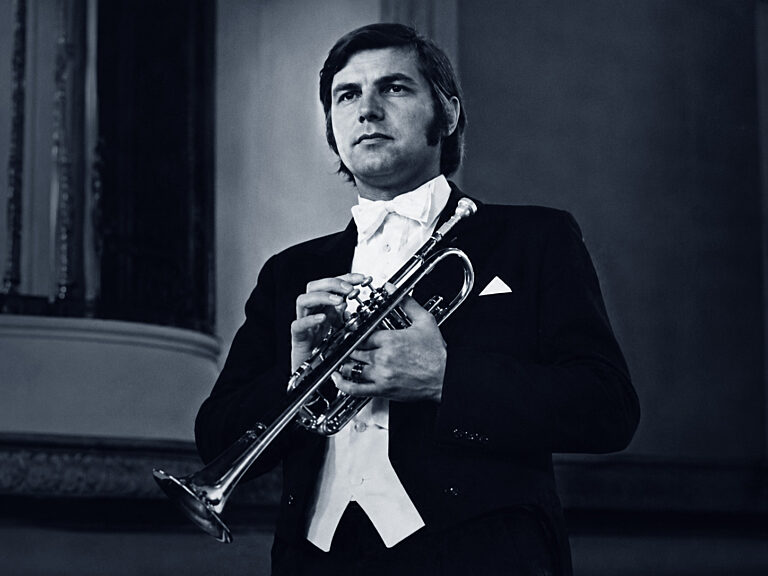
Professional life Technique Freelance Jazz
Miroslav Kejmar Free
No. 31 • 1980 Digitized

Miroslav Kejmar

Portrait in brief

From Bach’s Brandenburg Concerto to Czech contemporary music, the Prague trumpeter combined Baroque precision with orchestral versatility across Europe.

By Jean-Pierre Mathez
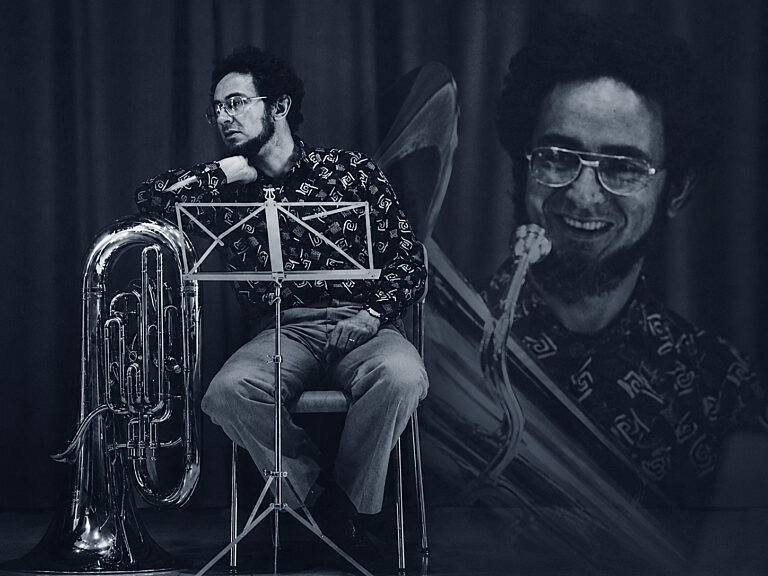
Encounters Professional life Solo playing Orchestral playing Contemporary Music
John Fletcher Free
No. 27 • 1979 Digitized

John Fletcher

Interview

From brass bands to chamber ensembles, John Fletcher reflects on the rapid rise of young British tubists and the changing role of the instrument.

By Jean-Pierre Mathez

Encounters Society Sociology Solo playing Brass Ensemble
Loading…

Questions & Answers

How the Digital Edition works

What does the Digital Edition include?

The Digital Edition brings together the articles already digitized as searchable online texts—not simply as scans or PDF files—along with their original illustrations, notes, authorship, issue information, and available translations. Related-article suggestions currently include only this digitized material.

Are the digital articles identical to the originals?

We preserve the original text, language, illustrations, captions, footnotes, and editorial context as faithfully as possible. The presentation is adapted for comfortable online reading, and obvious transcription or scanning errors may be corrected. The substance and character of the published article remain unchanged.

Which languages are available?

Brass Bulletin was published in English, French, and German throughout its history. Italian and Spanish translations were added from issue No. 60 onward.

On the Italian and Spanish sites, articles from issues 1–59 are therefore shown in English by default.

How often are new articles added?

New articles are added almost daily, with approximately one complete issue digitized each week. The pace may vary depending on the preparation, image work, and editorial checking required.

Why aren’t all articles available digitally?

The complete Brass Bulletin collection contains 1,246 articles published between 1971 and 2003. The full index is already available online, allowing readers to discover every article in the collection, including those whose complete text has not yet been digitized.

Digitization began in February 2026. Each article is carefully prepared for online reading, checked, and connected to its issue, authors, subjects, and illustrations. At the current pace of digitization, the complete collection is expected to be available online by February 2028.

Why do some references mention articles that are not available yet?

References in the original articles are preserved even when the material they point to has not yet been digitized. This keeps the historical and editorial record intact. As more issues are added to the Digital Edition, an increasing number of these references will lead to articles that can be read online.

Can I suggest an article or report a transcription error?

Yes. If there is an article you would particularly like to see digitized, or if you notice a possible transcription error or missing detail, please contact us. Reader feedback helps us improve the Digital Edition and prioritize useful connections within the archive.

How can I support Brass Bulletin?

Your support helps fund the preparation, verification, and online publication of the complete collection.

Subscribe to the Digital Edition

Prefer to support us without subscribing?

Make a donation

How is the digitization progressing?

We’re gradually making the Brass Bulletin available online, article by article. You can read newly digitized articles as soon as they’re ready, even before an entire issue is complete.

Visit our Digitization Roadmap to browse recent additions and see estimated availability for upcoming issues. These estimates follow our recent pace and may change.

Search Brass Bulletin.