Explore institutional access →

Musical Context

90 articles available online
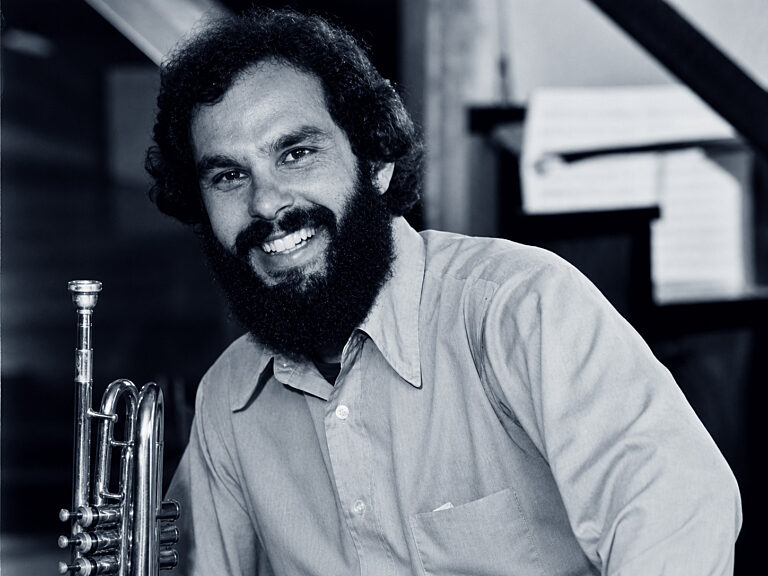
Mario Guarneri Free
No. 26 • 1979 Digitized

Mario Guarneri

Portrait in brief

From San Francisco to New York and Los Angeles, a trumpet career unfolds across major orchestras, recordings and teaching, alongside a sustained commitment to access and contemporary music.

By Jean-Pierre Mathez
Encounters Professional life Orchestral playing Brass Ensemble Contemporary Music
Editorial Free
No. 41 • 1983 Digitized

Editorial

When careers pause and certainty fades, real progress begins in private, where discipline, friendship and chamber music reshape what it means to be a musician.

By Jean-Pierre Mathez

Professional life Teaching Mental approach Brass Ensemble Ideas
Editorial Free
No. 35 • 1981 Digitized

Editorial

New editorial formats separate current news from long-form content while creating new links between performers, composers, and the evolving brass community.

By Jean-Pierre Mathez

Professional life Competition Contemporary Music
10 Outstanding Trumpet Players in the Los Angeles Area Free
No. 41 • 1983 Digitized

10 Outstanding Trumpet Players in the Los Angeles Area

Behind the polished sound of Los Angeles studio trumpet playing stood remarkably similar training, disciplined routines, and a craft shaped by constant stylistic demands.

By Boyde Hood
Encounters Professional life Freelance American school Jazz
The Trumpet and the Cornet in Jazz and Popular Music Member
No. 43 • 1983 Digitized

Part 2

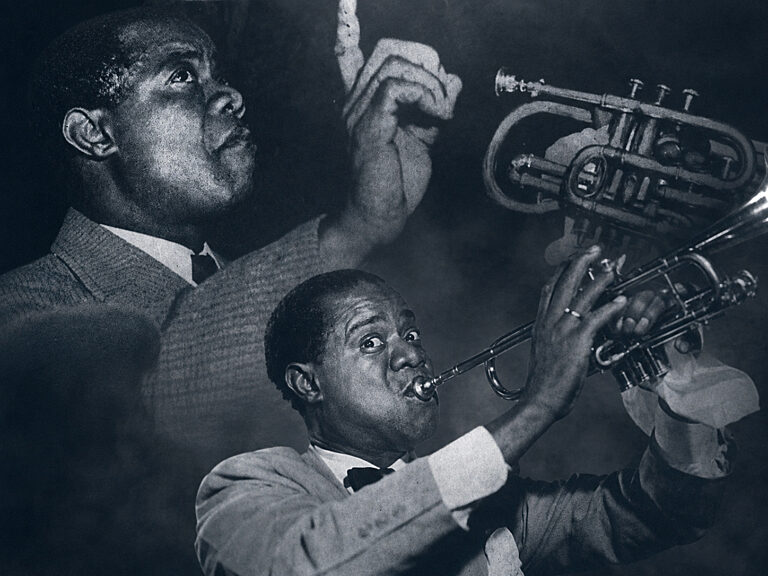
The Trumpet and the Cornet in Jazz and Popular Music

The “Classical” Period 1927-1945 — The Golden Age of the Trumpet

Between Armstrong’s rise and bebop’s arrival, the trumpet became jazz’s dominant voice, reshaping technique, orchestras, sound, mutes and virtuosity.

By Michel Laplace
History Repertoire Jazz Improvisation
Music in an American Frontier Communal Society Member
No. 36 • 1981 Digitized

Part 3

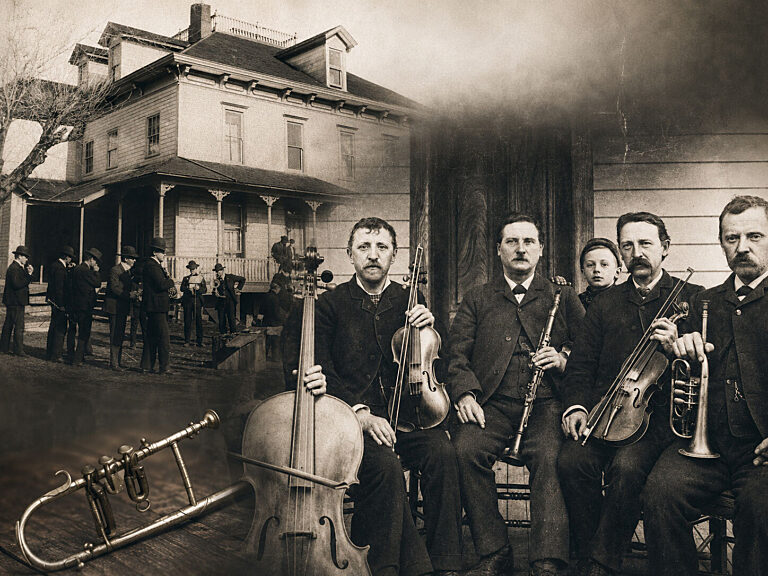
Music in an American Frontier Communal Society

Aurora Colony

Aurora’s bands, chamber groups and restored instruments show how communal faith, German heritage and American public life met in sound, from parlors to parades.

By Deborah M. Olsen

History Society Sociology Brass Ensemble Historical instruments
No. 91 • 1995 Awaiting digitization

Australian Brass Band Rules Britannia in 1924

By Brendan Collins

History Band
Editorial Free
No. 17 • 1977 Digitized

Editorial

Between tradition and innovation: brass players must move beyond routine and embrace new musical directions to remain relevant in the music of tomorrow.

By Jean-Pierre Mathez

Society Ideas Contemporary Music
Glenn Ferris - Profile Member
No. 23 • 1978 Digitized

Glenn Ferris - Profile

Beyond fame and labels: Glenn Ferris rejects the music business game—defining a raw, uncompromising vision of creativity, freedom, and what it means to truly play.

By Lee Underwood
Encounters Professional life Freelance Jazz
Working with the Posaunenchor Free
No. 34 • 1981 Digitized

Working with the Posaunenchor

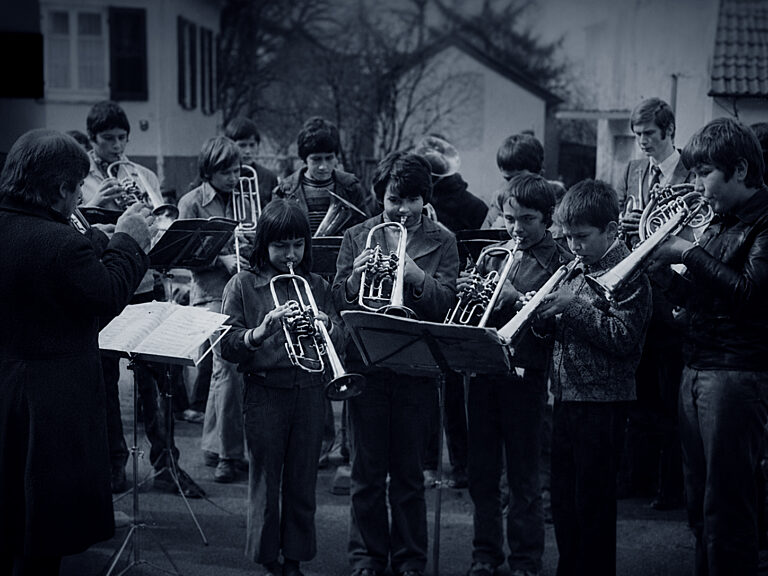
From Württemberg youth groups to mass brass gatherings in Ulm, a community tradition links faith, education and amateur brass playing across generations.

By Max Sommerhalder

Teaching Society Brass Ensemble Sociology Improvisation Band
No. 77 • 1992 Awaiting digitization

The Minahassa Bamboo Brass Bands

Special Holland

By R. Boonzajer

Report Band
Doc Severinsen Free
No. 55 • 1986 Digitized

Doc Severinsen

Talent, will and glory

Trumpet virtuoso and nightly television star, Doc Severinsen combined immense popularity with concerts, big bands and iron discipline.

By Jean-Pierre Mathez

Encounters Jazz Solo playing
Free
No. 25 • 1979 Digitized

Dreams and wishes

Things I would like to see happen concerning the horn and horn playing

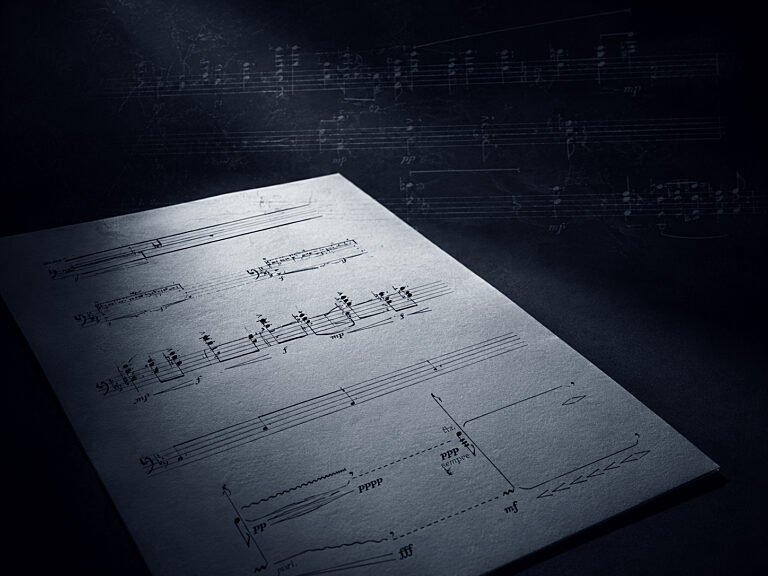
A set of proposals for the future of the horn: Jeffrey Agrell addresses editions, pedagogy, instruments, and repertoire—from Mozart to contemporary practice.

By Jeffrey Agrell
Equipment Repertoire Ideas Contemporary Music Orchestral playing
Playing and singing simultaneously on brass instruments Member
No. 35 • 1981 Digitized

Part 1

Playing and singing simultaneously on brass instruments

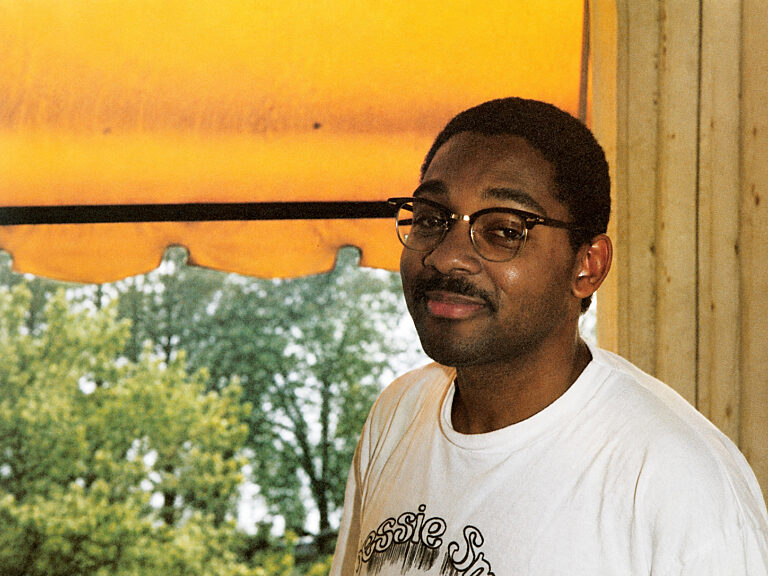
From Weber and Vivier to contemporary solo works, singing into the brass instrument becomes a multiphonic technique shaped by notation, acoustics, and practice.

By Benny Sluchin
Technique Contemporary Music Sound Intonation
Wynton Marsalis Member
No. 59 • 1987 Digitized

Wynton Marsalis

Interview

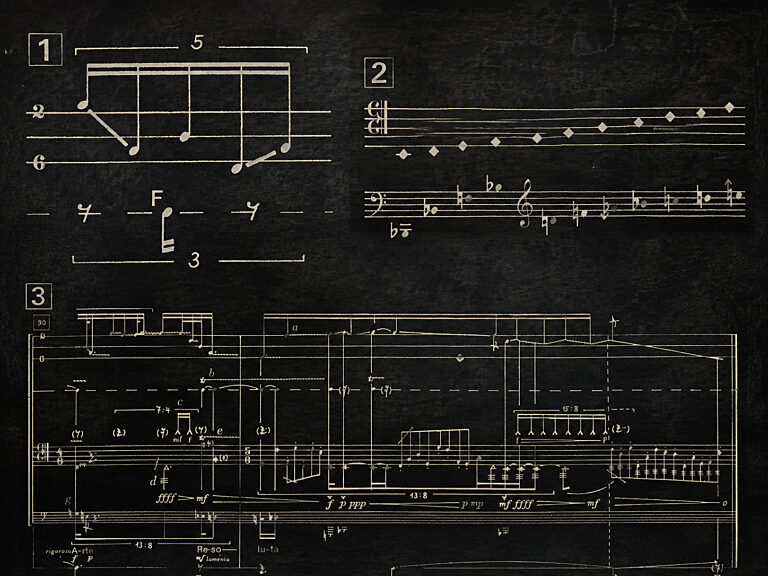
At 26, Wynton Marsalis confronts jazz education, popular culture and artistic integrity with convictions as uncompromising as his approach to the trumpet.

By Jean-Pierre Mathez
Encounters Society Jazz Ideas
The Polyphonic Trombone Free
No. 45 • 1984 Digitized

The Polyphonic Trombone

A suggested notation system

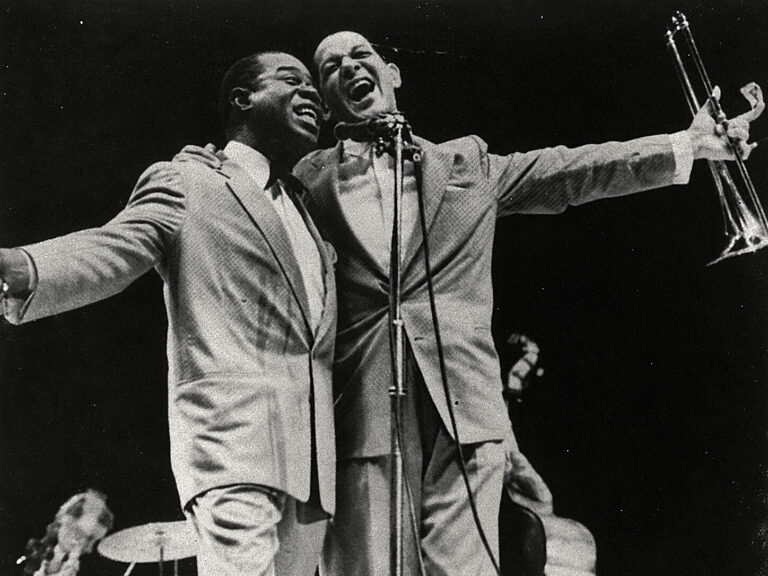
When trombone slide, overtones, breath and valves become independent musical voices, conventional notation reaches its limits and a new system becomes necessary.

By Klaus-K. Hübler
Repertoire Technique Contemporary Music
The trombone in Jazz and Popular Music Member
No. 51 • 1985 Digitized

Part 2

The trombone in Jazz and Popular Music

The classical Armstrong period (1927-1945)

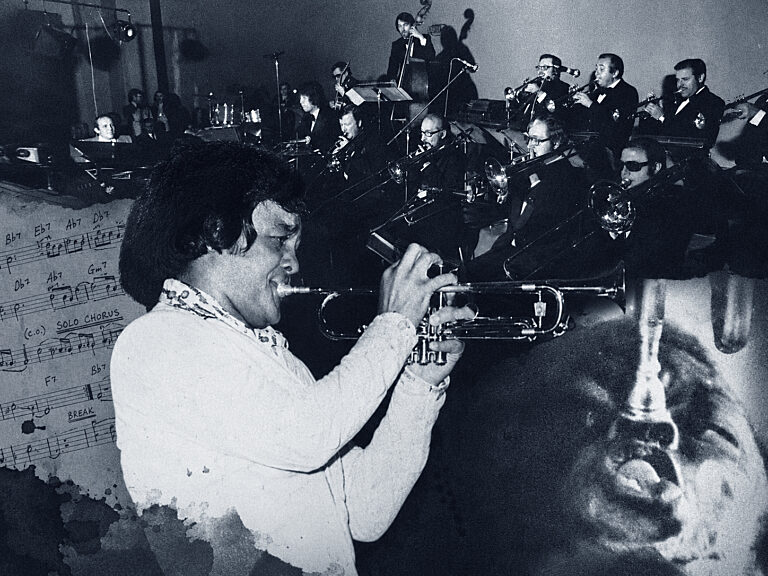
Jazz trombone changed rapidly between 1927 and 1945, as Armstrong’s influence, big-band playing and new techniques transformed both its language and sound.

By Michel Laplace
History Jazz
The Trumpet and the Cornet in Jazz and Popular Music Member
No. 44 • 1983 Digitized

Part 3

The Trumpet and the Cornet in Jazz and Popular Music

The pluralism of the so-called “modern” forms (1945 to the present)

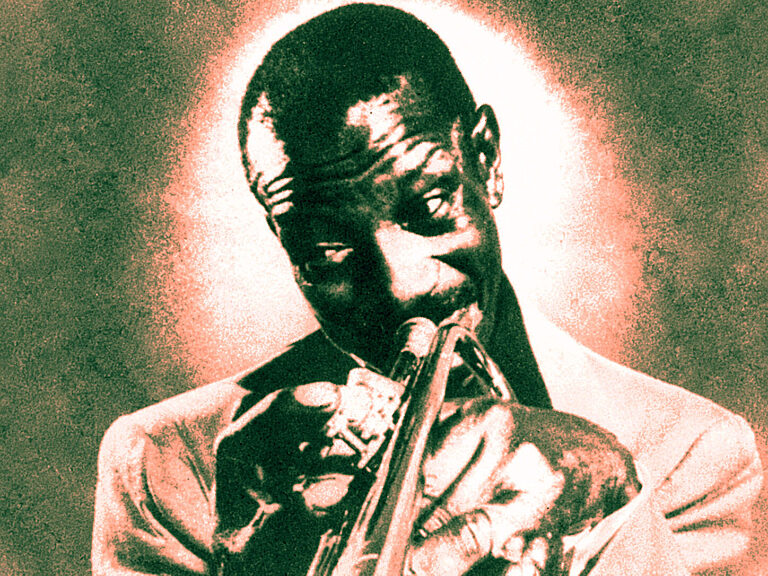
Bebop, Miles Davis and the rise of the flugelhorn mark a postwar jazz landscape in which trumpet playing splintered into competing sounds and ideals.

By Michel Laplace
History Equipment Jazz Improvisation Sound
Jabbo Smith Member
No. 49 • 1985 Digitized

Jabbo Smith

The Unrecognised Jazz Trumpeter

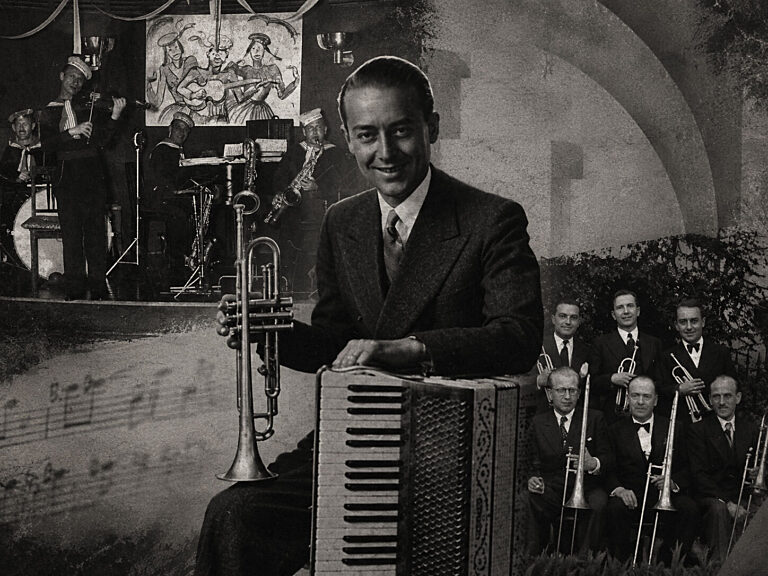
Overshadowed by Armstrong and later by Eldridge, Jabbo Smith emerges as a crucial trumpet innovator whose speed, range and phrasing anticipated modern jazz.

By Michel Laplace
History Jazz Improvisation
How and why I became a musician Member
No. 52 • 1985 Digitized

Part 3

How and why I became a musician

As cinema orchestras vanished and radio reshaped musical life, Edouard Gros learned that survival could mean changing instruments, cities and expectations.

By Edouard Gros
Professional life History Auditions Jazz
Benny Sluchin Free
No. 30 • 1980 Digitized

Benny Sluchin

Portrait in brief

Between Paris, Cologne and Tel Aviv, Benny Sluchin brings mathematics, acoustics and contemporary performance into the brass world.

By Jean-Pierre Mathez

Encounters Professional life Contemporary Music Solo playing Orchestral playing
I chose to address myself to new music rather than new trumpet Free
No. 5 • 1973 Digitized

I chose to address myself to new music rather than new trumpet

Thomas Stevens argues that progress in trumpet playing depends on better training, repertoire and musical thinking rather than on equipment.

By Thomas Stevens

Repertoire Contemporary Music
Member
No. 32 • 1980 Digitized

Brass studies in Australia

As international performers, seminars and teachers reached Australia in the late 1970s, a geographically isolated brass scene began finding its own direction.

By David O'Meara

Report Teaching Sociology Orchestral playing Contemporary Music
Conversation by the fireside Free
No. 7 • 1974 Digitized

Conversation by the fireside

A fireside conversation with Philip Jones, Elgar Howarth and Michael Laird—an intimate exchange on brass playing, ensemble culture and musical thinking.

By Jean-Pierre Mathez

Encounters Repertoire Brass Ensemble Contemporary Music
Loading…

Questions & Answers

How the Digital Edition works

What does the Digital Edition include?

The Digital Edition brings together the articles already digitized as searchable online texts—not simply as scans or PDF files—along with their original illustrations, notes, authorship, issue information, and available translations. Related-article suggestions currently include only this digitized material.

Are the digital articles identical to the originals?

We preserve the original text, language, illustrations, captions, footnotes, and editorial context as faithfully as possible. The presentation is adapted for comfortable online reading, and obvious transcription or scanning errors may be corrected. The substance and character of the published article remain unchanged.

Which languages are available?

Brass Bulletin was published in English, French, and German throughout its history. Italian and Spanish translations were added from issue No. 60 onward.

On the Italian and Spanish sites, articles from issues 1–59 are therefore shown in English by default.

How often are new articles added?

New articles are added almost daily, with approximately one complete issue digitized each week. The pace may vary depending on the preparation, image work, and editorial checking required.

Why aren’t all articles available digitally?

The complete Brass Bulletin collection contains 1,246 articles published between 1971 and 2003. The full index is already available online, allowing readers to discover every article in the collection, including those whose complete text has not yet been digitized.

Digitization began in February 2026. Each article is carefully prepared for online reading, checked, and connected to its issue, authors, subjects, and illustrations. At the current pace of digitization, the complete collection is expected to be available online by February 2028.

Why do some references mention articles that are not available yet?

References in the original articles are preserved even when the material they point to has not yet been digitized. This keeps the historical and editorial record intact. As more issues are added to the Digital Edition, an increasing number of these references will lead to articles that can be read online.

Can I suggest an article or report a transcription error?

Yes. If there is an article you would particularly like to see digitized, or if you notice a possible transcription error or missing detail, please contact us. Reader feedback helps us improve the Digital Edition and prioritize useful connections within the archive.

How can I support Brass Bulletin?

Your support helps fund the preparation, verification, and online publication of the complete collection.

Subscribe to the Digital Edition

Prefer to support us without subscribing?

Make a donation

How is the digitization progressing?

We’re gradually making the Brass Bulletin available online, article by article. You can read newly digitized articles as soon as they’re ready, even before an entire issue is complete.

Visit our Digitization Roadmap to browse recent additions and see estimated availability for upcoming issues. These estimates follow our recent pace and may change.

Search Brass Bulletin.