Explore institutional access →

Musical Context

90 articles available online
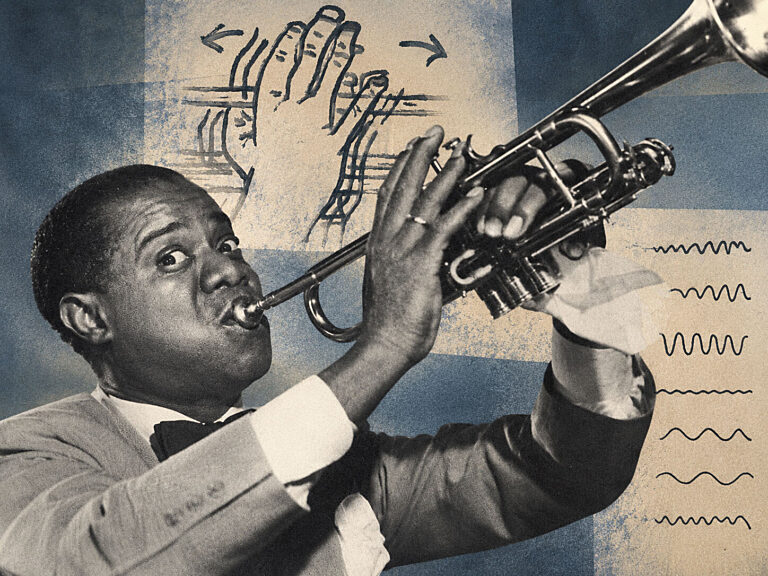
The Trumpet and the Cornet in Jazz and Popular Music Member
No. 47 • 1984 Digitized

Part 6

The Trumpet and the Cornet in Jazz and Popular Music

Special jazz techniques

Vibrato, half-valves, growls and shakes lead to a larger argument: jazz transformed trumpet technique, yet its contribution remained strikingly undervalued.

By Michel Laplace

History Jazz Improvisation Articulation
The first european horn symposium Free
No. 33 • 1981 Digitized

The first european horn symposium

A week in Trossingen brought leading horn players, Mozart debates, natural-horn controversies and lasting friendships at a landmark European gathering.

By Jeffrey Agrell

Event Report Interpretation Contemporary Music Brass Ensemble
The trombone in Jazz and Popular Music Member
No. 52 • 1985 Digitized

Part 3

The trombone in Jazz and Popular Music

Pluralism of expression since 1945

Bebop, cool jazz, free jazz and neo-classicism transformed the trombone after 1945, as new players, techniques and instruments pushed its boundaries.

By Michel Laplace

History Technique Jazz
Miles Davis Free
No. 81 • 1993 Digitized

Miles Davis

Meeting with collard and mustard greens

A bag of greens opens an unusually intimate view of Miles Davis: cooking, horses, boxing, race and music collide far from the mythology of the stage.

By Robert L. Watt

Backstage Jazz
Free
No. 17 • 1977 Digitized

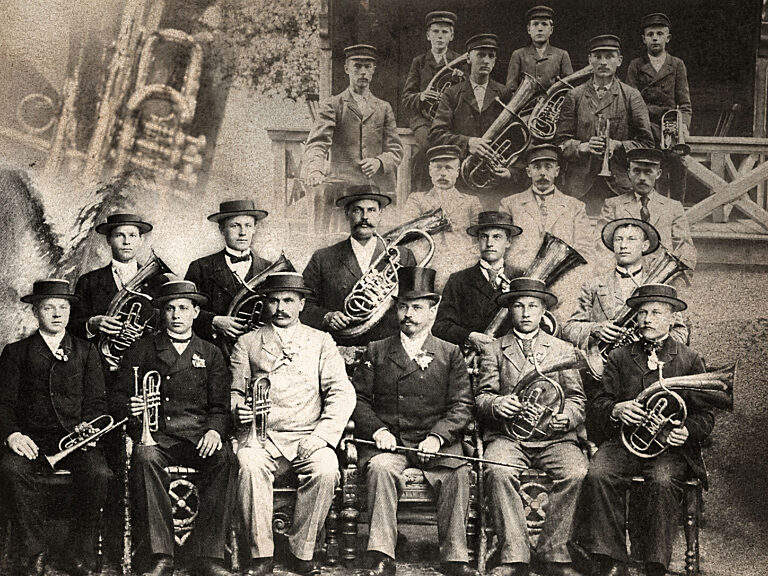
Reflections on the brass player

Why do brass players so often resist new music? Vinko Globokar dismantles schools, routines, and traditions—and calls for a freer musical mindset.

By Vinko Globokar
Society Teaching Sociology Ideas Contemporary Music
The brass band tradition in Finland Free
No. 53 • 1986 Digitized

Special Finland

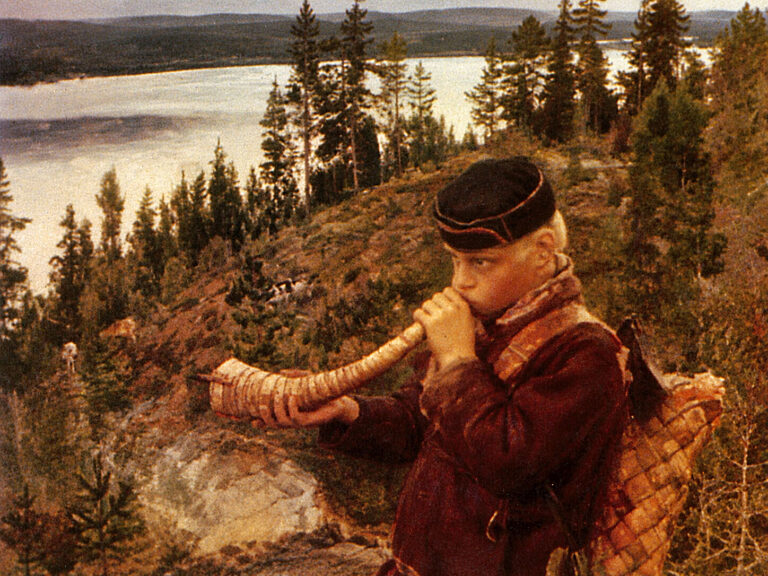
The brass band tradition in Finland

Finland’s brass-band tradition grew from imperial reform into a nationwide phenomenon, before an equally systematic transformation brought the era to an end.

By Holger Fransman
History Band Brass Ensemble
Brass achieves academic respectability Member
No. 53 • 1986 Digitized

Special Finland

Brass achieves academic respectability

Once treated as marginal, Finland’s brass septet tradition entered academic research, challenging where folk practice ends and music history begins.

By Kauko Karjalainen

History Society Sociology Brass Ensemble
No. 99 • 1997 Awaiting digitization

Amboise, France, 3rd National Brass Band Competition

By Benny Sluchin

Competition Band
Jazz and the Horn Member
No. 40 • 1982 Digitized

Jazz and the Horn Series • Part 1

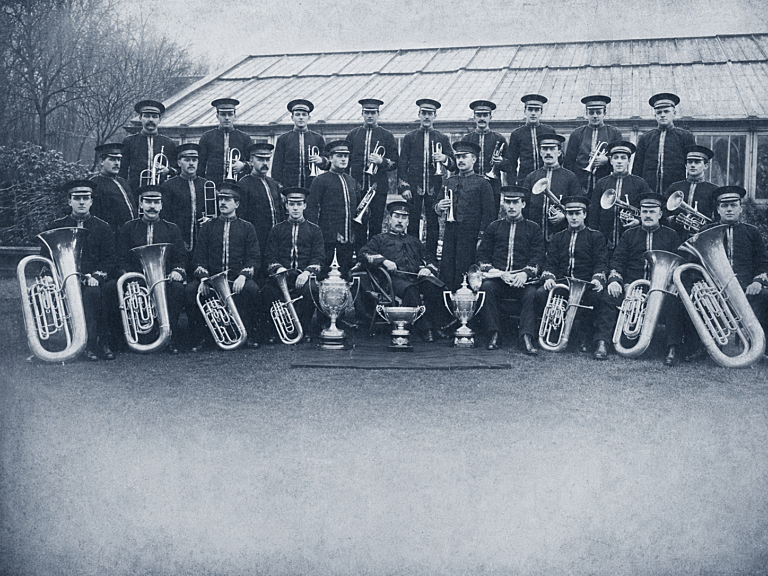
Jazz and the Horn

The horn was once considered incompatible with jazz until changing ideas of sound and musicians like John Graas quietly overturned that certainty.

By Jeffrey Agrell
Repertoire History Jazz Improvisation
What is a Brass Band? Free
No. 25 • 1979 Digitized

What is a Brass Band?

Barrie Perrins traces the 19th-century origins, instrumentation and social role of the brass band—from industrial roots to international musical life.

By Barrie Perrins
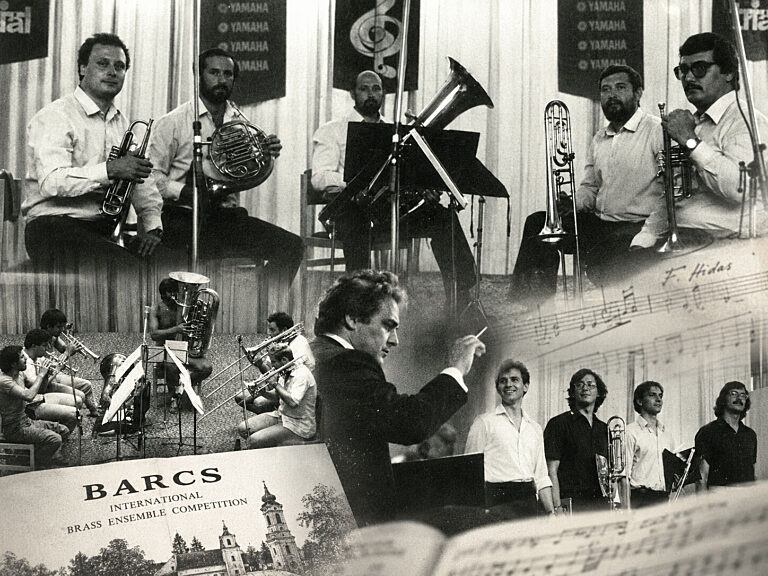
History Society Sociology Band
Barcs 1984 Free
No. 48 • 1984 Digitized

Special Hungary

Barcs 1984

First International Brass Ensemble Competition

A small Hungarian town became a testing ground for brass chamber music, where young ensembles showed how quickly the discipline was coming of age.

By Jean-Pierre Mathez

Competition Report Brass Ensemble
Jazz and the Horn Member
No. 42 • 1983 Digitized

Jazz and the Horn Series • Part 3

Jazz and the Horn

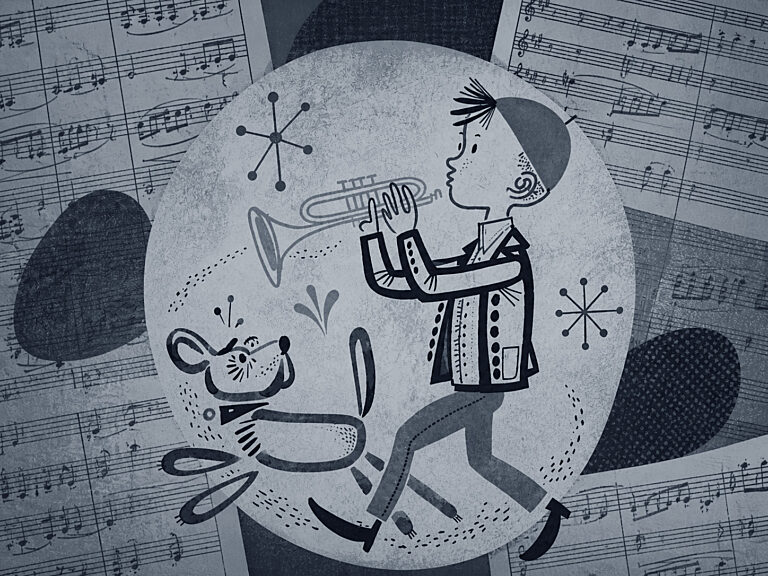
Getting started

For the classically trained horn player, jazz replaces the security of the printed page with listening, swing and improvisation—and a different kind of discipline.

By Jeffrey Agrell
Teaching Technique Jazz Improvisation Articulation
Contemporary Hungarian Brass Music Free
No. 26 • 1979 Digitized

Contemporary Hungarian Brass Music

From early decline to recent revival, Hungarian brass emerges through pedagogy, competitions and new chamber works, with Varasdy outlining key figures and shifting ensemble practices.

By Frigyes Varasdy

Repertoire Teaching Contemporary Music
Individuality and Uniformity in Brass Players Member
No. 52 • 1985 Digitized

Individuality and Uniformity in Brass Players

As international standards reshape brass playing, musical individuality risks giving way to imitation, leaving tradition, ensemble work and personal conviction at stake.

By Hans-Joachim Drechsler

Society Professional life Ideas Orchestral playing Brass Ensemble
Free
No. 21 • 1978 Digitized

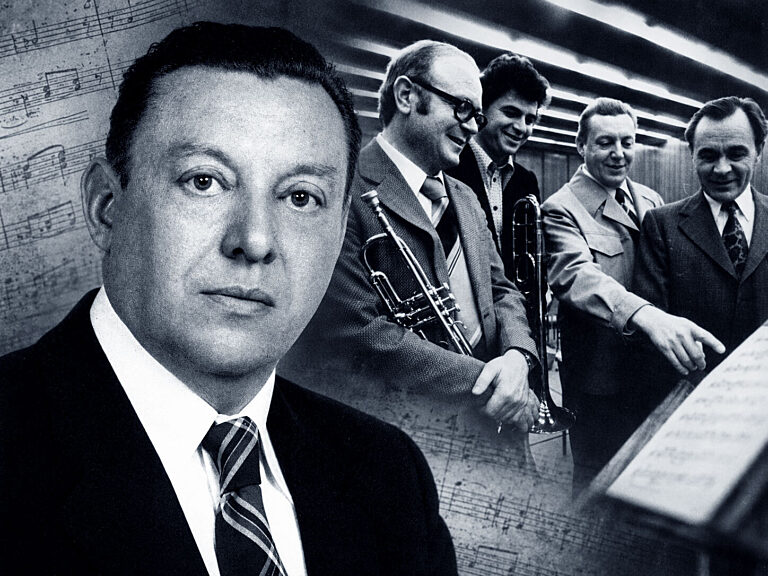
Yes or no? Beware!

Do we or do we not play transcriptions?

“Transcriptions: yes or no? Beware.” Roger Bobo challenges tubists to rethink repertoire, taste, and tradition in a bold call for musical judgment and artistic freedom.

By Roger Bobo
Repertoire Interpretation Contemporary Music Ideas
Brass Chamber Music in Hungary Member
No. 48 • 1984 Digitized

Special Hungary

Brass Chamber Music in Hungary

Ancient horns, military signals and postwar ensembles meet in a Hungarian brass tradition shaped as much by education and composers as by performers.

By Frigyes Varasdy

Repertoire History Brass Ensemble
Women and brass: 3 Portraits Free
No. 31 • 1980 Digitized

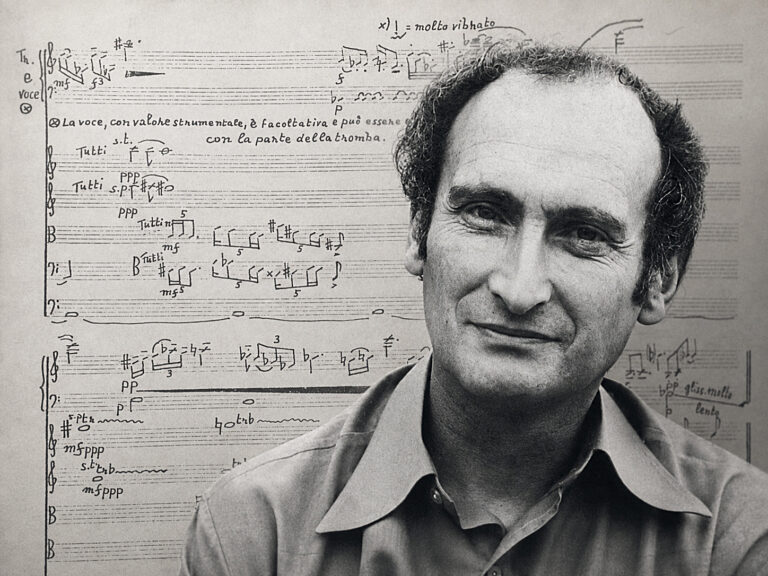
Women and brass: 3 Portraits

Barbara Stone, Betty Anderson, Kate Kaminga

Three British and Dutch conductors moved from brass band performance to leadership roles, confronting a scene still largely shaped by male traditions.

By Markus S. Bach
Society Professional life Sociology Brass Ensemble
Scraps of Thoughts and Memories concerning “Passages” for trumpet and strings Free
No. 18 • 1977 Digitized

Scraps of Thoughts and Memories concerning “Passages” for trumpet and strings

Between waiting and movement, Passages reimagines soloist and orchestra—inviting exploration, listening, and the acceptance of the unexpected.

By Victor Fenigstein

Repertoire Contemporary Music Ideas
Member
No. 12 • 1975 Digitized

Indeterminate instrumentation

A Way of Extending Instrumental Technic

Can technique go beyond notation? James Fulkerson explores new instrumental possibilities and argues that improvisation is key to expanding both technique and musical thinking.

By James Fulkerson

Technique Repertoire Contemporary Music Improvisation Ideas
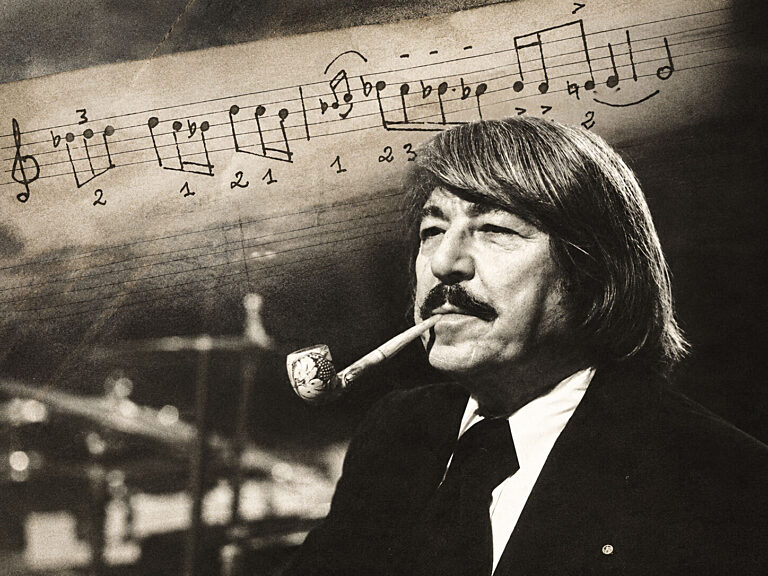
Editorial Member
No. 37 • 1982 Digitized

Editorial

As music becomes increasingly industrialized, Jean-Pierre Mathez argues for restoring local musical communities where composers, performers and audiences shape a shared identity.

By Jean-Pierre Mathez
Society Sociology Ideas Contemporary Music
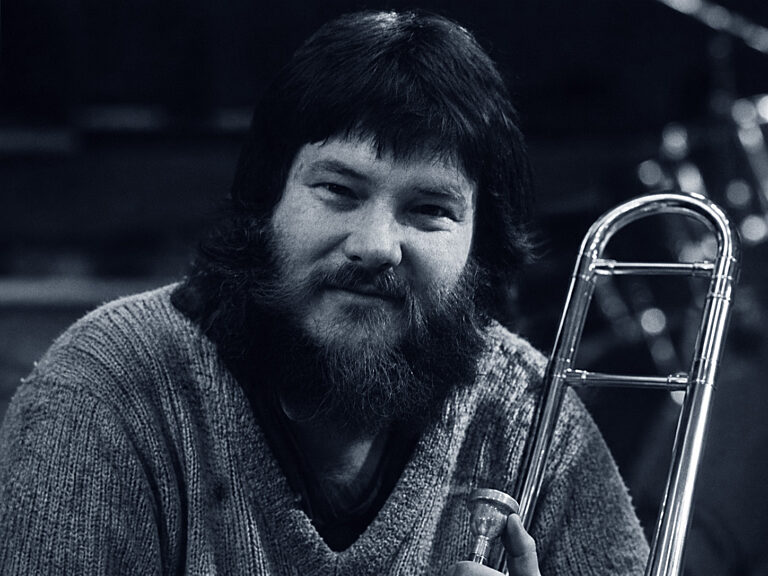
Maurice Ravel and the new trombone Member
No. 47 • 1984 Digitized

Maurice Ravel and the new trombone

Dance-band trombonists reshaped orchestral expectations in the 1920s and 30s, leaving their mark on Ravel’s Boléro and a generation of players.

By Michel Laplace
History Technique Articulation Jazz Sound
Interview with Miles Anderson Free
No. 26 • 1979 Digitized

Interview with Miles Anderson

Jean-Pierre Mathez traces Miles Anderson’s path from early training to orchestral and freelance work, expanding on the tension between livelihood and artistic pursuit.

By Jean-Pierre Mathez

Encounters Professional life Freelance Solo playing Contemporary Music
No. 57 • 1987 Awaiting digitization

Can jazz performance be taught?

A profile of Charlie Shoemake

By Thomas Stevens
Repertoire Teaching Jazz Ideas
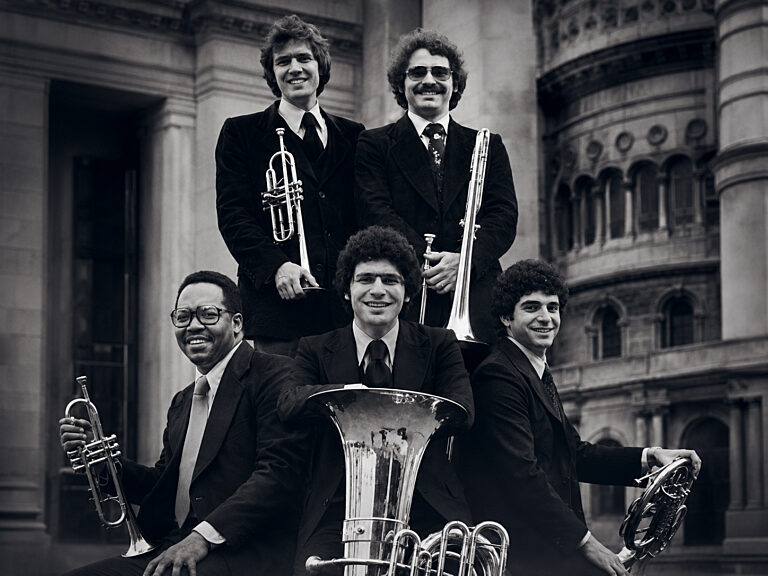
Empire Brass Quintet Free
No. 33 • 1981 Digitized

Empire Brass Quintet

Portrait in brief

From New York to Boston, five brass players built a chamber music identity rooted in Ewald, early music and a string-quartet approach to ensemble sound.

By Jean-Pierre Mathez

Encounters Repertoire Brass Ensemble Sound Contemporary Music
Loading…

Questions & Answers

How the Digital Edition works

What does the Digital Edition include?

The Digital Edition brings together the articles already digitized as searchable online texts—not simply as scans or PDF files—along with their original illustrations, notes, authorship, issue information, and available translations. Related-article suggestions currently include only this digitized material.

Are the digital articles identical to the originals?

We preserve the original text, language, illustrations, captions, footnotes, and editorial context as faithfully as possible. The presentation is adapted for comfortable online reading, and obvious transcription or scanning errors may be corrected. The substance and character of the published article remain unchanged.

Which languages are available?

Brass Bulletin was published in English, French, and German throughout its history. Italian and Spanish translations were added from issue No. 60 onward.

On the Italian and Spanish sites, articles from issues 1–59 are therefore shown in English by default.

How often are new articles added?

New articles are added almost daily, with approximately one complete issue digitized each week. The pace may vary depending on the preparation, image work, and editorial checking required.

Why aren’t all articles available digitally?

The complete Brass Bulletin collection contains 1,246 articles published between 1971 and 2003. The full index is already available online, allowing readers to discover every article in the collection, including those whose complete text has not yet been digitized.

Digitization began in February 2026. Each article is carefully prepared for online reading, checked, and connected to its issue, authors, subjects, and illustrations. At the current pace of digitization, the complete collection is expected to be available online by February 2028.

Why do some references mention articles that are not available yet?

References in the original articles are preserved even when the material they point to has not yet been digitized. This keeps the historical and editorial record intact. As more issues are added to the Digital Edition, an increasing number of these references will lead to articles that can be read online.

Can I suggest an article or report a transcription error?

Yes. If there is an article you would particularly like to see digitized, or if you notice a possible transcription error or missing detail, please contact us. Reader feedback helps us improve the Digital Edition and prioritize useful connections within the archive.

How can I support Brass Bulletin?

Your support helps fund the preparation, verification, and online publication of the complete collection.

Subscribe to the Digital Edition

Prefer to support us without subscribing?

Make a donation

How is the digitization progressing?

We’re gradually making the Brass Bulletin available online, article by article. You can read newly digitized articles as soon as they’re ready, even before an entire issue is complete.

Visit our Digitization Roadmap to browse recent additions and see estimated availability for upcoming issues. These estimates follow our recent pace and may change.

Search Brass Bulletin.