6 min. read
The subconscious, a useful friend
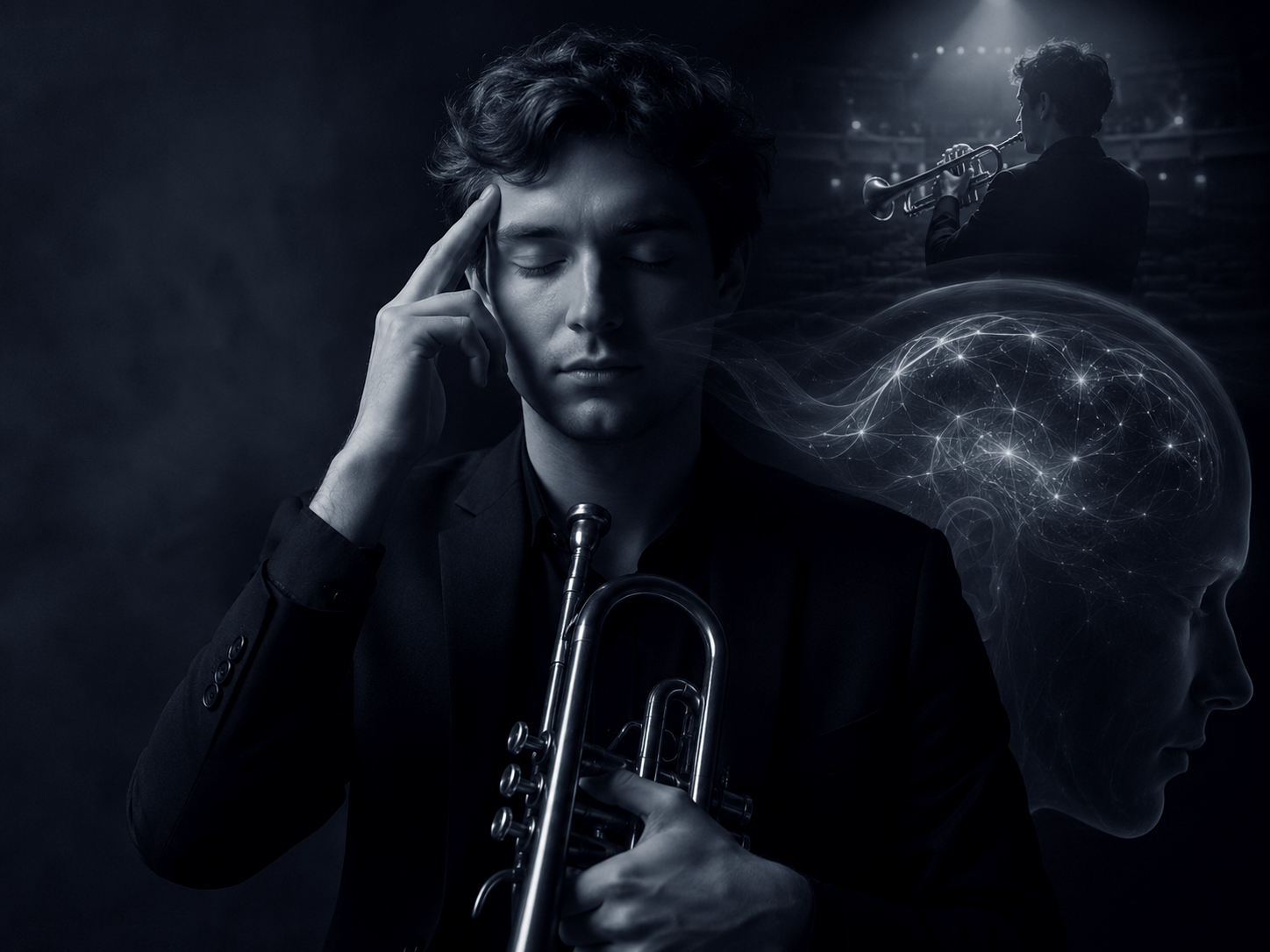
The subconscious is the part of our unconscious which can gain access to the conscious and influence our conduct, our behaviour and our personality. It seems to have the ability to think on its own account, to juggle with the information that can be passed to it and to draw the logical conclusions.
The subconscious keeps a perfect and complete record of all our experiences, objective and subjective, conscious and unconscious, of all our actions, of all our gestures (from our handwriting and its development to the "sign language" or mannerisms which are peculiar to us) — and this right from our tenderest years.
By objective experiences we mean everything we have lived through with all the details that includes. By subjective experiences we mean the product of our inner life; all our thoughts, our reflections and our meditations are committed to the subconscious level and remain there. Thus we are unconsciously influenced by the ideas, positive or negative, which we insert into, and maintain in the subconscious. These ideas thus maintained help to make us what we are (whence the importance of having positive thoughts — see the previous article).
Objective and subjective experiences constitute our conscious memory. As for unconscious experiences, they are everything our mind has registered unknowingly: the people or the shop windows we look at vaguely without really seeing them, the advertisements we read mechanically on hoardings while thinking about something else, everything we can hear without really listening, etc.
It has also registered everything that happened during our early childhood, a period of our life of which we have no "awareness" and which we believe forgotten. It has even registered the sensations we felt in the foetal state, several months before our birth. Our subconscious, like a computer, holds a multitude of index cards made up from our past experience, our life to date.
Furthermore it is the channel by which information can reach us without passing through any of our known senses (extrasensory perception phenomena: telepathy, clairvoyance, precognition, psychometry etc.).
It is always the subconscious which governs the many activities originating in the autonomic (vegetative) nervous system, that is, the involuntary actions of the bodily organs (the functioning of the cardiac muscle, the stomach, liver, kidneys etc.).
We have all heard of the "yogis" who can modify the actions of some of these organs; some can speed up or slow down their heartbeat at will (Yvon Yva has among other things several times produced a cardiac arrest under medical supervision), others have speeded up the peristaltic action of the intestines at will, still others speed up blood circulation in such and such a part of the body; some Tibetan yogis have themselves laid out naked in the Himalayas wrapped only in a damp towel and have managed to raise their internal temperature enough to dry the damp towel and melt the snow below them and around them, etc.
When these yogis perform these prodigious feats, we observe that they put themselves into a particular mental state; they relax, close their eyes and concentrate; and so they produce this "special" mental state which is in fact a different level of consciousness from the ordinary state.
It is thanks to this level of consciousness (putting the objective consciousness at rest) that they can reach the subconscious directly to influence the autonomic nervous system and thus modify the action of the organs or glands which depend on it.
This gives us clear proof of the influence of the mind on the body.
Brass Bulletin 33, I / 1981 pages 53–58
All content is protected by copyright © Brass Bulletin 1981–2026