Explore institutional access →

Historical instruments

74 articles available online

Free
No. 23 • 1978 Digitized

Václav F. Cerveny (1819-1896)

Famous instrument maker

A pioneer of brass design: V. F. Červený shaped modern wind instruments—challenging Adolphe Sax and defining the rich sound of the Austrian school.

By Vaclav Hoza
History Instrument Makers Instrument making Valves Historical instruments
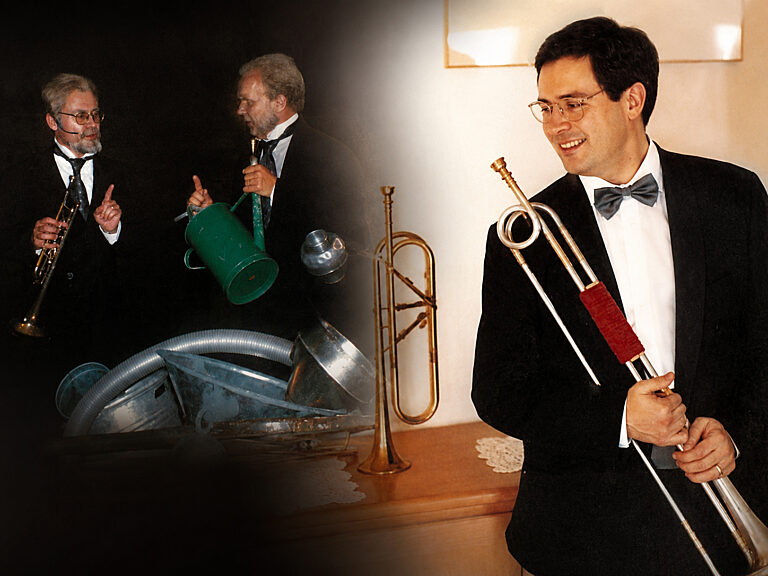
The universal trumpet of Gabriele Cassone
No. 115 • 2001 Awaiting digitization

The universal trumpet of Gabriele Cassone

Baroque instruments, Berio and neglected Italian music meet in Cassone’s unusually broad conception of what a modern trumpeter can be.

By Jean-Pierre Mathez
Encounters Historical instruments Contemporary Music
300 Years of the Horn Member
No. 32 • 1980 Digitized

Part 2

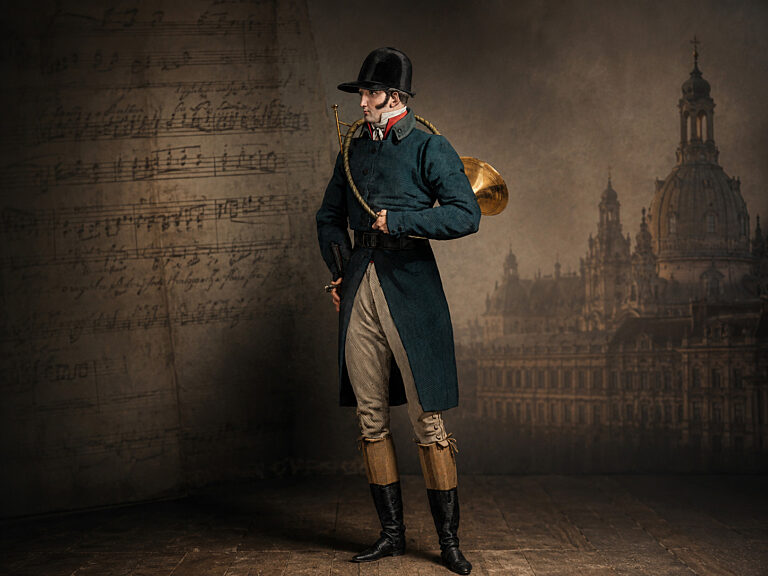
300 Years of the Horn

in the Dresden Court Orchestra

From Dresden’s court musicians to Hampel’s hand-horn technique, virtuoso players and court repertoire shaped a decisive shift in horn playing and orchestral writing.

By Peter Damm
History Equipment Historical instruments Orchestral playing Range
The stamps on Sax instruments Member
No. 30 • 1980 Digitized

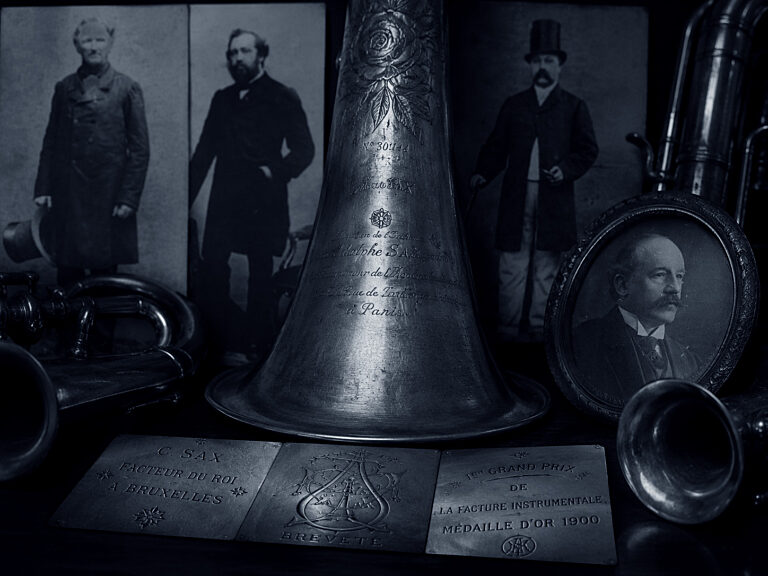
The stamps on Sax instruments

Sax instrument stamps reveal makers, addresses, patents and distinctions, giving collectors concrete clues for dating instruments across three generations.

By M. Haine, I. De Keyser
Instrument Makers History Instrument making Historical instruments Valves
The alto trombone and contemporary concepts of trombone timbre Member
No. 28 • 1979 Digitized

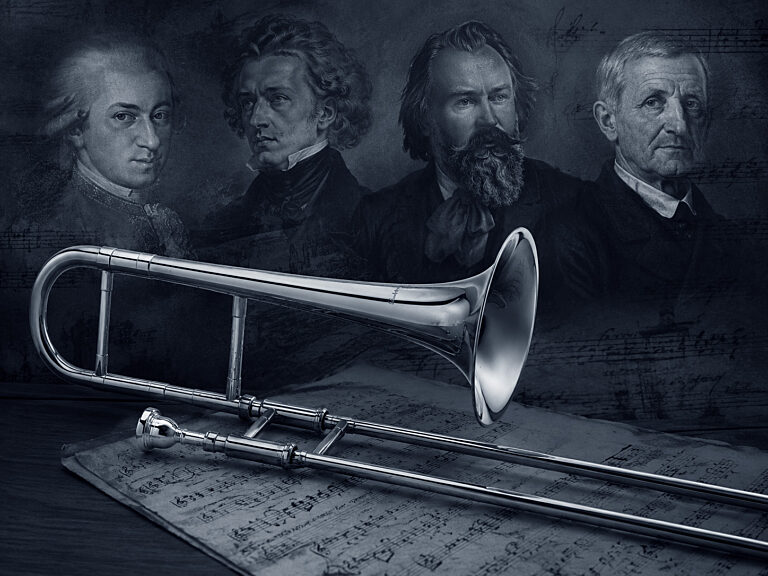
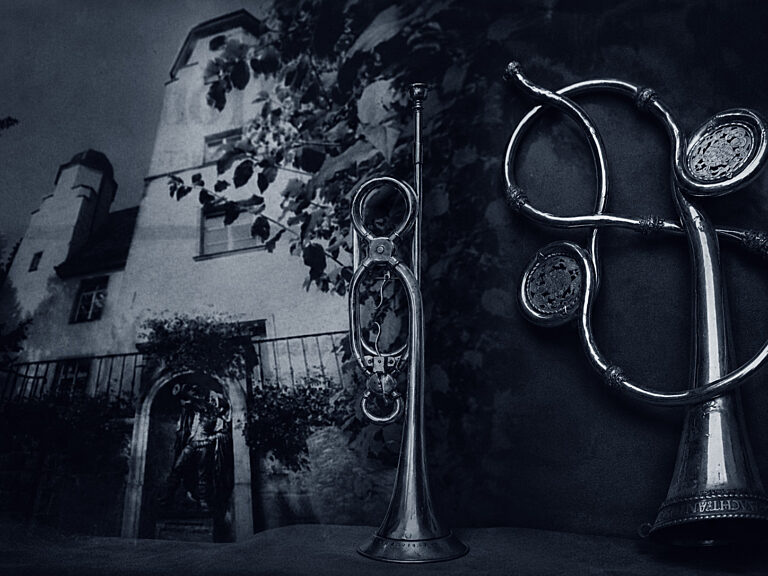
The alto trombone and contemporary concepts of trombone timbre

Alto trombone timbre from Vienna to Brahms, orchestral balance, period practice, and why bright brass sounds gradually disappeared.

By William E. Runyan
Repertoire Equipment Historical instruments Sound Interpretation
The Trumpet Free
No. 29 • 1980 Digitized

The Trumpet

An exhibition at the Trumpeter's Castel in Bad Säckingen

Natural trumpets from Verona, Nürnberg and Vienna framed a 1979 gathering in Säckingen linking Baroque practice, collecting culture and modern playing.

By Kurt Janetzky

History Event Historical instruments Valves
The trombone: changing times, changing slide positions Member
No. 11 • 1975 Digitized

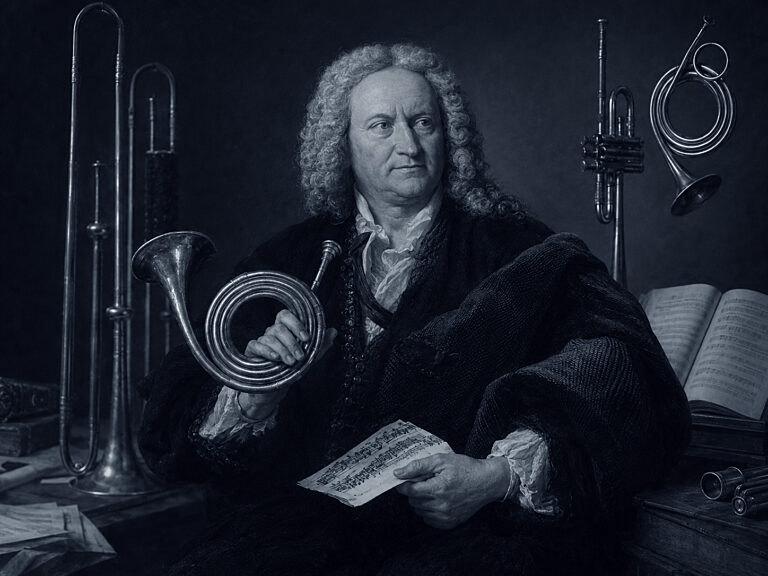
The trombone: changing times, changing slide positions

Did trombonists always use seven positions? Heinrich Huber reveals how history, theory and early music reshaped the slide.

By Heinrich Huber
Technique History Historical instruments Intonation
The Baroque trumpet, the high trumpet and the so-called Bach trumpet Member
No. 3 • 1972 Digitized

Part 2

The Baroque trumpet, the high trumpet and the so-called Bach trumpet

Continuation of Edward H. Tarr’s study on the Baroque trumpet, examining the high trumpet and further clarifying the concept of the “Bach trumpet.”

By Edward H. Tarr

History Equipment Repertoire Historical instruments Sound
Editorial Free
No. 54 • 1986 Digitized

Editorial

A wealth of Baroque music lies dormant in libraries, caught between historical instrument names, technical demands, and the competing claims of horn and trumpet players.

By Jean-Pierre Mathez

Repertoire History Historical instruments
The tuba in France Member
No. 13 • 1976 Digitized

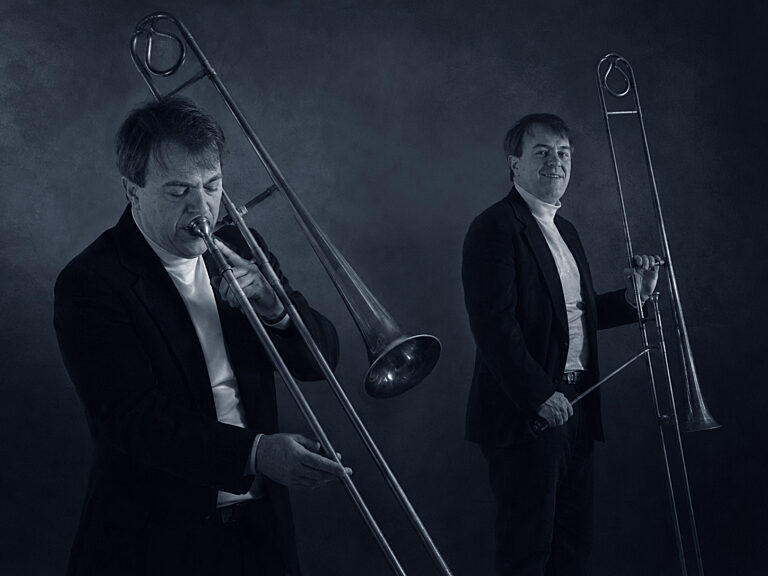
The tuba in France

How did the tuba emerge as an orchestral force? Fernand Lelong and Robert Coutet trace its path—from serpent to Sax—and its rapid rise.

By Fernand Lelong, Robert Coutet
History Equipment Historical instruments Instrument making French school
The contrabass sackbut Member
No. 31 • 1980 Digitized

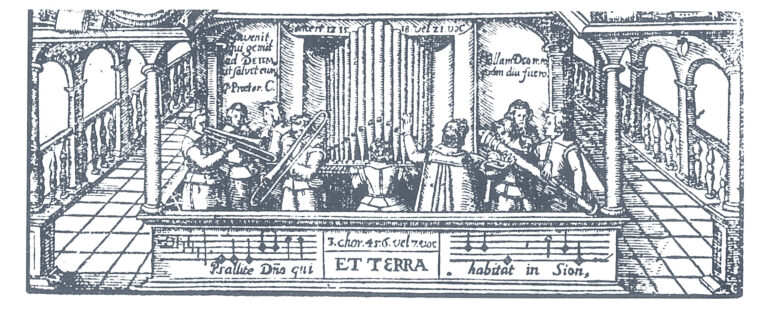
The contrabass sackbut

a modern copy

A reconstructed 17th-century contrabass sackbut revives forgotten low brass practice, from Venetian polychoral music to modern performance challenges.

By Richard Lister
Equipment Instrument Makers Historical instruments Instrument making Mouthpiece
Reminiscence of trombonists of the past Free
No. 22 • 1978 Digitized

Reminiscence of trombonists of the past

Echoes of the past: Werner Beyer traces great trombonists from the 17th century to Wagner’s era—revealing how tradition, players, and instruments shaped the modern orchestra.

By Werner Beyer
History Orchestral playing Historical instruments
On the Cornett and Serpent Member
No. 46 • 1984 Digitized

On the Cornett and Serpent

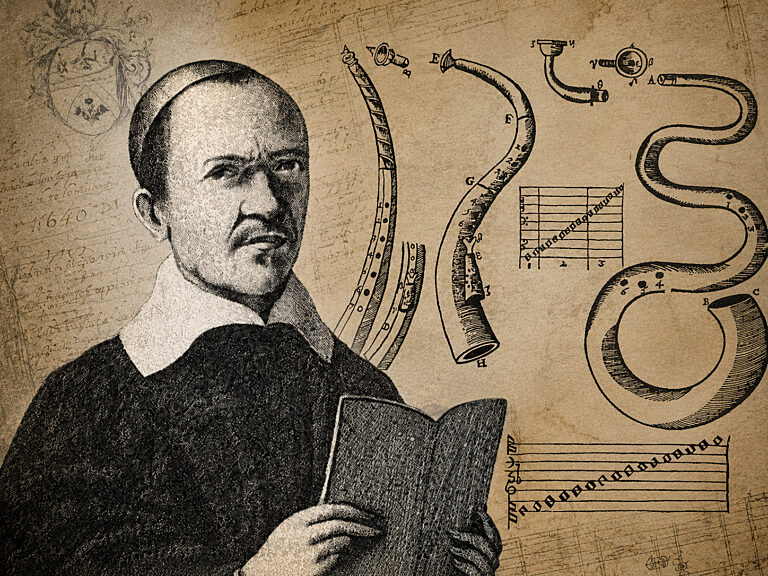
From Pierre Trichet’s Traité des Instruments de Musique (c. 1640)

Written around 1640, Pierre Trichet’s Traité des Instruments de Musique preserves a firsthand account of the cornett and serpent in musical life and construction.

By Pierre Trichet
History Equipment Historical instruments
On Trumpets Free
No. 49 • 1985 Digitized

On Trumpets

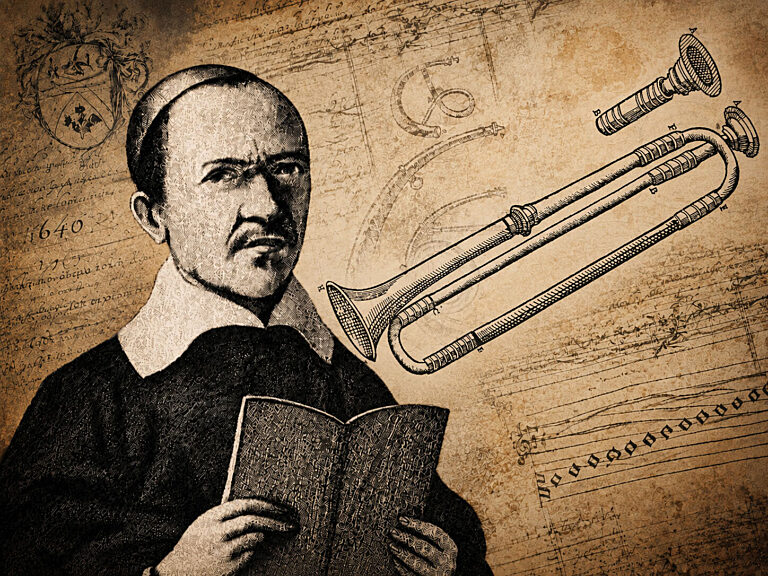
From Pierre Trichet’s Traité des Instruments de Musique (c. 1640)

Trumpets served war, ceremony and even medicine before Trichet turned to the mute, a simple device whose purpose extended far beyond changing the sound.

By Pierre Trichet
History Equipment Historical instruments
300 Years of the Horn Member
No. 31 • 1980 Digitized

Part 1

300 Years of the Horn

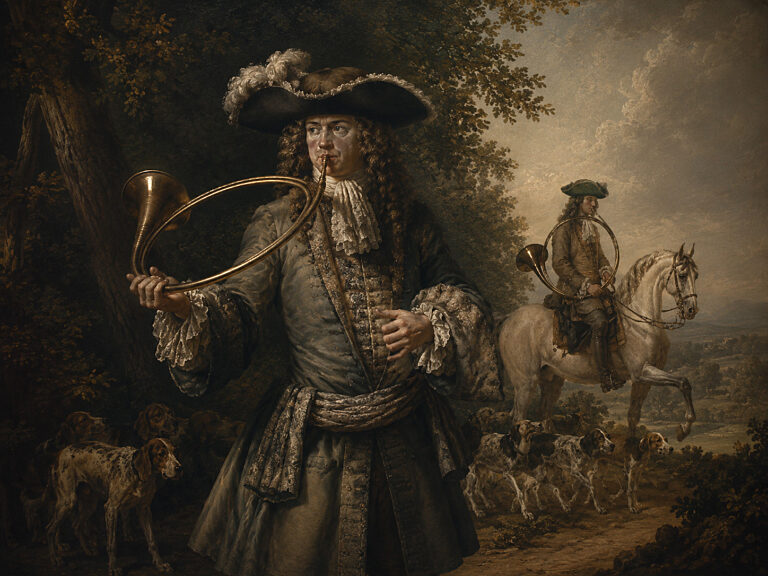
1680-1980, an attempted survey

From Versailles to Bohemia, hunting horns enter orchestral life through makers, players, early works and the Austro-Bohemian tradition.

By Peter Damm
History Equipment Historical instruments Instrument making Orchestral playing
Japanese painting from the 18th century Free
No. 35 • 1981 Digitized

Japanese painting from the 18th century

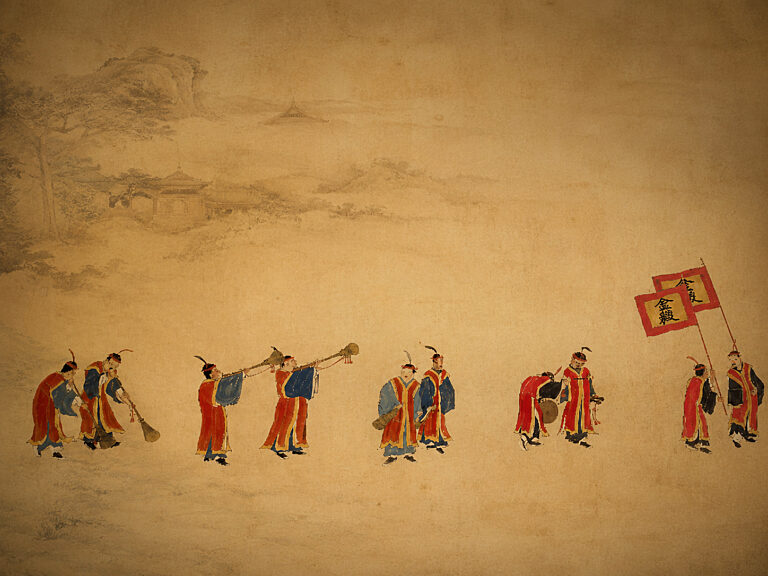
An 18th-century Okinawan scroll preserves a ceremonial procession where Chinese-derived instruments, including the rapa trumpet, marked diplomatic exchange with Japan.

By Fujio Nakayama
History Historical instruments Illustrations
Tower-watchmen and night-watchmen in Bohemia Free
No. 29 • 1980 Digitized

Tower-watchmen and night-watchmen in Bohemia

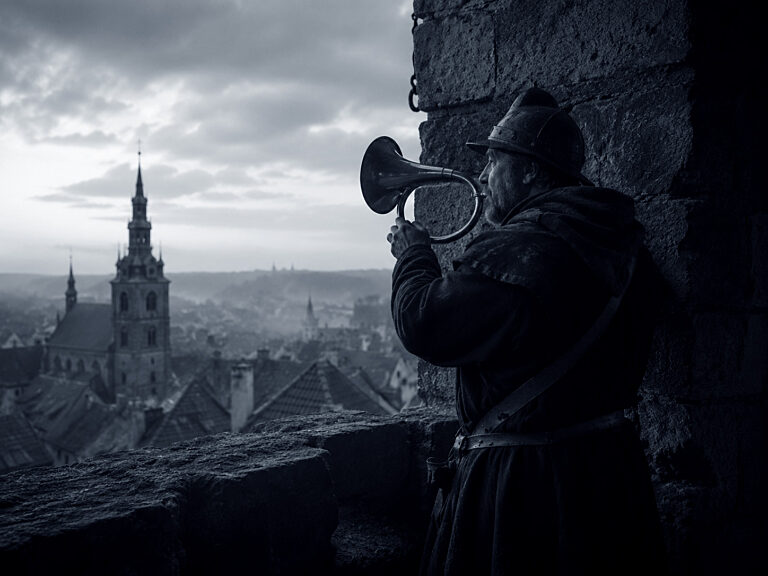
From Hussite suspicion of musicians to tower signals over Bohemian towns, horns and trumpets shaped civic life, danger warnings and ritual memory.

By Vaclav Hoza
History Society Sociology Historical instruments
Music in an American Frontier Communal Society Member
No. 36 • 1981 Digitized

Part 3

Music in an American Frontier Communal Society

Aurora Colony

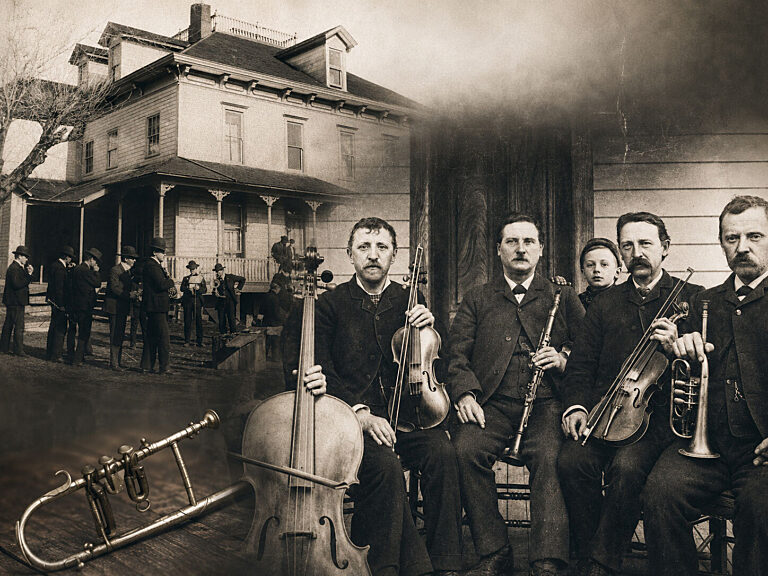
Aurora’s bands, chamber groups and restored instruments show how communal faith, German heritage and American public life met in sound, from parlors to parades.

By Deborah M. Olsen
History Society Sociology Brass Ensemble Historical instruments
Interview with Hans Pizka Free
No. 36 • 1981 Digitized

Interview with Hans Pizka

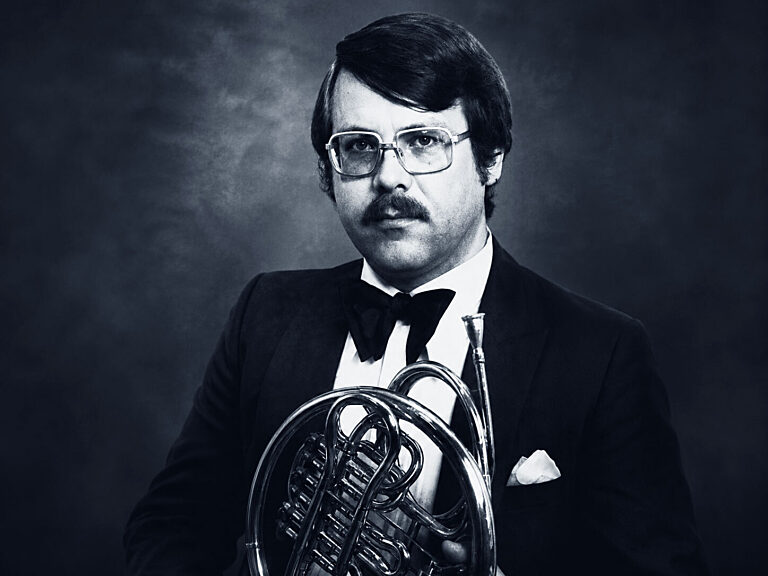
From Vienna horn traditions and natural-horn training to orchestral style and pedagogy, Hans Pizka reflects on the foundations of horn playing and musical identity.

By Jeffrey Agrell
Encounters Teaching Equipment Historical instruments Orchestral playing
The French Hunting horn, its history, its technique and its music Member
No. 39 • 1982 Digitized

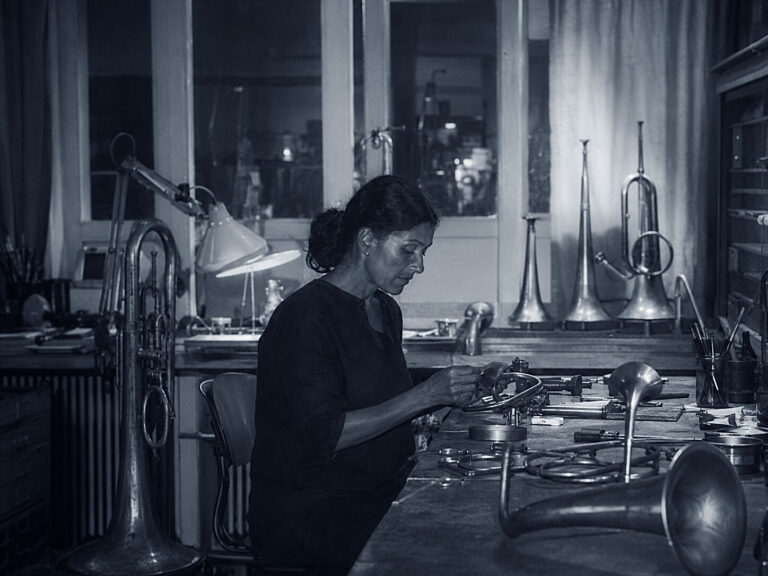
The French Hunting horn, its history, its technique and its music

Centuries-old hunting signals still shape performance today, where technique, ritual and oral tradition preserved a musical language unlike any other brass practice.

By Daniel Bourgue
History Technique French school Historical instruments Ornaments
Early Brass Instruments and Restoration Free
No. 39 • 1982 Digitized

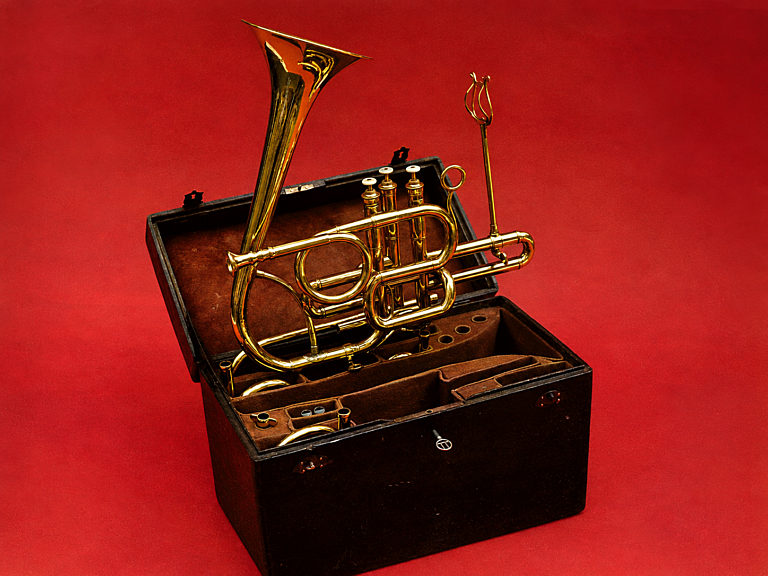
Early Brass Instruments and Restoration

Restoring historic brass instruments means deciding what to preserve, what to undo and how modern methods can serve objects shaped by another musical age.

By Ursula Menzel
History Equipment Historical instruments Instrument making
Bad Säckingen, Trumpet museum Member
No. 53 • 1986 Digitized

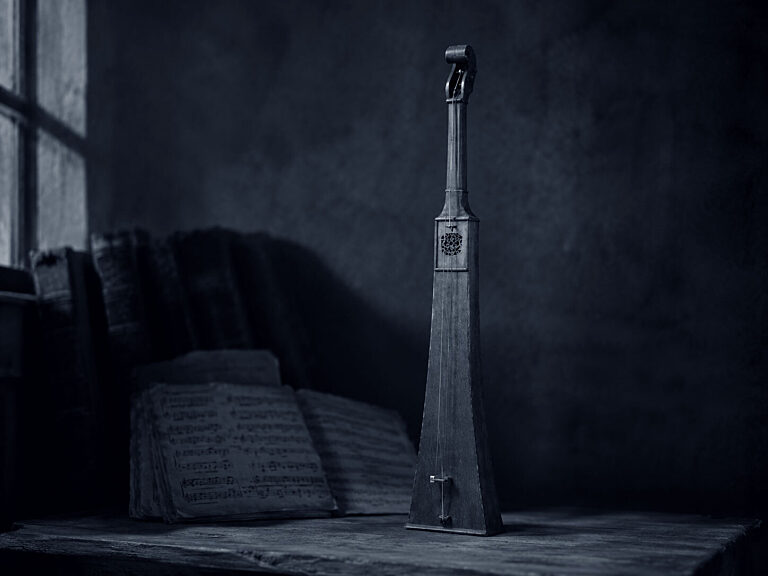
Bad Säckingen, Trumpet museum

A romantic legend, a remarkable private collection and Edward H. Tarr’s scholarship converged in Bad Säckingen to give the trumpet a museum of its own.

By Jean-Pierre Mathez
History Equipment Historical instruments
Jean-Baptiste Prin (1669-1742) Member
No. 39 • 1982 Digitized

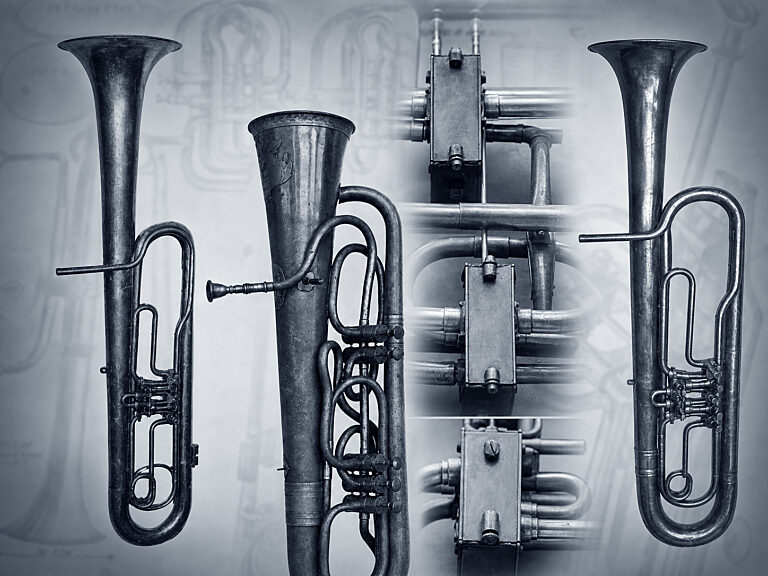
Jean-Baptiste Prin (1669-1742)

A tromba marine virtuoso

A forgotten string instrument leads to an unexpected treasury of Baroque trumpet music, challenging long-held assumptions about repertoire and performance.

By Albert Hiller
History Repertoire Historical instruments
On the early history of valves and valve instruments in Germany (1814-1833) Member
No. 26 • 1979 Digitized

Part 3

On the early history of valves and valve instruments in Germany (1814-1833)

Herbert Heyde traces early German valve instruments from Stoelzel’s horns to basses, makers, patents, and shifting brass-band sound.

By Herbert Heyde

History Equipment Valves Historical instruments Instrument making
Loading…

Questions & Answers

How the Digital Edition works

What does the Digital Edition include?

The Digital Edition brings together the articles already digitized as searchable online texts—not simply as scans or PDF files—along with their original illustrations, notes, authorship, issue information, and available translations. Related-article suggestions currently include only this digitized material.

Are the digital articles identical to the originals?

We preserve the original text, language, illustrations, captions, footnotes, and editorial context as faithfully as possible. The presentation is adapted for comfortable online reading, and obvious transcription or scanning errors may be corrected. The substance and character of the published article remain unchanged.

Which languages are available?

Brass Bulletin was published in English, French, and German throughout its history. Italian and Spanish translations were added from issue No. 60 onward.

On the Italian and Spanish sites, articles from issues 1–59 are therefore shown in English by default.

How often are new articles added?

New articles are added almost daily, with approximately one complete issue digitized each week. The pace may vary depending on the preparation, image work, and editorial checking required.

Why aren’t all articles available digitally?

The complete Brass Bulletin collection contains 1,246 articles published between 1971 and 2003. The full index is already available online, allowing readers to discover every article in the collection, including those whose complete text has not yet been digitized.

Digitization began in February 2026. Each article is carefully prepared for online reading, checked, and connected to its issue, authors, subjects, and illustrations. At the current pace of digitization, the complete collection is expected to be available online by February 2028.

Why do some references mention articles that are not available yet?

References in the original articles are preserved even when the material they point to has not yet been digitized. This keeps the historical and editorial record intact. As more issues are added to the Digital Edition, an increasing number of these references will lead to articles that can be read online.

Can I suggest an article or report a transcription error?

Yes. If there is an article you would particularly like to see digitized, or if you notice a possible transcription error or missing detail, please contact us. Reader feedback helps us improve the Digital Edition and prioritize useful connections within the archive.

How can I support Brass Bulletin?

Your support helps fund the preparation, verification, and online publication of the complete collection.

Subscribe to the Digital Edition

Prefer to support us without subscribing?

Make a donation

How is the digitization progressing?

We’re gradually making the Brass Bulletin available online, article by article. You can read newly digitized articles as soon as they’re ready, even before an entire issue is complete.

Visit our Digitization Roadmap to browse recent additions and see estimated availability for upcoming issues. These estimates follow our recent pace and may change.

Search Brass Bulletin.