Explore institutional access →

Historical instruments

74 articles available online
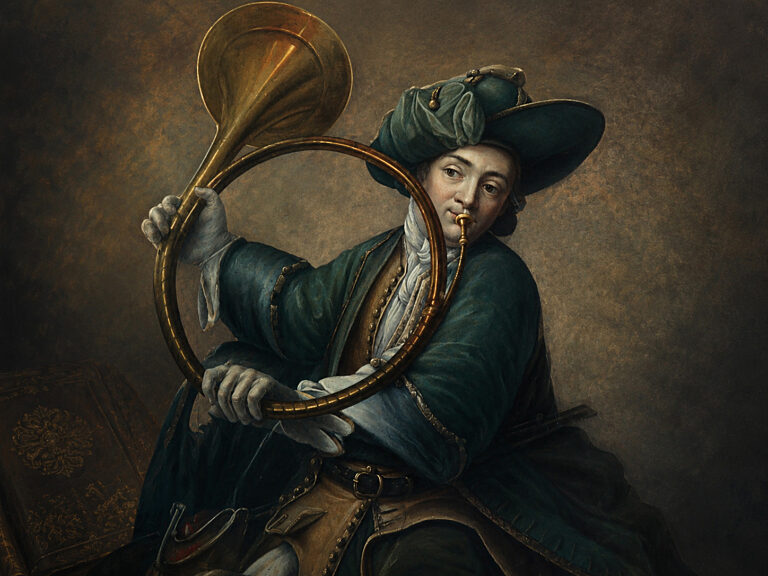
300 Years of the Horn in Bohemia Free
No. 31 • 1980 Digitized

300 Years of the Horn in Bohemia

An unsigned portrait from the Dresden court links the rise of Bohemian horn playing to the ceremonial world of Baroque hunting culture.

By Kurt Janetzky
History Society Historical instruments Interpretation Sociology
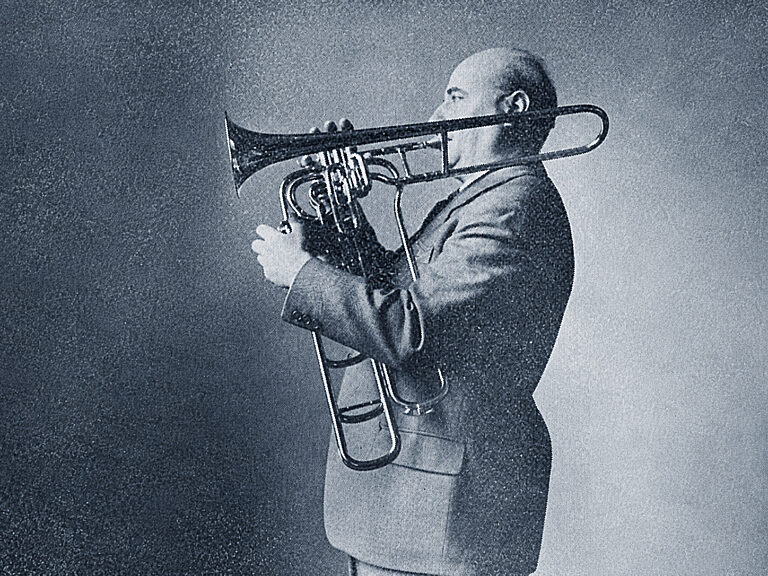
The trombone with 6 independent valves Member
No. 5 • 1973 Digitized

The trombone with 6 independent valves

Technical analysis of the trombone with six independent valves, examining its mechanics, extended range and potential for new repertoire.

By Edmond Leloir
Equipment Instrument Makers History Valves Instrument making Historical instruments
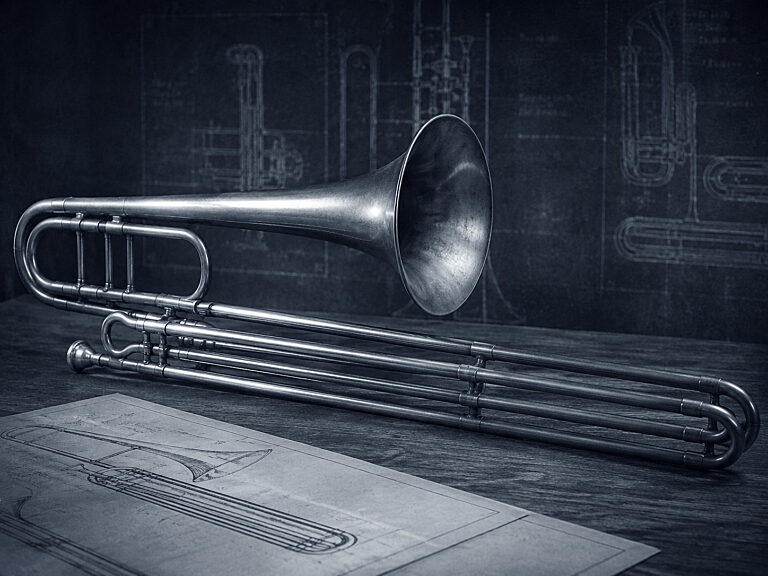
The double-slide trombone Free
No. 30 • 1980 Digitized

The double-slide trombone

museum-piece with a future?

As virtuosity reshaped 20th-century brass playing, Boris G. Manzora argued that the forgotten double-slide trombone could redefine technique and range.

By Boris G. Manzora
Equipment Instrument Makers Historical instruments Instrument making Valves
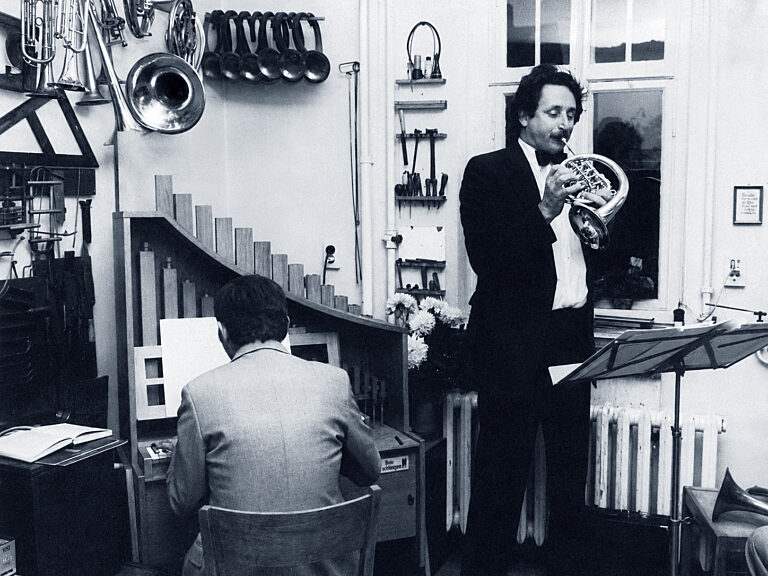
A modern corno da caccia Free
No. 46 • 1984 Digitized

A modern corno da caccia

Bach’s highest horn parts expose a divide between historical sound and modern technique, prompting Friedbert Syhre and Ludwig Güttler to rethink the instrument itself.

By Werner Wolf
Equipment Instrument Makers Historical instruments Instrument making Valves
On hunting horns and other similar instruments Member
No. 47 • 1984 Digitized

On hunting horns and other similar instruments

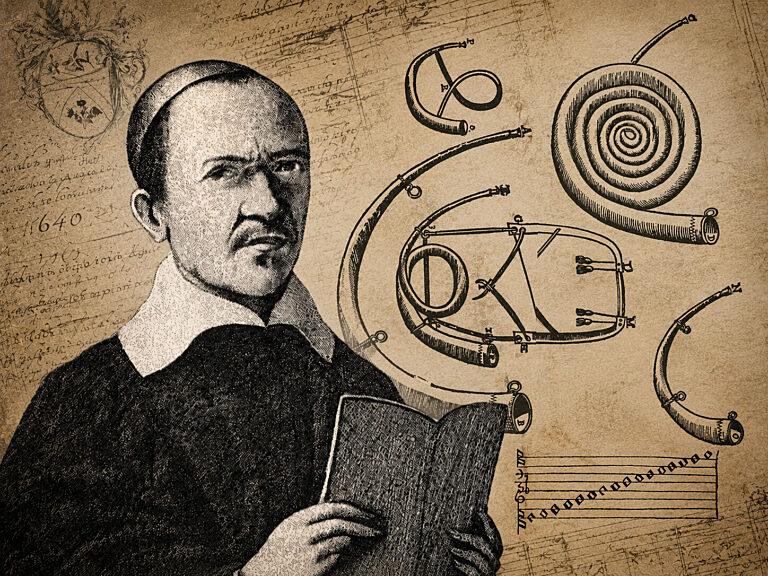
From Pierre Trichet’s Traité des Instruments de Musique (c. 1640)

Hunting horns, buccinae and cornets blur into one another as Trichet links ancient signals, shepherds, hunters and myth to the instruments of his own age.

By Pierre Trichet
History Equipment Historical instruments
The hunting horn Free
No. 39 • 1982 Digitized

The hunting horn

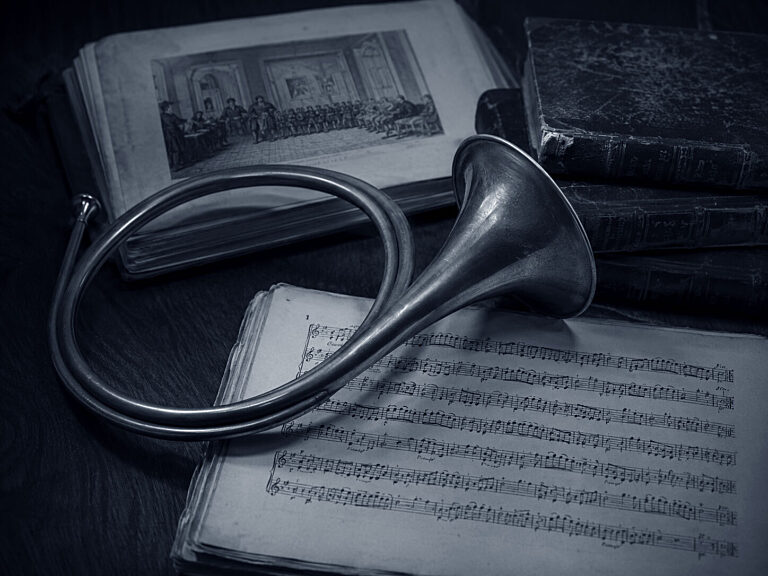
Long-held beliefs about the French hunting horn are challenged as forgotten playing practices and Baroque traditions reshape its early history and repertoire.

By Jacques Poncet
History Repertoire French school Historical instruments Interpretation
On the early history of valves and valve instruments in Germany (1814-1833) Member
No. 27 • 1979 Digitized

Part 4

On the early history of valves and valve instruments in Germany (1814-1833)

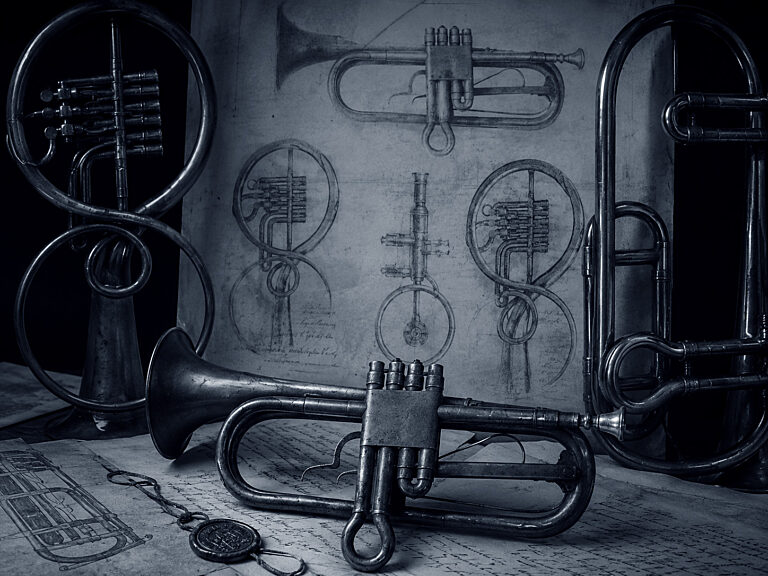
Poverty, patents and workshop rivalries shaped the first German valve instruments, from Blühmel and Stoelzel to the Vienna and Mainz systems.

By Herbert Heyde

History Equipment Valves Historical instruments Instrument making
Loading…

Questions & Answers

How the Digital Edition works

What does the Digital Edition include?

The Digital Edition brings together the articles already digitized as searchable online texts—not simply as scans or PDF files—along with their original illustrations, notes, authorship, issue information, and available translations. Related-article suggestions currently include only this digitized material.

Are the digital articles identical to the originals?

We preserve the original text, language, illustrations, captions, footnotes, and editorial context as faithfully as possible. The presentation is adapted for comfortable online reading, and obvious transcription or scanning errors may be corrected. The substance and character of the published article remain unchanged.

Which languages are available?

Brass Bulletin was published in English, French, and German throughout its history. Italian and Spanish translations were added from issue No. 60 onward.

On the Italian and Spanish sites, articles from issues 1–59 are therefore shown in English by default.

How often are new articles added?

New articles are added almost daily, with approximately one complete issue digitized each week. The pace may vary depending on the preparation, image work, and editorial checking required.

Why aren’t all articles available digitally?

The complete Brass Bulletin collection contains 1,246 articles published between 1971 and 2003. The full index is already available online, allowing readers to discover every article in the collection, including those whose complete text has not yet been digitized.

Digitization began in February 2026. Each article is carefully prepared for online reading, checked, and connected to its issue, authors, subjects, and illustrations. At the current pace of digitization, the complete collection is expected to be available online by February 2028.

Why do some references mention articles that are not available yet?

References in the original articles are preserved even when the material they point to has not yet been digitized. This keeps the historical and editorial record intact. As more issues are added to the Digital Edition, an increasing number of these references will lead to articles that can be read online.

Can I suggest an article or report a transcription error?

Yes. If there is an article you would particularly like to see digitized, or if you notice a possible transcription error or missing detail, please contact us. Reader feedback helps us improve the Digital Edition and prioritize useful connections within the archive.

How can I support Brass Bulletin?

Your support helps fund the preparation, verification, and online publication of the complete collection.

Subscribe to the Digital Edition

Prefer to support us without subscribing?

Make a donation

How is the digitization progressing?

We’re gradually making the Brass Bulletin available online, article by article. You can read newly digitized articles as soon as they’re ready, even before an entire issue is complete.

Visit our Digitization Roadmap to browse recent additions and see estimated availability for upcoming issues. These estimates follow our recent pace and may change.

Search Brass Bulletin.