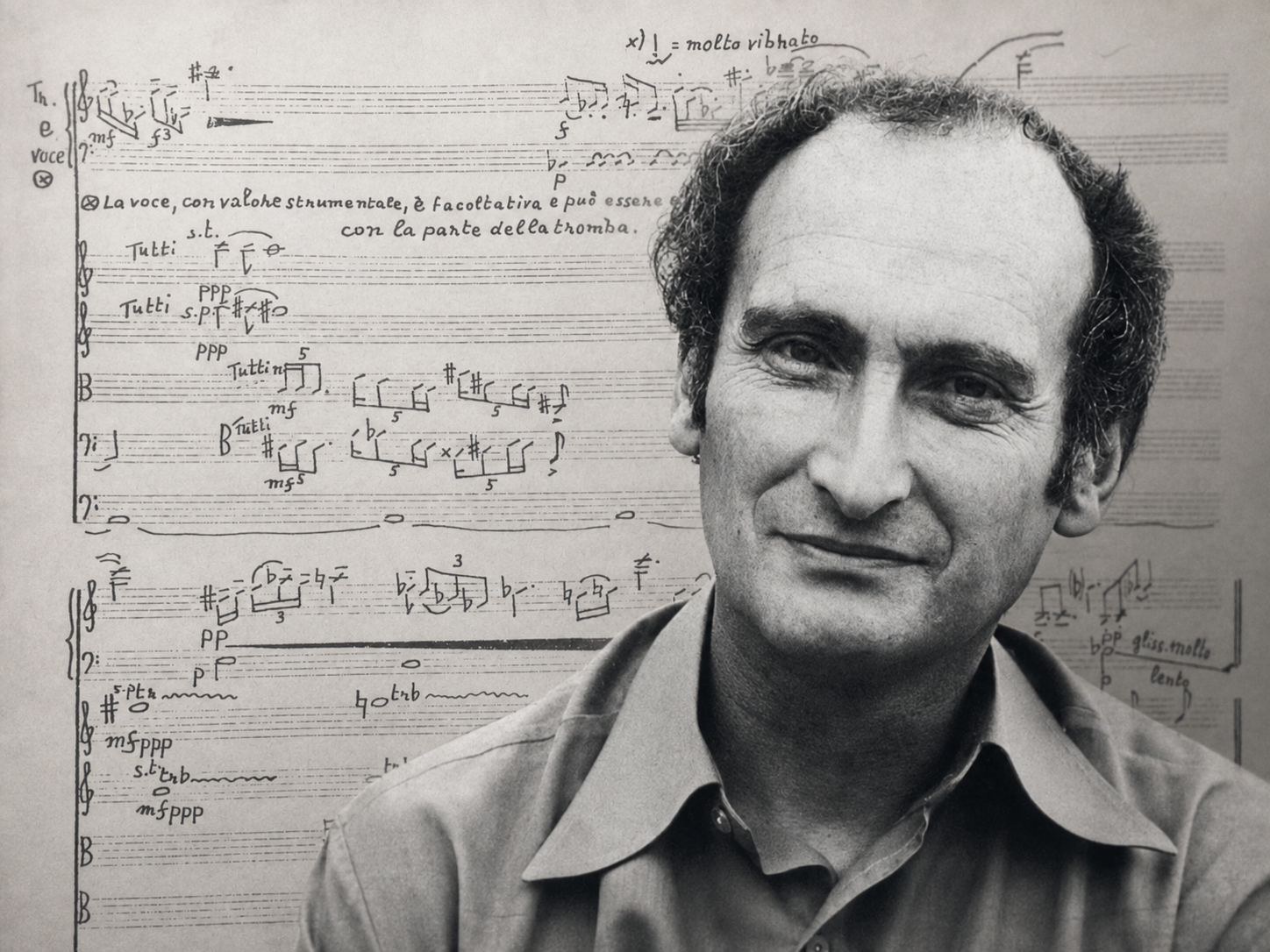
Victor Fenigstein, Passages for trumpet and strings
Listening to a concert of the Radio-Télé-Luxembourg Symphony Orchestra, I pricked up my ears when the first solo trumpeter started playing: a sensitive master of his instrument. His name is Gérard Minière; he is a modest young man with an interest in everything that concerns the trumpet and other brass instruments and wide open to every serious attempt of new musical ways of expression.
I decided to write something for him. "Passages" were dedicated to him. The solo part is not supposed to represent the "great hero", as has been the case so often in the repertoire of the past...
The orchestra is not supposed to represent "the brilliant accompanist in the service of this great hero"...
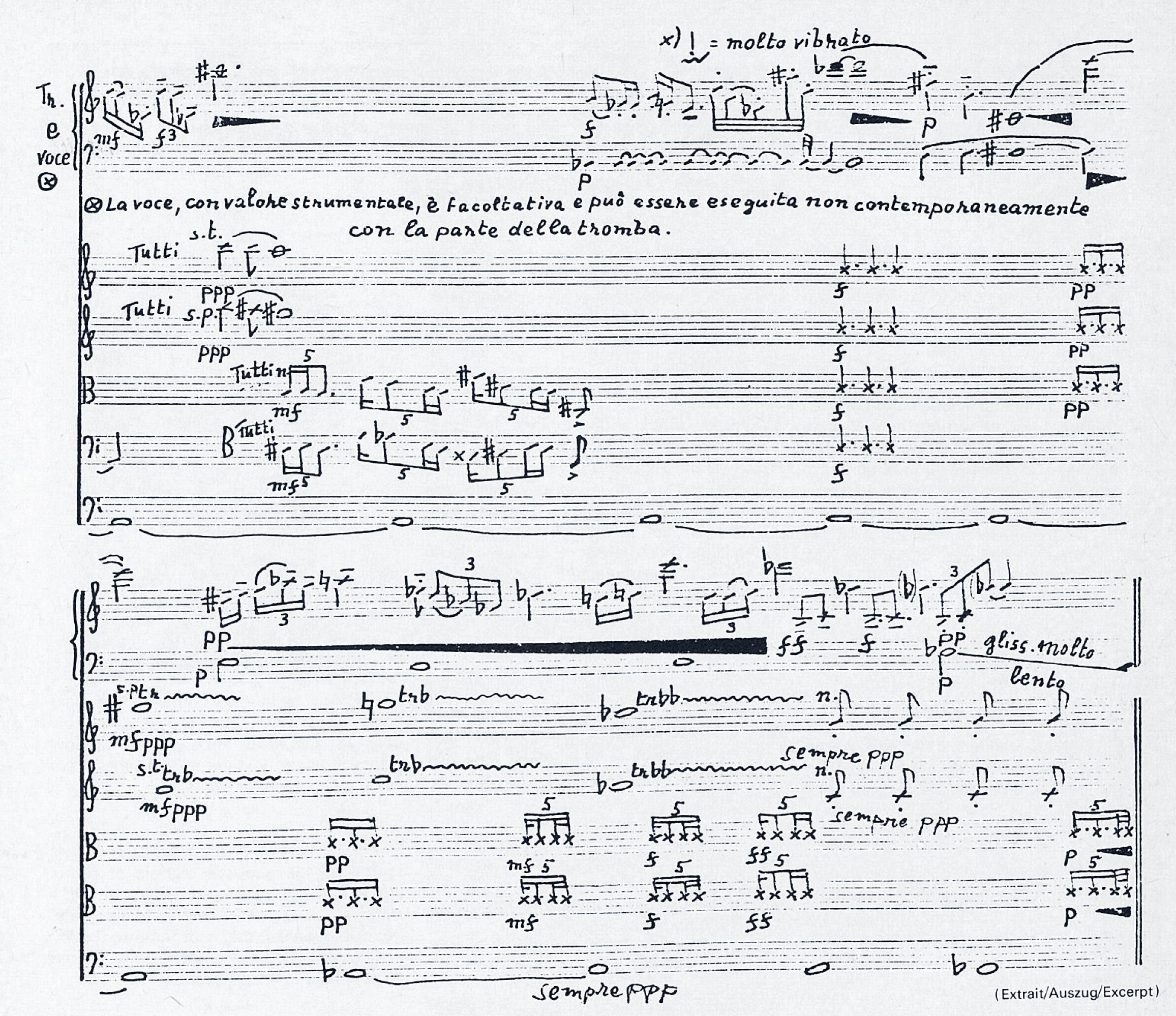
Every now and then there is tapping on the string instruments, but also on the trumpet; certainly not with a "heavy iron hammer", but with sensitive fingertips (to put the traditional player's mind at rest). And it is not done from a cheap desire for effect, but to enlarge the sound palette by using all possibilities offered by the instruments...
Of course some will protest: "I certainly did not spend years of my life learning to play the violin in order to have to tap on it with my fingers." The same artists will also ignore the "con legno" marks in a modern score (which are easier to spurn than to play, by the way)...
I can hear them say: "Ad lib. parts without a time signature? tempo a piacere... molto libero... circa 1'45" as the only specification of time? Either the composer doesn't know what he wants, or else he is consciously opening the door to chaos, true propaganda for anarchy... we won't go along with that!" These artists then prefer not to play at all, rather than to determine for themselves when and what to play, for in such a case, they would be in "danger" of trying out by themselves or with others which way the passage sounds nicest; then they might risk to find out that there are many different possibilities for the "right" entry! Or worse: that this experimentation could all of a sudden turn into a pleasure in itself, and valuable time could be lost — too playful an activity for music which is meant to be played...
Now go ahead and try — and good luck with the approximately 13 minutes of "Passages" for trumpet and strings!
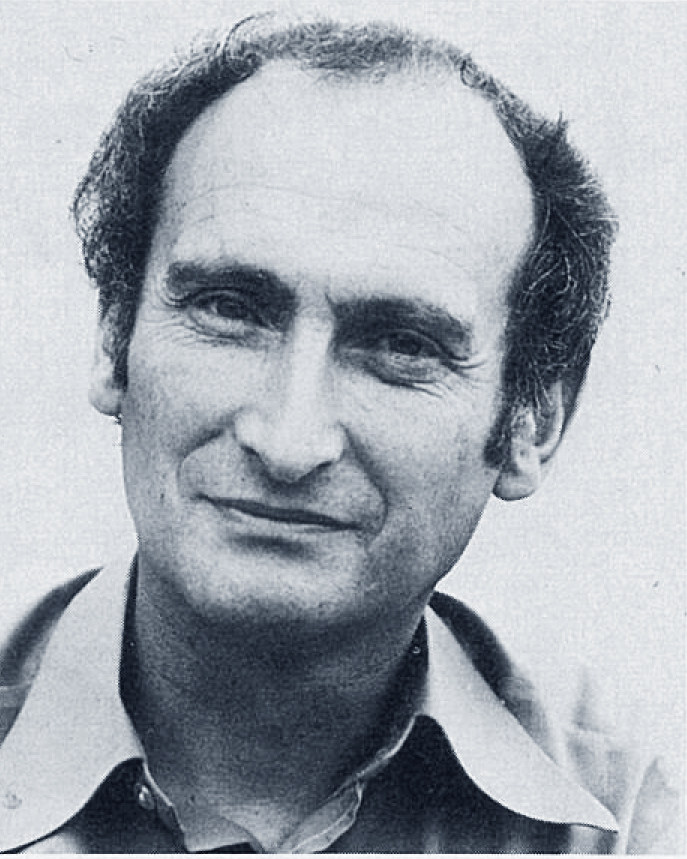
Victor Fenigstein