2 min. read
The Trumpet in the USA
The Confidence Pill
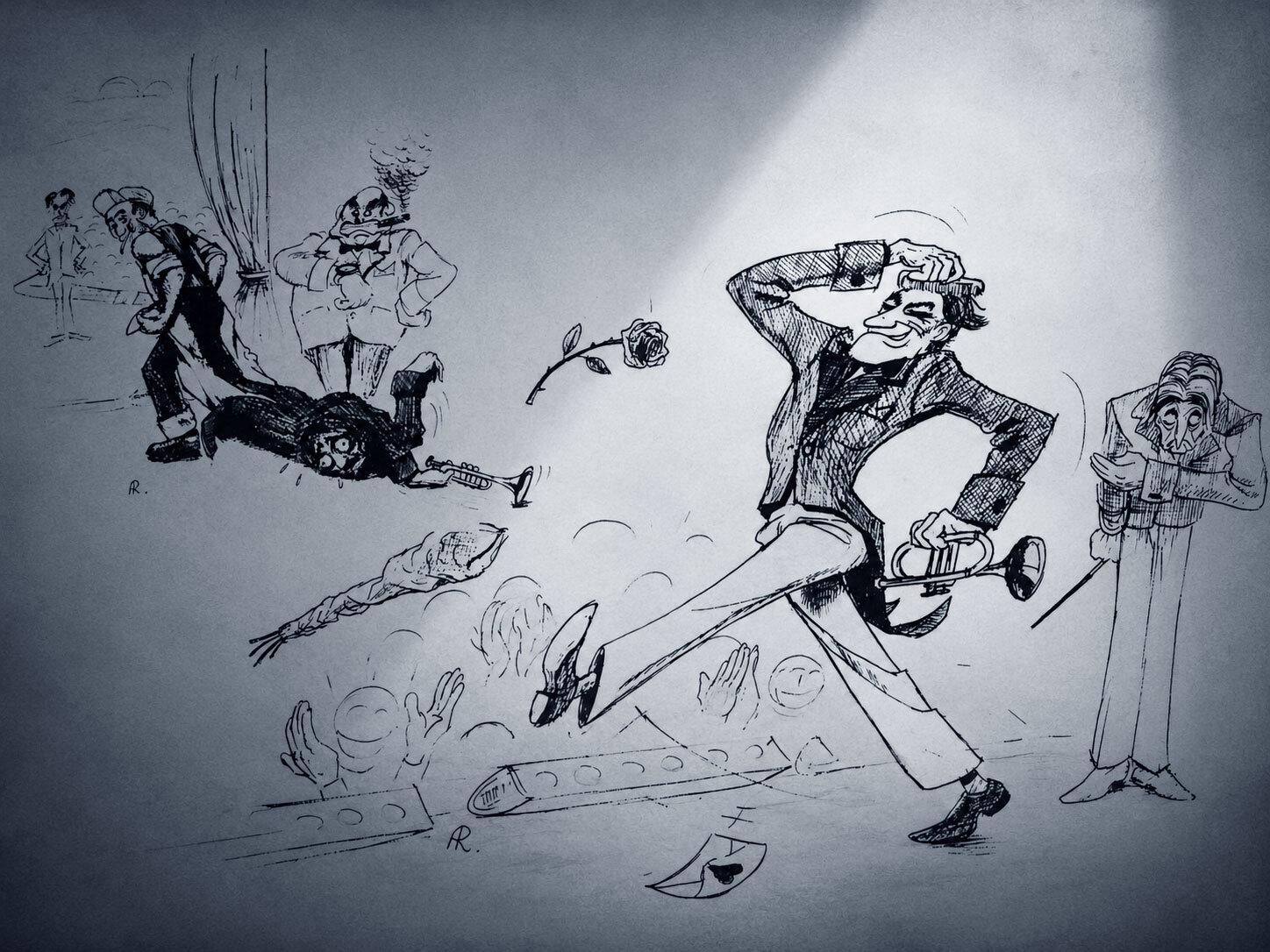
Pablo Casals and Arthur Rubinstein encountered serious nerve problems when performing in public; Vladimir Horowitz declined to accept public performance commitments for a period of nearly fifteen years because of an overwhelming fear of being incapacitated by nerves.
Probably every performer has been overcome at one time or another by a case of "nerves", but most successful artists have learned to cope with the problem. Others have suffered throughout their entire career, in many cases resorting to a number of methods, from modern concepts such as self-hypnosis and bio-feedback to older techniques such as the use of alcohol and barbiturates (tranquilizers).
The latter are very unsatisfactory because they alter the mental processes, and further, in the case of tranquilizers, the salivary glands are inhibited, thus resulting in the effect commonly referred to as "dry mouth". Now there may be hope for the nervous performer. In recent years scientists and physicians have begun to experiment with and/or prescribe Propranolol (aka Inderal, Oxyprenolol) for performers with nerve problems.
Propranolol is a beta blocker, an adrenergic, which inhibits the body's adrenalin output, adrenalin being the chief antagonist in the nerve problem. It also prevents the heart pulse rate from being excessively high, but technical details such as these are better left in the hands of medical professionals.
Brass Bulletin 37, I / 1982 pages 8–9
All content is protected by copyright © Brass Bulletin 1982–2026